REVIEW · BEPPU
Become a local! A Walking Tour of Arts, Crafts & Onsen Culture
Book on Viator →Operated by Space Beppu · Bookable on Viator
Beppu has a creative side you might miss. This small-group walk through downtown Beppu focuses on arts, crafts, and everyday onsen culture, while skipping the biggest crowds.
I like that it takes you to lesser-frequented streets and into places where you can actually watch how locals work and live.
I especially love the craftsmanship stop at 永井製竹(株), a bamboo operation founded in 1908. Seeing bamboo products made with local Oita bamboo is hands-on in a good way, and it ends in the Space Beppu century-old house with art and a history-photo room.
One consideration: this isn’t a checklist tour, and it specifically does no Hells and no onsen interior visits inside an onsen building. The route can also shift based on opening times, so go in with flexible expectations.
In This Review
- Key Things I’d Prioritize on This Beppu Walk
- Why This Beppu Walking Tour Skips the Usual Scripts
- Price and Time: What $59.30 Covers in 2–2.5 Hours
- Stop 1: Beppu Station Market for Real-World Food Life
- Stop 2: Seeing Bamboo Craft at 永井製竹(株) Since 1908
- Stop 3: The Unpredictable Workshop with 別府風流人
- Stop 4: Space Beppu in a Century-Old House (with a Photo History Room)
- Stop 5: Kiyoshima Apartment House Studio for Creator-Resident Conversations
- Arts + Onsen Culture Without the Tourist Onsen Detour
- Practical Stuff That Makes the Walk Feel Easy
- Who Should Book This Beppu Arts-and-Onsen Walking Tour
- Should You Book This Beppu Arts-and-Onsen Walking Tour?
- FAQ
- How much is the Beppu walking tour?
- How long is the walking tour?
- What is the group size for this tour?
- What admissions are included in the ticket price?
- Does the tour visit the Hells or go inside an onsen building?
- Where does the tour start and end?
- Is food or bottled water included?
Key Things I’d Prioritize on This Beppu Walk
- Small group (max 8) means you’re not lost in the crowd.
- 永井製竹(株) bamboo craft traces work back to 1908.
- 別府風流人 workshop is flexible and only runs when the instructor is available.
- Space Beppu combines an art space with a history room full of old Beppu photographs.
- Kiyoshima Apartment House is a chance to meet creator residents in a studio setting.
Why This Beppu Walking Tour Skips the Usual Scripts
Beppu’s famous for its onsen reputation, but it’s also a working city with crafts, studios, and neighborhood energy. This tour is built for people who want more than the standard photo stops and want to walk streets where you’ll feel the local rhythm.
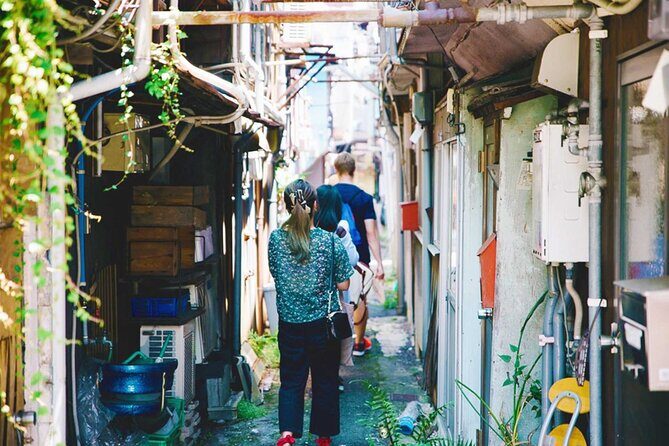
You’ll move through downtown lanes and alleys that many visitors never find. That matters because it changes how Beppu feels: less like an attraction and more like a real place where people make things, trade favors, and spend time in community spaces.
And yes, your guide’s English matters here. In the groups I read about, people praised guides like Masahiro Ide (often called Masa) and Lou for clear, friendly explanations and a sense of humor that makes the walk feel light instead of lecture-heavy.
You can also read our reviews of more walking tours in Beppu

Price and Time: What $59.30 Covers in 2–2.5 Hours
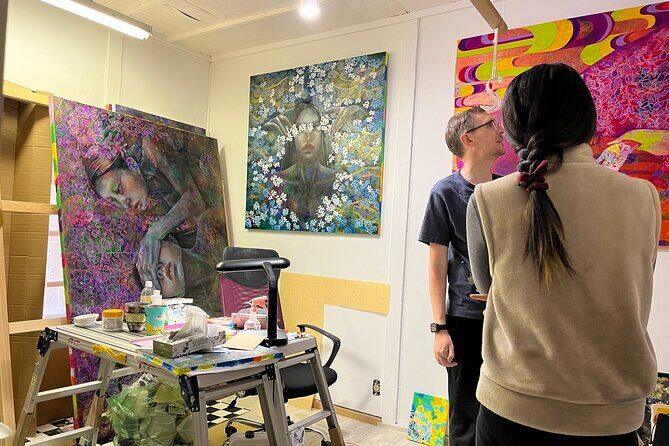
At $59.30 per person, this isn’t a cheap “just walk with someone” add-on. The value comes from what’s included: admission fees for each stop.
The schedule runs about 2 hours to 2.5 hours, which is long enough to feel like you left the center tourist loop, but short enough to still enjoy Beppu afterward on your own. The tour also runs with a mobile ticket and includes group discounts (helpful if you’re booking with friends).
One more practical point: this tour is typically booked about 51 days in advance on average. If you’re traveling in a busy season or on a tight schedule, I’d book early so you can pick a time that matches your other plans.
Stop 1: Beppu Station Market for Real-World Food Life
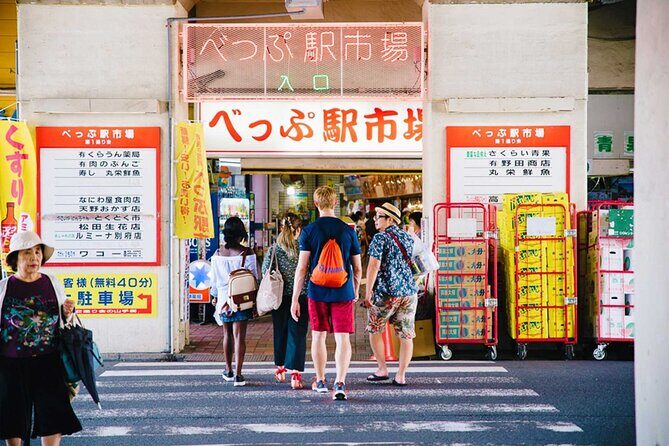
You start at Beppu Station Market (10 minutes), where you can see fresh fish and vegetables being sold. The best part isn’t just what’s on display—it’s how quickly you get a sense of what local food culture looks like day to day.
This is also your first gentle “get oriented” moment. Before you jump into craft spaces, the market helps you read the city a bit: who goes where, what people carry, what they buy, and how fast the flow is moving.
Admission is free here, and the stop is short by design. You don’t get stuck in one place; you get a quick snapshot, then you’re walking again.
Stop 2: Seeing Bamboo Craft at 永井製竹(株) Since 1908
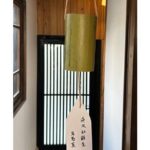
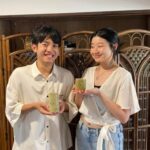
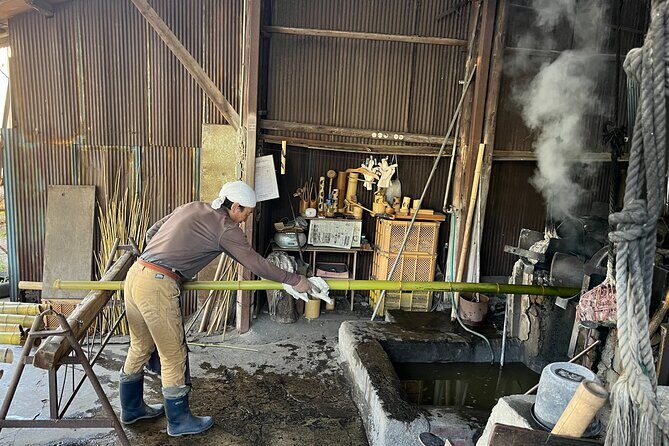
The bamboo stop is the anchor of the tour. At 永井製竹(株), established in 1908, you watch bamboo products being made by skilled artisans. They use bamboo from Oita Prefecture, so it’s not just a “cool craft demo”—it’s part of the local supply chain.
Watching bamboo work up close is satisfying because it’s practical. You’ll see how careful shaping and consistent technique matter for the final form. It’s also one of the few chances you get to see hands-on craft production without needing any special tools yourself.
Admission is included for this stop (30 minutes). If you love process—watching how things are made—you’ll probably mark this as your favorite moment.
Stop 3: The Unpredictable Workshop with 別府風流人
This part is labeled an irregular, unscheduled workshop with 別府風流人. Translation: it happens when the instructor has availability, so it’s not guaranteed in the same way every stop is.
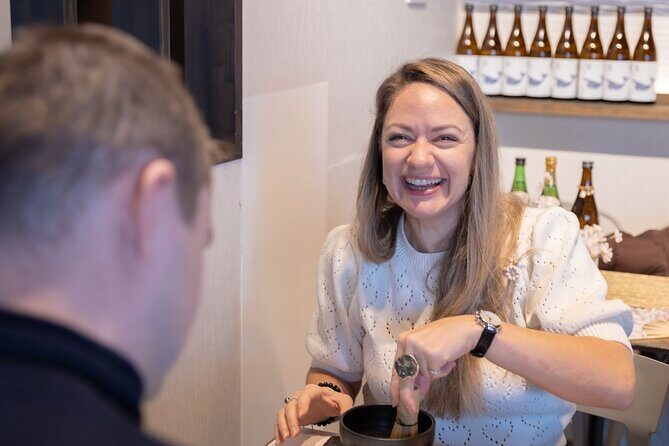
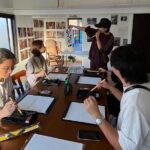
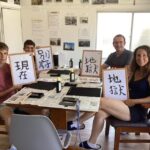
When it does run, this is where the tour can feel most personal. People who booked described experiences like meeting the instructor directly, plus hands-on moments such as an origami lesson and even a harp session with tea involved. That’s a big reason this tour gets such strong ratings: you’re not only looking at art; you’re sometimes participating in a small cultural ritual.
The workshop stop lasts about 1 hour and includes admission. The downside is simple: if you’re hoping for one very specific craft activity, you’ll have to stay open-minded. Think of it as a “maybe you’ll get lucky” bonus.
A few more Beppu tours and experiences worth a look

Stop 4: Space Beppu in a Century-Old House (with a Photo History Room)
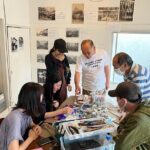
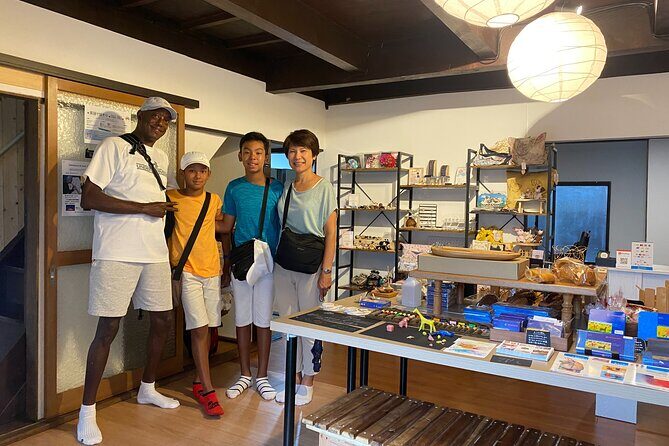
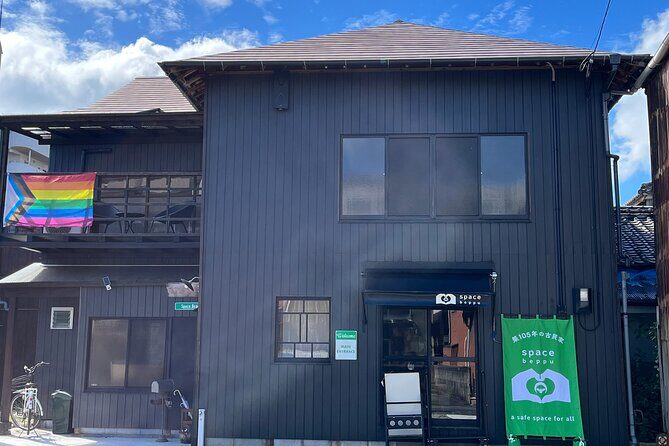
Next comes Space Beppu, set inside a renovated century-old Japanese house. You get about 20 minutes here, and it’s a strong payoff because it blends multiple functions: contemporary art space, shop, and a history corner.
The history room uses historic photographs of Beppu’s past, which helps you connect what you saw earlier (market life and crafts) to how the city evolved. It also keeps the tour from becoming only “things made today.” You get at least a light thread of context.
This stop is particularly good on days when you want a break from walking. You can slow down, browse, and reset your eyes after craft-focused details.
Stop 5: Kiyoshima Apartment House Studio for Creator-Resident Conversations
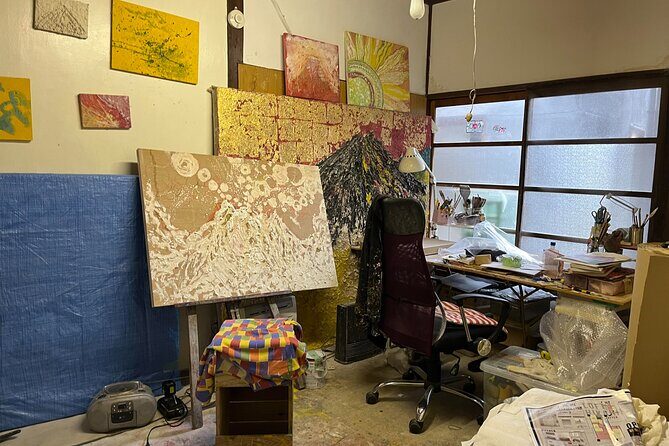
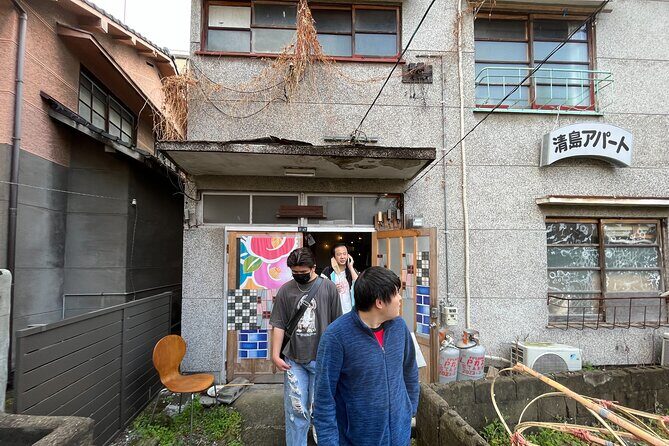
Your final art stop is the Kiyoshima Apartment House, described as a creator residency and studio in downtown Beppu. You get about 20 minutes here.
What makes this stop special is the goal: a chance to meet residents who create, work, and live as artists. Instead of viewing art from behind glass, this kind of studio encounter often gives you the feeling of asking normal questions and getting real answers, even if the conversation is a little limited by language.
This stop is included (admission included). If you love arts-and-crafts travel, you’ll probably appreciate how this tour frames creativity as work, not as performance for visitors.
Arts + Onsen Culture Without the Tourist Onsen Detour
The tour’s title mentions onsen culture, but the approach is different from what some people expect. The key note is that you won’t be shown inside an onsen building.
So what do you get instead? You get context and cultural framing as you walk: how locals experience daily life around the onsen world, and how Beppu’s creativity shows up across neighborhoods. That’s why the tour skips the classic “Hells” stops—because it wants your attention on living culture rather than big set-piece attractions.
Still, guides may point you toward good onsen options after the walk. In the experience write-ups I saw, one recommendation that came up was a public onsen visit at Suginoi Hotel—the idea being that you can follow up on your own outside the tour’s inside-onsen rule. If onsen time is your priority, I’d ask your guide for a recommendation that fits the day’s schedule.
Practical Stuff That Makes the Walk Feel Easy
This is a walking tour with a moderate physical fitness level recommendation. Expect a steady walk through downtown streets and alleys. Even if the distance isn’t described in miles, the surface and pacing will be more “city stroll” than “bus stop shuffle.”
A few things I’d plan for:
- Wear comfortable shoes. Downtown Beppu is a walk-on-street kind of place.
- Bring a light layer if weather changes. One write-up even noted the magic of doing the route in rain.
- Budget for snacks and souvenirs. Food, beverage, and souvenir costs aren’t included, and bottled water is also not included.
If you’re traveling as a couple or solo and want a calm group size, the max 8 people setup is a real advantage. You can hear explanations and ask questions without waiting for someone to translate over a crowd.
Who Should Book This Beppu Arts-and-Onsen Walking Tour
This is a good fit if you:
- care about art, crafts, and how things are made
- want to meet artisans and creators in real settings
- prefer downtown streets over major headline attractions
- like small groups and guides who explain clearly in English
It may not be your best match if you’re hunting for the must-see Beppu icons in one go. Since the route avoids popular highlights like the Hells, you’ll be trading classic sightseeing coverage for a more personal city experience.
Also, if you want a guaranteed specific “hands-on craft,” remember the 別府風流人 workshop is availability-based. You might get a memorable cultural activity, or you might get a different format depending on the instructor’s schedule.
Should You Book This Beppu Arts-and-Onsen Walking Tour?
If your Beppu plan is more about people and making than about ticking off attractions, I’d book this. The structure is smart: market start, craft production at 永井製竹(株), an art-style workshop that can turn special, then Space Beppu and the Kiyoshima Apartment House studio stops.
The strongest reason to go is value-for-money through included admissions plus the fact that you’re walking with context, not just moving between sites. The only real “no” is if you specifically want an onsen-building interior tour or a full day covering Beppu’s biggest set-piece attractions.
If you’re the type who remembers details like the bamboo process and the feel of creator studio conversations, this one fits your style well.
FAQ
How much is the Beppu walking tour?
The price is $59.30 per person.
How long is the walking tour?
It runs about 2 hours to 2 hours 30 minutes.
What is the group size for this tour?
The tour has a maximum of 8 people.
What admissions are included in the ticket price?
Admission fees for each facility are included, covering the stops at the market/craft/workshop and the art spaces mentioned on the route.
Does the tour visit the Hells or go inside an onsen building?
No. The tour does not cover popular touristic spots like the Hells, and you will not be shown inside an onsen building.
Where does the tour start and end?
It starts at WANDER COMPASS BEPPU in the Ekimaechō area (about a 12-minute walk from JR Beppu Station) and ends at Space Beppu in Chiyomachi.
Is food or bottled water included?
Food, beverage, and souvenir costs are not included, and bottled water is also not included.