Hiroshima can hit you fast. This 3-hour walking tour keeps the story clear, starting at the Peace Memorial Museum and moving through the park and surviving landmarks with an English-speaking guide. I especially love how the route links indoor context to outdoor sights, so everything feels connected instead of random. I also like the pacing: you see the big places, then you get quiet moments like Shukukeien Garden to reset your head. One drawback to plan for: it’s a very emotional route with lots of walking, so build in extra time for a slower finish afterward.
What makes this tour work is the mix of structure and flexibility. The guide, Awais, is repeatedly praised for patient explanations, good English, and adapting when weather turns rainy or when you want to spend more or less time at the museum. If you prefer a totally self-directed visit with zero itinerary pressure, you might feel a little constrained by the set flow.
In This Review
- Key things you’ll notice on this tour
- Starting at the Peace Memorial Museum: the story before the walk
- Peace Memorial Park landmarks: connecting facts to place
- The Korean Atomic Bomb Victims Cenotaph: a detail that deepens the whole visit
- Aioi Bridge to the Atomic Bomb Dome: seeing what survived
- Hiroshima Castle: inside instead of waiting
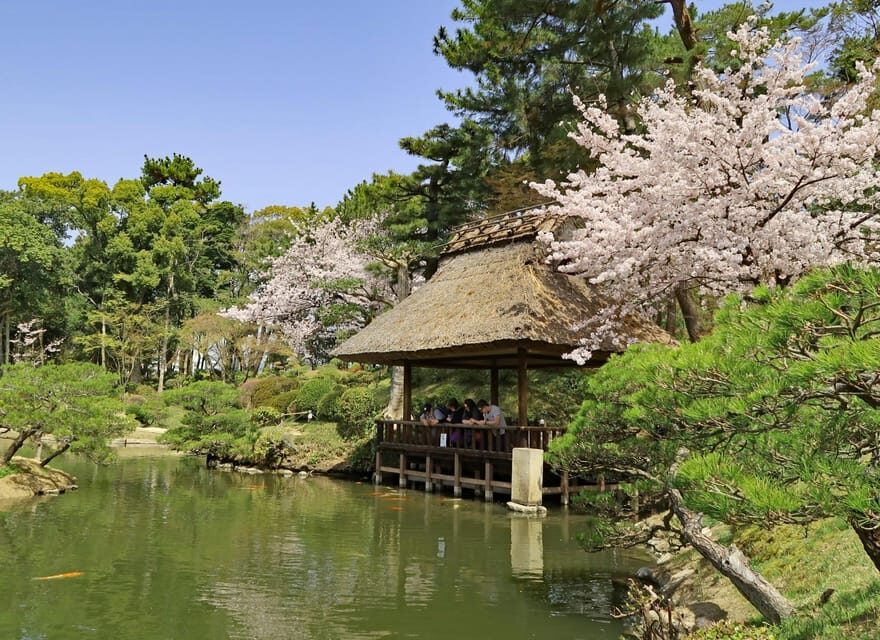
- Shukukeien Garden: the 16th-century pause you’ll thank yourself for
- How much walking is this, really? Pack like you mean it
- Value for $57: what you’re paying for and what you’re not
- Who should book this tour (and who might want to adjust expectations)
- Should you book this Hiroshima history and hidden gems tour?
- FAQ
- How long is the Hiroshima History and Hidden Gems Tour?
- Where does the tour start?
- Can I choose a different meeting point?
- Is the tour offered in English?
- What are some of the main places the tour visits?
- Does the tour skip ticket lines?
- What is included in the tour price?
- What should I bring for the walking portion?
- Is the tour wheelchair accessible?
- What is the cancellation policy, and can I reserve without paying today?
Key things you’ll notice on this tour
- Queue-free entry helps you start sooner at the museum and avoids wasting your limited time.
- A memorial route with a logical sequence connects the museum to the landmarks outside.
- Awais adjusts to your pace and can shift timing if you need a break.
- Shukukeien Garden adds a calmer contrast after the heavier sites.
- It includes places people often miss, like the Korean Atomic Bomb Victims Cenotaph.
- It’s wheelchair accessible, so the route is designed with mobility in mind.
Starting at the Peace Memorial Museum: the story before the walk
The tour begins where you should begin: at the Hiroshima Peace Memorial Museum. This isn’t just a photo stop. You get a visit and a guided tour, plus time to look around and take in what’s on the walls. Even if you already know the basics of what happened, the museum puts names, dates, and human details into focus.
Two things make this start especially useful. First, it gives you a framework for everything you’ll see later—without that context, the outdoor memorials can feel like separate monuments. Second, skipping the ticket line is practical value. In a time-crunched trip, that small time-saver matters.
Also, be ready for the emotional tone. A lot of people come to Hiroshima expecting history. They leave remembering people. If you tend to get overwhelmed easily, give yourself permission to slow down inside the museum and ask your guide to clarify what you’re seeing in plain terms.
You can also read our reviews of more historical tours in Hiroshima
Peace Memorial Park landmarks: connecting facts to place
After the museum, you move into Peace Memorial Park, where the tour turns from information into atmosphere. You’ll get guided explanations, sightseeing time, and a steady walk through the areas that define the memorial space.
This is where the tour shines for first-timers. A good guide doesn’t just point at a sign and move on. It helps you understand why each spot matters and how the park is organized around memory and reflection.
You’ll pass or visit key stops such as:
- The Hiroshima National Peace Memorial
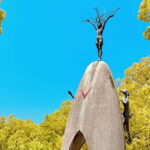
- The Children’s Peace Monument
- The Atomic Bomb Memorial Burial Mound
- Aioi Bridge, a key reference point in the city’s geography and the bombing’s impact
- The Korean Atomic Bomb Victims Cenotaph
- The Atomic Bomb Dome
Expect a safety briefing at the beginning of the outdoor portion. That sounds small, but it’s part of why the tour feels well managed, especially when crowds, uneven sidewalks, or weather show up.
And speaking of weather: Hiroshima can be wet and gray. Several experiences noted that Awais handled heavy rain by keeping people sheltered and adjusting timing when needed. Bring your own rain layer if you can, but it’s also reassuring to know the guide is used to changing conditions.
The Korean Atomic Bomb Victims Cenotaph: a detail that deepens the whole visit
One standout inclusion is the Korean Atomic Bomb Victims Cenotaph. It’s the kind of stop you can easily miss if you’re doing a self-guided loop, because it doesn’t always get top billing in mainstream itineraries.
What you get here is perspective. The memorial route becomes more than an isolated WWII chapter—it starts to feel like a broader story of how communities experienced the attack and its aftermath. A good guide helps you read the site with respect, so you understand the purpose without turning it into a checklist.
If you want Hiroshima to feel complete—rather than a best-of montage—this stop does a lot of work.
Aioi Bridge to the Atomic Bomb Dome: seeing what survived
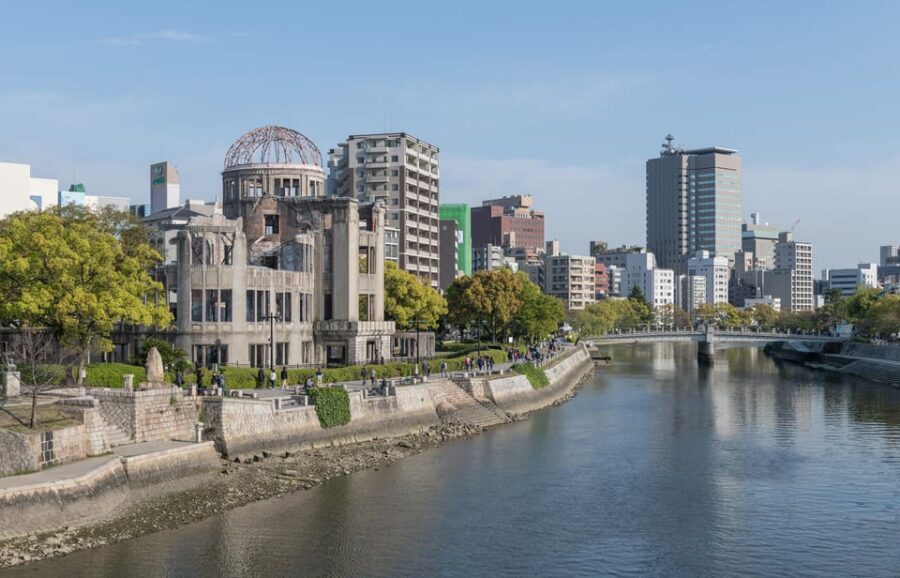
The walking section builds toward the sights that stick in your mind. Aioi Bridge appears along the route as a major landmark, and then the tour leads you to the Atomic Bomb Dome.
The dome is famous for a reason, but the key value of having a guide is not fame—it’s comprehension. Your guide can explain what you’re looking at and why it became such a powerful symbol in Hiroshima’s memorial landscape.
There’s also a practical payoff. The tour is sequenced so you don’t feel like you’re wandering. You’re going forward with purpose. Several reviews specifically praised avoiding queues, and that matters most around high-demand photo points like the dome.
At this stage, take a moment to breathe. I find it helps to let the guide’s explanation land, then pause yourself before moving on. Otherwise the tour keeps your head busy and your heart catches up later.
Hiroshima Castle: inside instead of waiting
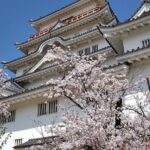
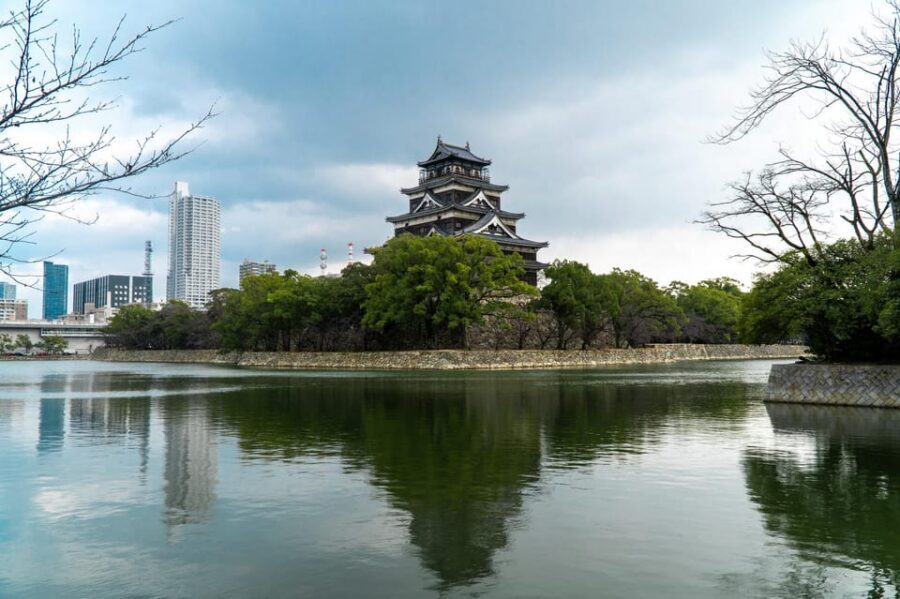
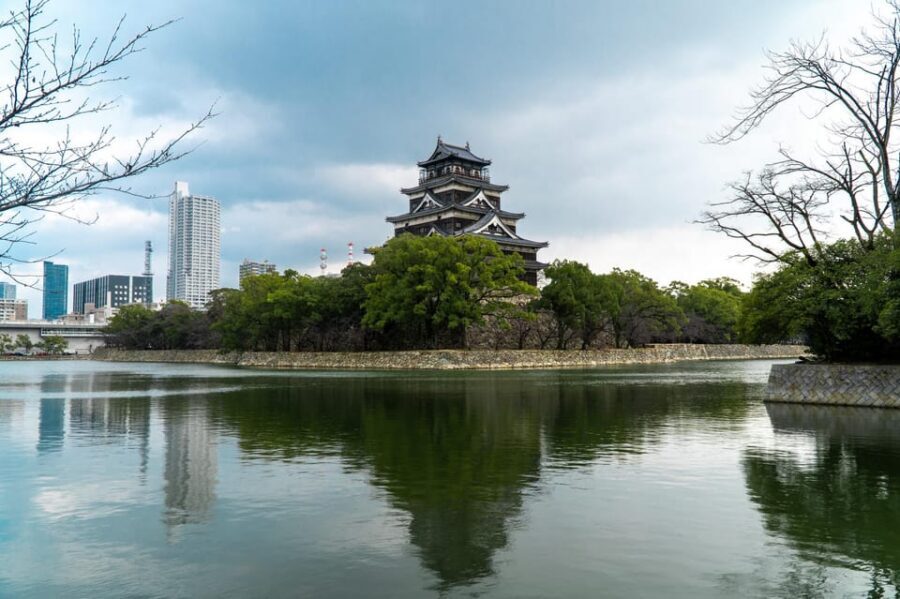
After the memorial portion, the tour shifts to a different kind of history: Hiroshima Castle. This is one of the city’s best-known landmarks, and the tour takes you in.
The practical angle here is excellent: you can head inside instead of waiting in line. That means you keep momentum and still get access to what’s inside—often the part you’d miss if you only used your time for outdoor stops.
In a city shaped by modern and wartime memory, it helps to also see the older layer. The castle gives you a view of Hiroshima as a place that existed long before the bomb—and that still does after it. It’s not a contradiction. It’s continuity.


Shukukeien Garden: the 16th-century pause you’ll thank yourself for
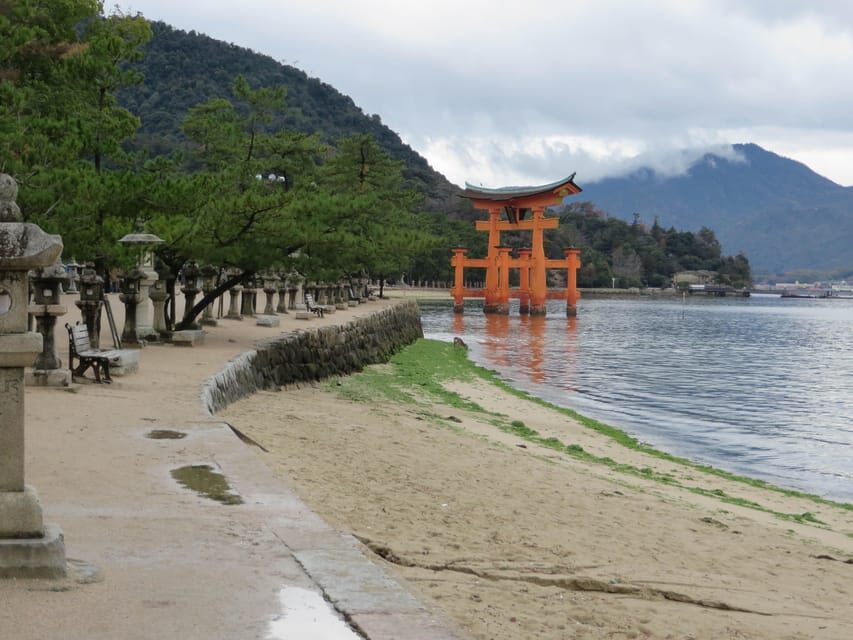
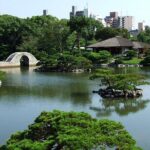
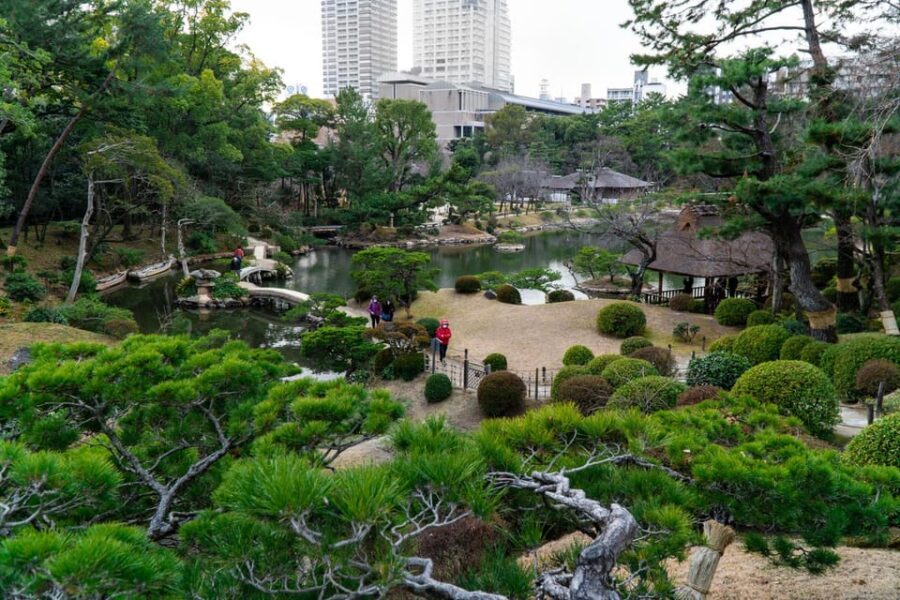
Then comes the reset: Shukukeien Garden. The tour takes you to this garden, described as the oldest from the 16th century, and it’s a real change of tempo after the memorial sites.
This isn’t just pretty greenery. You’ll get guided history and explanation, along with time to take in the layout and architecture. The garden gives you space to look slowly, to notice details, and to feel like you’re walking through different centuries at once.
It also solves a common problem in Hiroshima: many tours are all solemn all the time. Ending with (or finishing at) a garden helps you carry the experience without leaving emotionally exhausted.
Your tour ends with drop-off at Shukukeien Garden and also offers a return option near the Peace Memorial Museum. That flexibility can help you match your next plan—whether that’s eating nearby, checking other sights, or catching your transport.
How much walking is this, really? Pack like you mean it
This experience lasts about 3 hours, and it’s built around a walking route through several key sites. That means you’ll want practical gear, not just good intentions.
Bring:
- Comfortable shoes
- Hat and sunscreen
- Weather-appropriate clothing
If it rains, don’t panic. One theme in feedback was that Awais stayed ready for bad weather—helping keep people sheltered and adjusting timing so the tour still felt complete. You’ll still want your own protection, but it’s comforting to know the guide reacts well.
Also, if you need a slower pace, this tour is set up to accommodate. Multiple experiences mention the guide being flexible and answering questions patiently, which usually helps when you want to stop for photos or take a short break to absorb what you’re seeing.
One more practical note: even though this is a memorial-focused day, the energy is active. You’re not just sitting with a guide—you’re moving. Plan for the fact that your feet will notice it.
Value for $57: what you’re paying for and what you’re not
At $57 per person for a 3-hour English guided walk, you’re paying for two things that are hard to replicate well on your own: (1) guided interpretation at the exact moments it matters, and (2) time-saving logistics, including skipping ticket lines.
Importantly, the price is described as including the historical tour and the English-speaking guide, and feedback specifically notes that it includes entry into the museum and the garden tour. That’s a big part of the value. You’re not just buying someone’s time; you’re buying the bundle of entry + guided sequencing.
What you’re not paying for is extra stops that aren’t part of the core plan. There’s no souvenir shop stop, which keeps the focus where it should be.
If you’re the type who learns faster with context, a guided route is a good deal here. If you prefer to read and roam alone, self-guided visits can be cheaper—but you’ll likely spend more time figuring out what you’re looking at, and you’ll miss some of the “why” that makes Hiroshima hit with clarity.
Who should book this tour (and who might want to adjust expectations)
This tour is a strong fit if:
- You’re short on time and want the major memorial sites in a clear order
- You want explanations in English rather than relying on reading every plaque
- You appreciate a guide who can handle sensitive topics with care and patience
- You’d like a contrast ending at Shukukeien Garden instead of ending on only heavy sights
It may feel less ideal if you:
- Want a totally quiet, independent museum day with no walking pace
- Don’t do well with emotional content and a structured memorial route
- Have mobility needs that require minimal walking beyond a standard sightseeing circuit (it’s wheelchair accessible, but it’s still a route through multiple sites)
The good news: the guide is repeatedly praised for being flexible with timing and making sure you’re comfortable. That doesn’t change the seriousness of the subject matter, but it can make the tour feel more personal and less rigid.
Should you book this Hiroshima history and hidden gems tour?
I think this is a smart booking for your Hiroshima day if you want more than photos and a few facts. The tour earns its value by linking what you learn inside the Peace Memorial Museum to what you see outside at the key memorial landmarks, and then adding a gentler cultural pause at Shukukeien Garden.
Book it if you like having a guide who can answer questions patiently, keep the route moving, and adapt when weather or timing changes. Based on the experiences with Awais, you’re likely to get a respectful, thoughtful walkthrough that helps the city make sense.
Skip it only if you strongly prefer total independence or you want a lighter, purely recreational style of Hiroshima sightseeing. This one is history-forward, emotionally serious, and built for walking.
FAQ
How long is the Hiroshima History and Hidden Gems Tour?
The tour duration is 3 hours.
Where does the tour start?
The tour begins at the Hiroshima Peace Memorial Museum.
Can I choose a different meeting point?
Yes. The meeting point starts at the museum, but guests are welcome to choose the meeting point.
Is the tour offered in English?
Yes, the tour includes an English-speaking guide.
What are some of the main places the tour visits?
You’ll visit and/or pass by major Hiroshima memorial sites including the Peace Memorial Museum and Peace Memorial Park area, plus stops such as Aioi Bridge, the Atomic Bomb Dome, and also Hiroshima Castle and Shukukeien Garden.
Does the tour skip ticket lines?
Yes. The tour includes skip the ticket line.
What is included in the tour price?
Included: the Hiroshima historical tour and an English-speaking guide.
What should I bring for the walking portion?
Bring comfortable shoes, a hat, sunscreen, and clothing appropriate for the weather.
Is the tour wheelchair accessible?
Yes, it is listed as wheelchair accessible.
What is the cancellation policy, and can I reserve without paying today?
You can cancel up to 24 hours in advance for a full refund. You can also reserve now & pay later, keeping your plans flexible.