REVIEW · HIROSHIMA
Hiroshima: Peace Walking Tour of World Heritage Sites
Book on GetYourGuide →Operated by MagicalTrip · Bookable on GetYourGuide
Paper cranes and hard history. This peace walking tour brings you face-to-face with Hiroshima’s turning point, then balances it with hope through city views and a paper-crane ritual. I love the way the guide’s local stories make the day feel personal, not textbook-only. I also love the pacing: you don’t just see the big sites, you connect museum artifacts to what the city built afterward.
One consideration: if you have strict dietary needs, plan ahead. Vegetarian options are limited, and the tour is not suitable for people with gluten intolerance, with allergy guarantees not provided.
In This Review
- Key highlights to zero in on
- Meeting at Montbell and starting with the right tone
- Shirakami-sha Shrine: a calm entry before the museum
- Hiroshima Peace Memorial Museum: where the history hits hard—and why a guide helps
- Peace Memorial Park and how the city tells its story outdoors
- Atomic Bomb Dome as a UNESCO anchor point
- Orizuru Tower: make a paper crane and wish for peace
- Lunch at Akushu Cafe: okonomiyaki and a breather
- The Aorigi Tree stop: hope after the atomic bomb
- What you get for $92: value in timing, entry fees, and a guide’s context
- Practicalities: meeting time, language, and dietary limits that matter
- Who should book this peace walking tour, and who should skip
- Should you book this Hiroshima Peace Walking Tour?
- FAQ
- How long is the Hiroshima Peace Walking Tour of World Heritage Sites?
- Where do I meet for the tour?
- Is the tour available in English?
- What places will we visit during the tour?
- Is lunch included?
- What is included besides the guided tour?
- Are vegetarian or allergy needs accommodated?
- Is the tour suitable for people with gluten intolerance?
- What happens if I’m late to the meeting point?
- Can I cancel or pay later?
Key highlights to zero in on
- Local, story-first guiding that connects what you see to how people coped
- UNESCO World Heritage focus with the Atomic Bomb Dome on the route
- Peace Memorial Museum + Park so you get both artifacts and atmosphere
- Orizuru Tower paper-crane making plus a wide view over Hiroshima
- Lunch included at the end of the tower portion, so you’re not hunting mid-tour
- Tour photos included to help you remember without juggling your phone all day
Meeting at Montbell and starting with the right tone
This tour starts near Kamiya-cho-nishi Station, in front of the Montbell store. The guide holds an orange sign that says Magical Trip, so you shouldn’t have to play guessing games. It’s a good setup for Hiroshima, because the first part of the day moves from quiet to heavy in a way that feels intentional.
You’ll be with a live English-speaking guide, and the format is private or small-group depending on availability. That matters more than you might think. Hiroshima’s Peace spaces can overwhelm your senses quickly. A smaller group usually means you can slow down when you need to, and ask questions without feeling rushed.
And yes, this is a serious day. Bring a respectful mindset and some patience for crowds—especially at the museum. You’re not going to treat this like a sightseeing checklist. You’re going to understand why people in Hiroshima still talk about peace every single day.
You can also read our reviews of more walking tours in Hiroshima
Shirakami-sha Shrine: a calm entry before the museum
The day begins at Shirakami-sha Shrine for about 25 minutes. Even if you’re not a shrine expert, I like this kind of opening. It gives you a mental reset before you step into the Hiroshima Peace Memorial Museum.
This stop isn’t about skipping straight to the headline sites. It helps you slow down and remember that Hiroshima isn’t only 1945. It’s a living city with customs, beliefs, and daily life that existed before and kept going afterward. You’ll also learn about the proper way to enter and show respect—small details, but they make the later stops feel more grounded.
If you’re the kind of person who hates feeling unmoored in a new place, this early structure is a win. You start with context, not confusion.
Hiroshima Peace Memorial Museum: where the history hits hard—and why a guide helps
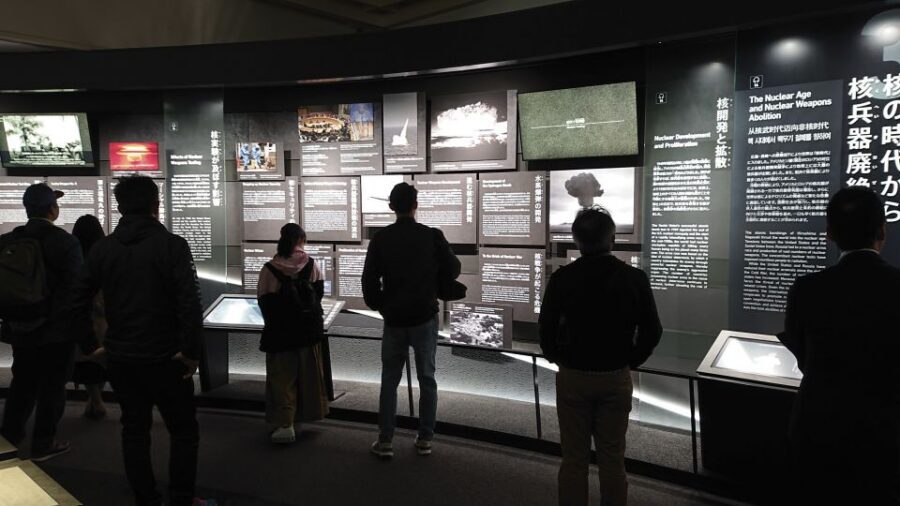
The Hiroshima Peace Memorial Museum is the emotional centerpiece, with a guided visit that lasts about an hour. The museum tells the story through objects and testimonies tied to the atomic bomb—so you’re not just hearing dates. You’re seeing consequences.
I love how the guide frames what you’re looking at. Instead of bouncing from fact to fact, they connect artifacts to human decisions and survival. Many visitors find the museum overwhelming at first glance, but a good guide helps you pace your attention—what to prioritize, what to notice, and how to interpret what you’re seeing.
You’ll also get a sense of how Hiroshima people coped and kept going. One theme you’ll hear clearly across the day is resilience. The tour doesn’t sugarcoat what happened; it focuses on how people refused to give up in the darkest days.
Practical note: the museum can be crowded. If you need a break, it’s worth asking your guide for a moment to step aside. The tour experience gets better when you don’t force yourself to power through every room.
Peace Memorial Park and how the city tells its story outdoors
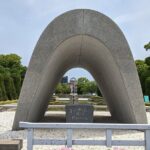
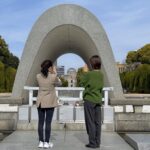
After the museum, you move into Hiroshima Peace Memorial Park for another guided stretch, about an hour. This is where the learning turns into space you can feel. In a museum, you look at artifacts. In a park, you look at scale—open space, monuments, and the atmosphere around them.
This is also where the guides tend to shift from information into meaning. You’ll connect what you learned indoors to the layout of the park and the way memorials sit in the city. The result is a clearer timeline: what the attack did, what the aftermath required, and how the city reshaped itself.
One of my favorite parts of walking through memorial areas is that you can look back and realize how much you’re absorbing just by moving slowly. Your brain catches up. You start noticing small details that you would miss if you tried to rush this on your own.
Atomic Bomb Dome as a UNESCO anchor point
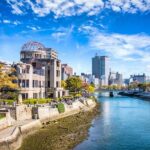
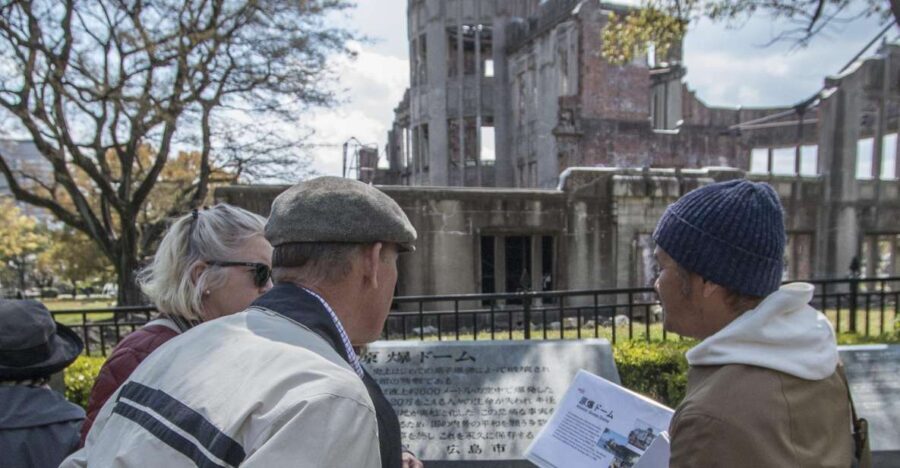
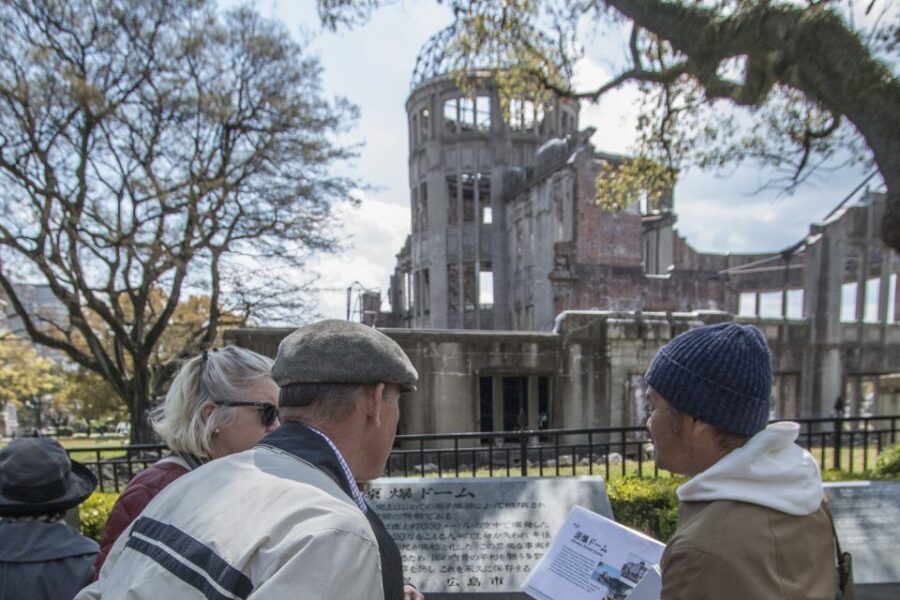
Next comes the Atomic Bomb Dome, a UNESCO World Heritage site, visited with a guide for about an hour. This stop is famous for a reason, but it also risks becoming a quick photo op if you’re not guided.
What I like about having a guide here is interpretive focus. The structure isn’t just an image. You learn how it functions as a reminder of destruction and a pledge to prevent anything like it from happening again. The dome becomes more than scenery—it becomes a living argument for peace.
Also, because the day is structured, you’re prepared. You’ve already been through the museum and park, so the Dome lands with context instead of shock alone. That’s how the day earns its emotional weight instead of just demanding it.
You can also read our reviews of more historical tours in Hiroshima

Orizuru Tower: make a paper crane and wish for peace
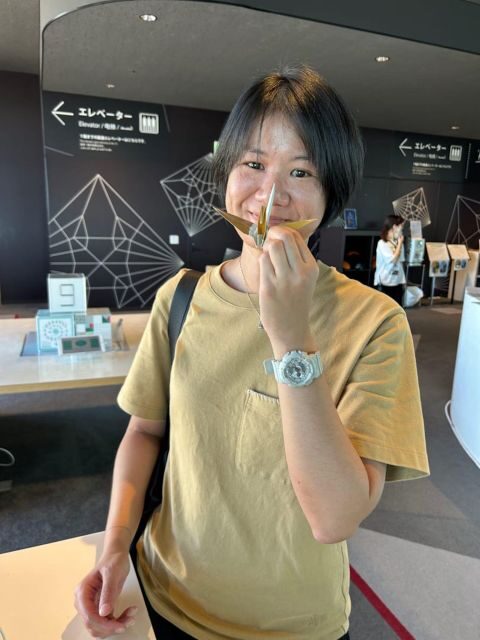
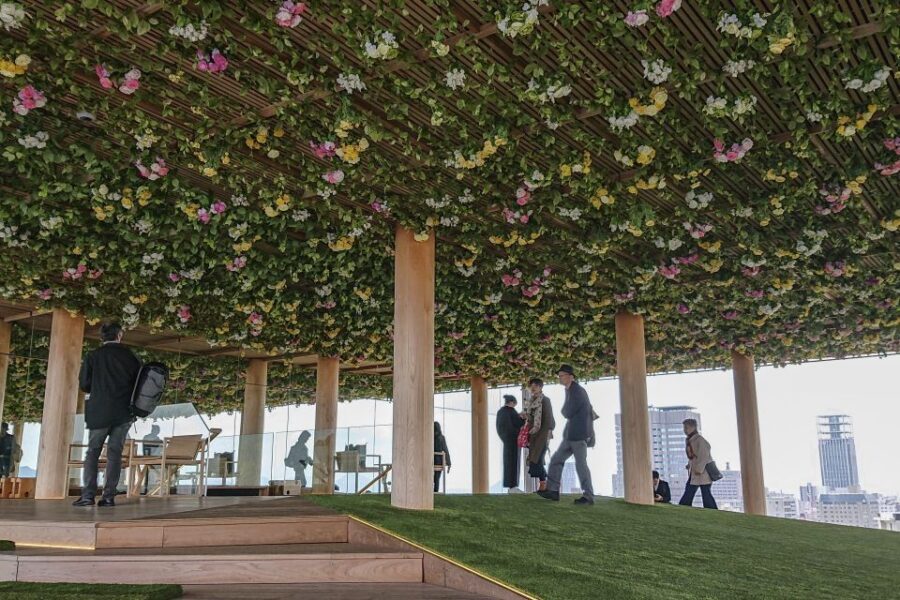
After the heavier stops, the tour shifts into something hopeful at Hiroshima Orizuru Tower. This portion includes time for the observatory area and a hands-on activity. You’ll spend about 1.5 hours here, plus lunch.
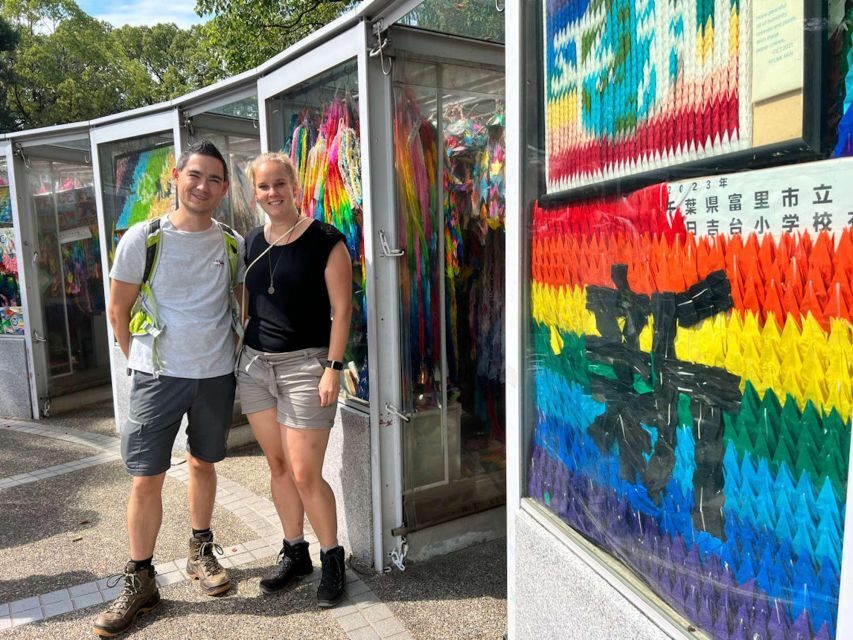
The big symbol is the Orizuru, the paper crane. Your guide explains why the crane is tied to peace, then you make your own crane and make a wish. It’s a simple activity, but it works because you’ve spent the morning confronting what humanity can do—and now you do something that points the other direction.
From the observatory area, you get wide views of Hiroshima. I like this because it turns the day from history-only to future-facing. You can see the city’s layout and scale, which makes it easier to understand the idea of recovery as something real, not just a slogan.
If you like small rituals, keep an eye out for the moment your crane is released or displayed inside the tower. It’s the kind of detail that turns the craft into a memory, not just a souvenir.
Lunch at Akushu Cafe: okonomiyaki and a breather
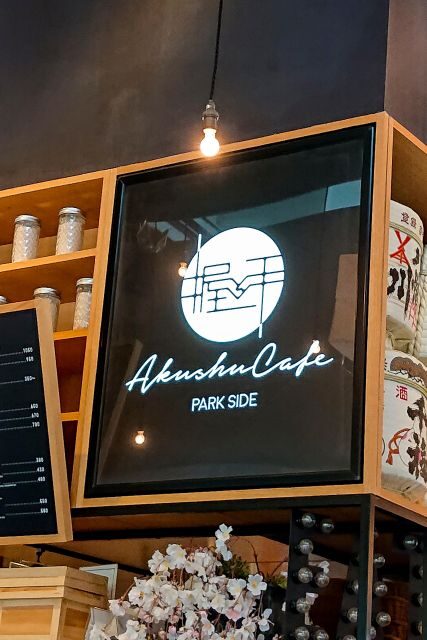
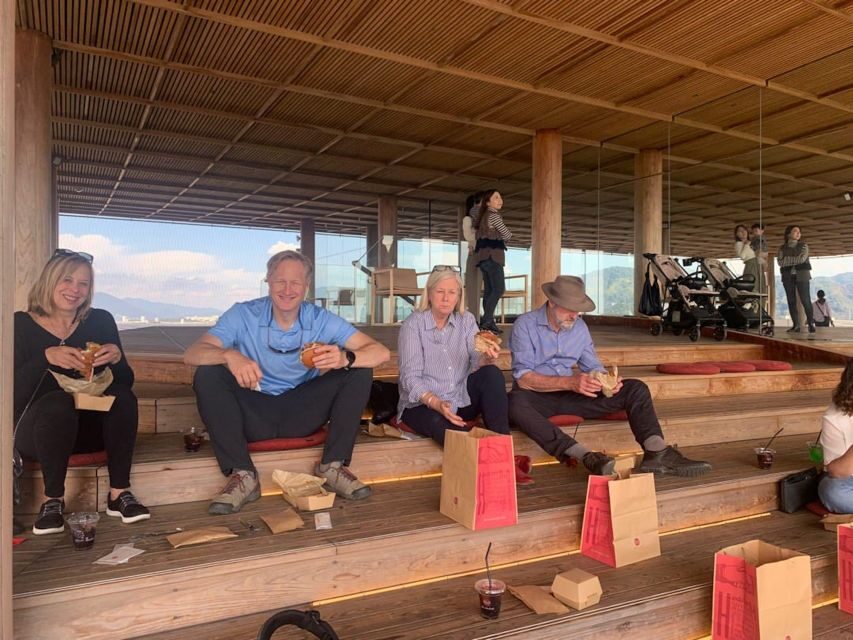
Lunch happens inside the tower area, at Akushu Cafe. Lunch is included, and the experience usually revolves around Hiroshima’s famous okonomiyaki pancake dish. After a morning that’s emotionally intense, this meal is more than fuel. It’s a breather built into the tour.
I’m glad lunch is included, because it prevents the classic travel headache: by the time you’re done with the museum, you’re tired, hungry, and a little mentally drained. Having the meal handled lets you stay present.
That said, there can be less menu flexibility than you’d get in a standalone restaurant. One practical caution: don’t assume you’ll have many choices if your day is picky about flavors. If you’re sensitive to particular ingredients, you’ll want to mention dietary needs in advance.
The Aorigi Tree stop: hope after the atomic bomb
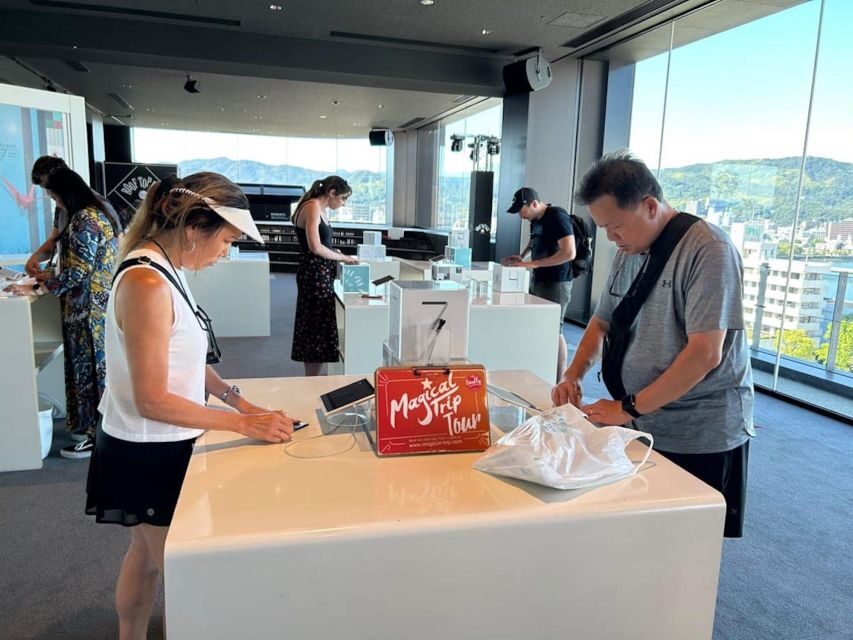
Sometime after lunch, the tour includes a visit to the Aorigi Tree, known for bringing hope after the atomic bomb. This is one of those stops that can be easy to miss if you’re only chasing the biggest names. But it’s exactly the kind of detail that makes Hiroshima feel human.
The tree represents regrowth and endurance. It also reinforces the tour’s structure: your day isn’t only about destruction and memorials. It’s about how Hiroshima people looked at the impossible and still moved forward.
This stop also works well emotionally. The crane ritual gives you peace as a symbol. The tree gives you peace as a lived reality—something that grows over time.
What you get for $92: value in timing, entry fees, and a guide’s context
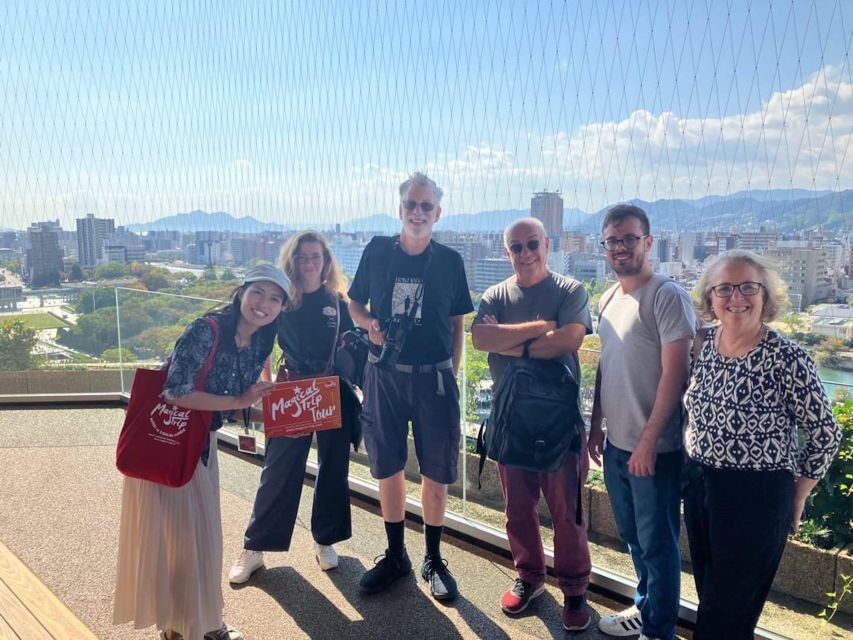
At $92 per person for about 270 minutes, this tour can feel like a fair deal, mainly because it bundles the hard parts. You’re not just paying for a walk. You’re paying for guided access to the Peace Memorial Museum, entry to Orizuru Tower, and an included lunch.
When you add the time cost—figuring out logistics in a city you’re just learning—the guide becomes the real value. The route is also built so the emotional story flows: shrine to museum, museum to park, park to the Dome, then tower, lunch, and hope stops. That order matters. You feel the theme instead of bouncing between unrelated stops.
The tour also includes tour photos, which is a small thing but helpful. It reduces the “everyone say cheese” scramble and lets you stay focused on the moment.
Practicalities: meeting time, language, and dietary limits that matter
This is a live English tour with local guidance. Your guide will be holding the orange Magical Trip sign at the meeting point near Montbell, about a one-minute walk from Kamiya-cho-nishi Station.
Be on time. Arriving more than 15 minutes late from the meeting time means you can’t join, and there’s no refund or reschedule offered. If Hiroshima day-planning is stressful for you, set a buffer—walk slowly, and don’t treat this like a flexible meetup.
Food details matter here. Vegetarian options are limited because most Japanese restaurants aren’t fully equipped to offer vegetarian menus. If you have dietary requests or allergies, you need to inform the provider at least one day before. The tour can’t guarantee allergy-free meals because meals are prepared in kitchens not operated by the tour company.
And one important fit note: the tour is not suitable for people with gluten intolerance.
Who should book this peace walking tour, and who should skip
Book this if you want:
- A guided visit that explains what the sites mean, not only what they are
- A day that connects the museum to the UNESCO landmark and then to peace symbolism
- A structured half-day plan that includes lunch so you don’t have to decide under pressure
Consider skipping if:
- Gluten intolerance is an issue for you
- You need fully gluten-free or allergy-guaranteed meals
- You want a light, casual sightseeing day. This route is serious, and the museum content is emotionally heavy.
Should you book this Hiroshima Peace Walking Tour?
I’d book it if your goal is understanding Hiroshima beyond photos. The biggest strength is the way the tour holds two ideas at once: the horror is shown clearly, and the city’s hope is not treated like an afterthought. The paper-crane activity and the Aorigi Tree stop don’t feel like filler—they feel like the point.
If your dietary situation is complicated, reach out early and be realistic about what’s guaranteed. And if you’re sensitive to intense historical content, plan for a slower pace inside the museum. Bring respect, go in with open attention, and you’ll come out with a sharper, more human picture of Hiroshima.
FAQ
How long is the Hiroshima Peace Walking Tour of World Heritage Sites?
It lasts about 270 minutes.
Where do I meet for the tour?
Meet in front of the Montbell store near Kamiya-cho-nishi Station. It’s about a one-minute walk from the station. Look for the guide holding an orange sign that says Magical Trip Tour.
Is the tour available in English?
Yes. The live tour guide speaks English.
What places will we visit during the tour?
You’ll visit Shirakami-sha Shrine, Hiroshima Peace Memorial Museum, Hiroshima Peace Memorial Park, the Atomic Bomb Dome, Hiroshima Orizuru Tower, and you’ll also see the Aorigi Tree. Lunch is at Akushu Cafe inside the Orizuru Tower.
Is lunch included?
Yes. Lunch is included.
What is included besides the guided tour?
Entry to the Peace Memorial Museum and Orizuru Tower is included, along with lunch and tour photos.
Are vegetarian or allergy needs accommodated?
Vegetarian options are limited. You must inform the provider at least one day before the tour if you have dietary requests or allergies. Requests made on the day of the tour cannot be accommodated, and allergy-free meals are not guaranteed since meals are prepared in kitchens not operated by the tour company.
Is the tour suitable for people with gluten intolerance?
No. It is not suitable for people with gluten intolerance.
What happens if I’m late to the meeting point?
If you arrive over 15 minutes late from the meeting time (10 minutes before the tour), you can’t join the tour, and no refund or reschedule is offered.
Can I cancel or pay later?
Free cancellation is available up to 24 hours in advance for a full refund. There is also a reserve now, pay later option.