REVIEW · TOKYO
Tokyo: Zen Meditation at a Private Temple with a Monk
Book on GetYourGuide →Operated by Travel Japan Together · Bookable on GetYourGuide
Silence, inside Tokyo, is the whole point. This Zen meditation experience takes you into a private, centuries-old temple in Asakusa that’s not open to the general public, with a monk guiding the ritual and an English-speaking host helping you understand what’s happening.
What I like most is the sense of real access: you’re stepping into the space where monks actually practice, not just viewing it from behind a crowd.
Next, I love how practical the teaching feels once Zazen begins. With guides like Tamami-san (and others such as Kazu and Shota, depending on the session) translating smoothly, you get clear instruction and a Q&A with the monk, like Namiki-san, so the session becomes more than sitting quietly—it turns into understanding how Zen works day to day.
The only drawback to consider is the format: it’s intentionally calm and structured, so if you’re looking for a loud, sightseeing-style tour, this 90-minute experience may feel more still than social.
In This Review
- Key highlights you’ll feel right away
- Entering a private temple in Asakusa (and why that matters)
- How the 90 minutes tend to flow
- Meeting point, WhatsApp, and finding the correct Family Mart
- Monk teaching: what Zazen is really asking of you
- Seated meditation: calm, structure, and a little fun
- Calligraphy and chanting: Zen with your hands
- Matcha tea ceremony: the payoff ritual
- Q&A with the monk: stress advice in everyday language
- Price and value: what $55 buys you in Tokyo
- Who should book this Zen session
- Should you book Zen meditation at this private temple?
- FAQ
- Is transportation included?
- Where do I meet the guide?
- What time should I arrive?
- Does the guide contact you in advance?
- How long is the experience?
- What’s included in the ticket?
- Is there an English tour guide?
- FAQ
- Is photography allowed?
- What’s the cancellation policy?
- Can I pay later?
Key highlights you’ll feel right away
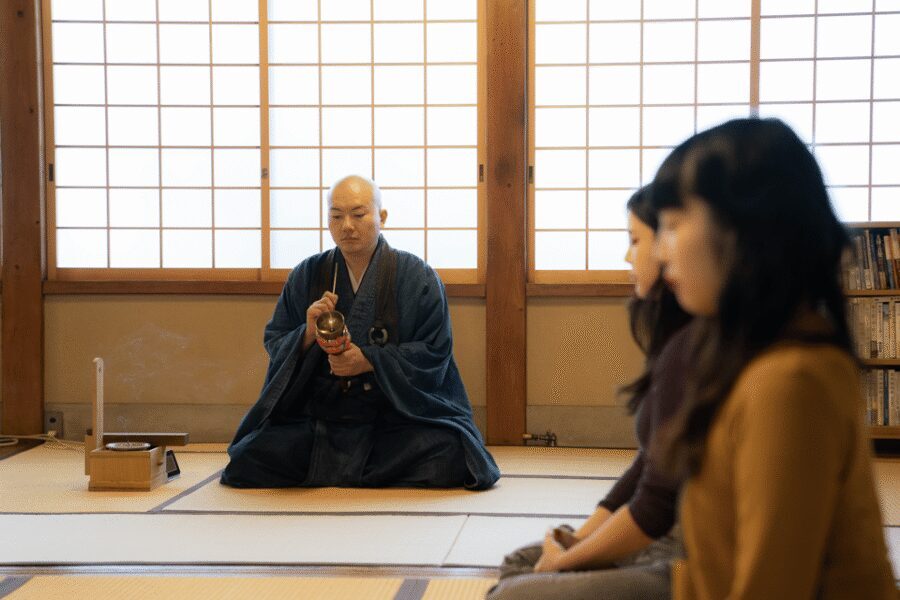
- A private Asakusa temple tucked away from the usual tourist flow
- Monk-led Zazen with breathing and seated guidance that keeps you from guessing
- Helpful English translation (Tamami-san and others) so questions don’t die in transit
- Matcha tea with sweets right after meditation, not as an afterthought
- A short calligraphy moment (often tied to chanting) that adds a hands-on Zen memory
Entering a private temple in Asakusa (and why that matters)
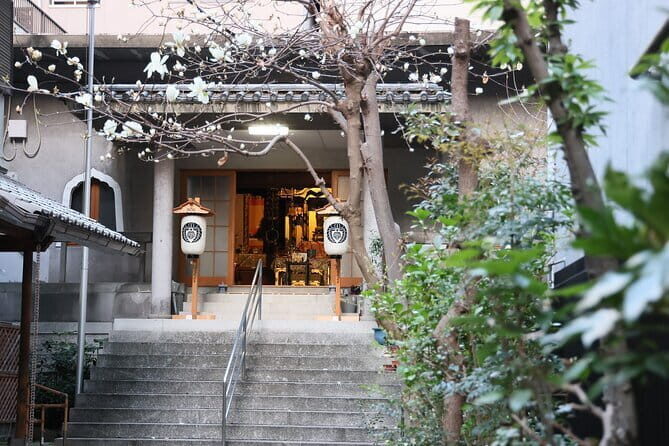
Asakusa is where Tokyo’s old-world vibe shows up fast—shrines, snack stands, crowds. This experience does the opposite. You go through a separate entrance to a temple that isn’t generally open to the public, which changes the mood immediately. Instead of “tour mode,” it becomes “practice mode.”
That private access is the real value. You’re not just learning about Zen Buddhism in theory. You’re doing it inside a space shaped by centuries of habit: quiet rooms, ritual pacing, and a resident monk who treats the session as something worth taking seriously. For me, that’s what makes it feel authentic rather than staged.
You can also read our reviews of more private tours in Tokyo



How the 90 minutes tend to flow
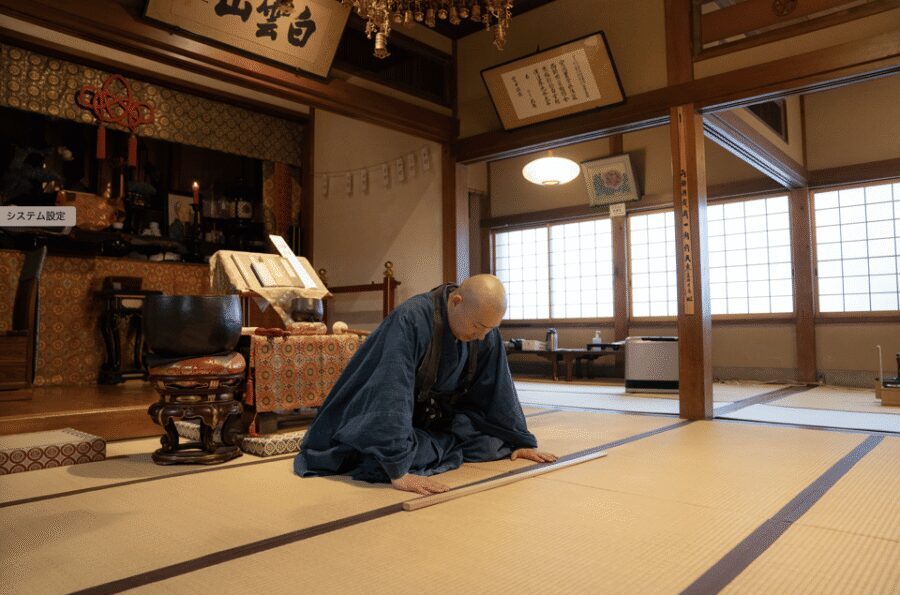
This is a 90-minute experience, so it’s not trying to be everything for everyone. The structure is simple: orientation, instruction, practice, then a closing ritual and conversation.
Here’s the rhythm you should expect:
- Meet and enter quickly (skip-the-line via a separate entrance)
- A brief cultural and Zen introduction so you know what you’re doing when you sit down
- Monk lecture on Zazen, the seated meditation practice at the center of Zen
- Guided meditation practice with attention to breath and posture
- A calligraphy exercise linked to chanting (a short, focused activity)
- Matcha tea ceremony, plus traditional sweets
- Discussion/Q&A with the monk, with time to ask real questions
- Photo time inside the temple and with the monk, if you want it for your memory
One nice detail: multiple sessions include two shorter meditation rounds rather than one long stretch. That pacing helps you relax into the practice without feeling like you’re forcing your brain into calm.
Meeting point, WhatsApp, and finding the correct Family Mart
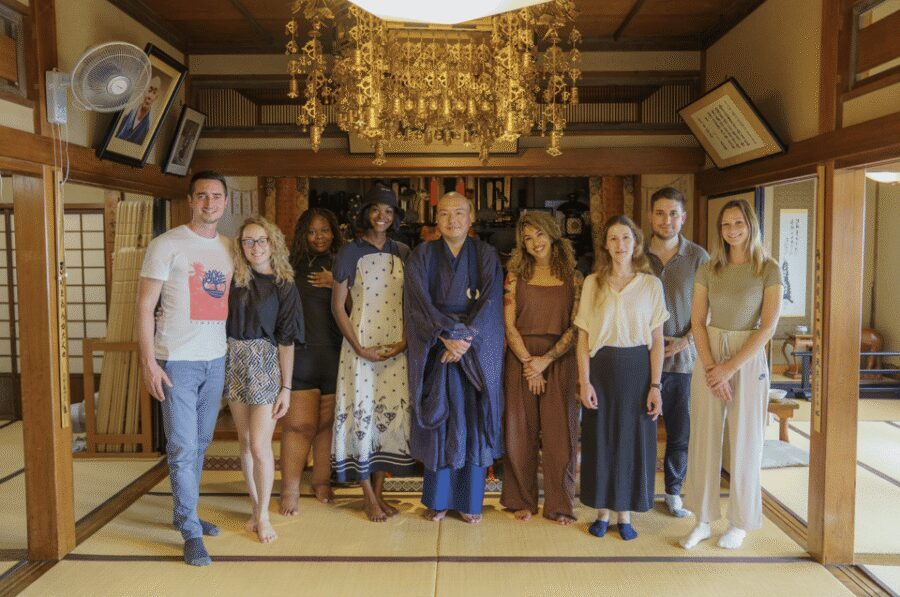
You’ll meet in front of Family Mart in the Asakusa area, about a 2-minute walk from Tawaramachi Station (Ginza line). There are two branches nearby, so this is not the time to wander with confidence.
Plan for this: the guide will contact you through WhatsApp, so download it before you go. This is one of those small setup steps that makes the entire start smoother—especially because you’re headed for a quiet temple space where “let’s catch up later” is not the vibe.
Also, transportation isn’t included. You’ll want your own route to Asakusa and a comfortable way to get there on time.
Monk teaching: what Zazen is really asking of you
A big part of why this experience gets such strong feedback is the way the monk explains Zen without turning it into a lecture you can’t use. You’ll receive guidance on the principles and techniques of Zazen, usually framed around how to calm the mind, watch your attention, and reduce the mental habit of chasing thoughts.
In plain terms, you’re not being asked to become someone else. You’re being asked to notice what your mind does, then gently return to your breath and posture.
If you’re worried you’ll feel awkward sitting in a group, don’t. The teaching is designed to help you participate, not perform. Guides like Tamami-san often translate the monk’s instructions clearly, so you understand what to do with your body—and what to do when your mind won’t cooperate.
Seated meditation: calm, structure, and a little fun
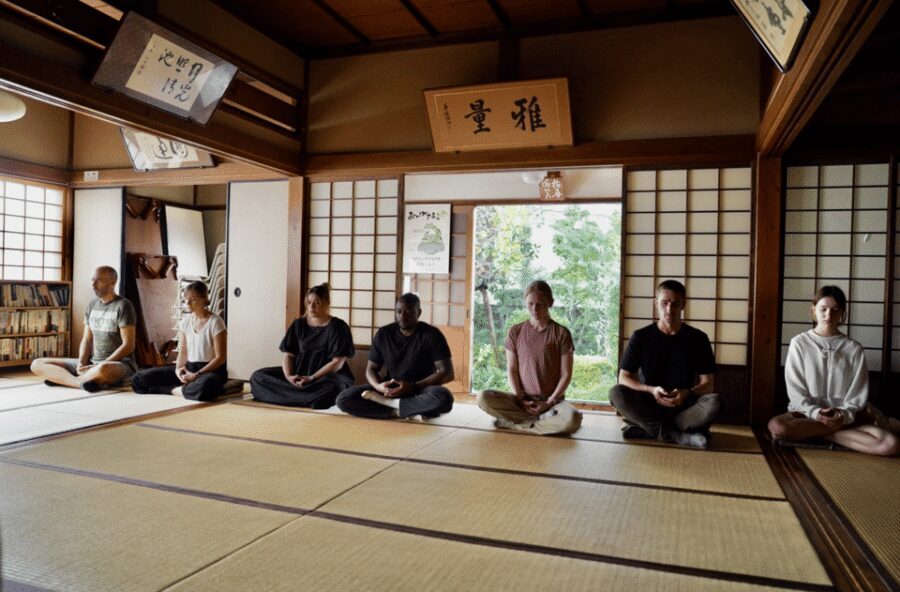
You’ll sit on tatami mats during Zazen practice, and you’ll get coaching on basics like how to breathe rhythmically and how to hold your attention. Several sessions also mention small playful elements, like asking the monk about using a stick during meditation if that’s offered for the group. It’s a small detail, but it can turn “serious silence” into something warmer and more human.
Here’s the realistic takeaway: meditation is not instant magic. What this experience does well is give you enough structure that you’re not stuck guessing. You’re guided, supervised, and supported, so you’re able to reach that quiet mental space people talk about—without needing prior training.
And because the group format is intimate (private temple, not public crowds), the practice feels less like a class and more like a shared moment.






Calligraphy and chanting: Zen with your hands
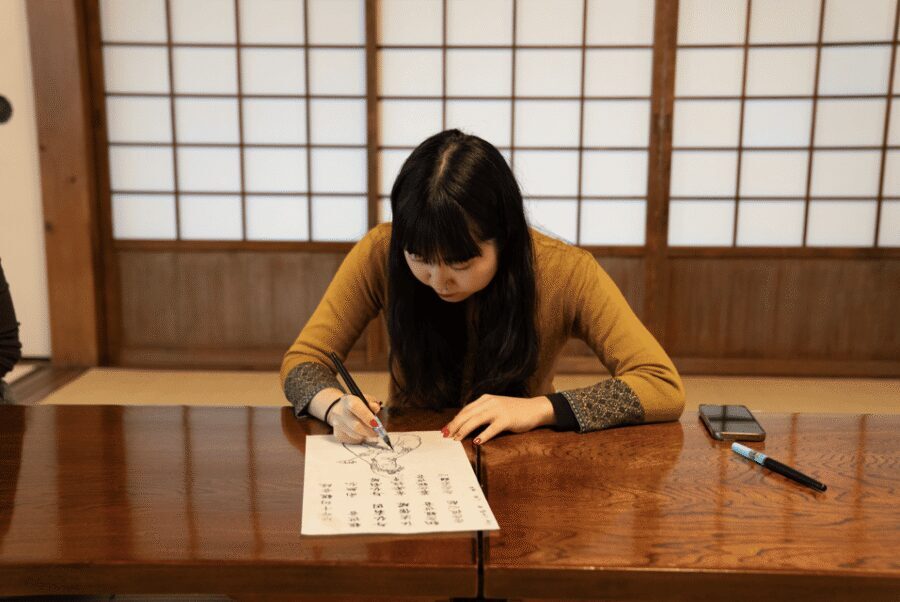
After you sit, you’ll move to calligraphy, often described as a brief sutra-related exercise connected to chanting. This is more than a souvenir activity. The point is the same as meditation: slow attention.
Writing characters forces you to slow down, notice your breath, and accept that the process matters more than the end result. Even if your handwriting isn’t great, calligraphy still works because you’re participating in a ritual of focus—not competing.
If you like hands-on cultural activities, this is a smart add-on. If you dislike structured activities, it can still work because it’s short and calm, and it doesn’t require artistic talent—just willingness.
Matcha tea ceremony: the payoff ritual
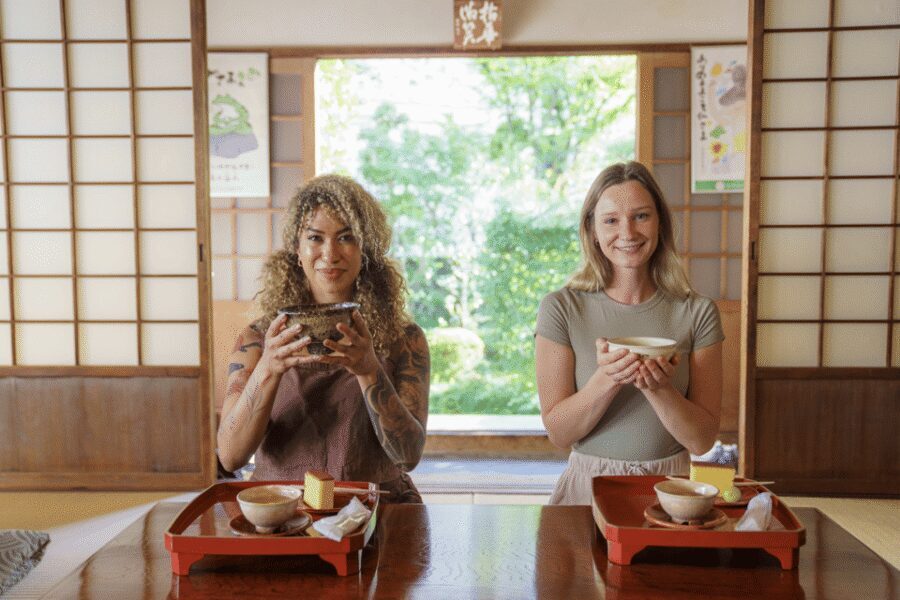
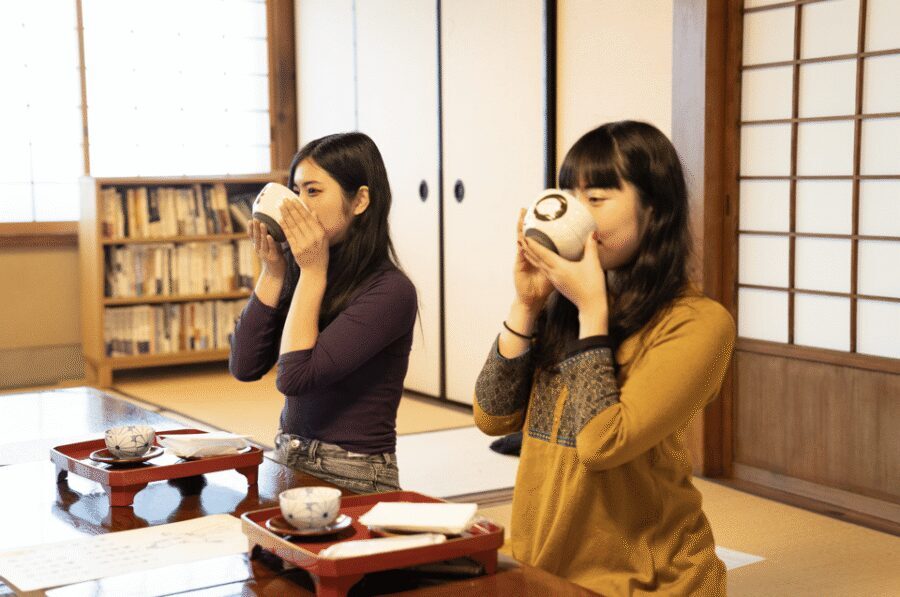
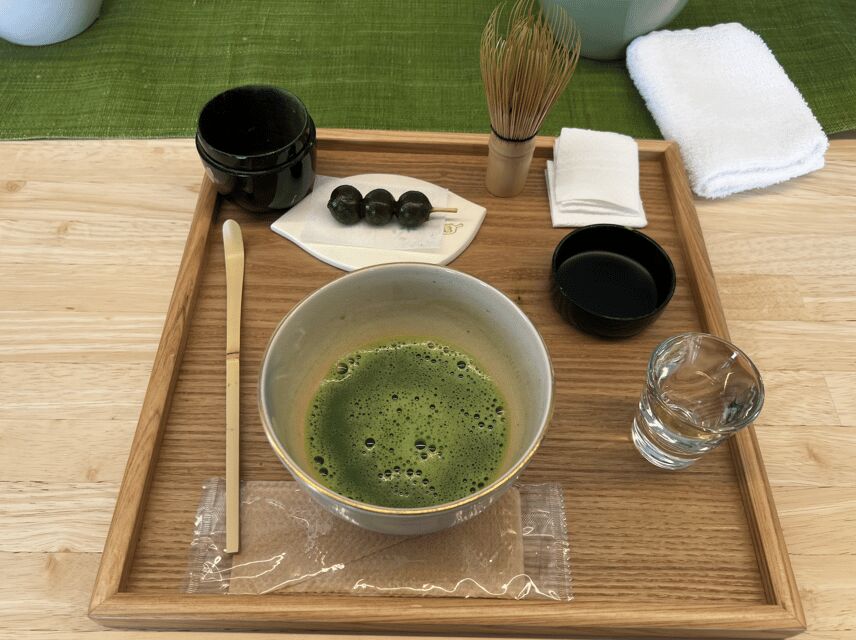
Then you get matcha tea and sweets. This part matters because it gives the session a physical landing. After meditation and discussion, your brain is calmer, and the tea becomes part of that calm instead of just “the food break.”
A tea ceremony isn’t only about flavor. In this context, it’s another way of training attention: you watch, you slow down, and you take in the details without rushing to the next thought.
I like that the tea isn’t separated from the meditation experience. It feels like the final step of the same mindset: quiet, present, and respectful.
Q&A with the monk: stress advice in everyday language
At the end, you’ll have a discussion and Q&A with the monk. This is where the experience turns from spiritual exercise into real-life guidance.
Expect questions about Zen practice and what daily life looks like in a temple setting. And you may also hear simple stress-management advice framed in Zen terms, like:
- focusing fully on small tasks
- keeping your environment tidy
- not comparing yourself to others
- exploring anger by looking for its root causes
There’s a tone shift in this section. Meditation makes you quiet, and the Q&A brings you back into conversation. With English translation support (often from Tamami-san), you can ask follow-up questions instead of leaving confused.
Also, you can usually take photos inside the temple and with the monk during the closing period, so you can mark the moment without rushing through it.
Price and value: what $55 buys you in Tokyo
At $55 per person for 90 minutes, this is not a budget “free thing,” but it also isn’t overpriced for what you get.
You’re paying for:
- entry to a private temple space
- English live guidance
- monk explanation (not just a guide summarizing)
- a guided meditation practice
- matcha tea included
- plus extra cultural components like calligraphy and Q&A
In Tokyo, it’s easy to spend more and still come away with less. Here, you get a guided, structured experience with a resident monk and a real ritual sequence. That’s the value: you leave with both a memory and a clearer understanding of what you just did.
Who should book this Zen session
This one fits best if you:
- want something calm and meaningful to balance Tokyo’s noise
- are curious about Zen and want plain explanations, not vague inspiration
- prefer small, respectful experiences over big-group sightseeing
- like adding a ritual element (meditation + tea) to your travel day
It might not be the best pick if you want lots of freedom, lots of time wandering, or a tour that feels like a history walk with photos every minute. This is a “sit, listen, practice, ask” experience.
Should you book Zen meditation at this private temple?
Yes, if you’re the type of traveler who enjoys slowing down and learning through doing. The private temple setting, monk-led Zazen instruction, and end-to-end ritual flow (meditation → calligraphy → matcha → Q&A) make it feel like more than an activity. It’s a reset button in the middle of Tokyo.
Book it especially if you’ll otherwise spend your morning rushing between sights. This gives you something different: quiet structure, a guided mind-set, and a real conversation in the place where it all comes from.
If you’re short on time, 90 minutes is actually a good length. It’s long enough to feel grounded, short enough to still enjoy the rest of Asakusa afterward.
FAQ
Is transportation included?
No. Transportation is not included, so you’ll want to plan your own way to the Asakusa meeting point.
Where do I meet the guide?
Meet in front of Family Mart in the Asakusa area, about a 2-minute walk from Tawaramachi Station (Ginza line). There are two Family Mart branches, so make sure you go to the correct one.
What time should I arrive?
You should arrive on time so you can meet your guide and enter the temple smoothly. The experience is 90 minutes, so late arrivals can cut into the session.
Does the guide contact you in advance?
Yes. Your guide will contact you through WhatsApp, so download WhatsApp before your tour.
How long is the experience?
The duration is 90 minutes.
What’s included in the ticket?
Included are the Zen experience, guide, entry to the temple, monk explanation, and matcha tea.
Is there an English tour guide?
Yes. The live tour guide is English.
FAQ
Is photography allowed?
Yes. You can capture photographs with the monk and within the temple.
What’s the cancellation policy?
Free cancellation is available up to 24 hours in advance for a full refund.
Can I pay later?
Yes. The option is Reserve now & pay later, so you can book and pay nothing today.