REVIEW · TOKYO
Tokyo: Private City Highlights Tour with Local Guide
Book on GetYourGuide →Operated by JGA Inc. · Bookable on GetYourGuide
Tokyo feels huge on day one. This private, customizable highlights tour turns the chaos into a clean, walk-and-train plan, and it is a great way to see Tokyo without guessing. I love the planning with real local context—guides like Fumiko and Nobu explain what you’re looking at and why it matters. I also like how the day helps you learn Tokyo’s rhythm fast, so you’re not totally dependent on the guide for everything. One thing to consider: it is a lot of walking, and entrance fees and lunch are on you.
The tour runs 4–8 hours at $106 per person, with hotel pickup and drop-off and a licensed guide (English or Japanese) for a private group experience. You pick what you want to hit from a strong list—then your guide builds an order that makes sense for your interests.
Key things I’d circle before you book
- Nationally licensed guide time: you get context, not just directions
- Fully customizable routes: choose your mix of old Tokyo, pop culture, and gardens
- Public transport used on purpose: you’ll learn how to move efficiently
- A practical pace: guides often adjust on the fly for comfort and weather
- You can land in great food areas: lunch stops come with local logic
- Free photos during the day: handy when you want pictures without juggling your camera
In This Review
- Where This Private Tokyo Day Gets You Oriented Fast
- Asakusa and Senso-ji: Classic Tokyo You Can Actually Understand
- Imperial Palace Outer Gardens: Power, Then Quiet Footsteps
- Harajuku and Takeshita Street: Kawaii Culture Without Getting Lost
- Meiji Jingu Shrine Forest: A Hard Reset Between Shibuya and Shinjuku
- Tsukiji Fish Market, Akihabara, and Hama Rikyu: Choose Your Tokyo Mood
- Shinjuku Gyoen and Nezu: Garden Time and a More Offbeat Feel
- Shinjuku Golden Gai: Old-Style Tokyo Night Energy (If Your Timing Works)
- Price and Logistics: What $106 Buys You (and What It Doesn’t)
- How the Walking + Transit Day Actually Feels
- Who This Tour Suits Best
- Should You Book This Tokyo Private Highlights Tour?
- FAQ
- How long is the Tokyo Private City Highlights Tour?
- Do I get hotel pickup and drop-off?
- Is this tour private?
- What’s included, and what do I pay for myself?
- How do you get between sights?
- What languages do the guides speak?
Where This Private Tokyo Day Gets You Oriented Fast
This is the kind of tour I recommend as soon as you can after landing. Tokyo can feel like a maze at street level and an even bigger maze underground. What makes this experience work is that it’s not a fixed bus-rush route. You choose the sights, and your guide designs the flow around them.
That flexibility matters because Tokyo’s “top attractions” don’t all work equally well in one day. Some places draw crowds no matter when you go. Some are peaceful until you step outside the gate and hit a station full of energy. Your guide’s job is to stitch those realities together so your day doesn’t turn into nonstop line-jockeying.
Guides in this program have a strong track record for organization and communication. People mention guides like Steve, Yumi, and Kenji for planning ahead, meeting smoothly, and keeping the day moving without feeling like a sprint. And several guides actively help you learn transit basics—so the tour doesn’t just end; it teaches you how to keep exploring afterward.
Asakusa and Senso-ji: Classic Tokyo You Can Actually Understand
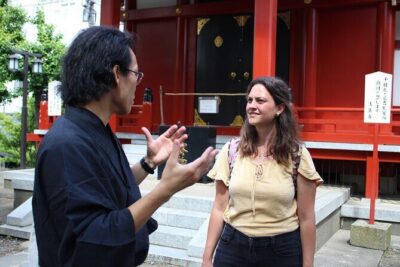
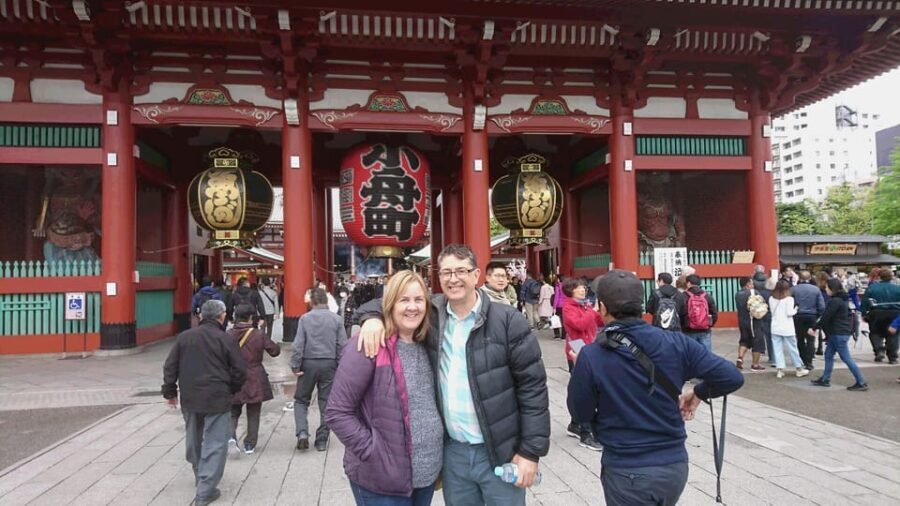
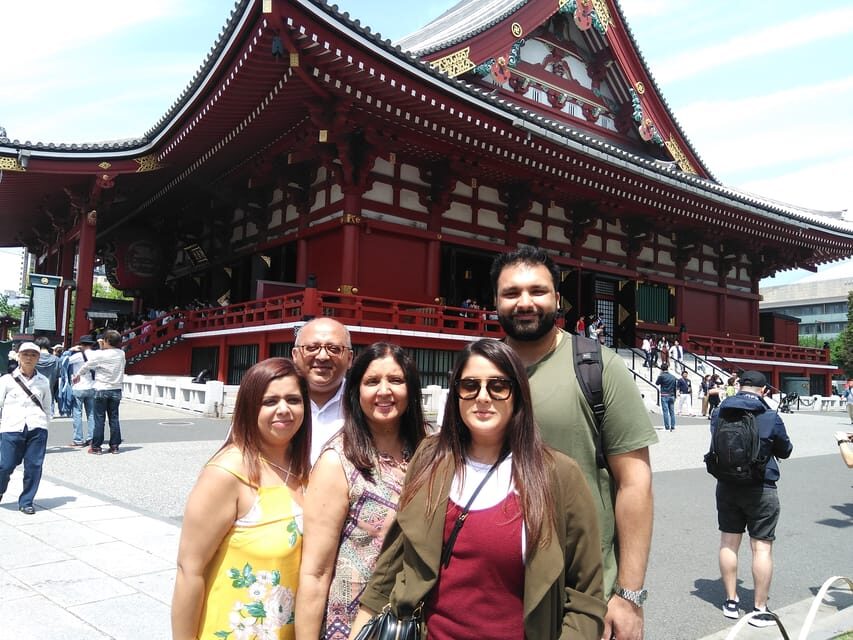
A smart start is Asakusa, with Senso-ji Temple. It’s one of those places where first impressions are powerful: incense, lanterns, and the sense that this part of the city still runs on older rhythms. On a guided day, you’re not just seeing photos in real life—you get the story behind the site and the cultural cues that help you read what’s going on.
A guide will typically walk you through the approach area and help you notice details you might otherwise skate past. For instance, the temple grounds and the surrounding street atmosphere are often the gateway to the rest of the day. Your guide can also steer timing choices, which matters because Asakusa can get crowded.
Practical note: Asakusa is usually a good “morning anchor.” Early light and manageable crowds can make your photos and your pace both better. If you’re doing a shorter 4-hour version, Asakusa plus one other big zone can be a strong combo.
And if you’re the kind of person who likes learning how everyday rituals work, this stop sets the tone. Guides tend to explain things in a clear, respectful way, which makes it more than just sightseeing.
You can also read our reviews of more guided tours in Tokyo

Imperial Palace Outer Gardens: Power, Then Quiet Footsteps
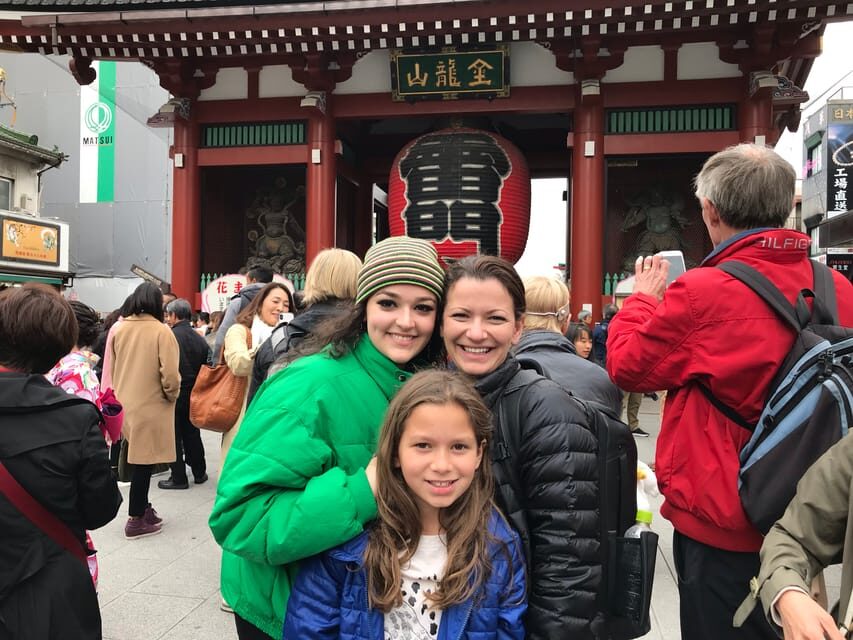
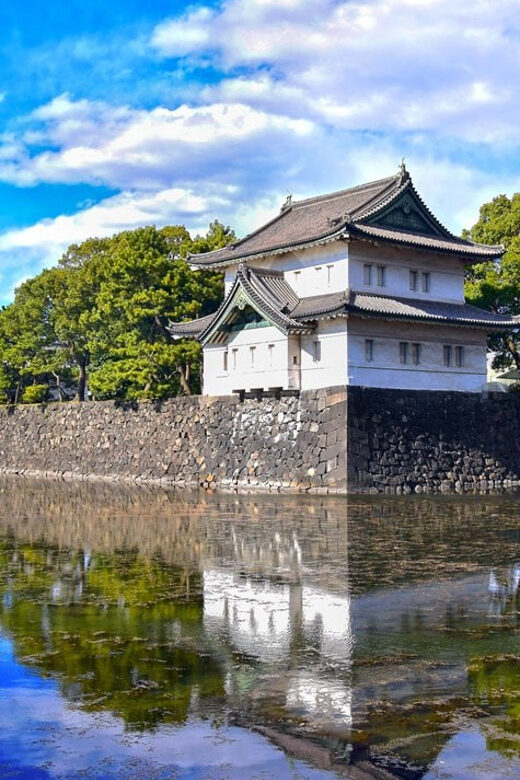
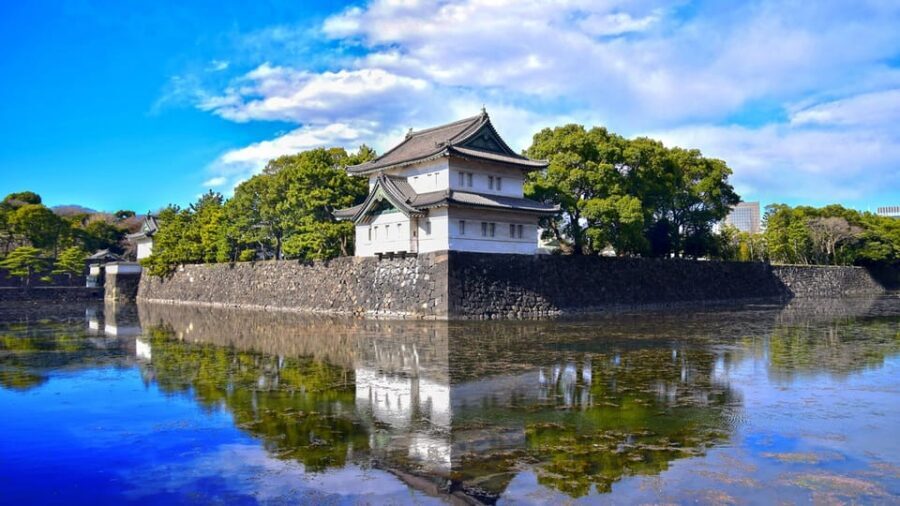
Next comes a calmer contrast: the Imperial Palace area, often approached through the Outer Gardens. The palace is a symbol of Japan’s modern identity, but the feel inside the grounds can be surprisingly restful. You’ll notice how Tokyo’s intensity changes when you step toward the green space and open paths.
Your guide helps connect the dots—how this area fits into Japanese history and how it shapes the surrounding city. People also specifically praise guides for handling timing and access details. One standout example from past tours: Kenji helped guests notice that access inside the Imperial Palace grounds can be limited to specific times, and he explained the seasonal tradition around foliage viewing. That kind of heads-up is valuable because it saves you from showing up expecting something that might not be open.
What I like about including the palace gardens in a one-day plan is the pacing lesson. It breaks up the city overload. After temple streets and before neighborhoods that move fast, this stop gives you a mental reset.
If you care about gardens, order your day so this area isn’t squeezed into the last hour. It works best when you have time to slow down for a bit, not just to pass through.
Harajuku and Takeshita Street: Kawaii Culture Without Getting Lost
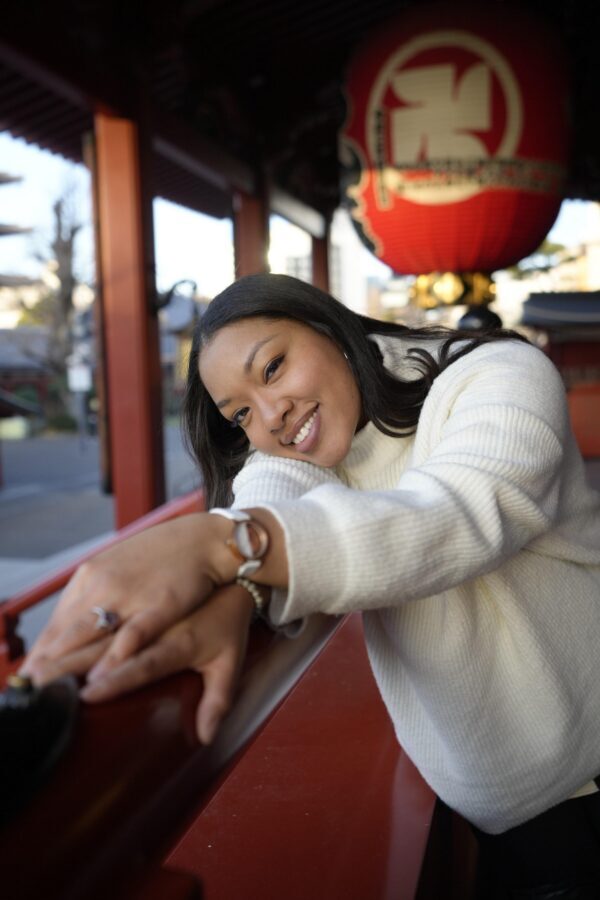
Then you pivot to modern Tokyo. Harajuku is the loud, stylish counterpoint to traditional Asakusa. Your guide can steer you through areas like Harajuku and Takeshita Street and explain what you’re seeing—how fashion, youth culture, and neighborhood energy connect to Tokyo’s broader identity.
If you want a “Tokyo now” day, Harajuku belongs. It’s visual, it’s different, and it’s fun even if you don’t shop. But it can also be chaotic if you wander without a plan. That’s where a private guide helps: they can guide you through the busiest strips and help you keep moving when it feels like the sidewalk turns into a conveyor belt.
Lunch is often placed around Harajuku, in that trendy zone. Several guide reports highlight how the day’s food breaks aren’t random. Guides have recommended specific spots or food areas that match family needs and different tastes. If you’re with kids, you may find your guide builds in easier, snack-friendly choices and downtime.
One consideration: Harajuku can be more time-sensitive than temples. If you’re traveling during peak seasons or holidays, you’ll want your guide to manage crowds so you still enjoy it rather than just surviving it.
Meiji Jingu Shrine Forest: A Hard Reset Between Shibuya and Shinjuku
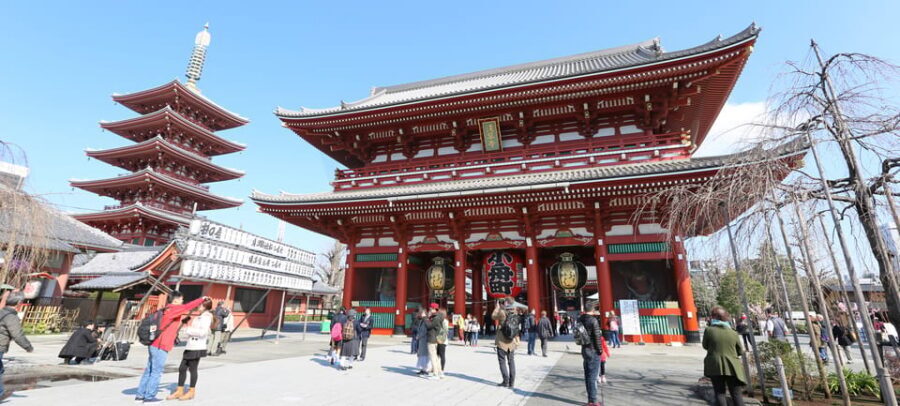
Meiji Jingu Shrine is the kind of stop that feels like you walked into a different weather system. You’re often going from major hubs—Shibuya and Shinjuku—into a forested sanctuary where the noise drops off fast.
Guides tend to do well here because they can explain the shrine’s role and the meaning behind simple rituals. It’s also a great place to cool off if the day runs hot. People specifically praised guides for the structure here: explain the context, then let you experience the calm at your own pace.
If you like travel that gives you contrast, Meiji Jingu is an excellent hinge point. It balances the earlier temple visit in Asakusa with a more wooded, reflective setting. Together, they also help you understand Tokyo’s relationship with tradition in different forms—street ritual versus forest sanctuary.
A practical tip: plan for some walking on the approach paths. You may not realize it at first, but you’ll want comfortable shoes and a light layer if you’re sensitive to temperature swings.
Tsukiji Fish Market, Akihabara, and Hama Rikyu: Choose Your Tokyo Mood
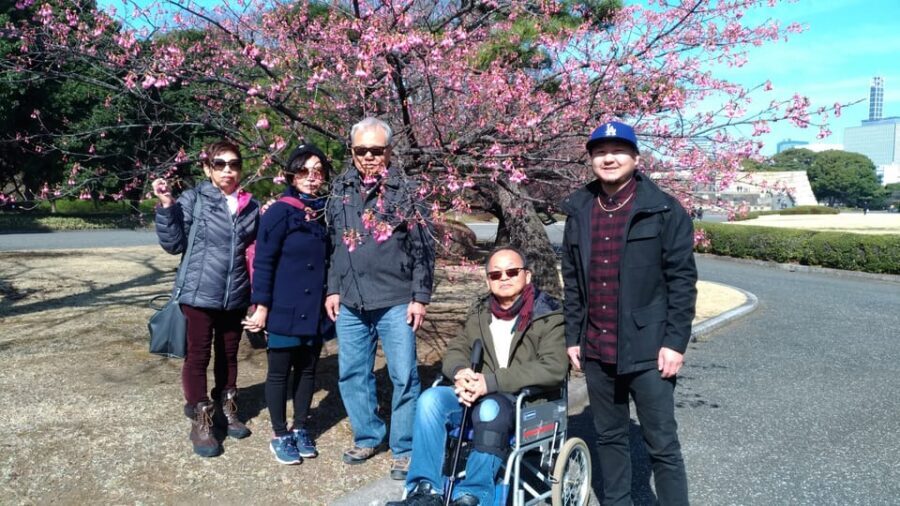
Not every one-day tour can include everything, so the best version is the one that fits your interests. This tour gives you that choice, including stops like:
- Tsukiji Fish Market-area sights, often best for food energy and the sense of how the city’s food culture works
- Akihabara, for electronics, anime, and the kind of geek-culture streetscape Tokyo does so well
- Hama Rikyu Gardens, for a slower, scenic break that still feels central to Tokyo
Here’s how I think about these options. Tsukiji and Akihabara are high-sensory zones. They’re not “quiet walks.” If you add both in one day, your guide needs to space them so you don’t burn out. Hama Rikyu acts like the palate cleanser.
Guides have also helped people make smart lunch decisions around these areas. In one case, Kei recommended a lunch spot with a good variety for different preferences. That’s the real value of having someone plan your day: you waste less time deciding, and you’re more likely to end up in a place that works for your group.
If you’re the type who loves photography, Tsukiji and Akihabara can be great. But if your priority is atmosphere and calm, you might swap one of the louder stops for something greener like Shinjuku Gyoen or Hama Rikyu.
You can also read our reviews of more city tours in Tokyo



Shinjuku Gyoen and Nezu: Garden Time and a More Offbeat Feel
Two names that often add balance to a highlights day are Shinjuku Gyoen National Garden and Nezu.
Shinjuku Gyoen gives you a classic garden escape inside the city’s largest neighborhood orbit. It’s a good pick if you want a lighter, more open-air Tokyo day after busy districts. Guides can help you time it so you get the experience rather than just standing in one tight area waiting for your turn.
Nezu offers something different: a more local-feeling neighborhood pace with shrine energy and smaller-scale atmosphere compared to the biggest tourist magnets. If you’ve already done a major shrine day earlier, Nezu can be a good “second layer” without repeating the same vibe.
These stops also tend to be helpful for families. One guide tailored a route for two young kids and made room for shade breaks and quick changes when heat hit. That kind of flexibility is hard to replicate if you’re self-guiding.
Shinjuku Golden Gai: Old-Style Tokyo Night Energy (If Your Timing Works)
Shinjuku Golden Gai is one of those places that feels like a Tokyo side character—small alleys, tight bars, and a nightlife mood that’s very different from the big neon streets.
This stop can be a great finale if your day runs long enough or if you’re traveling at a time when evening plans aren’t risky. The guide’s role here is practical: timing, route planning, and making sure you actually get the vibe without spending your whole evening trying to find entrances or deciding where to go.
If you’re not into nightlife, you can still use Golden Gai as a short photo-and-walk stop. But I’d be honest: it’s best when you have some energy left at the end of the day.
Price and Logistics: What $106 Buys You (and What It Doesn’t)
At $106 per person for a 4–8 hour private tour, the value is mostly about buying time plus buying the right kind of help.
You get:
- A licensed local guide
- Hotel pickup and drop-off
- Free photos during the day
- A private group experience
- English or Japanese guide support
You pay for:
- Entrance fees for yourself
- Lunch for yourself
- Transportation fees for yourself
- Private vehicle (not included)
Also, this is a walking day tour. A private vehicle isn’t part of the package. You’ll use public transport and/or cruising taxi as needed, and you’ll want Japanese yen on hand so you’re not hunting for cash at the wrong moment. Your guide can discuss exact transportation costs after you decide your route.
Is it “worth it”? For me, yes—when your priority is to see a lot of Tokyo but still understand what you’re looking at. If you’re the kind of traveler who enjoys planning everything yourself and reading maps well, you might not need this. But if Tokyo overwhelms you fast, this is the antidote: one person handles route logic, timing, and cultural context while you focus on the experience.
How the Walking + Transit Day Actually Feels
Because the tour uses public transportation and walking, your day will be active. That’s not a downside by default, but it changes how you should prep.
Here’s what makes it easier in practice:
- Guides are used to moving people through major stations without wasting time
- Several guides explicitly help you understand the transit network so you can repeat it later
- Many guides adjust pace, add stops for comfort, and keep the day manageable even in hot weather
If you want an extra-friendly “start Tokyo with confidence” effect, ask your guide to show you how you’ll get back from the last stop. People have mentioned that guides helped them set up phone access for train navigation, explained how to use metro lines, and even recommended ramen or coffee based on taste.
What to bring:
- Comfortable shoes (you will walk)
- Plan for entrance fees and lunch costs
- Japanese yen for transit-related expenses
And one smart mindset: treat the tour like orientation plus highlights, not a museum marathon.
Who This Tour Suits Best
I’d steer you to this tour if:
- You want to hit major Tokyo sights without doing all the planning
- You care about cultural context, not only checkboxes
- You want a private guide who can adapt when your group has different interests
- You’re arriving soon and want to learn the city’s flow quickly
It can also work well for families. Multiple guides have been praised for accommodating kids, building in breaks, and staying flexible when plans needed adjustment.
If you’re a “single-neighborhood only” traveler, you might find 4–8 hours moves too fast for your style. But if you want a strong first-day foundation, this private format is one of the better ways to do it.
Should You Book This Tokyo Private Highlights Tour?
Book it if you want a guided day that turns Tokyo from overwhelming into workable. The biggest reason is the guide factor: nationally licensed, English/Japanese support, and a track record of planning that keeps your day efficient without stripping the meaning from the sights.
I’d skip or adjust expectations if you hate walking, or if you’d rather spend your whole day in one district at your own pace. Also, remember you’ll handle entrance fees, lunch, and some transportation costs yourself—this isn’t a fully all-in ticket.
If you do book, send your preferences early: tell your guide which vibe you want most—temples, gardens, shopping/pop culture, food, or even nightlife like Golden Gai. Customization is the point.
FAQ
How long is the Tokyo Private City Highlights Tour?
It lasts 4 to 8 hours, depending on the option you choose and availability for starting times.
Do I get hotel pickup and drop-off?
Yes. Hotel pickup and drop-off are included in the tour.
Is this tour private?
Yes. It’s a private group tour, so you’ll be with your guide rather than in a large shared group.
What’s included, and what do I pay for myself?
Included: a licensed local guide, hotel pickup and drop-off, and free photos. Not included: entrance fees, lunch, and transportation fees for yourself, plus private transportation.
How do you get between sights?
This is a walking day tour using public transport and/or local taxis. A private vehicle is not included, and transportation costs can be discussed with the guide after you decide your route. Having Japanese yen on hand is recommended.
What languages do the guides speak?
The live tour guide is available in English and Japanese.
![[Kyoto Street Shot] Recording every wonderful moment of travel with shutter (free kimono experience) - Price and value: $235.33 per group (up to 6)](https://images.thejapantraveler.com/wp-content/uploads/kyoto-street-shot-recording-every-wonderful-moment-of-travel-with-shutter-free-kimono-experience.jpg)