REVIEW · TOKYO
Tokyo: Asakusa, Skytree & Akhihabara Go-Kart City Experience
Book on GetYourGuide →Operated by Monkey Adventure Kart · Bookable on GetYourGuide
Tokyo at street level can feel like a movie. This go-kart city tour gives you that feeling with a guided ride through Asakusa, Tokyo Skytree Town, and Akihabara, plus costume time before you roll. I especially like the photos your guide captures (shared after on AirDrop or email) and the fact that staff run a real safety briefing with English-speaking leadership. The main drawback: you’ll need the correct hard-copy 1949 Geneva IDP paper booklet for Japan, and online permits won’t work.
I also appreciate the small-group setup (up to 8), so the ride feels organized instead of chaotic. If you’re aiming for night lights, the guides often time photo moments well, and some folks specifically recommend doing it around late afternoon for that day-to-night switch. One more consideration: the tour uses a kart, so it’s not suitable for everyone (pregnancy, weight, and height limits apply).
In This Review
- Key things I’d plan around
- What You’re Really Buying for $96
- Where the Tour Starts Near Oshiage
- Before You Drive: Safety Briefing and Costume Time
- The Route: Skytree Town, Asakusa, and Akihabara From a Kart
- Tokyo Skytree Town: Photo stop with a real sightseeing pause
- Asakusa: Historic-feeling streets at speed (without losing control)
- Akihabara: Pop-culture energy you can actually feel
- How the Photo Service Works (and How to Use It)
- Timing: 70 Minutes That Fit Tokyo’s Busy Days
- The Group Size Advantage (Up to 8)
- Driving License Rules: The Real Gatekeeper
- What’s Included vs. What’s Not
- Who This Tour Fits Best (and Who Might Skip It)
- Weather, Rescheduling, and Real-World Expectations
- Final Verdict: Should You Book It?
- FAQ
- How long is the go-kart experience?
- Where is the meeting point?
- Is the tour guide English-speaking?
- Do I need an International Driving Permit to drive in Japan?
- What if my IDP is not the 1949 Geneva type?
- Are alcohol or drugs allowed?
- Are photos included, and how do I receive them?
- What’s included in the price?
- What happens if it rains?
Key things I’d plan around
- Bring the right IDP in paper form: Japan requires a 1949 Geneva Convention IDP hard-copy booklet.
- Guide photos are built in: you can ride and still leave with pictures, not just blurry phone shots.
- Costumes add a reason to slow down for photos before you hit the streets.
- Small group means easier pacing: up to 8 participants, guided the whole time.
- 70 minutes is long enough to feel Tokyo but short enough to fit into a busy day.
- Arrive early (20 minutes) so the briefing and setup don’t eat into your ride time.
What You’re Really Buying for $96
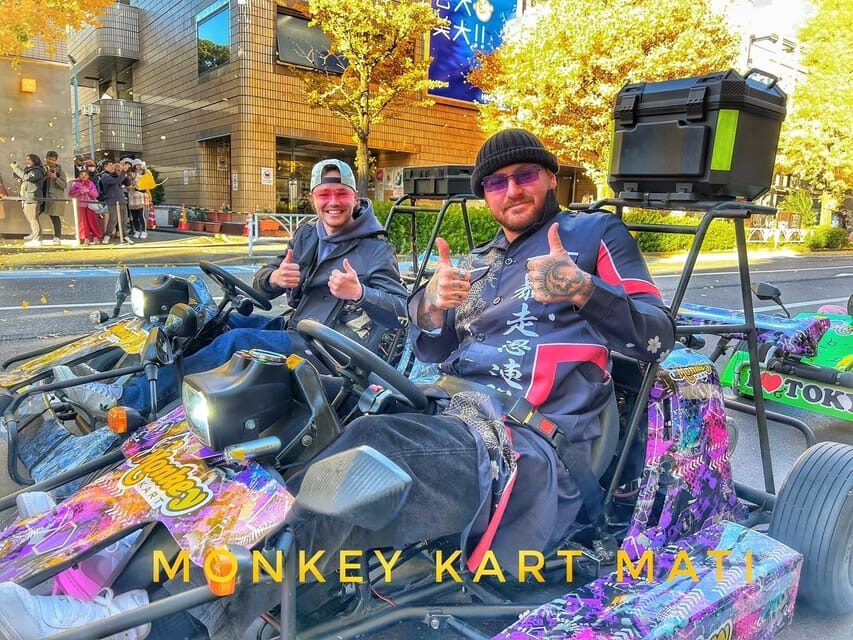
At $96 per person for 70 minutes, this isn’t just a “fun activity.” You’re paying for a controlled, staff-led way to drive a street-legal go-kart through some of Tokyo’s most famous areas, while someone handles the hard parts: safety process, route timing, and photo stops.
You also get more than the kart. The included package lists a tour guide, go-kart, costume, water, photoshoot, an action-camera/Insta360 mount, and even one hard-copy photo. That mix matters in Tokyo, where time and logistics can add up fast. If you’re the kind of traveler who wants the thrill of driving but doesn’t want to spend your whole day navigating and filming, this is a good value fit.
Still, the price only feels worth it if you’re actually able to drive legally. If your IDP paperwork isn’t exactly right, the experience can’t run—so check your documents before you buy a train ticket.
You can also read our reviews of more city tours in Tokyo
Where the Tour Starts Near Oshiage
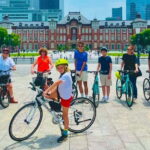
You’ll meet at 4-chōme-9-9 Yokokawa, which is about a 7-minute walk from Oshiage station. This is close enough to avoid stress, but you still need to show up early.
The most important logistics tip here is simple: arrive 20 minutes before your time. That extra buffer helps you get through gear checks, costume selection, and the safety briefing without feeling rushed. In Tokyo, being late can cascade into delays for the whole group, and go-kart tours are tightly scheduled.
Before You Drive: Safety Briefing and Costume Time
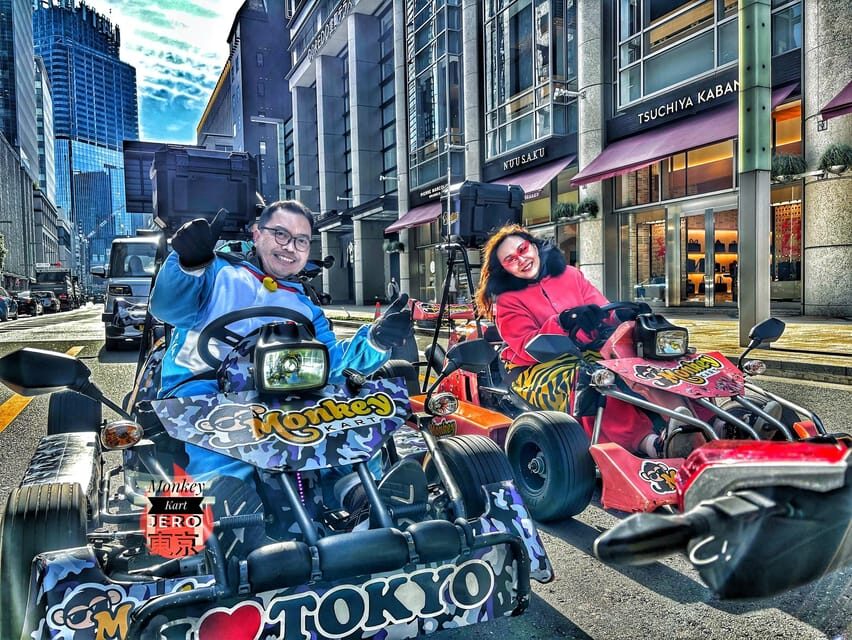
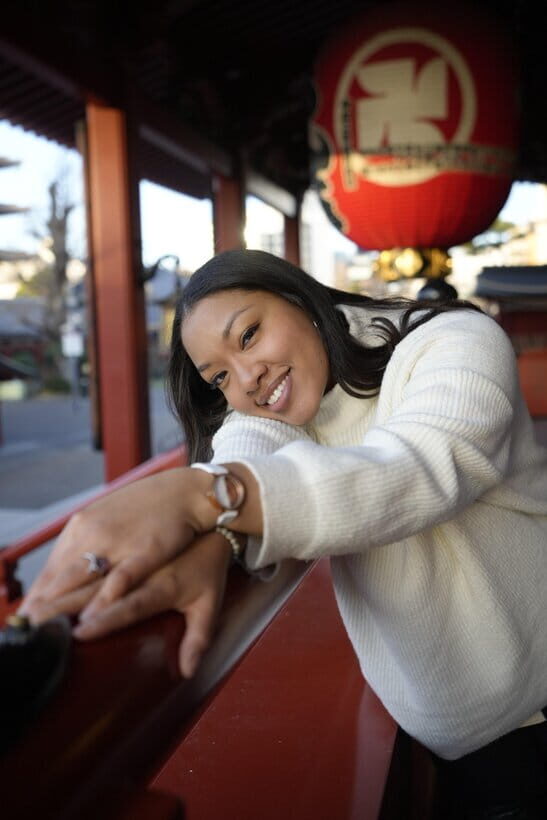
Your session starts with staff welcoming you and giving a safety briefing. Because you’re driving on real streets (not just a closed track), this step isn’t a formality. It’s where you learn how the group moves, how the lead handles traffic, and how they expect drivers to respond.
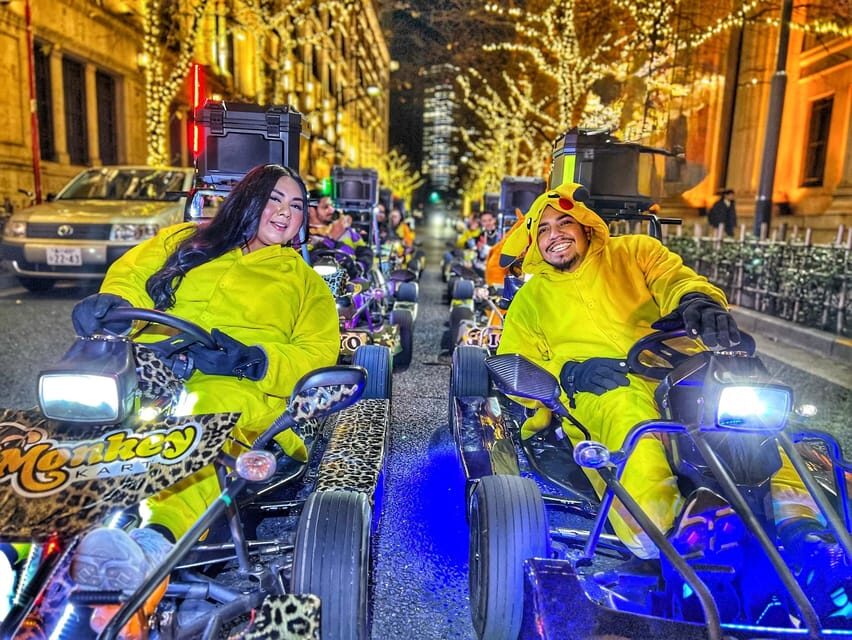
Right after that, you get to choose from costumes. This isn’t just a silly extra. It’s a practical photo advantage: the guide times stops so you get pictures with your outfit as part of the moment—not as an afterthought.
In the experience reports, guides are repeatedly described as patient and calming when riders feel nervous. People even name-drop guides like Ayrton, Frederico, Julian, Adam, and Hannah for making the first-time driving feel manageable. That’s a strong sign that the staff treats the briefing as the start of the fun, not a cold prerequisite.
The Route: Skytree Town, Asakusa, and Akihabara From a Kart
The tour is built around three recognizable Tokyo zones: Asakusa, Tokyo Skytree area (Tokyo Skytree Town), and Akihabara.
Tokyo Skytree Town: Photo stop with a real sightseeing pause
One clear scheduled stop is at Tokyo Skytree Town, where you’ll do a photo stop and guided sightseeing. This part matters because it gives you a landmark anchor—you’re not just “riding,” you’re also getting a sense of place.
Skytree is one of those sights that’s hard to appreciate fully from a fast train window. Seeing it from the street feels different: you get scale, crowd flow, and the visual vibe of the neighborhood around it.




Asakusa: Historic-feeling streets at speed (without losing control)
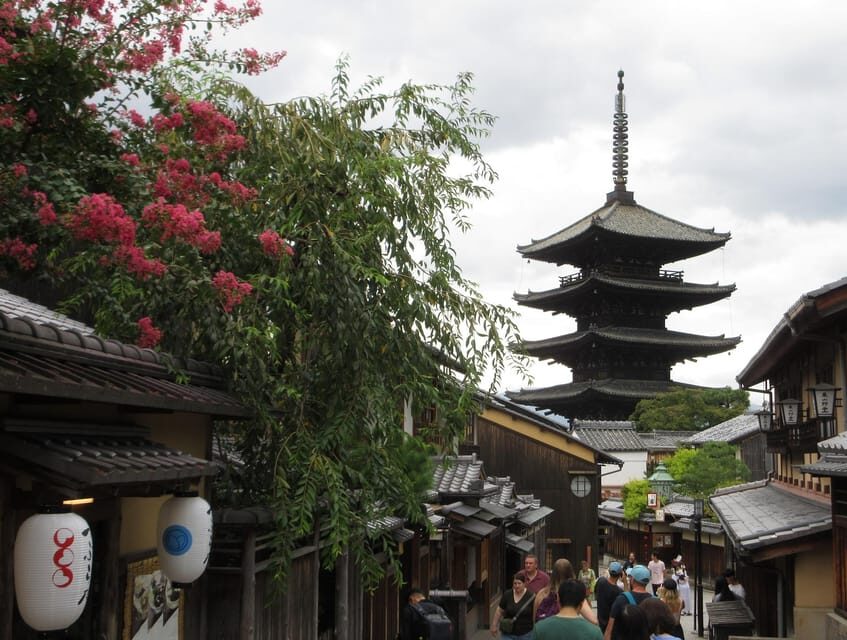
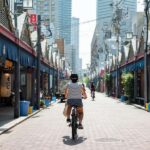
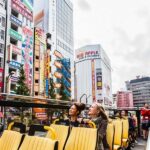
You’ll drive through Asakusa, which is exactly the type of area you want to see by car. Walking is great, but it can also mean constant stopping, crowds, and slow progress. In a go-kart, you move at a pace that still lets you notice details.
The value of this section is that you get a “street-level Tokyo” perspective that buses and trains just can’t deliver.
Akihabara: Pop-culture energy you can actually feel
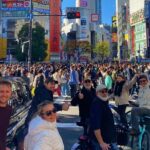
Finally, you’ll explore the Akihabara area. This is where your photos tend to look extra fun, because it’s dense with signage, storefront character, and visual noise in the best possible way.
Driving through Akihabara also gives you a different kind of context. You can see the shape of the streets and how people move between shops, instead of only seeing the area as a destination you pass through.
How the Photo Service Works (and How to Use It)
The photos are a big part of why people rate this activity highly. Your guide takes photos at key points during the ride, and you’ll get them afterward via AirDrop or email.
You’ll also get one hard-copy photo included, plus an action camera or Insta360 mount on the kart. That combination is smart: the guide handles the “steady timing” shots, while your camera can capture the motion.
Practical tip: if you bring your own GoPro or Insta360, treat it like a shoot day. One rider specifically suggested charging in advance because you don’t want to discover a dead battery mid-tour. You also might want a way to secure your phone when you’re not mounting anything, since you’ll be driving and stopping often enough that loose items become a hassle.
Timing: 70 Minutes That Fit Tokyo’s Busy Days
The tour lasts 70 minutes, which is a sweet spot. You get enough time to experience the distinct neighborhoods and still feel like you did something meaningful, not a quick “drive around the block” trick.
Also, schedule choice matters. Several experiences mention doing it around 4pm to catch the city switching from daylight into nightlife. Even if you’re not chasing a sunset, late afternoon often gives you better photo lighting and more atmosphere, especially in places like Akihabara.
If you hate rushing, plan your day so you’re not sprinting from one booking to the next. Arrive early, do the briefing calmly, and let the 70 minutes be a focused break from Tokyo crowds.
The Group Size Advantage (Up to 8)
This tour is listed as small group, limited to 8 participants. That matters because it improves the flow. More cars on the street means more spacing and more waiting, and that can kill the fun.
A small group also makes the guide’s job easier during photo stops and traffic coordination. In practice, that’s why people repeatedly mention that they felt safe and guided the whole time.
Driving License Rules: The Real Gatekeeper
This is the section you must treat seriously, even if you’re an experienced driver at home.
To drive in Japan, you need a valid driving license plus a hard-copy paper booklet of a 1949 Geneva Convention International Driving Permit (IDP) issued by the official agency in your country (examples listed include AAA, AA, CAA, ATCUAE, and others).
Key constraints from the rules provided:
- Online or soft copies are not valid.
- 1968 Vienna Convention permits (and other categories listed like FIA/IDA/IAA) are not recognized.
- Some countries’ permits are not allowed, and you’re instructed to check whether your country issues the 1949 Geneva type.
- If your license is from France, Switzerland, Taiwan, Germany, Monaco, and Belgium, you need a Japanese translation, obtainable from the JAF office.
- You must be over 18.
- Alcohol and drugs are not allowed, and intoxication is prohibited.
If your documents aren’t correct, you can waste time and money fast. So check this well before your Japan trip.
What’s Included vs. What’s Not
Included:
- Tour guide (English)
- Go-kart
- Costume
- Photoshoot and guide photo capture
- Water
- Action camera or Insta360 mount
- One hard-copy photo
- “Best service and fun” (not useful legally, but it hints at a customer-first style)
Not included:
- Optional insurance
If you like peace of mind, think about whether you want to add coverage. The data doesn’t list specifics for optional insurance, so you’ll need to review the add-on options at booking.
Who This Tour Fits Best (and Who Might Skip It)
This works best for:
- First-time Tokyo visitors who want big-name areas without juggling transport
- Returning travelers who want a different viewpoint than walking or trains
- Couples and small groups who want a shared “we did something wild” memory
- People who value photos and want the guide to handle photo timing
You should not plan on it if you’re:
- Pregnant
- Over 331 lbs (150 kg)
- Taller than 5 ft 9 in (180 cm)
Weather, Rescheduling, and Real-World Expectations
The tour may be rescheduled due to rain. That’s normal for street-kart experiences, since grip, visibility, and safety change fast.
So if you’re traveling in a rain-heavy season, keep a little flexibility in your schedule. If you’re locked into hard plans, pick a backup time.
Final Verdict: Should You Book It?
If you meet the driving requirements and you’re excited by the idea of driving through Asakusa, Skytree Town, and Akihabara with costume fun and guide-shot photos, I think this is an easy yes. The price feels more reasonable because the package includes the guide-led ride, costume, water, and a photo workflow that saves you from doing everything yourself.
I’d skip it if you’re still sorting out your 1949 Geneva hard-copy IDP or if you know you’ll hate the paperwork stress. And if you’re unsure about driving comfort, aim for a session where you can arrive early, listen carefully during the briefing, and take it step-by-step with the guide.
FAQ
How long is the go-kart experience?
It lasts 70 minutes.
Where is the meeting point?
The meeting point is 4-chōme-9-9 Yokokawa, about a 7-minute walk from Oshiage station.
Is the tour guide English-speaking?
Yes, the tour guide is listed as English.
Do I need an International Driving Permit to drive in Japan?
Yes. You need an International Driving Permit in the form of a hard-copy paper booklet issued under the 1949 Geneva Convention.
What if my IDP is not the 1949 Geneva type?
1968 Vienna Convention and other listed permit types are not recognized by Japan, and some countries’ permits are not allowed. You’re instructed to confirm you have the correct 1949 Geneva permit before leaving your country.
Are alcohol or drugs allowed?
No. Alcohol, drugs, and intoxication are not allowed.
Are photos included, and how do I receive them?
Yes. Your guide takes photos during the tour, and the photos are shared afterward via AirDrop or email.
What’s included in the price?
Included: tour guide, go-kart, photoshoot, costume, water, an action camera or Insta360 mount, and one hard-copy photo.
What happens if it rains?
The tour may be rescheduled due to rain.