REVIEW · TOKYO
Tokyo: Sumo Morning Practice Tour at Sumida City
Book on GetYourGuide →Operated by Japan Wonder Travel · Bookable on GetYourGuide
Sumo training hits differently at dawn. It’s interesting because you’re set up with rules and rituals right before you watch training ringside, and you can then ask questions during the post-practice Q&A. One drawback to know early: you’ll sit on the floor without chairs for about 1.5 hours.
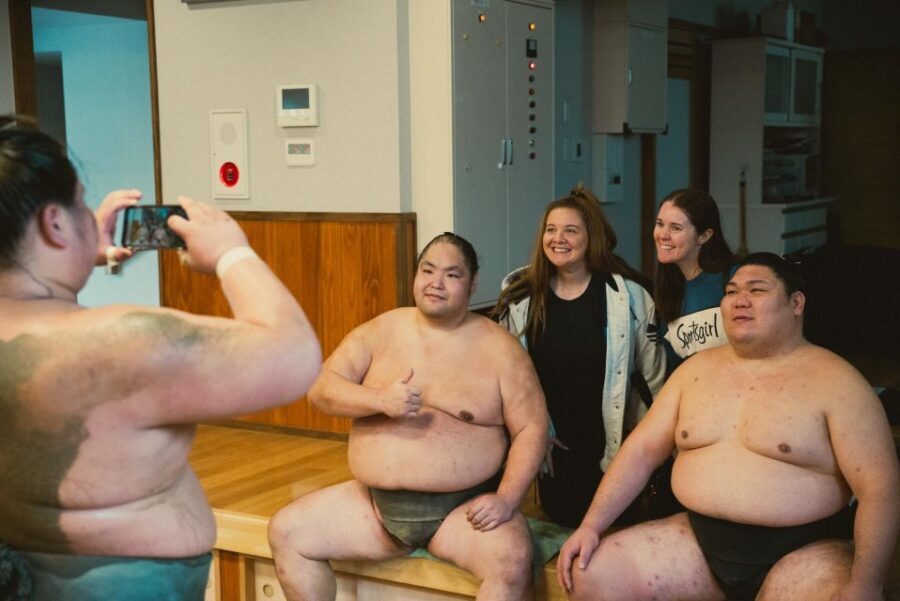
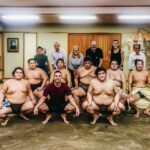
I also like that the visit feels structured and respectful, not like a show. On some days you may even have a chance to take a photo with the wrestlers, but the big win is learning how the stable runs and what the wrestlers’ discipline looks like up close.
In This Review
- Key things you’ll notice on this Sumida sumo tour
- Morning in Sumida: why this sumo practice visit feels real
- The trade-off: it’s authentic, so it’s not comfortable for everyone
- Meeting at Oshiage and the 15–20 minute walk with rules
- If you’re late, don’t improvise inside
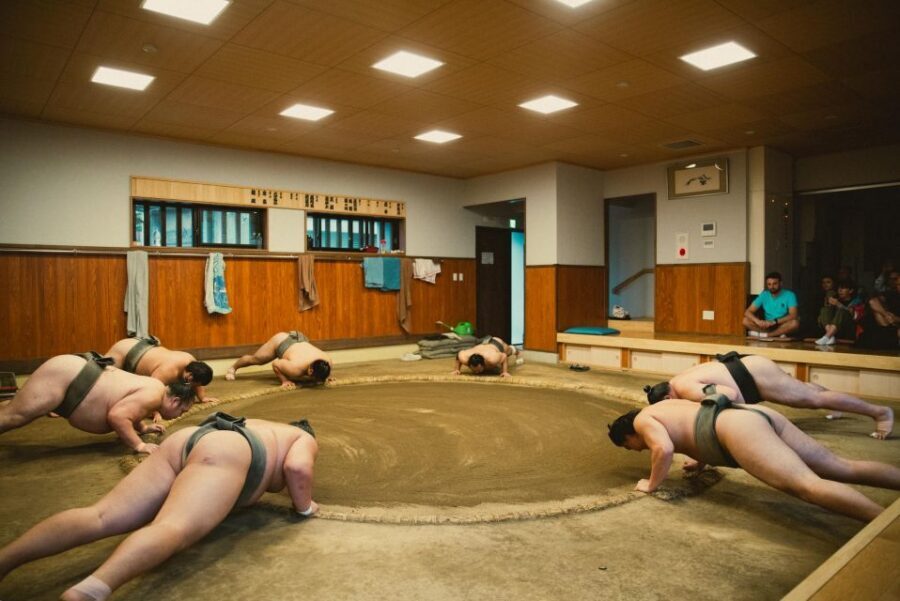
- Inside the stable: no chairs, silent watching, and what you’ll actually see
- Seating and sightlines: it’s worth thinking about
- The rituals and Q&A that turn observation into understanding
- What I like about the pacing
- Photo chances and strict rules for video, silence, and behavior
- Price and value: what $116 buys in Tokyo sumo access
- Who should book (and who should skip this morning stable session)
- Should you book this Tokyo sumo morning practice tour?
- FAQ
- What time do I need to meet for the sumo morning practice tour?
- How long is the walk from the meeting point to the sumo stable?
- What’s the total duration of the tour?
- Are meals or drinks included?
- Can I use flash photography during the practice?
- Are chairs available inside the sumo stable?
- Where can I go to the restroom during the tour?
- Are tours held year-round?
Key things you’ll notice on this Sumida sumo tour
- 7:30am start after a 7:15am meet at Tokyo Metro Oshiage, Skytree Mae area
- A 15–20 minute walk to the stable, with a no-slip towel tip for wet streets
- No chairs inside and you may need to sit cross-legged quietly for about 1.5 hours
- Silent viewing rules so the stable can keep focus during practice
- Q&A with the stable master after training, when you can ask real questions
- Photo/video limits: no flash, no shutter sounds, and no social media uploads
Morning in Sumida: why this sumo practice visit feels real
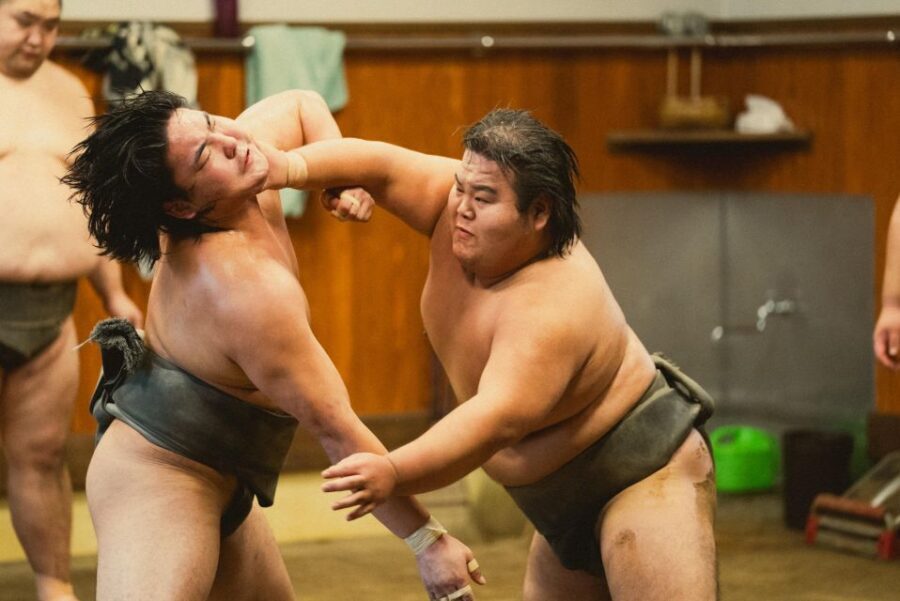
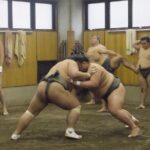
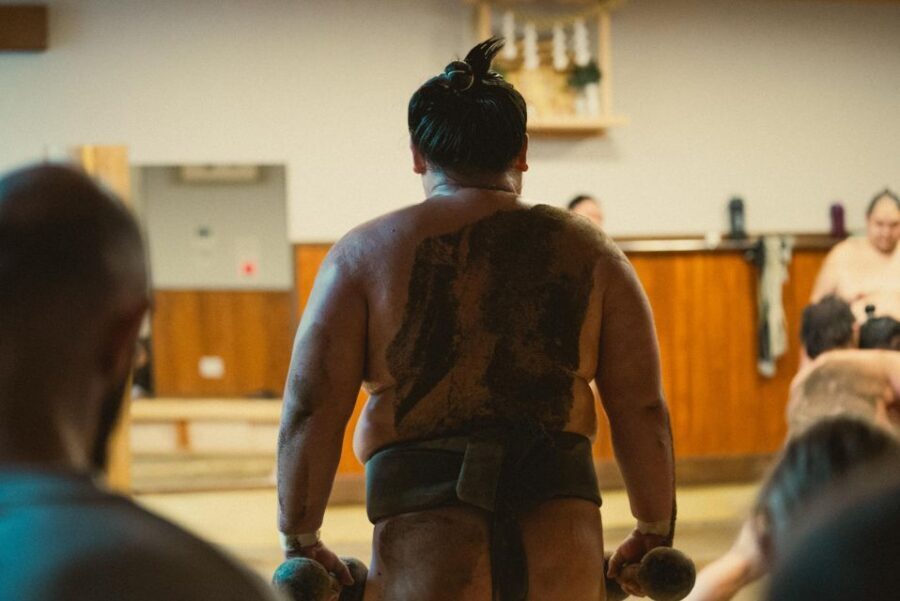
If you only know sumo from TV highlights, a morning stable practice changes your mental picture fast. This is not about big arena lighting. It’s about daily work: practice routines, technique, and the quiet intensity that comes from doing the same discipline day after day.
What makes this experience especially good in Tokyo is the access level. You’re not stuck behind glass or far back in a stadium. You’re positioned close enough to feel how big these athletes are, and to notice the details that matter when they move—how controlled the training looks, and how serious the atmosphere is while you watch.
I also appreciate that the tour doesn’t treat sumo as costume culture. You get guided context on history, rules, and rituals so what you’re seeing has meaning. Then, after training, you can ask follow-up questions to the stable master and learn how life in a stable actually works.
You can also read our reviews of more city tours in Tokyo


The trade-off: it’s authentic, so it’s not comfortable for everyone
The tour expects you to be patient and still. There’s no chair seating, and the practice portion can require sitting cross-legged on the ground for about 1.5 hours. If you’re not comfortable kneeling or sitting low for that long, you’ll likely have a rough morning—and the provider specifically recommends not booking if that’s a deal-breaker.
Meeting at Oshiage and the 15–20 minute walk with rules
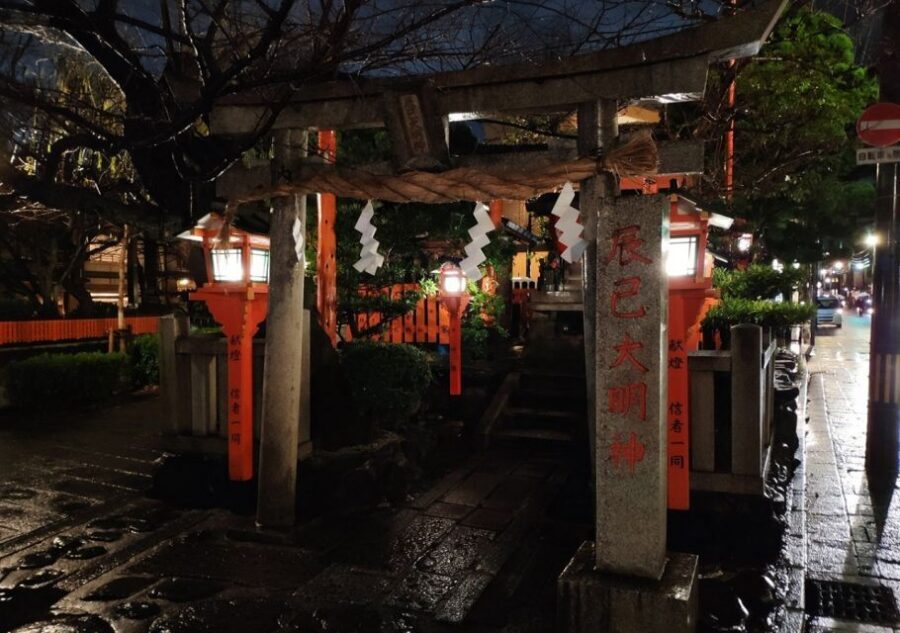
Your morning starts early, because sumo practice happens early. You’ll meet at 7:15AM at Tokyo Metro Oshiage (Skytree Mae) Station on the Toei-Asakusa Line. Look for the A1 Exit (ground floor). The tour starts at 7:30AM.
From the meeting point, plan on a 15–20 minute walk to the stable. In summer, that walk can feel long; in wet weather, your shoes may get messy. The provider’s practical tip is to bring a towel to wipe your feet if rain makes the ground slick.
You’ll also want to get this part right: use the restroom before you join. During the practice, you cannot go to the toilet. That’s a small detail that can matter a lot when you’re arriving at 7:30am and settling in for about 2 hours total.
A good plan for the walk and the timing: arrive at the meeting point early enough to feel calm, not rushed. Some people have had confusion about exact timing on mornings like this, and the easiest fix is simple—be there for 7:15am, not 7:25am with a sprint in your bones.
If you’re late, don’t improvise inside
If you’re late and can’t make it to the meeting place on time, you’ll need to contact the activity provider. They’ll send you the stable address so you can go there on your own. But once you arrive, the key rule is: do not enter the stable by yourself. Wait outside until your guide comes out. Never ring the doorbell—this is about avoiding distractions to the wrestlers’ concentration.
Inside the stable: no chairs, silent watching, and what you’ll actually see
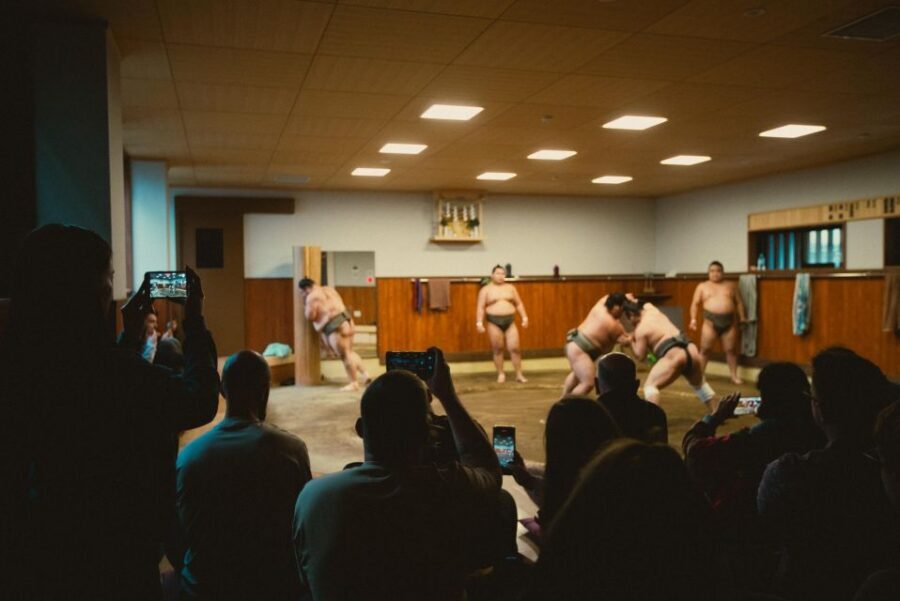
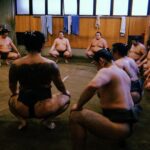
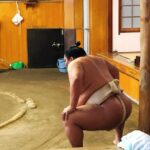
The core of this tour is the training practice you watch from very close range. The experience is designed for quiet attention, so you’ll need to follow the stable’s rhythm.
Here’s what you should prepare for:
- You’ll sit on the floor (there are no chairs).
- You should watch silently and respectfully.
- You cannot bring certain items into the stable, including sunglasses, hats, baby strollers, food, flash photography, and luggage or large bags.
The practice portion lasts about 1.5 hours, and then there’s time afterward for questions and photos. Your comfort during that 1.5-hour window will determine how much you enjoy the whole thing. If you can handle sitting low, you’ll likely find the closeness energizing. If not, you may spend half the morning shifting instead of watching.
A few more Tokyo tours and experiences worth a look

Seating and sightlines: it’s worth thinking about
The experience is close, but “close” doesn’t always mean “perfect view” the entire time. Some groups get rotated to share better angles, while other days might mean you get one main view and make the best of it. If you care most about the action being right in front of you, try to position yourself toward the better viewing area when you arrive and listen carefully to what your guide instructs.
One more note: the stable setting can make it harder to hear your guide at times, especially if the group is large. If you’re the kind of person who hates missing details, bring your patience—and keep your eyes on the wrestlers while your guide fills in context.
The rituals and Q&A that turn observation into understanding
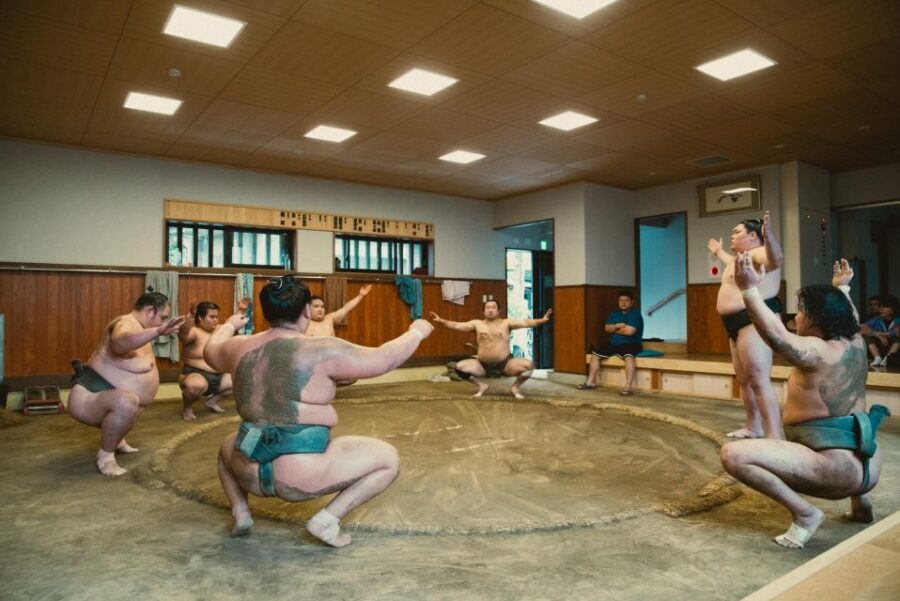
Watching bodies move is one thing. Understanding why they’re doing it is where this tour really earns its price.
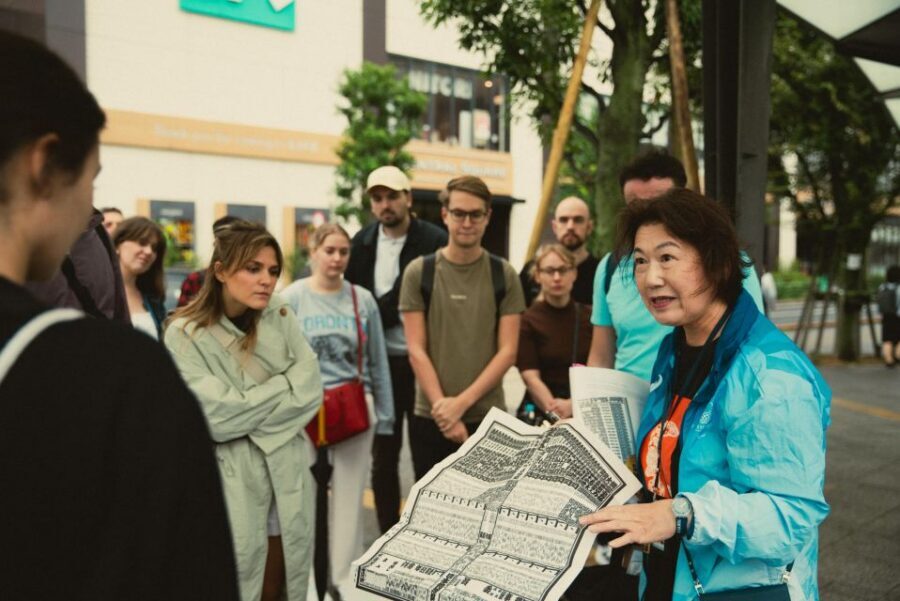
Before you enter, you’ll get an English-speaking guide who explains the history, rules, and rituals of sumo. This matters because sumo has its own logic. Without context, it can look like a sequence of grapples. With context, you start seeing structure: the purpose of certain routines, why the rituals happen, and what training is aiming to build.
Then comes the part many people remember most: the Q&A with the stable master after the practice ends. This is your chance to ask the questions that TV never answers—how wrestlers live day to day, how the stable is run, and what rules actually mean in real training life.
In past sessions, guides like Tadashi and Kiyomi have been praised for making expectations clear, and the stable master has typically been happy to answer questions once practice is finished. If you’re curious about the human side of sumo, this is the moment you’ll get it.
What I like about the pacing
This tour has a simple rhythm: brief learning, quiet watching, then conversation. That pacing keeps the morning from turning into one long lecture. You’re not learning sumo facts in a vacuum—you learn them while you’re watching the sport itself. By the time the stable master steps in, you’ll usually have more thoughtful questions to ask.
Photo chances and strict rules for video, silence, and behavior
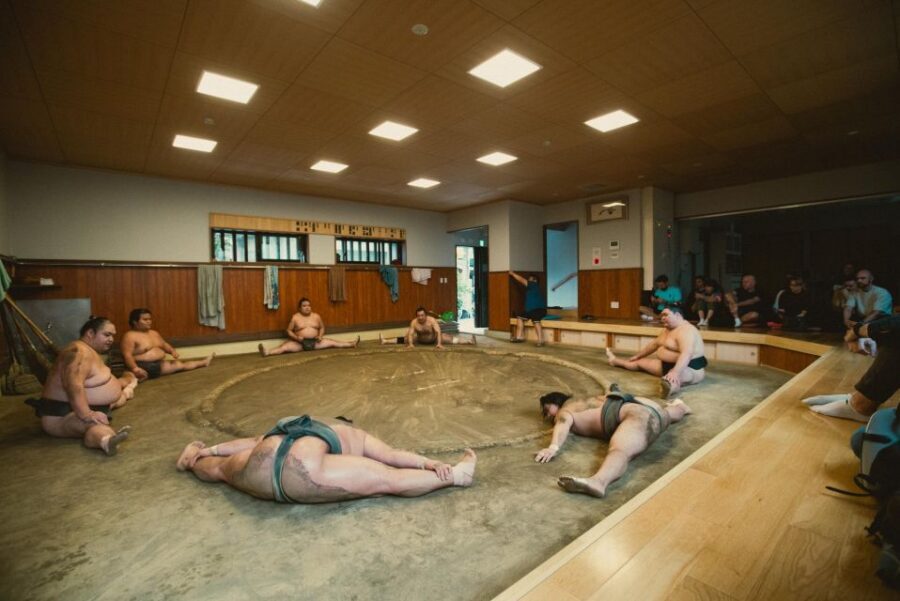
Yes, you might get a photo opportunity. Some days include a chance to take pictures with the wrestlers after training, and that moment can be a fun souvenir.
But it comes with rules that you should treat as non-negotiable:
- No flash photography
- You may take photos/videos without flash and without shutter sounds
- You cannot upload photos or videos to social media platforms
That last rule can surprise people. If you plan to post right away, you’ll need to adjust. Take the moment for yourself (and keep your files local), then share later in a way that follows the stable’s expectations.
Also keep the stable vibe in mind. You’re there to watch practice, not to treat the ring like a selfie backdrop. The tour clearly asks you to be silent during practice, and if you bring kids who can’t stay quiet, you may be asked to leave the stable during the tour. That’s not a threat—it’s a reality of shared space where concentration matters.
Price and value: what $116 buys in Tokyo sumo access
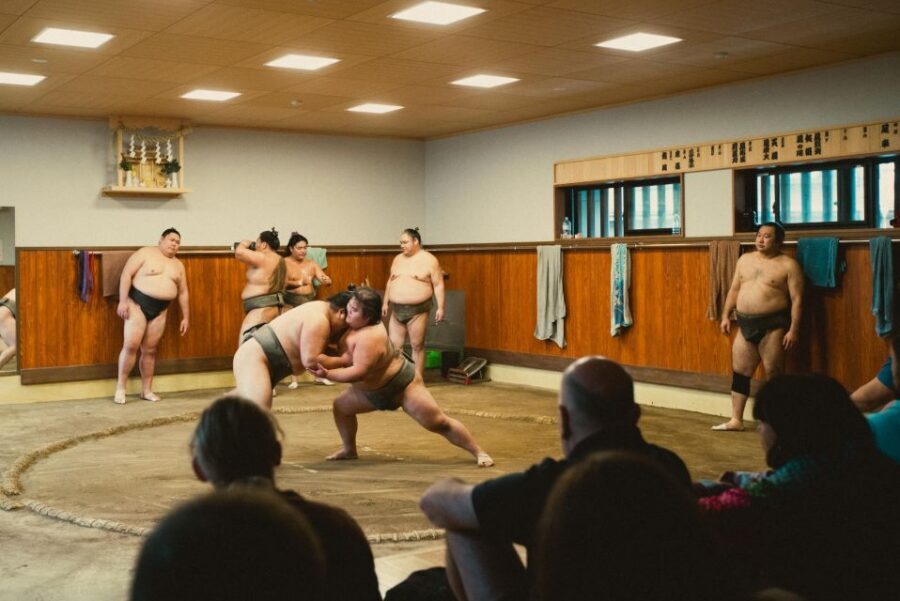
At $116 per person for about 2 hours, this tour isn’t cheap in the way of a quick museum stop. But it also isn’t overpriced for what you get—if you value access and explanation.
You’re paying for:
- An English-speaking guide
- Entrance to the sumo stable
- Time that includes training viewing plus Q&A
What you don’t get is equally important:
- No hotel pickup or drop-off
- No food or drinks
So the value equation is simple for you: if you want a serious sumo morning that includes stable entry and guided context, this can be a solid buy. If you just want a few photos, there are cheaper ways to look at sumo culture in Tokyo, but you won’t get the same quiet, close-range training access or the chance to ask the stable master questions.
One caution on pricing comes from the reality of training schedules. On certain days, you may see training that feels less like the headline action you might imagine. Even then, the real point is technique, discipline, and daily practice life.
Who should book (and who should skip this morning stable session)
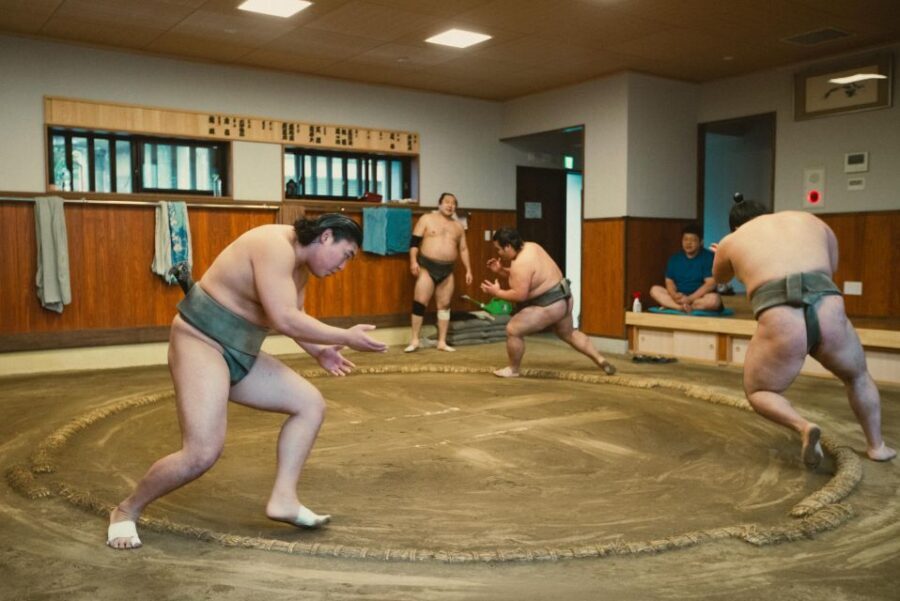
This is a great fit if you:
- Like structured, respectful cultural experiences
- Want close-up access to Tokyo sumo training
- Enjoy question-and-answer time with an expert
- Can handle early mornings and quiet sitting on the floor
It’s also a good choice for families who can manage behavior. The minimum age is 6 years old, and kids who are noisy, moving around, or unable to watch quietly may be asked to leave the stable.
It’s probably not a good fit if you:
- Have difficulty sitting cross-legged or on the floor for about 1.5 hours
- Need mobility assistance (the provider lists it as not suitable for people with mobility impairments)
- Want a casual, comfortable walking tour with standing comfort the whole time
There’s also a seasonal timing factor. Morning practice and tours are not held in March, July, and November because the Grand Sumo tournaments happen outside Tokyo.
Should you book this Tokyo sumo morning practice tour?
Book this if you want a Tokyo sumo stable morning that’s guided, respectful, and close—plus you care about understanding the sport, not just watching bodies collide. The Q&A with the stable master is the kind of payoff that makes the early start feel worth it, and the no-flash, silent rules mean you’re stepping into the wrestlers’ real world rather than disrupting it.
Skip it if the floor seating sounds like a problem for you, or if you’re traveling with someone who can’t stay quiet for the practice window. Also, if early mornings are a deal-breaker, plan carefully: this tour is built around a 7:30am start.
Finally, check the schedule timing before you get too hopeful. The tour schedule is usually known one to two months in advance, and reservations open after that—so if you’re planning a trip, it’s smart to check the website about two months before your dates. If plans change, the tour offers free cancellation up to 2 days in advance.
If you fit the right kind of traveler, this is one of those Tokyo experiences you remember for the atmosphere as much as the action. You’ll leave with a clearer sense of what sumo training actually is—day-to-day, rule-by-rule, ritual-by-ritual.
FAQ
What time do I need to meet for the sumo morning practice tour?
Meet at 7:15AM at Tokyo Metro Oshiage (Skytree Mae) Station, Toei-Asakusa Line Oshiage Station A1 Exit (ground floor). The tour starts at 7:30AM.
How long is the walk from the meeting point to the sumo stable?
It’s about a 15–20 minute walk from the meeting point to the sumo stable.
What’s the total duration of the tour?
The tour lasts 2 hours total.
Are meals or drinks included?
No. Food or drinks are not included.
Can I use flash photography during the practice?
No. Flash photography is not allowed.
Are chairs available inside the sumo stable?
No. There are no chairs in the sumo stable, and you may need to sit cross-legged on the ground for about 1.5 hours.
Where can I go to the restroom during the tour?
You should use the restroom before joining the tour. You cannot go to the toilet during the practice.
Are tours held year-round?
No. Morning practice and tours will not be held in March, July, and November because Grand Sumo tournaments happen outside Tokyo.