REVIEW · TOKYO
Tokyo Ryogoku Sumo Morning Practice + Photo Shoot with Wrestlers
Book on Viator →Operated by MagicalTrip Inc. · Bookable on Viator
Sumo mornings are not a show. They are real work, in a real stable, with a local guide helping you make sense of what you’re watching. You’ll start in Ryogoku, walk to a sumo stable, and spend your morning watching intense practice up close.
I love the unstaged access to a training stable and the fact that you get tour photos included, so you’re not stressing about capturing everything. You also get a quick sense of Ryogoku’s sumo-town identity with a short stop near Kokugikan.
One consideration: stables set the rules, and that can affect photo permission and how talkative you’ll be allowed to be. Plan on sitting on tatami on the floor for the long stretch of practice.
In This Review
- Key things you’ll notice on this sumo morning
- Sumo practice at dawn: what makes it worth it
- Meeting at Ryogoku JR East Exit without getting lost
- Inside the stable: rules, seating, and photo limits
- Guide talk: how much background you’ll get
- Ryogoku Kokugikan stop: quick sumo-town orientation
- Timing and value: how $98.16 lines up in real life
- The most common “gotchas” and how you avoid them
- Who should book this sumo morning practice tour
- Should you book it?
- FAQ
- Where do I meet the guide?
- Which Ryogoku station should I go to?
- What time does the tour start and how long is it?
- Can children under 12 join?
- Are photos guaranteed?
- What happens if the practice is canceled or the weather is bad?
Key things you’ll notice on this sumo morning
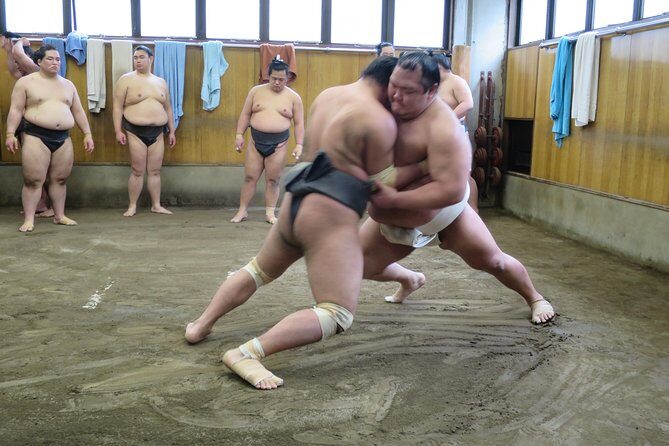
- Unstaged practice, not a staged performance: you’re watching training routines and peer practice, not a visitor show
- A local guide who sets expectations: you get help reading the hierarchy and training flow
- Your best views come from early seating: it’s first come, first served once you’re inside
- Photo rules are stable-specific: the stable decides what you can photograph and with whom
- Floor seating is part of the package: most stables don’t provide chairs, so bring patience
- Small group energy (max 7): easier navigation to the stable and more guide attention
Sumo practice at dawn: what makes it worth it
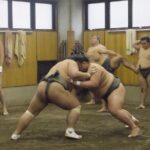
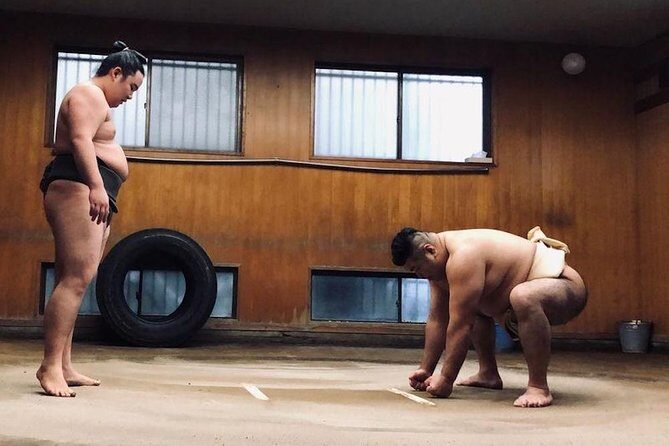
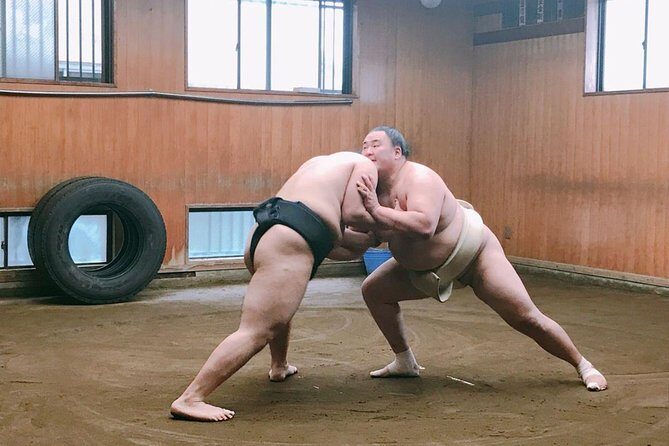
This isn’t the sleepy version of sumo. A morning training session is physical, loud in motion, and very focused. You’ll see wrestlers warm up, go through drills, and practice techniques as part of their daily grind.
What makes it compelling is the contrast with what you might expect from TV. Sumo has strict hierarchy, routines, and rhythm. When you watch it up close, you start to understand why rank and discipline matter so much in that world.
Also, this tour is designed for people who want the “I’m here” feeling: close enough to pick up details you’d miss at a distant arena seat. And since the schedule can shift, you’re seeing what the stable actually does that morning, not a script.
A few more Tokyo tours and experiences worth a look
Meeting at Ryogoku JR East Exit without getting lost
Start at Re.Ra.Ku Ryōgoku Ekimae near the JR Ryogoku Station East Exit. Your guide will be holding a red/orange MagicalTrip sign. This matters because there are two Ryogoku stations, and the wrong one can throw off your whole morning.
Here’s the practical tip that saves time: aim for JR Ryogoku Station East Exit, not Ryogoku Oedo Line Station. If you’re unsure, check your map label twice before you leave your hotel.
The walk to the stable can be anywhere from 5 minutes to 30 minutes, depending on which stable is available. So stay close to the group and don’t assume it’s always the same route.
Inside the stable: rules, seating, and photo limits
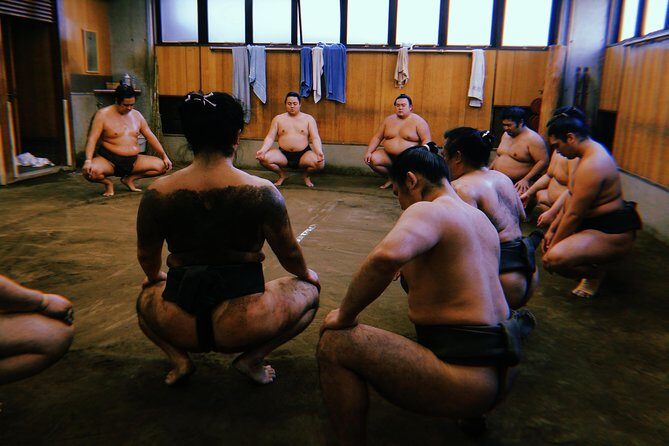
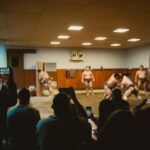
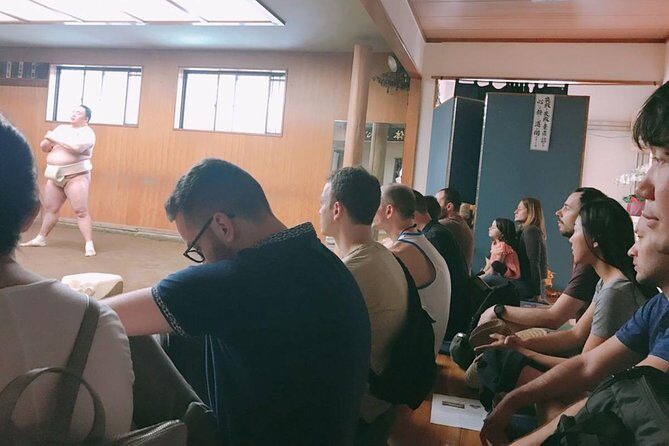
This is the core of the experience. You’ll enter the stable and watch the practice from the tatami (straw flooring) areas, with other areas off-limits. You may also be asked to follow stable rules like sitting quietly during practice.
Be ready for floor seating for about 1 hour 30 minutes. Reviews mention it clearly: plan for the long sit on tatami. If you have a sensitive back or knees, this is the part you should prepare for with proper footwear and posture.
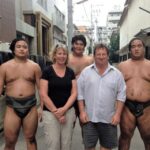
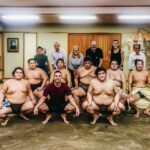
Photo expectations are the big wildcard. The tour includes tour photos, but the stable decides whether you can take photos of the wrestlers and/or photos with them. In some cases, people report being allowed to photograph the practice and even do a posed photo moment at the end. In other cases, restrictions apply and you may not get the same options.
Also note a practical constraint that can surprise first-timers: you might not be allowed to go to the toilet during the practice. Go before the tour starts.
Guide talk: how much background you’ll get
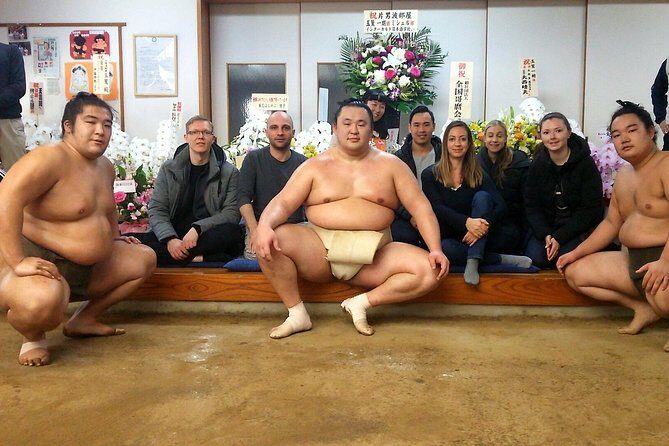
The guide portion can be the difference between watching motion and understanding meaning. Many people come away praising guides who explained how sumo works—rank, training details, and what to pay attention to during practice.
You’ll hear different teaching styles depending on the guide. Some named examples from guide feedback include Mayu, Masao, Ayaka, and Yumiko, each described as friendly and eager to explain. Some people also report that written notes helped during the session, which is a smart tool when you’re sitting and watching for a long stretch.
That said, not everyone leaves with the same amount of context. A few people wished the background came earlier or in more detail. So if you’re hoping for a long lecture, keep expectations realistic: this is primarily a morning training observation with guidance, not a full classroom.
Ryogoku Kokugikan stop: quick sumo-town orientation
After the stable practice, you’ll be walked back toward Ryogoku Kokugikan for a short look around. The time here is about 10 minutes, and the ticket is free.
Even if it feels brief, it helps connect the dots. Ryogoku is sumo country, and Kokugikan is the iconic venue people associate with official tournaments. Think of this stop as a location check: you see where the town’s big sumo moments happen, then you’ve already experienced the training reality that feeds it.
Drawback: don’t expect a deep museum-style visit. This is a short orientation moment, so if you want more history or indoor exhibits, you’ll need to plan that separately.






Timing and value: how $98.16 lines up in real life
This tour costs $98.16 per person and runs about 2 hours total. That includes the stable practice admission (and you don’t pay an extra entrance fee for the morning practice). The Kokugikan ticket part is free, and the tour provides a mobile ticket.
Is it good value? For many people, yes, because you’re paying for access and context: getting inside a stable setting, finding the right spot, and having a guide manage the flow. Watching sumo up close costs more than a basic arena ticket in terms of effort, access, and timing—so you’re paying for convenience plus insider entry.
But there are two value traps to watch:
1) Photo permissions aren’t guaranteed, because the stable controls what’s allowed.
2) The practice can run longer than the estimated slot, and that can stretch the sit.
Also, your seating is first come, first served inside the stable. If you’re in a later-arriving chunk within a split group, you may end up a few rows back. For some people, that changes the experience feel.
The most common “gotchas” and how you avoid them
This kind of tour works best when you treat it like a real training environment, not a sightseeing detour. Here are the practical points that help you avoid disappointment.
Arrive early. The tour starts on time, and being late by more than 15 minutes means you can’t join, and there’s no refund or reschedule. Build in buffer time because Ryogoku station foot traffic and map confusion are real.
Expect quiet rules. Several guide instructions focus on not disrupting practice. If you want a lively group chat, this is the wrong morning. You’ll be sitting, watching, and listening between moments.
Plan for the floor. Most stables don’t provide chairs. If you’re coming straight from a long night or you know you struggle with knee or back comfort, bring something like a thin cushion for your bag. Even small adjustments help.
Don’t assume you’ll get every photo option. The tour includes photos, but stables decide whether you can shoot wrestlers or do photos with them. If a photo moment matters to you, you’ll still get value from the practice observation even when permission is limited.
Know schedules can change last minute. Sumo stable practice times can shift based on tournament schedules and wrestlers’ condition. If the practice is canceled suddenly, you should receive a refund.
Who should book this sumo morning practice tour
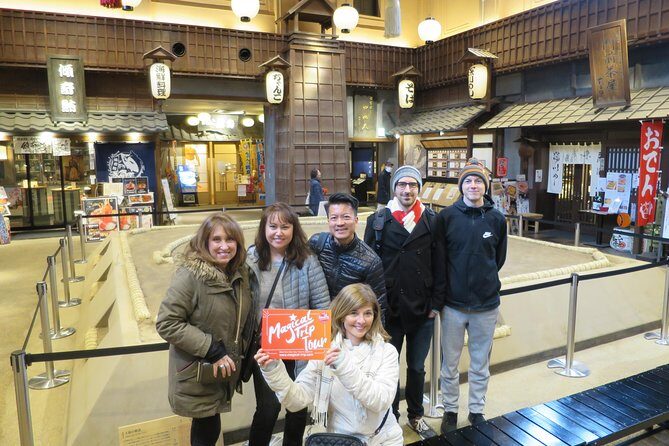
I’d book this if you fit one of these profiles:
- You’re a sumo fan or you want to become one fast. Close training beats a match day for many people because you see technique building.
- You like culture that isn’t staged for photos. This is about discipline and daily routine.
- You travel independently and want a structured plan that still feels local. The guide helps with the stable entry and what to watch for.
This may be less ideal if:
- You want lots of lecture time. The experience is mostly observation at the stable.
- You can’t handle long floor seating.
- You expect guaranteed photo permissions with wrestlers. That depends on the stable’s call.
Should you book it?
If your goal is to see sumo in the training setting, not just the tournament spotlight, this tour is a strong choice. The biggest wins are close access, included tour photos, and a guide who helps you read what you’re seeing, with multiple people specifically praising guides like Mayu, Masao, Ayaka, and Yumiko.
Book it if you’re ready for rules, quiet moments, and the tatami sit. Don’t book it if you need a highly flexible schedule, guaranteed photo freedom, or a comfortable chair for 90-plus minutes. For the right mindset, it’s one of those rare Tokyo mornings that actually changes how you understand the sport.
FAQ
Where do I meet the guide?
Meet at Re.Ra.Ku Ryōgoku Ekimae at the JR Ryogoku Station East Exit. Your guide will be holding a red/orange MagicalTrip board.
Which Ryogoku station should I go to?
Use Ryogoku JR Station East Exit. Do not go to Ryogoku Oedo Line Station.
What time does the tour start and how long is it?
It starts at 8:00 am and runs for about 2 hours total (including the stable practice and the Kokugikan stop).
Can children under 12 join?
No. The tour is for age 12 and over. Children under 12 are not allowed inside the sumo morning practice.
Are photos guaranteed?
Not fully. The stable decides whether audiences can take photos of wrestlers and whether photos with wrestlers are allowed. The tour does include tour photos, but your own photo permissions can be limited.
What happens if the practice is canceled or the weather is bad?
If the stable cancels suddenly due to scheduling or conditions, you should receive a full refund. If it’s canceled due to poor weather, you’ll be offered a different date or a full refund.