REVIEW · OSAKA
Osaka: Private Japanese Calligraphy Experience
Book on GetYourGuide →Operated by Japanese Culture Experience WA NO MA · Bookable on GetYourGuide
First-timers get results fast in Osaka. This private calligraphy session in Namba is calm, guided, and hands-on, and you leave with your own finished Japanese calligraphy. One thing to consider: calligraphy takes steady control, so if you’re prone to shaky hands, go in expecting a bit of practice.
The vibe is genuinely soothing—many sessions feel less like a class and more like quiet focus. Instructors like Wa No Ma (and also Womema in some groups) explain stroke meaning, slow the pace when you need it, and give very practical feedback while you work.
In This Review
- Key things that make this calligraphy class special
- Why a private Osaka calligraphy session feels worth your time
- A quick reality check on “harder than it looks”
- Entering the Namba studio near Shinsaibashi
- The 90-minute flow: from theme to your final kanji
- Step 1: pick a theme and share what letters you like
- Step 2: learn the basic practices (with stroke-by-stroke guidance)
- Step 3: choose your colored paper
- Step 4: write your name in Japanese characters
- For kids: water calligraphy to keep things tidy
- The instructor experience: patience, personality, and real feedback
- What to expect to take home (and why it’s better than a photo souvenir)
- Price and value: what $51 buys in real learning time
- Practical tips so your calligraphy session goes smoothly
- Should you book this private calligraphy experience in Osaka?
- FAQ
- How long is the Osaka private Japanese calligraphy experience?
- Is this a private experience?
- What’s included in the price?
- What should I bring?
- What languages are the instructors?
- Is tea ceremony included with calligraphy?
Key things that make this calligraphy class special
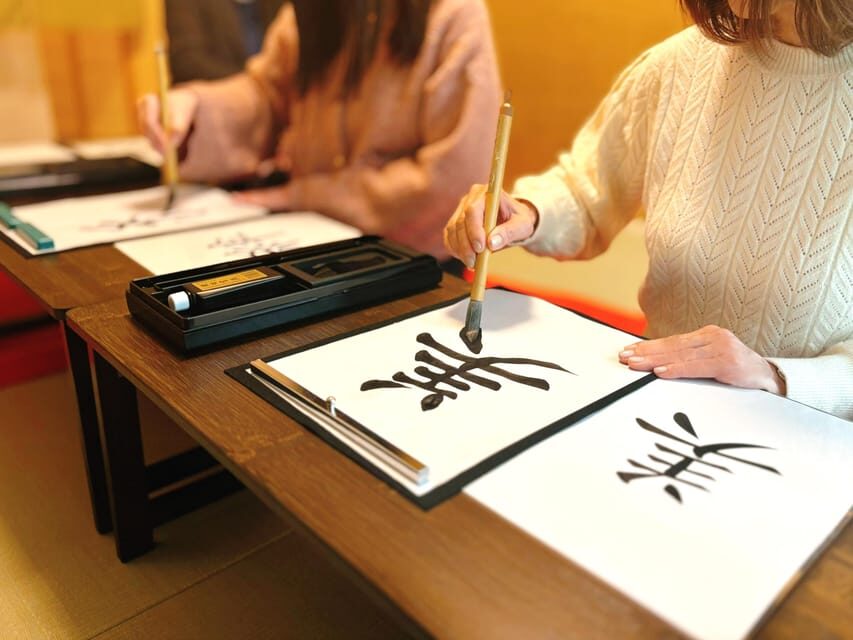
- True private group attention so you can move at your pace and ask questions without feeling rushed.
- Personal kanji for your name chosen with guidance, sometimes linked to personality traits.
- Color paper + keepsake finish: you select your paper and leave with a souvenir you made yourself.
- Photo-friendly teaching: your instructor helps you create and can take photos while you write.
- A calmer way to learn strokes: the best sessions emphasize breath, motion, and control.
Why a private Osaka calligraphy session feels worth your time
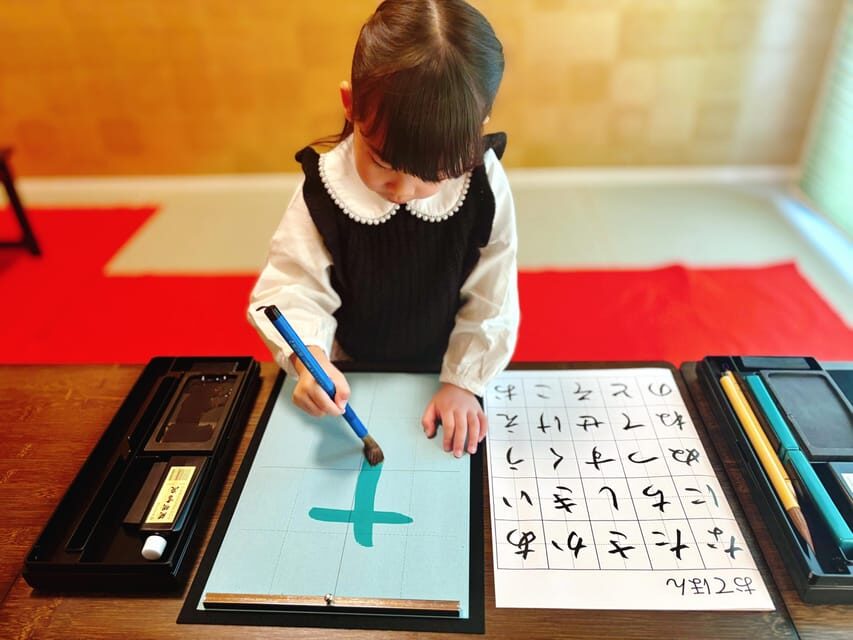
Osaka is loud in the fun way, but this experience is the opposite. The point here is not just learning what a character looks like. It’s learning how to move the brush so the character looks right, with clean strokes and the right pressure.
That private format matters more than it sounds. With a small group (or just your group), your instructor can correct you immediately—where your wrist should move, how to start the stroke, and how to finish it without smudging. One parent-level detail that comes up again and again: the pace can match your group, including kids.
And yes, you get to take your work home. Most people don’t realize how satisfying that is until they see the finished piece sitting there, dry and framed by the choices you made—paper color, theme, your name in Japanese characters, and your stamp.
You can also read our reviews of more private tours in Osaka



A quick reality check on “harder than it looks”
Calligraphy is one of those skills that looks simple until you try it. You might notice hand shake right away. That’s normal. The value is that you’ll get feedback that helps you get control during the session, not after.
Entering the Namba studio near Shinsaibashi
You’ll meet at the entrance of New Osaka Hotel Shinsaibashi. Walk west for about 30 seconds, look for the blue vending machine near the entrance, and you’ll spot your instructor outside the building about five minutes before your booked time.
Why this location is practical: Shinsaibashi-suji is one of Osaka’s easiest areas to base yourself, and Namba is central. That means you can slot this into a day of shopping and food without a long commute. If you’re staying near Shinsaibashi, this is one of those activities that feels frictionless.
Also, you’re told to bring socks. That small requirement can change your comfort level, so plan ahead and don’t show up in bare feet or with shoes on.
The 90-minute flow: from theme to your final kanji
This is structured, but it doesn’t feel robotic. You’ll go step by step from choosing what you want to write to finishing a piece you can keep.
Step 1: pick a theme and share what letters you like
Early on, you select the theme you want for your calligraphy today. You can share your favorite letters and words, and the instructor can suggest kanji that best express what you mean.
This matters for two reasons:
- You’re not stuck writing something generic.
- Your character choice becomes personal, not just decorative.
Some groups also get the chance to talk through symbol systems briefly before they start writing. That makes the strokes feel less random and more purposeful.


Step 2: learn the basic practices (with stroke-by-stroke guidance)
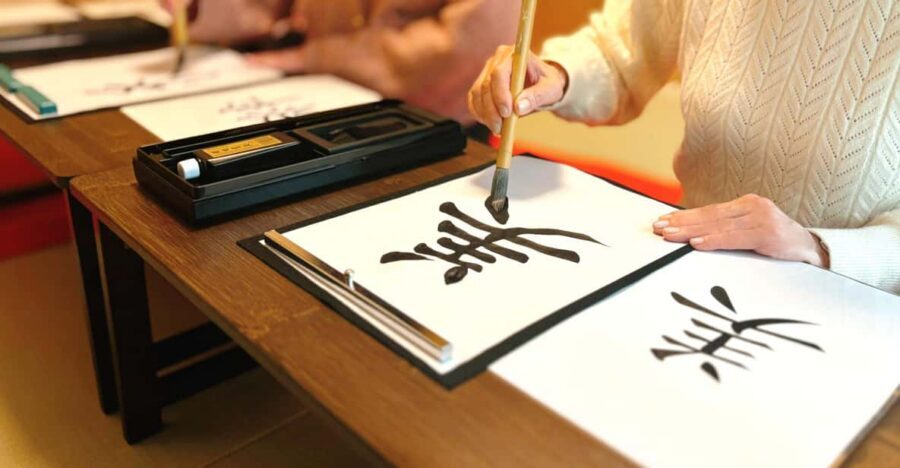
Next comes a detailed lecture on basic calligraphy practices. You’ll learn how to apply the brush with correct control—how to begin a stroke, how to carry it, and how to finish cleanly.
This is where private attention pays off. Instructors are described as patient and hands-on. If your stroke doesn’t look right, you can get real-time correction rather than watching someone else do it and hoping you copy correctly.
A nice detail from the best sessions: you’re not only taught the mechanics. You’re also told what certain stroke choices mean and why. That’s the difference between making shapes and creating a readable character.
Step 3: choose your colored paper
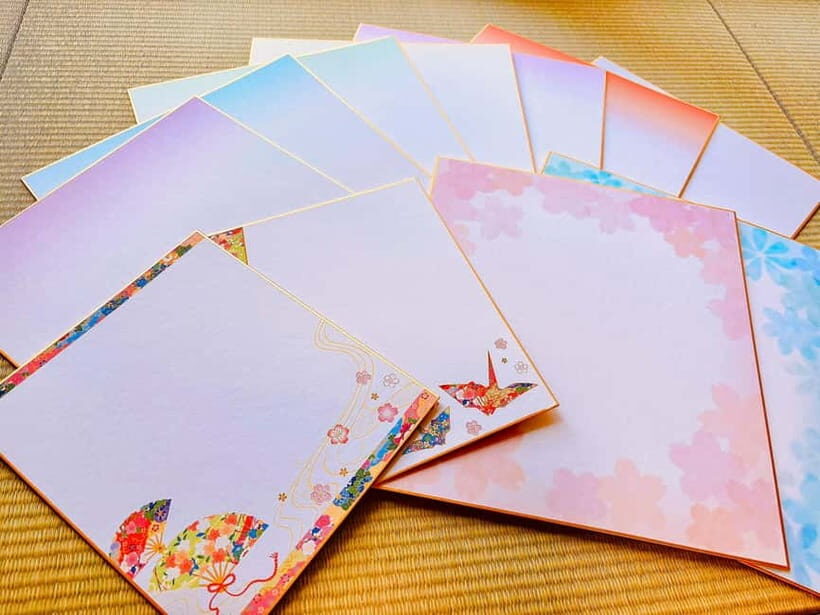
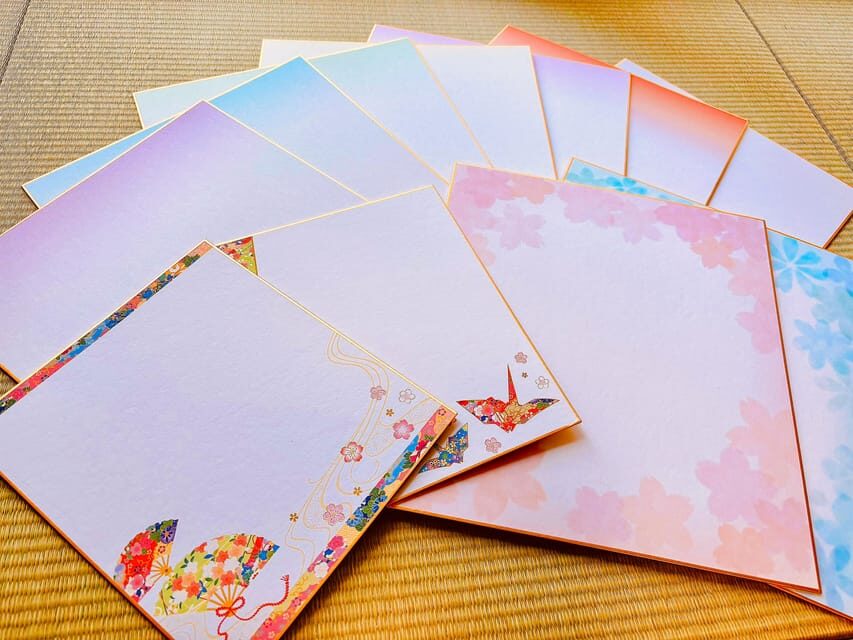
You pick your favorite colored paper from the options available in the studio. It’s a small decision, but it changes the final look a lot. And because the paper is included, you don’t need to worry about bringing anything extra.
If you’re making a gift, this is your chance to choose something that matches the person you’re giving it to—calm colors for a peaceful vibe, or something brighter if you want it to feel lively.
Step 4: write your name in Japanese characters
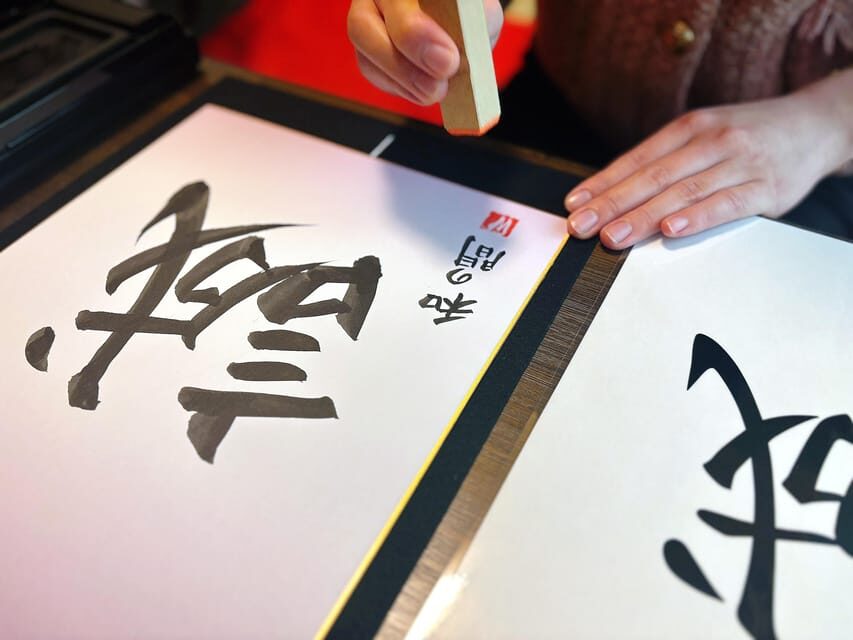
Then you write your name in Japanese characters. After that, you stamp your initials and the piece is finished.
This is the moment most people remember. Your final work isn’t an abstract practice sheet. It becomes a personalized souvenir tied directly to you.
For kids: water calligraphy to keep things tidy
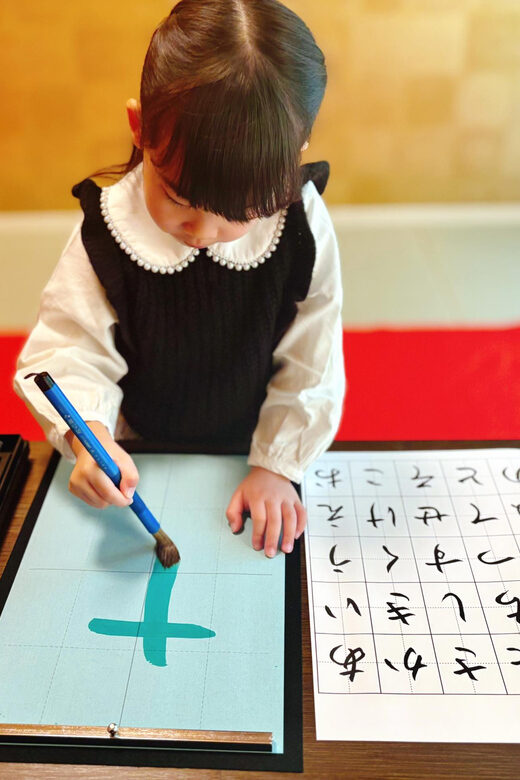
If you’re bringing young children, the studio offers water calligraphy. The benefit is practical: it prevents messy hands and dirty clothes. Your child can still learn motions and stroke sense without you panicking about splatters.
The instructor experience: patience, personality, and real feedback
The instructor is the heart of this class. Several groups describe the guide as friendly, kind, and professional at the same time—someone who explains well in English (and also Japanese), and who helps you correct mistakes while keeping the mood calm.
Here are the specific ways the instruction tends to land well:
- Clear explanations in English and Japanese so you’re not stuck guessing.
- Hands-on corrections when your brush control needs adjusting.
- Feedback on strokes so the character starts looking closer to what it should be.
- A teaching style that can feel like quiet meditation—breathing and movement are part of the lesson, not just the result.
If you care about getting better rather than just collecting a souvenir, this format supports that. You’re practicing during the lesson, not just observing.
What to expect to take home (and why it’s better than a photo souvenir)
The included takeaway is one big reason this activity earns repeat love. You’re not just leaving with a picture on your phone. You’re leaving with a paper piece that reflects your choices.
Your final work includes:
- Theme selection and practice strokes
- Your name written in Japanese characters
- Colored paper you picked
- Your initials stamp
And for many groups, the photos come out great too. Some instructors take lots of photos during the creation process, which is helpful if you want proof of progress, especially when you’re writing carefully and don’t have a free hand to manage your camera.
Price and value: what $51 buys in real learning time
At $51 per person for about 90 minutes, you’re paying for a private, coached session plus the materials for your final piece.
Is it “cheap”? No. But it’s also not just a craft with a one-size template. You’re getting:
- A private learning environment
- A guided focus on brush control and stroke meaning
- Colored paper included
- A finished piece you made yourself
For many travelers, calligraphy workshops in Asia can range widely depending on whether they’re private, whether they include materials, and whether the instruction is hands-on. Here, you get enough structure and support that you’re likely to leave with something you feel proud of, not just something passable.
If you’re deciding between buying souvenirs or spending on a cultural skill, this is the kind of experience that tends to win. A souvenir fades. A skill and a personal keepsake usually stick.
Practical tips so your calligraphy session goes smoothly
These are small, but they make the experience calmer.
- Bring socks so you can move comfortably and follow the studio setup.
- Expect your hand to feel unsteady at first. That doesn’t mean you’re bad at it. It means your muscles are learning a new motion.
- If you’re traveling with kids, the water calligraphy option can be a smart way to keep the session relaxed.
- If you want lots of photos, ask and plan to take them during the parts where your hands are free—then write during the parts where you’ll focus.
One more helpful mindset: don’t chase perfection on the first stroke. Your best results come from practicing the right start, then letting the brush do its job.
Should you book this private calligraphy experience in Osaka?
If you want a cultural activity that’s personal, calm, and actually hands-on, I think this is an easy yes. It’s especially strong when:
- You’re in Namba/Shinsaibashi and want something meaningful without a long trip.
- You like learning by doing, with a guide correcting you in real time.
- You want a souvenir that feels like it belongs to you, not something mass-produced.
Skip it or reconsider if you need wheelchair access, since the experience is not suitable for wheelchair users based on the provided details. And if you hate any kind of fine-motor activity (brushwork can require focus), you might still enjoy it, but go in expecting to learn slowly.
Bottom line: for a 90-minute, private session with your own take-home artwork, this is good value—and a genuinely peaceful way to experience a side of Japanese culture you can’t get from a photo stop.
FAQ
How long is the Osaka private Japanese calligraphy experience?
It lasts 90 minutes, with starting times depending on availability.
Is this a private experience?
Yes. It’s described as a private group experience, with a special time set for each group.
What’s included in the price?
The price includes all fees and taxes, colored paper for your calligraphy work, and an instructor.
What should I bring?
You should bring socks.
What languages are the instructors?
The instructor can teach in English and Japanese.
Is tea ceremony included with calligraphy?
Tea ceremony is not included. If you want both, you’ll need to reserve the separate Osaka plan for a private tea ceremony and calligraphy experience.