REVIEW · OSAKA
Osaka: Mind & Spirit Balance Temple Reiki Healing
Book on GetYourGuide →Operated by japanese massage 唯一無二 -the one&only- · Bookable on GetYourGuide
Reiki in a real Osaka temple changes the pace. What makes this experience interesting is the full order of events: you start in yukata inside a temple setting, move through incense and bell-style meditation, then shift into bodywork (foot bath, scrub, essential-oil massage) and finish with a guided matcha tea ceremony. I really like how the program links “mind and spirit” to very practical comfort work for your body, instead of keeping it all theoretical. I also like that the session includes both reiki and massage, so you get more than one path to relaxation in just 2 hours.
The one thing to consider is that while treatments are individual, the tea ceremony part may be shared with other visitors. If you want a fully private tea ceremony as well, you’ll need to ask ahead.
In This Review
- Key things I’d zoom in on
- A temple-to-spa flow: yukata, incense, and calm
- Reiki healing (non-contact) for emotional balance
- Foot bath scrub + essential-oil body massage comfort
- Tea ceremony with matcha and wagashi explanations
- Meeting point and how to avoid the back-entrance hassle
- Small group (max 3) and what it changes for you
- Price and value: what $161 buys in 2 hours
- Who this Osaka temple healing fits best
- Should you book Osaka Mind & Spirit Balance Temple Reiki Healing?
- FAQ
- How long is the Osaka Reiki healing and tea ceremony experience?
- What’s included in the 2-hour package?
- Is Reiki contact-based?
- Is the tea ceremony private?
- Where should I meet for the activity?
- How many people are in the group?
- Can I pay later or cancel if my plans change?
Key things I’d zoom in on
- Yukata welcome plus temple photos you can take home
- Incense offering and bell-style meditation for a simple, focused ritual rhythm
- Non-contact Reiki aimed at deep relaxation and emotional balance
- Foot bath + scrub massage before the full-body oil massage
- Matcha tea ceremony with wagashi, explained as you go
- Small group (max 3), which usually means less waiting and smoother pacing
A temple-to-spa flow: yukata, incense, and calm
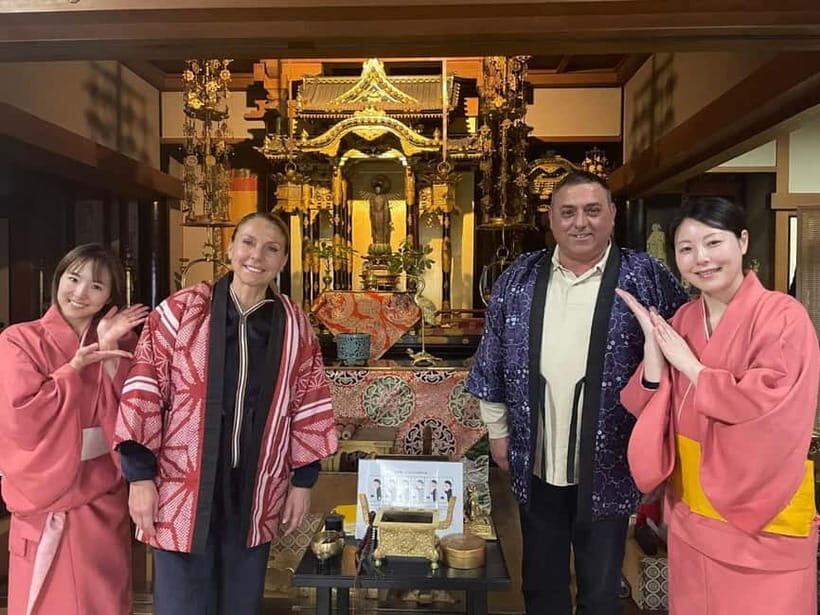
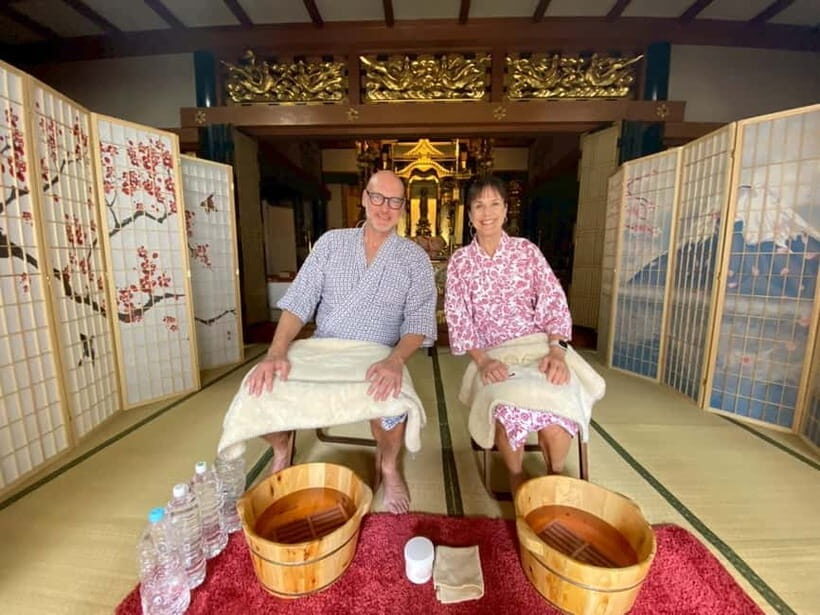
This is not a “drop in, sit down, get rubbed” setup. You’ll begin with a welcome drink and then change into a yukata before heading into the temple space. That small detail matters more than it sounds. When you switch into traditional clothing, your brain already shifts from sightseeing mode to stillness mode.
Next comes the temple visit with an incense offering. You’ll get an intro to the temple’s history and to Japanese worship culture, which gives the ritual a real sense of purpose. Then you move into meditation with a bell and kneaded incense. The goal here isn’t performance. It’s guided repetition—small actions that help you quiet your thoughts and slow your breathing.
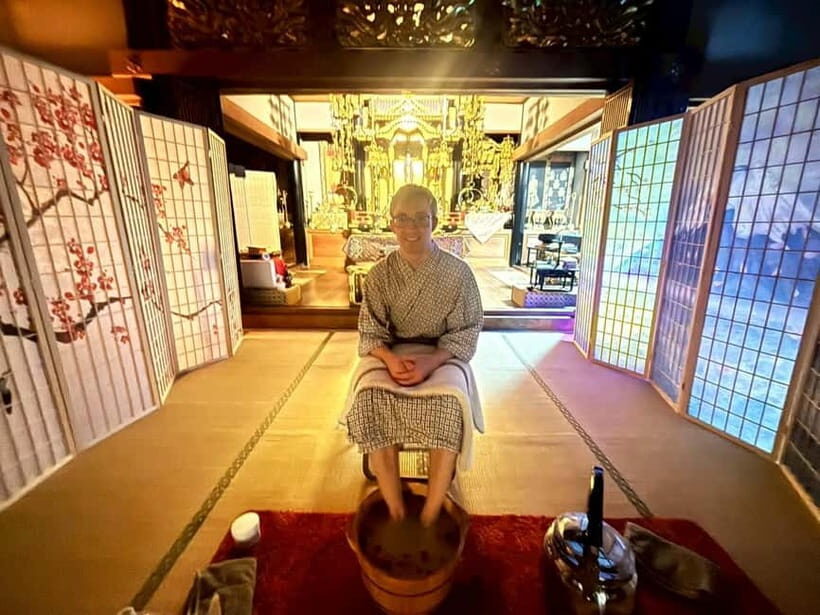
After that, the experience pivots from ceremony to comfort. You’ll shift into foot care with a foot bath and scrub massage, then continue into a full-body oil massage with essential oils. By the time you reach that part, your body usually feels ready for it, not tense and braced.
You can also read our reviews of more tours and experiences in Osaka.
Reiki healing (non-contact) for emotional balance
Reiki is the centerpiece, and the important detail is that it’s non-contact. Instead of hands-on adjustments, the practitioner works around you as you relax. The stated purpose is deep relaxation and emotional balance—very much aimed at stress reduction and restoring harmony in mind and spirit.
In practical terms, you’re giving your nervous system a break. You’re also doing it in a place built for calm, not a treatment room with loud music competing for your attention. That combination is why people leave describing the session as more than just a massage add-on.
The energy-healing vibe isn’t the only reason. The way the session flows matters. You’re not starting Reiki as your first step after arriving. You’ve already done the incense and meditation steps, and your body has already moved into that slower, quieter tempo. That sequencing helps the reiki part feel focused instead of random.
If you’re the type who likes structure, you’ll appreciate the script-like order: ritual, relaxation, then reiki, then the final tea moment. It gives you a clear before-and-after feeling by the end of the 2 hours.
Foot bath scrub + essential-oil body massage comfort
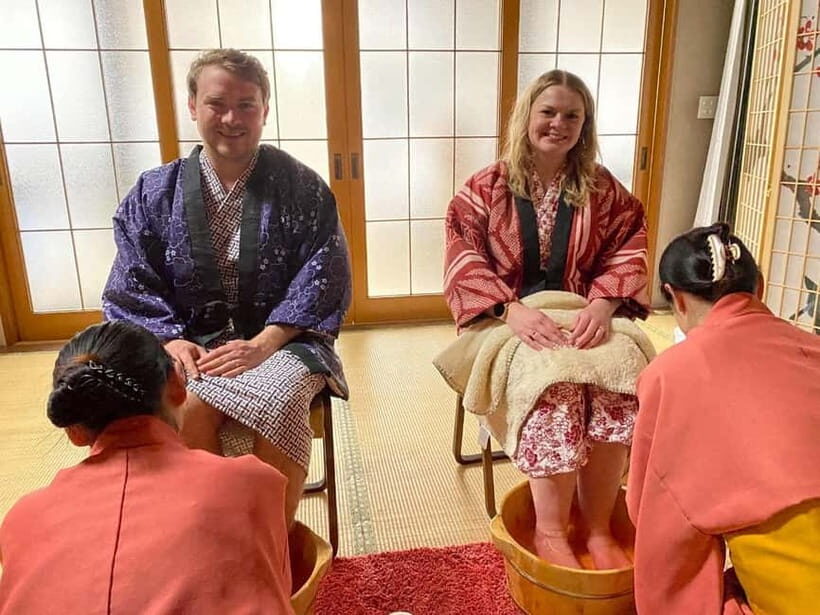
After the meditation, the foot bath is your entry ticket to physical relaxation. You’ll get a scrub massage as part of the foot bath experience, which is a smart choice if you’ve been walking a lot in Osaka. Feet take a beating on city days, and scrubbing before the oil massage gives you that “reset” feeling.
Then comes the full-body oil massage with essential oils. This is where the experience earns its high praise. People have called it among the best massages they’ve ever had, and the consistent theme is how it feels both deeply relaxing and physically easing.
What I like from a value-and-expectations standpoint is that you’re not only getting reiki as a spiritual add-on. You’re also getting a proper body-care component. And because you’re in a small group, the pacing tends to stay calm and personal.
One practical note: oil-based massage and tea are a good pairing, but you’ll still want to be comfortable staying relaxed afterward. If you have immediately scheduled busy plans right after the session, you might feel a little slow in the best way and may want a buffer hour for dinner or a stroll.
Tea ceremony with matcha and wagashi explanations
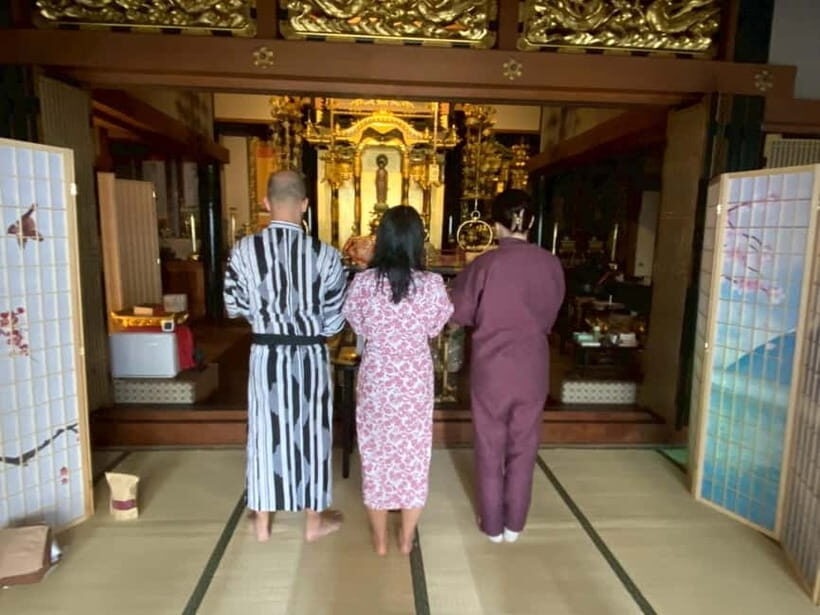
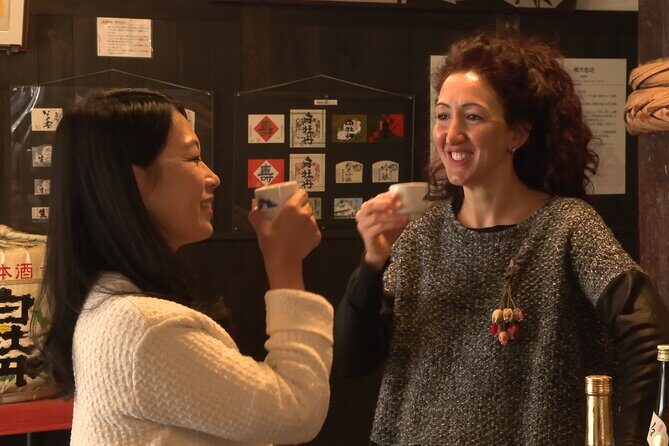
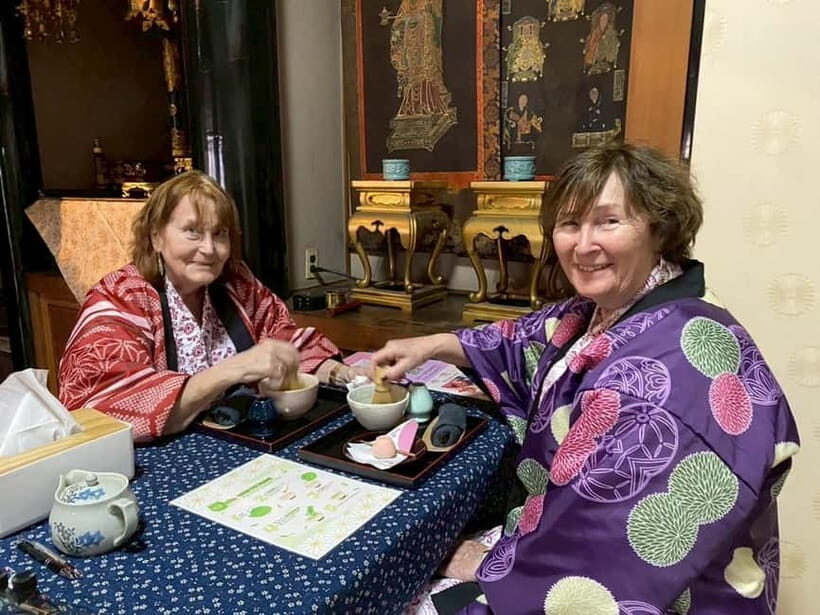
The tea ceremony is more than a drink. You’ll do a traditional Japanese tea ceremony with cultural and historical explanation, and it comes with wagashi, the Japanese sweets that balance the bitterness and aroma of matcha.
This is also the portion where sharing can happen. Your treatments are individual, but the tea ceremony may be shared with other visitors. If you like your rituals fully solo, plan ahead and ask for a completely private option.
Still, even shared tea can be a good experience if your expectations are right. Think of it as sitting in a calm, guided moment rather than attending a private lesson. The explanation element is what turns it from tasting into understanding.
If you’re traveling with someone, this is a nice gentle finish because it doesn’t require you to stand or move much. After incense, bell meditation, foot scrub, and oil massage, tea is a natural landing spot. You’ll have time to breathe, sip, and let the session settle.
Meeting point and how to avoid the back-entrance hassle
Logistics matter here because you’re meeting at a specific place near a restaurant. The guidance is to enter Japanese Massage -the one&only- into Google Maps, because using the temple’s name may lead you to the back entrance and you can end up lost.
If you’re struggling, search for the restaurant Tossa de coracao. You’ll find the place right next to it. I like this kind of instruction because it keeps you from wasting time in a confusing arrival moment. In an experience like this, arriving calm is half the battle.
Also, because the group is small (limited to 3), being late can throw off the flow. I’d aim to arrive a little early so you can settle before the yukata and ritual steps begin.



Small group (max 3) and what it changes for you
This is a small-group activity, limited to 3 participants, and it includes a live tour guide. That matters because temple rituals and massage transitions can get awkward when a group is large. Here, the pacing tends to feel controlled—less waiting around and more moving from one part to the next at a natural tempo.
The reiki and massage being individual is another key. You’re in the shared space of the temple and ceremony, but your healing work isn’t a one-size-fits-all crowd production.
You’ll also hear firsthand explanations during incense and tea. When a group is tiny, guides can usually keep the tone more personal, and questions feel easier to ask. In reviews tied to this experience, staff members like Arisa and Naomi come up for their professionalism and kind, supportive energy, which fits what you want in a calm setting where you’re expected to relax rather than perform.
If you hate feeling rushed, this small size is a plus. If you want a loud party vibe, this is not that kind of tour.
Price and value: what $161 buys in 2 hours
At $161 per person for about 120 minutes, you’re paying for a lot more than a standard massage add-on. You’re getting:
- Reiki healing (non-contact)
- Foot bath and scrub massage
- Full-body oil massage with essential oils
- A traditional matcha tea ceremony with wagashi plus explanations
- Temple visit elements (incense offering and bell meditation)
- Yukata wear experience and complimentary smartphone photos
Value here comes from combination. The experience stacks multiple methods of relaxation—ceremonial focus, energy work, tactile body care, and a sensory tea finale. Many wellness activities do just one of these well. This one tries to do several in a tight time window without turning it into a chaotic checklist.
For comparison in your head: even if you only wanted the massage, you’d still be paying for practitioner time and a quiet setting. Here, you’re also buying cultural context (incense and tea explanations) and a traditional atmosphere that you can’t easily recreate on your own in a self-guided visit.
Is it a budget choice? No. But if you’re spending your Osaka days on transit and walking, a 2-hour reset session with both bodywork and mind-spirit structure can be worth the splurge.
Who this Osaka temple healing fits best
This experience is a good match if you want relaxation that feels intentional, not random. I’d especially recommend it if:
- you feel the stress of travel and want a calm reset
- you enjoy Japanese culture experiences like incense rituals and tea ceremonies
- you like massage as more than a quick treat, and you want the full-body part included
- you’re curious about Reiki but prefer it explained inside a respectful setting
It’s also a nice option if you’re already planning a day of city sightseeing and want a scheduled moment that slows you down. The temple setting, incense, and oil massage sequence give you a clear “before” and “after.”
If you’re sensitive to scent, note that incense is part of the flow, and the session includes incense meditation and incense kneading. If incense smells are a dealbreaker for you, think twice or message the operator beforehand.
Should you book Osaka Mind & Spirit Balance Temple Reiki Healing?
Book it if you want a calm, structured wellness experience that blends temple ritual, non-contact Reiki, massage comfort, and a guided matcha tea finish. The small group size and the individual healing component help it feel personal.
Skip or ask extra questions if you need full privacy for every part, because the tea ceremony may be shared. Also consider whether you’re comfortable in a temple atmosphere where incense is part of the ritual.
If you want a practical reason to feel confident: people consistently describe the massage as exceptional and the overall feeling as both relaxing and spiritually uplifting, and the session covers far more than one “wellness checkbox.” For many Osaka itineraries, it’s the kind of stop that gives your trip a calmer storyline.
FAQ
How long is the Osaka Reiki healing and tea ceremony experience?
It lasts 120 minutes (about 2 hours).
What’s included in the 2-hour package?
You’ll receive Reiki healing, a full-body oil massage with essential oils, a traditional Japanese tea ceremony with wagashi, a foot bath experience, and the yukata wearing experience, plus a complimentary smartphone photo.
Is Reiki contact-based?
No. The Reiki healing is non-contact.
Is the tea ceremony private?
Individual treatments are provided, but the tea ceremony may be shared with other guests. If you want a completely private experience, you’ll need to contact the provider.
Where should I meet for the activity?
Enter Japanese Massage -the one&only- in Google Maps. If you can’t find it, search for the restaurant Tossa de coracao; the meeting spot is right next to it.
How many people are in the group?
The group is small, limited to 3 participants.
Can I pay later or cancel if my plans change?
You can reserve now and pay later. Free cancellation is available up to 24 hours in advance for a full refund.