REVIEW · TOKYO
Mt Fuji Private Day Trip from Tokyo with English Speaking Driver
Book on Viator →Operated by Yujin Group Co., Ltd. · Bookable on Viator
Fuji looks bigger when you skip the commute. This Mt. Fuji private day trip is built for one thing: getting you out of Tokyo fast and keeping you there with an English-speaking driver. I love the calm, focused feel of a private setup, plus the onboard Wi-Fi hotspot when available so the long drive passes quickly.
You’ll also like how the day stacks classic Fuji stops together without forcing you to piece together trains and transfers. One thing to consider: you’re covering extra sights on top of the base price, so you’ll want to budget for things like the ropeway ticket and any on-site Fuji-area fees that apply.
In This Review
- Key highlights I’d circle before booking
- Why a private Fuji day feels worth it (even if you have only one day)
- The 8:00 am start: how this day trip really runs
- Oshino Hakkai: eight clear ponds and an easy opening win
- Chureito Pagoda: the Fuji postcard you actually want to capture
- Lake Kawaguchiko: reflections, flowers, and practical downtime
- Kachikachi Ropeway: panoramic views, with the ticket sold separately
- Oishi Park and Saiko Lake: two different feels on the same Fuji theme
- Iyashi no Sato Nenba: a reconstructed village break from the views
- About that Mt. Fuji 5th Station fee
- Guide quality: the difference between seeing Fuji and enjoying the day
- Vehicle comfort and onboard Wi-Fi: small perks that matter on a 10-hour day
- Price and value: what $423.90 really means for a group
- Weather reality: what to do when clouds show up
- Who this Mt. Fuji private tour is best for
- Should you book this private Mt. Fuji day trip?
- FAQ
- What does the tour cost, and how many people can it include?
- How long is the Mt. Fuji private day trip, and when does it start?
- What’s included in the price?
- What entry fees or tickets are not included?
- Where are the main stops during the day?
- What if the weather isn’t good for Mt. Fuji?
Key highlights I’d circle before booking
- Private, door-to-sight pace with a dedicated vehicle for up to 5 people
- Onboard Wi-Fi hotspot when available, so the ride doesn’t feel like a chore
- Multiple Fuji viewpoints in one day, including lakeside stops and the Chureito Pagoda
- Oshino Hakkai ponds for a quieter, more human-scale start near Mt. Fuji
- Kachikachi Ropeway access for panoramic views, with the ticket sold separately
- Guides like Orko, Sham, Sakib, Haju, and Hridoy are repeatedly praised for professionalism and good handling of timing, even in rain
Why a private Fuji day feels worth it (even if you have only one day)
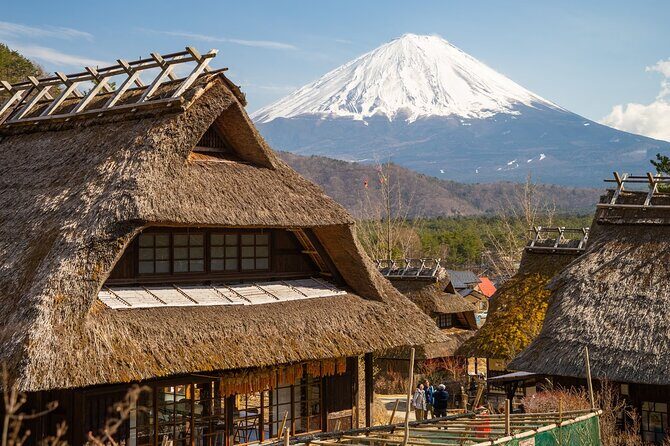
If you’re short on time in Japan, planning Mt. Fuji from Tokyo can quietly eat your whole morning. Public transit is doable, but it often turns into a string of transfers plus waiting time you can’t control. This private format swaps that stress for one simple plan: get picked up, drive out, and spend your day looking at Fuji instead of staring at timetables.
The private part matters more than it sounds. When it’s just your group, you can move at a pace that fits your energy, your photo stops, and your comfort level with walking. You also get a proper English-speaking driver who’s there to keep the day running smoothly, not just drop you at each spot and disappear.
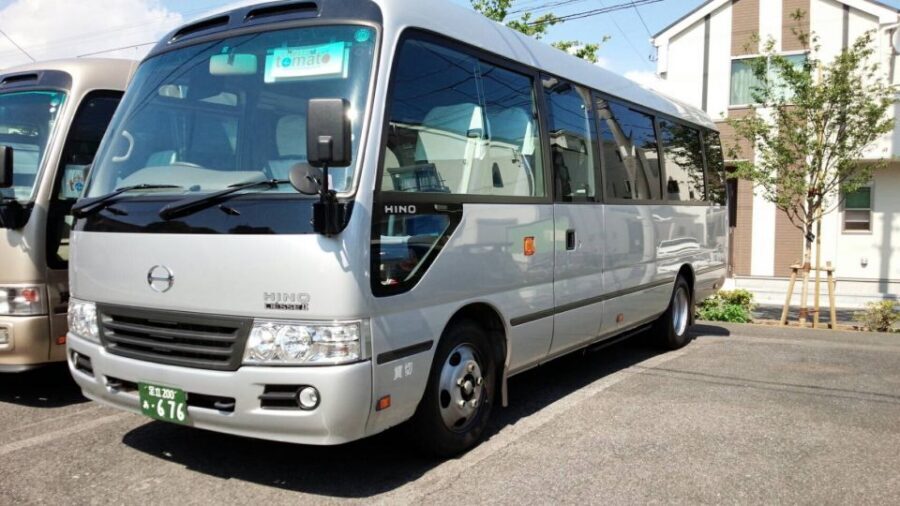
You’ll also appreciate small practical touches that make the day feel modern: an air-conditioned vehicle for the drive out and a Wi-Fi hotspot when it’s available. On a 10-hour day, those tiny comforts add up.
You can also read our reviews of more private tours in Tokyo


The 8:00 am start: how this day trip really runs
This tour runs about 10 hours and starts at 8:00 am. That early departure is what makes the whole plan possible. It also helps you arrive at the Fuji Five Lakes area before crowds swell, which can make your sightseeing time feel less like a schedule and more like a stroll.
Because this is a private group tour (up to 5), your driver can typically handle the flow between stops in a way that feels efficient. Still, do not expect every stop to feel long and lazy. The structure is designed to pack in multiple classic spots, so you’ll want to treat it as a “see the big things” day.
A small but smart thing: keep an eye on weather. Mt. Fuji views can be weather-dependent, so if clouds roll in, your driver may help you make the most of what you can see that day.
Oshino Hakkai: eight clear ponds and an easy opening win
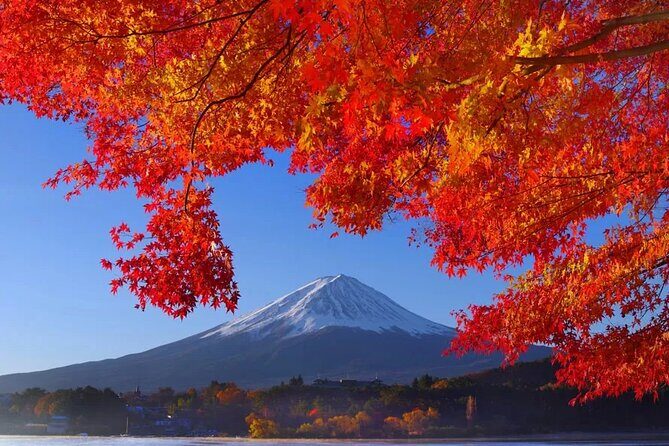
Your first stop is Oshino Hakkai, a scenic area known for eight spring ponds. It’s a historic-feeling village with calm water and a straightforward layout, so you can get your bearings without feeling rushed.
I like this start because it isn’t just another viewpoint. The ponds give you a slower, more local-feeling moment near Mt. Fuji before you move into the more postcard-famous photo stops. It’s a great place to walk around, take a few photos, and do a quick reset before the rest of the day goes full Fuji classic.
Admission is listed as free here, which makes it an easy win for value. Even if the mountains are partially covered, you can still enjoy the ponds and the atmosphere.
Chureito Pagoda: the Fuji postcard you actually want to capture
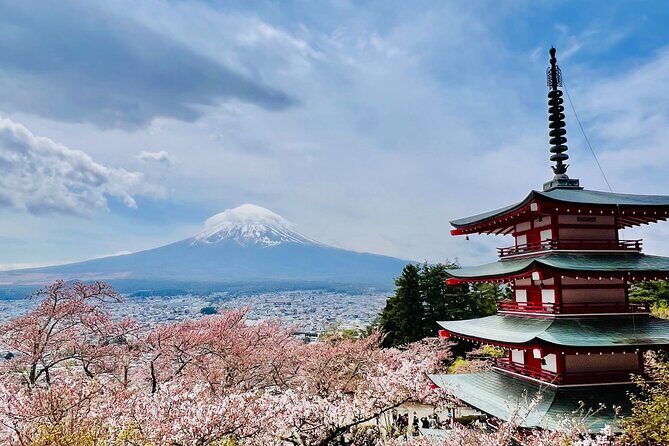
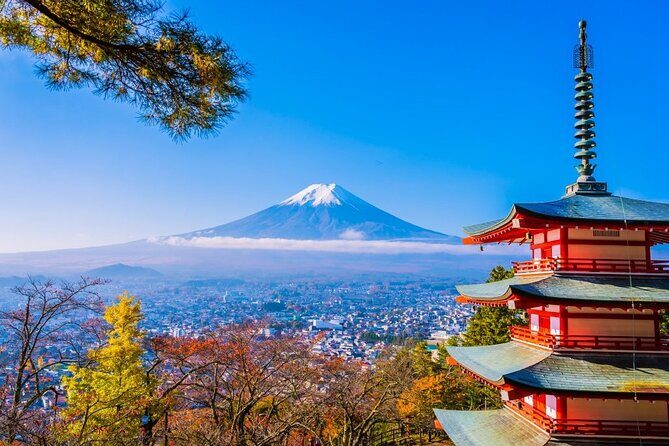
Next comes Chureito Pagoda in Arakurayama Sengen Park in Fujiyoshida. It’s a five-storied pagoda and one of the most recognizable Fuji-area scenes, especially when Mt. Fuji appears in the background.
This stop is only about an hour, which sounds short until you think about it realistically: you’re here for the view, the composition, and the photos. When Mt. Fuji is visible, this is exactly the kind of place where timing matters, so the private format helps because you can focus your time instead of spending it hunting for transit.
Admission here is also listed as free. That’s helpful because it keeps your day from turning into a string of paid attractions before the bigger-ticket views later.
Lake Kawaguchiko: reflections, flowers, and practical downtime
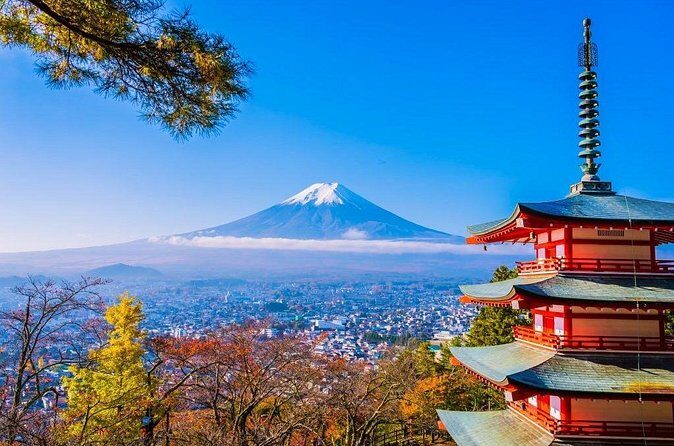
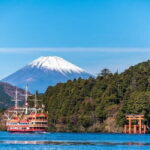
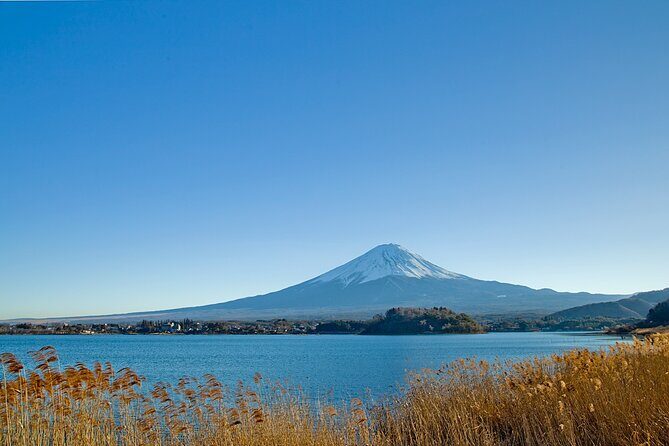
Lake Kawaguchiko is the big hub of the Fuji Five Lakes area, and it’s famous for Mt. Fuji reflections, seasonal flowers, and the hot-spring resort vibe. In real life, that means you’re visiting a place that has plenty of visual variety: water views, walking areas, and settings that change depending on the season.
This stop is about one hour. You won’t have time to do everything the Kawaguchiko area offers, but you will get an excellent feel for why it’s a top pick. If the mountain is visible, this lake is often where you’ll start to feel the day click into place.
Admission is listed as free. I recommend using this hour for two things: one real photo attempt (because Fuji visibility can change) and one slow stroll so you’re not just collecting stops.
A few more Tokyo tours and experiences worth a look




Kachikachi Ropeway: panoramic views, with the ticket sold separately
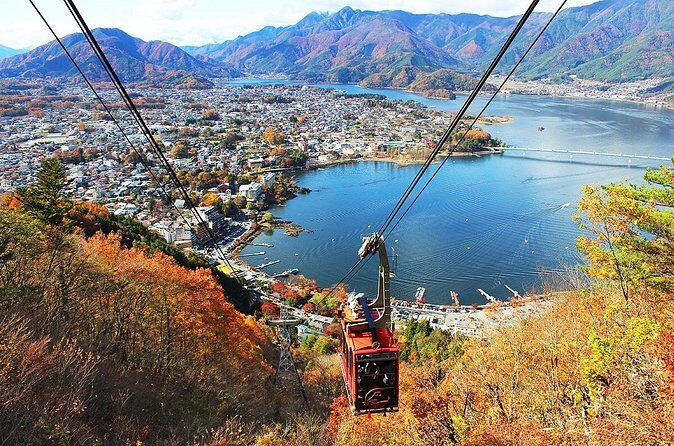
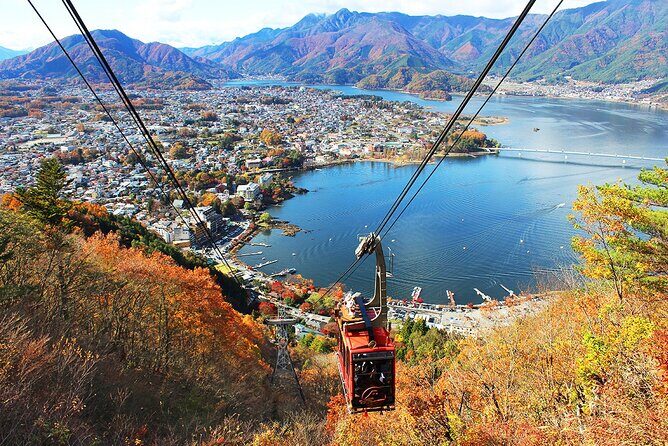
One of the highlights is the Mt. Fuji Panoramic Ropeway, listed as the Kachikachi Ropeway near Lake Kawaguchi. This is where you trade a flat lake view for higher-angle panoramas.
The key detail is cost: the ropeway ticket is not included. It’s listed as about JPY 1,000 per person. That’s not a deal-breaker, but you should plan it so you aren’t making decisions on the fly while you’re looking at the mountain.
This stop lasts about one hour on the schedule. That time typically covers moving through the area and enjoying the ride and viewpoints. If the weather is clear, this is one of the best ways in the day to see Mt. Fuji bigger than it looks from the ground.
Oishi Park and Saiko Lake: two different feels on the same Fuji theme
After the ropeway, you’ll visit Oishi Park on the northern shore of Lake Kawaguchiko. It’s another prime viewpoint spot, known for breathtaking Mt. Fuji views. This is a useful stop because it changes the angle compared with the lake area you saw earlier. Think of it as your second chance to get a strong photo if the first attempt was slightly blocked.
Oishi Park is listed as free for admission and about one hour. Again, that’s a realistic amount of time if your goal is to see the iconic stuff without burning half the day on one location.
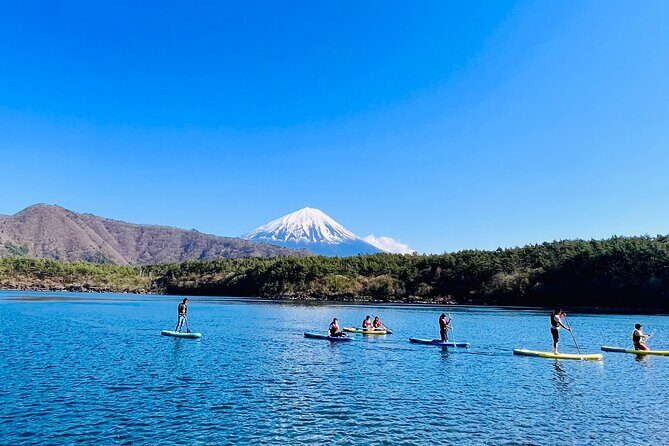
Then the schedule shifts toward a quieter setting with Saiko Lake, one of the Fuji Five Lakes. Saiko is described as smaller compared to some of the others, which often makes it feel calmer. You still get that Fuji-at-the-base-of-the-mountain feeling, but with a bit less of the big-tour intensity.
Both Oishi Park and Saiko Lake are listed as free admissions, which helps keep your day’s spending under control.
Iyashi no Sato Nenba: a reconstructed village break from the views
Next up is Saiko Iyashi no Sato Nenba, a traditional Japanese village area near Lake Saiko. The name translates roughly to Healing Village, and it’s described as a reconstructed village.
I like this stop because it adds texture to the day. The Fuji Five Lakes route can become repetitive if every stop is just water and mountains. Here, you get a cultural reset: streets, traditional-style buildings, and a slower pace that feels different from the viewpoints.
This stop is listed as about two hours, and it notes that admission is not included. So if you’re price-planning, treat this as the most likely place where your day adds a bigger separate ticket cost beyond the ropeway.
About that Mt. Fuji 5th Station fee
The tour notes that an entry fee to Mt. Fuji 5th Station is not included (JPY 2,100 for the group/vehicle). The rest of the day focuses heavily on the Fuji-area lakes and viewpoints, so you’ll want to confirm with your operator how that fee applies to your exact route on the day you go.
If your plan includes a climb-style stop or a 5th Station visit as part of your day, budgeting for that JPY 2,100 helps you stay in control.
Guide quality: the difference between seeing Fuji and enjoying the day
A huge part of why this tour works is the driver-guide factor. In the feedback for this company, names like Orko, Sham, Sakib, Haju, and Hridoy come up with consistent praise: promptness, professionalism, and the ability to keep things comfortable and moving.
That shows up in practical ways. When guides are good at timing and route pacing, you spend less of your day waiting around and more of it looking up at the mountain. It also helps with the human side of the day: knowing where to stand for photos, suggesting lunch spots that fit your tastes, and handling rain without turning the day into a disappointment.
One story stands out for me in terms of attitude: Haju handled rainy conditions by rolling with what the weather allowed. That matters because Fuji days don’t always arrive with perfect skies.
Vehicle comfort and onboard Wi-Fi: small perks that matter on a 10-hour day
This is an air-conditioned private vehicle, with tolls included. That’s the baseline. What makes a difference is the time you spend inside it: about half your day is drive time depending on traffic and how long you linger at each stop.
The Wi-Fi hotspot is listed as onboard when available. Even when it’s a bit spotty, it’s helpful for mapping your next photo spot, updating plans, or just passing time.
If you’re traveling with older family members or anyone who gets restless in long rides, the private format and comfort feel like a real benefit, not a luxury.
Price and value: what $423.90 really means for a group
The price is $423.90 per group for up to 5 people, for an experience that runs about 10 hours with pickup, private transportation, an English-speaking driver, and onboard Wi-Fi hotspot when available.
Here’s why I see it as value when it fits your group size: when 5 people split the cost, that comes to roughly $84.78 per person. Even at 3 people, you’re often beating the cost of a “per person” multi-ticket day that still requires you to manage all the transit yourself.
It’s less of a bargain if you’re traveling solo or as a couple, because you’re paying for the whole vehicle. But if you factor in the time saved (and the annoyance saved), it becomes easier to justify. A Mt. Fuji day is one of those trips where stress quietly costs money in the form of extra transit, delays, and missed viewing time.
Just remember what’s not included:
- Food and drinks
- Ropeway ticket (about JPY 1,000 per person)
- Any separate admission fees, including the village area and any Mt. Fuji 5th Station fee if your route includes it
Weather reality: what to do when clouds show up
This experience is described as requiring good weather, and if weather forces a change, you’ll be offered a different date or a full refund. That’s important because Fuji visibility can turn on cloud cover fast.
My advice is simple:
- Bring a light layer even if Tokyo feels warm; Fuji-area air can feel cooler.
- Keep your expectations flexible. You can still enjoy ponds, pagodas, lakes, and the reconstructed village even if Mt. Fuji is partially obscured.
- If the mountain clears briefly, be ready to take advantage of that moment.
The best guides make weather feel manageable, and that theme shows up strongly in the feedback you’re likely to read before you book.
Who this Mt. Fuji private tour is best for
This tour is ideal if you want a concentrated Fuji day without the logistics. It’s a great fit for:
- Small groups up to 5 who share one vehicle cost
- First-timers who want the most recognizable Fuji-area stops in one go
- Families who prefer private pacing over train transfers
- Anyone who values a driver who can keep the day smooth, especially when weather changes
If you love slow travel and want to spend a full day at one lake, this might feel a bit packed. But if you’re trying to maximize your odds of seeing Fuji while still enjoying multiple viewpoints, it’s built for that.
Should you book this private Mt. Fuji day trip?
If you’re deciding between DIY transit and paying for convenience, I’d lean toward booking when at least one of these is true: you have limited time, your group is small (so you want one reliable plan), or you want a calmer day with a guide handling the driving.
This tour’s strongest appeal is simple: you get a private setup that helps you move between classic Fuji spots without turning the day into a travel project. Add the repeated praise for professional, patient drivers (including names like Orko, Sham, Sakib, Haju, and Hridoy), and it’s the kind of service that can make a Fuji day feel like a vacation instead of a checklist.
If you’re going to book, do one more thing: plan for the extra tickets, especially the ropeway, so you don’t get surprised mid-day.
FAQ
What does the tour cost, and how many people can it include?
The price is $423.90 per group, and the group can be up to 5 people.
How long is the Mt. Fuji private day trip, and when does it start?
It runs for about 10 hours and starts at 8:00 am.
What’s included in the price?
Included are an air-conditioned vehicle, private transportation, meet and greet, Wi-Fi hotspot in the vehicle when available, tolls, and an English-speaking driver service.
What entry fees or tickets are not included?
Food and drinks are not included. The Mt. Fuji 5th Station entry fee (JPY 2,100 for the group/vehicle) is not included, and the Kachikachi Ropeway ticket is not included (about JPY 1,000 per person). Admission for Saiko Iyashi no Sato Nenba is also listed as not included.
Where are the main stops during the day?
The stops listed are Oshino Hakkai, Chureito Pagoda, Lake Kawaguchiko, Mt. Fuji Panoramic Ropeway, Oishi Park, Saiko Lake, and Saiko Iyashi no Sato Nenba.
What if the weather isn’t good for Mt. Fuji?
The experience requires good weather. If it’s canceled due to poor weather, you’ll be offered a different date or a full refund.