REVIEW · TOKYO
Tea Ceremony Workshop in Tokyo by the Experienced Instrucor
Book on Viator →Operated by 静心 · Bookable on Viator
Tea silence beats Tokyo noise. I love that this workshop is run through an Urasenke Chado School-licensed program. I also love that you practice real host-and-guest movements and end up making your own usucha. One catch: the tea room sits on the second floor in a 1940s house with very steep stairs, and there’s no stair-assist equipment.
This is the kind of class that feels structured, not random. You get a short introduction video, a calm pause in a tatami tearoom, then a formal koicha performance before you try matcha yourself. The group is small (maximum 6), so you’re not just watching from the back row.
In This Review
- Key Highlights Worth Planning Around
- Tea Ceremony Workshop in Asakusa: What You’re Really Buying
- Getting There and Handling the Steep-Stair Reality
- The Welcome Part: Sakura Tea, a Short History Video, and a Calm Start
- Koicha Ceremony Performance: Watching the Strong Matcha Steps
- Making Usucha Yourself: Thin Matcha With Thick Foam
- The Instructor Factor: Clear English and Real Technique
- Dress Code and Comfort: Small Rules That Matter
- Duration, Group Size, and Timing: Why 90 Minutes Works
- Price and Value: Is $38.47 Fair for Tokyo?
- Who Should Book This Workshop in Tokyo (and Who Should Think Twice)
- Should You Book This Tea Ceremony Workshop?
- FAQ
- How long is the tea ceremony workshop in Tokyo?
- Where is the meeting point, and where does it end?
- What is the price per person?
- What should I wear, and do I need socks?
- Do I have to sit seiza style on tatami mats?
- Is the tea room wheelchair-friendly?
- What will I make and what will I taste?
- What kinds of snacks or sweets are included?
- Can I cancel and get a full refund?
Key Highlights Worth Planning Around
- Urasenke-licensed Chado school setting in Tokyo, so the format follows a real tradition
- Koicha and usucha in one session, including tasting the strong version and making the thin version
- Hands-on host-and-guest practice, not just a demo
- Tatami tea-room experience with meditation time, plus an optional chair if tatami seating is tough
- Socks-only footwear rules and a second-floor tea room in an older house (plan for stairs)
Tea Ceremony Workshop in Asakusa: What You’re Really Buying
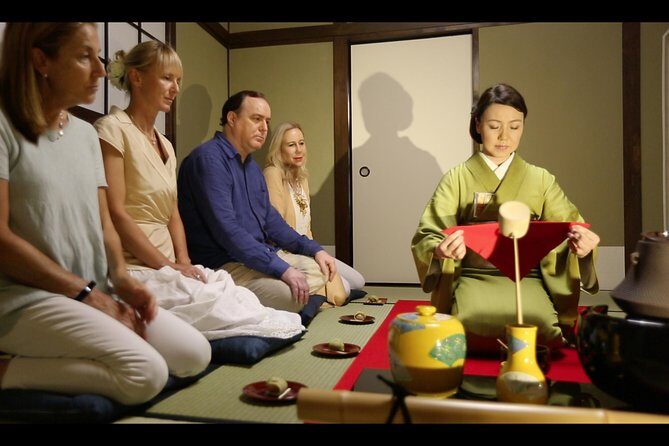
At $38.47 per person, you’re paying for more than a matcha drink and a quick photo. This workshop gives you a full mini-course in Chado (the Japanese tea way): a welcome tea, a short history lesson, time inside a tatami tearoom, formal ceremony steps, and then your own hands-on preparation.
The best part for me is the pacing. Instead of jumping straight into matcha, you’re guided through the logic of the ceremony: what koicha means, what usucha means, and how tools and bowl shapes change the experience. You’re also tasting multiple rounds of tea and sweets, so the session feels like a proper cultural lesson, not a one-bite performance.
It’s also a smart value play because the group is kept small (maximum 6). That matters. In a large group, tea ceremony teaching often turns into “watch and hope you understand.” Here, you have enough attention to actually learn the sequence and do the steps yourself.
And yes, the setting is in Asakusa area, with a meeting point at 2-chōme-3-12 Kotobuki, Taito City. For many first-timers, this is an easy win: you can fit it into a day of sightseeing without it consuming your whole schedule. The workshop runs about 1 hour 30 minutes.
A few more Tokyo tours and experiences worth a look



Getting There and Handling the Steep-Stair Reality
Start point is 2-chōme-3-12 Kotobuki, Taito City, Tokyo 111-0042, Japan, and it ends back at the same meeting location. It’s also described as near public transportation, which helps if you’re mixing it with Asakusa temples and side streets.
Now the practical part you should not skip: the tea room is on the second floor of an older Japanese-style house built in the 1940s. The staircase is very steep, and the provider notes they don’t have machinery to assist getting up.
If stairs are a problem for you, you’ll want to think ahead. The tour also mentions a weight-capacity limit for the house. Even if your group number is shown as up to 8 in some contexts, they may ask you to adjust the time schedule to balance the limit for safety. Translation: you should expect flexibility if your group is large or if conditions require it.
Also remember the house rules: no bare feet in the tea room, and socks are required. Bring socks from home if you can. Plan on removing shoes at the tea room entrance area, like most traditional experiences.
The Welcome Part: Sakura Tea, a Short History Video, and a Calm Start
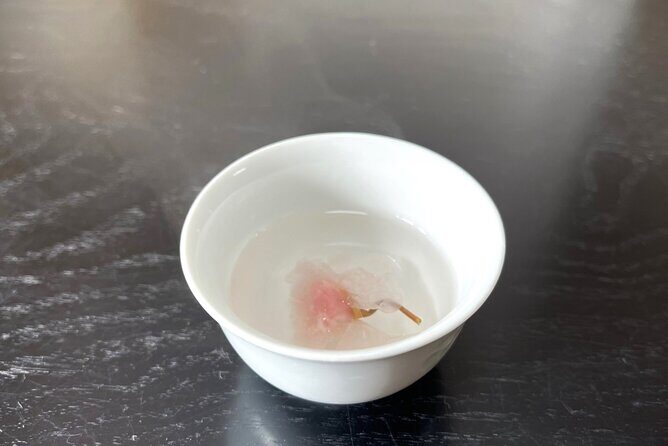
The session starts with a welcome cup of Sakura tea, cherry blossom-themed. It’s served by the host, and it sets a softer tone before anything formal begins.
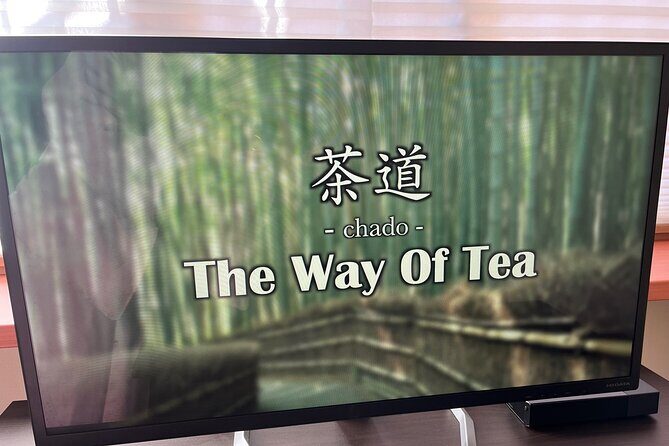
Next comes a short introduction video (about 10 minutes). You’ll learn the history and core concepts of Chado. This is one of those “small” elements that makes the whole workshop easier to understand. Even if you’ve never done tea ceremony before, you’ll have context for why the steps matter: it’s not about speed. It’s about attention.
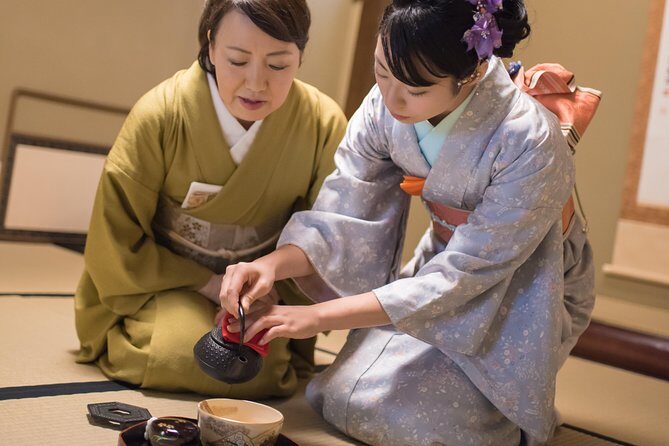
After the video, you move into the tearoom itself. The tea room is equipped with tatami mats, and the session includes meditation time. The point is to slow down and let your brain stop multitasking for a little while.
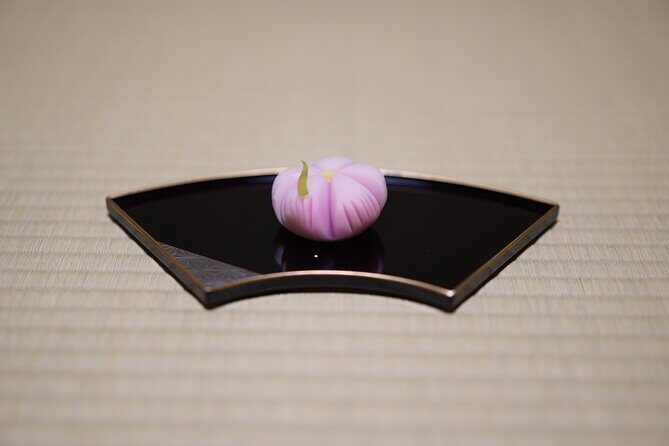
You also get sweets as part of the flow. The program mentions three kinds of local Japanese confectionary, and there are additional dry sweets before you drink your bowl of usucha. That’s not just for taste. It gives you a break between tea rounds so your palate can reset.
Koicha Ceremony Performance: Watching the Strong Matcha Steps
Then you shift into the ceremonial performance: koicha. Koicha is the main matcha tea in the ceremony, made for a formal presentation.
What you’ll see is the formal performance style of preparing koicha, step by step. The workshop description even calls out the next tasting as strong matcha, koicha—the original form traditionally drunk by samurai. That detail may sound like a fun history tidbit, but it helps explain why koicha is treated with special seriousness.
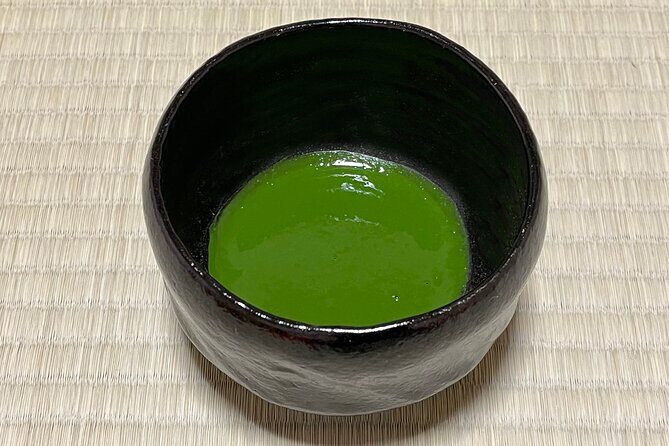
You also get tea bowl education during this portion. You’ll learn about the variety of tea bowls from different regions and how different shapes yield different tastes and experiences. This is a “pay attention” moment. If you notice the bowl shape and how the matcha looks in the bowl, you’ll understand why tea ceremony isn’t only about the powder. It’s about everything the experience uses, from object to motion.
Then you taste koicha. This tasting is a key reason to book. Many casual matcha tastings don’t show you the range between “thin and foamy” versus “thick and strong.” Here, you get both worlds in one day.
Making Usucha Yourself: Thin Matcha With Thick Foam
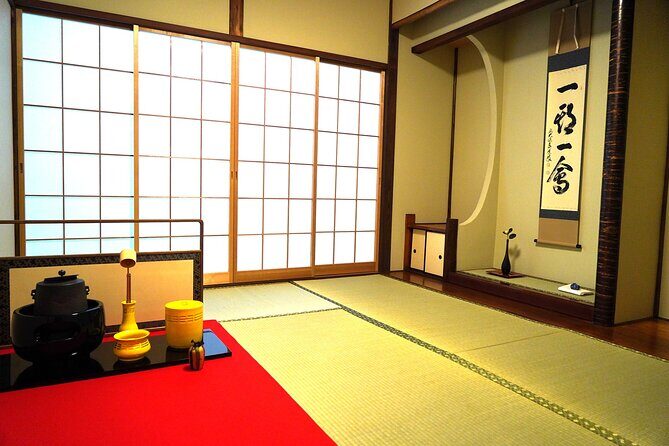
After koicha comes the hands-on portion: making a bowl of usucha. Usucha is the thin matcha version, and you’ll focus on creating thick foam on top.
This is where the workshop earns its keep. You don’t just watch. You’re guided through making a bowl of usucha as part of a structured lesson, with the instructor present to help you follow the sequence.
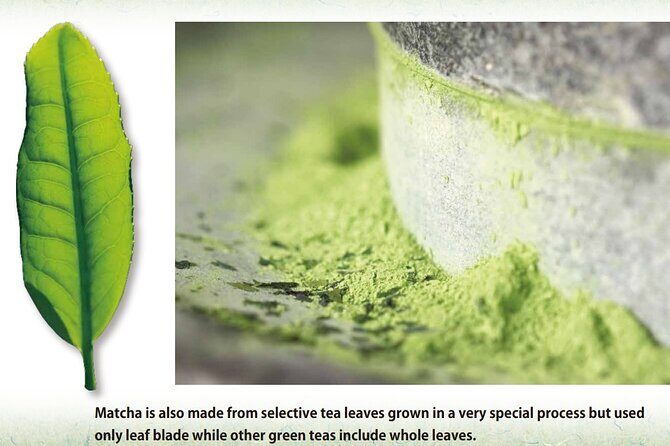
You’ll also learn about matcha powder itself. That matters because the workshop gives you a framework for understanding why matcha tastes the way it does, and why the ceremony treats preparation as part of the flavor.
Before your usucha, you get dry sweets. That’s a common tea rhythm: sweets first to balance sweetness and texture, then tea to reset your palate and bring the bitterness forward in a controlled way.
And one more helpful note: you don’t have to sit with seiza-style posture (knees bent) on the tatami. If tatami seating isn’t comfortable for you, they can provide a chair. So you can still fully participate without turning the experience into a sore-knees endurance test.





The Instructor Factor: Clear English and Real Technique
This workshop is taught through a licensed school environment tied to Urasenke Chado School in Kyoto. In practice, that translates into a session that follows a real teaching structure, not a random “do it like this because it’s cute” approach.
The instructor is described as experienced and fluent in English. One account also notes the teacher had lived in the United States for a number of years, which makes explanations easier for English speakers. Another account mentions the instructor has practiced tea ceremony for 28 years. Regardless of how you arrived in Japan, that level of experience shows in pacing, explanations, and the way steps are demonstrated clearly.
If you’re someone who likes cultural experiences where you actually learn something, this is the right setup. You’ll leave with a better sense of why the steps are done, not only what the steps are.
Dress Code and Comfort: Small Rules That Matter
The dress code is simple, but it does affect comfort and participation.
Miniskirts and tight pants are not recommended. You’ll also need to avoid bare feet in the tea room. Socks are required, so bring clean socks.
The seating rule is more flexible than you might expect. You do not have to sit in strict seiza style on the tatami mats, and chairs can be provided if you cannot sit on the tatami in any ways. So even if you’re not used to kneeling, you’re not automatically blocked out of the experience.
This is one of those cases where “small friction” can become “big stress” if you show up unprepared. With the socks and pants rules, it’s best to dress like you want to be comfortable for about an hour inside a calm room.
Duration, Group Size, and Timing: Why 90 Minutes Works
The workshop runs about 1 day 1 hour 30 minutes (approx.). That length is ideal if you want something meaningful but don’t want to lose your whole day.
It also helps that the program offers multiple workshop times to fit your schedule. The company notes a mobile ticket, and you’ll confirm within 48 hours of booking subject to availability.
The group cap is max 6 travelers, which is an underrated detail. In tea ceremony, small differences in how you hold tools, how you move, and when you pause matter. A smaller group makes it possible for the instructor to guide you without turning your session into a wait-your-turn situation.
There’s also an age guideline: designed for participants 10 years old and above. If you’re traveling as a family, this is a decent option because the activity includes viewing, tasting, and hands-on participation.
Price and Value: Is $38.47 Fair for Tokyo?
For $38.47, you’re paying for a full package:
- a welcome drink (Sakura tea)
- a short history introduction video
- time in a tatami tearoom with meditation
- sweets, including multiple kinds of Japanese confectionary plus dry sweets
- a formal koicha performance and koicha tasting
- bowl education (tea bowls from different regions)
- a hands-on usucha lesson and usucha tasting
- instruction on matcha powder
In other words, you’re not only buying matcha. You’re buying teaching time, cultural context, and guided practice. With a small group size and a hands-on component, it’s fairly priced compared with experiences that offer one tasting and send you back on your way.
Still, be honest about fit. If you only want quick street-food tastings, you might find the ceremony length a bit longer than your usual style. But if you want something quiet, structured, and genuinely hands-on, this price makes sense.
Who Should Book This Workshop in Tokyo (and Who Should Think Twice)
You should book if you:
- want a real explanation of Chado, not just a matcha tasting
- enjoy hands-on activities with clear guidance
- like calm, slower experiences amid a busy city
- want both koicha tasting and usucha making in one session
- are visiting Asakusa and want something culturally focused nearby
You might think twice if:
- steep stairs are a major issue for you, since the tea room is on the second floor with no stair-assist machinery
- you know you won’t be able to follow basic tea-room rules like socks and no bare feet
If you’re flexible and prepared, this becomes one of those Tokyo experiences you’ll remember for the way it changed your pace.
Should You Book This Tea Ceremony Workshop?
My take: yes, book it if you want an authentic Chado lesson that actually teaches. The combination of a licensed-style school approach, a structured ceremony flow (koicha performance, koicha tasting, then hands-on usucha), and a small group size makes this feel like real instruction.
The decision comes down to logistics and comfort. If you can handle steep stairs and you’re fine with socks-only in a tatami tea room, you’re in good shape. If stairs are a serious limitation, look for a different tea experience with ground-floor access.
If you want a calm break from Tokyo’s constant motion, this workshop is one of the better uses of your time.
FAQ
How long is the tea ceremony workshop in Tokyo?
The workshop lasts about 1 hour 30 minutes (approx.).
Where is the meeting point, and where does it end?
You meet at 2-chōme-3-12 Kotobuki, Taito City, Tokyo 111-0042, Japan, and the activity ends back at the same meeting point.
What is the price per person?
The price is $38.47 per person.
What should I wear, and do I need socks?
Miniskirts and tight pants are not recommended. No bare feet are allowed in the tea room, and socks are required, so bring or plan to have socks.
Do I have to sit seiza style on tatami mats?
No. You don’t have to sit with seiza style on tatami mats. If you can’t sit on the tatami in any way, a chair can be provided.
Is the tea room wheelchair-friendly?
The tea room is located on the second floor and the staircase is very steep. The provider notes they are not equipped with machinery to assist going up.
What will I make and what will I taste?
You’ll watch and taste koicha (strong matcha) and then take part in a hands-on lesson to make a bowl of usucha (thin matcha with thick foam). You’ll also learn about matcha powder.
What kinds of snacks or sweets are included?
You’ll have a welcome drink, a confection, dry sweets before usucha, and you get to sample matcha as part of the ceremony flow.
Can I cancel and get a full refund?
Yes. Cancellation is free up to 24 hours in advance for a full refund. If you cancel less than 24 hours before the experience starts, the amount paid is not refunded.