REVIEW · TOKYO
Samurai Ninja Museum Asakusa: Samurai Sword Lesson & Tour
Book on GetYourGuide →Operated by GLOBA Inc. · Bookable on GetYourGuide
Samurai sword class in Tokyo sounds like a movie scene. The best part here is that you actually suit up and practice real forms with a guide, then follow it with a museum tour and photo set. I also like that the experience doesn’t stop at posing, with time for a ninja weapons trial like shuriken throwing. One thing to consider: the samurai venue has a hard age limit, and kids under 6 can’t enter.
This runs for about 2 hours, capped at a small group size (max 16), so you’re not stuck watching from the back row. You’ll get an English-speaking guide, plus access to samurai armor and a helmet, and you’ll walk through samurai and ninja displays with context that’s actually useful. If you’re traveling with limited time in Asakusa, this is one of those activities that fills a big chunk of a day with one stop.
In This Review
- Key things I’d bet you’ll care about
- Samurai Ninja Museum Asakusa: what you do in two hours
- Getting your hakama on: katana basics that start from zero
- Wearing armor and finding your best angle for samurai photos
- The Samurai and Ninja Museum tour: context without the lecture fatigue
- Ninja weapons trial: shuriken throwing with real targets
- Group size, pacing, and how you avoid feeling left behind
- Price and value: is $63 for katana + museum fair?
- Who this works best for in Tokyo
- Tips so you get more out of the sword session
- Should you book the Samurai Ninja Museum Asakusa katana workshop?
- FAQ
- How long is the Samurai Sword Lesson & Tour?
- How much does it cost?
- Where is the tour located?
- What’s included in the price?
- Is there a group size limit?
- Is the tour guided in English?
- Are children allowed?
- How many people are in the museum portion and practice portion?
- Can I cancel and get a refund?
- Is the venue wheelchair accessible?
Key things I’d bet you’ll care about
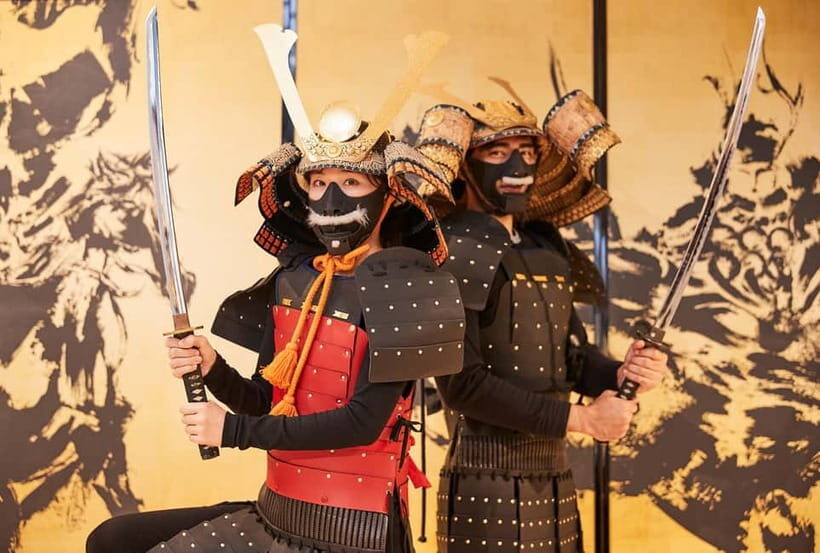
- Hakama + helmet role-play: you’ll dress the part before you swing.
- Katana basics with a routine: you learn a sequence you can remember, not just a demo.
- Photo backgrounds built for keepsakes: multiple themed spots, not one corner.
- Museum tour that explains what you’re seeing: samurai and ninja context in plain language.
- Ninja weapons trial: try shuriken-style throwing at targets.
- Small group feel: max 16 travelers, so the guide can keep an eye on everyone.
Samurai Ninja Museum Asakusa: what you do in two hours
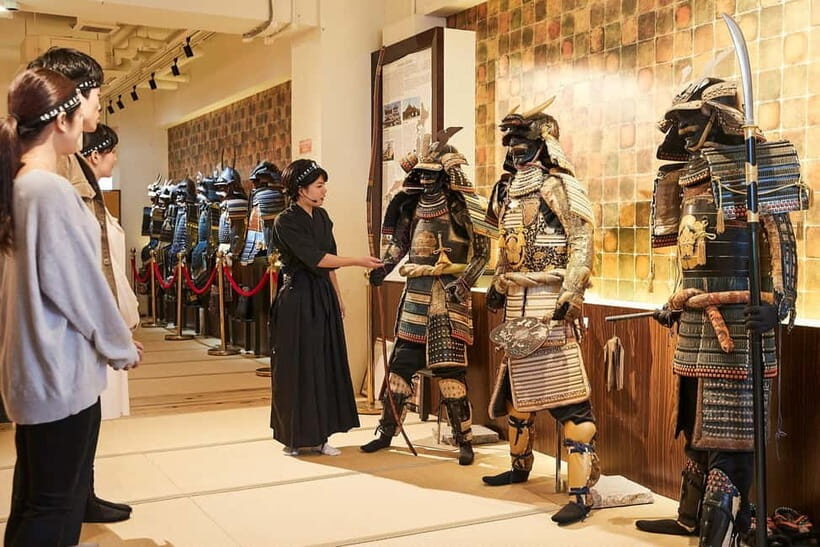
This is a compact, high-energy Tokyo experience built around two ideas: hands-on warrior training, and a guided walk through samurai-and-ninja culture.
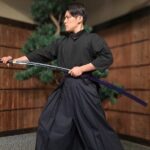
You start by gearing up. You’ll wear traditional samurai clothing like the hakama, plus a helmet and armor. Then the lesson focuses on katana handling in a controlled, beginner-friendly way. After that, you shift gears to the museum portion: you’ll explore samurai and ninja exhibits with your guide giving historical context, not just a fast read-through.
The whole flow matters. If you’ve ever done museum-only visits in Japan and felt like you were missing the human side, this format fixes that. You understand what you’re looking at because you just practiced the physical concepts—stance, posture, and timing—even if you’re brand new.
You can also read our reviews of more museum experiences in Tokyo

Getting your hakama on: katana basics that start from zero
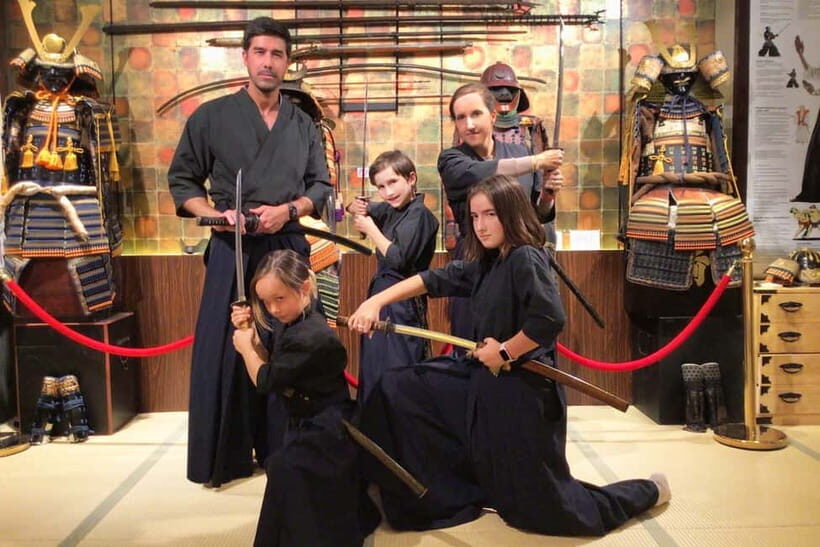
The katana workshop is the headline, and the structure is designed for novices. You’ll learn how to wear the outfit properly and how to hold the sword safely. The goal isn’t to make you a swordsman in 2 hours; it’s to teach the fundamentals with enough repetition that your body starts to recognize the shape of the movements.
Here’s what I think you should expect, practically:
- You’ll practice a basic handling sequence and a routine the instructor demonstrates.
- You’ll get coaching on posture and motion so you don’t just copy, you understand.
- You’ll have chances to perform the steps yourself while the guide watches.
In several sessions, the English-speaking instructors are praised for keeping things professional and patient with complete beginners. If you’re scheduled with Sensei Ryo, you can expect a structured lesson with clear fundamentals and a bit of humor to keep nerves down. Some groups are taught by other instructors too (for example Kenny, Kai, or Koki show up as katana instructors in the experience), but the common theme is the same: you’re taught basics, then guided through a short routine you can actually do.
If you’re worried you’ll be clumsy, don’t. This is the kind of activity where even people who claim they have two left feet usually leave smiling, because the movements are taught in stages.
Wearing armor and finding your best angle for samurai photos
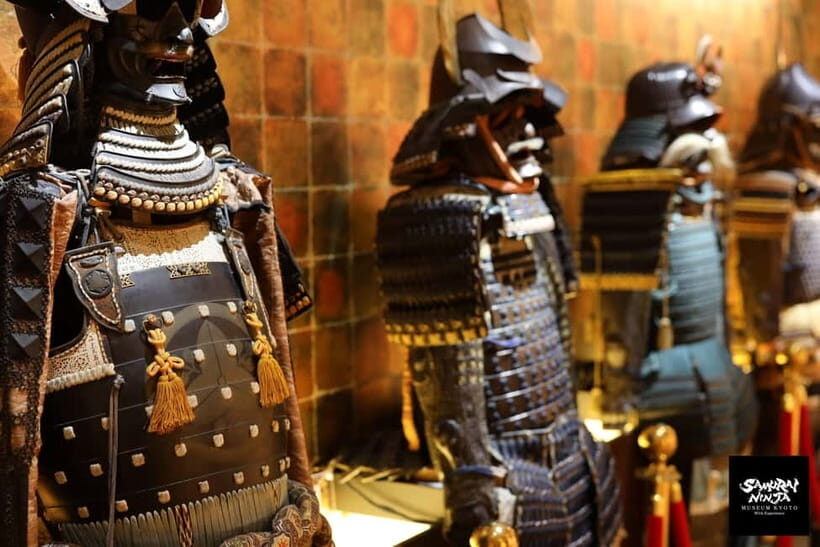
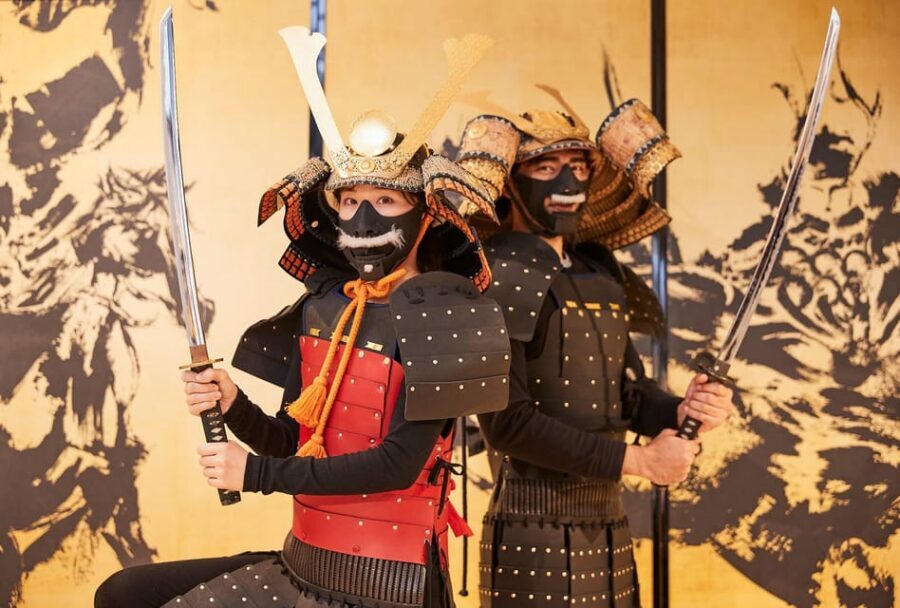
This isn’t a throwaway photo stop. The photo session is built into the experience with samurai-themed backgrounds, and you’ll have time to pose in costume.
Why that matters: in Tokyo, photo opportunities can be quick and awkward. Here, the timing feels designed for you to get multiple shots without rushing. You’ll be in armor and/or helmet, which is where most people’s photos usually look best anyway. It also helps that the setting is themed, so your pictures don’t depend on finding a perfect street corner in the Asakusa crowds.
A small practical note: armor and helmets can feel bulky, especially for kids or smaller adults. If you’re short on time later, plan on taking a moment to settle your outfit first, then start posing. Your photos will look cleaner, and you’ll feel less like you’re fighting your costume.
The Samurai and Ninja Museum tour: context without the lecture fatigue
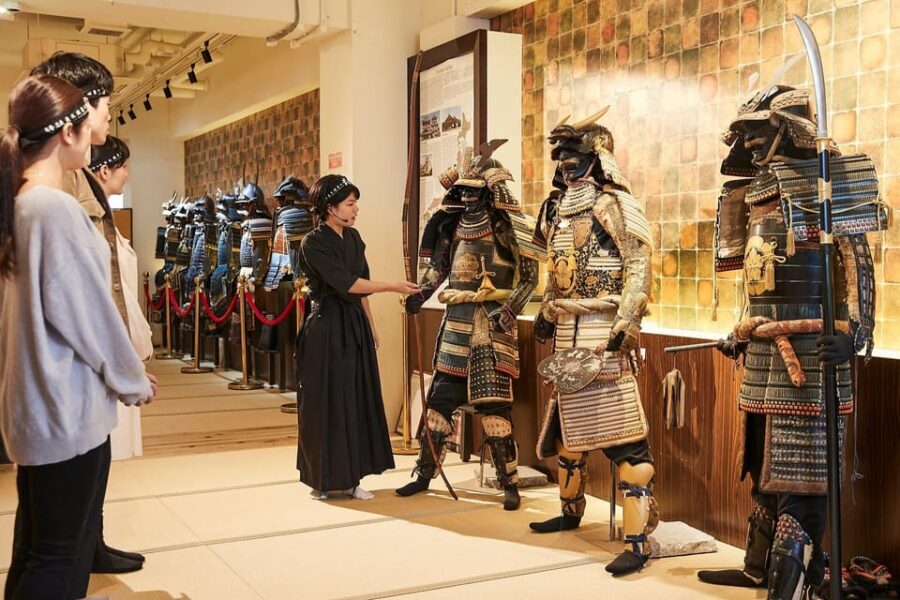
After the sword training, the tour shifts to a museum walk covering samurai and ninja topics. What makes it work is that the guide explains what you’re seeing in a way that connects to real life and real history.
You’ll see samurai and ninja displays, and the guide provides the timeline and cultural context—how samurai culture developed and what it meant, plus the ninja side of the story. Some tours mention guides like Ren, Momo, or Nao, and the consistent pattern is that they keep the conversation lively enough that kids don’t go feral five minutes in.
I also like that the museum portion isn’t treated like a bonus add-on. It’s a real stop, and it gives the sword lesson a frame. If you ever thought, I want to understand why the sword mattered beyond action-movie scenes, this is the part that helps.
Space can feel tight, depending on your group and the time slot. That’s not a dealbreaker; it just means you’ll spend more time moving with the group and listening, less time drifting on your own.
Ninja weapons trial: shuriken throwing with real targets
Then comes the ninja element. The activity includes a ninja weapons trial, and in practice that often means trying shuriken-style throwing at targets.
This part is fun for a reason: it’s one thing to swing a sword, and another to learn a simple throwing motion and aim at a spot. It’s also a good confidence booster. Even when you don’t hit the center every time, you’re still practicing a skill, not just watching.
If you have teens or older kids, they usually like this part because it feels like a game with rules. Adults tend to like it for the same reason, just with less glee and more focus.
Instructor support matters here too. Some groups highlight a ninja trainer (names like Nao come up), and that kind of coaching is what turns random throwing into something you can measure.
A few more Tokyo tours and experiences worth a look





Group size, pacing, and how you avoid feeling left behind
The group limit is max 16, and you can usually choose private or small group options. In a class where everyone is in costume and practicing movements, small groups make a huge difference.
Why? Because the guide can correct your stance and sword angle without you waiting forever. The experience also tends to flow faster because you’re not waiting on a huge line of people.
Pacing is important in reviews for both good and slightly mixed moments:
- Many people say the session is packed but still engaging.
- A few mention it can feel quick, especially in the museum portion, or that movements can be adjusted when there are younger kids in the group.
If you’re bringing children, the age rule is worth taking seriously. Kids under 6 can’t enter the samurai venue. And if your group includes a mix of ages, the instructor may scale some choreography so everyone can participate safely.
Price and value: is $63 for katana + museum fair?
At about $63 per person for roughly 2 hours, the value comes from what’s included, not from what you’re hoping to get.
You’re paying for:
- a samurai sword lesson
- use of hakama
- use of a samurai helmet and samurai armor
- themed photo opportunities
- a ninja weapons trial
- an English-speaking guide
- access to the museum tour
In Tokyo, you can find plenty of “do a thing, take a photo, leave” tours that feel pricey for what’s actually hands-on. This one gives you time in costume, time practicing movements, time learning in the museum, and time throwing at targets. That makes it a better deal for active travelers and for families.
Is it the cheapest activity on your day? No. But if you want one ticket that turns your Asakusa visit into a hands-on story rather than a pass-through stop, it’s easy to justify.
Who this works best for in Tokyo
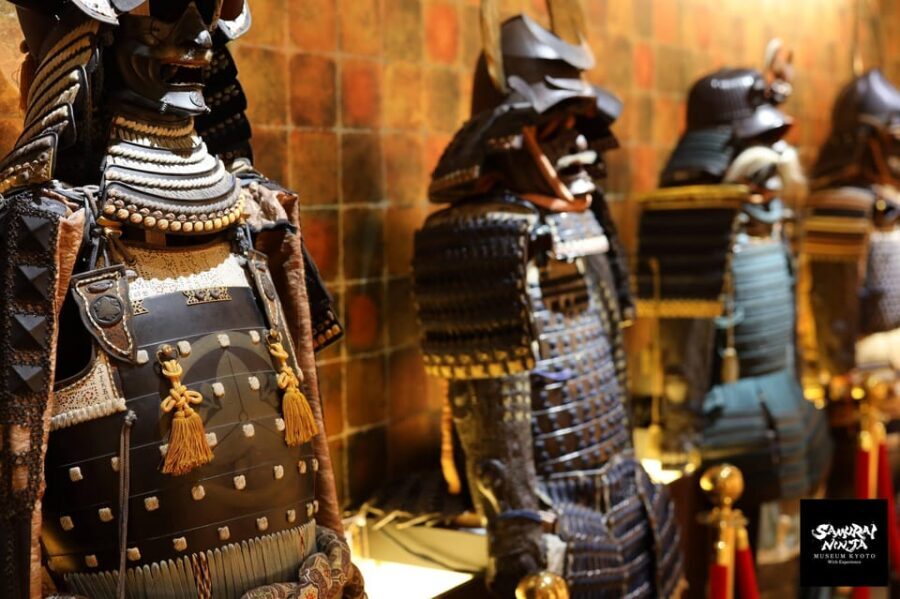
This is one of those activities that fits more traveler types than you’d expect.
Best matches:
- Families with kids who like hands-on activities (and who are old enough for the venue rules).
- Adults traveling with a partner who wants something different from restaurant-hopping.
- Anyone curious about samurai culture who doesn’t want to read a book to understand posture, timing, and meaning.
- Beginners who feel intimidated by traditional skills but like learning with step-by-step coaching.
If you’re the kind of traveler who wants a quiet museum with deep self-paced wandering, you might find the schedule a bit busy. But if you want movement, costumes, and guided explanation in a tight timeframe, this is a strong pick.
Tips so you get more out of the sword session
A few practical moves help a lot:
- Wear something comfortable that you can move in. You’ll be standing, changing posture, and practicing routines.
- Don’t plan to overthink the katana. The lesson is structured so you’ll follow steps in order, and the guide corrections are part of the experience.
- If photos matter to you, set expectations: get a couple of relaxed poses first, then do the more dramatic angles once your costume is settled.
- If you’re traveling with kids, choose energy-friendly timing. This is active and costume-heavy, so it works best when everyone’s awake and ready.
Also, since the max group size is 16, if you care about questions or extra coaching, it helps to be ready with one or two things you want to ask your guide.
Should you book the Samurai Ninja Museum Asakusa katana workshop?
I’d book it if you want a Tokyo activity that’s more than sightseeing. The mix of katana practice, a samurai and ninja museum tour, and a ninja weapons trial turns the “samurai fantasy” into something you can do with your own hands and body.
Skip it or think twice if:
- you’re traveling with kids under 6 (they can’t enter the samurai venue)
- you want a relaxed, low-stimulation museum day
- you’re hoping for long solo practice time (it’s only 2 hours, and the pacing is shared)
If you’re on the fence, look at your itinerary. If your Tokyo day has lots of walking and eating already, this kind of structured, coached experience is a nice counterbalance. It gives you a memorable story to bring home, not just photos of a building.
FAQ
How long is the Samurai Sword Lesson & Tour?
The experience lasts about 2 hours.
How much does it cost?
It’s listed at $63 per person.
Where is the tour located?
It’s in Asakusa, Tokyo, Japan (Honshu).
What’s included in the price?
You get a samurai sword lesson, use of hakama, use of a samurai helmet and armor, themed photo opportunities, and a ninja weapons trial, plus an English live tour guide and the museum tour.
Is there a group size limit?
Yes. The activity has a maximum of 16 travelers.
Is the tour guided in English?
Yes, the live tour guide speaks English.
Are children allowed?
Children under 6 cannot enter the samurai venue.
How many people are in the museum portion and practice portion?
The tour runs with up to 16 travelers total, and options for private or small groups may be available.
Can I cancel and get a refund?
Yes. Free cancellation is available up to 24 hours in advance for a full refund.
Is the venue wheelchair accessible?
Yes, it’s listed as wheelchair accessible.