REVIEW · TOKYO
Ramen & Gyoza Cooking Class in Tokyo with Local Supermarket Visit
Book on Viator →Operated by YUCa's Japanese Cooking · Bookable on Viator
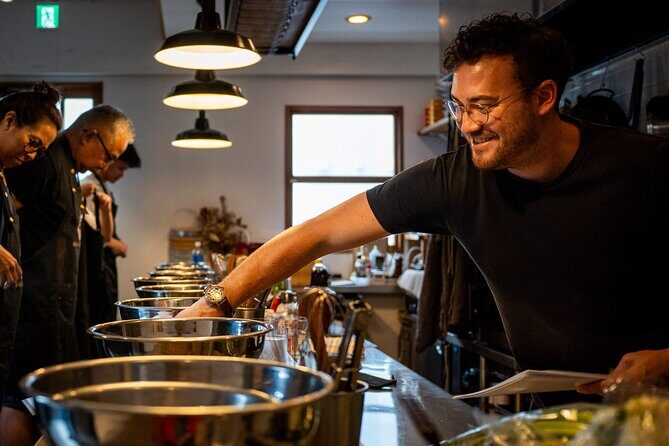
Ramen gets serious when it’s made at home. This class takes you into YUCa’s Japanese Cooking kitchen, where you’ll make ramen and gyoza step by step and get the real-life rhythms of home cooking in Tokyo. I especially like the small-group feel (max 7 people) and the way the lesson connects ingredients to flavor, not just recipes.
One consideration: because it’s in a home kitchen, the format can lean more “guided cooking” than you doing every single task solo. If you’re hoping for nonstop hands-on at every step, go in with the right expectations and focus on learning the why behind the technique.
In This Review
- Key Highlights You’ll Care About
- Why This Tokyo Ramen and Gyoza Class Feels More Local Than Basic
- Location and Arrival: Finding YUCa’s Japanese Cooking in Tokyo
- 10:00 to 10:30: The Home-Cooking Lecture That Sets You Up to Succeed
- 10:30 to 12:30: Cooking and Tasting Ramen + Gyoza
- Ramen: Building the bowl with real-world ingredients
- Gyoza: Minced filling, folding, and pan-cooking timing
- Why cooking both matters
- The One-Kitchen Reality: How Hands-On It Really Is
- 12:30 to 13:00: Optional Local Supermarket Tour (and Why It’s Useful)
- What You’ll Actually Eat (And Why That’s Part of the Lesson)
- Price and Value: Is $122.70 Worth It?
- Who Should Book This Class (And Who Might Want Another Option)
- Should You Book This Ramen and Gyoza Class?
- FAQ
- How long is the cooking class?
- Where do I meet the host?
- Is there a supermarket tour included?
- Is a vegetarian option available?
- What’s the group size limit?
- What dietary needs can I request?
- Can I get a refund if I need to cancel?
Key Highlights You’ll Care About
- Max 7 people: smaller class size makes it easier to ask questions and follow along
- Short home-cooking lecture (10:15–10:30): quick context before you start cooking
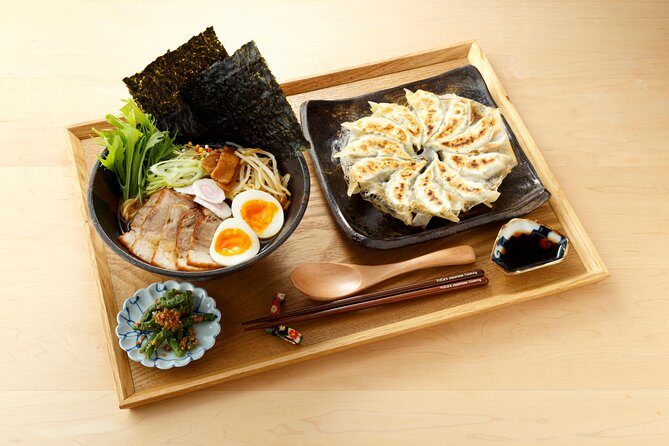
- Hands-on ramen and gyoza at once: you cook, eat, and learn how the timing works
- Optional supermarket tour (12:30–13:00): ingredient shopping tips you can actually use back home
- Vegetarian option available: request it ahead of time when booking
Why This Tokyo Ramen and Gyoza Class Feels More Local Than Basic
Tokyo has no shortage of food experiences, but this one hits a different note because you’re cooking inside a working home-style kitchen. The focus is practical: you’ll learn how ramen and gyoza come together with everyday ingredients and repeatable technique, not fancy restaurant-only shortcuts.
I like that the class is built around two comfort foods you’ll actually want to recreate later. Ramen teaches structure—broth, toppings, and assembly. Gyoza teaches the hands-on skills—folding, filling, and pan-cooking timing—so you leave with confidence, not just a warm memory.
And the size matters. With a maximum of 7 travelers, you’re not lost in a crowd. You get more attention, and it’s easier to keep up with fast steps like mixing fillings or managing heat for dumplings.
You can also read our reviews of more cooking classes in Tokyo
Location and Arrival: Finding YUCa’s Japanese Cooking in Tokyo
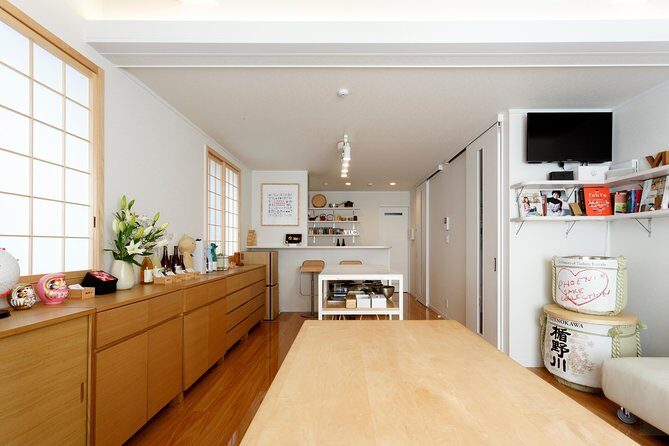
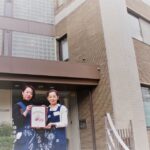
You meet at YUCa’s Japanese Cooking, at 2-chōme-34-8 Nishiogu, Arakawa City, Tokyo (116-0011). The good news: it’s listed as near public transportation, so you’re not crossing the city on pure hope.
This is also one of those experiences where arriving on time helps your day. The schedule starts at 10:00, and the cooking portion begins shortly after the short lecture. If you’re running late, you risk missing the setup and momentum that make the morning feel smooth.
If you prefer rideshares, that can work too—this area is a real neighborhood, not a “tourist-only” pocket. Just plan extra time for the final walk once you’re close.
10:00 to 10:30: The Home-Cooking Lecture That Sets You Up to Succeed
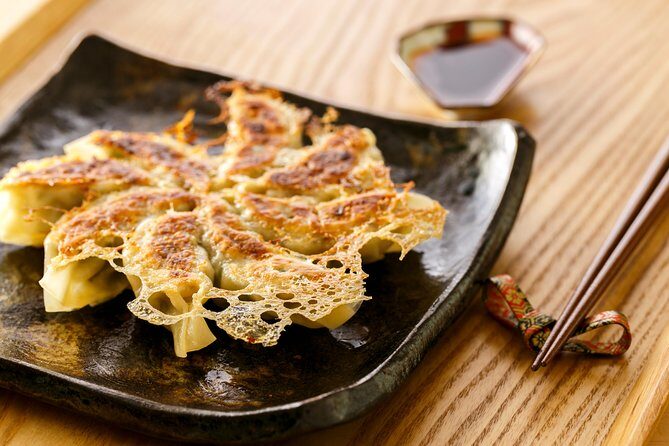
Right after meeting at 10:00, you’ll get a lecture from 10:15 to 10:30 on Japanese home cooking and lifestyle. This part is short on purpose. You’re not stuck for an hour of theory, and you get enough context to understand what you’re about to do in the kitchen.
What you’re really looking for here is mindset. Japanese home cooking often comes down to technique, timing, and balancing flavors with what’s available. Even if your kitchen back home uses different brands, the idea stays the same: you learn how to think, not just what to buy.
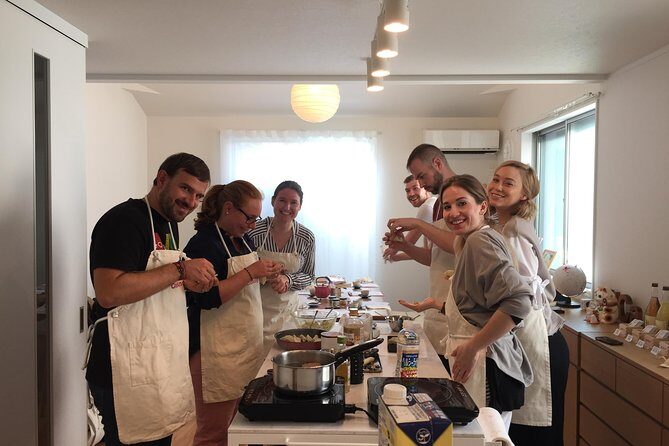
This is also where you’ll get oriented to how the class runs. The kitchen is one shared space, and that affects how much each person can do at once. By the time you start cooking, you’ll know what to expect.
10:30 to 12:30: Cooking and Tasting Ramen + Gyoza
The main block is 10:30–12:30 for cooking and tasting. This is the heart of the experience, and it’s structured so you can enjoy both dishes without feeling like you’re waiting around forever.
Ramen: Building the bowl with real-world ingredients
You’ll learn to prepare ramen and understand the logic behind it—how different vegetables and meat show up in the final flavor. Ramen in a class like this isn’t about memorizing one “perfect” recipe. It’s about learning the method and the role of toppings so you can swap ingredients later.
The most useful skill you’ll take away is how to treat assembly as part of cooking. In ramen, what you put into the bowl matters as much as the base. When you understand the flow, you can build a bowl that tastes balanced instead of random.
A few more Tokyo tours and experiences worth a look



Gyoza: Minced filling, folding, and pan-cooking timing
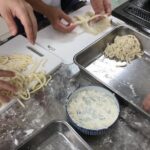
You’ll also make gyoza, described as minced pork dumplings. Dumplings are where your hands get involved—forming, filling, and shaping so they cook properly. The class is aimed at multiple skill levels, so beginners aren’t expected to already know technique.
A helpful way to think about the gyoza portion: you’re learning control. Heat, pan timing, and the way dumplings are shaped all affect the texture. When you do it in a guided class, you get the feel for when something is ready instead of guessing.
Why cooking both matters
Doing ramen and gyoza in the same session helps you understand Japanese meal planning. You’re learning how to run a cooking schedule: while one component cooks, you work on another. That rhythm is a huge part of why this kind of class is more valuable than a single-dish workshop.
The One-Kitchen Reality: How Hands-On It Really Is
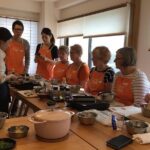
Here’s the honest expectation-setting part. The class happens in one kitchen space, and the group is kept small (up to 7). That setup usually means a guided flow, not a scenario where everyone is fully solo at every step.
If you’re looking for the “I did everything myself” style, you might feel like some steps are more instruction than full independent cooking. That doesn’t mean you’re just watching. You still participate, and you’ll get enough hands-on moments—especially with gyoza shaping—to make it feel real.
The sweet spot is learning technique and repeatable steps, even if not every minute is hands-on. If you leave knowing how to recreate the process at home, that’s a win.
12:30 to 13:00: Optional Local Supermarket Tour (and Why It’s Useful)
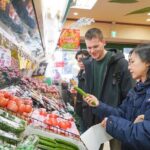
After cooking, there’s an optional local supermarket tour from 12:30 to 13:00. This is one of the best parts for practical souvenirs: you’re learning what to buy, how to read ingredient packages, and what “normal” items look like in a neighborhood store.
The tour is especially valuable because it takes ramen and gyoza out of the class bubble. When you can spot the ingredients in a shop, you stop guessing later. Even if you only buy a few basics—dumpling wrappers, seasonings, or common produce—you’ll be able to recreate a meal sooner.
Also, it’s a chance to ask questions about unfamiliar items. Since the store is in a neighborhood setting rather than a tourist-focused area, you’ll see ingredients as locals actually use them.
One note to plan around: it’s labeled optional, so go in assuming you might need to choose whether you join that segment on the day.
What You’ll Actually Eat (And Why That’s Part of the Lesson)
This class isn’t just cooking—it ends with tasting what you made. Eating your ramen and gyoza right away matters because it closes the feedback loop.
You’ll quickly learn whether your seasoning choices worked, whether the dumpling texture landed where it should, and how the bowl should feel when it’s finished. It’s hard to overstate how useful that is. Lots of food classes teach you steps; fewer help you understand results.
If you’ve had ramen in Japan before and it felt a little different from what you expected, this helps translate that experience into something you can repeat.
Price and Value: Is $122.70 Worth It?
At $122.70 per person, this isn’t a budget workshop. It’s priced like a small, host-led, home-kitchen experience with teaching time plus food.
So what’s the value logic?
- You’re paying for instruction in a real local setting, not just cooking a meal and leaving.
- The class includes ramen + gyoza, so you’re taking home two skills.
- You get context about home cooking and lifestyle, which helps you understand the ingredients and timing.
- The optional supermarket tour can add real-world purchasing confidence for future cooking.
If your goal is only to eat a meal, you can do that elsewhere for less. If your goal is to learn technique you can use again at home, the price starts to make sense—especially with the small-group size and the host-led structure.
Who Should Book This Class (And Who Might Want Another Option)
This class fits best if you:
- want hands-on skill for ramen and gyoza, not just a food walk
- like learning from a single host who guides the full process
- want a morning activity that mixes cooking, tasting, and (optional) ingredient shopping
- travel with kids or mixed ages, since the format supports different levels of participation
It might be less perfect if you:
- want a fully solo cooking experience where you do every step yourself
- prefer very long cooking blocks where one dish gets all the time (this is a quick class by design)
The upside is that it’s short and focused. You get results fast, and you leave with food and technique.
Should You Book This Ramen and Gyoza Class?
If you want an authentic Tokyo food morning that turns into a practical home-cooking skill, I’d book it. The small group size, the home-kitchen setting, and the chance to learn both ramen and gyoza make it a strong value for people who cook—or who want a real “I can do this” takeaway.
One smart approach: go for the cooking even if you skip the optional supermarket part. The core experience gives you enough to recreate the meal later, and the supermarket tour is a helpful bonus if it fits your schedule.
FAQ
How long is the cooking class?
The experience is about 2 hours 30 minutes. Cooking and tasting runs from 10:30 to 12:30, with an optional 12:30 to 13:00 local supermarket tour.
Where do I meet the host?
You meet at YUCa’s Japanese Cooking, 2-chōme-34-8 Nishiogu, Arakawa City, Tokyo 116-0011, Japan.
Is there a supermarket tour included?
There is a local supermarket tour that runs from 12:30 to 13:00, but it’s marked optional.
Is a vegetarian option available?
Yes. A vegetarian option is available, but you need to request it when booking.
What’s the group size limit?
This activity has a maximum of 7 travelers.
What dietary needs can I request?
You should advise specific dietary requirements at the time of booking.
Can I get a refund if I need to cancel?
Yes—there is free cancellation if you cancel at least 24 hours before the experience start time for a full refund.