REVIEW · TOKYO
Private Home Cooking in Yanaka – Local Flavors in a Warm Setting
Book on Viator →Operated by YANESEN Tourist Information & Culture Center. · Bookable on Viator
Tokyo tastes different in a real kitchen. This private cooking class in Yanaka turns sightseeing food into hands-on Japanese cooking, taught in a local-style home setting instead of a restaurant line.
Two things I really like about this experience are the personal attention (it’s only your group) and the way the lesson focuses on ingredients and techniques you can actually repeat later. You’ll cook with an instructor born in the Yanesen area, and instruction is available in English, which makes the whole class feel comfortable rather than scripted.
One thing to keep in mind: the meeting spot can be a little tricky to find at first. Plan for a quick moment of navigation when you arrive, and note that the class is also sensitive to good weather and minimum participation.
In This Review
- Key Points Worth Your Time
- Why Yanaka (Not Just Central Tokyo) Works So Well for Cooking
- The Two-Hour Flow: From Check-In to Cooking to Eating
- Finding the Place: What to Do If You’re Off by One Street
- Your Instructor: Yanesen Roots and English-Friendly Teaching
- Choosing Your Menu: Plan A or Plan B (Plus Special Requests)
- What You’ll Actually Learn: From Scratch Dashi to Dumpling Skills
- Scratch flavor building: dashi and miso
- Comfort classics: oyakodon and nikujaga
- Noodle and frying technique: udon, tempura, gyoza
- Griddle skills: okonomiyaki
- Vegetable standout: nasu dengaku
- Bento and sushi style choices
- The Private Kitchen Experience: Personalized Pacing and Real Questions
- After Class: Walk Yanaka Ginza and Keep the Day Local
- Price and Value: Is $122.23 Worth It?
- Small Considerations Before You Book
- Who Should Book This Class?
- Should You Book Private Home Cooking in Yanaka?
- FAQ
- How long is the cooking class in Yanaka?
- Is this a private cooking class?
- Can I choose lunch or dinner?
- How do menu choices work (Plan A and Plan B)?
- Can the class handle allergies or vegetarian/vegan requests?
- What’s the latest I can make menu requests or changes?
- Where do we meet for the class?
- Is English available during the class?
Key Points Worth Your Time
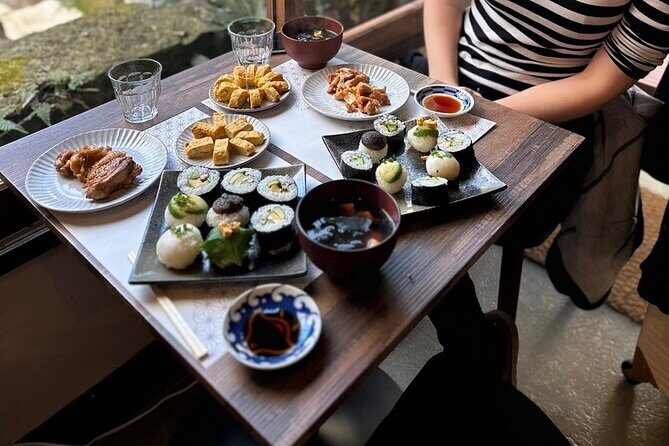
- Private group cooking inside a small home-style workshop setting
- English instruction from an instructor connected to Yanesen (plus assistants, depending on the session)
- Menu choice using Plan A or Plan B, with special requests accepted ahead of time
- Hands-on technique learning, including scratch components like dashi for miso soup
- Yanaka Ginza area nearby, so you can pair the class with a walk after
- Clear food options for different diets, including vegetarian and vegan with notice
Why Yanaka (Not Just Central Tokyo) Works So Well for Cooking
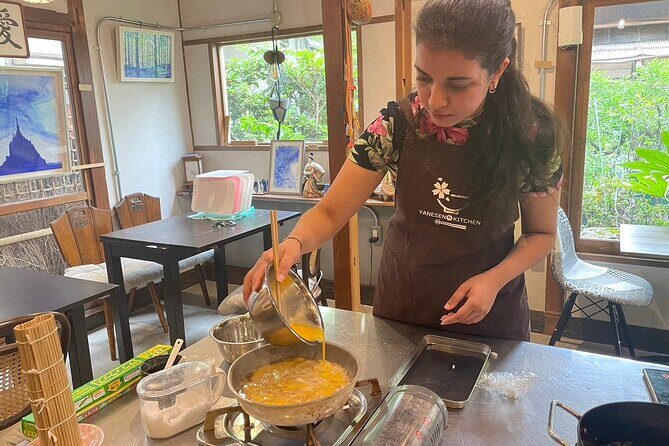
If you want a Tokyo experience that feels like you’re living there for a day, Yanaka is a smart choice. The area around Yanaka Ginza and the larger Yanesen neighborhood is residential and quieter than the big-name tourist corridors. That matters because cooking classes go deeper when the setting feels normal.
This class is built around local home cooking in that downtown Tokyo neighborhood style. Instead of hovering around a restaurant table, you’ll work on ingredients, tools, and steps with guidance. The result is practical knowledge: you learn how Japanese flavors get built, not just what the finished dish looks like.
And because it’s a private setup, the pace fits you. If you want to ask why something works a certain way, you’re in a position to do that.
You can also read our reviews of more private tours in Tokyo



The Two-Hour Flow: From Check-In to Cooking to Eating
The experience runs about 2 hours, and it loops back to the same starting point. That may sound simple, but it’s a good structure for staying sharp on your cooking skills without burning half your day.
Here’s how the flow tends to work in practice:
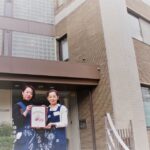
- You meet at the Yanesen Tourist Information & Culture Center (3-chōme-13-7 Yanaka, Taito City).
- Check-in is easy to miss at first because the program runs through a small setup tied to the center area. Some sessions reference checking in at a nearby small coffee shop called ko hi ko jo, and if you’re unsure, the team can help you locate the right spot.
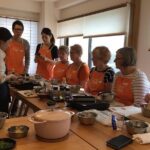
- Once you’re inside, the instructor guides you step by step with live feedback. The class is designed for you to cook alongside the teacher, not watch from a chair.
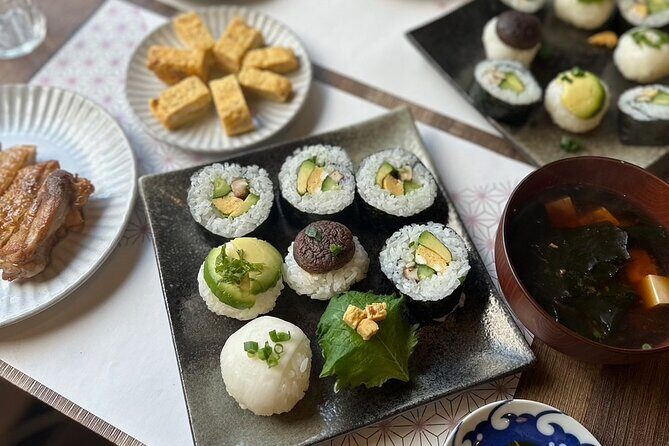
- You finish by eating what you make, in the same home-style setting.
This is one of those experiences where you leave with food in your stomach and a recipe process in your head.
Finding the Place: What to Do If You’re Off by One Street
A common frustration with Tokyo food experiences is simple: the location is close, but not obvious.
The good news here is that the meeting point is anchored to a real place name: the Yanesen Tourist Information & Culture Center. And multiple experiences emphasize that if you get turned around, the team will help you find the class.
My advice:
- If you arrive early, use that time to confirm landmarks.
- If you’re lost, don’t wander for long. Ask for help quickly so you can start cooking with the group timeline still intact.
Also, keep in mind the class is not on the most famous tourist strip. That’s part of the appeal, but it means you should expect a more local-feeling route.
Your Instructor: Yanesen Roots and English-Friendly Teaching
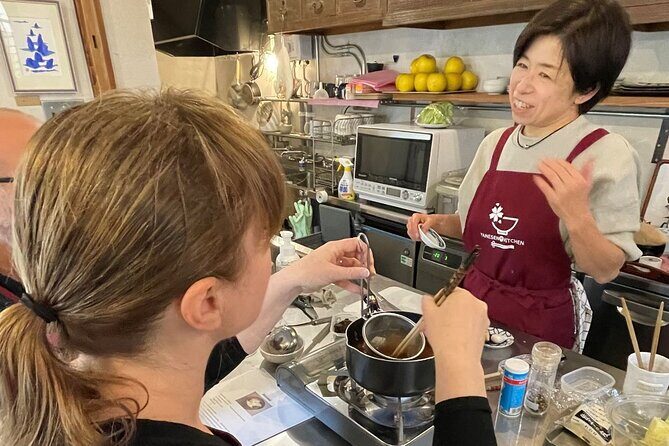
The class is led by an instructor connected to Yanesen—specifically Ms Yajima, who was born in the Yanesen area and teaches Tokyo local-style cooking. English instruction is available, and the teaching style described in feedback is patient, step-by-step, and question-friendly.
Depending on the session, you might also meet assistants and other instructors. Feedback includes names like Yuki, Uki, Yukiko, and Yuli, all described as friendly and clear. Even if the exact person varies, the common theme is strong English communication and guidance while you work.
Here’s why that matters:
- Japanese cooking techniques can look simple until you try them. Good instruction helps you avoid the common mistakes that lead to soggy, overcooked, or bland results.
- Live feedback means you can fix things before they snowball. That’s how you end up making dinner you’d actually serve again at home.
Choosing Your Menu: Plan A or Plan B (Plus Special Requests)
This class doesn’t force you into one fixed dish lineup. Before you go, you can tell the team what you want to cook.
You’ll choose based on two formats:
Plan A
- Choose 1 item from the Main category
Plan B
- Choose 2 items from the Appetizer category
When you request menus, you’re also able to give details like dietary needs. The program notes that allergies, vegetarian, vegan, and other requests are available if you tell them when you book. You can also talk through menu requests and adjustments through the contact form up to 2 days before the cooking day.
Practical tip: if you have a must-have dish (or a hard no), say it clearly in your reservation request. The menu system is built for choice, so take advantage of it.
You can also read our reviews of more cooking classes in Tokyo
What You’ll Actually Learn: From Scratch Dashi to Dumpling Skills
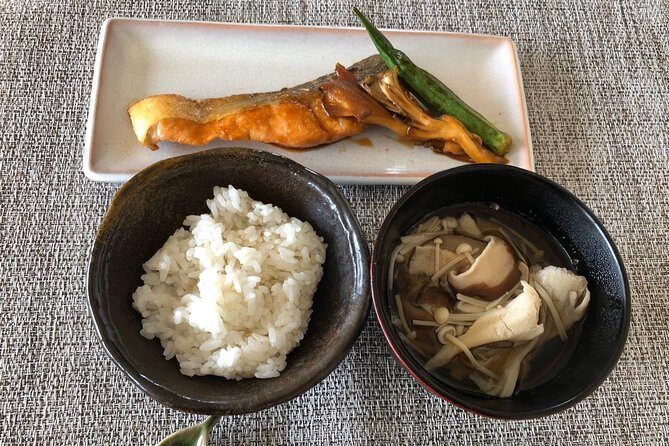
Because menus can vary, you should think of this class as a toolkit for everyday Japanese cooking rather than one rigid recipe dump. That said, the kinds of dishes people end up making in this format are very specific—and they teach real technique.
Scratch flavor building: dashi and miso
A big skill highlighted in past sessions is making miso soup from scratch, including homemade dashi using ingredients like kombu and bonito flakes. Learning the base changes everything. Once you understand the component, you stop treating miso soup as a packet-and-water thing.
Comfort classics: oyakodon and nikujaga
Some sessions include dishes like oyakodon and nikujaga. These are perfect for at-home success because they teach you how Japanese comfort-food flavors come together through controlled simmering and seasonings.
Noodle and frying technique: udon, tempura, gyoza
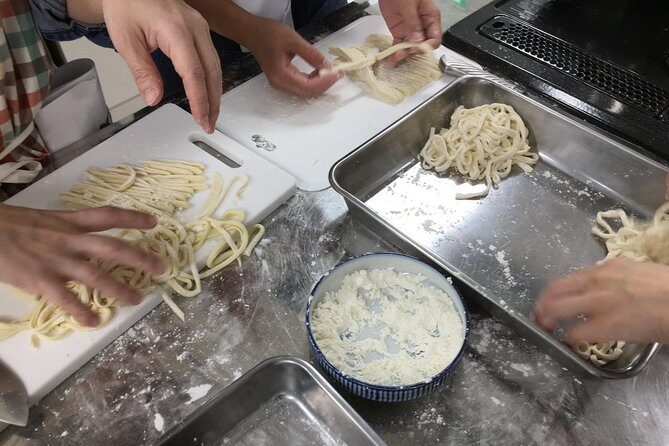
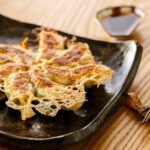
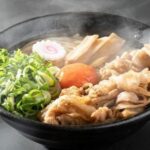
If you want a lesson with real hands-on movement, look for menus that include things like udon and tempura, or gyoza and dumpling-style work. Feedback mentions learning how to judge deep-frying oil temperature, which is the difference between food that stays crisp and food that turns greasy.
Griddle skills: okonomiyaki
Past menus also feature okonomiyaki. The value here is learning cooking flow—mixing, managing heat, and flipping/grilling methods—so it doesn’t turn into a browned pancake disappointment.
Vegetable standout: nasu dengaku
Another favorite mentioned is nasu dengaku, a miso-glazed eggplant dish. The teaching advantage is clear: you learn how to coat, glaze, and finish with texture and balance.
Bento and sushi style choices
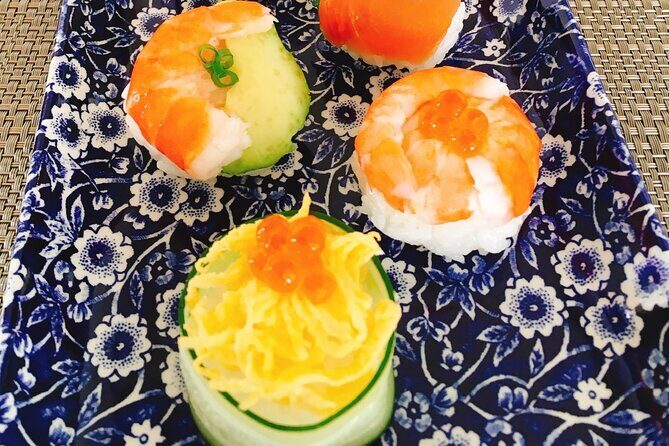
Some sessions focus on bento-style cooking and even sushi variants. That can be great for learning plating and timing, since bento isn’t just about taste—it’s also about building meals that still feel good later.
Bottom line: you’ll leave with techniques you can reuse, not just a single win.
The Private Kitchen Experience: Personalized Pacing and Real Questions
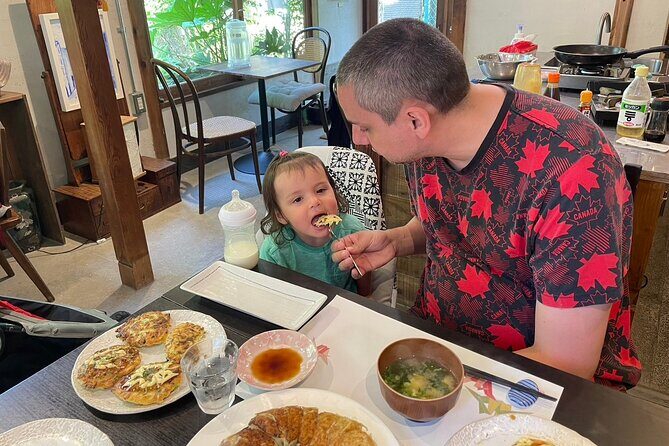
This is listed as a private tour/activity, meaning only your group participates. In practice, that changes the class atmosphere. You can ask follow-ups without feeling rushed, and the instructor can adjust attention based on how confident you are.
A few things this structure tends to produce:
- You can slow down for clarification on steps that matter (like cutting size, seasoning timing, or heat control).
- You can move faster when something clicks, rather than waiting for a larger group schedule.
- Even families and solo participants tend to get the focus needed to complete dishes confidently.
If you’re traveling with kids, this format also helps because the teacher can explain tasks and techniques in a way that keeps everyone engaged.
After Class: Walk Yanaka Ginza and Keep the Day Local
One of the smart advantages is location. The small house/workshop setting is described as being about 100 meters from Yanaka Ginza, so you can pair the class with a walk right after.
This is especially helpful because your cooking ends up making you hungry for the neighborhood itself. Yanaka Ginza and nearby Yanesen area are the kind of streets where you can grab a snack, browse small shops, or just get your bearings fast in a quieter part of Tokyo.
Plan for extra time after your meal so you don’t feel rushed. The best part of cooking classes is the afterglow: your brain is still in flavor mode, so everything you see nearby tastes more interesting.
Price and Value: Is $122.23 Worth It?
At $122.23 per person for about 2 hours, the price looks “not cheap” on paper. But the value comes from what you’re paying for: a private, English-friendly, hands-on lesson in a local-style kitchen.
Here’s where the cost starts making sense:
- You’re not paying for a restaurant meal where you watch and eat. You’re paying for instruction, ingredients, and guided technique.
- The ability to customize your menu (Main in Plan A or Appetizers in Plan B) lets you choose what you actually want to learn.
- Special dietary needs can be accommodated with notice, which adds real flexibility.
- The class is designed for practical results, and feedback repeatedly emphasizes that recipes are easy enough to replicate at home.
If you’re comparing against typical group classes, the private attention is the biggest difference maker. If you’re a serious food learner and you like being able to ask questions, this format pays you back.
Small Considerations Before You Book
This is a small operation in a neighborhood setting, so a few practical realities apply.
- Location confusion can happen. The meeting spot is identifiable, but the last steps can be unclear. If you have trouble, contact the team rather than trying to “Google harder” on your phone.
- It depends on good weather. The experience notes it requires good weather, and if it’s canceled due to poor weather, you’ll be offered another date or a full refund.
- Minimum participation can affect scheduling. If the minimum number of travelers isn’t met, you’ll be offered a different date/experience or a refund.
- Last-minute instructor issues are possible. One reported case described an instructor emergency illness leading to a closure and a refund request. Not common, but it’s a reminder to keep a little flexibility in your plan.
Who Should Book This Class?
This cooking experience is a great fit if you want:
- Private, English-friendly teaching in a Tokyo neighborhood kitchen
- A chance to learn techniques, not just finish dishes
- To cook comfort classics like miso soup, gyoza, udon, tempura, oyakodon, and miso-glazed eggplant based on menu availability
- A local day in Yanaka that continues beyond the meal you cook
It’s also ideal if you’re traveling with dietary needs like vegetarian or vegan, because requests are noted as possible with advance notice.
If you hate close-quartered cooking spaces, or you need a very rigid, pre-confirmed menu, you should double-check your dish choices early through the request form. The menu system is flexible, but that flexibility depends on planning.
Should You Book Private Home Cooking in Yanaka?
Yes, I’d book it if your goal is to learn Japanese cooking you can actually repeat at home. The private format, English instruction, and menu flexibility (Plan A or Plan B with special requests) make it feel built for real learning, not just a nice meal.
Do it especially if you want a calmer Tokyo experience in Yanaka/ Yanesen. You’ll come away with dishes like miso soup with homemade dashi, dumplings, noodles, and vegetable classics, plus the confidence to cook them without guesswork.
If you’re short on time or dread finding locations in small streets, plan extra minutes for arrival. Otherwise, this is the kind of Tokyo day that turns food into skills.
FAQ
How long is the cooking class in Yanaka?
The experience lasts about 2 hours.
Is this a private cooking class?
Yes. It’s private, and only your group participates.
Can I choose lunch or dinner?
Yes. You can choose between a lunch or dinner cooking class to fit your schedule.
How do menu choices work (Plan A and Plan B)?
Plan A has you choose 1 item from the Main category. Plan B has you choose 2 items from the Appetizer category.
Can the class handle allergies or vegetarian/vegan requests?
Yes. Allergies, vegetarian, and vegan requests are available if you tell the team when you make your reservation.
What’s the latest I can make menu requests or changes?
You can talk about menu requests and requests through the contact form until 2 days before the cooking day.
Where do we meet for the class?
You start at the Yanesen Tourist Information & Culture Center, located at 3-chōme-13-7 Yanaka, Taito City, Tokyo.
Is English available during the class?
Yes. The instructor can instruct in English.