REVIEW · NARA
Nara Early Bird Tour (Kyoto Departure Option Available)
Book on GetYourGuide →Operated by GuideMe Japan · Bookable on GetYourGuide
Beat the Nara crowds early. This early start tour is built to get you to Nara’s top sights before the afternoon crush, with a small-group feel (up to 12) and guides who bring the stories to life, like Genki and Futaba. You’ll also get quiet moments and classic Kyoto highlights on the morning circuit, including a pause at Fushimi-Inari Shrine, plus looks at Kinkakuji and Arashiyama.
I really like how the route hits Nara’s big three fast: Kofuku-ji, Todaiji, and Nara Park, and then ties it together with Kasuga Grand Shrine. The other standout is the guide quality; you’ll get clear English, lots of context, and practical directions, including what to watch for so you don’t just walk past the important details.
One consideration: this is a short, focused half-day, so if you prefer slow wandering or long temple time, the pace may feel a bit like a sprint. Also, it’s not set up for everyone—no baby strollers, and it’s not suitable for wheelchair users, recent surgeries, or people over 70.
In This Review
- Key highlights that make this tour work
- Why this Early Bird tour beats doing Nara on your own
- Getting started: Kyoto Station pickup and the train ride to Nara
- Kofuku-ji: a strong first temple hit before the noise
- Todaiji and the 800 Yen admission you should plan for
- Nara Park deer time: famous, fun, and best when you’re prepared
- Kasuga Grand Shrine: where the mood shifts
- The Kyoto touch: Fushimi-Inari, Kinkakuji, and Arashiyama highlights
- Pace, walking level, and why the small group matters
- Time windows: Kyoto Station option vs Kintetsu Nara option
- Price and value: is $88 a good deal?
- What kind of traveler should book this?
- Who could be the perfect guide for you?
- A quick practical checklist before you go
- Should you book the Nara Early Bird Tour from Kyoto?
- FAQ
- FAQ
- How long is the tour from Kyoto Station?
- Where do we meet in Kyoto?
- What does the price include?
- Is Todaiji admission included?
- Are food and drinks included?
- How many people are in the group?
- What should I bring?
- Are late guests allowed?
- What’s the cancellation window?
Key highlights that make this tour work
- Early arrival timing means better photos and fewer crowds at the most popular spots
- Small group size (up to 12) helps you keep up and ask questions
- Nara’s top temples in one morning: Kofuku-ji, Todaiji, Kasuga Grand Shrine, plus Nara Park
- Deer time that doesn’t feel chaotic, with chances to enjoy how they behave at a respectful distance
- Guide energy and storytelling, with examples like Genki, Hina, Kai, and Kotaro standing out in feedback
- A contemplative pause at Fushimi-Inari Shrine, plus classic Kyoto sights such as Kinkakuji and Arashiyama
Why this Early Bird tour beats doing Nara on your own
Nara’s charm is real, but afternoon crowds can turn temple grounds and park paths into a photo bottleneck. This tour is designed around that simple reality: start early, see the main sites while you still have breathing room, then finish before noon so you’re not stuck in the densest hours.
The payoff is practical, not just romantic. You’ll walk less “shoulder-to-shoulder,” you’ll have better angles for temple architecture, and you’ll spend your energy looking, not constantly sidestepping. Even in the best photo locations, crowd timing can make or break the experience, and the early schedule here is the whole point.
You can also read our reviews of more tours and experiences in Nara.
Getting started: Kyoto Station pickup and the train ride to Nara
Your morning begins at Kyoto Station Central Ticket Gate (northern side), the big gate on the ground floor where you can spot Kyoto Tower outside, next to Hotel Granvia. If you want an easy start, aim to be there 10 minutes early—late arrivals aren’t accepted, and there’s no refund because the tour includes other groups.
From Kyoto to Nara, you’ll use the public train, and the trip takes about one hour with the Kyoto Station departure option. That’s a nice way to travel: no private-van delays, and it gets you into the rhythm of the morning like locals do.
Kofuku-ji: a strong first temple hit before the noise
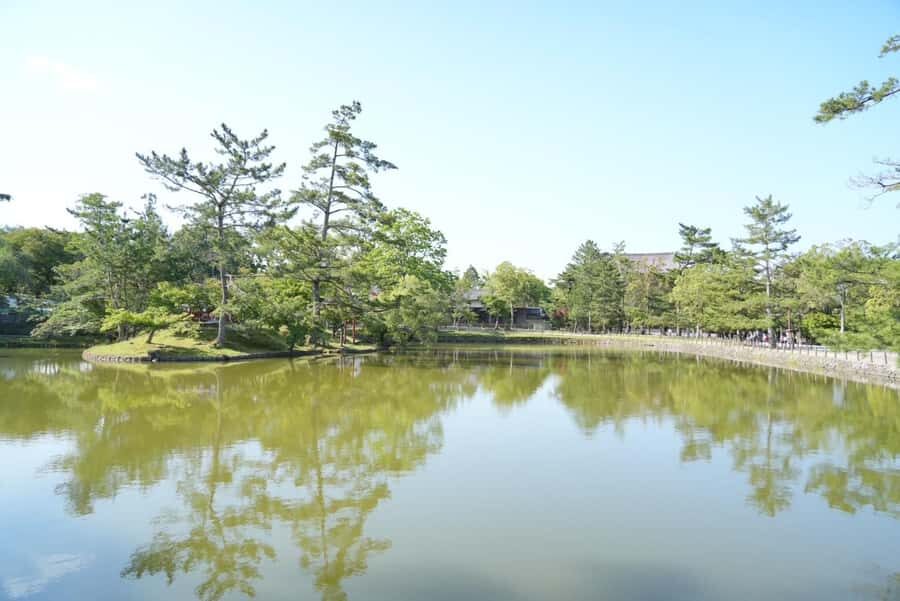
The tour covers Kofuku-ji Temple early, along with the rest of Nara’s key sites. Kofuku-ji is one of those places where you get a fast “sense of scale” when you walk in—massive temple grounds, standout structures, and a calm seriousness even before you start reading labels.
What I like about hitting it early is that you get your bearings. When the crowds arrive later, the paths narrow and people tend to stop in groups. Starting first means you can actually move at your pace, then stop when you want for photos and quiet minutes.
A good guide matters here. Strong guides help you notice details you’d otherwise miss—things like how different areas of a temple complex feel, and how the layout connects to the stories you’re hearing.
Todaiji and the 800 Yen admission you should plan for
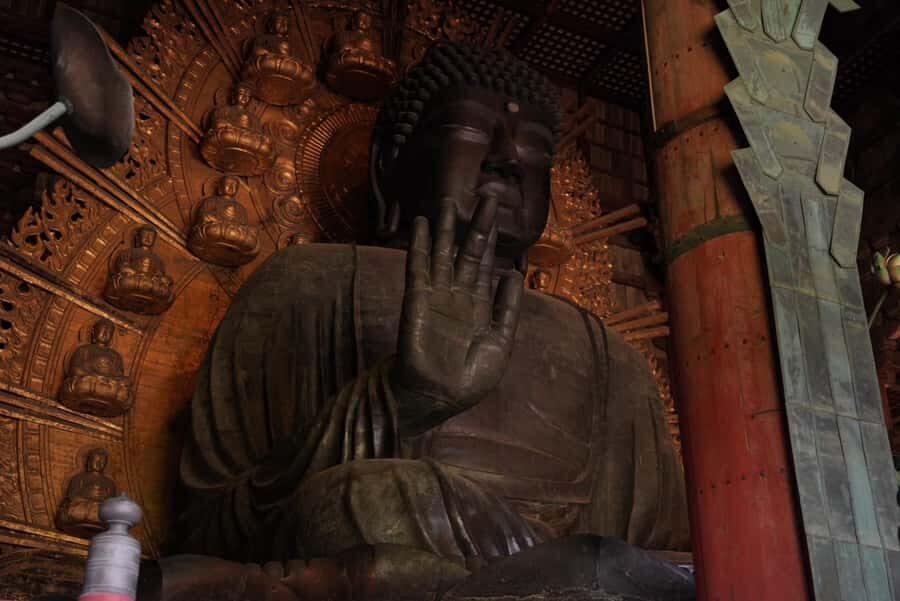
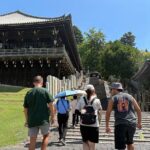
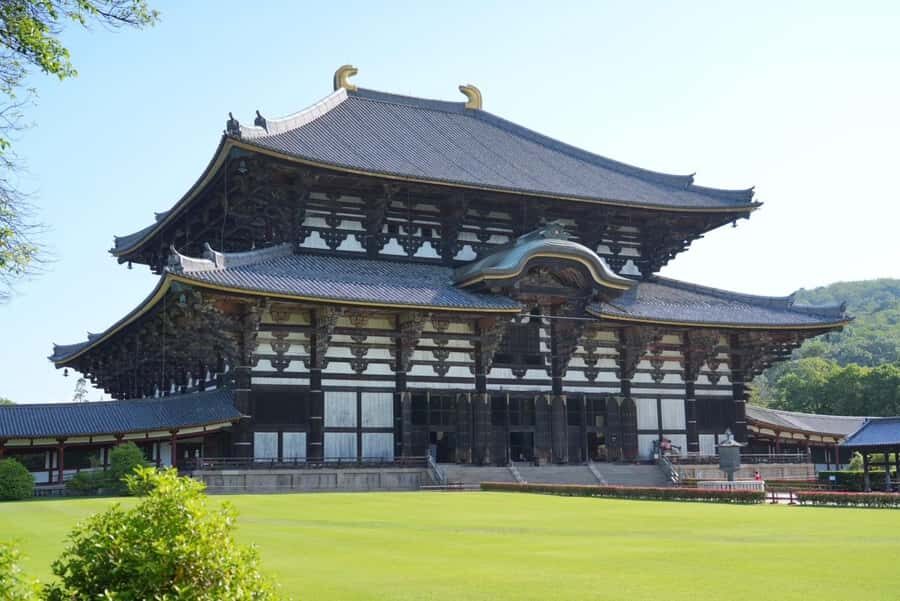
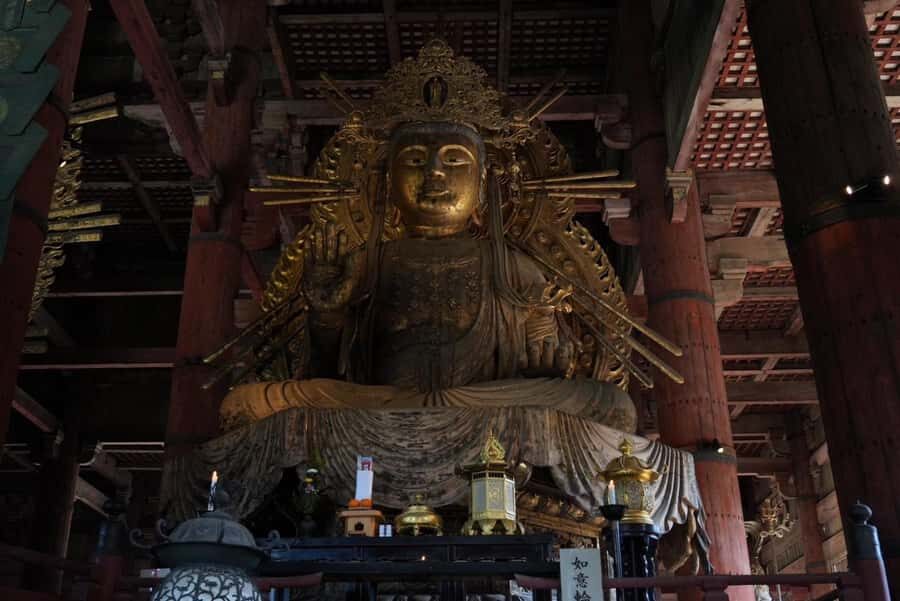
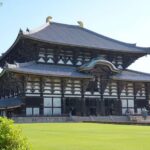
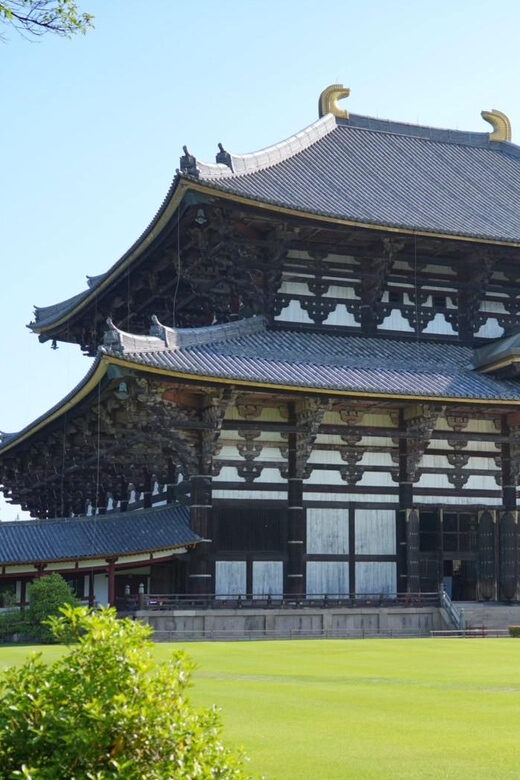
Todaiji Temple is the big one. This tour includes it, but the Todaiji admission fee (800 Yen) is not included, so budget for it. If you’re the type who likes to go inside major sites, arriving early also helps because ticket lines and interior crowd flow can get more annoying later.
Here’s what you’ll likely feel when you’re there: awe mixed with fatigue, because Todaiji is impressive but you’ll be walking. Wear comfortable shoes and expect a bit of a “temple circuit” morning. The upside of doing it early is you can actually enjoy the interior instead of rushing through it.
Also, since food and drinks aren’t included, you’ll want to keep water handy. Early tours can make you forget basics like hydration—then you hit the park section and suddenly you’re tired.
Nara Park deer time: famous, fun, and best when you’re prepared
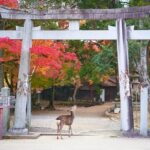
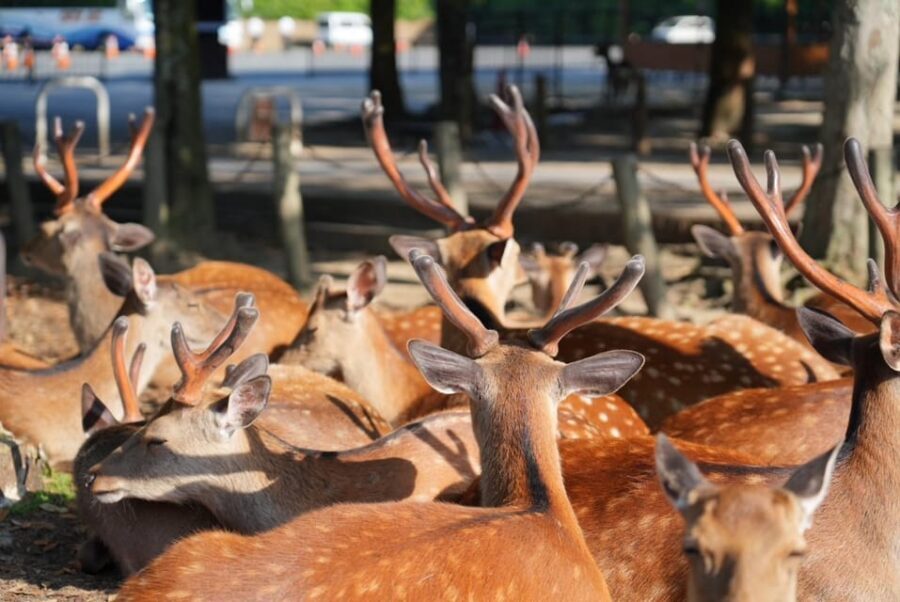
Nara Park is the reason many people come, and this tour gives you time there. The main trick is knowing how to enjoy the deer without turning it into a stressful feeding frenzy.
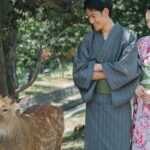
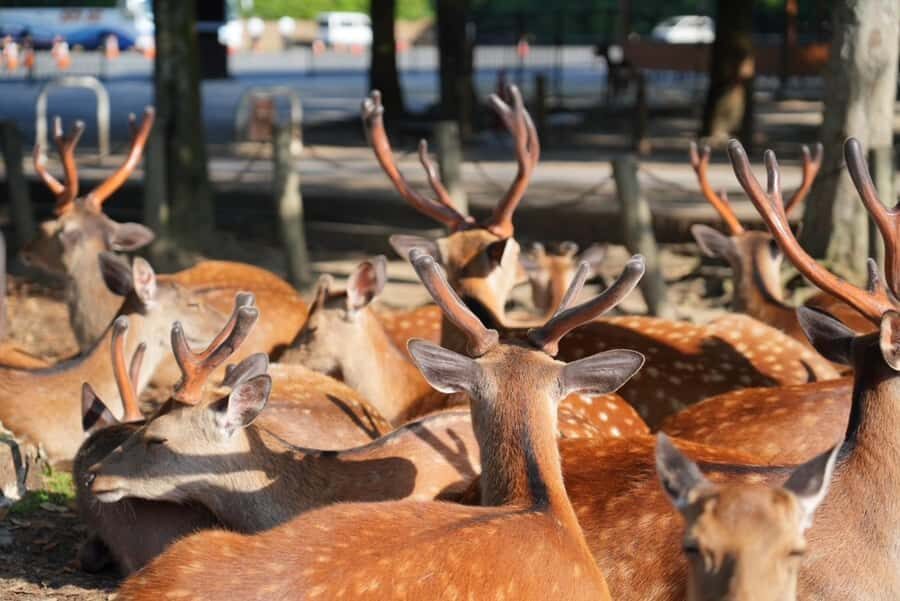
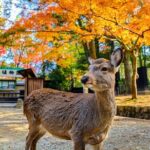
The tour’s early start is your friend. When you arrive before the busiest afternoon, you often get moments where deer move through the scenery in a more natural way—close enough to be special, but not so packed that it feels chaotic. You also have better room to stand back and watch, instead of constantly being pushed along by the crowd current.
One useful tip from the overall vibe of the experience: if crackers are part of your plan, buy them and treat it as an observation moment. Watch how the deer approach, how gently they take the food, and keep things respectful. That’s where the deer encounter becomes memorable instead of just loud.

Kasuga Grand Shrine: where the mood shifts
After the big temple energy, Kasuga Grand Shrine gives you a different feel—more shrine-like stillness, and a setting that encourages slower looking. If you want a moment to absorb what you’ve seen, this is a good place for it.
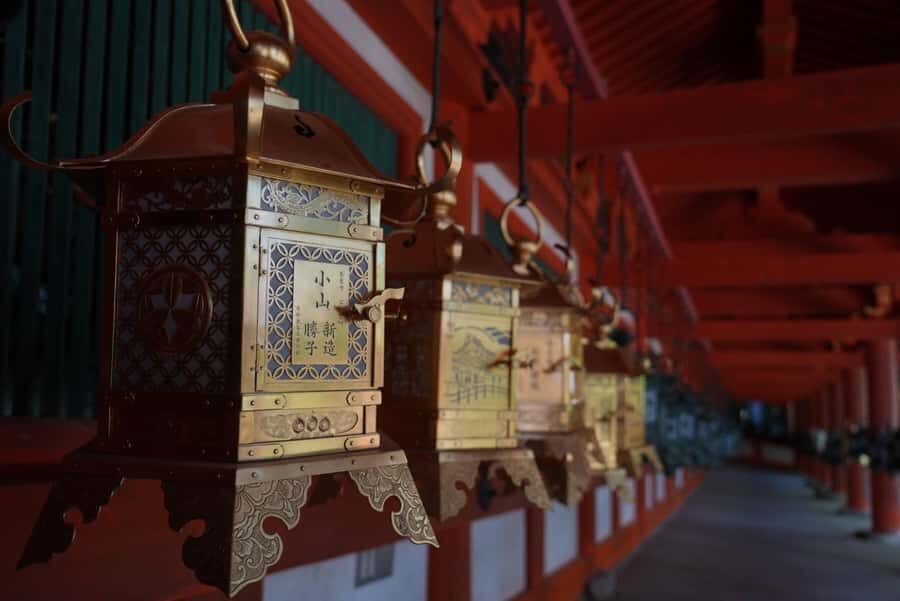
This part matters because it changes the rhythm. Instead of just chasing the next landmark, you start to notice textures: stone paths, lanterns, the way visitors move through the space, and the quieter corners where your thoughts can catch up.
A strong guide helps you connect it to what you saw earlier. You’ll get the “why it matters” context—often the difference between seeing a shrine and understanding what it represents.
The Kyoto touch: Fushimi-Inari, Kinkakuji, and Arashiyama highlights
Even though the core is Nara, the highlights include moments that are unmistakably Kyoto: Fushimi-Inari Shrine for contemplation, plus sightseeing associated with Kinkakuji and Arashiyama.
That blend can be a real value, especially if you’re staying in Kyoto and want a morning that doesn’t feel like a one-theme day. Fushimi-Inari is the perfect “pause.” It’s the kind of place where the crowd can swallow your senses if you hit it late, so having a contemplative moment built into the schedule is a smart use of time.
As for Kinkakuji and Arashiyama, think of these as major visual wins. You’re not trying to turn it into a full guided day in Kyoto all over again. You’re getting the classic looks so you can appreciate them later if you decide to go back on your own.
Pace, walking level, and why the small group matters
This is a walking-based tour designed for efficiency. The group is up to 12 people, which is small enough that you can usually keep track of where you’re supposed to be next, and close enough for the guide to manage the flow.
The trade-off is you won’t have endless free time at each stop. That’s why the early timing matters: you’ll trade “extra hours” for “better conditions.” In real life, the afternoon in Nara can feel like a slow-moving test of patience. This tour spends your morning before that happens.
Comfort notes:
- Bring comfortable shoes. You’ll be on foot through multiple sites.
- This tour is not suitable for wheelchair users.
- Baby strollers are not allowed.
- It’s also listed as not suitable for people with recent surgeries and people over 70.
If any of those apply, skip it and look for a more flexible option.
Time windows: Kyoto Station option vs Kintetsu Nara option
Tour length depends on where you start:
- 4-hour duration for the Kyoto Station Departure Option
- 3-hour duration for the Kintetsu Nara Station Meet-up
Either way, the big idea is the same: you finish early. That matters because you can keep your day open for a second leg—exploring more of Nara at your own pace, or making it a day trip to Osaka or back into Kyoto.
Price and value: is $88 a good deal?
The price is $88 per person, and that’s not just a ticket price—it’s built around convenience. You’re getting:
- An English-speaking guide
- Transportation fee from Kyoto to Nara (for the Kyoto Station option)
What’s not included:
- Todaiji admission (800 Yen)
- Food and drinks
- Transportation back to Kyoto Station is listed as not included for people doing a one-day trip to Nara
So is it worth it? For me, the best justification is timing. If you can save yourself the worst crowd hours and still see the core Nara sites in one morning, you’re buying back your sanity and your photo time. At $88, the guide + transport value usually makes sense if you’re not already planning to coordinate temple timing on your own.
What kind of traveler should book this?
This tour is a strong fit if you want:
- A morning-focused Nara experience that ends before noon
- To see major sites without building a full itinerary yourself
- A guide who keeps things organized and helps you understand what you’re looking at
It’s also a great pick for families who can handle walking. In the feedback, guides like Kota were praised for entertaining kids and keeping the tour engaging, not just lecturing.
On the flip side, it’s less ideal if you:
- Need step-free access (wheelchair use isn’t supported)
- Want a slow, open-ended temple day
- Don’t like early mornings or quick transitions between stops
Who could be the perfect guide for you?
One of the most consistent themes is that the guides bring energy and structure. You’ll see name after name connected with great experiences, including Genki, Hina, Futaba, Natsuho, Daizen, Shin, Kai, Kotaro, and Soichiro T.
What that usually means for you: the history and culture you hear won’t feel like a random list. Guides here seem to work as translators of place—turning temple layouts, shrine details, and deer behavior into something you can actually picture.
That doesn’t mean every guide will match your exact style. But the overall standard is high, and the small-group size makes it easier for you to connect with the guide’s explanations.
A quick practical checklist before you go
Here’s what helps the morning feel smooth:
- Wear comfortable shoes (you’ll be walking between multiple sites)
- Plan for Todaiji admission fee (800 Yen)
- Bring water since food and drinks aren’t included
- Don’t be late to pickup; arrive at the meeting spot 10 minutes early
- If you’re sensitive to crowds, this is the tour type to choose, because it’s built around crowd avoidance
Should you book the Nara Early Bird Tour from Kyoto?
If your goal is to see Nara’s top sights without getting trapped in afternoon chaos, I’d book this. The biggest strength is simple: early timing plus an efficient route that covers the essential stops—Kofuku-ji, Todaiji, Nara Park, and Kasuga Grand Shrine—with a guide who helps you make sense of what you’re seeing.
Don’t book it if you need a slow, flexible schedule or have mobility limits that don’t fit the listed restrictions. And if you want unlimited temple time, remember this is a half-day plan, not an all-day Nara retreat.
FAQ
FAQ
How long is the tour from Kyoto Station?
The Kyoto Station Departure Option has a 4-hour duration. The Kintetsu Nara Station Meet-up option is 3 hours.
Where do we meet in Kyoto?
You meet at Kyoto Station Central Ticket Gate, the northern side of the station (the big gate on the ground floor) near Kyoto Tower outside and next to Hotel Granvia.
What does the price include?
The tour price includes an English-speaking guide and the transportation fee from Kyoto to Nara for the Kyoto Station option.
Is Todaiji admission included?
No. Todaiji Temple admission is 800 Yen and is not included.
Are food and drinks included?
No. Food and drinks are not included, so you’ll want to plan accordingly.
How many people are in the group?
The tour has up to 12 people.
What should I bring?
Bring comfortable shoes.
Are late guests allowed?
No. You must be at the meeting spot 10 minutes early. Since there are other groups, the tour cannot accept late guests and there is no refund for lateness.
What’s the cancellation window?
You can cancel up to 24 hours in advance for a full refund.