REVIEW · NARA
Nara Half Day Trip Walking Tour (Private Option Available)
Book on Viator →Operated by MagicalTrip Inc. · Bookable on Viator
Nara feels like a movie set. In just 5 hours you get Todaiji and Kasuga Taisha plus lunch and smart context for what you’re seeing.
What I like most is the way the tour makes the town’s sacred sites feel connected, not like a checklist.
I also love that your food and key entries are handled—lunch is included and admission tickets come along with the stops. That means you spend less time figuring things out and more time watching deer do their bowing routine.
One thing to consider: this is a walking tour with only short breaks, and the park can be busy (and hot in summer). Bring water and plan for a lot of feet in a short window.
In This Review
- Key highlights that made this tour worth it
- Your best way to see Nara in one compact, well-paced walk
- Starting at Gyoki-bosatsu: where the day begins
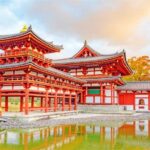
- Kofuku-ji’s five-story pagoda: the quick stop that sets the tone
- Todaiji Temple’s Great Buddha: the moment that changes the scale
- Lunch at 107 Zōshichō: a break that doesn’t feel touristy
- Kasuga Grand Shrine and the primeval forest vibe
- Nara Park deer time: the fun part, handled responsibly
- Naramachi old-town lanes and Nigiwai no Ie
- What you actually get for $105.45 (and why it can be good value)
- Guides and English support: what to look for on the day
- Weather, clothing, and how to avoid a miserable half-day
- Who this tour fits best
- Should you book this Nara half-day walking tour?
- FAQ
- How long is the Nara half-day walking tour?
- What does the tour include?
- What are the main stops on the route?
- Is this a small group tour?
- Can I bring cash for snacks or drinks?
- Do they accommodate gluten-free or allergy needs?
- What should I wear or bring for the weather?
- Where do we meet, and where does the tour end?
- What is the cancellation policy?
Key highlights that made this tour worth it
- Small group size (max 8) keeps the day from feeling rushed or chaotic
- UNESCO Todaiji + Kasuga Taisha covers the biggest spiritual heavy hitters in Nara
- Lunch included at a traditional spot in an old town area
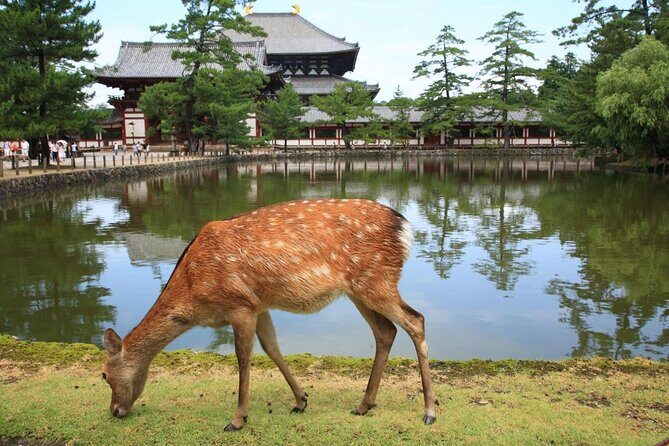
- Deer etiquette taught so you can feed and photograph respectfully
- Local guide attention to detail, including crowd-smart movement and clear English
- Mobile ticket makes the start smoother than hauling paperwork
Your best way to see Nara in one compact, well-paced walk
Nara is one of those places where you can burn a full day and still feel like you only scratched the surface. This half-day format is built for getting your bearings fast without turning temple time into a blur. The route is designed to hit major icons and still leave room for the deer and the street vibe.
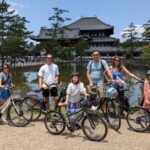
You’ll be with a small group—up to 8 travelers—and there’s also a private option if you want a quieter pace or you’re traveling with family. The tour includes a mobile ticket, and it runs for about 5 hours with brief stops built into the flow.
What makes this work especially well is that the guiding isn’t just facts. You get practical context for how Nara’s religious spaces fit together, and you learn what to look for as you walk in and out of gates, halls, and shrine grounds.
You can also read our reviews of more walking tours in Nara
Starting at Gyoki-bosatsu: where the day begins
Your meeting point is easy to find and central: Statue of Gyoki-bosatsu at 27 Higashimuki Nakamachi, Nara. Starting here also helps you naturally transition into the temple-town feel of Naramachi later.
The tour ends back at the same meeting point, so you’re not stuck planning a second transport puzzle. That matters when you only have half a day and you’d rather keep your energy for temples, shrines, and deer photos.
Kofuku-ji’s five-story pagoda: the quick stop that sets the tone
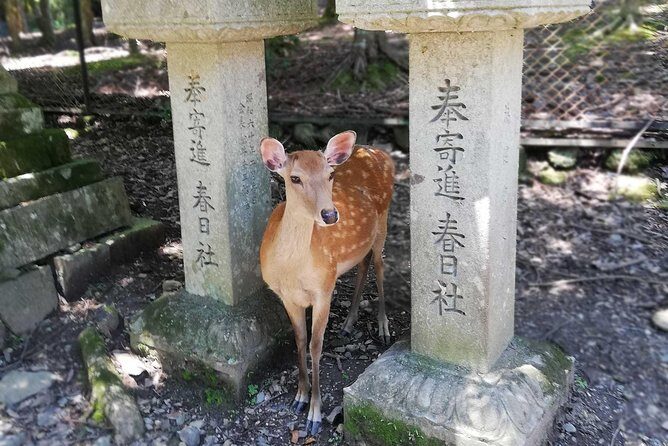
The first temple stop is Kofuku-ji, famous for its five-story pagoda. This is the kind of structure you notice instantly—ornate, historic, and built in the era associated with the Fujiwara clan.
The stop is short (about 15 minutes), which is exactly what you want at the start of a busy day. You get the iconic view without wasting time, then you move on while your energy is still fresh.
If you’re sensitive to crowds, this is a good early point. You can grab a few photos and orient yourself before the day’s biggest crowds hit at the more famous major sites.
Todaiji Temple’s Great Buddha: the moment that changes the scale
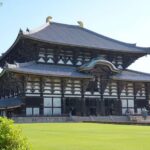
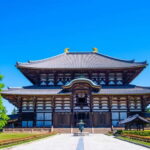
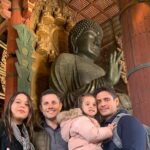
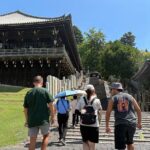
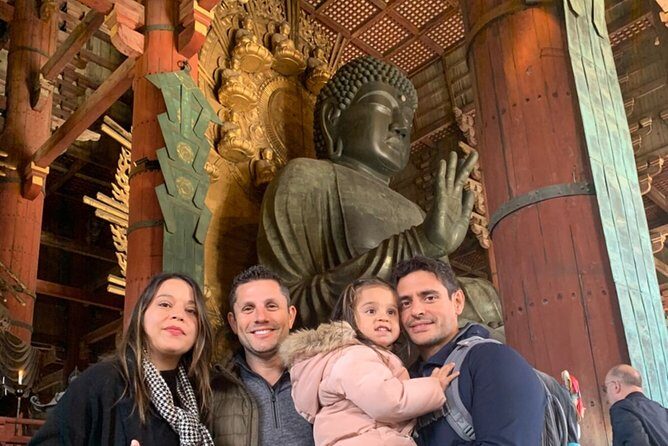
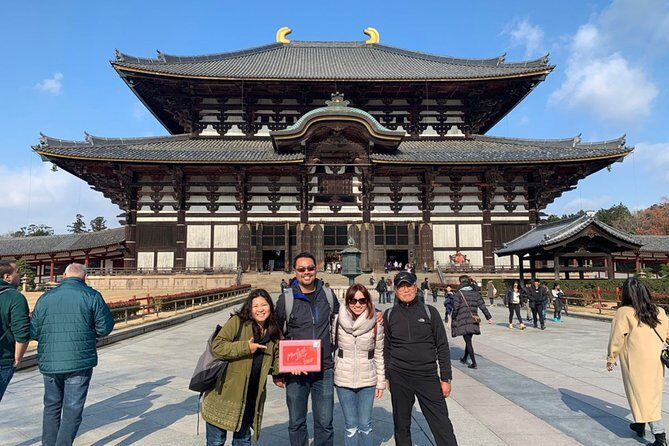
Next comes Todaiji Temple, including Nandaimon and the Main Hall. Even if you’ve seen giant Buddha statues elsewhere, this one has a special weight—partly because the approach funnels you through gate and guardian statues before you reach the main space.
You’ll pass Kongorikishi (the imposing guardian statues) on the way in. That small detail matters because it’s part of how Japanese temple architecture guides your attention, like the building is telling you to slow down.
This stop runs about 30 minutes. For many people, it’s the emotional center of the day: you’re not just looking at art or architecture, you’re walking into a place designed to make you feel small in a good way.
Practical tip: if the Main Hall area feels crowded, keep your pace steady. A guide-led group move helps you avoid standing still at bottlenecks.
Lunch at 107 Zōshichō: a break that doesn’t feel touristy
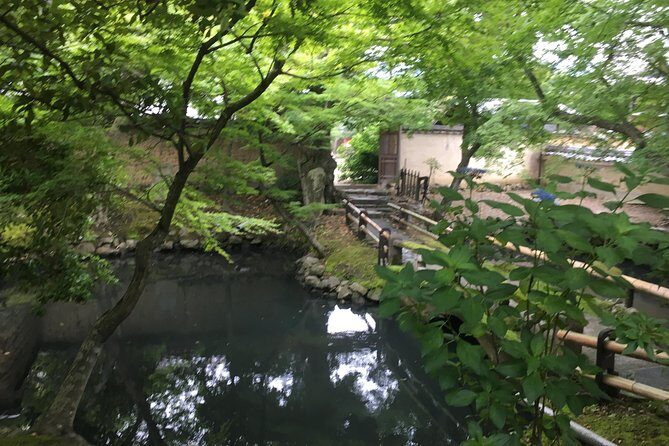
Between the major sacred stops, you get lunch at a restaurant in 107 Zōshichō, described as a traditional Japanese meal in an old-town setting. The lunch block runs around 45 minutes, which is long enough to eat without feeling like you’re racing the clock.
I like that the tour treats lunch as part of the experience, not a forced detour. Several guides are praised for choosing a spot that feels local and filling, and you’re not left hunting for food while everyone else is already moving.
Diet note: the tour’s policy says they can’t accommodate gluten-free requests. They also say they can’t guarantee allergy-free meals, since the food is prepared in kitchens not belonging to the tour operator. Still, some guests reported being able to get vegetarian options, and at least one vegan guest described getting a vegan teishoku. If you have food needs beyond basics, email or request in advance and be ready to be flexible.
You can also read our reviews of more private tours in Nara
Kasuga Grand Shrine and the primeval forest vibe
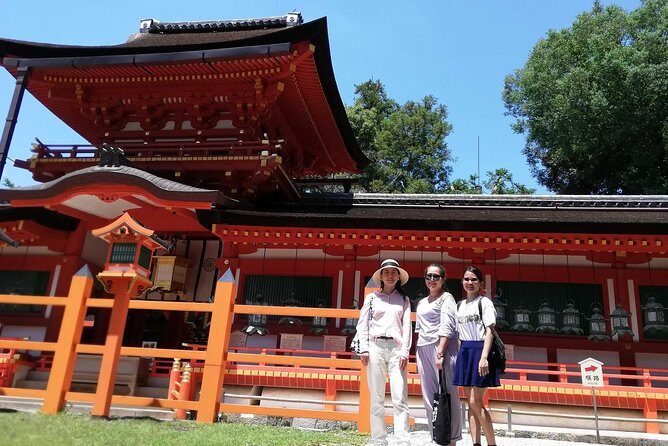
After lunch, you head to Kasuga Grand Shrine, with access that includes Kasugayama Primeval Forest and the shrine grounds. Kasuga is known for its quieter spiritual mood compared to the bigger temple complexes, and it feels different in your body—more shade, more walking paths, more time for noticing details.
This stop is about 30 minutes with entry included. The primeval forest element is a big deal because it changes the experience from “temple sightseeing” into “walk through a living sacred space.”
One practical upside: this is a good point in the day to take a slower breath. If the morning felt like big monuments, Kasuga brings you back to smaller, more human-scale moments—lanterns, shrine spaces, and the rhythm of shrine customs.
Nara Park deer time: the fun part, handled responsibly
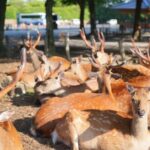
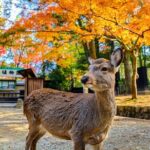
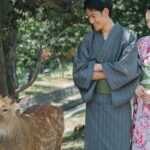
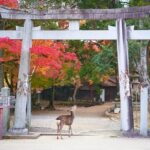
Then you reach the heart of the Nara “wow” factor—Nara Park. Your time here is about 30 minutes, and you’ll get guidance on how to interact with the deer.
The deer are the star, but the guidance is the difference between a fun photo and an annoying crowd scene. In the feedback, guides are repeatedly praised for teaching respectful behavior: how not to push or crowd, how to handle treats, and even how the deer may bow before taking food.
A few specific moments that came up in guest experiences:
- Deer can be more pushy in the morning, so expect it and don’t panic.
- Some guides route the group toward quieter areas where deer seem calmer and younger.
- One family even described seeing a baby fawn near the forest area.
If you’re going with kids, this is often where the day turns into pure joy. Just remember: the deer aren’t pets. Keep your hands controlled, listen to the guide’s instructions, and you’ll get the best balance of cuteness and respect.
Naramachi old-town lanes and Nigiwai no Ie
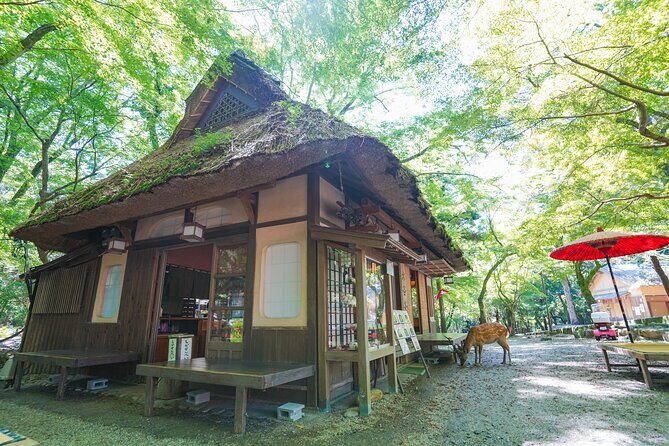
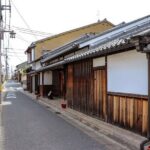
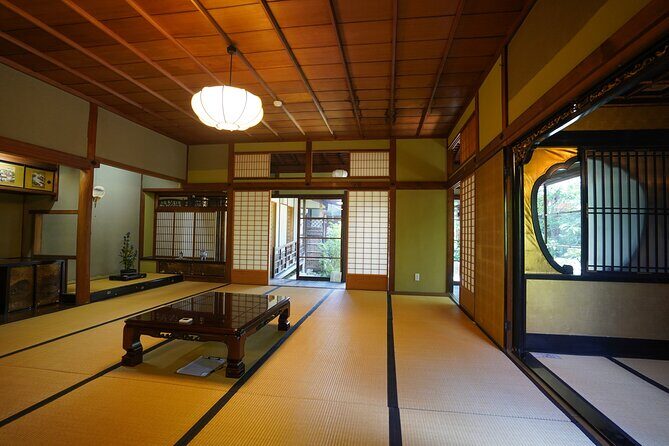
Last, you walk into Naramachi, the older merchant district atmosphere that feels worlds apart from modern Tokyo. Here, you’ll check out Naramachi Nigiwai no Ie, a place that highlights historic townscape life and the kind of architecture that made this area special.
This part is about 35 minutes. It’s also where the day feels most like strolling—less monument pressure, more people-watching, and more chances to pick up small souvenirs that feel like they belong in a real neighborhood.
I like this ending because it gives you a visual contrast. You started with temple scale, moved through shrine calm, and now you finish with old streets and everyday life—so Nara feels complete rather than “just religious sites.”
What you actually get for $105.45 (and why it can be good value)
At $105.45 per person for about 5 hours, the value hinges on two things: included entry and included lunch. The tour description also notes admission tickets tied to key sites, and the walking loop hits major anchors like Todaiji and Kasuga without you having to coordinate tickets and timing on your own.
Add in a small group setting and the fact that a guide handles the flow, and the price starts to make sense for first-time visitors. You’re paying for time savings plus interpretation—especially helpful at Todaiji, where the architecture and symbolism can be hard to untangle alone.
If you’re the type who loves planning routes and hunting ticket counters, you might spend less on a DIY day. But if you want your energy spent on experiencing Nara instead of organizing Nara, this format earns its keep.
Guides and English support: what to look for on the day
One of the most praised parts of this experience is the guide style. Names that came up often include Shin, Yuki, Jimmy, Miyabi, Nao, and Eri-san. Across those accounts, the consistent pattern is clear: guests appreciated English explanations, calm pacing, and practical instruction for deer behavior.
You’ll also notice a common theme—guides help with more than facts. They explain how people should behave around deer and how shrine customs work, and they keep the group moving even when sites get crowded. That’s not just comfort; it’s the difference between standing in lines feeling lost and moving through with purpose.
If you can, ask your guide early about where to stand for photos or how to handle the deer safely. The best tours feel like a conversation, not a lecture.
Weather, clothing, and how to avoid a miserable half-day
The tour says it requires good weather. Japan’s climate also swings hard, and the operator recommends being ready for both heat and winter cold. For summer conditions, they specifically warn that it can get extremely hot and humid (even up to 40°C / 110°F), so bring water and wear a hat.
For winter, the guidance notes lows around -5°C / 20°F. That’s a reminder that comfortable walking shoes matter all year, not just in summer.
Heat and dehydration quietly wreck temple visits. If you think you can tough it out, you’ll probably regret it. I’d rather you feel slightly over-prepared than under-ready.
Who this tour fits best
This is a strong fit for:
- First-time Nara visitors who want the big icons plus the deer without juggling schedules
- Families, since the route includes breaks and the deer experience is often a kid favorite
- People who want guided meaning, not just photos
It may be less ideal if you want a slow, unstructured day with lots of independent wandering. The stops are intentionally tight, with specific time blocks, so you won’t have the freedom to linger for hours at one site.
Also note the tour says most travelers can participate, with short breaks during the walk. If anyone in your group has health concerns, tell the operator in advance so the guide can plan around it.
Should you book this Nara half-day walking tour?
I think you should book if you want Todaiji + Kasuga + Nara Park in one efficient day and you’d like the deer handled with respect and guidance. The included lunch and the group size (max 8) make it feel like you’re buying less hassle, not just paying for a guide.
Skip it (or at least consider a different option) if you need strict dietary accommodations like gluten-free, or if you want a slower, more flexible schedule. The tour openly notes they can’t guarantee allergy-free meals, so if food restrictions are complex, you’ll need to plan ahead carefully.
If you’re a first timer, this is one of the easiest ways to get your bearings and feel like you truly understood Nara by the end of the day.
FAQ
How long is the Nara half-day walking tour?
It runs for about 5 hours (approx.).
What does the tour include?
You get a guided walk with admission tickets for the featured sites and lunch during the tour.
What are the main stops on the route?
The tour includes Kofuku-ji (five-story pagoda), Todaiji Temple (Main Hall and Nandaimon), lunch at 107 Zōshichō, Kasuga Grand Shrine (including Kasugayama Primeval Forest), Nara Park, and Naramachi (including Nigiwai no Ie).
Is this a small group tour?
Yes. The group size has a maximum of 8 travelers, and there’s also a private option available.
Can I bring cash for snacks or drinks?
Yes. The tour notes you don’t need to cover the guide’s food and drinks, and it’s suggested to bring cash if you want to buy extra snacks or drinks.
Do they accommodate gluten-free or allergy needs?
They state they are unable to accommodate gluten-free requests. They also say they can’t guarantee allergy-free meals or cater to dietary restrictions, since food is prepared in kitchens that do not belong to the operator.
What should I wear or bring for the weather?
Bring water and wear a hat for summer heat. The tour also notes that Japan’s temperatures can be extreme, so dress for hot or cold conditions. The experience requires good weather.
Where do we meet, and where does the tour end?
You meet at the Statue of Gyoki-bosatsu on Higashimuki Nakamachi, Nara, and the tour ends back at the meeting point.
What is the cancellation policy?
You can cancel for a full refund up to 24 hours before the start time. If you cancel less than 24 hours before, the amount paid is not refunded.