REVIEW · NARA
Osaka: Nara and Uji Day Trip with Deer Park and Hot Spring
Book on GetYourGuide →Operated by Tour Easy · Bookable on GetYourGuide
Feeding Nara deer is oddly fun. This Osaka day trip strings together Nara Park deer crackers, Todai-ji and Kasuga Taisha, then cools you off with Uji matcha stops and a real hot spring at Genji no Yu. I love how the day builds from playful (deer) to impressive (Great Buddha and lanterns), and I especially love the calm finish in the Genji no Yu hot spring. The one catch: if you have tattoos, onsen entry may be restricted, so you should read the onsen rules before you count on that soak.
I also like that you don’t have to piece together trains and timing on your own. You’re on a scheduled route from the Namba Shinsaibashi area, with a guide explaining what you’re looking at in multiple languages, plus enough free time to actually enjoy each stop instead of sprinting between photo ops.
The possible downside for some people is simple: it’s a packed 10-hour loop, so you’ll have to choose what matters most when it’s time to move on. If you want slow travel and long temple wandering, this tour might feel a little time-tight.
In This Review
- Key highlights to know before you go
- A 10-Hour Nara and Uji Plan That Fits an Osaka Stay
- From Namba to Nara Park: Deer Crackers and Wakakusa-Mountain Vibes
- Todai-ji and Kasuga Taisha: Big Buddha and Lantern City
- Uji on Matcha Time: Sweets, Soba, and Genji-Era Culture
- Byodo-in Temple Grounds (and the Tale of Genji Museum Option)
- Genji no Yu Hot Spring: How the Onsen Wraps Up the Day
- Price, Value, and What You Still Pay in Person
- Guides, Group Dynamics, and How the Day Actually Feels
- Who This Tour Suits (and Who Might Prefer Something Else)
- Should You Book This Nara and Uji Day Trip?
- FAQ
- What time does the tour start, and where do I meet?
- How long is the day trip?
- Is round-trip transportation included from Osaka?
- Are meals included?
- Are admission fees for temples and the onsen included?
- What should I wear for this tour?
- Can I enter the hot spring if I have tattoos?
- What are the onsen clothing rules?
- What happens if the group has fewer than 13 participants?
Key highlights to know before you go
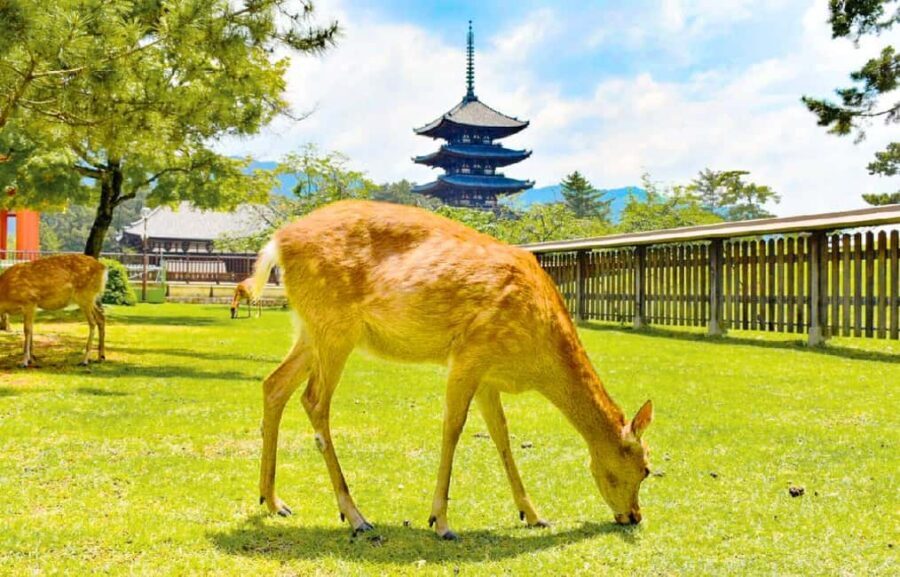
- Deer crackers at Nara Park: get a complimentary packet and learn how to handle the eager deer calmly
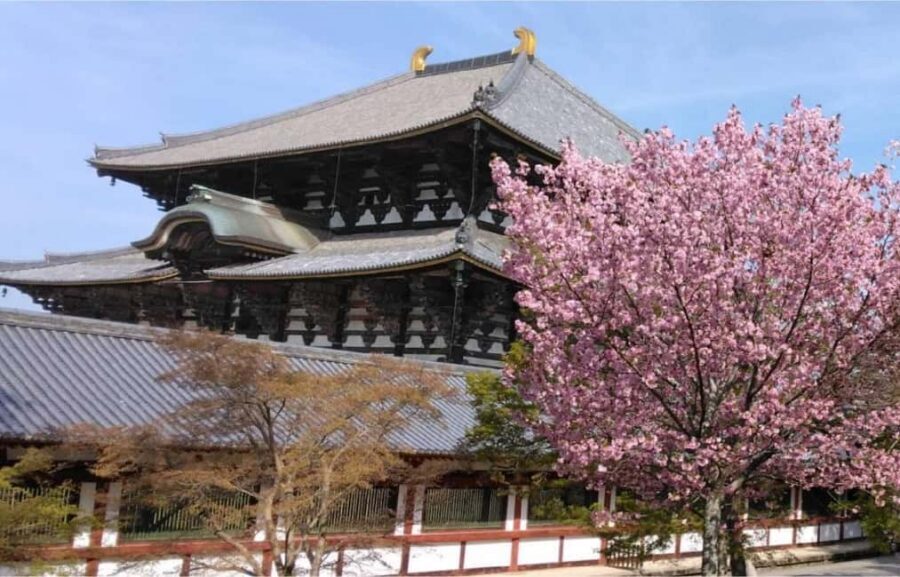
- Todai-ji’s Great Buddha: one of Japan’s most famous temple interiors, with a big dose of awe built in
- Kasuga Taisha lantern landscape: thousands of bronze and stone lanterns make this stop feel like you stepped into a shrine world
- Uji matcha street time: you’ll pass the shops where matcha ice cream, cakes, and even matcha-colored soba show up
- Byodo-in Temple pond-garden architecture: classic Heian-era design style, centered on the temple’s iconic setting
- Genji no Yu natural hot spring: the day ends with three indoor baths plus an outdoor bath, using water drawn from 1,111 meters underground
A 10-Hour Nara and Uji Plan That Fits an Osaka Stay
This is a day trip built for first-timers who want variety without logistics stress. You start from the Namba Shinsaibashi area (Harimaya Bld), ride to Nara, tour two major temple clusters, then head to Uji for matcha culture and a hot spring finish.
The route is practical: about 70 minutes by coach to Nara, around 10 hours total including travel, and then roughly 80 minutes back toward Osaka. In a single day, you get both “Japan wow” landmarks and a decompression period at the end, which is exactly what most people need after a long day of walking.
One note on pace: the tour is structured, but not frantic. Still, you’re moving through multiple sites, so wear shoes you can walk in for hours and expect some crowd flow, especially at the deer area and the biggest temple spaces.
You can also read our reviews of more tours and experiences in Nara.
From Namba to Nara Park: Deer Crackers and Wakakusa-Mountain Vibes
You meet at Harimaya Bld in the Namba Shinsaibashi area at 8:40am. Plan to arrive 15 minutes early, because the meeting point instructions are strict, and the guide will be holding a yellow flag. The coach ride is part of the experience too: it’s air-conditioned, and you’re not dealing with train transfers or station navigation when you’re tired.
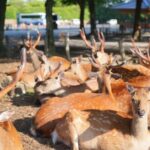
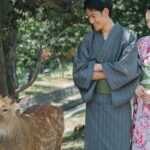
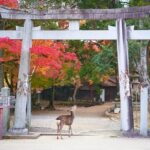
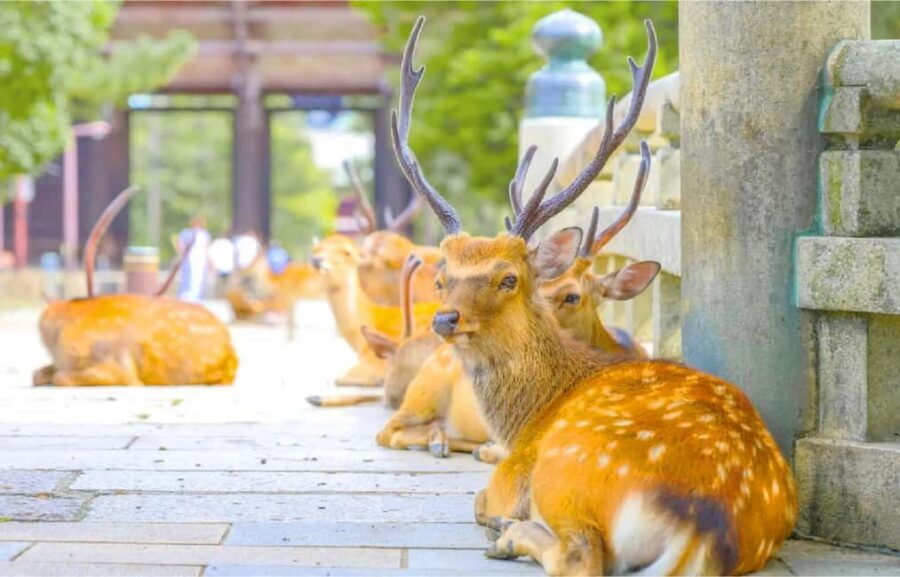
Once you reach Nara Park, the star moment is the deer feeding. You receive complimentary deer crackers, and you’ll use them right in the maple-forest area at the base of Wakakusa Mountain. The deer here are used to people, and the key is staying calm and controlled. If a deer sees crackers in your hand, it may come close—so keep your group together and don’t wave snacks around like confetti.
I like that the tour doesn’t pretend this is a zoo gimmick. It treats the deer like a real part of the park experience, with reminders to be mindful of excited deer and crowds. That small bit of guidance matters because it helps you enjoy the moment instead of getting jostled or startled.
Also, the parking lot being farther than you might expect is worth remembering. You’ll do more walking than you think, so comfortable shoes aren’t optional on a day like this.
Todai-ji and Kasuga Taisha: Big Buddha and Lantern City
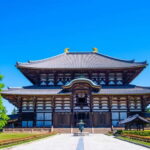
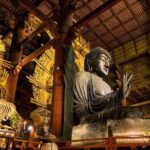
Nara Park feeds you the fun first, then the tour pivots into temple gravity. Todai-ji Temple is the next major stop, and the highlight is the Great Buddha of Nara. Even if you don’t love religious sites, the scale and history of Todai-ji are hard to ignore, and having a guide to point out what matters saves you from wandering aimlessly.
In other words: you don’t just look at a huge Buddha. You learn how the space works, what you’re seeing, and why this temple is a core landmark for Nara.
Then comes Kasuga Taisha Shrine, famous for its thousands of bronze and stone lanterns. It’s the kind of sight that’s hard to describe because it isn’t only one thing—it’s the repetition, the depth, and the way the lanterns change the mood as you move through the shrine grounds.
If you’re the type who likes photos, you’ll understand why Kasuga Taisha is always camera-ready. If you’re more into atmosphere than pictures, you’ll still enjoy this one because the lanterns create a steady visual rhythm without needing much explanation.
A practical consideration: you’ll be walking in shrine and temple areas with crowds. So if you’re sensitive to congestion, aim for patience at peak times and keep moving when the group transitions.
Uji on Matcha Time: Sweets, Soba, and Genji-Era Culture
After Nara, you’ll head to Uji, usually with about 1.5 hours on the ground. This is where the day becomes more “wander and snack” without losing the cultural thread.
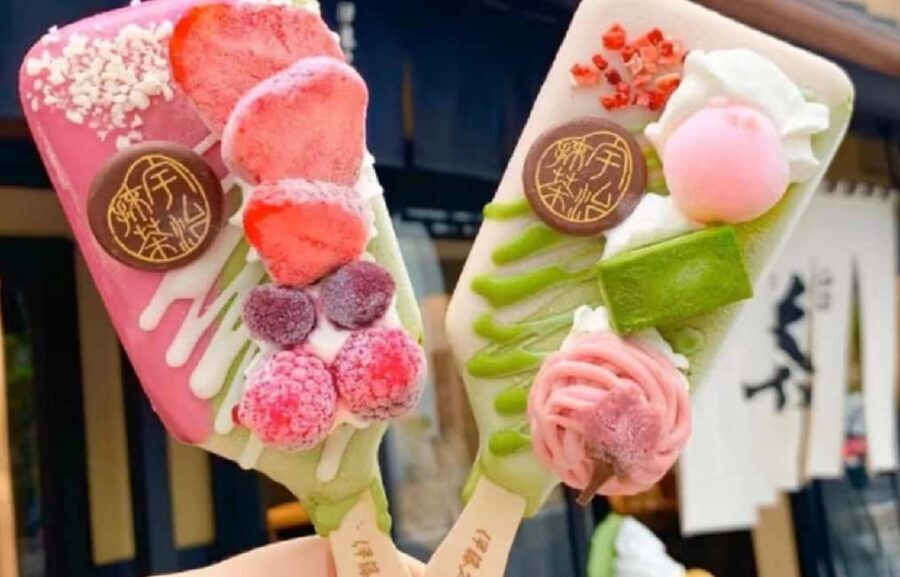
Uji is known for matcha, and you’ll see it everywhere: matcha ice cream, matcha cakes, and even matcha-colored soba noodles. This isn’t just a flavor trend. It’s Uji’s identity, and the tour gives you time to pick your own treats instead of being locked into one stop.
If you like practical tasting tips, there’s one detail worth using: some guides suggest trying vegetarian soba alongside the classic matcha ice cream. It’s a good way to eat something that feels local rather than just grabbing the first dessert you see.
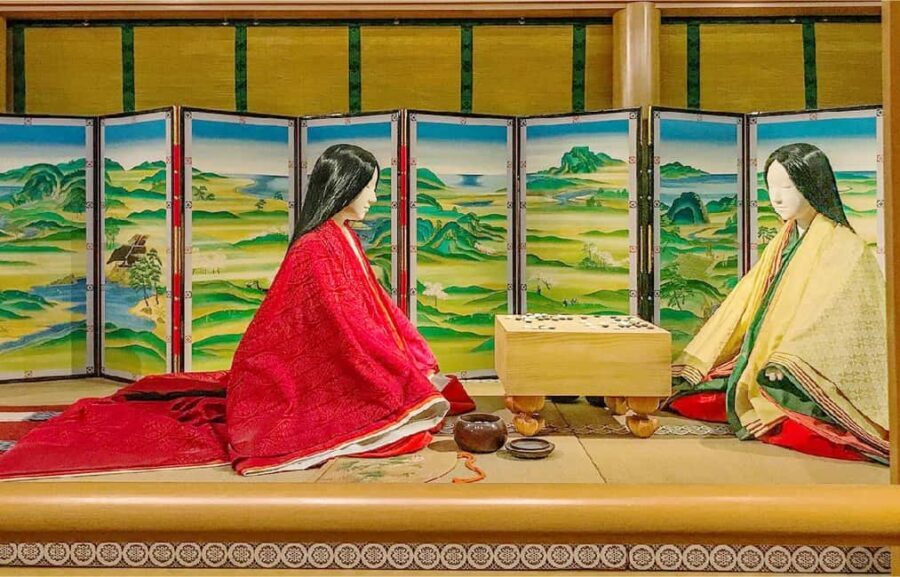
Uji also has literary importance tied to The Tale of Genji. If you care about Japanese culture beyond food, this is a nice shift from temple-only sightseeing into a more human scale story world. Even if you don’t know the novel, the tour frames the area so it feels connected rather than random.
One thing to remember: Uji streets can be lively, and timing matters. So if you see a line and you’re hungry, choose quickly. The tour is giving you guided structure, but you’re still making “today” decisions.
Byodo-in Temple Grounds (and the Tale of Genji Museum Option)
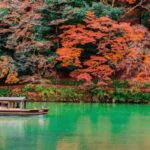
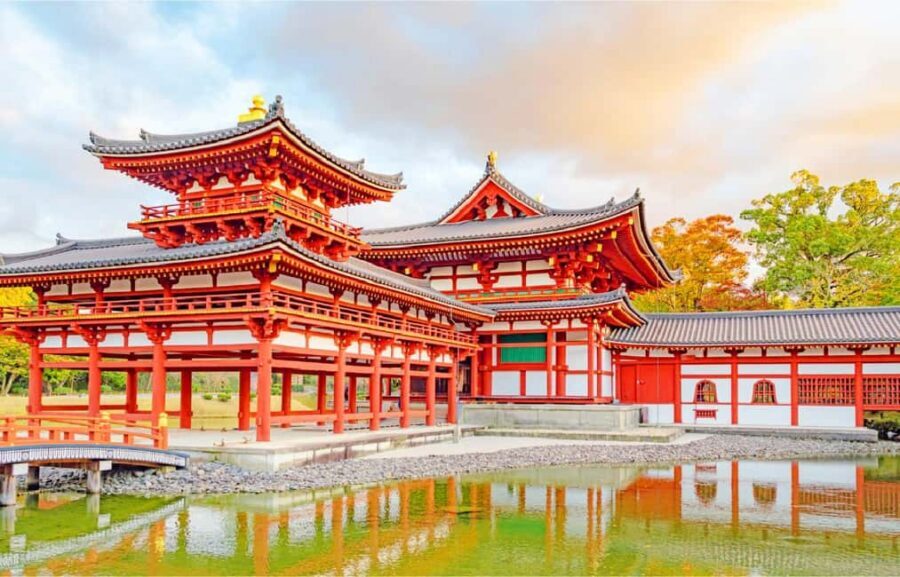
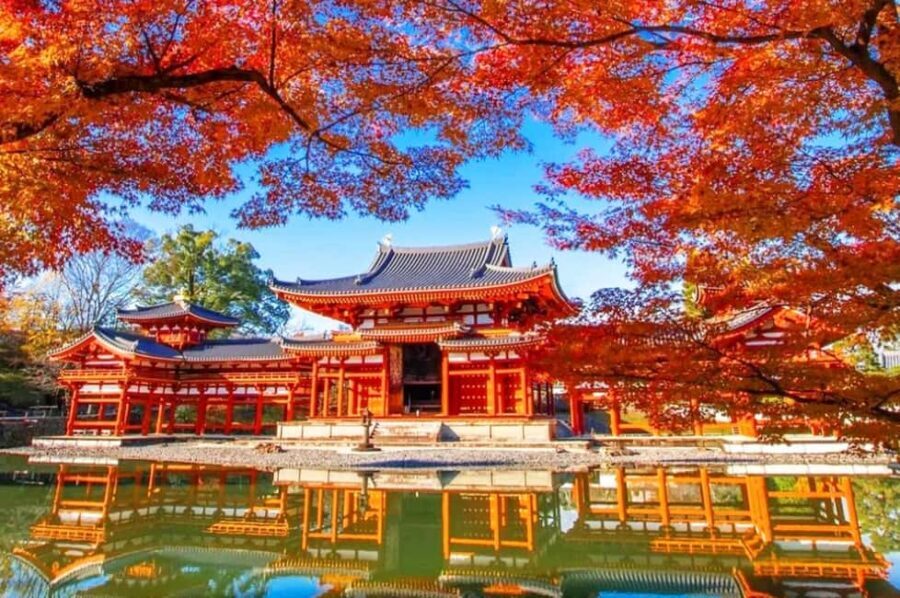
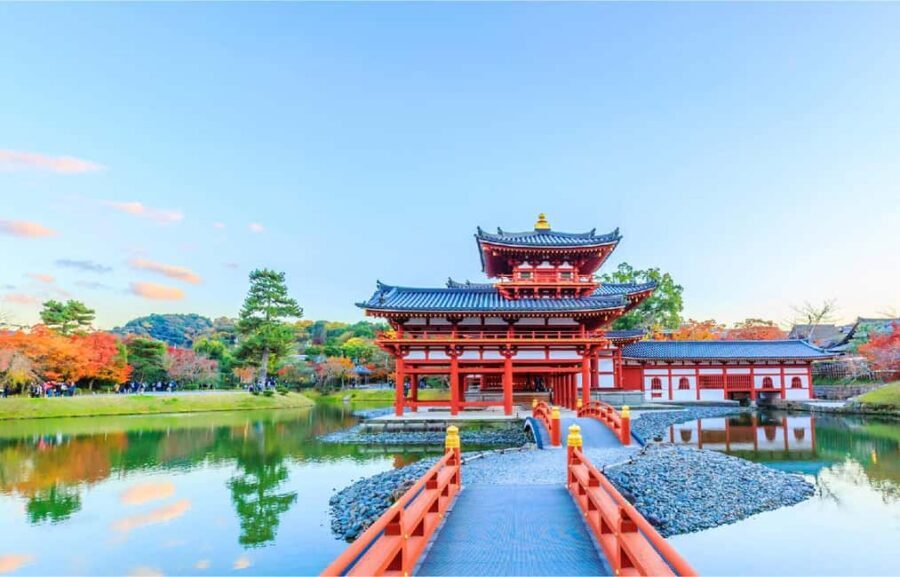
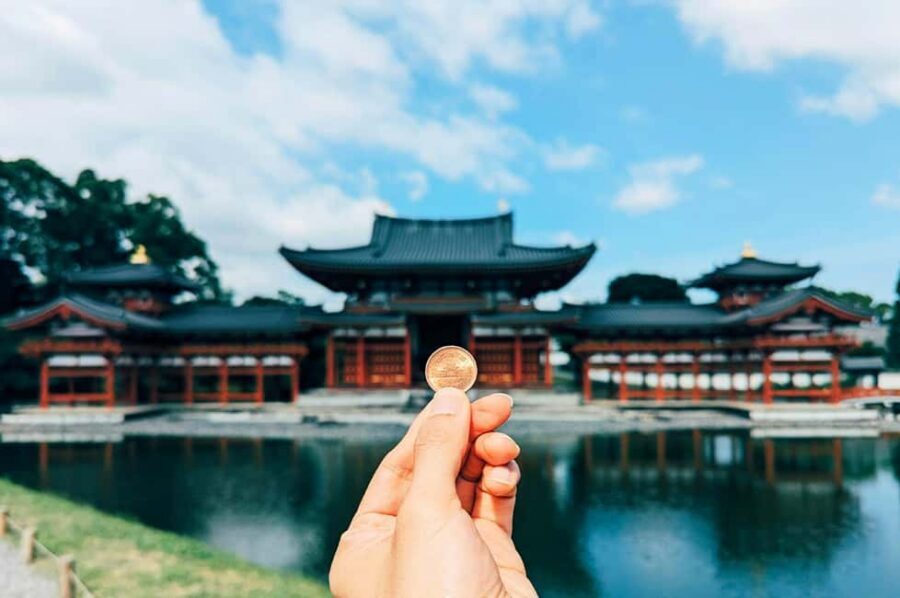
Byodo-in Temple is the Uji stop that turns the day back toward architecture. The grounds are known for Heian-era pond garden style, which means the setting is part of the story. You’re not just viewing a building—you’re seeing a carefully composed space meant to be experienced from specific angles.
The tour may also include time at the Tale of Genji Museum, which uses advanced multimedia and high-definition visuals to explain the attraction and narrative of The Tale of Genji. This is a helpful option if you want something lighter than reading or if you enjoy stories told through screens and designed exhibits.
Here’s a practical way to use your time at this stage: decide what you want most—classic temple setting or the Genji story presentation—and then focus. Trying to do everything at maximum speed is how you miss what you actually came for.
If you’re a museum person, the multimedia storytelling can be a nice break from walking. If you’re more exterior-focused, prioritize Byodo-in Temple’s environment and give yourself a few slow moments to look at the pond garden layout.
A few more Nara tours and experiences worth a look
Genji no Yu Hot Spring: How the Onsen Wraps Up the Day
This is the part that makes the whole trip feel complete. Genji no Yu is Uji’s only natural hot spring, and the water is drawn from 1,111 meters underground. That detail matters less if you’re chasing a simple relaxation moment, but it adds credibility to why this onsen feels special.
You’ll typically have about 1 hour here. The facility has three indoor baths plus an outdoor bath, and the architecture is traditional, which helps you switch gears from temple crowds to quiet recovery.
Two important rules you should treat like non-negotiables:
- If you have tattoos, you may not be able to enter. One of the reported disappointments in the group is exactly this—so don’t assume you’ll be able to “make it work.”
- In Japan, wearing any clothing is not allowed when bathing in hot springs. You’ll bathe without clothing, following the onsen etiquette rules on site.
Also, walking and sightseeing can make you sweaty. So even if you think you’re done with sightseeing, don’t skip the onsen. Ending with a soak is the best “reset button” of the day, and it’s one of the most consistently praised parts in the overall feedback.
A small reality check: if you want longer than 1 hour, you might wish you had more time. But the tour structure still does something smart here—it saves the relaxing part for last, after your busiest walking.
Price, Value, and What You Still Pay in Person
At $57 per person for a 10-hour day, the value comes from what’s included and what’s handled for you. You’re paying for:
- an English–Japanese–Traditional Chinese speaking guide
- service fees for driver and guide
- round-trip transfers from the meeting point
- an air-conditioned vehicle
- all taxes and parking fees
What’s not included is just as important. You’ll pay separately for admission to Todai-ji, Byodo-in, and the Uji onsen. Meals and drinks are also not included, so budget for at least a snack run in Uji (matcha is not cheap, and it’s fun).
So how do you judge value fairly? I think it’s strong if you’re the type who wants to see multiple major sights in one shot. If you already know how to train around Osaka and you’re comfortable paying for everything and routing yourself, you might save some money by building your own plan. But you’ll trade convenience for that savings.
Also keep in mind that vehicle seats can be compact in Japan. It’s usually fine for a day trip, but if you’re tall or claustrophobic, consider that on the long coach sections.
Guides, Group Dynamics, and How the Day Actually Feels
This is a shared group tour, and the guide explains in multiple languages because participants come from various countries. That matters because it keeps transitions smooth. You aren’t left guessing where to go next.
In the feedback you’ll see many praised guide names—Etta, Ethan, Liao, Hugo, Hugo, and others. The recurring pattern is personality plus clarity: guides are described as friendly, organized, and quick to help with questions and suggestions.
One practical detail: if your guide uses tools like WhatsApp to share where to go next, you may get extra local-direction value beyond the usual script. That’s not guaranteed, but when it happens, it can help you eat and walk smarter instead of wandering with a hungry brain.
There’s also a group-size rule. If fewer than 13 people sign up, the guide also serves as the driver and provides only basic explanations. That can still be a good tour, but if you strongly care about detailed storytelling, you may prefer a larger group.
Finally, expect schedule flexibility. The tour notes that timing may adjust due to traffic or weather. If it’s raining, outdoor-heavy deer time can feel different, and you may need to roll with it.
Who This Tour Suits (and Who Might Prefer Something Else)
This is a great match if you want:
- a smooth Nara and Uji day trip from Osaka without train planning
- iconic stops like Todai-ji and Kasuga Taisha
- a hands-on experience at Nara Park deer feeding
- time in Uji for matcha treats
- an onsen finish at Genji no Yu
It may not be ideal if you want deep, slow exploration at just one place. You’ll see the key highlights, but you can’t linger forever. And if you strongly rely on onsen access, tattoos are the big decision point.
If you’re traveling with kids or you’re a first-timer who wants an easy win day, this tour tends to make sense because it handles the transitions and gives you a guide for the moments that could otherwise feel chaotic (deer area flow, temple navigation, and onsen rules).
Should You Book This Nara and Uji Day Trip?
Yes, if you want an organized, highlight-packed day that mixes culture, food, and relaxation. The biggest reason I’d book it is the pacing logic: Nara thrills you with deer, temples give you the major landmarks, Uji lets you snack and wander, and Genji no Yu resets your body at the end.
Book it with open eyes, though. You’ll pay separate admissions for Todai-ji, Byodo-in, and the onsen, and you’ll have to follow onsen rules closely. If you have tattoos, confirm your onsen entry situation in advance so you don’t end up stuck outside when you’re expecting to soak.
If you’re okay with a full day and want the easiest route to the classic Nara + Uji combo, this tour is a solid value way to spend your time.
FAQ
What time does the tour start, and where do I meet?
The tour departs at 8:40am from Harimaya Bld in the Namba Shinsaibashi area (1-chōme-3-11 Nipponbashi, Chuo Ward, Osaka, 542-0073). Arrive 15 minutes early, and the guide will be holding a yellow flag.
How long is the day trip?
The total duration is 10 hours.
Is round-trip transportation included from Osaka?
Yes. The tour includes round-trip transfers to and from the meeting point by air-conditioned vehicle.
Are meals included?
No. Meals and drinks are not included.
Are admission fees for temples and the onsen included?
No. Admission to Todai-ji Temple, Byodo-in Temple, and the Uji onsen is not included.
What should I wear for this tour?
Wear comfortable shoes for walking, since the parking lot is a bit far from some scenic spots.
Can I enter the hot spring if I have tattoos?
You may not be able to enter the onsen if you have tattoos. The tour specifically notes this as a reminder.
What are the onsen clothing rules?
When bathing in hot springs in Japan, wearing any clothing is not allowed.
What happens if the group has fewer than 13 participants?
If the number of participants is fewer than 13, the tour guide will also serve as the driver and provide only basic explanations.