REVIEW · NARA
Kyoto/Osaka: Kinkakuji, Bamboo Forest, and Nara Deer Park
Book on GetYourGuide →Operated by LIMON Tours · Bookable on GetYourGuide
A day trip like this saves you hours. You get three Kyoto-to-Nara highlights in one comfortable ride, with an English-speaking guide keeping the day moving and meaningful.
I like the Golden Pavilion at Kinkaku-ji most because it hits hard with both drama and detail: gold-leaf temple views, a pond reflection, and garden design that traces back to the 14th century. I also really enjoy the Arashiyama Sagano Bamboo Forest walk, where you can listen to the bamboo rustle and spot the Togetsukyo bridge as you stroll near the Katsura River.
One thing to consider: the route is packed, so you may feel a bit rushed at peak crowds, especially in the bamboo forest. If you’re the slow-stroll type, plan to trade speed for a tighter schedule.
In This Review
- Key Things You’ll Notice on This Kyoto and Nara Route
- Why This Day Trip Works (Kyoto to Nara, Without the Stress)
- Meeting the Day: Bus Comfort, Clear Start Points, and a Realistic Schedule
- Arashiyama’s Bamboo Forest and Togetsukyo by the Katsura River
- What I think you should plan for
- Lunch here: nice bonus, with one clear limitation
- Kinkaku-ji Golden Pavilion: Gold Leaf, Pond Reflections, and Original Gardens
- Photos and timing: how to make it work
- The Ride South to Nara: A Short Change of Mood
- Nara Park and the Deer: Shika-senbei Only
- What the deer behavior means for your day
- Todai-ji Temple and the Great Buddha Statue
- How to enjoy this stop without feeling rushed
- Price and Value: What $69 Really Buys You
- Crowd Reality: When the Day Feels Tight
- Who This Tour Fits Best (And Who Should Skip It)
- Should You Book This Kyoto and Nara Day Trip?
- FAQ
- Do I need to arrange my own transport from my hotel?
- Where do I meet if I start from Kyoto?
- Where do I meet if I start from Osaka (Namba)?
- Is lunch included?
- Are entry tickets included?
- Can I feed the deer anything other than shika-senbei?
- Is halal or vegan lunch available?
- Is the tour coach comfortable for travel?
Key Things You’ll Notice on This Kyoto and Nara Route
- Kinkaku-ji feels special on arrival: gold-leaf temple and a mirror-like pond view that’s hard to top for photos
- Arashiyama bamboo is a sensory walk: you’ll hear the leaves and you’ll see why it’s been admired since the Heian Period
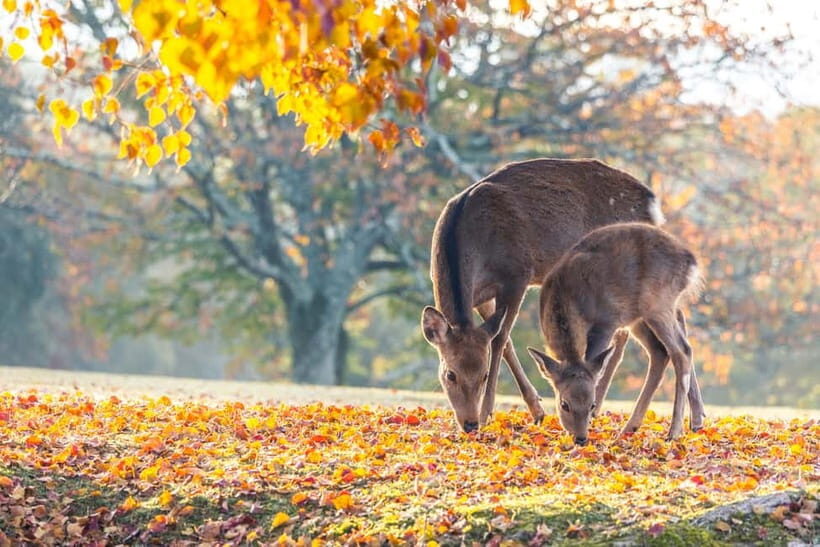
- Nara’s deer are part of the experience: around 1,200 wild deer roam Nara Park, and feeding is only with shika-senbei
- Todai-ji and the Great Buddha are massive: you’ll see one of Japan’s three titanic Great Buddha Statues
- Your guide matters on timing and directions: many guides help you navigate meet-ups and photo moments so the day stays smooth
Why This Day Trip Works (Kyoto to Nara, Without the Stress)
If you only have one full day in western Japan, this route is a smart way to get the big emotional hits: bamboo quiet, gold-leaf temple beauty, and Nara’s deer-and-shrine atmosphere. You’re not left piecing together buses and train transfers when you’d rather spend your energy looking up at temples and along river paths.
The tour also has a practical advantage: you ride in an air-conditioned coach with Wi-Fi, so the travel time between Kyoto and Nara doesn’t feel like a punishment. An English-speaking guide is there to connect the dots, not just point at what you’re seeing.
Two departures make it easier to start where you already are. You meet at Kyoto Station Hachijo Exit Tourist Bus Parking at 9:05 AM for Kyoto starts, or at OCAT Building 1F at 8:50 AM for Osaka (Namba) starts. That early head-start is part of why you can fit so much in.
You can also read our reviews of more tours and experiences in Nara.
Meeting the Day: Bus Comfort, Clear Start Points, and a Realistic Schedule
Because this is a coach day trip, the “secret sauce” is the logistics being handled for you. You don’t need hotel pickup, and that’s actually good to know upfront: you’ll want to plan how you get to the meeting point on time.
The schedule can shift for safety due to traffic or weather, which happens in Japan. So if you’re the kind of traveler who likes a strict timeline, treat the day as a plan with some flexibility.
Also, bring comfortable shoes and water. You’ll be walking at Kinkaku-ji gardens and Nara Park, and those are the kinds of places where your feet do the sightseeing even when you think you’re only doing a few photo stops.
Arashiyama’s Bamboo Forest and Togetsukyo by the Katsura River
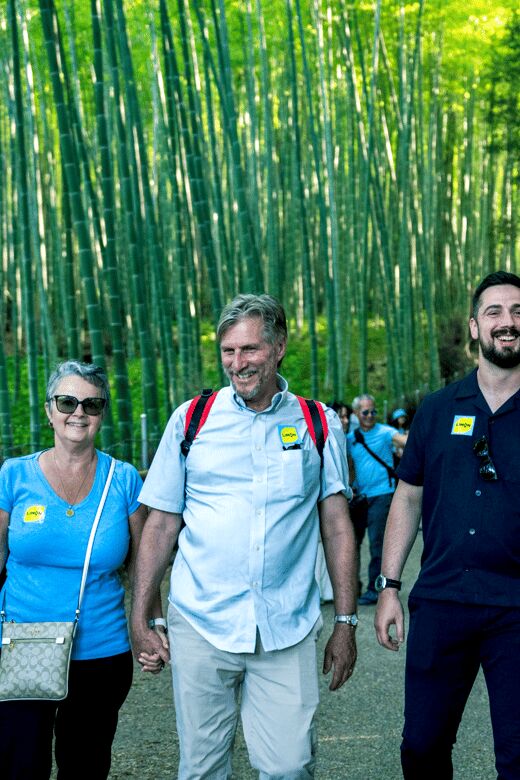
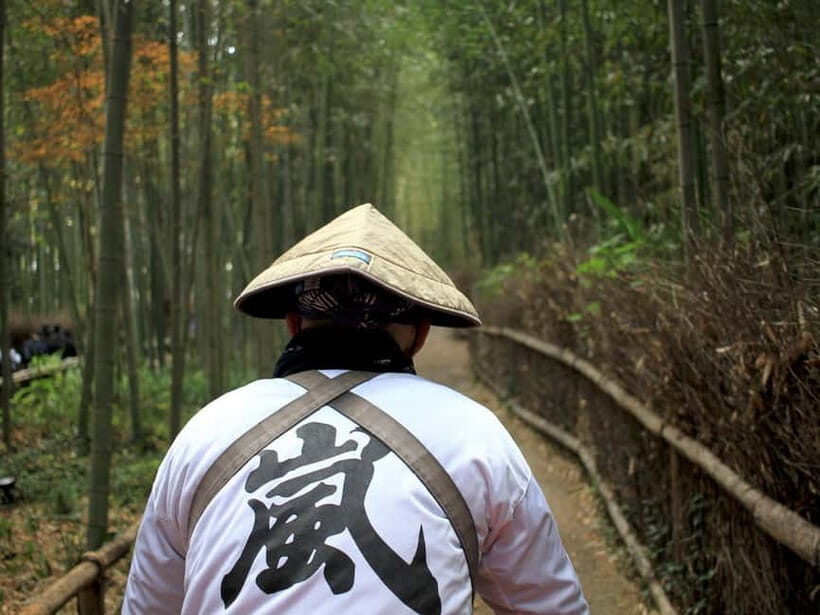
Arashiyama is one of those places where you understand why people keep coming back. The Sagano Bamboo Forest is popular dating back to the Heian Period, and the experience isn’t just visual. When you walk the path, you get that distinct rustle of bamboo leaves, like the forest is doing the sound design for you.
You’ll stroll through the bamboo grove itself, then you may notice the Togetsukyo bridge (the Moon-crossing Bridge) as you move along the scenic Katsura River area. Even if you’ve seen bamboo photos before, the scale and rhythm of the place feel different once you’re inside it.
What I think you should plan for
This stop can be crowded. On a day trip you don’t control foot traffic, and bamboo is one of those “everyone wants the same angle” destinations. If you want photos without constant shoulder-to-shoulder positioning, aim to step aside quickly after you take your first shots.
If you’re traveling in the spring, this is also the kind of place where cherry blossoms can add extra drama—one guide-led group noted stunning blossoms during their visit. Just keep in mind that seasonal peak times make crowds more intense.
Lunch here: nice bonus, with one clear limitation
Before you wander deeper, the tour may include a traditional Japanese lunch of seasonal Kyoto specialties (lunch is included only if you select that option). It’s a good way to fuel up for the walking and temple time.
One limitation you should know: halal and vegan lunches are not available. If you need vegetarian, you can request it, but you must message the activity provider at least 3 days before your date.

Kinkaku-ji Golden Pavilion: Gold Leaf, Pond Reflections, and Original Gardens

Then you head into Kyoto proper and land at Kinkaku-ji, the Golden Pavilion. This is the stop that most people picture when they think of Kyoto’s iconic temples, and the payoff is still real in person. The gold-leaf-covered pavilion dazzles in the sunlight, and it’s designed for that perfect visual moment: the building reflects in the mirror-like pond in front of it.
But the best part, for me, isn’t only the gold. The tour includes time to walk through the sprawling gardens, and the design has retained its original layout from the 14th century. That detail matters. It turns Kinkaku-ji from a quick photo op into a place you can actually read—pathways, views, and garden structure that feel intentional rather than random.
Photos and timing: how to make it work
Kinkaku-ji is popular, and that means you’ll share angles with plenty of other visitors. Your guide can help you time viewpoints so you’re not just standing in the busiest line the whole time.
Tip: after your first wide shot of the pavilion and pond reflection, look for smaller garden perspectives from where the crowds thin out. The pavilion is the headline, but the grounds are where the slower enjoyment lives.
The Ride South to Nara: A Short Change of Mood
After Kinkaku-ji, you board the coach again and head south to Nara. This transfer is part of the experience, honestly. Kyoto’s temple elegance shifts into Nara’s more open, street-plus-park energy, where deer are a constant background character.
In the bus ride, your guide typically helps connect what you’re about to see. Some guides also include practical direction, like how to meet back up and where to focus your time once you’re on foot. If you’re worried about getting lost in a busy park later, this is where that reassurance comes in.
Also note the day is built to end back at the meeting point, so you’re not left scrambling for your own return plan.
Nara Park and the Deer: Shika-senbei Only
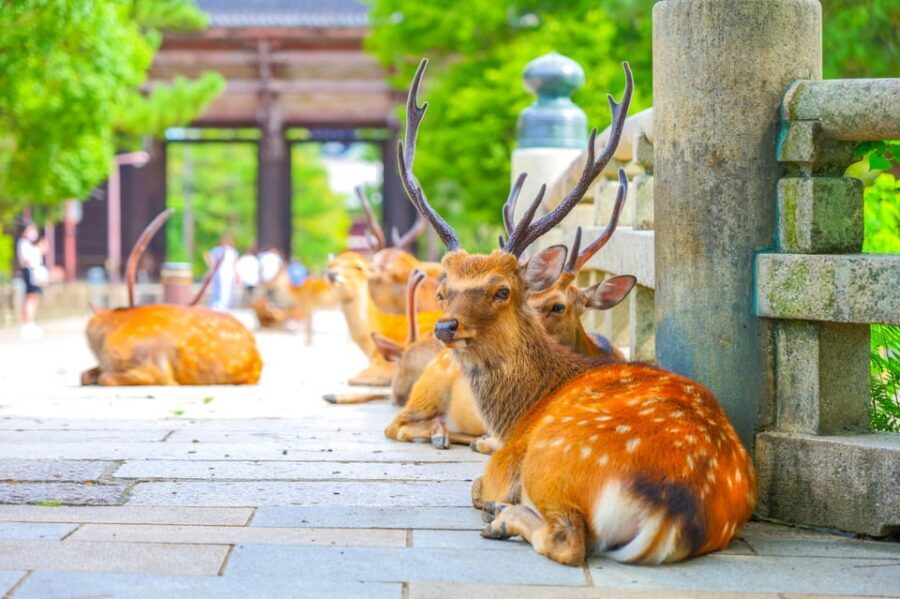
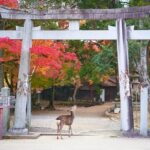
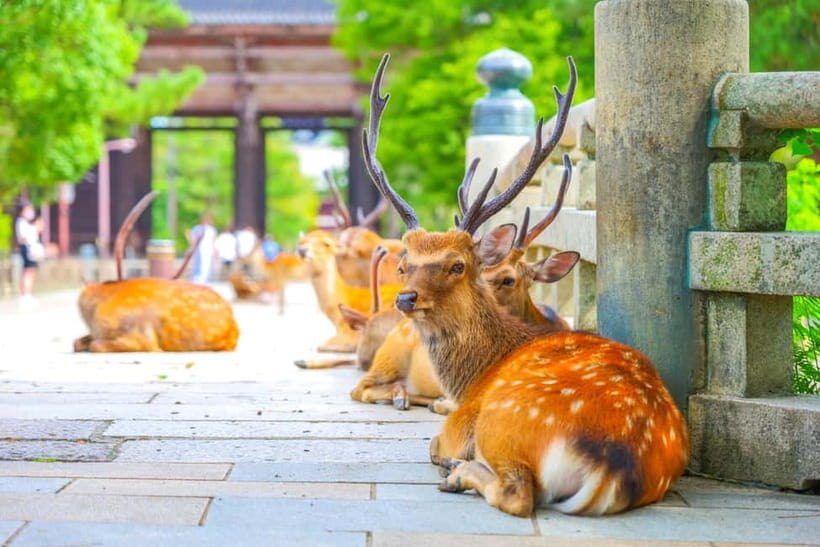
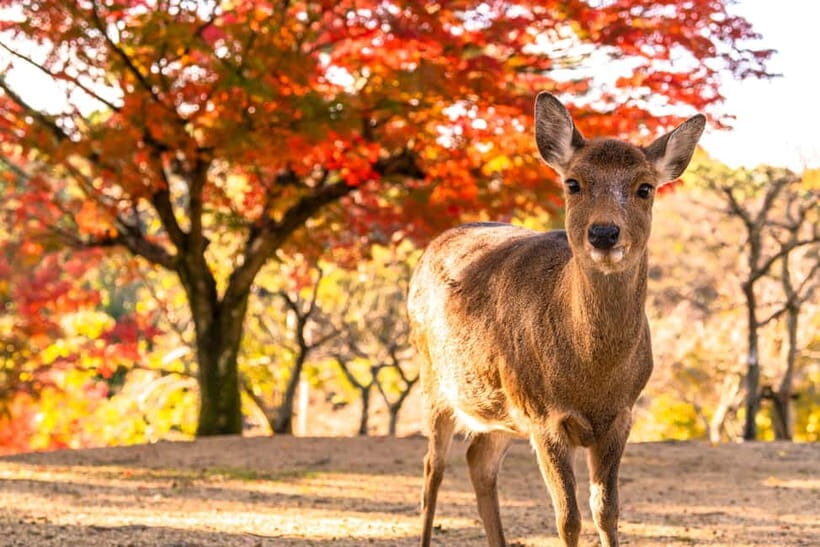
Nara Park is where the trip gets its most memorable living “prop”: deer. The park is famous for roughly 1,200 wild deer that live freely in the area. They’re not zoo animals. They wander, they linger, and they act like they own the sidewalk.
Feeding is the fun part, but it’s also the rule part. You can use shika-senbei—the special deer crackers provided for the experience. The tour notes clearly: do not feed the deer anything other than shika-senbei.
What the deer behavior means for your day
Deer in Nara are known for bowing when they expect food. That’s why the crackers matter. You aren’t just tossing treats—you’re triggering the ritual the deer are famous for.
The only real risk is timing. If you arrive too late in the day, deer crackers might be harder to find nearby, and one guide earned extra praise by tracking down crackers late in the afternoon when others had trouble finding them. So if you care about feeding, don’t wait for the end of your time slot to ask your guide what’s available.
Also be ready for close-up moments. Nara can feel chaotic at first glance because there are a lot of people, plus the deer. If you keep your movements steady and follow guide instructions, it stays fun rather than stressful.
Todai-ji Temple and the Great Buddha Statue
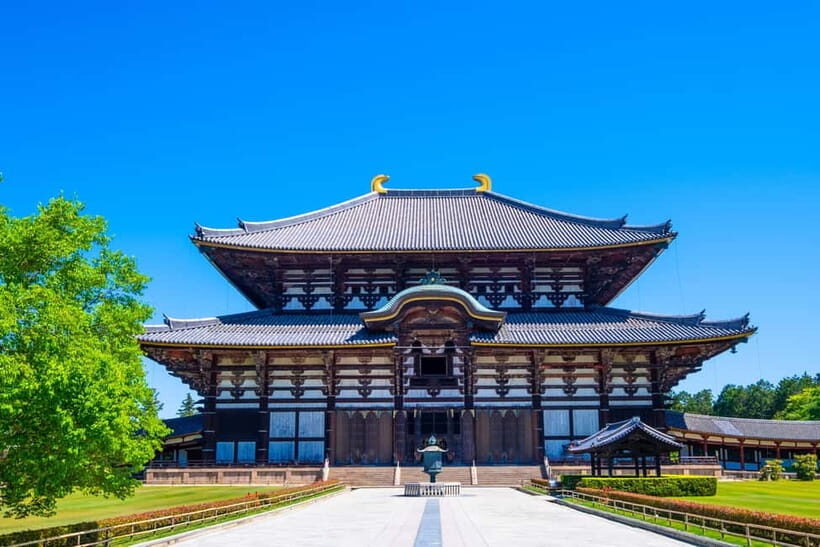
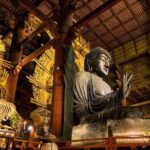
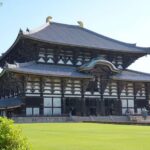
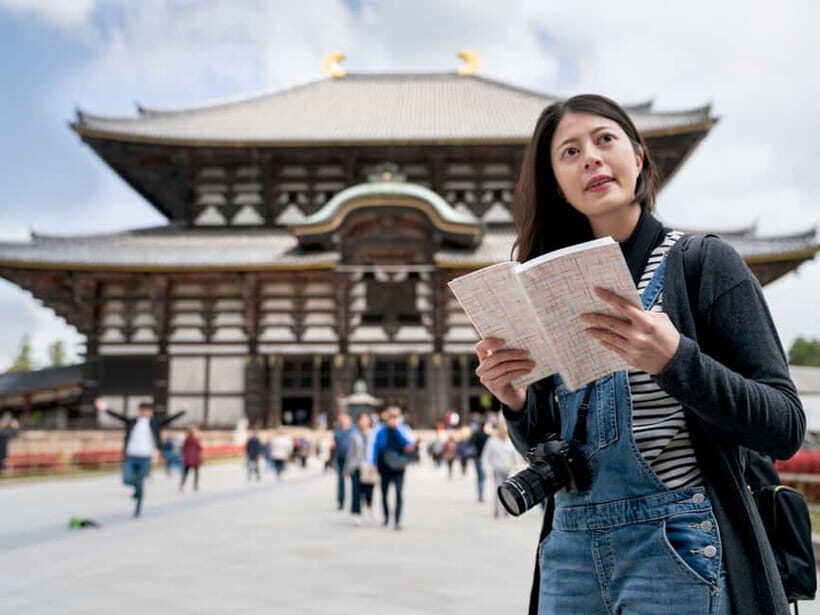
From the park you head into Todai-ji Temple, a UNESCO World Heritage site. This is your temple grand finale: Todai-ji is home to one of the three titanic Great Buddha Statues of Japan.
Even if you’ve seen big statues before, this one lands differently because of scale and setting. Todai-ji isn’t just about the statue itself; it’s about walking into a space that feels built for reverence, with the Great Buddha as the visual center.
How to enjoy this stop without feeling rushed
Because the overall day is structured, you’ll want to manage your energy. Try to do your first look quickly, then slow down for a few minutes where you can observe details and take in the surroundings.
If you like learning as you go, this is a strong moment for your guide. Many guides focus on stories and how to approach the site respectfully, and that context makes the Great Buddha feel less like a landmark and more like a place people come to understand.
Price and Value: What $69 Really Buys You
At about $69 per person, the value depends on which options you choose for lunch and tickets. If your ticket includes entry to Kinkaku-ji and Todai-ji, plus lunch if selected, then you’re paying for the convenience of bundled sightseeing. Add in an English-speaking guide and the coach ride with Wi-Fi, and it starts to make sense for one-day travelers who don’t want to fight transit.
Where the price can be less attractive is if you’re the kind of traveler who already plans to build your own day and you don’t need guided direction. In that case, you might compare it to the cost of tickets plus your own transport. But if you want fewer moving parts, this day trip is built for you.
One more value note from real-world experience: when guides help the group manage meet points and move efficiently, you lose less time to confusion. In a day that includes bamboo crowds and a deer park crush, that time saved is worth something.
Crowd Reality: When the Day Feels Tight
This tour is designed to hit several “must-see” sights. That’s great, and it’s also why some people feel rushed. If you’re hoping for long lingering time at each place, you may notice you have less freedom than you’d like.
The tightest spots are usually:
- Arashiyama bamboo, where crowding can slow down movement and photography
- Nara Park, where the deer and people create visual noise
On the flip side, one clear benefit of doing this as a guided day trip is that you’re less likely to waste time figuring out where to go next, or how to get back if you drift away during a photo moment. Some guides are especially good at walking the group through the key moments and reminding you where to re-group.
Who This Tour Fits Best (And Who Should Skip It)
This is a strong choice if you’re visiting Kyoto and/or Osaka for the first time and you want an efficient route that covers the headline experiences: Kinkaku-ji, Arashiyama bamboo, and Nara deer plus Todai-ji.
It’s also ideal if you prefer structure. The guide-led approach reduces guesswork, and you’ll get context for what you’re seeing instead of relying on apps and guesswork between stops.
You might want to choose a different style of day trip if:
- you hate being on a set schedule
- you want slow, deep time in one place rather than highlights across three areas
- you need dietary accommodations beyond what’s available (halal and vegan lunches are not offered)
Should You Book This Kyoto and Nara Day Trip?
If your goal is to see Kyoto’s most famous temple shimmer, walk through a legendary bamboo landscape, and then finish with Nara’s deer energy and Todai-ji’s Great Buddha, this tour is a solid booking. The bundled coach ride, English-speaking guide, and included entrance points (when selected) help make $69 feel fair for a one-day sweep.
Book it if you value convenience and clear guidance more than slow wandering. Skip it if you want unhurried time at every stop or you’re strongly sensitive to crowd conditions and tight pacing.
If you do book, come with comfortable shoes, water, and a plan to follow shika-senbei rules. That’s the easiest way to make the whole day feel smooth, not chaotic.
FAQ
Do I need to arrange my own transport from my hotel?
No. This tour does not include hotel pickup or drop-off. You’ll meet at the specified departure point and return to that same meeting location.
Where do I meet if I start from Kyoto?
For Kyoto departures, the meeting time is 9:05 AM at Kyoto Station Hachijo Exit Tourist Bus Parking.
Where do I meet if I start from Osaka (Namba)?
For Osaka (Namba) departures, the meeting time is 8:50 AM at OCAT Building 1F.
Is lunch included?
Lunch is included only if you select the lunch option. If you choose lunch, it’s described as a traditional Japanese meal with seasonal Kyoto specialties.
Are entry tickets included?
Entry ticket to Kinkaku-ji Temple and entrance ticket to Todai-ji Temple are included only if you select those options.
Can I feed the deer anything other than shika-senbei?
No. The tour specifically notes that you should not feed the deer anything other than the shika-senbei crackers.
Is halal or vegan lunch available?
No. Halal and vegan lunches are not available on this tour. Vegetarian requests require contacting the provider at least 3 days before.
Is the tour coach comfortable for travel?
Yes. The tour includes an air-conditioned coach with Wi-Fi, and you’ll use it to move between Kyoto and Nara and return after the sightseeing.