REVIEW · NARA
Nara 6hr Private Tour with Government-Licensed Guide
Book on Viator →Operated by Japan Guide Agency · Bookable on Viator
Nara gets way easier with the right guide. This private 6-hour tour starts at Nara Station and lets you choose 3–4 top sights, then connects the dots between Buddhism, Shinto, and everyday Japanese life. I especially like the flexibility and the way the walking route makes it feel like a real day in town, not a checkbox march. One watch-out: expect real walking and stairs, including hill viewpoints.
What makes this tour work for me is the human factor. You get a government-licensed, English-speaking guide who can tailor the pace and the explanations to your interests, and you’re not stuck with a rigid group rhythm. It’s also a smart way to see both the famous anchors like Todai-ji and the quieter texture stops like Naramachi and Japanese gardens.
In This Review
- Key highlights worth planning around
- Price and value: what $155.86 buys you in Nara
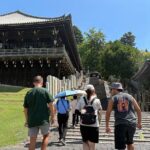
- First stop: Todai-ji and the Giant Buddha effect
- Nara Park and Kasuga Taisha: deer, shrines, and everyday rules
- Wakakusayama Hill: when the view is worth the effort
- Horyu-ji: early Buddhism, older than you expect
- Naramachi: a slower look at merchant Nara
- Kofuku-ji, Yakushiji, and Shinyakushiji: three ways to understand Nara’s religious layers
- Nara National Museum and the Heijō Palace ruins: when you want context
- Toshodai-ji plus two gardens: Isuien and Yoshikien for a calmer finish
- How the guides make this tour feel different (and where you should set expectations)
- Walking plan, weather, and shoe choice: the practical stuff that affects enjoyment
- What I’d choose if it’s your first time in Nara
- Should you book this Nara private guide tour?
- FAQ
- How long is the Nara private tour?
- What does the price include?
- Are entrance fees and lunch included?
- Where do I meet the guide?
- Is this a walking tour?
- Can I cancel for a refund?
- Is it truly private for just my group?
Key highlights worth planning around
- Private, licensed, English-speaking guide: you’re not sharing answers or stopping for someone else’s questions.
- Pick 3–4 sites from a strong menu: Todai-ji, Kasuga Taisha, Horyu-ji, Nara National Museum, plus gardens and palace ruins.
- Start in the right place: meeting around Nara Station helps you get oriented fast before you hit the crowds.
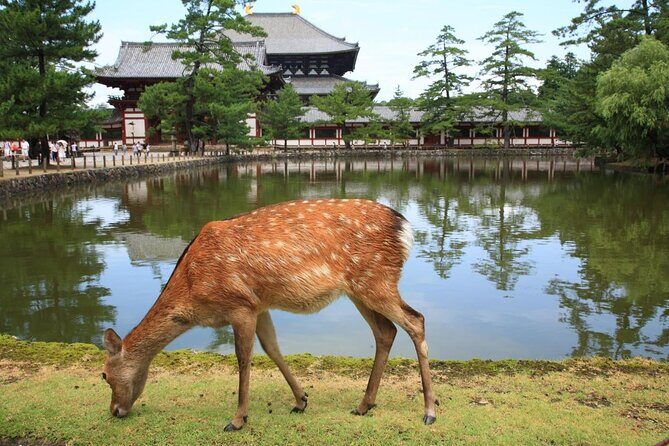
- Deer Park isn’t just cute: the guide helps you navigate the deer area and the shrine-temple relationships around it.
- A “history + how it works” approach: Shinto and Buddhist traditions are explained as living practices, not museum labels.
- Walking-focused itinerary: great for foot-friendly exploration, but go in with sturdy shoes.
Price and value: what $155.86 buys you in Nara
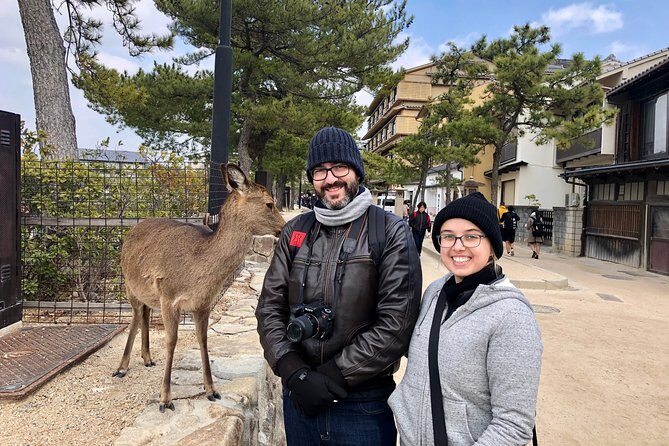
At $155.86 per person for about 6 hours, you’re paying for two things: time and someone local enough to explain what you’re seeing. In Nara, the big sights are close together, but the context is what makes them land. A good guide helps you translate the architecture, the rituals, and the historical “why” into something you can actually use.
Here’s the value equation I’d use:
- If you’re the type who likes to ask questions and wants the meaning behind the big buildings, a private guide is a bargain.
- If you just want photos and quick entrances, you’ll likely spend less on your own and skip the explanation.
Also note what’s not included: entry fees, lunch, and any personal expenses. Entrance costs are site-dependent, and lunch is optional in the sense that you’ll choose where to eat. If you plan for those extra items, the tour price feels fair.
You can also read our reviews of more guided tours in Nara
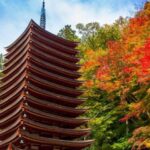
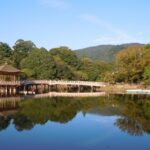
First stop: Todai-ji and the Giant Buddha effect
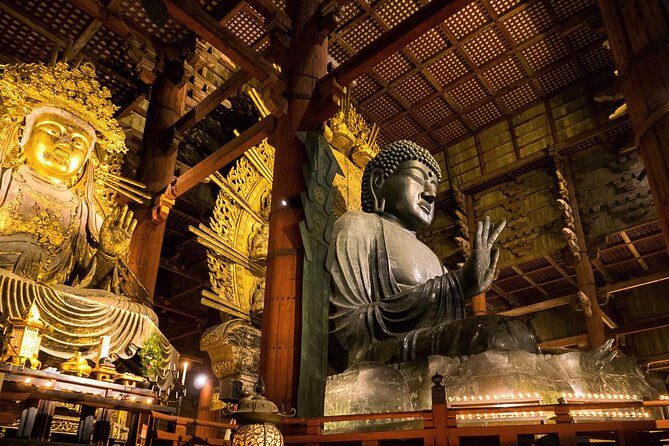
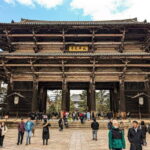
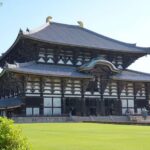
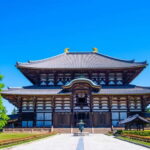
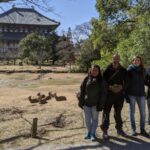
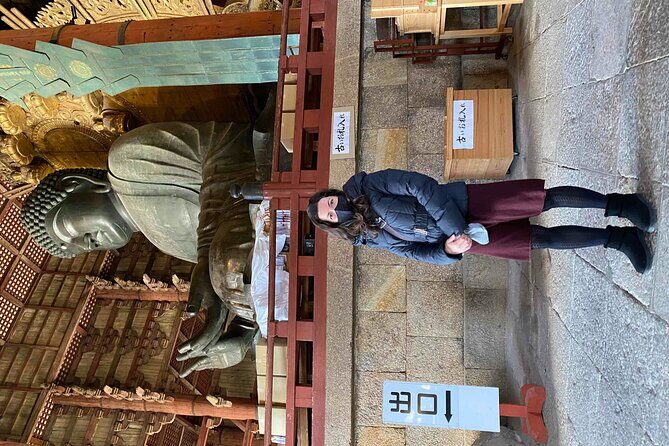
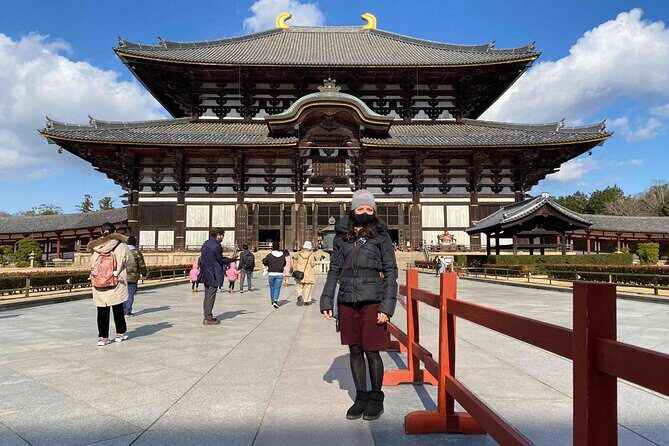
Todai-ji is the kind of place you understand faster if someone points at the right details. It’s famous for a reason: it’s a landmark of Nara’s 8th-century world, and the scale hits you before you can even read the signs.
On a private walk, you don’t just “get your ticket and go in.” You’re more likely to:
- know what you’re looking at (and why it was built where it was),
- understand how this temple fits into the broader Buddhist story in Japan,
- get practical tips on how to move through the site without feeling lost.
Plan for about 30 minutes at Todai-ji when it’s one of your selected stops. That can be enough time to see the highlights if your guide keeps things moving, but if you’re a architecture fan, ask for a little extra time and be honest about your priorities.
Nara Park and Kasuga Taisha: deer, shrines, and everyday rules
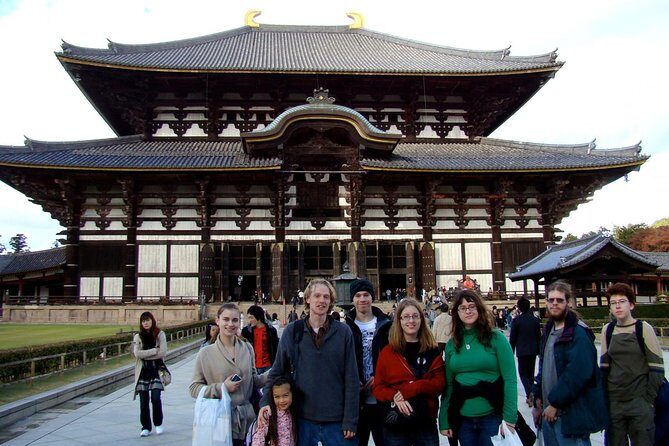
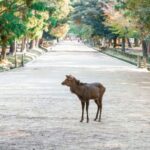
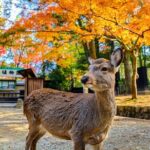
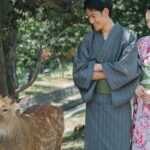
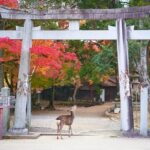
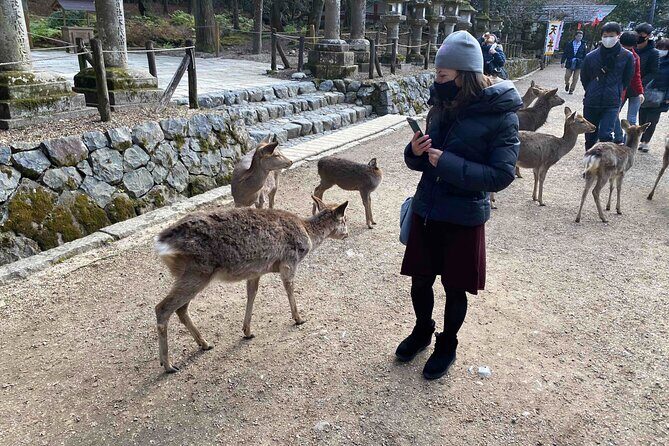
Nara Park sits at the center of the action. It’s large and historically tied to multiple major sites, so it’s a great choice if you want that “I’m in the middle of it” feeling. The deer are the obvious attraction, but the deeper win is that the park area acts like a gateway to how Shinto and Buddhist spaces overlap in Nara.
A typical stop here is around 30 minutes, and you’ll likely get pointers like:
- where deer tend to gather,
- how to keep your distance without turning it into a stressful obstacle course,
- how the park connects to nearby shrines and temples.
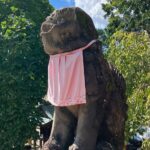
Then comes Kasuga Taisha Shrine, Nara’s best-known shrine experience for many visitors. It’s tied to the city’s protection and has a long history that stretches back with the capital itself. If Todai-ji gives you scale and Buddhist weight, Kasuga Taisha gives you the shrine worldview in a very physical way.
You’ll usually spend about 30 minutes here. That’s enough for the core sights and a solid explanation, as long as you’re not trying to read every tiny plaque like it’s a college textbook.
Wakakusayama Hill: when the view is worth the effort
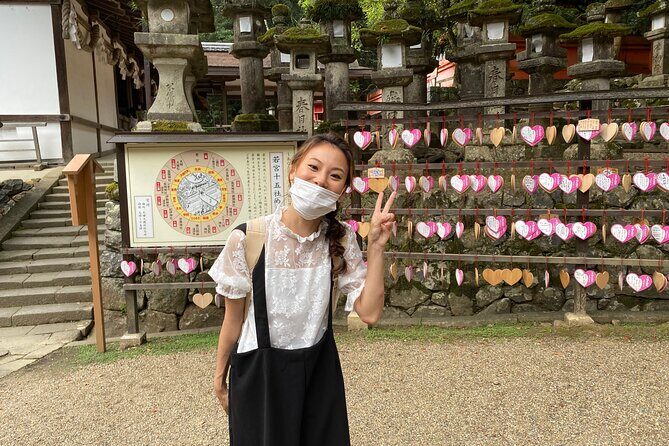
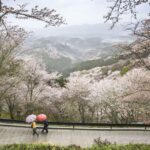
Mount Wakakusayama is an optional but powerful selection, especially if you want a different angle on Nara. It’s behind the park area, and it’s known for grass-covered slopes and wide views over the city.
The catch is effort. You’re already walking a lot on this tour, and a hill stop adds stairs and uphill energy. Some guests will love it; others will prefer to keep the day lighter and swap this for a temple or museum.
If you pick Wakakusayama, wear shoes you trust and pace yourself. Ask your guide whether the route will be steep for your group’s comfort level.
Horyu-ji: early Buddhism, older than you expect
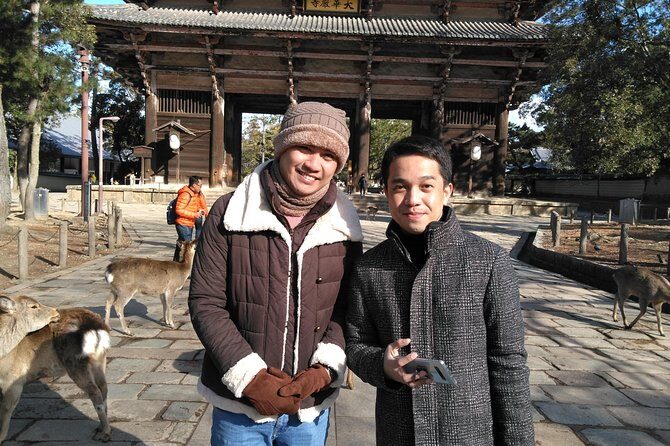
If you want an “oldest chapter” in Japan’s Buddhism story, Horyu-ji is a standout choice. It was founded in the early 600s and is known for being among the oldest temple complexes in Japan. It’s also the kind of place where timing and guide context matter, because without explanations it can feel like just another beautiful temple.
On this tour, it’s typically around 30 minutes if it’s one of your chosen stops. That’s often enough to appreciate:
- the temple’s age and historical importance,
- the layout and what makes the preservation special,
- how early Buddhist influence shaped Japan’s later temple culture.
You can also read our reviews of more private tours in Nara
Naramachi: a slower look at merchant Nara
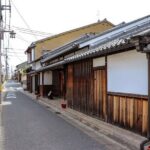
Not every Nara highlight needs to be a massive temple. Naramachi (the old merchant district) gives you a more human-scale view of daily life and trade-era architecture. It’s where you can browse, snack, and see preserved buildings and warehouses that are open to the public.
This is one of those stops that works best when you want variety. It’s usually about 30 minutes, so it won’t swallow your day, but it can make the whole tour feel more lived-in instead of only ceremonial.
Kofuku-ji, Yakushiji, and Shinyakushiji: three ways to understand Nara’s religious layers
Nara’s temple story is layered, and these three stops offer different angles.
- Kofuku-ji: tied to the Fujiwara clan and Nara’s aristocratic power. Great if you like political history braided into religion.
- Yakushiji: known for a symmetric layout and a late 7th-century origin. It’s a strong pick if you like temple design details and want something more structured.
- Shin-Yakushiji (Shinyakushiji): another Buddhist stop that keeps the focus on Yakushi Buddha and medicine/patron themes.
Each of these is typically around 30 minutes on the itinerary list. The value is in how your guide connects them: why different temples rose when they did, and how the symbolism and functions differed.
If you choose several temples in one day, tell your guide what kind of vibe you want: more architecture, more history, or more “what people believed and practiced.”
Nara National Museum and the Heijō Palace ruins: when you want context
Two stops are especially good for “understanding mode” rather than “just sightseeing.”
Nara National Museum: This museum focuses on Japanese Buddhist art, with roots back to the late 1800s. If you want the background to what you saw at the temples, the museum is a smart pairing. Expect about 30 minutes.
Heijō Palace Site Historical Park: This is about the Nara Period capital site. It’s a way to understand the city layout and political heart of Japan during 710–794. It’s shorter on time (about 15 minutes), so it works best as a connector stop, not a deep study session.
Pick these when your brain wants structure. They’re also great on days when it’s hot, crowded, or you need a break from standing in lines.
Toshodai-ji plus two gardens: Isuien and Yoshikien for a calmer finish
If your ideal Nara day ends with quiet beauty, consider these.
Toshodai-ji: founded by Ganjin, a Chinese priest invited to Japan. If you like the cross-cultural story of Buddhism traveling and adapting, this is a meaningful choice.
Isuien Garden: famous for clever garden design and the idea of using Mount Wakakusayama and Todaiji’s Nandaimon Gate as borrowed scenery. You’ll also likely appreciate the walk-style rhythm of garden viewing. Typically 15 minutes.
Yoshikien: another garden in central Nara, named for the Yoshikigawa River nearby. Like Isuien, it’s a short stop that can make the day feel balanced. Also about 15 minutes.
Garden stops are optional but they’re often what turn a “temples day” into a “whole Nara day.” If you’re planning a physically demanding set of temples, gardens can act like an easy reset.
How the guides make this tour feel different (and where you should set expectations)
The standout pattern in guide performance is clarity plus flexibility. In real tour experiences, guides like Junichi, Ken, Toshi, Yoshii, Hiro, and Haru are described as friendly, quick with English, and able to answer questions on everything from Shinto and Buddhism connections to practical Japan tips. Some guides also seem to plan routes to help you keep moving and avoid wasting time.
That said, pacing matters. One less-great experience involved feeling rushed and spending time on places not aligned with the expected plan. This is a good reminder: you should tell your guide your pace and your must-sees. If you want only the officially selected stops, say so. If you want extra food breaks or a specific type of side visit, ask early.
If you do nothing else, ask:
- Do we have a realistic end-of-day walking plan for our group?
- Can you keep us focused on the 3–4 picks we choose?
Walking plan, weather, and shoe choice: the practical stuff that affects enjoyment
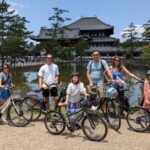
This is a walking tour. Pickup is on foot, and the meeting point is around Nara Station in a designated area. There’s no private vehicle included. That means your comfort is mostly about your own footwear and your group’s energy level.
Also: weather in Nara can change the day fast. If it’s cold and windy, you’ll still spend time outdoors in parks and temple grounds. If it’s hot, shade and pacing matter more than you think.
My practical advice:
- Wear shoes with good grip for stairs and uneven temple paths.
- Bring a layer. Wind near open park areas can cut through.
- If you have mobility limits, choose fewer “hill” or high-stair stops. Ask the guide which combination feels easiest.
What I’d choose if it’s your first time in Nara
If you only want the “big Nara” hits, a classic selection usually looks like:
- Todai-ji
- Nara Park + deer time
- Kasuga Taisha
- One extra: either Wakakusayama Hill (for views) or a temple/museum for deeper structure
If you’re history-forward, swap in:
- Heijō Palace Site and the Nara National Museum
- plus one or two temples that match your taste (architecture vs historical origin)
If you want a calmer, more human-feeling day:
- Naramachi and one garden (Isuien or Yoshikien)
- paired with one major temple and one shrine so you still get the core Nara story
Your guide should help you choose the best mix once you tell them what you care about most.
Should you book this Nara private guide tour?
Book it if you want a high-touch Nara day: a government-licensed English guide, real explanations, and a customizable set of stops you can shape to your interests. It’s also a smart choice if you don’t want to figure out all the connections between sites on your own.
Skip it (or change your plan) if you want a low-walking, minimal-guidance day. This tour is built around moving on foot, and some days include hills and lots of steps. Also, if you dislike time spent anywhere outside your chosen sights, be very clear at the start about what you want included.
If you fall into the sweet spot—curious, okay with walking, and ready for meaning behind the monuments—this is one of the best ways to see Nara without turning it into a stress test.
FAQ
How long is the Nara private tour?
The tour lasts about 6 hours.
What does the price include?
It includes a government-licensed local English-speaking guide and a customizable itinerary where you select 3–4 sites. You’ll meet the guide in the Nara Station area and explore on foot.
Are entrance fees and lunch included?
No. Entry fees and meals are at your own expense. Guide entry fees are only covered for the sights listed under what to expect.
Where do I meet the guide?
You meet the guide at Nara Station within a designated area, and the pickup is on foot (you walk to start the tour).
Is this a walking tour?
Yes. It’s a walking tour, and you should be ready for stairs and some walking time across the sites.
Can I cancel for a refund?
Yes. You can cancel up to 24 hours in advance for a full refund.
Is it truly private for just my group?
Yes. It’s a private tour/activity, and only your group participates. You cannot combine multiple tour groups.