REVIEW · OSAKA
Kyoto and Nara Day Trip from Osaka
Book on Viator →Operated by JTB Global Marketing & Travel Inc. · Bookable on Viator
Kyoto and Nara in one day sounds wild. This is a fast, well-structured outing built around World Heritage highlights—Nijo Castle, Kinkaku-ji, Kyoto Imperial Palace, and Nara’s Todai-ji—so you get the big hits without figuring out every ticket line.
I especially like two things: the licensed English guide interpreter keeps the stops meaningful instead of just sightseeing checklists, and the plan bundles transportation plus admission fees so you’re not constantly switching between apps, tickets, and stations.
One drawback to plan for: the schedule is tight. Each major stop is timed, so if you want slow wandering and long temple conversations, this day may feel rushed.
In This Review
- Key takeaways before you go
- How a Kyoto–Nara Day Trip from Osaka Actually Feels
- Getting Started: Meet at Hotel Granvia Osaka (7:15 AM)
- Trains, Non-Reserved Seats, and Why Timing Matters
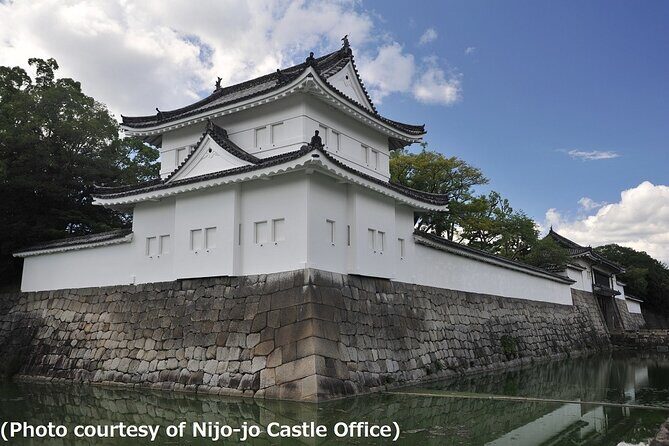
- Stop 1: Nijo Castle’s Tokugawa Power Play (50 Minutes)
- Stop 2: Kinkaku-ji and the Golden Pavilion Moment (45 Minutes)
- Stop 3: Kyoto Imperial Palace (or Kitano Tenmangu Shrine) (40 Minutes)
- Moving Into Nara: Kasuga Grand Shrine and Deer-Message Lore (1 Hour)
- Todai-ji Temple: The Great Buddha’s Scale (1 Hour 10 Minutes)
- Lunch Options: What’s Included and What to Expect
- Crowds, Listening, and Photo Timing at Peak Sites
- Value at $198.15: When This Tour Is Worth It
- Should You Book This Kyoto and Nara Day Trip from Osaka?
- FAQ
- Where do we meet, and what time does the tour start?
- How long is the Kyoto and Nara day trip from Osaka?
- What’s included in the price?
- Is lunch included, and what choices are available?
- Are train seats reserved on the Shinkansen and the return ride?
- What happens if Kyoto Imperial Palace is closed on your travel day?
- What happens if Nijo Castle is closed?
- Where does the tour end?
- Can I cancel for a full refund?
Key takeaways before you go
- World Heritage sites with tickets handled at Nijo Castle, Kinkaku-ji, Kasuga Grand Shrine, and Todai-ji
- Shinkansen and Kintetsu rides included, but seats are non-reserved so standing can happen
- Imperial Palace and Nijo Castle backup plans if they’re closed on your travel day
- Kasuga’s special visit area may be possible, with museum alternatives if access is restricted
- A small-ish group (up to 40), though Kyoto and Nara still run crowded at peak times
- Lunch is optional (Western set menu or vegetarian thali), with no halal/gluten-free options listed
How a Kyoto–Nara Day Trip from Osaka Actually Feels
This day trip is for people who want a clean overview of Kyoto and Nara in one shot. You start in Osaka early, head into Kyoto for the iconic sights, then continue to Nara for the big temple and shrine stops, and finally return to Osaka around early evening.
What I like is the balance between structure and freedom. You’re guided through the main points, but you still get enough time at each landmark to walk, look up close, and grab photos when the crowds shift.
The trade-off is pace. You’ll cover a lot of ground, and you’ll likely feel like you’re moving through highlights rather than living in one place for hours. If you’re the type who wants to sit quietly in a garden for a long time, consider whether you’d rather do Kyoto and Nara on separate days.
A few more Osaka tours and experiences worth a look
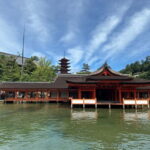
Getting Started: Meet at Hotel Granvia Osaka (7:15 AM)
Your day begins at Hotel Granvia Osaka (Umeda area) at 7:15 am. Expect the morning to be part logistics, part momentum—this tour is designed to leave early so you can fit Kyoto and Nara into an 11-hour day.
From the start, you also get the human support built into the plan. An assistant (not a licensed guide interpreter) helps with the handoff from the hotel meeting spot to the tour desk in Kyoto, and later from Nara back toward Osaka. The licensed guide interpreter handles the storytelling and site explanations where it counts.
Tip for this kind of schedule: keep your morning simple. You’ll be on public transport and buses, and you don’t want to be hunting for one last purchase or wrong platform while the group gets rolling.
Trains, Non-Reserved Seats, and Why Timing Matters
You travel by train between Osaka and Kyoto using the JR route, with Shinkansen included between Shin-Osaka and Kyoto Station. The plan uses non-reserved seats, and seating is not guaranteed, especially if the train fills up.
That matters because your comfort depends on crowd dynamics that you can’t control. If you’re okay with standing for stretches and you’re early at the boarding area, you’ll likely be fine. If you hate standing on trains, this is the part that can make the day feel less “easy.”
On the way back, you return from Nara to Osaka via Kintetsu Railway with non-reserved seating again, and you’re guided from Kintetsu Nara Station to Osaka Namba Station. The tour ends around 6:30 pm at Osaka-Namba, with no hotel drop-off—so you’ll need your own plan to get back to wherever you’re staying.
Stop 1: Nijo Castle’s Tokugawa Power Play (50 Minutes)
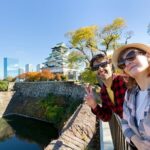
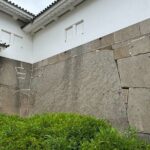
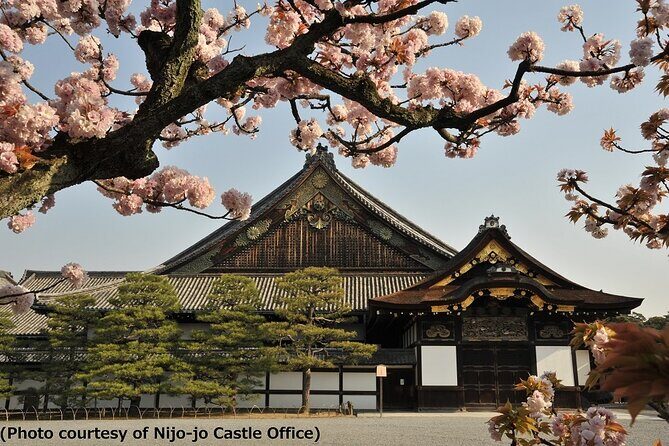
Nijo Castle is your first Kyoto anchor point. It’s a World Heritage site, completed in 1626, and built to serve as lodging for the Tokugawa shogun and as protection for Kyoto Imperial Palace.
What makes this stop interesting is contrast. The castle has a solemn, controlled exterior, then shifts into a more opulent interior feel. You’ll also be seeing the kind of detailed workmanship Japan does so well—carving and ornamentation that reward you when you slow down for a moment.
In the time allotted (about 50 minutes plus your entry), you won’t have time to absorb every corner like you would on a self-guided visit. You’ll get a guided path through the main areas, and you’ll need to accept that some rooms are more “look and move on” than “deep exploration and questions.”
Still, as an intro to Kyoto’s political side—before the city feels like temples and tourism—it’s a smart first stop.
Stop 2: Kinkaku-ji and the Golden Pavilion Moment (45 Minutes)
Next comes Kinkaku-ji, also World Heritage. The Golden Pavilion is wooden architecture covered in thin layers of pure gold, set beside a pond, so it changes mood depending on angle, weather, and how packed the viewing area is.
This is one of those places where the “icon” lives up to the hype, mostly because the design is simple and instantly readable: gold structure, water reflection, and a controlled garden setting.
With about 45 minutes, you’re likely to do two things well:
- get your main views and photos
- walk enough of the area to feel the layout
What you might miss is the slow appreciation of garden details. Also, Kinkaku-ji can be school-trip busy, and the tour pace doesn’t pause long for crowd gaps. If photos matter to you, be ready to reposition quickly and accept that you might shoot from slightly less ideal angles at first, then improve as people cycle out.


Stop 3: Kyoto Imperial Palace (or Kitano Tenmangu Shrine) (40 Minutes)
The plan includes Kyoto Imperial Palace, used as the Emperor’s residence until about 150 years ago. The style is described as clean and simple, and the guide route takes you through the palace atmosphere and the stories behind it.
The key practical thing here: the Imperial Palace can be closed to visitors. The tour swaps to Kitano Tenmangu Shrine on Mondays (or the following day if Monday is a holiday), and also on days when there’s an Imperial Household Agency event. If that closure happens to fall on the 25th, the tour visits Nishi Hongan-ji Temple instead.
That means you’re not just choosing a “Kyoto Imperial Palace day.” You’re choosing a flexible Kyoto court-and-tradition day, where you might end up with a shrine or a different temple if the calendar doesn’t cooperate.
If you care specifically about the palace buildings, check what day you’re traveling before you commit. You can’t control closures, but you can decide whether a possible substitute is still okay for you.
Moving Into Nara: Kasuga Grand Shrine and Deer-Message Lore (1 Hour)
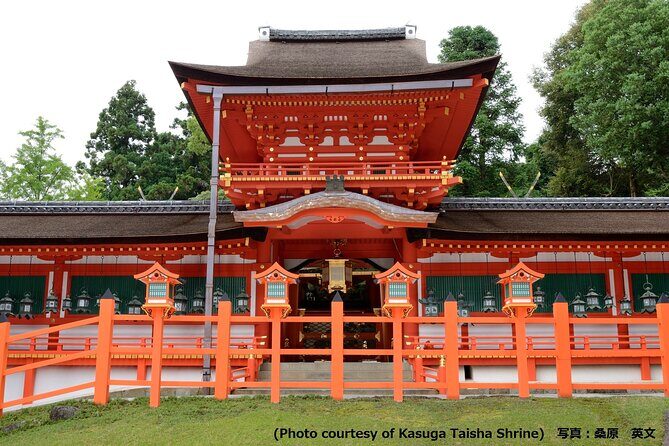
After lunch time comes Nara. Your first Nara stop is Kasuga Grand Shrine, a World Heritage site designated to the Nara Period.
Kasuga’s signature detail is the deer. The deer of Nara Park are traditionally seen as shrine messengers, and the whole place has that mix of ceremony and everyday interaction. Depending on conditions, you’ll feel like you’re watching a living cultural system—not just a static site.
The tour allows entry into the Main Sanctuary special visit area. If access is blocked due to events or operational reasons, the backup is either the Kasuga Taisha Museum or the Todaiji Museum.
You should plan for a “guided plus timed” experience here too. One hour is enough to absorb the shrine atmosphere and move through key viewpoints, but not enough to linger if you stop for every deer moment, every photo, and every guide explanation.
If you’re traveling with kids, Kasuga can be fun—but the day’s overall pace still matters. This is not a slow, stroller-friendly wander schedule.
Todai-ji Temple: The Great Buddha’s Scale (1 Hour 10 Minutes)
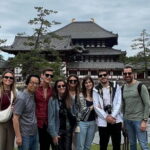
Then you hit Todai-ji Temple, the Nara stop that most people come for. It’s an 8th-century landmark, described as a symbol of the Nara Period and one of the world’s largest wooden structures.
The main hall is huge, and the bronze Great Buddha is the visual anchor. The tour also frames Todai-ji as a place with Japan national treasures, which helps you understand why it’s such a big deal beyond just size.
You’ll have about 1 hour 10 minutes here with tickets included. That’s a solid chunk for seeing the main areas, reading key points your guide shares, and still getting your bearings inside such a large space.
Crowds can be heavy at major Nara sites, especially when Japanese school trips line up. If that happens, you’ll feel it most during entry and the most popular viewpoints. Your best move is to go with the flow early in the stop, then slow down once you’re past the busiest paths.
Lunch Options: What’s Included and What to Expect
Lunch is only included if you choose a package option with lunch. The plan offers two kinds:
- a Western-style set menu (Western menu is the default lunch style for the Western option), with vegetarian requests handled if you tell them at reservation
- an Indian thali set menu for the Indian thali option, suitable for vegetarians
Important reality check: halal, gluten-free, and other meal requests are not listed as available. If you have strict dietary needs, you should assume you’ll need to make your own plan for food.
Also, lunch is timed inside a day built for motion. That means even a good meal won’t turn the day into a relaxed experience. If you’re the type who hates rushed eating, you might prefer the No Lunch option so you can eat where and how you like around Kyoto Station.
Crowds, Listening, and Photo Timing at Peak Sites
Even with a guide and tickets handled, your lived experience will be shaped by crowds. Nara Park and the major temples can be packed, and that affects both walking speed and how much you can hear.
One practical thing I’d do: when the guide is explaining a specific point, stand where you can actually see and hear. In fast group settings, it’s easy to drift a step back and lose the details, especially with accents.
For photography, plan on shooting in bursts. The tour moves you along, so you’ll get better results if you take a few photos, reset your stance, then move again rather than waiting for the perfect moment that may never come.
If you’re sensitive to noise and crowds, this is still doable—just know you’re visiting the famous sites on their busiest days.
Value at $198.15: When This Tour Is Worth It
At $198.15 per person, this isn’t a bargain tour. The value comes from what’s bundled:
- guided time with a licensed English guide interpreter
- entry fees for the included sites
- transportation costs, including Shinkansen coverage and the return rail leg
If you’d otherwise pay for train tickets, buy multiple attraction entries, and spend hours researching how to connect everything, this package can feel like a time-saver with a human guide telling you what matters.
It can also be a good fit for first-time visitors who want a quick framework. Seeing Nijo Castle, Kinkaku-ji, and Todai-ji in one day gives you a mental map for what you’ll want to revisit later.
The cost feels less justified if you’re the kind of traveler who needs more time at each stop or wants to linger without a timetable. Several participants clearly wanted more breathing room, and that’s the main reason a cheaper, slower DIY approach can feel better if you’re comfortable navigating trains and ticket lines.
My simple rule: book this if you want the highlights fast and you like being guided. Skip it if you want deep time at temples and zero time pressure.
Should You Book This Kyoto and Nara Day Trip from Osaka?
Book it if:
- you’re short on time in Japan and want the big Kyoto and Nara hits in one day
- you prefer a guide explaining what you’re looking at
- you like the convenience of admissions plus transport handled
Consider another option if:
- you hate non-reserved train seating and standing situations
- you want long, calm visits at fewer sites
- your budget is tight enough that $198.15 needs to buy more than a timed walkthrough
If you do book, go in with the right expectations: this is a highly structured “see it all” day, not a slow cultural retreat. If you keep moving with purpose—then spend your full attention during the key explanations—you’ll get a lot out of it.
FAQ
Where do we meet, and what time does the tour start?
You meet at Hotel Granvia Osaka (3-chōme-1-1 Umeda, Kita Ward) at 7:15 am.
How long is the Kyoto and Nara day trip from Osaka?
The duration is about 11 hours 15 minutes.
What’s included in the price?
The tour includes a national government licensed English guide interpreter, admission fees and transportation costs for the listed stops, and lunch only if you select the With Lunch option.
Is lunch included, and what choices are available?
Lunch is included only with the With Lunch option. The Western option is a Western-style set menu, and the Indian thali option is a vegetarian thali set menu. Vegetarian requests must be provided at reservation for the Western lunch option.
Are train seats reserved on the Shinkansen and the return ride?
No. Seats are non-reserved for the trip between Osaka and Kyoto and also non-reserved for the return between Nara and Osaka. Seating is not guaranteed.
What happens if Kyoto Imperial Palace is closed on your travel day?
If Kyoto Imperial Palace is closed, the tour visits Kitano Tenmangu Shrine instead. If the closure falls on the 25th, it visits Nishi Hongan-ji Temple.
What happens if Nijo Castle is closed?
Nijo Castle is closed on Tuesdays during certain months (January, July, August, and December). If closed, the tour visits Ryoan-ji Temple instead. Alternative destinations are used without refunds.
Where does the tour end?
The tour ends at Osaka-Namba Station around 6:30 pm, and there is no hotel drop-off.
Can I cancel for a full refund?
Yes. You can cancel up to 24 hours before the start time for a full refund, and cancellations within 24 hours are not refunded.