REVIEW · TOKYO
Tokyo: Fast & Furious Tokyo Drift 3 Experience (Kaila Yu SP)
Book on GetYourGuide →Operated by Tokyo Turismo Ltda · Bookable on GetYourGuide
A Tokyo night drive can turn into a full-on car movie. This experience strings together Wangan/C1, tunnels, Daikoku PA, and big skyline stops like Rainbow Bridge, Tokyo Tower, or Shibuya Crossing, all with pro drivers and lots of time at the places that matter. I love that you’re not stuck in a generic bus: you ride in hot sports cars, so the night feels real. I also like the built-in pacing, with a proper stop at A-PIT Autobacs (about 30 minutes) plus car-meet energy at Daikoku. One thing to think about: it’s not private, and car availability depends on your date, so you can’t count on riding the exact model you’re dreaming of.
In This Review
- Fast & Furious Tokyo Drift vibes, without the fake stuff
- Key highlights you’ll feel during the night
- What you’re really buying for $157 per person
- Meeting at Store TOKYO VIDEO GAMERS: the warm-up that sets the tone
- The car-meet core: Daikoku PA and why it’s worth the stop
- Wangan/C1 and tunnels: how the ride actually feels
- A-PIT Autobacs (about 30 minutes): the best souvenir for car people
- Rainbow Bridge: Tokyo Bay and Odaiba views after dark
- Tokyo Tower or Shibuya Crossing: finishing the skyline chapter
- Car lineup and drivers: why you shouldn’t over-plan it
- Language help: English is available, and so is real effort
- The real logistics: timing, group size, and drop-off
- Who this tour is best for (and who should skip it)
- Should you book Tokyo’s Fast & Furious Tokyo Drift 3 night drive?
- FAQ
- What spots does the tour include?
- Is Daikoku Parking Area entry included?
- How long is the stop at A-PIT Autobacs?
- Do I get dropped back at my hotel?
- Can I choose which car I ride in?
- What should I bring?
- What’s the cancellation policy?
Fast & Furious Tokyo Drift vibes, without the fake stuff
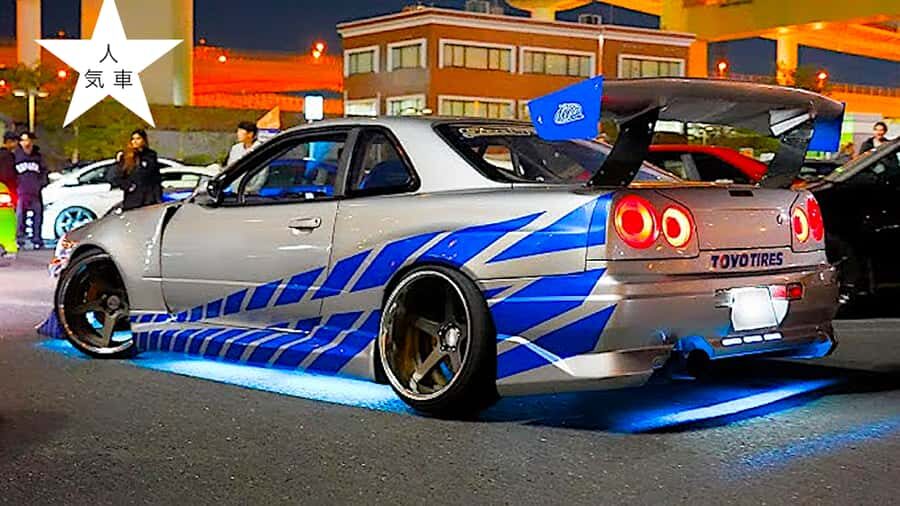
The tour is built around Japanese car culture at night, with routes that make you feel the city’s speed and sound—then slows down where photos and car-spotting count. I love that it starts with a low-key hangout at Store TOKYO VIDEO GAMERS (free Guaraná and arcade time are part of the pre-ride) instead of a stressful scramble. I also like the team approach: drivers are residents and enthusiasts, and the guides offer English plus other language support (Portuguese, Spanish, Japanese, and Tagalog are listed). The main drawback is practical: seats in certain cars can be tight (a few people specifically called out back-seat size in GTR-style cars), so if you’re broad-shouldered or value extra legroom, you’ll want to plan for a snug fit.
Key highlights you’ll feel during the night
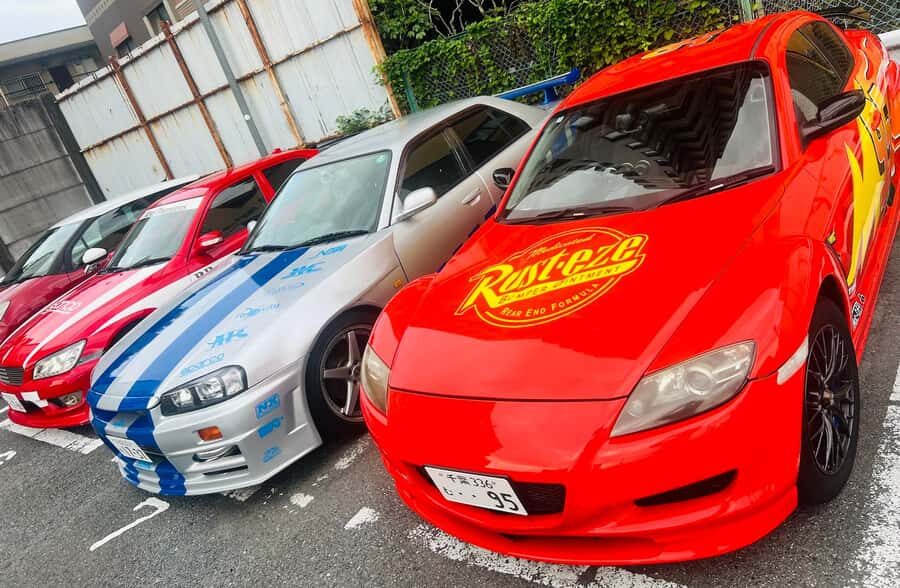
- Daikoku Parking Area JDM meeting with free entry, so you can soak up the local scene without extra charges
- A-PIT Autobacs stop (about 30 minutes) at a major Tokyo car-supplies hub
- Rainbow Bridge and Tokyo Bay/Odaiba views during the night drive
- Tokyo Tower or Shibuya Crossing at night, when the city looks like it’s glowing on purpose
- Hotel drop-off within Tokyo 23 wards, so you’re not fighting late-night transit
- A mix of pro-driver styles and car lineup, including famous JDM models when available
You can also read our reviews of more tours and experiences in Tokyo.



What you’re really buying for $157 per person
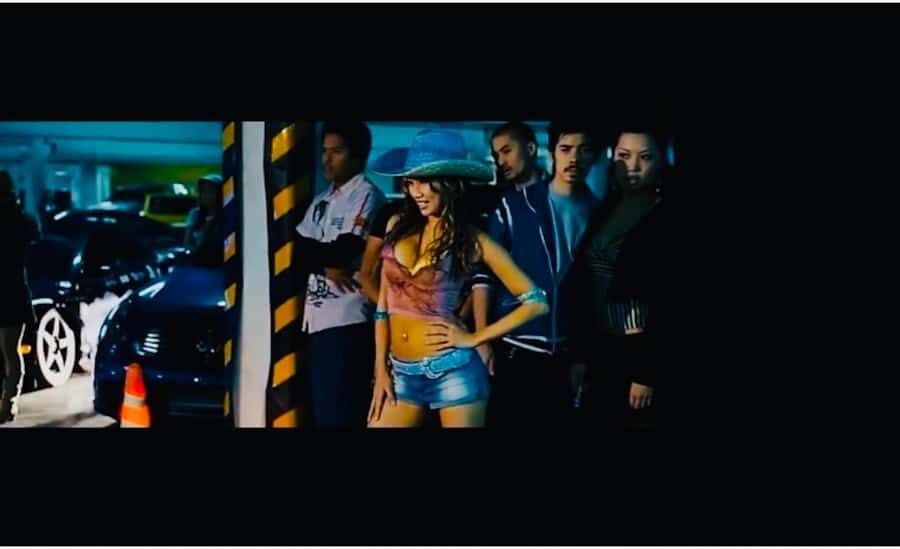
At $157 per person, you’re not paying for a museum tour. You’re paying for a guided night route that bundles four things that are hard to DIY in Tokyo: access to the right car-meet spots, real highway/tunnel driving, structured stops for photos, and a smooth handoff back to your accommodation.
Here’s what adds value:
- Fuel and toll fees are included, which matters in Tokyo where the best roads aren’t always the cheapest ones.
- Iconic sightseeing stops are built into the drive, like Rainbow Bridge and either Tokyo Tower or Shibuya Crossing.
- You get a hotel drop-off within Tokyo’s 23 wards, which can save you time and stress at the end of a late night.
Here’s what you’re not guaranteed:
- You can’t request a specific car as a sure thing. The tour notes that the cars depend on reservation date and driver availability.
- Since it’s not private, cars aren’t reserved just for you, and seating can be compact.
So if your top goal is a specific model (say, a certain Skyline variant), you should consider the private option mentioned by the operator: you’d need to reserve about one week in advance and purchase the higher-ticket/private service referenced in the provider profile.
Meeting at Store TOKYO VIDEO GAMERS: the warm-up that sets the tone
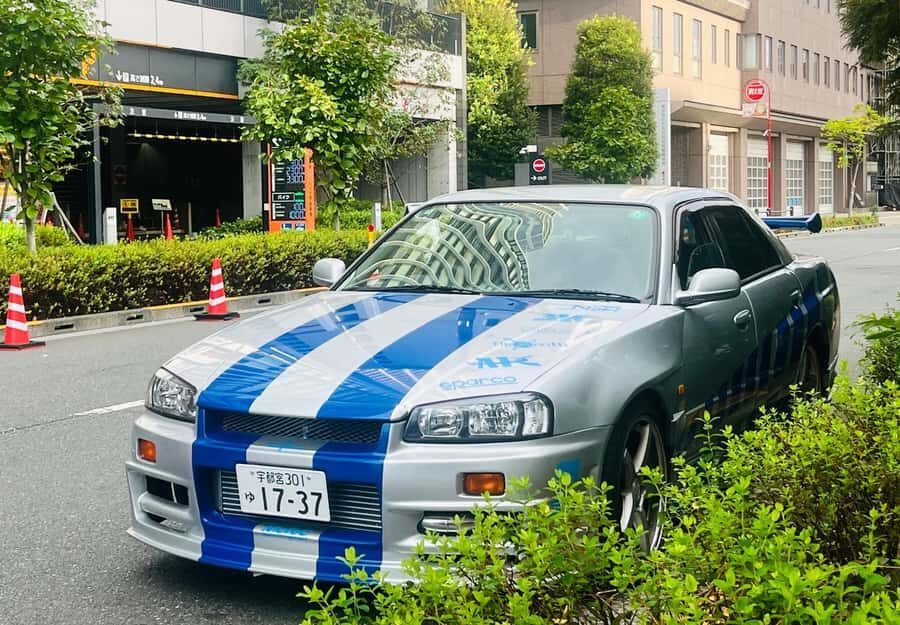
Your night starts at Store TOKYO VIDEO GAMERS. The tour includes a free Guaraná drink and arcade play for free, which is a smart way to kill the awkward waiting time and get into the Tokyo rhythm before the engines start.
This start matters for two reasons:
- You can meet your driver and guide in daylight-like conditions, then roll into the city together.
- It lowers the pressure of a first-time ride in modified cars, because you’re not just sitting around in the cold with your adrenaline already spiking.
Plan to arrive early. The tour asks you to show up at least 15 minutes before start time. Delays are tolerated up to 15 minutes.
Tip: If you’re coming from another part of Tokyo, give yourself a buffer. Late arrivals don’t automatically derail everything, but getting there early is the easiest way to keep the night smooth.
The car-meet core: Daikoku PA and why it’s worth the stop
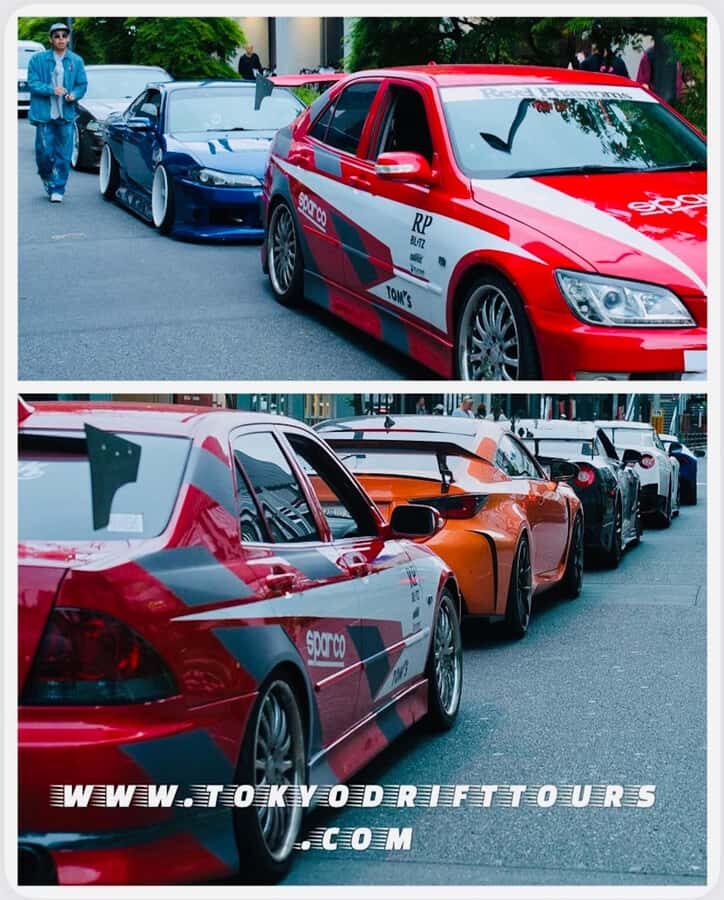
The big “Japan car culture at night” moment is Daikoku Parking Area (Daikoku PA). The tour describes it as a place where enthusiasts gather, and it’s one of the stops that tends to create the strongest photos—because you’re not looking at a car show on a screen. You’re standing among it.
Good to know:
- Entry is free for the Daikoku meeting.
- You’ll ride the route through Tokyo’s Wangan/C1 area and tunnels, then arrive where the scene is concentrated.
If you care about JDM, this is where the tour earns its name. Rainbow Bridge is gorgeous, Tokyo Tower and Shibuya are iconic—but Daikoku is where car people feel like they’re in the right room.
Real-world detail from the experience vibe: several people highlighted the local feel and being able to actually see major meeting points with their own eyes. That’s the core value of this stop.
Wangan/C1 and tunnels: how the ride actually feels
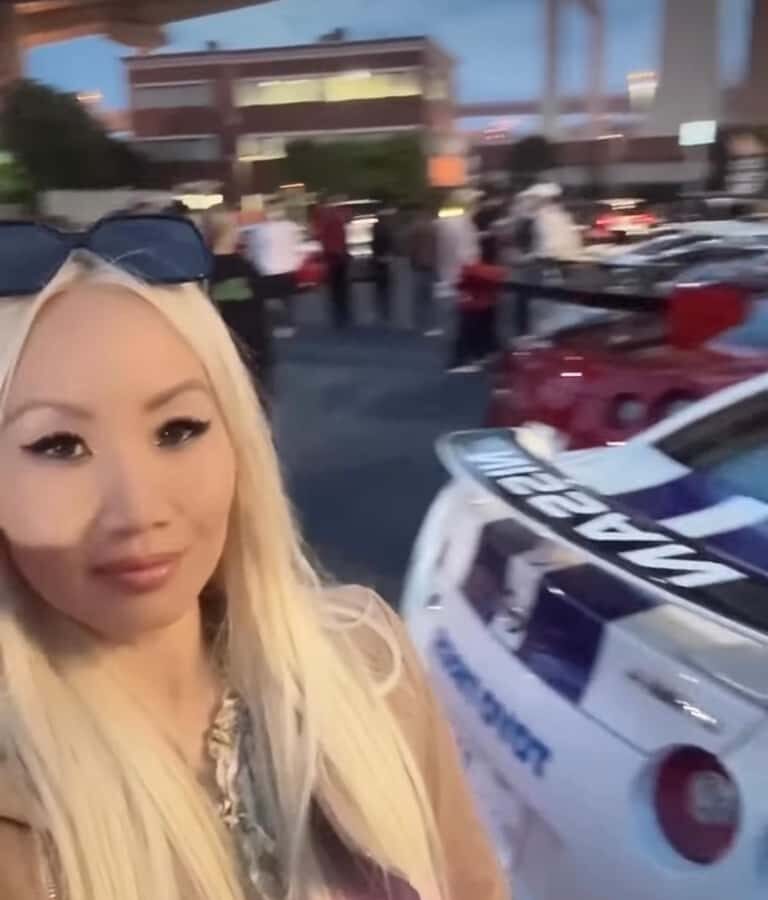
This is a night-drive tour, not a daytime sightseeing loop. Expect cruising along Wangan/C1, with tunnels included as part of the route. Reviews also reference a Bayshore route feel on the return leg, which fits the idea of driving with the city lights stretched across the water.
Why it matters:
- Tokyo at night is most dramatic from a moving car window, especially when you catch skyline light patterns and bridge reflections.
- Tunnels give you that different sound-and-speed sensation that city buses simply can’t replicate.
Safety question comes up a lot in this kind of experience. The tour states it’s run by a duly registered tourism company that follows passenger transportation legal requirements, and the driver approach is framed as safe and enthusiastic. In the feedback I saw, people repeatedly said the driving felt professional and safe while still exciting, including mention of guides like Kei, Masa, and Tharindu for that balance.




A-PIT Autobacs (about 30 minutes): the best souvenir for car people
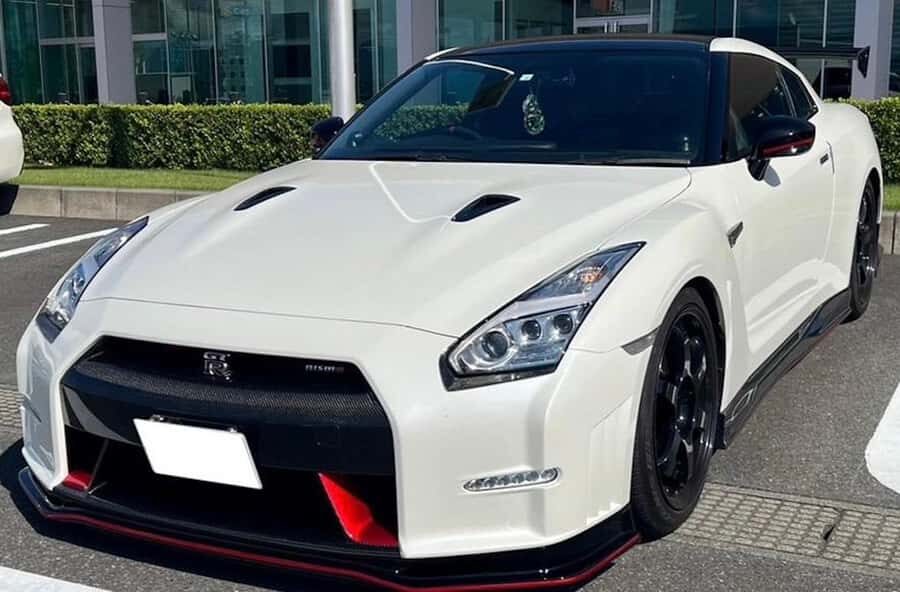
Next you’ll hit A-PIT Autobacs for about 30 minutes. This is described as the largest car-supply shop in Tokyo, and that claim lines up with why the stop is so loved: it’s not just a photo stop, it’s a chance to browse actual tuning, accessories, and parts culture.
How to use the time:
- Go in with a short list: keychains, small tools, apparel, and accessories are usually what you can fit and bring home easily.
- Don’t treat it like a slow museum crawl. Thirty minutes is enough for browsing, but you’ll want to move with purpose.
A detail worth remembering: the tour isn’t private, so you might not get extra time for shopping if the group pace shifts. Still, 30 minutes is generous for a stop inside a busy Tokyo nighttime schedule.
Rainbow Bridge: Tokyo Bay and Odaiba views after dark
You’ll pass over Rainbow Bridge, with a view of Tokyo Bay and Odaiba. This is one of those stops where the photo looks like a postcard but actually feels better when you’re riding past it.
What you’ll enjoy:
- The bridge structure framed by city lights.
- The waterfront glow that makes Tokyo look layered, not flat.
Even people who aren’t die-hard car fans often mention this kind of stop as the moment the night becomes unforgettable, because it gives you a skyline anchor before you swing into street-level neon like Shibuya.
Tokyo Tower or Shibuya Crossing: finishing the skyline chapter
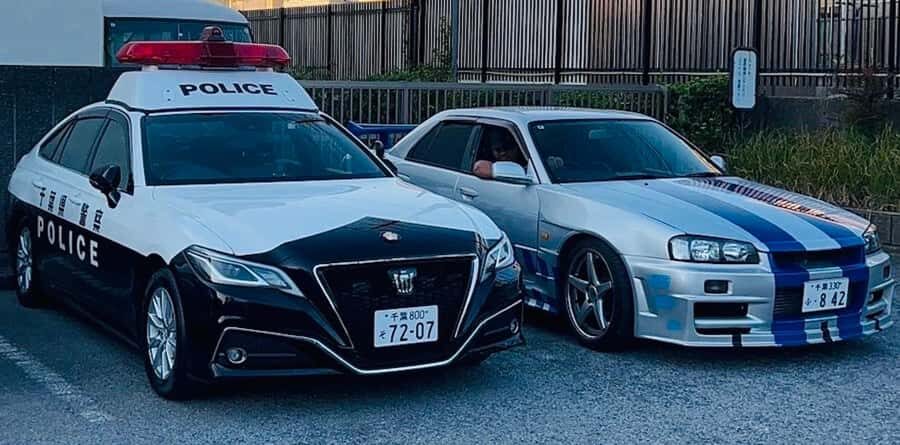
Near the end, you’ll get Tokyo Tower or Shibuya Crossing as a night scenic view. The exact choice can vary by routing and conditions, but the goal is the same: end with a Tokyo icon under lights instead of a daytime snapshot.
How to plan your mindset:
- Shibuya Crossing tends to feel loud and fast even when you’re not walking through it. You’ll likely get a view from the moving ride and stops designed for photos.
- Tokyo Tower is more visually “steady”—you get the classic Tokyo moment, which pairs nicely after the speed of highways and tunnels.
Several people highlighted night skyline views as a highlight, and it makes sense. After a long string of road driving and car-spotting, these views give your brain a reset.
Car lineup and drivers: why you shouldn’t over-plan it
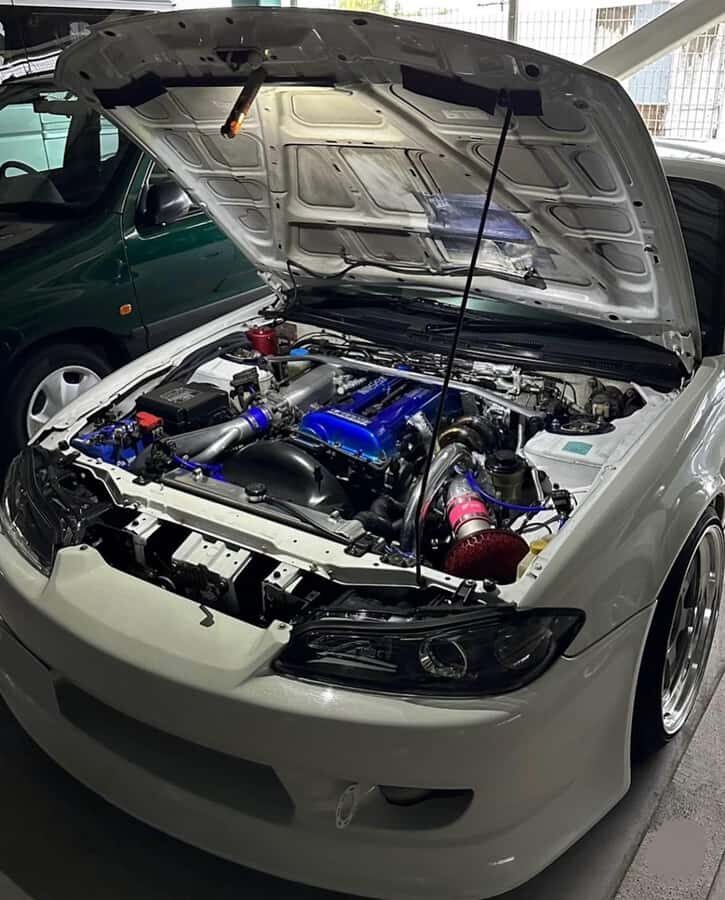
The tour includes a fleet of high-performance cars and lists many examples of what you might ride in, such as Mitsubishi Evolution models, Nissan Skyline GTR34/GTR35 types, Lexus RF-C, Subaru WRX STI, Nissan Silvia (S15-S14)-style drift cars, Toyota Celica, and others. It also notes that car selection can’t be forced, because availability depends on your reservation date and driver situation.
That’s the trade-off. It’s not a curated “you will ride Model X” experience. It’s more like: you booked the route and the scene, and the operator pulls from what’s available that night.
I think this is actually good news if you want the authentic energy. You’re not checking a box—you’re watching Tokyo’s car culture in motion, with the lineup that turns up that evening.
Language help: English is available, and so is real effort
The tour lists guides/drivers in English, Portuguese, Spanish, Japanese, and Tagalog. In the feedback, I saw examples of guides using translators and going out of their way to connect stories to people even when English wasn’t their strongest language.
That matters because the best part of car culture isn’t just the cars. It’s why people modify them, how routes and spots fit the scene, and what makes certain cars special to Tokyo.
If you want a smooth experience:
- Use simple phrases and show curiosity.
- Ask at stops rather than during the most intense driving. Your guide can explain clearly when you’re parked.
The real logistics: timing, group size, and drop-off
A few practical points make or break a night like this.
- Group size: it runs daily with 10 to 30 cars, so you’re part of an active scene, not a quiet private ride.
- Car occupancy: cars typically fit 2–3 humans. That affects comfort and photo angles.
- Hotel drop-off: included and free within Tokyo 23 wards.
This is why the end of the night feels easier than DIY plans. When you finish the last skyline view, you’re not guessing trains or rideshare waits.
One caution from feedback: back-seat comfort can be tight in certain cars. If comfort is your top priority, choose a spot that gives you more room when you board, and be ready for compact seating in GTR-like vehicles.
Who this tour is best for (and who should skip it)
This experience is a strong match if:
- You’re a car person or you just want to see Tokyo’s tuning culture up close.
- You love night city driving and want roads you can’t easily access on your own.
- You want iconic Tokyo sights—Rainbow Bridge, Tokyo Tower, Shibuya Crossing—wrapped inside a car-culture night.
You might hesitate if:
- You hate tight seating and want a fully spacious ride the whole time.
- You only care about monuments and would rather have a daytime walking tour.
- You’re expecting a specific car on a specific reservation with no variation.
Should you book Tokyo’s Fast & Furious Tokyo Drift 3 night drive?
If you’re coming to Tokyo for a short time and you want one unforgettable night that mixes high-performance driving + real JDM meeting energy + top skyline views, I’d say yes. For $157, the value comes from the combination: Daikoku (free entry), A-PIT (about 30 minutes), bridge and skyline moments, professional drivers, and a free drop-off in Tokyo 23 wards.
Book it especially if you like the idea of ending your trip with something that feels like Tokyo at 2 a.m.—not Tokyo at noon.
If you’re mainly shopping for comfort and predictability (exact car model, lots of room, long stops), you’ll likely feel better choosing a more tailored option or a different type of tour. Here, the excitement is partly the spontaneity of what’s available that night.
FAQ
What spots does the tour include?
You’ll ride through Tokyo’s Wangan/C1, including tunnels, and visit Daikoku Parking Area (JDM meeting), A-PIT Autobacs (about 30 minutes), Rainbow Bridge with Tokyo Bay and Odaiba views, plus a night scenic stop at either Tokyo Tower or Shibuya Crossing.
Is Daikoku Parking Area entry included?
Yes. The Daikoku PA JDM underground car meeting is listed as entry free.
How long is the stop at A-PIT Autobacs?
The tour lists 30 minutes at A-PIT Autobacs.
Do I get dropped back at my hotel?
Yes. There’s free drop-off at your accommodation within Tokyo 23 wards (including Airbnb or other places within that area).
Can I choose which car I ride in?
Car selection depends on availability and driver situation, and the tour notes that you should not count on being able to choose a specific car. A private option is mentioned for those who want car choice, with about one week advance reservation and the higher-ticket purchase referenced in the provider profile.
What should I bring?
Bring your passport or an ID card.
What’s the cancellation policy?
The tour states you can cancel up to 24 hours in advance for a full refund. It also notes no refund if weather affects the number of cars at the car meeting, though the tour still runs with options when roads are affected.