REVIEW · TOKYO
From Tokyo: Mount Fuji Full-Day Sightseeing Trip
Book on GetYourGuide →Operated by GORYO TRAVEL CO. LTD. · Bookable on GetYourGuide
Fuji in a single long day. This trip links classic viewpoints with a smooth bus day, so you see Mt. Fuji from Kawaguchiko Lake reflections and then again from higher ground. I also like the tight, practical pacing—guides such as Sophie, Evita, and Annie are praised for keeping everyone organized at each stop—so you don’t waste time hunting down photo spots. The big drawback is the weather gamble: visibility can change fast, and Mt. Fuji isn’t guaranteed all day.
You’re paying mostly for time and logistics. For about $68 per person, you get a 3-star, safety air-conditioned coach, English/Chinese live guiding, and entry fees at the main sights. Food and drinks are on you, and the day can feel long once you add walking and queues at peak seasons.
In This Review
- Key takeaways before you go
- The one-day Fuji route that actually works from Tokyo
- Tokyo pickup, coach comfort, and why it matters
- Oishi Park: the lake-and-Fuji photo you came for
- Arakurayama Sengen Park and Chureito Pagoda: the classic pagoda climb
- Chureito Pagoda photos can get crowded fast
- Oshino Hakkai: eight ponds, Fuji spring water, and lunch time
- Hikawa Clock Shop: quick stop, useful break
- Mt. Fuji 5th Station at ~2,300m: close-up views and more waiting
- What happens when the road or weather changes
- How much walking you’ll really do (and how to make it easier)
- Price and value: is $68 worth it?
- Who should book this Fuji day trip
- Should you book this Mount Fuji full-day trip?
- FAQ
- FAQ
- How long is the Mount Fuji full-day trip from Tokyo?
- Where do I get picked up and dropped off?
- What is included in the price?
- Is lunch or other food included?
- What languages are the live tour guides?
- What if the road to Mt. Fuji 5th Station is closed?
Key takeaways before you go
- Multiple Fuji viewpoints, not just one: lake, shrine area, and a mountain-station stop
- Oshino Hakkai spring water tasting at a famous Fujisan spot with multiple ponds
- Arakurayama Sengen Park + Chureito Pagoda for big views and classic photo framing
- Mt. Fuji 5th Station (about 2,300m) for a closer look at the top area
- Comfortable coach + guided timing: guides like Evita, Jack, and Cathrine are known for clear instructions
- Plan for crowds and short stop windows during weekends and flower season
The one-day Fuji route that actually works from Tokyo
This is the kind of day trip that makes sense if you want Fuji, but you don’t want to spend your whole day coordinating buses, trains, and transfers. You leave Tokyo by coach, and you return the same way. The route is built around places where Fuji shows up clearly from different angles: first from the lakeside, then from higher up around a shrine/pagoda area, and finally from 5th Station.
What I like about this format is how it reduces your risk. If the view is hazy at one stop, you still have others later. And if the weather shifts, the guide can adjust the flow. You should still treat Fuji visibility as uncertain—fog and clouds happen, especially around the mountain.
Timing-wise, you’ll be on the road for stretches, then you’ll get relatively short but purposeful windows at each stop. It’s not a slow stroll day. You’re moving, snapping photos, walking to viewpoints, then moving on.
A few more Tokyo tours and experiences worth a look
Tokyo pickup, coach comfort, and why it matters
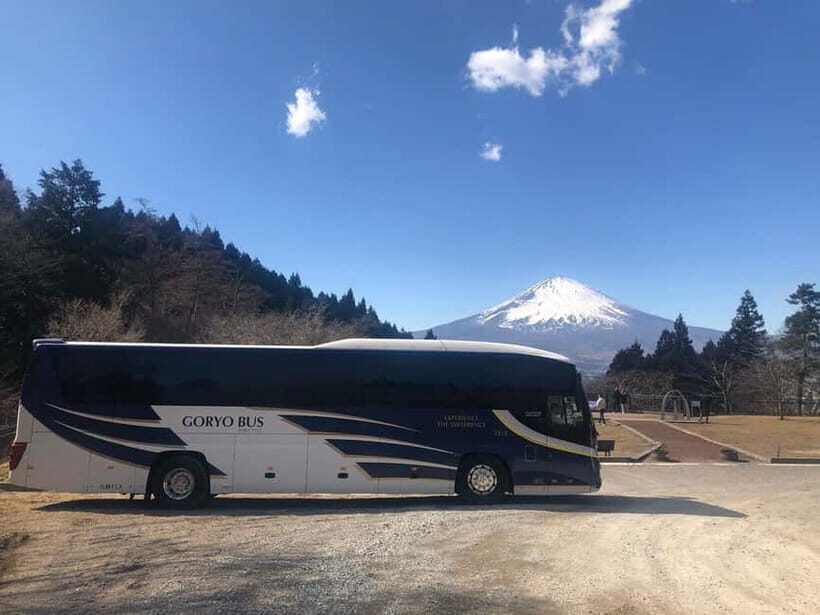
Your start is designed for convenience: you choose one of two pickup/drop-off areas near Tokyo and Shinjuku. The tour also includes entry fees and a professional guide with live interpretation in Chinese and English.
Two details matter a lot on a long day like this:
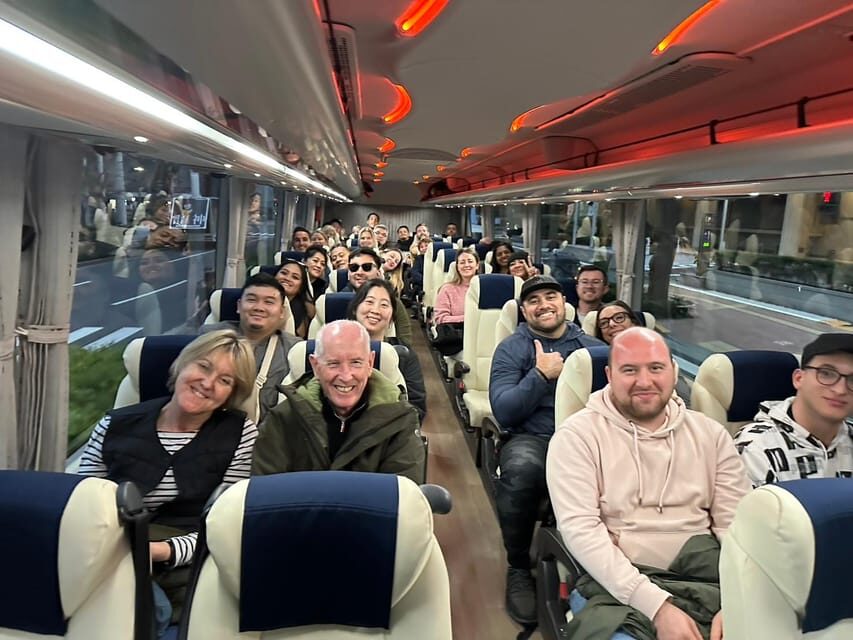
- Bus comfort: multiple guests specifically call out that the coach is clean, modern, and air-conditioned. In winter, warmth also comes up as a big plus.
- Clear meeting-point directions: some people found the meeting area tricky to locate, especially if they came out of the wrong train exit. If you’re traveling the same day, I’d plan extra time to find the exact pickup corner.
Once you’re on board, the day runs like a schedule with flexibility. One guest even mentioned WhatsApp updates being used to keep everyone informed about meeting times and where to gather—small thing, big stress reducer.
Oishi Park: the lake-and-Fuji photo you came for

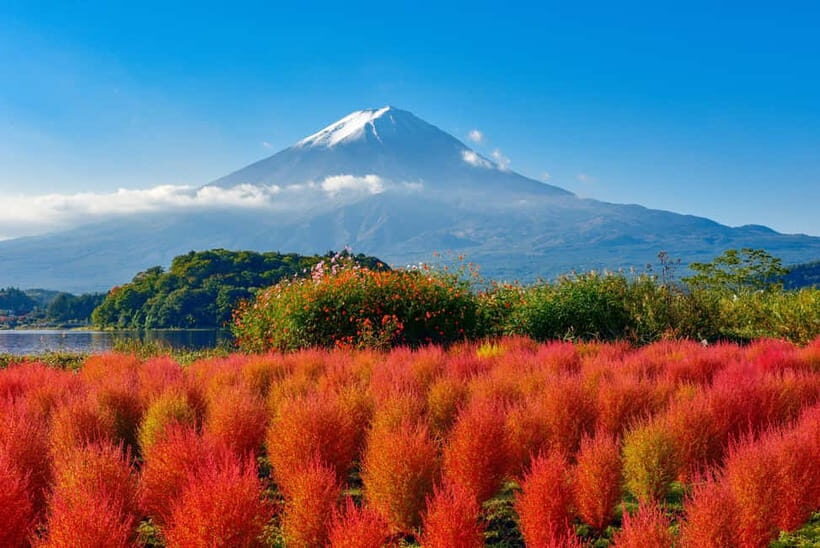
The first real scenery stop is Oishi Park by Kawaguchiko Lake. This is where you go to get Fuji in the background with water and shorelines doing the heavy lifting for your photos. If the sky cooperates, this is the classic shot: Fuji crisp, lake reflections, and a foreground you can frame.
You’ll have about 30 minutes here. That’s enough time to:
- grab photos from the most common viewpoint areas
- do a quick loop for alternate angles
- handle a restroom break if you need one before the next walk-heavy spot
What to watch for: this stop is timed. If you waste your first minutes stuck in lines or wandering away from the main viewpoints, you can feel rushed. If you care about photos more than shopping, arrive ready to move and take your best shots quickly.
Arakurayama Sengen Park and Chureito Pagoda: the classic pagoda climb
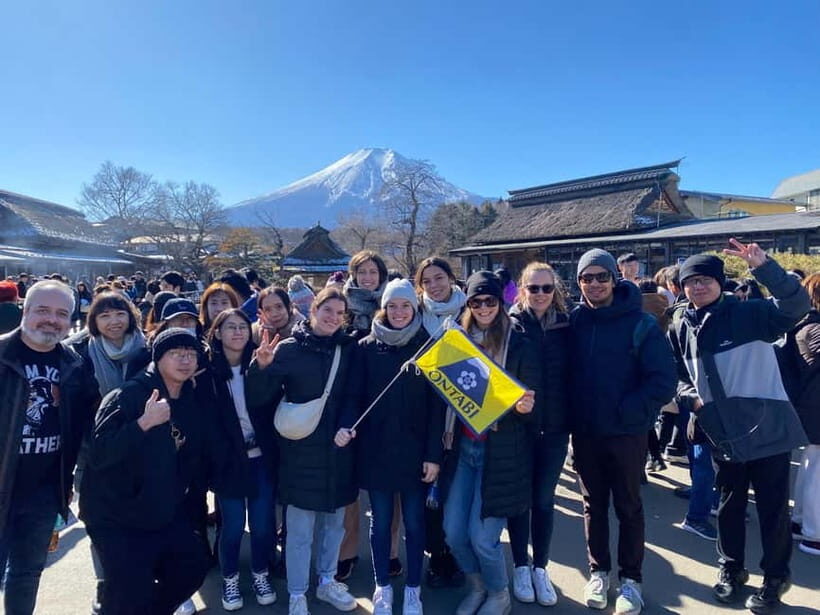
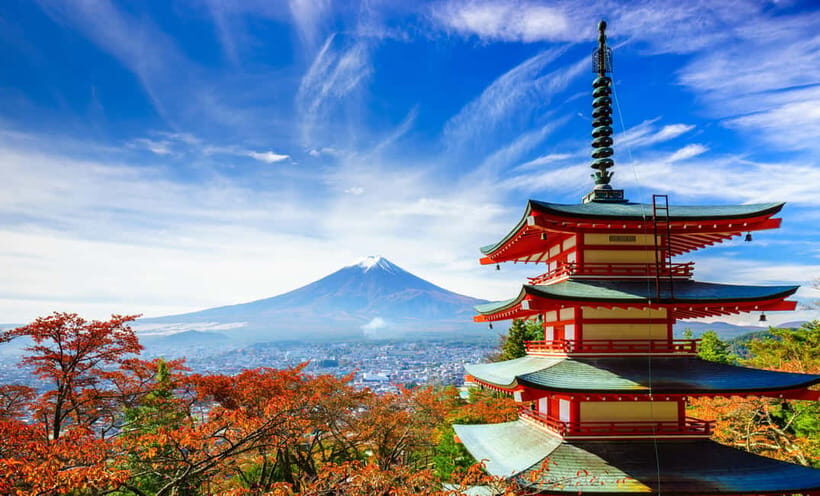
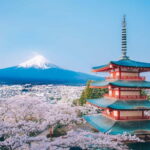
Next you head to Arakurayama Sengen Park and the Chureito Pagoda area. This is halfway up Mount Arakura in Fujiyoshida, and it’s famous for panoramic views with the pagoda in the frame. In spring, cherry blossoms can add another layer to the scene—though that also means you’re more likely to face peak crowds.
You’ll have about 75 minutes in the Arakurayama Sengen Park region, plus a shorter walking/photo stop for the pagoda itself. Expect walking. One practical note from the field: plan for a staircase climb that can feel like 400+ steps depending on where you start and how you route yourself. You don’t need to sprint, but you should wear shoes you trust.
A smart strategy here is to split your time:
- first, aim for the main view points for Fuji + pagoda framing
- then, if the view is good, do one slower pass for extra angles
- if the sky turns, don’t linger too long in side areas—move toward the highest, clearest viewpoint you can reach
Chureito Pagoda photos can get crowded fast
Even when the timing feels good, this is one of those places where everyone’s chasing the same viewpoint. That’s why the guide’s pacing matters. In this kind of spot, a guide who’s good at managing meeting points makes a difference, because you’re not just competing with time—you’re competing with other photographers.
Also, if you’re sensitive to crowds, go with a simple goal: get your essential Fuji-with-pagoda shot, then move on. It’s an easy way to keep the day enjoyable instead of frustrating.





Oshino Hakkai: eight ponds, Fuji spring water, and lunch time
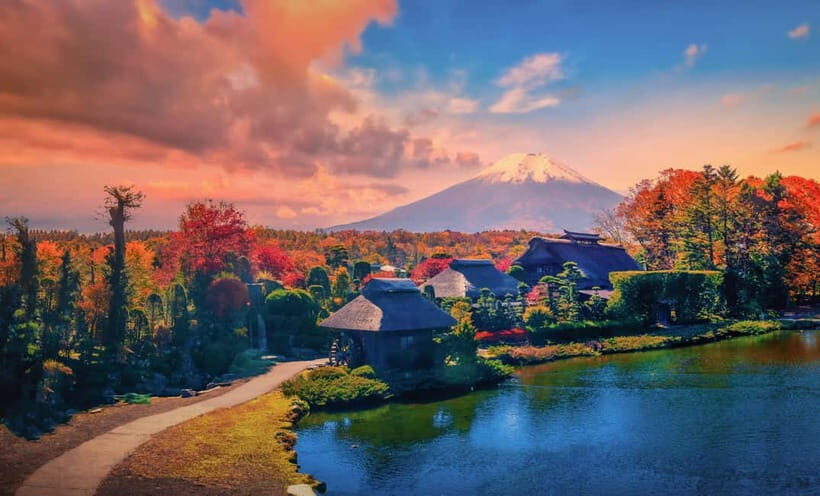
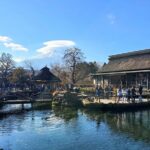
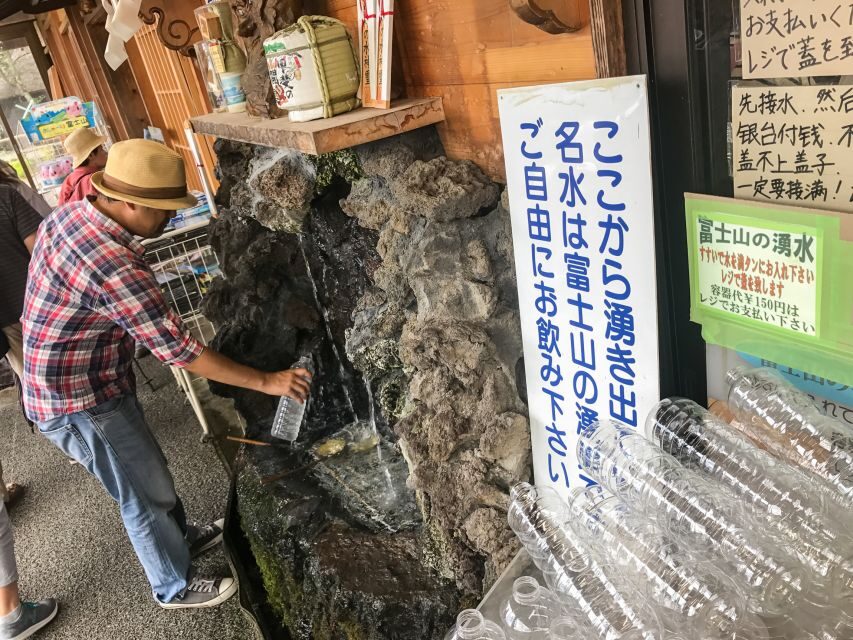
After the pagoda area, you land at Oshino Hakkai, one of the most well-known Fujisan spots. Here the star is the spring water—there are eight ponds (eight lakes) in the area. A big, memorable detail is that you can taste the water. It’s a simple moment, but it connects you to why the region matters beyond the photos.
This stop gives you about 80 minutes, including lunch and sightseeing time. That means you’ll have some flexibility:
- eat before you get too cold or too tired
- then walk and check the ponds at a relaxed pace
- or reverse the order if you want the calmest viewing first
Practical note: queues can form, and restroom access can be a little harder during busy hours. Build in that reality. Don’t wait until you’re desperate—do the basics early.
Hikawa Clock Shop: quick stop, useful break
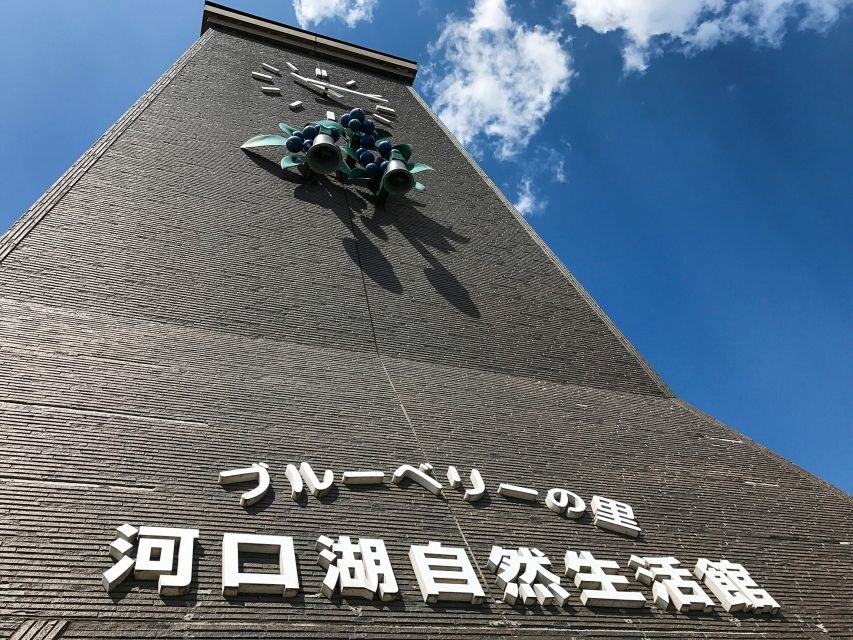
You’ll also make a stop at a Hikawa Clock Shop with free time to browse and walk around. This is one of those add-on cultural/personal shopping stops. It can be surprisingly convenient: it gives you a break between more intense walking areas.
Value-wise, it’s there to stretch the day without adding more “hard work” climbing. If you’re not into clocks or souvenirs, treat it like a rest stop with a quick browse, not a must-do purchase.
Mt. Fuji 5th Station at ~2,300m: close-up views and more waiting
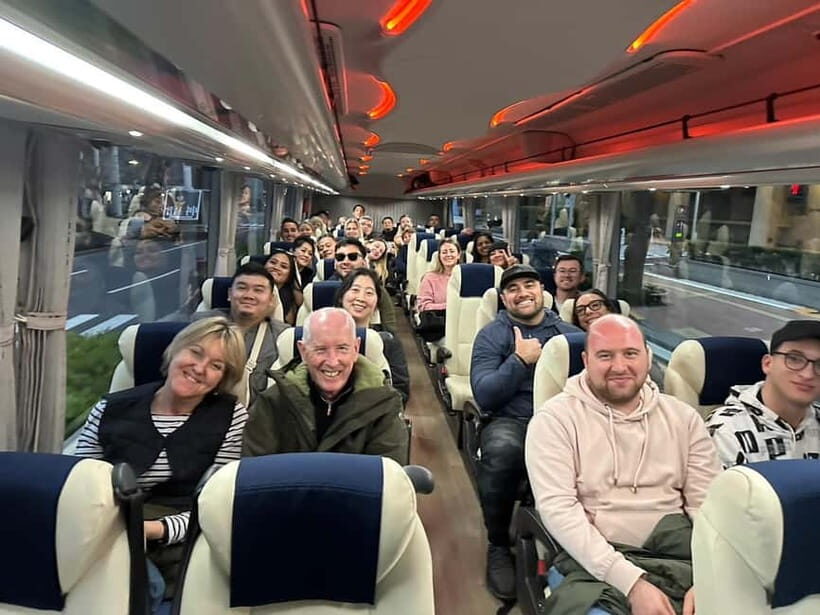
The final major sight stop is Mt. Fuji 5th Station, at about 2,300 meters. This is where the day can feel most dramatic—if Fuji shows itself. You’ll get a close view of the mountain area, plus time for snacks, souvenirs, and more photo chances.
Expect about 40 minutes for photos and exploring around the station area. That’s enough to:
- walk to a couple of viewpoint points
- snap your “I’m here” photos
- grab a quick treat if you want something warm or filling
But be realistic: visibility depends on weather. One of the most helpful ways to think about this stop is as a high-stakes attempt. If clouds roll in, you might lose the big view even after you’ve gone all the way up. That doesn’t mean the stop is useless—it can still be interesting for the atmosphere and the sense of scale—but your photo plan should allow for disappointment.
A useful tip: in winter, it can be freezing up there. If you run cold, dress like you’re going to stay longer than planned.
What happens when the road or weather changes
Mt. Fuji logistics can change. The tour notes that if the road to the 5th Station is closed due to weather or traffic, the itinerary may shift to 4th Station / Mt. Fuji 1st Station / Lake Yamanakako Hananomiyako Park. In winter, there’s also a special plan that can focus on diamond Fuji sunset views from 4th Station / 1st Station or the Yamanakako Hananomiyako area.
So you should go in with two mindsets:
- Be flexible about which station you end up at
- Don’t build your whole day around one single photo outcome
Arrival timing can also be delayed by 2 to 3 hours because of road conditions. On a day trip, that matters. Keep your schedule in Tokyo open and don’t place a tight commitment right after you return.
How much walking you’ll really do (and how to make it easier)
This day has several parts where you’re on your feet. The lake stop is manageable, but Arakurayama and Chureito involve a viewpoint walk and likely stairs. Oshino Hakkai is easier walking on flatter paths, but it can still take time when you’re weaving between ponds and food areas.
What I’d do to make the day smoother:
- wear comfortable walking shoes with grip
- bring layers you can adjust fast (lake areas and mountain stations can feel very different)
- use your time at each stop with a mini plan: photo first, basic needs next, shopping last
One other practical note from guest feedback: some people also felt the day could feel long in the evening, especially if they tried to fight Tokyo traffic right after returning. If you can, keep your post-trip plans simple.
Price and value: is $68 worth it?
At $68 per person for a roughly 10-hour day, this tour can be good value if you compare it to the real cost of doing Fuji independently: train/bus fares, parking costs (if you rent), and entry fees at multiple paid sites.
Here’s what you’re paying for:
- air-conditioned coach transportation from central Tokyo areas
- entry fees for all sightseeing stops
- a live professional guide in English and Chinese
- a structured route that hits multiple Fuji-related viewpoints
What’s not included is also clear: food and drinks. So budget for lunch and any snacks, especially if you want warm drinks at the mountain station.
Overall, the value comes from reducing decision fatigue. You get a ready-made route and a guide to keep timing under control—especially useful in crowded seasons.
Who should book this Fuji day trip
I think this is a strong fit if:
- you want a first-time Fuji overview without planning public transport
- you like “see it, move on, see it again” day pacing
- you’re okay with walking and potential crowds around the pagoda area
- you want a guide to explain what you’re seeing in a practical way (people specifically praised guides like Evita and Sophie for clear, engaging explanations)
I’d be more cautious if:
- you hate the idea of weather risk (visibility isn’t guaranteed)
- you don’t handle crowds well at classic viewpoints
- you want a relaxed, slow travel pace with minimal standing and waiting
Should you book this Mount Fuji full-day trip?
Book it if you’re optimizing for one day: Fuji views from the lake, the pagoda viewpoint area, spring water at Oshino Hakkai, and a mountain station closer to the top. It’s the kind of tour that saves you time and makes the most of a limited schedule in Tokyo.
Skip or adjust your expectations if you’re the type who needs perfect visibility. Even with smart timing and a good guide, clouds can roll in. If you can plan extra time in the area, that increases your odds of seeing Fuji clearly.
FAQ
FAQ
How long is the Mount Fuji full-day trip from Tokyo?
The trip runs for about 10 hours.
Where do I get picked up and dropped off?
Pickup and drop-off are available from two convenient locations near Tokyo Station and Shinjuku. The exact meeting point can vary depending on the option you book.
What is included in the price?
The price includes round-trip coach pickup/drop-off from the selected locations, entry fees for all sightseeing stops, a 3-star safety air-conditioned bus, and a professional guide.
Is lunch or other food included?
No. Food and drinks are not included, so you’ll need to plan for lunch on your own.
What languages are the live tour guides?
The live tour guide provides Chinese and English.
What if the road to Mt. Fuji 5th Station is closed?
If access to the 5th Station is blocked by weather or traffic, the itinerary may be changed to Mt. Fuji 4th Station / Mt. Fuji 1st Station / Lake Yamanakako Hananomiyako park (not Miyako Park).