REVIEW · TOKYO
From Tokyo: Mount Fuji Full-Day Customizable Private Tour
Book on GetYourGuide →Operated by Zenjap Travel · Bookable on GetYourGuide
One car ride can set the tone for your whole Japan trip. This private Mount Fuji and Hakone day tour lets you choose the pace, with an English-speaking driver coordinating stops from central Tokyo. It’s the kind of day where the route feels yours, not fixed to a group schedule.
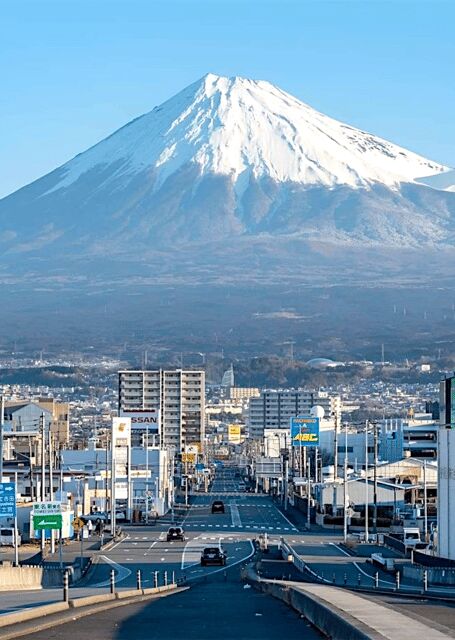
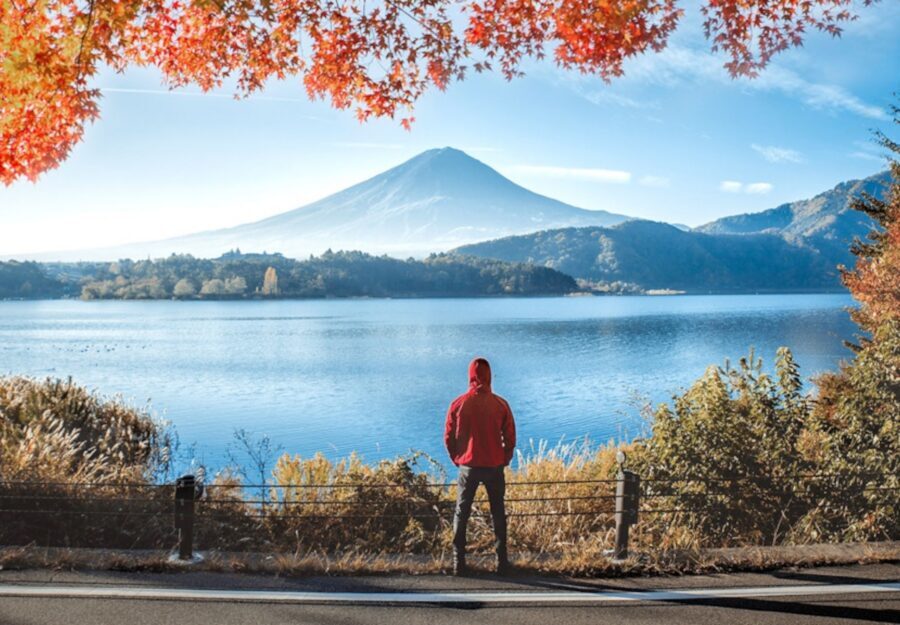
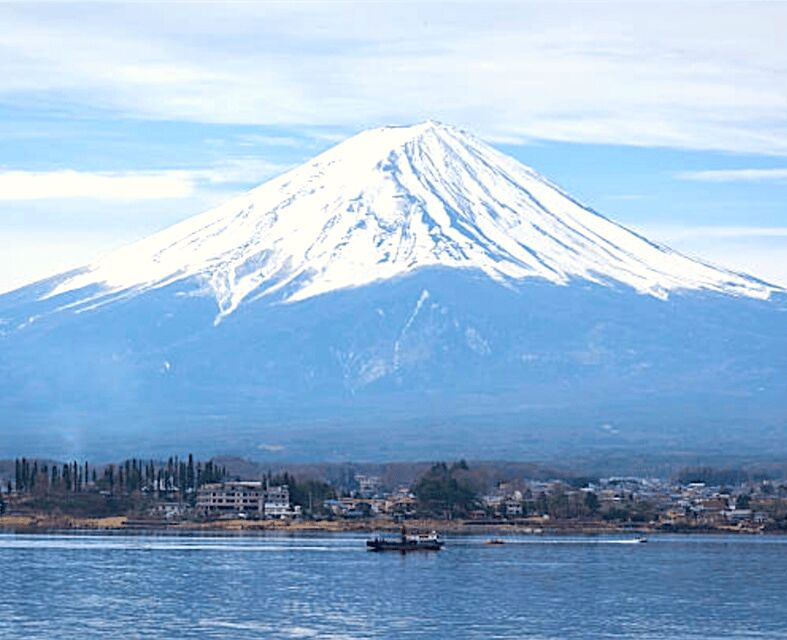
What I love most is how it treats Mount Fuji like a real goal, not just a quick photo stop. You’ll spend meaningful time at spots like Mt. Fuji 5th Station, plus viewpoints such as Arakurayama Sengen Park where the mountain fills the frame.
One planning note before you go: the 5th Station isn’t fully plug-and-play. The entry fee isn’t included, and from July 5 to September 11 private vehicles can’t reach the 5th Station—so you’ll need a shuttle (¥1000) from the parking area.
In This Review
- Key points before you plan your day
- A private Tokyo-to-Fuji day that actually feels like your day
- Two different moods: Fuji Five Lakes vs Hakone calm
- Itinerary A: Mount Fuji and the Fuji Five Lakes vibe
- Itinerary B: Hakone’s mix of views and art
- Arakurayama Sengen Park and Kitaguchi Hongu Fuji Sengen Shrine
- Mt. Fuji 5th Station: the closest you’ll get without a long hike
- Lake Kawaguchi, the ropeway, and the boat rhythm
- Oshino Hakkai: why the ponds feel more Japanese than scenic
- Hakone’s ropeway, Lake Ashi cruise, and the Open-Air Museum
- Timing, traffic, and why your driver’s strategy matters
- Price and value: what $483 per group really buys
- What I’d pack (and why cash still matters)
- Who this private Fuji-Hakone day is best for
- Should you book this Mount Fuji and Hakone private tour?
- FAQ
- What’s included in the $483 private tour price?
- Where does pickup and drop-off happen?
- How long is the tour, and is it a full-day commitment?
- Can I choose between the Mount Fuji route and the Hakone route?
- Is there a fee to enter Mt. Fuji 5th Station?
- Will the tour always reach the 5th Station by car?
- What should I bring, and are there rules inside the vehicle?
Key points before you plan your day
- Private vehicle, air-conditioned, for your group up to five (fuel and tolls included)
- Hotel pickup and drop-off in Tokyo’s 23 wards from many locations, with possible traffic delays
- Two routes to choose from: Fuji Five Lakes style or the Hakone art-and-views route
- 5th Station is the big moment, but it has extra cost/steps depending on the season
- Photo-friendly stops where your driver can help you time views and angles
- Bring cash for the parts that may not take cards (and 5th Station-related costs)
A private Tokyo-to-Fuji day that actually feels like your day
Tokyo is fast. Out there, the roads slow down. That’s why I like this format: you start in a car, not on a timed train scramble, and you get to control the order and pace once you’re out of the city.
Pickup is built around central Tokyo convenience. You choose from many pickup options across the 23 wards, and your driver will meet you and handle the drive. Expect the driver to be as much as 30 minutes late due to traffic sometimes—that’s not a deal-breaker, but it helps to keep your morning flexible.
The private nature matters too. With a group limited to five, you can keep moving without waiting for others to find a restroom, buy a snack, or argue about which viewpoint is best. And if you want extra time at one spot, you can usually stretch it—within the overall 10-hour day.
You can also read our reviews of more private tours in Tokyo


Two different moods: Fuji Five Lakes vs Hakone calm
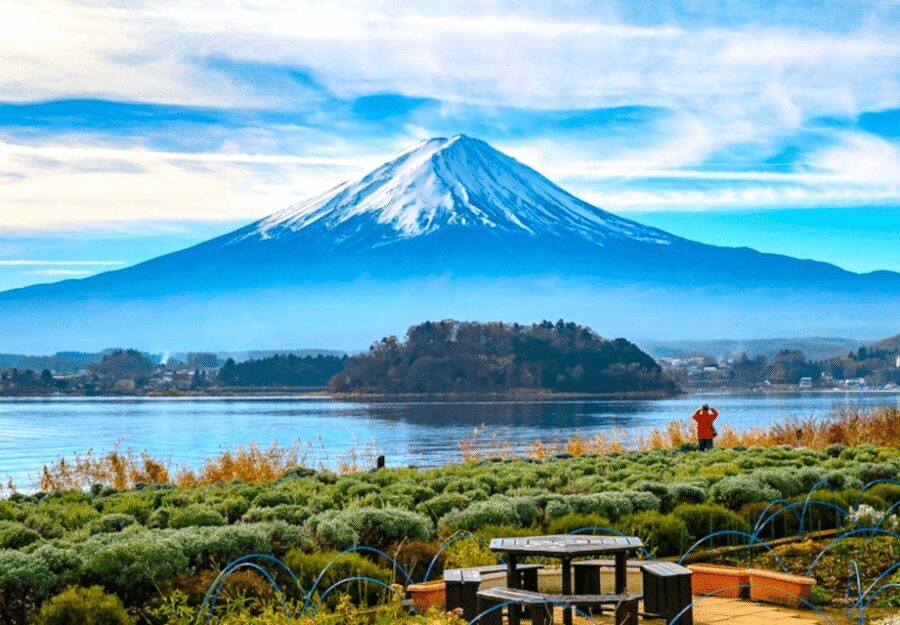
This is one of those tours where the “where” is half the experience, because Fuji and Hakone feel totally different.
Itinerary A: Mount Fuji and the Fuji Five Lakes vibe
If you want the classic Mount Fuji day—shrines, lake views, and multiple angles—this route fits. You’ll build the day around viewpoints and pilgrimage sites, then move into the Fuji Five Lakes area for ropeway and boat time, finishing with the pond-filled streets of Oshino Hakkai.
Itinerary B: Hakone’s mix of views and art
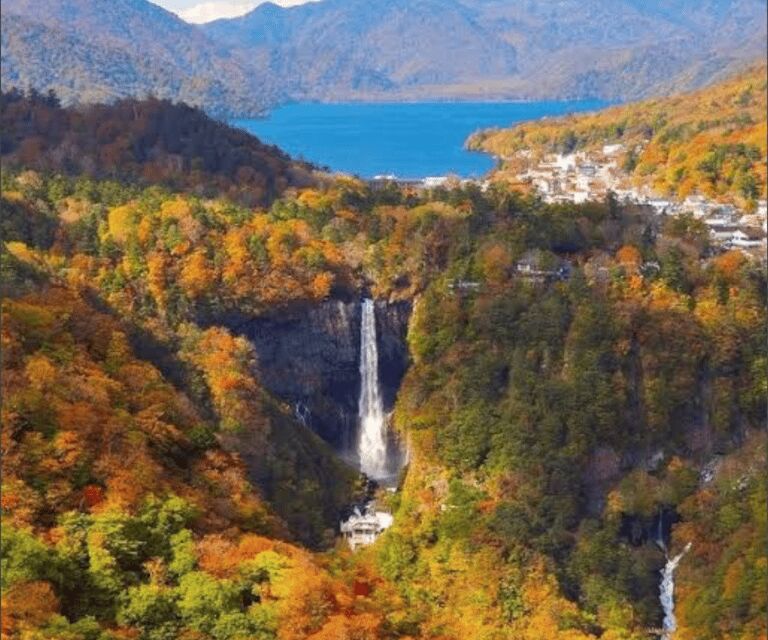
If you want a softer, varied day—cable car views, Lake Ashi cruise time, and outdoor sculpture—this route is the better match. You’ll still start with a Mount Fuji viewpoint at Arakurayama Sengen Park, then shift into Hakone’s signature mix of viewpoints and easy attractions.
Either way, the day has a clear rhythm: start with a Fuji view moment, then layer in lakes and viewpoints, and end with something atmospheric (Oshino Hakkai or Hakone’s Open-Air Museum).
Arakurayama Sengen Park and Kitaguchi Hongu Fuji Sengen Shrine
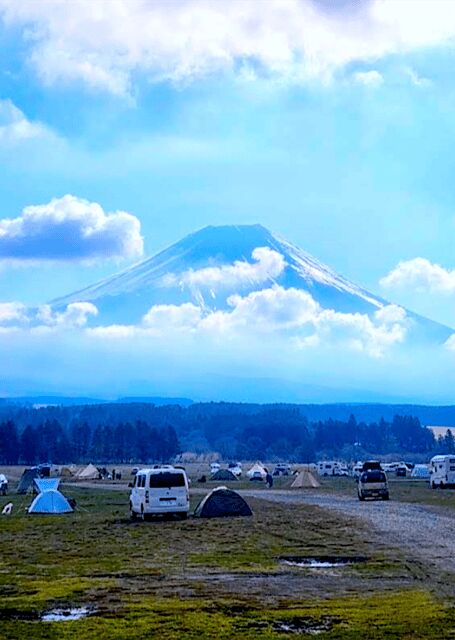
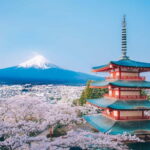
Arakurayama Sengen Park is often the first wow moment of the day. You’ll head up the park area and look for that sweeping Mount Fuji perspective. It’s the kind of viewpoint that makes you understand why people plan whole days just to see the mountain.
Right after that, you shift from pure scenery to something with meaning. Kitaguchi Hongu Fuji Sengen Shrine is a spiritual stop that ties the area to the long-standing pilgrimage culture. Even if you don’t read much Japanese, you’ll feel the purpose behind the visit.
Practical tip: wear shoes that handle short walks and stair-like sections. These stops are short, but they add up over a 10-hour day, especially if you’re taking photos and moving between viewpoints.
A few more Tokyo tours and experiences worth a look

Mt. Fuji 5th Station: the closest you’ll get without a long hike
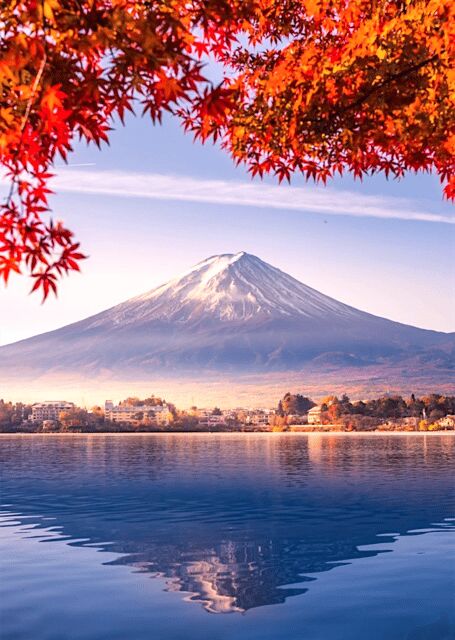
The 5th Station is the headline for a reason. Halfway up the mountain, it gives you wide views and a “you are really here” feeling. Expect time for photos, a little browsing/shopping, and a slower look at how the mountain environment changes as you climb.
Two important realities to plan around:
- The 5th Station entry fee isn’t included (2100¥ for a group up to 9). You’ll want cash ready.
- From July 5 to September 11, private vehicles can’t reach the 5th Station. You’ll use a shuttle bus from the parking lot, costing ¥1000.
One more practical detail: if you’re traveling in peak season, traffic and crowds can squeeze time. Your driver’s job is to keep the day moving smartly, and that’s usually where a good English-speaking driver makes the whole experience smoother.
Lake Kawaguchi, the ropeway, and the boat rhythm
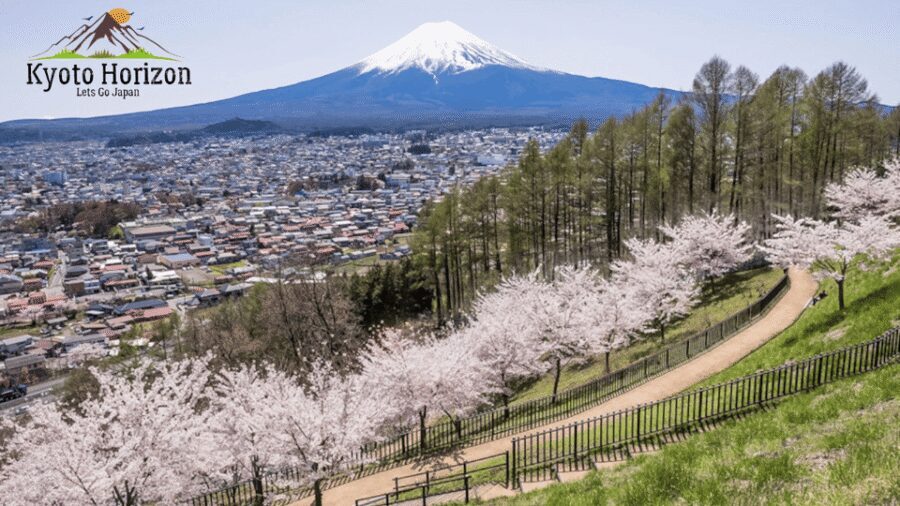
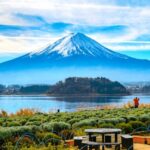
When you hit Lake Kawaguchi, the day shifts from “mountain intensity” to “how the reflections work.” You’ll get time for views, photos, and a break by the water.
A key feature here is the Mount Fuji Panoramic Ropeway. Going up Mount Tenjo puts you above the lake line for wide panorama angles. It’s also a great way to get a different view when clouds or haze change how the mountain looks from ground level.
Then comes the lake time. You’ll have options for a boat experience, including a long-tail boat ride in the schedule. That’s one of those “slow down and look” moments—especially if you can find a brief window of clear air.
And yes, there are flowers. Oishi Park is known for color and seasonal blooms, framed with Mount Fuji in the background when the weather cooperates. Even when the mountain doesn’t fully show, the gardens still give you a pretty walk and a break from constant driving.
Oshino Hakkai: why the ponds feel more Japanese than scenic
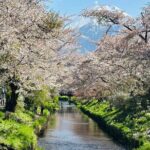
Oshino Hakkai is a very different kind of stop. It’s a traditional village built around crystal-clear ponds fed by Mount Fuji snowmelt. That water source is the point: it’s not just a pretty backdrop, it’s part of how the local community lives and builds its identity.
You’ll have a walking window to explore the ponds and the small streets around them. This is one of those places where it helps to slow down. If you rush it, you miss the texture—water, stone edges, and the small shop rhythms.
If you like simple cultural experiences—less theme park, more everyday Japan—this is one of the stops that delivers.
Hakone’s ropeway, Lake Ashi cruise, and the Open-Air Museum
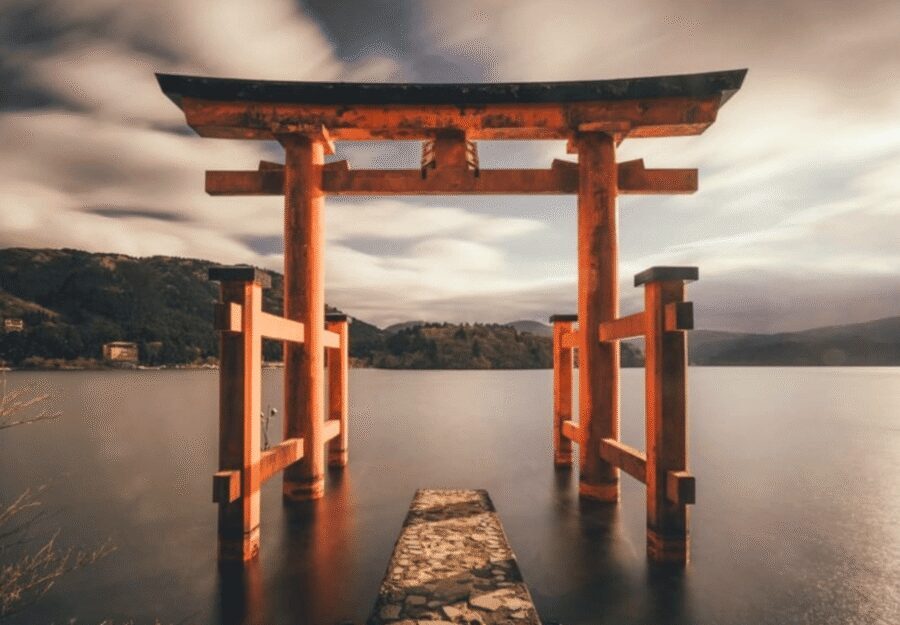
If you choose the Hakone route, the sequence feels designed to vary your senses.
First is the Hakone Ropeway. It’s an aerial ride that gives broad views over valleys and Lake Ashi, with a summit-area vantage point at Mount Komagatake. It’s a good choice for getting Mount Fuji-adjacent views even when the weather changes, because you’re moving through cloud layers and can catch openings.
Next is the Hakone Sightseeing Cruise on Lake Ashi. You’ll glide across the water with views that can include the iconic torii gate of Hakone Shrine. This part is usually where the day relaxes. It’s less about sprinting to the next stop and more about sitting with the views for a while.
Finally, the Hakone Open Air Museum adds a different kind of pay-off. You’re looking at sculptures placed against Hakone’s outdoor setting. If you’re tired of only temples and viewpoints, this is a nice pivot. It also gives you a chance to walk at an easy pace after the cable car and cruise.
Timing, traffic, and why your driver’s strategy matters
A 10-hour day sounds long until you drive out of Tokyo. Then you learn how quickly time evaporates when traffic spikes.
In practice, your schedule includes a meaningful transfer chunk, so you’re not supposed to “win” by skipping everything. The better strategy is to trust the flow: start early enough, prioritize the high-impact photo moments, and don’t overschedule yourself inside each stop.
In the real world, delays happen. One Golden Week experience described a major traffic jam that pushed the day later, and the driver still kept things workable—filling the extra time with more sightseeing rather than shutting down the experience. That’s the difference between a driver who just gets you from point A to point B and one who protects the day.
Price and value: what $483 per group really buys
This tour is priced at $483 per group up to 5 people. That matters because you’re not paying per person like you would on many public-transit tours.
Here’s the practical math:
- Up to 5 people: about $97 per person
- 2 people: about $242 per person
- 1 person: the full $483
Whether that’s a bargain or a splurge depends on your group size and what you’re replacing. If you’d otherwise pay for private transport plus entrance fees and spend serious time coordinating transit, the value often looks better. The included transportation is also meaningful: private air-conditioned vehicle, fuel, and tolls.
What’s not included is also important for budgeting:
- Food and drinks
- Mount Fuji 5th Station entry fee (2100¥ for group up to 9)
- Activities entry fees
- Tour guide service
So you should think of the price as paying for the ride and the smart routing, with the attractions mostly adding extra costs on top.
One more value point: the tour notes you can skip the ticket line. In busy seasons, that can save enough time to keep your day comfortable.
What I’d pack (and why cash still matters)
You’ll have a much better day if you treat this like a semi-hiking day, even though you’re driving most of the time.
Bring:
- Comfortable shoes (short walks add up fast)
- Comfortable clothes for changing weather
- Cash (some shops and activities may not accept credit cards)
The reason to bring cash isn’t just convenience. It keeps you from getting stuck at a toll gate or entry point when you’re trying to move on schedule.
Also note what’s not allowed: no pets and no smoking in the vehicle. If you’re traveling with kids, the tour allows you to request a child seat in advance.
Who this private Fuji-Hakone day is best for
This is a strong fit if you want:
- Flexibility: stay longer at the spot you like and skip what doesn’t click
- A low-stress day outside Tokyo, without juggling buses and trains
- Photo-friendly pacing, where you can time viewpoints instead of sprinting
It’s also a good pick for families or mixed-age groups who can manage a full 10-hour day and moderate walking at stops.
It’s not suitable for pregnant women and people over 95. If you’re going to be sensitive to long travel time and uneven walking areas, you should also think twice even if you’re under those limits.
Should you book this Mount Fuji and Hakone private tour?
I’d book it if your priority is a smooth, flexible day that hits the big-name sights—without you spending your time figuring out routes. With a private air-conditioned car, pickup/drop-off in Tokyo’s 23 wards, and a driver who can help you manage timing, it’s one of the easier ways to do Fuji and/or Hakone in a single day.
Skip it (or choose carefully) if:
- You’re extremely weather-dependent and only want Mount Fuji at its absolute best—clouds can happen.
- You don’t want any extra cash/steps at 5th Station, especially in summer when a shuttle is required.
If your group is 3 to 5 people, the pricing often feels especially reasonable for the comfort and time savings. For solo travelers, it can still be worth it when you value privacy and a day that feels guided rather than chaotic.
FAQ
What’s included in the $483 private tour price?
The price includes hotel pickup and drop-off, private transportation in an air-conditioned vehicle, an English-speaking driver, and fuel and tolls. Food/drinks, activity entry fees, and the Mt. Fuji 5th Station entry fee are not included.
Where does pickup and drop-off happen?
Pickup is included from accommodations in Tokyo’s 23 wards, with many pickup location options listed. Drop-off is also provided in central Tokyo areas. The tour notes they can’t pick up from airports, ports, or stations.
How long is the tour, and is it a full-day commitment?
The tour duration is listed as 10 hours, so it’s a full-day outing even though the walking at each stop is time-boxed.
Can I choose between the Mount Fuji route and the Hakone route?
Yes. The day can be built using one of two options: a Mount Fuji and Fuji Five Lakes-focused route or a Hakone-focused route featuring the ropeway, Lake Ashi cruise, and the Open Air Museum.
Is there a fee to enter Mt. Fuji 5th Station?
Yes. The Mt. Fuji 5th station entry fee is listed as 2100¥ (not included in the tour price).
Will the tour always reach the 5th Station by car?
Not in every season. From July 5 to September 11, private vehicles can’t reach the 5th Station, and you’ll need a shuttle bus from the parking lot costing ¥1000.
What should I bring, and are there rules inside the vehicle?
Bring comfortable shoes, comfortable clothes, and cash. Smoking is not allowed in the vehicle, and pets are not allowed.