REVIEW · TOKYO
Make Sushi and Create Unforgettable Memories in Tokyo
Book on Viator →Operated by Sushi Making Tokyo Cooking Class in Japan · Bookable on Viator
Sushi making beats another photo stop. In Asakusa, I really like how this class is hands-on and guided in English-speaking support right near Sensoji.
Another thing I love is the way you’re not just watching: you learn techniques, then you eat what you made. Instructors such as Rino, Yuto, and Momo are part of the mix, and the lesson tone stays friendly and practical.
One consideration: group sizes can reach 30, so if you’re hoping for one-on-one attention the whole time, you might want to choose a quieter class date or go with the mindset of learning in a small cluster.
In This Review
- Key things to know before you go
- Asakusa Location: Right by Sensoji Temple
- How the Class Runs: A Clear Lesson in 1 Hour 40 Minutes
- Nigiri 101: The Steps That Make It Actually Work
- Roll Sushi and Hand Rolls: Maki, Inside-Out, and Temari Styles
- What You Eat: A Meal Built from Your Own Work
- Dietary Needs and Who This Class Fits Best
- Price and Value: Is $79.59 Worth It?
- Should You Book Sushi Making Tokyo?
- FAQ
- Do I need sushi-making experience?
- What will I make and eat during the class?
- How long does the experience last?
- Where is the meeting point in Tokyo?
- Is hotel pickup or drop-off included?
- Is the class taught in English?
- Can the class accommodate dietary restrictions?
- What is the cancellation policy?
Key things to know before you go
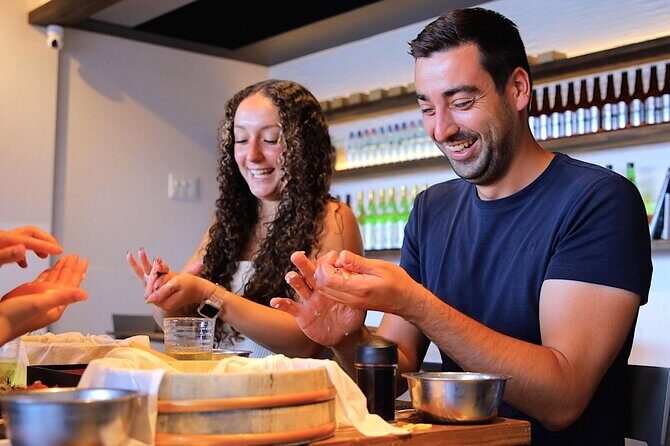
- Asakusa location, steps from Sensoji Temple: easy to pair with temple strolling and street snacks before or after.
- Beginner-friendly pace for both nigiri and rolls: the steps are broken down so you can actually reproduce them.
- You eat your creations: not a sample-only situation, so your effort pays off at the table.
- English instruction from warm staff: the class runs smoothly for international visitors.
- Dietary accommodations are possible: gluten-free and shellfish allergy needs have been handled.
- Max group size of 30: you’ll get help, but it’s still a shared class setting.
Asakusa Location: Right by Sensoji Temple
This class is based in classic old Tokyo: Asakusa. The meeting point is at 2-chōme-17-9 Kaminarimon, Taito City, and it’s listed as ending back there too, which makes the whole experience feel low-stress. You’re close to Sensoji Temple, so you can make it part of a simple, satisfying neighborhood loop: temple area walk, sushi class, then more wandering.
The practical win here is timing. A lot of Tokyo experiences require getting somewhere first, then building a plan around that. This one is roughly 1 hour 40 minutes, so it slots neatly between sightseeing blocks. If you’re doing the temple at a calmer hour, this is a great follow-up because it turns the day from “look and go” into “learn and make.”
Also, you don’t need hotel pickup. That might sound like an inconvenience at first, but in Tokyo it’s usually a good thing: you keep control of your schedule and avoid the waiting game that sometimes comes with vans.
One more small detail that matters in real life: you’ll have a mobile ticket, and the activity is marked as near public transportation. That means you can route yourself with your usual navigation app and not sweat complicated transfers.
You can also read our reviews of more tours and experiences in Tokyo.



How the Class Runs: A Clear Lesson in 1 Hour 40 Minutes
The flow is built for people with no background. You don’t have to bring a sushi-making kit from home or “know the terms.” The instructor explains how to make roll sushi (maki and hand rolls) and also nigiri step by step, in English.
In this kind of class, the biggest difference between good and average instruction is pacing. Here, the lesson is designed so beginners can keep up without feeling rushed. Multiple guides are described as helpful and attentive, including names like Ken, Sato, and Yui showing up as English-speaking instructors. That matters because sushi technique is fussy: rice handling, topping placement, and rolling tension all make or break your results.
You’ll also get some cultural context while you work. Several students highlight history and trivia as part of the class, not an afterthought. Think of it as the “why” behind the “how.” That turns the experience from a food activity into a Tokyo story you can repeat later.
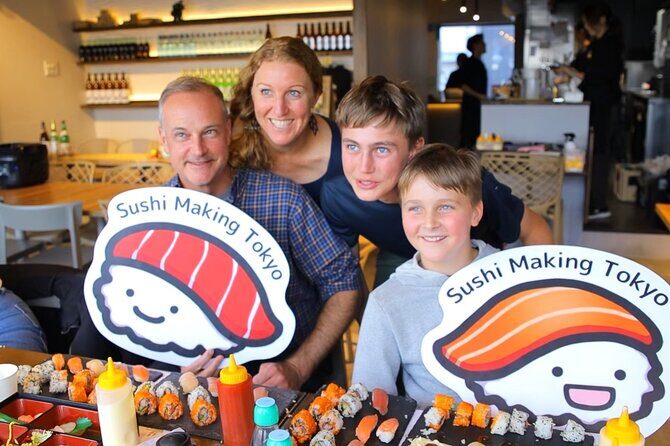
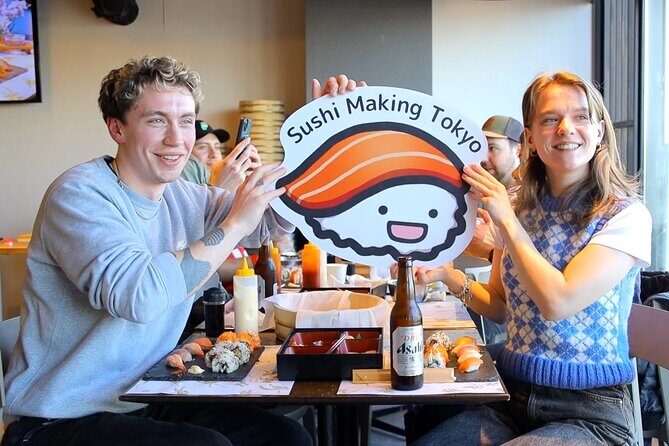
The class wraps with you enjoying the sushi you made and taking photos. That sounds obvious, but it’s a real value point: you’re not leaving hungry, and you’re getting a moment you can point to later when people ask how your day in Tokyo was.
Nigiri 101: The Steps That Make It Actually Work
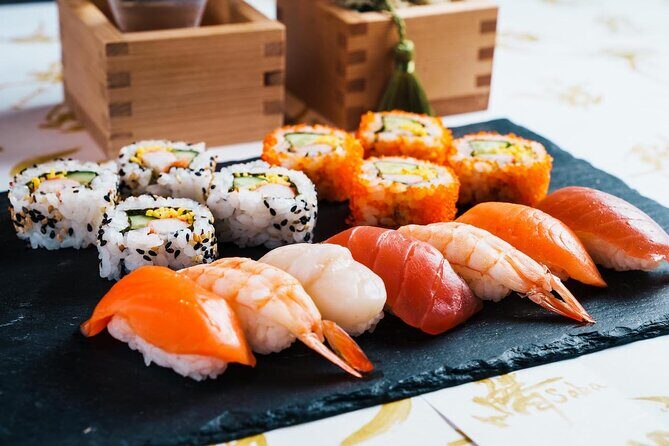
Nigiri looks simple until you try it. Reviews mention that nigiri can be harder than expected, and that’s exactly why this class is worth doing. The instructors break it down into manageable steps, so you’re not guessing on rice texture or how the topping sits.
What you’ll practice is more than assembly. You’ll work with the rice and learn the basic handling that makes nigiri stable and presentable. Then you’ll top each piece with what’s provided. The key is repetition under guidance, which helps you end up with something you recognize as nigiri rather than an edible mess.
A concrete example from the experience format: some people describe making a portion like 8 pieces of maki roll and 8 pieces of nigiri per person. Even if your exact count varies a bit by session, the class is clearly set up so you don’t get a token nibble. It’s enough food to feel like a real meal.
Another practical benefit: the instructor presence helps you avoid common mistakes. If your rice is too loose, too wet, or too dry, it affects everything. Having someone watching your hands (even in a group setting) speeds up your learning a lot.
And yes, you’ll likely learn that sushi isn’t just one style. The class approach includes traditional methods, and some students mention learning cuter or more playful styles too, like temari/termari-style sushi. That’s a fun curveball because it shows sushi isn’t only about perfection; it’s also about presentation and craft.
Roll Sushi and Hand Rolls: Maki, Inside-Out, and Temari Styles
After nigiri, the class turns to rolls. This is usually where confidence grows fast, because once you understand the rolling motion, you can start to get consistent results.
You’ll learn roll sushi and hand rolls in a beginner way. Some students even mention trying styles they hadn’t seen before, like inside-out maki and termari sushi. That’s helpful because it makes the class feel more like a mini workshop than a one-size-fits-all demo.
The rolling part is all about tension and control. Too loose and the roll falls apart. Too tight and it looks crushed. In a good class, you’re taught how to adjust your hands without fighting the ingredients. The instructors’ job is to keep the process understandable, even if you’re a first-timer.
One of the subtle wins is the way the class is structured for group learning. There’s a maximum of 30 travelers, but students describe smaller sub-groups inside the overall class size. That’s ideal for sushi because you want to see the technique clearly, then have a chance to try it without feeling like you’re waiting forever for help.
If you’re traveling with teens or kids, this section tends to land well. Students specifically mention success with ages around 10 to 13 because the steps are learnable and the outcome is visually rewarding once the pieces are set.
What You Eat: A Meal Built from Your Own Work
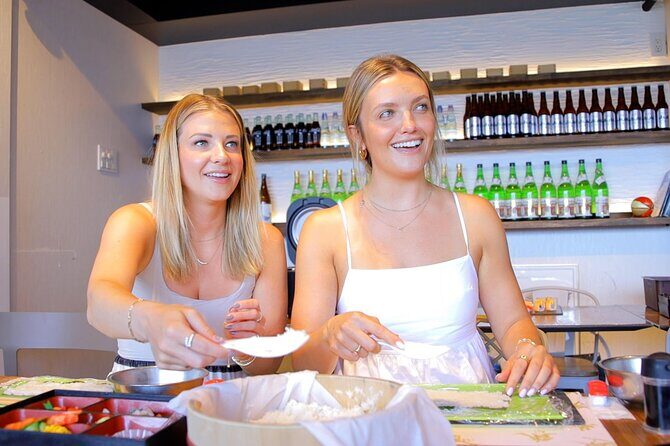
The best “value for your effort” feature is simple: you eat what you make. That means you’re not paying for instruction alone. You’re paying to practice, then enjoy the payoff.
In this class, the meal includes sushi made during the session from the provided ingredients. Students commonly describe leaving full, with “sushi for daysss” style energy. If you’re the type who wants a Tokyo experience that doesn’t require a second dinner plan, this is one of the more dependable options.
You’ll also have the chance to take photos after you finish. In Tokyo, food photos are easy to do, but it’s more interesting when you’re capturing something you made with your own hands.
Drinks are a separate topic. The experience itself doesn’t list beverages as included, and one student notes that sake costs extra. At the same time, other students mention there are beverage options available during class. So if you want to keep your budget simple, plan on paying for alcohol like sake separately and treat it as optional.






Dietary Needs and Who This Class Fits Best
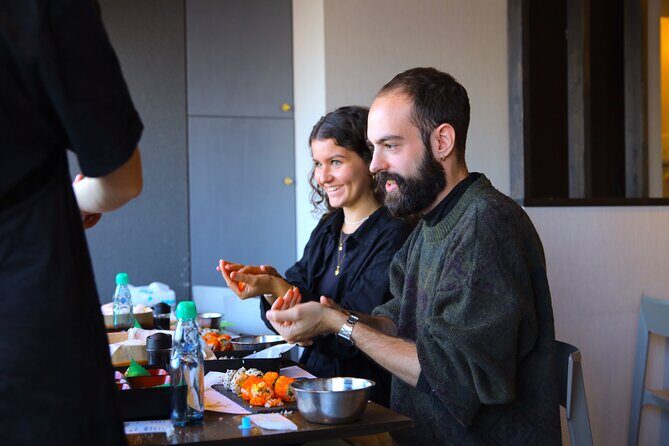
This is a rare kind of activity that’s good for a wide range of travelers, because the instruction is beginner-friendly and the output is immediate.
Here’s what’s explicitly supported:
- No prior experience needed
- English-speaking instructor
- Ingredients of the cooking class and meal included
- Service animals allowed
- Dietary accommodations have been handled, including a gluten-free situation and shellfish allergy accommodations
That last part matters. People often worry that cooking classes mean “limited customization.” Here, the experience has shown it can adapt, so you’re not stuck sitting out.
What about the “best fit” crowd? You’ll probably enjoy it most if you:
- Want a memorable, hands-on Tokyo activity that isn’t just eating somewhere
- Prefer a clear structure over open-ended wandering
- Travel with family or mixed-age groups and want an activity that works for teens too
- Like food culture with a bit of background (history and trivia show up in the lesson)
If you’re an expert sushi fan expecting a deep technical master class only, you might find the pace geared more toward first-timers. There’s at least one account that felt the instruction level wasn’t what they expected. So set your expectation to something like: you’ll learn a solid foundation you can repeat, not become a sushi chef overnight.
Price and Value: Is $79.59 Worth It?
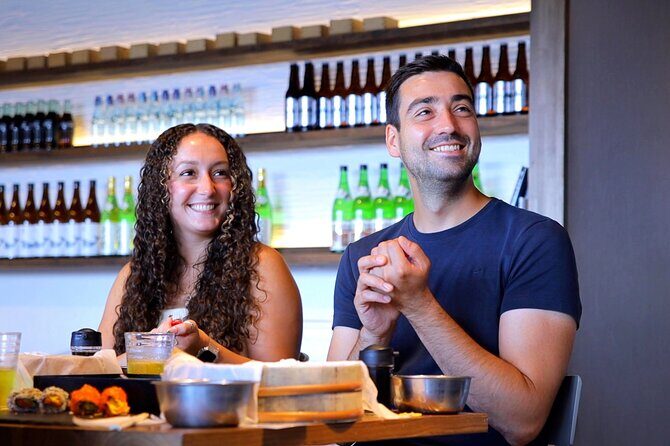
At $79.59 per person, you’re paying for four things: instruction in English, real ingredient use, a meal you create, and a structured experience lasting about 1 hour 40 minutes. That’s not cheap like a street snack, but it’s also not in the “once-in-a-lifetime extravagance” category.
Here’s why it’s often good value in practice:
- You don’t just taste; you make and eat.
- The class is designed for beginners, which means you get guided steps rather than trial-and-error.
- The meal is part of the price, so you’re not doubling costs later just to be full.
- You get a skill that travels home with you: rice handling, topping placement, and rolling basics.
The one “cost” that isn’t money is time and attention. You’ll want a relaxed mindset. If you’re in Tokyo rushing from one stop to another, this class can still work, but it shines when you give it the space to feel like learning.
If you’re pairing this with Asakusa sightseeing, it’s also one of the more efficient ways to experience Japanese food culture without needing reservations at multiple restaurants. You get a concentrated, memorable food moment in one block.
Should You Book Sushi Making Tokyo?
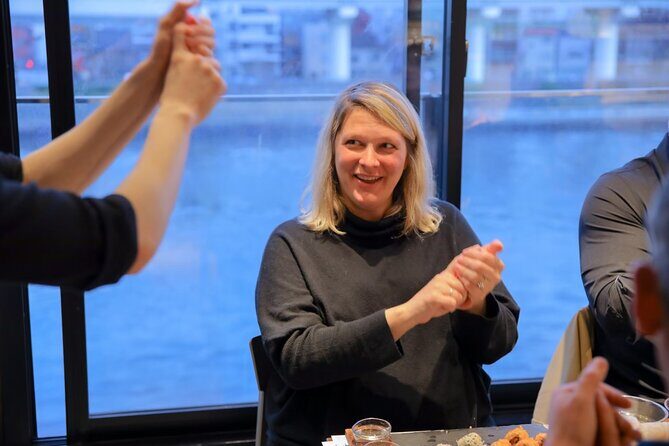
If your goal is a Tokyo memory you can actually use, I’d recommend booking. This is the kind of experience that turns food from background noise into a personal story: you learn techniques, you eat your work, and you leave with photos and confidence.
Book it if:
- You want a fun activity near Sensoji with an easy local plan
- You like hands-on cooking and don’t want to worry about sushi-making basics
- You need an English-led activity that still feels authentic
- You have dietary needs such as gluten-free or a shellfish allergy and want a class that has shown flexibility
Skip it or rethink expectations if:
- You’re looking for one-on-one instruction the whole time (group size can reach 30)
- You want advanced chef-level mastery, not a beginner foundation
- You hate structured activities where you learn steps in a set order
If you’re on the fence, here’s my practical advice: aim for the session that fits your energy level, and come hungry. The class is designed to feed you what you make.
FAQ
Do I need sushi-making experience?
No. The class is described as beginner-friendly, and you’ll be guided step by step in English.
What will I make and eat during the class?
You’ll make roll sushi and nigiri as part of the hands-on lesson, and you’ll eat the sushi you make.
How long does the experience last?
The duration is about 1 hour 40 minutes.
Where is the meeting point in Tokyo?
The meeting point is listed at 2-chōme-17-9 Kaminarimon, Taito City, Tokyo 111-0034, Japan, and the activity ends back at the same location.
Is hotel pickup or drop-off included?
No. Hotel pickup and drop-off are not included.
Is the class taught in English?
Yes. The experience includes an English-speaking instructor.
Can the class accommodate dietary restrictions?
The information you provided includes examples of accommodations, including a gluten-free option and handling a shellfish allergy.
What is the cancellation policy?
Free cancellation is available up to 24 hours before the experience starts for a full refund. Canceling less than 24 hours before won’t be refunded, and changes within 24 hours aren’t accepted.