REVIEW · OSAKA
Osaka: 2-Hour Nightlife District Walking & Local Food Culture
Book on Viator →Operated by Local Guide Stars · Bookable on Viator
Osaka eats best after dark. This 2-hour walk in Namba strings together neon sights and street food with a guide so you spend less time figuring things out and more time sampling. You’ll hit standout places like the Dotonbori Glico area and Kuromon Market, where food isn’t an idea, it’s the plan.
What I like most is the mix of entertainment and actual eating: you get iconic Osaka visuals, then a practical path through markets and snack streets. I also appreciate the small-group feel, with a max of 15 people, so your English-speaking guide can steer you to what to try and how to order.
One possible drawback: food isn’t included in the tour cost, so you should budget extra for street bites and drinks along the way. If you’re expecting the guide to hand you a full meal for $31.84, plan differently.
In This Review
- Key points before you go
- Entering Osaka Nightlife: Namba on Foot, in Two Hours
- Price and Value: What $31.84 Really Buys You
- Stop 1: Dotonbori Glico Sign and Your Osaka Street-Food Starter
- Stop 2: Hozenji Yokocho Alley and the Hozenji Temple Pause
- Stop 3: Sennichimae Doguyasuji Shopping Street for Pro-Grade Kitchen Tools
- Stop 4: Kuromon Market, Osaka’s Kitchen, Seafood and More
- How the Guide Makes It Feel Local (Kaz, Nako, and Sayaka)
- What You’ll Probably Eat, and How to Think About Ordering
- Walking Pace, Timing, and What to Wear in Namba
- Who This Tour Suits Best (and Who Might Want Something Else)
- Should You Book This Osaka 2-Hour Nightlife Food Walk?
- FAQ
- FAQ
- How long is the Osaka nightlife district walking tour?
- How much does the tour cost?
- Is the tour guided in English?
- What’s included in the tour price?
- Do I pay separately for food and drinks?
- How many people are in the group?
- Where do we meet, and where does it end?
- Can I get a refund if I cancel?
- Is this tour near public transportation?
Key points before you go
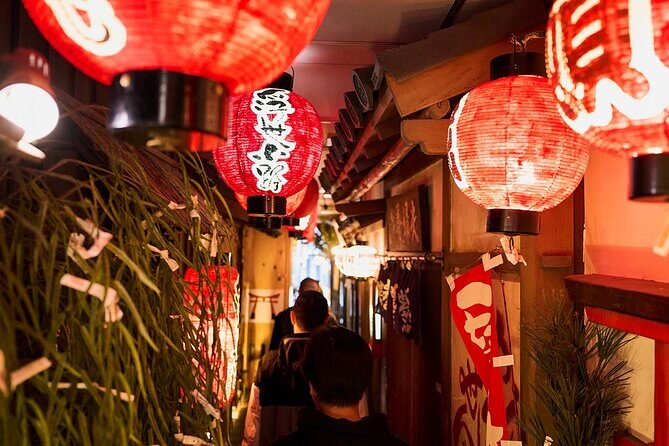
- A night-focused Namba route that works even if it’s your first evening in Osaka
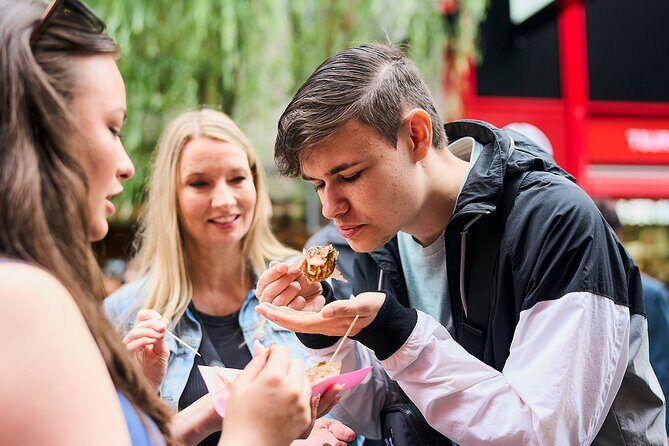
- Street food examples like takoyaki and gyoza, with guidance on what to buy and when
- Kuromon Market navigation so you don’t feel lost in the seafood chaos
- Small group size (15 max), which keeps questions easy and the pace comfortable
- Local guidance you can tap after the walk, for what to eat during the rest of your trip
Entering Osaka Nightlife: Namba on Foot, in Two Hours
This tour is built for people who want the Osaka buzz without committing to a full night out. You’ll walk through the Namba area at an easy, sightseeing pace, then hit places where food culture shows up in a very hands-on way—food stalls, shopping streets, and a major market.
The timeline is tight but not rushed. Expect around 2 hours, with short stop-offs that let you look, listen, and actually try a few things rather than just pass by. It’s also small-group by design (up to 15 travelers), so you’re not fighting a crowd to get a question answered or to regroup when you stop for photos.
And because it’s an English-speaking guided tour with a mobile ticket, you’re not doing extra admin once you arrive. The meeting point is easy to find near transit: Don Quijote Dotonbori Midosuji. The walk ends back at the same place, which matters in a city where it’s easy to lose time once you go off-route.
You can also read our reviews of more walking tours in Osaka
Price and Value: What $31.84 Really Buys You

At $31.84 per person, the ticket doesn’t come with a set “meal.” It includes the English-speaking guided tour and the structure that gets you to the right places at the right times.
Here’s why that still feels like good value:
- Osaka street food can be simple and confusing at once. Vendors move fast, menus can be in Japanese, and it helps to have someone explain what you’re looking at and how to make a decision.
- Market navigation saves energy. Kuromon Market is known for seafood and lots of tempting options. With a guide, you can focus on tasting instead of scanning every stall.
- You’re buying convenience, not just walking. The “what to try” part is the real product here—especially if you only have one evening to get oriented.
The one thing you should plan for: food and drinks from street vendors are not included, and the tour won’t stop for dining-in. In practice, that means you’ll likely pay out of pocket for the snacks you want. I’d treat this as a guided tasting walk rather than an all-inclusive dinner.
Stop 1: Dotonbori Glico Sign and Your Osaka Street-Food Starter
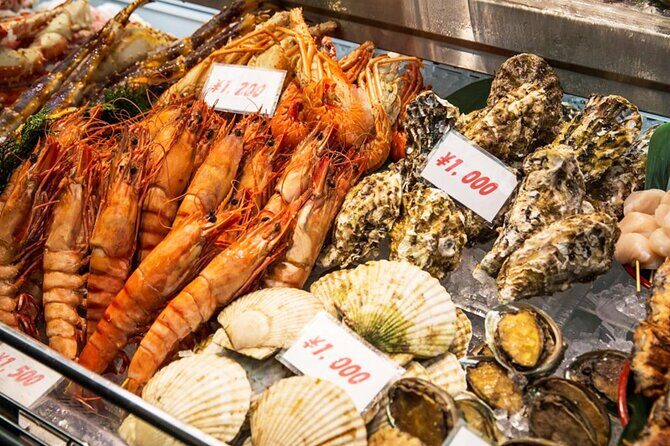
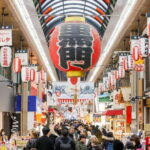
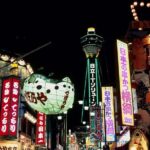
You begin near the Don Quijote Dotonbori Midosuji area and head into the Dotonbori Glico Sign zone. This is classic Osaka neon territory—loud, bright, and perfect for getting your bearings fast.
This first stop matters because it sets the tone. Instead of jumping straight to a market where you’re still adjusting, you start with the energy of Dotonbori. It’s a smart warm-up for first-timers: you see the iconic skyline, learn what’s worth noticing, then get ready to eat.
As part of the street-food focus, the experience is designed around classic Osaka bites such as takoyaki and gyoza. Even if you don’t try every single item immediately, the guide’s job is to get you tasting along the way, not just touring sights.
My practical advice here: take a minute to watch how locals order and move. In these areas, speed is part of the system. When you’re with a guide, you can move with confidence instead of hanging back.
Stop 2: Hozenji Yokocho Alley and the Hozenji Temple Pause
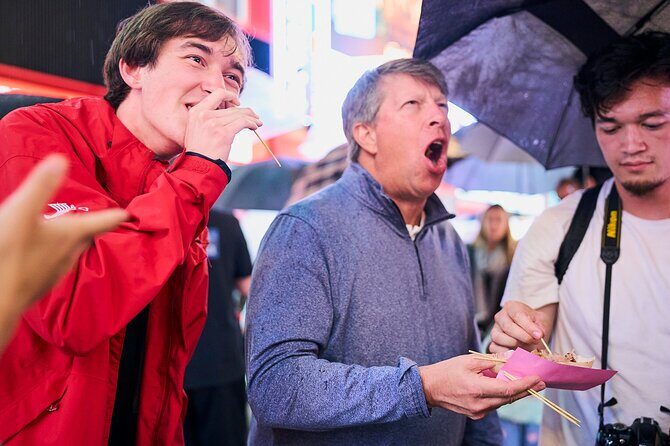
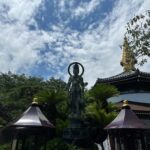
Next comes a change of pace: Hozenji Yokocho and the Hozenji Temple stop. This is one of those Osaka moments where the noise of the main streets softens into something more intimate.
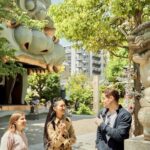
The highlight is the small, atmospheric temple setting. The famous moss-covered statue of Fudo Myo-o draws people who often splash water on it while making a wish. You’ll likely notice that ritual energy in the way people behave here—quiet, focused, and respectful.
Why this works on a food tour: it gives you a reset between heavier eating areas. You get a cultural pause, a different street feel, and a chance to regroup with your group before you head to more food-forward shopping.
Timing is also reasonable, with about 20 minutes here—long enough to feel the calm, not so long that you lose the rhythm of the walk.
Stop 3: Sennichimae Doguyasuji Shopping Street for Pro-Grade Kitchen Tools
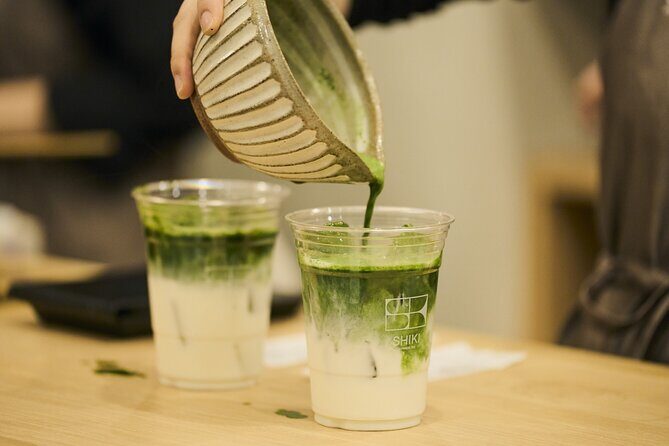
Then you step into Sennichimae Doguyasuji, a shopping street known for kitchen tools used by professionals. This isn’t a place you visit just to buy souvenirs. It’s where food culture shows up in the details: equipment, craftsmanship, and the tools people use every day.
Food lovers often get a kick out of this because it connects the dots between what you taste and what makes the taste possible. Even if you don’t plan to purchase anything, you can learn what professionals look for in tools—shapes, materials, and the kind of quality you don’t usually see from casual browsing.
It’s also a good break from seafood smells. You’ll still be in food territory, but the focus shifts to preparation and technique.
This stop is shorter (about 20 minutes), which helps keep the night walk flowing.
You can also read our reviews of more food & drink experiences in Osaka

Stop 4: Kuromon Market, Osaka’s Kitchen, Seafood and More
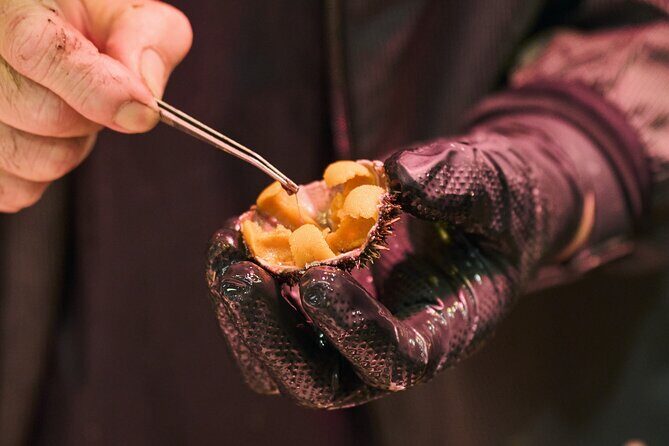
If Osaka has a “center of gravity” for food shopping, it’s often tied to Kuromon Market, nicknamed Osaka’s Kitchen. This is where the tour leans into what most people came for: options.
You’re there for roughly 30 minutes, and during that window the market’s personality is the star. You’ll see lots of fresh seafood, wagyu beef, fruits, sushi, and more. It’s lively and concentrated in the way that can feel overwhelming if you’re alone—so having a guide helps you find a good path and make quick decisions.
What makes Kuromon so good for a guided walk is practical guidance. A guide can point out what’s available, help you think about choices, and keep you moving without missing the most interesting areas.
A note for your expectations: because the tour doesn’t include a sit-down meal, what you do in Kuromon is about tasting and trying smaller bites. It’s perfect if you want variety and don’t mind paying as you go.
How the Guide Makes It Feel Local (Kaz, Nako, and Sayaka)
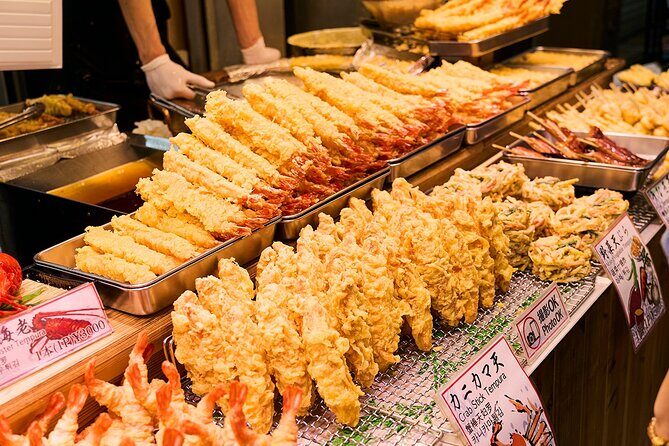
The biggest difference between a regular stroll and this kind of guided food walk is how the guide handles the in-between parts: when to stop, what to order, and which side streets are worth your time.
From the experiences I’ve seen associated with this tour, guides like Kaz, Nako, and Sayaka come through as friendly locals who connect dots between food and place. You’ll also get that “ask me anything” momentum—more places to try after the walk, not just during it.
One review detail that stood out to me is the emphasis on classic plus off-the-beat spots. That’s exactly what you want in Osaka at night. The city is full of food signs, but not every lane is equally good. A good guide helps you avoid the dead ends.
Also, because it’s small-group, it’s easier for your guide to tailor the pace. If you’re more into seafood or tools or temple vibes, that flexibility is the difference between following a script and having a night that feels yours.
What You’ll Probably Eat, and How to Think About Ordering
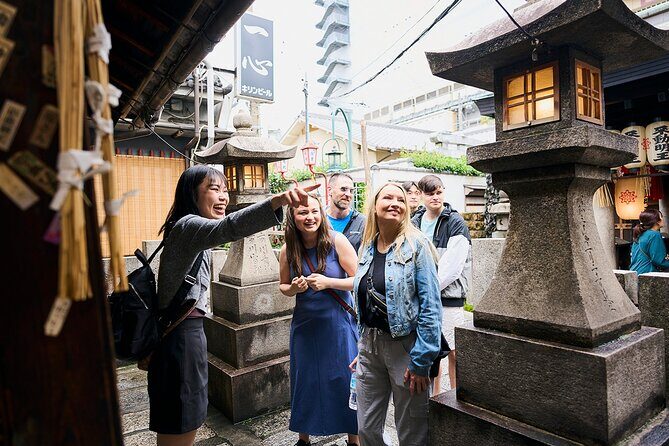
The tour is built around street food and is specifically framed around Osaka staples like takoyaki and gyoza. You’ll also be in environments where tasting on the spot is normal—especially at Kuromon Market.
Since food and drinks aren’t included, you should think of the budget like this:
- You’ll likely buy multiple small snacks rather than one big meal.
- Prices vary by what you choose, and market items can add up quickly if you go heavy on premium seafood or wagyu.
My rule of thumb for nights like this: pick 2–3 items you truly want, and then let the guide help you decide what’s the best bet at each stop. That way you get variety without turning the walk into a financial marathon.
And if you’re unsure about anything on menus, this is where you’ll be glad you booked a guided tour. Your guide can help you point toward what’s popular and what actually matches what you’re craving.
Walking Pace, Timing, and What to Wear in Namba
This is a night walk, not a hop-on hop-off bus ride. Plan on comfortable shoes. The route covers multiple areas that are close enough to walk between, but it still adds up over two hours.
A few practical things I’d do before heading out:
- Wear shoes you can stay in for a short sprint of extra walking if the group needs to regroup.
- Bring a layer. Night air can feel different than day, and markets keep temperatures interesting.
- Keep your phone charged, since you’ll rely on your mobile ticket and likely want photos at Dotonbori.
Because the walk ends back at the meeting point, you won’t have to figure out how to get home from deep in the route. That reduces stress and lets you focus on food.
Who This Tour Suits Best (and Who Might Want Something Else)
This is a great match if:
- It’s your first time in Osaka and you want a fast orientation to Namba
- You want street food plus market culture in a single outing
- You like having a guide help you choose instead of guessing
It may be less ideal if:
- You prefer sit-down dining with full meals included
- You have trouble with standing and walking at night
- You want a longer food crawl—this is only about 2 hours, so you’ll likely still crave more after
Should You Book This Osaka 2-Hour Nightlife Food Walk?
I’d book it if you want a guided night that hits the main Osaka food mood without wasting time figuring things out. The combination of Dotonbori neon energy, a calm temple-side pause in Hozenji Yokocho, a pro-tool shopping street in Sennichimae Doguyasuji, and the tasting-driven Kuromon Market makes the evening feel varied in the best way.
Just go in with the right mindset: the price covers the guide and the route, not the food bill. If you plan for that, you’ll get a smart introduction to Osaka’s street food culture and a handful of local tips you can use the rest of your trip.
FAQ
FAQ
How long is the Osaka nightlife district walking tour?
It’s about 2 hours long.
How much does the tour cost?
The price is $31.84 per person.
Is the tour guided in English?
Yes, it’s an English-speaking guided tour.
What’s included in the tour price?
The tour includes the guided tour itself. Meals are not included.
Do I pay separately for food and drinks?
Yes. Food and drinks from street vendors aren’t included in the tour cost, and there’s no dining-in stop.
How many people are in the group?
The tour has a maximum of 15 travelers.
Where do we meet, and where does it end?
You meet at Don Quijote Dotonbori Midosuji (2-chōme-5-9 Nishishinsaibashi, Chuo Ward, Osaka). The tour ends back at the same meeting point.
Can I get a refund if I cancel?
You can cancel for free up to 24 hours before the experience starts for a full refund.
Is this tour near public transportation?
Yes, it’s near public transportation.