Osaka works best on foot, and this tour proves it. You’ll hit the big-name sights while slipping into lesser-traveled lanes, with an easy street-food focus and plenty of context from your guide.
I love that the tour pairs famous stops with places locals actually use, then wraps it up with a no-stress lunch of Osaka-style street food (with a drink). I also like how guides like Tim, Scott, Kenzo, Adam, Alex, Daniel, and Andy tend to explain not just what you’re seeing, but why Osaka grew the way it did. One consideration: the Osaka Castle portion is an outside-only stop, so you’re not going inside.
In This Review
- Key things I’d circle before you book
- Why this Osaka walking tour works as a first-day plan
- Where you’ll start and how you’ll get moving (without fuss)
- Osaka Castle stop: outside-only, story-heavy, and photo-friendly
- America-mura (Amemura): youth culture streets with real retail personality
- Shinsaibashi-suji: a classic covered shopping street you can walk through blindfolded
- Dotonbori Tsuribori: canal lights, street-food culture, and nightlife energy
- Hozenji Yokocho and Hozen-ji Temple: old lanes after the neon
- Kuromon Market: the Osaka’s Kitchen food stop you can plan around
- Shinsekai and Tsutenkaku: pre-WWII nostalgia with a modern edge
- Pace, comfort, and the real costs beyond the headline price
- Who should book this Osaka tour, and who should skip it
- Should you book the Ultimate Osaka Walking Tour?
- FAQ
- Does the tour include entry to Osaka Castle?
- Is lunch included in the price?
- Are train fares included?
- How long is the tour?
- Is hotel pickup offered?
- How many people are in a group?
- Can the lunch accommodate vegan or gluten-free diets?
- Is filming allowed during the tour?
- What if the weather is poor?
Key things I’d circle before you book
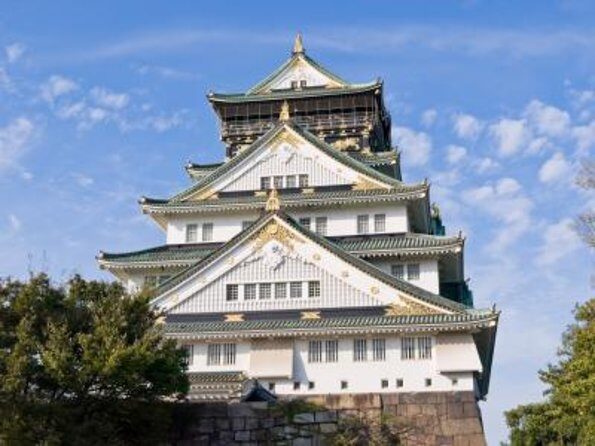
- Osaka Castle without the entry ticket headache: you see the landmark area without paying for admission on this stop
- Kuromon Market called Osaka’s Kitchen for a reason: a covered food market with a long past and serious variety
- Dotonbori + Hozenji Yokocho combo: neon canal energy followed by old-lantern alley atmosphere
- Amemura (America-mura) and Shinsaibashi-suji: youth culture and classic shopping streets in the same day
- A finishing hit of Shinsekai: pre-WWII nostalgia around Tsutenkaku
Why this Osaka walking tour works as a first-day plan
If you only have a day, you need two things: direction and momentum. This tour gives you both. You start at the Osaka Castle area, move through downtown neighborhoods, then end in a district that feels like old Osaka wearing retro neon.
The value is in the mix. You get major sights like Dotonbori and Kuromon Market, but you also spend time in the side streets that make Osaka feel like more than a photo stop. And because lunch is included, you don’t have to turn every decision into a menu math problem.
Guides matter on a walking tour, and this one leans hard into storytelling. People consistently rate the guides highly for history, culture, and answering questions while keeping the pace relaxed.
You can also read our reviews of more walking tours in Osaka

Where you’ll start and how you’ll get moving (without fuss)

The tour meets near Ōsakajōkōen Station (Osaka Castle Park area). It’s close to public transportation, which is handy if you’re arriving from another part of Kansai.
You should expect a day that’s mostly on foot, but you’ll also take two short train rides. That means you’re not just walking in a straight line all day, but you also aren’t stuck in a bus while the real city passes you by. Train fares are not included, so plan for around ¥240 and ¥190 on top of the tour price.
Group size stays small, with a maximum of 11 travelers. That keeps the walk manageable and makes it easier to hear your guide in dense areas like Kuromon Market and around Dotonbori.
Osaka Castle stop: outside-only, story-heavy, and photo-friendly
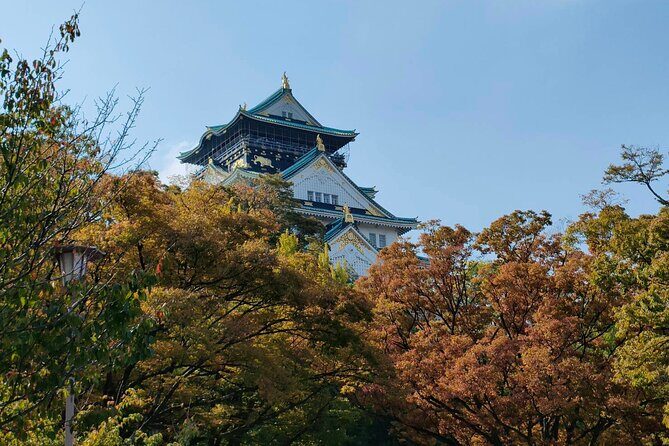
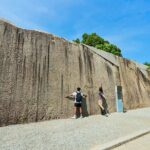
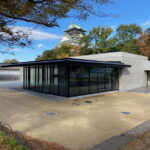
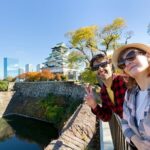
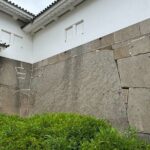
You’ll spend time at Osaka Castle, but you won’t enter the castle itself. Think of this as the front porch of the story rather than the museum room.
Why it still works: your guide uses the area to set the stage for Osaka’s power struggles and the samurai-era unification narrative that shaped the city. Even without tickets, the castle setting helps you understand the mood of the surrounding park and why the site matters historically.
What to consider: if going inside the castle is a must-do for you, this tour won’t satisfy that part. You can still enjoy the walk and context, but you’ll want a separate plan for an actual interior visit.
America-mura (Amemura): youth culture streets with real retail personality
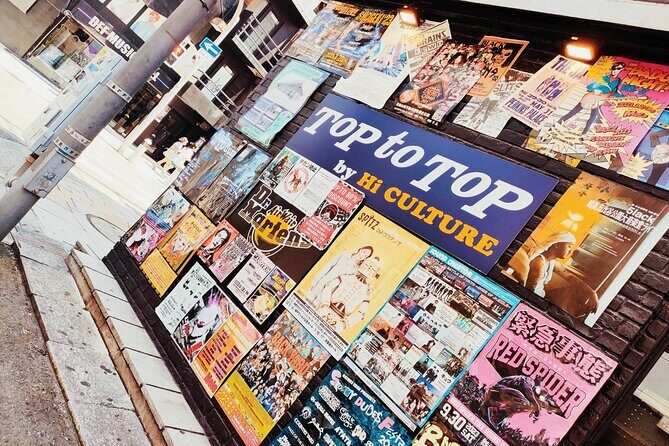
Next comes America-mura, often shortened to Amemura. This is the neighborhood where you’ll feel Osaka’s fashion energy and hip-hop wear culture in a way that’s different from the big department-store shopping elsewhere.
The streets here are narrower, more layered, and more shop-to-shop. That’s good for a walking tour because it naturally breaks the day into small discoveries instead of one long slog.
A good moment to slow down here: look at storefront styles, then listen to your guide’s explanations about how areas like this fit into Osaka’s older identity. It’s not only shopping. It’s Osaka’s constant churn between tradition and whatever comes next.
Shinsaibashi-suji: a classic covered shopping street you can walk through blindfolded
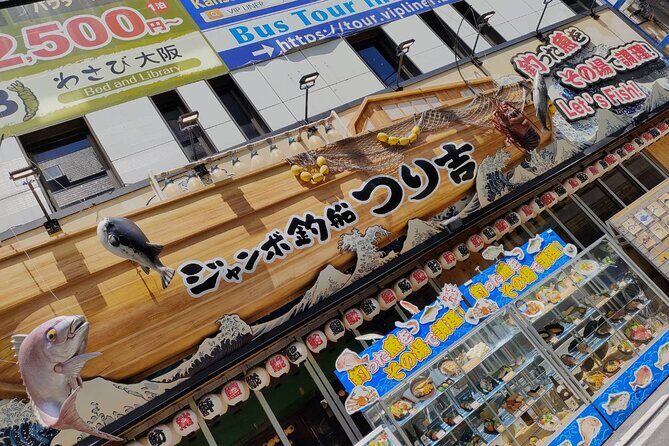
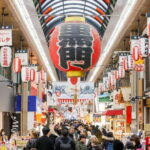
Then you’ll move through Shinsaibashi-suji, a covered shopping street that locals have relied on for generations. It runs about 600 meters and the covered format makes it easier to handle sun, rain, or that humid Osaka weather that can sneak up on you.
This stop helps you connect the dots. You’ve already seen the younger fashion pulse in Amemura, and now you get a more traditional retail rhythm that’s lasted for hundreds of years. It’s the same city brain, just tuned to a different frequency.
Don’t expect a single landmark photo here. Instead, use it to reset: grab water if you need it, check your steps, and keep an eye out for little side storefronts you’d never notice if you were rushing.


Dotonbori Tsuribori: canal lights, street-food culture, and nightlife energy
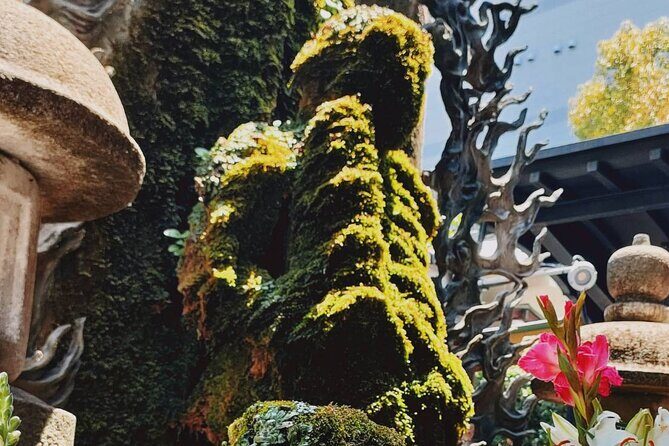
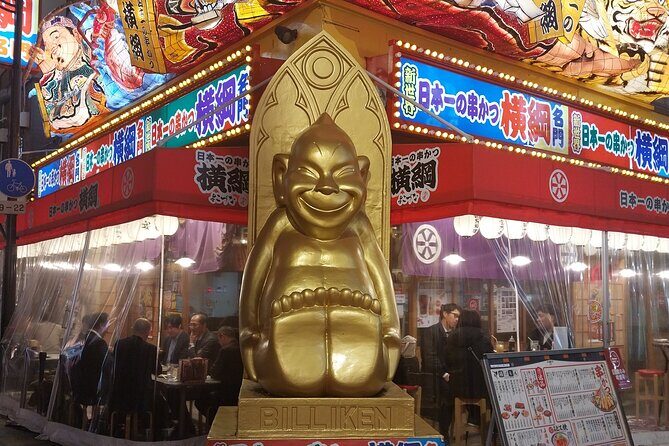
Now for the Osaka most people picture: Dotonbori Tsuribori along the canal. This area leans loud and neon-bright, with street-food smells and storefront glow pulling you forward.
It’s a strong stop because it’s not just scenery. It’s the city’s street-food culture on display, where you can see how Osaka does eating as a social activity. Your guide’s job here is to keep you from wandering in circles and to help you make smart choices when the menus are competing for attention.
What to manage: this is also where crowds concentrate. If you’re sensitive to noise or crowds, keep your pace steady, stay aware of footing, and use your time here efficiently.
Hozenji Yokocho and Hozen-ji Temple: old lanes after the neon
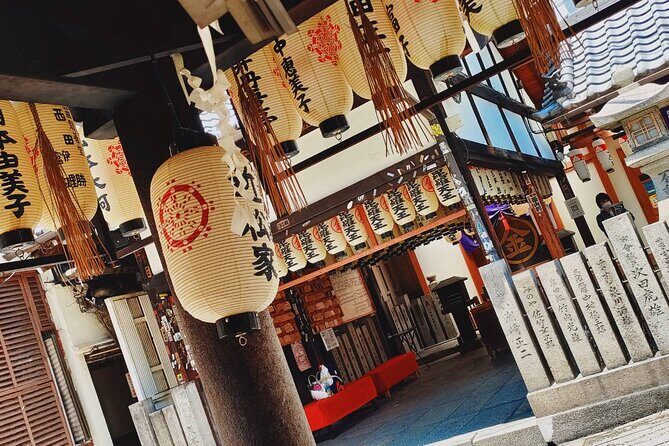
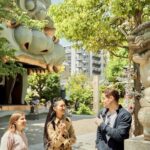
Right after Dotonbori, you’ll step into Hozenji Yokocho, a hard-to-find alley with traditional lanterns and cobblestone-style charm. This change of texture is one of the tour’s best tricks.
Then you’ll walk by Hozen-ji Temple, built in the 17th century, dedicated to Fudo Myoo. Even if you don’t go deep into temple details on your own, your guide’s explanations give the stop meaning beyond a quick glance.
Why this pair matters: it shows the Osaka contrast you’re looking for. Modern entertainment and older spiritual atmosphere exist close together here, and the tour lets you feel the shift in a short time.
Kuromon Market: the Osaka’s Kitchen food stop you can plan around
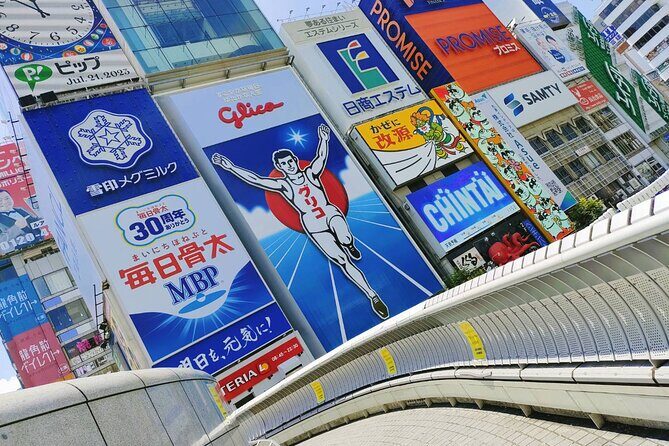
Kuromon Market is the food highlight for many people for a reason. It’s a long-running, covered market known as Osaka’s Kitchen, and it’s been around for 200+ years. Expect seafood and fresh, snackable choices in a compact space where you can actually graze.
This stop is where lunch and food strategy start to click. You’re not just eating because food exists. You’re eating because the market’s layout and offerings make it easy to choose without overthinking every bite.
Practical tip: wear shoes you can walk in for hours, then take small breaks to re-check your route. Markets can be sensory overload, and moving at a steady rhythm is your friend.
Diet note: the included lunch can’t be adapted for vegan or gluten-free needs. If your dietary requirements are strict, treat this as a point to plan ahead rather than a flexible stop.
Shinsekai and Tsutenkaku: pre-WWII nostalgia with a modern edge
To end, the tour heads to Shinsekai, a district developed before World War II. It centers on Tsutenkaku Tower, which has become the area’s recognizable symbol and a cue for the retro atmosphere you’ll find in streets, signs, and view angles.
This is a great final chapter because the day shifts again from shopping and food scanning into a more stroll-and-look mode. You’ll get that sense of Osaka as layers, not a single era.
Even if you’re tired, this is usually a good zone to stay curious. Look for photo angles that include Tsutenkaku in the frame, then let the side streets fill in the rest.
Pace, comfort, and the real costs beyond the headline price
The tour price is $73.29 per person, which is decent for a full guided day that includes lunch. The big catch is that it doesn’t include train fares or any attraction tickets, and the walking adds up.
Expect roughly a 5–7 hour window depending on what you choose (5, 6, or 7 hours). Reviews describe it as a true walking day, with some guests noting around 15k steps by the end. So plan for stamina. Comfortable shoes are non-negotiable.
Also plan for small extra spending:
- Train fares for two short rides (about ¥240 and ¥190)
- Any optional purchases at food stops beyond the lunch
On the value side, the lunch being included matters. It turns one of the biggest travel annoyances—where to eat, what to order, and whether it fits your schedule—into something the tour solves for you.
Who should book this Osaka tour, and who should skip it
This tour is a strong pick if you want:
- a first taste of Osaka that mixes history + food + neighborhoods
- a guided route that reduces decision fatigue
- small-group energy (up to 11) so you’re not disappearing into a sea of people
It may not fit as well if you:
- need access to Osaka Castle interior specifically
- require vegan or gluten-free meals for the included lunch
- hate walking or aren’t comfortable with a moderate walking day
One more factor: the tour depends on good weather. If conditions are poor, you’ll be offered another date or a full refund.
Should you book the Ultimate Osaka Walking Tour?
Yes, if your goal is to see the real flow of Osaka in one day without over-planning. The route is built to give you a clear mental map: castle-area origin, downtown retail, neon canal excitement, lantern-alley contrast, market food focus, and then Shinsekai’s retro end.
I’d book it especially if you like guides who explain context, keep things moving at a human pace, and answer questions without turning the day into a lecture. You’ll come away with both places and stories, which is how Osaka sticks with you after the trip ends.
If you mainly want museum-level time inside Osaka Castle or you have strict dietary needs, look at alternatives or pair this with a separate plan so you’re not disappointed by what’s outside-only.
FAQ
Does the tour include entry to Osaka Castle?
No. The Osaka Castle stop is an outside visit, and admission tickets are not included.
Is lunch included in the price?
Yes. Lunch with Osaka-style street food and a drink is included.
Are train fares included?
No. You’ll take two short train rides, and fares are not included (¥240 and ¥190).
How long is the tour?
You can choose a 5-hour, 6-hour, or 7-hour option.
Is hotel pickup offered?
Hotel pickup is not offered for group tours.
How many people are in a group?
The tour has a maximum of 11 travelers.
Can the lunch accommodate vegan or gluten-free diets?
No. Vegan and gluten-free cannot be catered for at lunch.
Is filming allowed during the tour?
No. Filming of the tour is not permitted.
What if the weather is poor?
This experience requires good weather. If it’s canceled due to poor weather, you’ll be offered a different date or a full refund.