Ninja training starts with a costume check. At 忍者堂 Ninja-Do, you’ll mix short, hands-on basics (walking, sword, shuriken-star) with a photo-friendly ninja costume rental. I especially like the practical training style and the way the session is built around taking lots of pictures without feeling rushed.
The setup is simple: arrive at the dojo, change into your ninja outfit, then follow the instructor through movement and weapon lessons. You’ll also learn the mindset side, since ninjas are framed as people who strengthened body and mind and worked as spies. One thing to consider: the session is listed as about 1 hour, but some groups report closer to 45 minutes in practice, so go with a flexible mindset.
If you want an Osaka activity that feels interactive (and not just watching from a distance), this fits. It also works well for first-timers, including younger kids and even skeptical teens, because the instructor keeps the class upbeat and structured.
In This Review
- Key things to know before you go
- Arriving at Ninja-Do: the meeting point that makes it easy
- What you actually do in the ninja session
- Sword, shuriken-star, and the basics of looking like you mean it
- Costume rental and photo time you can actually use
- Your instructor’s role: friendly, funny, and hands-on
- Group size and timing: why small matters for a hands-on class
- Where to go after: Shinsekai and Abeno Harukas nearby
- Price and value at $30.80 per person
- Who should book the Ninja-Do ninja experience
- Should you book Ninja Experience in Osaka at Ninja-Do?
- FAQ
- How long is the Ninja Experience in Osaka?
- Where is the meeting point for Ninja-Do?
- What training do you do during the program?
- Is the ninja costume rental included?
- Can I take pictures and videos during the class?
- Is there an English-speaking instructor?
- How big are the groups?
- Is it close to public transportation?
- Is cancellation free?
Key things to know before you go
- Costume rental included, so you can go from street clothes to ninja look fast
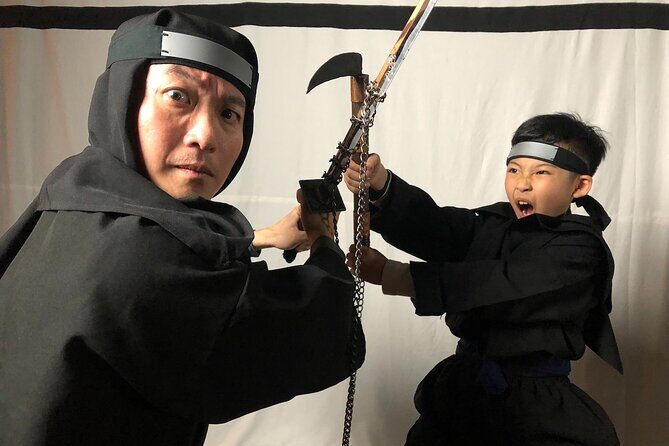
- Weapon and movement basics like walking, a sword lesson, and shuriken-star practice
- Plenty of photo moments, with time to pose and record videos
- Small groups up to 8 travelers, which helps you get attention and go at a steady pace
- English support from the instructor has been reported as very good, making it easier to follow along
- Near public transportation, so you’re not stuck planning an entire logistics day
Arriving at Ninja-Do: the meeting point that makes it easy
You’ll start and finish back at the same place: 忍者堂 Ninja-Do Japan, 557-0002 Osaka, Nishinari Ward, Taishi 1-chōme 1-18 Wakaba Building 4F. The address matters because this isn’t a “meet at a random street corner” kind of experience. You walk in knowing exactly where to go, then the staff take over.
Because the activity ends back at the meeting point, you don’t have to stitch together transit timing at the end of your day. That’s a small thing, but it’s the kind of small thing that saves energy when you’ve already been walking around Osaka.
Also, the experience uses a mobile ticket, which is handy if you’re already juggling subway cards, maps, and photo storage. You won’t be hunting for a paper voucher on the day.
You can also read our reviews of more tours and experiences in Osaka.


What you actually do in the ninja session
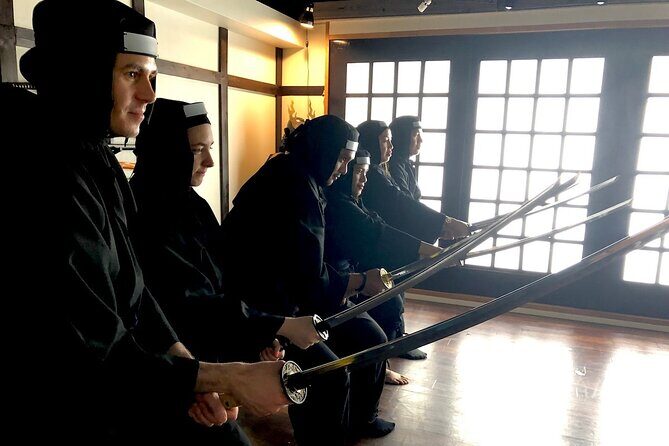
The core of the experience is a guided training class at the dojo. Expect a mix of movement skills and short “how-to” weapon segments. The program includes training like how to walk, a sword lesson, and shuriken-star practice, and it’s designed to be beginner-friendly for most participants.
The theme isn’t just showy. Ninjas are explained as people who trained hard to strengthen body and mind, and who played an important role as spies. That framing helps the activities feel connected rather than random. You’re learning actions that are presented as practical ninja skills, not just costumes and props.
Here’s the best way to think about the pacing: you’ll go through multiple mini-elements—walking technique first, then weapon basics. It’s not long-form martial arts practice. It’s a sampling course that gives you enough structure to feel like you learned something real.
Sword, shuriken-star, and the basics of looking like you mean it
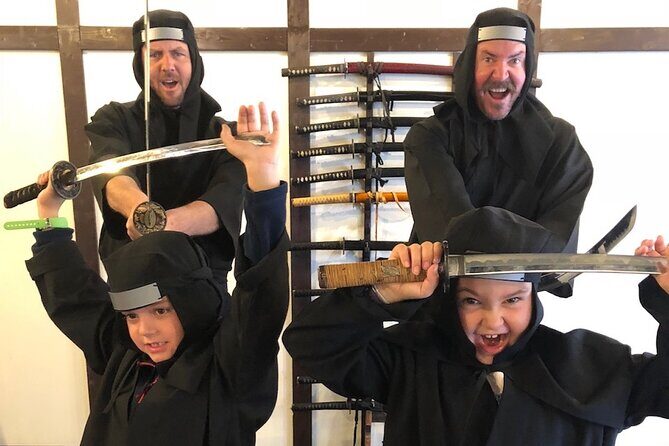
The sword lesson is one of the main draws. You’ll be taught how to handle the weapon in a controlled way, with instruction aimed at getting you comfortable with the basic motions. This is where you’ll feel the most difference between a costume photo and an actual “ninja training” moment.
Then comes shuriken-star practice, which is often the most fun part for kids and adults alike. It’s the kind of skill that makes everyone lean in, because you want to see how the technique works. Even if you’re new to anything like this, the lesson is set up so you can follow along and participate.
One of the subtle wins here is that the class balances body mechanics with showmanship. You’re not only trying to do a move; you’re also learning how to pose and move like the character the costume is trying to sell. That makes photos look better, and it keeps the class from feeling repetitive.
Costume rental and photo time you can actually use
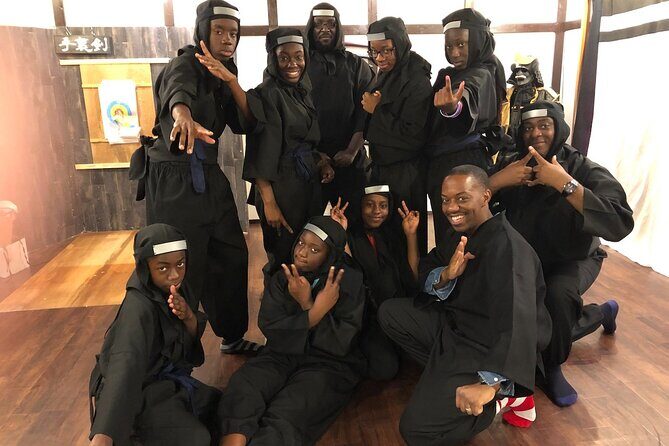
This experience isn’t shy about photos. You’ll get ninja costume rental as part of the training, and then you’ll have lots of opportunities to take pictures in costume. That means you’re not forced to snap a couple of quick shots and then sit on the sidelines.
I like that the photo time is treated as part of the session. The instructor’s approach is practical: you practice the basics, then you get time to pose and record. That helps you avoid the typical “photo window” problem where you only get a few seconds to make it work.
If you’re bringing a camera setup, you’ll be glad to know that solo participants have been able to set up a tripod for photos and videos. If you’re the type who wants clean angles and fewer people in the frame, this is one of those activities where planning ahead pays off.
Your instructor’s role: friendly, funny, and hands-on
The instructor matters here, because you’re learning movement and handling props. In the best sessions, the sensei is both informative and entertaining, and that’s exactly how the dojo is described.
One named example you may encounter is Sensei Tsujimura. In practice, the instructor has been described as funny and personal, and also as supportive enough for younger kids. One-on-one time shows up, which is important if you want the lesson to feel tailored instead of rushed.
Safety also comes up in the way the experience is run. The overall vibe is described as fun and safe, and you can feel that in how the class is structured: you’re guided step-by-step instead of being thrown into a free-for-all.
And yes, language can be a concern in Japan. Here, English has been reported as very good, which helps you understand what to do without guessing.






Group size and timing: why small matters for a hands-on class
The group size is capped at 8 travelers, which is a big deal for an activity like this. When the group is small, instruction is clearer, corrections are easier, and you don’t spend half the time waiting your turn.
Timing is the only place where you should stay realistic. While the duration is listed as about 1 hour, some groups have experienced it as closer to 45 minutes. In other words, treat it as a short, concentrated dojo session. Plan it early in the day or pair it with nearby sights so you’re not stressed if you finish a bit sooner or later than expected.
This kind of schedule also works well if you’re traveling with kids. You get an activity with a clear “start to finish” arc, without a long endurance test.
Where to go after: Shinsekai and Abeno Harukas nearby
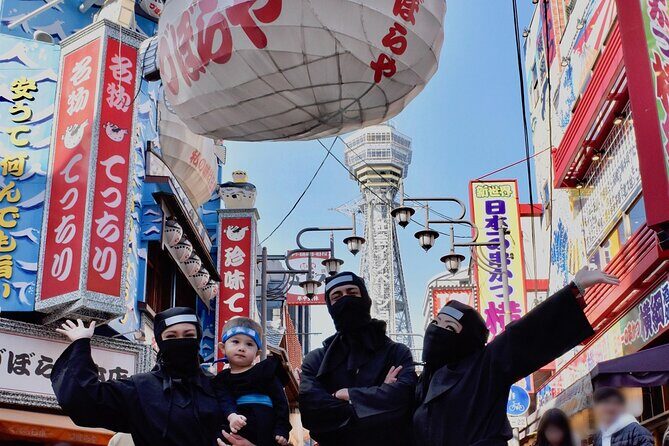
This activity puts you in a good position for pairing with Osaka landmarks. The dojo is near major tourist spots, including Shinsekai and Abeno Harukas, Japan’s tallest commercial building.
If you want the day to flow, here’s a practical approach:
- Do ninja training earlier, then head to Shinsekai for street energy and snacks while you’re still dressed up from the costume moment (or after you change back).
- If you’re aiming for views and shopping, consider Abeno Harukas after the class, since you’ll already have that Osaka-adventure momentum.
Even if you don’t plan a perfect route, being near transport-friendly sightseeing means you can adjust on the fly. And that’s valuable when you’re juggling weather, energy levels, and kid stamina.
Price and value at $30.80 per person
At $30.80 per person, the price is in the “short activity that feels like an experience” range. The value comes from what’s included and how it’s delivered, not from the cost alone.
You’re getting:
- Guided training (movement, sword basics, shuriken-star practice)
- Ninja costume rental
- Lots of photo and video time
For many visitors, that package is the difference between paying for a show and paying for participation. Also, small groups help justify the cost. When a class is capped at eight, you’re more likely to get attention and learn the motions instead of watching others.
If you’re the kind of traveler who likes experiences you can talk about afterward, this is a solid use of time. It’s also a decent “first Japan” style activity because it’s structured, understandable, and not dependent on advanced language.
Who should book the Ninja-Do ninja experience
This is a strong fit if you want an action-based activity with a clear payoff: you’ll leave with practice memories and photos you’ll actually use.
It’s especially good for:
- Families with kids, because the pace is short and the instructor is described as kind and friendly
- Teens who might start skeptical, since the training is fun and the instructor’s energy can win them over
- Solo travelers who want personal attention and the option to set up a tripod
- First-time visitors to Japan looking for an accessible cultural-meets-play experience
If you’re expecting a full martial arts regimen, adjust your expectations. This is best described as a compact dojo session—enough to learn basics, feel confident in the motions, and get photo-worthy results.
Should you book Ninja Experience in Osaka at Ninja-Do?
I’d book it if you want a fun, structured activity that mixes hands-on ninja training with costume photos. The small group size and the instructor’s reported English ability make it easier to participate, not just watch.
I’d think twice if your schedule is super tight or you absolutely need a full hour on the clock. Since some sessions run around 45 minutes, build in a little buffer.
Also, if you already have plenty of “photo-only” plans in Osaka, treat this as the one where you actually learn moves first, then pose. That order is what makes it feel worth it.
FAQ
How long is the Ninja Experience in Osaka?
The experience is listed as about 1 hour. Some participants have reported it running closer to 45 minutes.
Where is the meeting point for Ninja-Do?
You meet at 忍者堂 Ninja-Do Japan, 557-0002 Osaka, Nishinari Ward, Taishi 1-chōme 1-18 Wakaba Building 4F, and the activity ends back at the meeting point.
What training do you do during the program?
The program includes training such as how to walk, a sword lesson, and shuriken-star practice.
Is the ninja costume rental included?
Yes. Ninja costume rental is included in the experience.
Can I take pictures and videos during the class?
Yes. There are lots of opportunities for photos, and videos are also mentioned as part of the experience. Solo participants have been able to set up a tripod for photos and videos.
Is there an English-speaking instructor?
The instructor’s English has been described as very good in at least one session, which should help you follow along.
How big are the groups?
The experience has a maximum of 8 travelers.
Is it close to public transportation?
Yes, it’s near public transportation.
Is cancellation free?
Free cancellation is available. You can cancel up to 24 hours in advance of the experience for a full refund.