REVIEW · KYOTO
Kyoto Wagashi(Japanese sweets) Cooking Class near Fushimiinari
Book on Viator →Operated by Japanese cooking class & walking tour · Bookable on Viator
A sweet Kyoto afternoon feels oddly personal. This cooking class turns Japanese dessert-making into a calm, hands-on visit in an authentic home near Fushimiinari, with small-group attention and a garden-view break. I love how relaxed it feels in the traditional rooms, and I love that you’re making three wagashi yourself instead of watching from the sidelines. One thing to consider: there’s no hotel pick-up, so you’ll need to reach the meeting address on your own.
You’ll start by settling into a traditional Japanese room, then get an instructor-led demo before you cook. In an English-forward class guided by licensed interpreter staff, you’ll prepare about three popular Japanese sweets, then sit down to enjoy your work with matcha.
You also get the recipes, so the fun can follow you home. It’s a great fit for couples, families, and solo visitors, and vegetarian options are welcomed (vegan friendly too if you tell them ahead).
In This Review
- Key Highlights You’ll Care About
- Kyoto Wagashi Near Fushimiinari: Why This Feels Different
- Getting There: The Meeting Point and What It Means for Your Day
- Inside the Traditional House: Rooms, Tea, and Garden-View Calm
- Making Three Wagashi Yourself: How the Class Actually Flows
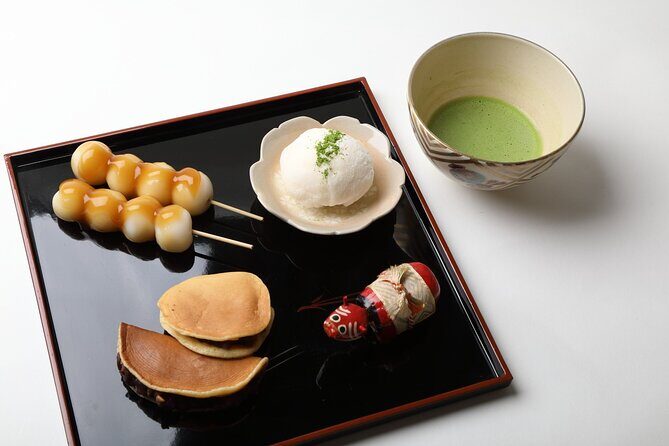
- Desserts You Might Make: Black Sesame Mochi and Mitarashi Dango
- Vegan and Vegetarian-Friendly: How to Plan for Dietary Needs
- English Instruction That Keeps You Cooking, Not Confused
- Price and Value: Is $79.26 Worth It?
- Who Should Book This Class (and Who Might Not)
- Should You Book the Kyoto Wagashi Cooking Class near Fushimiinari?
- FAQ
- How long is the Kyoto wagashi cooking class?
- Where is the meeting point?
- Is the class taught in English?
- What will I make during the class?
- Are vegetarian or vegan options available?
- What is included in the price?
- Is hotel pick-up or drop-off included?
- Can I cancel for a full refund?
- Is this class suitable for teenagers?
Key Highlights You’ll Care About
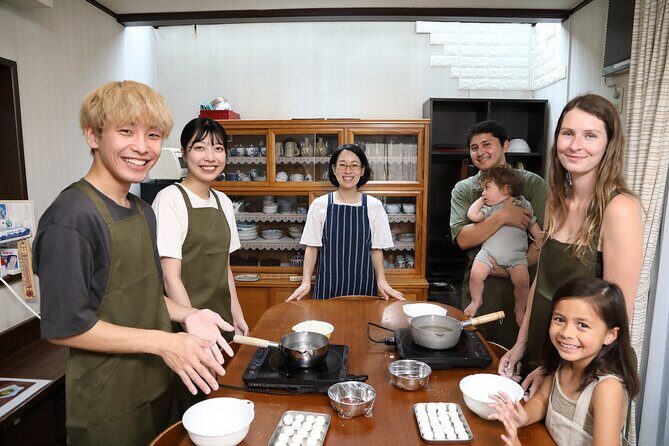
- Up to 6 people means more help while your hands are actually on the ingredients
- A traditional Japanese house setting makes the break with tea feel like a real visit
- English instruction throughout helps you follow techniques step by step, even if your Japanese is basic
- You make about 3 wagashi and leave with recipes for trying again at home
- Clear focus on process shows you how textures and timing work, not just what to do
Kyoto Wagashi Near Fushimiinari: Why This Feels Different
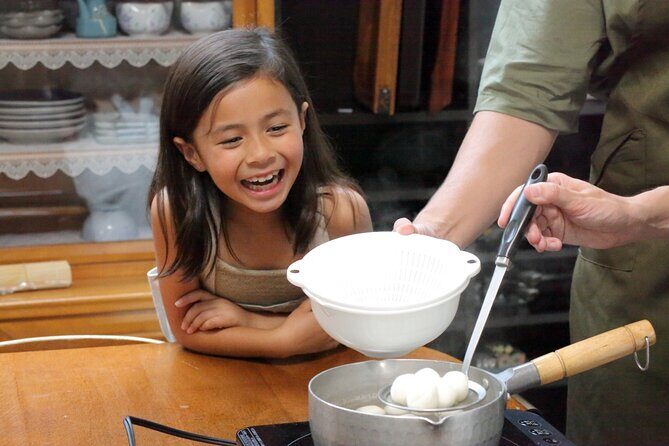
Kyoto has a lot of cooking experiences, but this one leans hard into atmosphere and technique. Instead of being a classroom vibe, it’s set up in an authentic Japanese-style house where you start off relaxing in traditional rooms. That matters, because wagashi isn’t only about taste. It’s also about the feel—how dough behaves, how you shape, and how sweetness balances with tea.
I also like the pacing. You’re not rushed through three items like a checklist. You get instructor support, you cook your own sweets, then you all sit together to enjoy what you made with matcha. That rhythm makes the experience more satisfying than a grab-and-go food stop.
And because the group is capped at 6, you’re more likely to get practical tips that fit your pace. If you’ve ever watched a cooking class where the instructor helps the fastest person first, you’ll appreciate the calmer flow here.
You can also read our reviews of more cooking classes in Kyoto
Getting There: The Meeting Point and What It Means for Your Day
This class starts at 38-4 Fukakusa Watamorichō, Fushimi Ward, Kyoto (near Fushimiinari). There’s no hotel pick-up, so plan time to get yourself there using public transportation. The good news is it’s described as near public transit, so it’s not a long, complicated trek—just don’t assume a taxi will magically appear at your hotel door.
The duration is about 2 hours 30 minutes, so it fits neatly between sightseeing blocks. If you’re planning to see Fushimiinari early, you can make this class your midday reset. If you’re doing it later, consider keeping your schedule light afterward, because you’ll probably want a little time to digest the sugar and tea.
You’ll also receive a mobile ticket, which is handy in Kyoto where you’re bouncing between stops. The class is weather-dependent, and if conditions are poor, you’ll be offered a different date or a full refund.
Inside the Traditional House: Rooms, Tea, and Garden-View Calm
The setting is part of the product. You’re hosted in an authentic Japanese-style house with traditional rooms, and the experience starts with you relaxing there. That’s a small detail that changes everything. Even before you cook, you’re already slowing down, noticing how the space is arranged, and settling into a Kyoto rhythm that doesn’t feel like a factory or a tour assembly line.
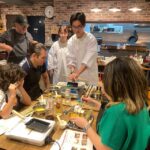
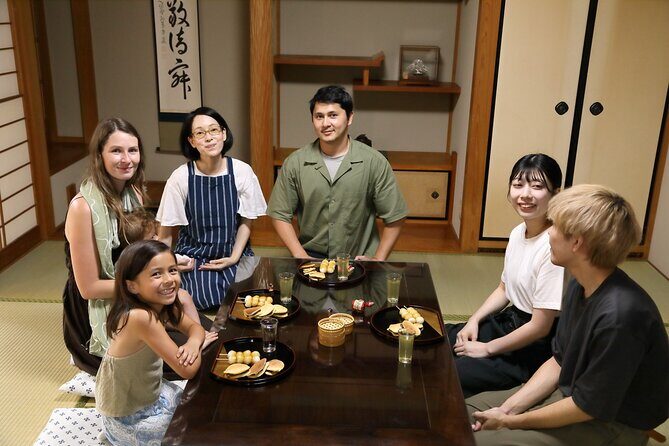
After cooking, you and the other participants sit together to enjoy your wagashi with a cup of matcha. One theme that shows up again and again is that the room feels clean, organized, and welcoming—set up so you can focus on the food rather than worry about logistics.
If you like your travel experiences to include a little quiet beauty (not just photos), this part lands well. It’s also a nice way to see Kyoto in a different frame: not temple-first, but tea-room calm.
Making Three Wagashi Yourself: How the Class Actually Flows
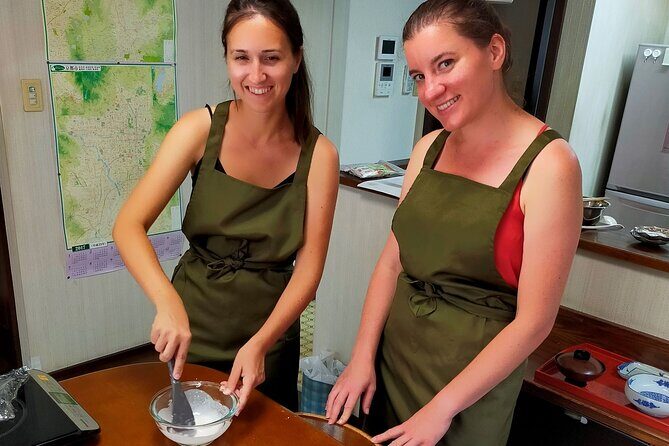
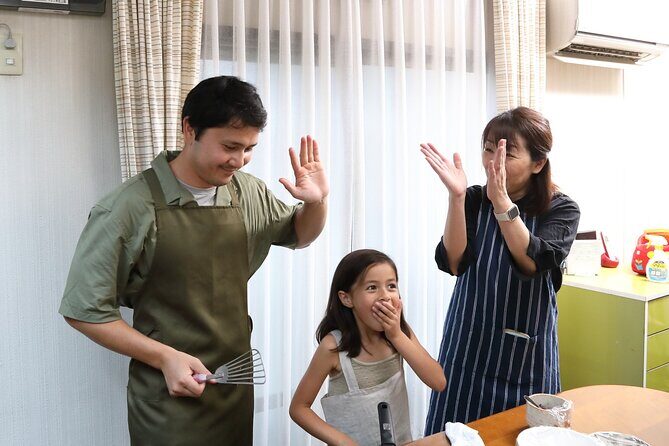
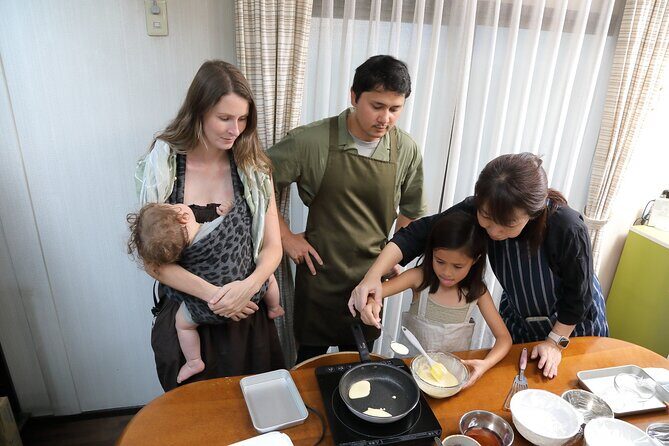
Here’s what the class structure means for your learning. First, the instructor demonstrates. Then you cook your sweets yourself, either solo or with a partner (depending on how the group pairs up).
You’ll prepare about three different types of wagashi, using tips designed to help you understand the steps, not just copy them. That’s the difference between eating wagashi and making it. You’re learning how to work with ingredients so the final texture holds up and looks like something you’d actually want to offer guests.
As you cook, watch for process cues like:
- texture changes as ingredients come together
- shaping techniques that affect how the sweet sets
- timing, especially for anything involving heat or dough behavior
In reviews, people call out that they learned distinct processes and techniques, and that the class stayed relaxed even while they were actively cooking. That’s a good sign if you’re nervous about cooking. The focus isn’t on perfection. It’s on guiding you so you get results.
You’ll finish by eating what you made in that traditional room setting with matcha. That final sit-down also helps you understand the lesson from a food point of view: sweetness level, mouthfeel, and how the dessert pairs with tea.
Desserts You Might Make: Black Sesame Mochi and Mitarashi Dango
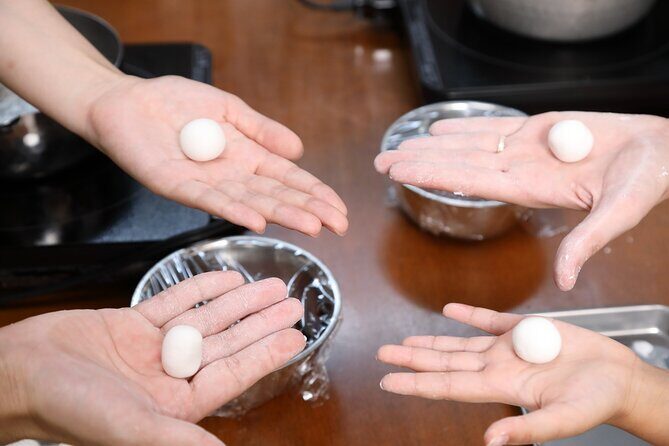
The class prepares around three wagashi desserts, and the exact lineup can vary. What I can say from the experience details is that instructors teach popular Japanese sweets, and guests often mention standout items like black sesame mochi and mitarashi dango.
Black sesame mochi is memorable because it’s not just a flavor; it’s a whole vibe. When you make it yourself, you understand why sesame works so well with sweetness and why the texture is the real payoff. One strong review theme is that someone tried black sesame mochi here and became obsessed with it afterward.
Mitarashi dango shows up for a reason too. It’s often comforting, familiar in the Japanese sweet world, and it teaches you how sauce and finishing touches change the whole perception of the dish. If you’ve had dango before but never made it, this kind of class gives you the behind-the-scenes mechanics.
Even if your specific three sweets are different, you’ll likely come away with the same core value: technique practice and a better sense of how wagashi is assembled and served.
A few more Kyoto tours and experiences worth a look


Vegan and Vegetarian-Friendly: How to Plan for Dietary Needs
Good news: vegetarians are welcome, and it’s also described as vegan friendly. The key practical step is to let them know in advance about any dietary restrictions.
That means you shouldn’t just hope substitutions happen on the spot. If you’re vegan or have a specific restriction, message your dietary needs when booking. It’s the simplest way to avoid stress and make sure the class can adjust ingredient choices appropriately.
If you’re traveling with picky eaters, this is also a comfort. Wagashi can look intimidating when you’re not sure what’s inside, but a cooking class lets you see ingredients firsthand. You’ll likely feel better about what you’re eating afterward because you handled it yourself.
English Instruction That Keeps You Cooking, Not Confused
The class is conducted entirely in English, and instructors are described as licensed guide interpreters. That matters because wagashi technique includes details you can’t always guess from body language alone—how thick to mix, what consistency to aim for, when to stop cooking, and how to shape.
The “by yourself or with your partner” format also helps. If something feels unclear, you can watch your partner’s hands and still get the main instruction from the instructor’s guidance.
One positive pattern in the feedback is that the class stays organized and easy to follow. Even with teens, the tone is relaxed enough that learning still happens without turning into a test.
If you’ve struggled in cooking classes where language gaps turn into frustration, this one is designed to reduce that problem.
Price and Value: Is $79.26 Worth It?
At $79.26 per person for about 2 hours 30 minutes, the price is not “cheap,” but it also isn’t overpriced when you look at what’s included.
You get:
- all seasonings and ingredients
- an English-speaking instructor
- all fees and taxes
- coffee and/or tea
- and the recipes for what you make
Most cooking classes fall apart on one of two points: you either pay for ingredients separately, or you leave without practical materials. Here, recipes are included, and ingredients are covered. That’s real value because it means you can recreate the sweets later rather than only remembering the taste.
The small group size (max 6) is another hidden value. More hands-on attention usually means fewer mistakes that waste time. It also makes it easier to ask questions during cooking rather than after, when everyone is already done.
If you’re the type of traveler who likes authentic experiences, a short format like this can be a smart use of money. You’re paying for time, guidance, and the ability to make something you can’t easily DIY from a recipe card alone.
Who Should Book This Class (and Who Might Not)
This is a strong choice if you want a different side of Kyoto beyond shrines and photo stops. You’ll get a cultural experience inside a traditional home, learn real techniques, and end with something edible you made yourself.
It’s also ideal if you’re:
- traveling with family and want a hands-on activity
- curious about anime and manga–style Japanese sweets (the class is specifically framed around those wagashi concepts)
- a solo visitor who wants interaction without feeling awkward
- someone who wants vegetarian or vegan-friendly planning (with notice)
It might be less ideal if you hate cooking activities, or if you’re extremely time-crunched and don’t want to handle transport to the meeting address on your own. Also, because it depends on weather, it’s not the best “only day in Kyoto” plan unless you can flex.
Should You Book the Kyoto Wagashi Cooking Class near Fushimiinari?
Yes, if you want a calm, guided wagashi experience with real hands-on results. The combination of a traditional Japanese house setting, small-group attention, English instruction, and take-home recipes is what makes it worth your time.
I’d especially recommend it if you want to leave Kyoto with more than memories—if you want skills you can actually repeat at home. The desserts people highlight most, like black sesame mochi and Mitarashi dango, are exactly the kinds of sweets that become favorites once you understand the process.
If you’re comfortable going on your own to the meeting point and you can handle a cooking activity, this is an easy “book it” type of class.
FAQ
How long is the Kyoto wagashi cooking class?
It runs for about 2 hours 30 minutes (approx.).
Where is the meeting point?
The class meets at 38-4 Fukakusa Watamorichō, Fushimi Ward, Kyoto, 612-0022, Japan.
Is the class taught in English?
Yes. The class is conducted entirely in English, with instructors described as licensed guide interpreters.
What will I make during the class?
You’ll prepare about three different types of wagashi (Japanese sweets). Recipes are provided for what you cook.
Are vegetarian or vegan options available?
Vegetarians are welcome, and it’s also vegan friendly. Let the provider know in advance if you have dietary restrictions.
What is included in the price?
All seasonings and ingredients, the English-speaking instructor, all fees and taxes, and coffee and/or tea are included.
Is hotel pick-up or drop-off included?
No. Hotel pick-up and drop-off service is not included.
Can I cancel for a full refund?
Yes. You can cancel up to 24 hours in advance for a full refund. The experience is also weather-dependent, and if it’s canceled due to poor weather you’ll be offered a different date or a full refund.
Is this class suitable for teenagers?
It can work well for teenagers. One review specifically called it an activity for teenagers with good results and lots of laughing and eating.