REVIEW · KYOTO
Kyoto: Tea Ceremony in a Traditional Tea House in Kiyomizu
Book on GetYourGuide →Operated by SAKAGUCHIAN · Bookable on GetYourGuide
Kyoto slows you down, one whisk at a time. In a traditional tea house in Sannenzaka near Kiyomizu-Dera, you get matcha training in a calm setting, built around an Ogawa Jihei VII garden. I like how this experience mixes performance with hands-on practice, and how you sip while the space feels peaceful even when you’re in a busy area.
One of my favorite parts is the tea master’s careful, elegant routine, followed by your turn to whisk and brew your own matcha. One possible drawback: kimono rental isn’t included, so you won’t get the full costume look unless you plan for it separately.
In This Review
- Quick reasons to book this Kyoto matcha ceremony
- Sannenzaka Tea House at Sakaguchian: where the quiet starts
- Ogawa Jihei VII garden views: the calm backdrop you pay for
- The 45-minute flow: matcha, sweets, and your photo
- Watching the tea master: what to pay attention to
- Your hands-on matcha lesson: making it without guessing
- The sweets and the photo: finishing touches that make it feel real
- Price and value: what $49 buys in Kyoto
- Who should book this tea ceremony (and who might skip)
- Getting there fast: the Sanneizaka meeting point
- Should you book this Kyoto tea ceremony?
- FAQ
- How long is the Kyoto tea ceremony?
- Is the ceremony offered in English?
- What’s included in the price?
- Do I get a kimono?
- Can I bring luggage or large bags?
- What’s the meeting point near Kiyomizu-Dera?
- What if I’m arriving by cab?
- Is it rain or shine?
- Is it suitable for young children?
Quick reasons to book this Kyoto matcha ceremony
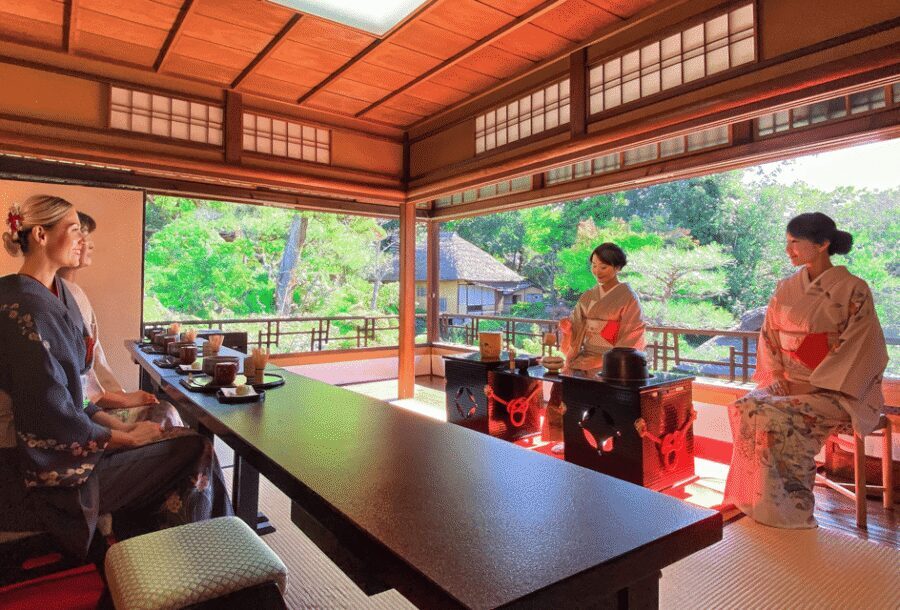
- Sannenzaka location near Kiyomizu-Dera means easy pairing with temple sightseeing
- Ogawa Jihei VII garden view from the tea house keeps things serene
- Hands-on matcha brewing after watching the tea master step-by-step
- Two cups of matcha + traditional sweets make it feel complete, not rushed
- Photo included, so you leave with proof you actually found the quiet corner
- English instruction so you’re not stuck guessing what’s happening
Sannenzaka Tea House at Sakaguchian: where the quiet starts
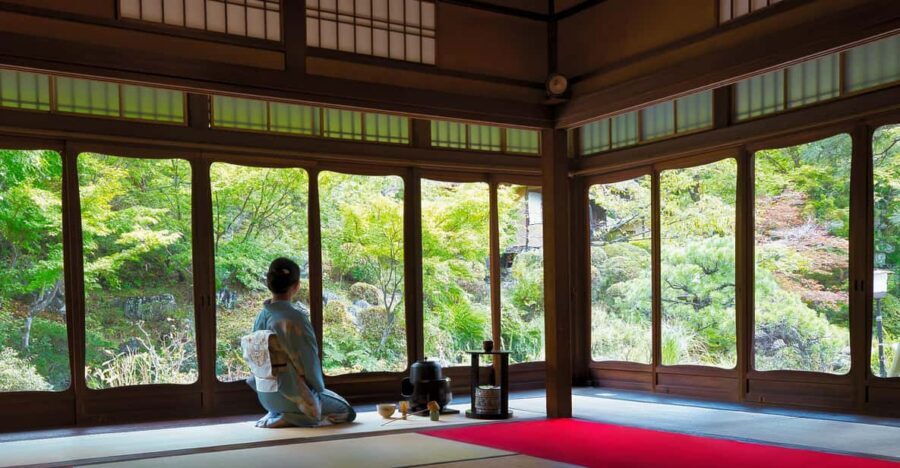
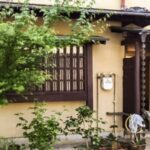
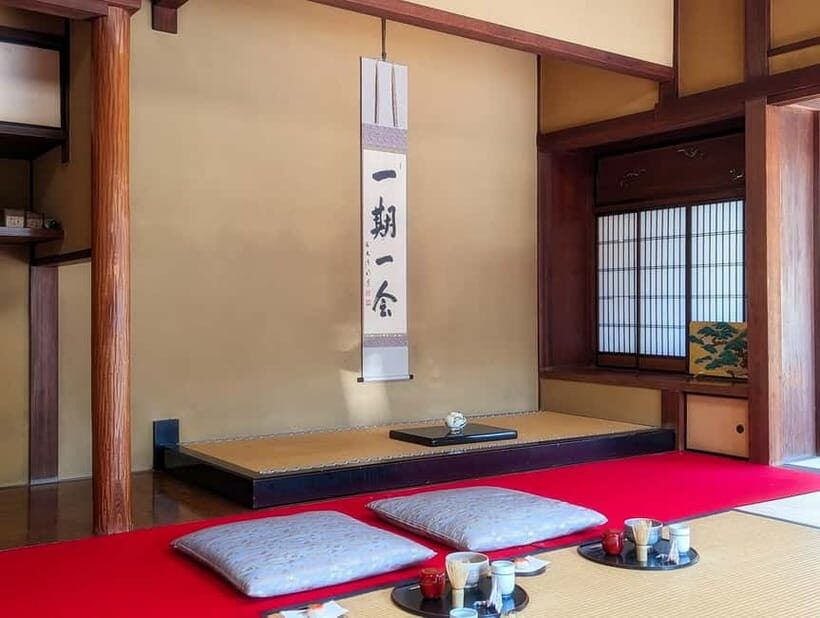
This ceremony is set up in a traditional tea house in Sannenzaka, a few minutes from Kiyomizu-Dera. You walk in from the street and, like magic, the mood changes fast. The building is small and tucked away, and the garden view does a lot of the heavy lifting for the calm factor.
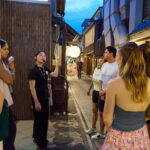
The host/instructor greets you and starts with a short introduction before the real ritual begins. That matters because tea ceremony etiquette can feel strange at first. Here, you get coached early enough that you’re not spending the first five minutes wondering where to look or what to do with your hands.
Another small but important detail: the ceremony runs rain or shine. So if Kyoto weather is doing its usual mood swings, you still get your 45 minutes.
You can also read our reviews of more tours and experiences in Kyoto.


Ogawa Jihei VII garden views: the calm backdrop you pay for
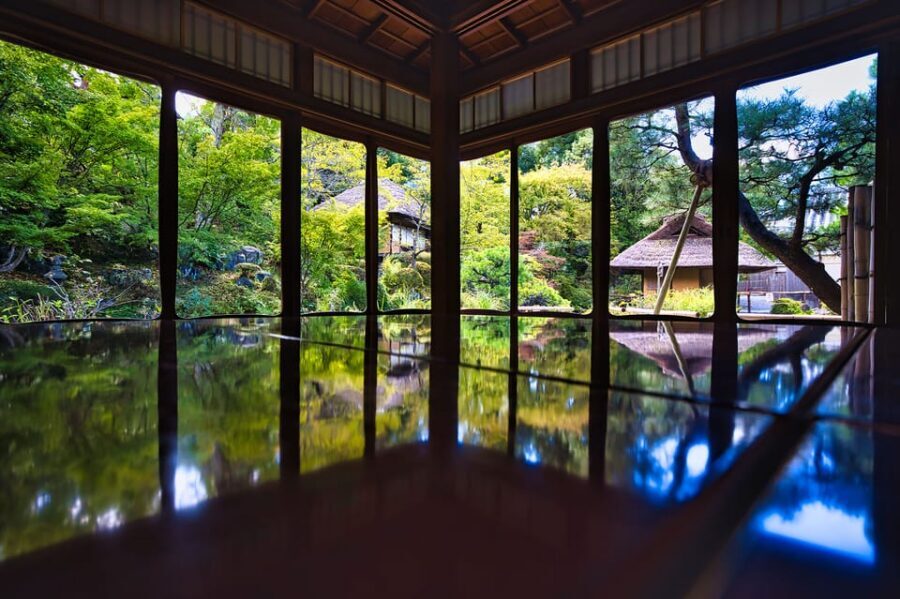
The big setting story is the garden. The tea house sits within an established garden created by landscape artist Ogawa Jihei VII. Even though the meeting area is close to popular sights (and foot traffic), once you’re inside, the view is meant to feel still and contemplative.
This is one reason the experience has such high satisfaction. People keep pointing out the same thing: it can be busy just outside, then peaceful within. You’re paying for more than a cup of tea. You’re buying the feeling that Kyoto can slow down and let you notice details.
If you’re the type who likes to travel with your senses turned on—quiet spaces, gentle pacing, and careful craft—this garden view is a core part of the value.
The 45-minute flow: matcha, sweets, and your photo
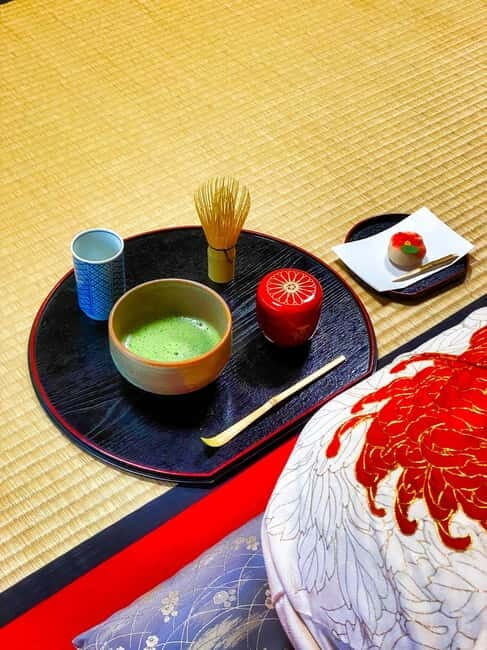
Plan for a compact experience: 45 minutes from start to finish. That’s actually a plus in Kyoto, where you can easily overstuff your day. This ceremony works like a reset button between temple stops and strolling lanes.
Here’s the rhythm you should expect:
- You arrive at Sakaguchian and are greeted by the instructor.
- You get a brief introduction, including a 500-year history context behind the ceremony.
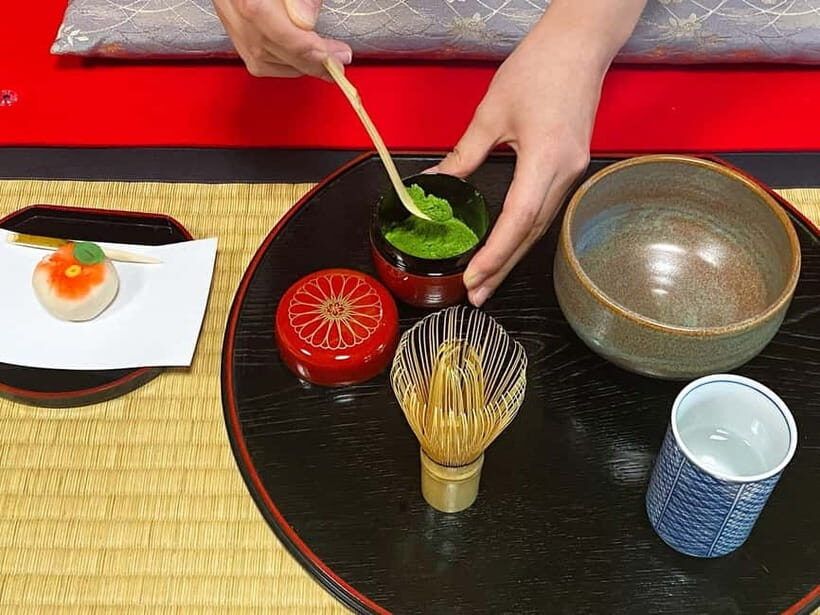
- The tea master performs the preparation with exact steps so you can see the process first.
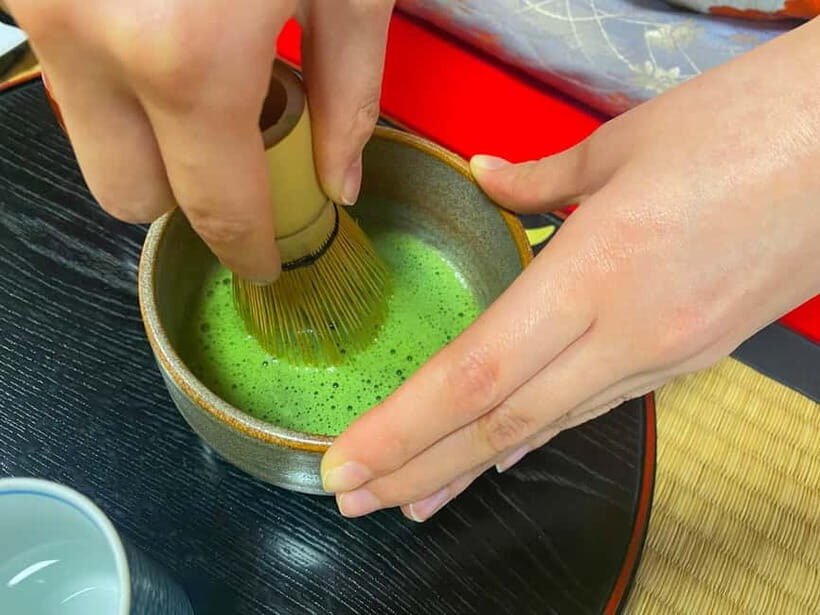
- Then you learn how to brew your own matcha.
- You sip your freshly prepared matcha and taste a traditional Japanese sweet.
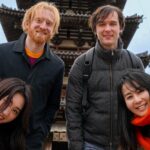
- Finally, you take a group photo with the garden as a backdrop.
The timing is tight, so you’ll want to come in ready to focus. This isn’t a long wandering cultural show. It’s a short, intentional ritual where you participate.
Watching the tea master: what to pay attention to
The tea master demonstration is where the ceremony earns its reputation. You’re not just seeing someone make a drink—you’re watching discipline. The movements are measured, and the sequence matters.
You’ll also likely notice that the tea master isn’t performing for the audience like a stage act. It feels more like practice and precision. People describe the tea master as graceful in motion and impressive in how seriously each step is handled. One review specifically named a guide called May for warm, clear English and added depth to the meaning behind each movement.
So when you watch, don’t treat it like a cooking show. Watch the pace, how the tools are handled, and how the ritual holds attention for small moments. That’s the point.
Your hands-on matcha lesson: making it without guessing
After you watch, it’s your turn to brew your own matcha. This part is what converts tea ceremony curiosity into real understanding.
You’ll learn the basics of preparing ceremonial matcha, then you brew and enjoy a bowl of it. The experience includes 2 cups of matcha, so you’re not just sampling. You get enough time to notice how the taste changes depending on how it’s whisked and served.
One practical tip: matcha has a style of bitterness that can feel intense if you’re used to sweet drinks. The good news is that this ceremony matcha is prepared as ceremonial tea, and many people come away surprised that it’s smoother than expected.
Also, don’t rush your first sip. Part of the ritual is slowing down enough to taste properly. If you sip like you’re trying to beat a clock, you’ll miss what makes the flavor work.


The sweets and the photo: finishing touches that make it feel real
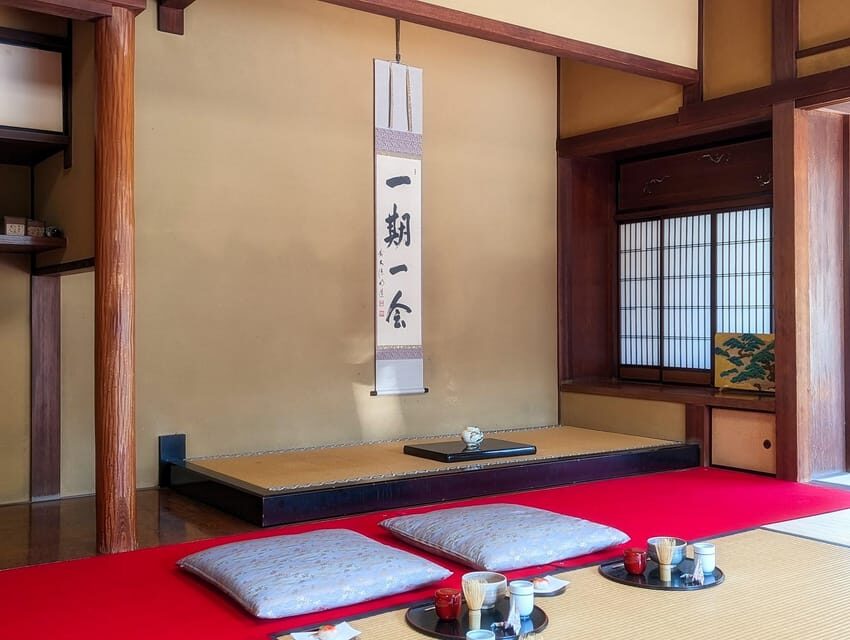
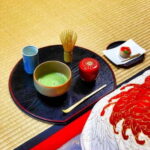
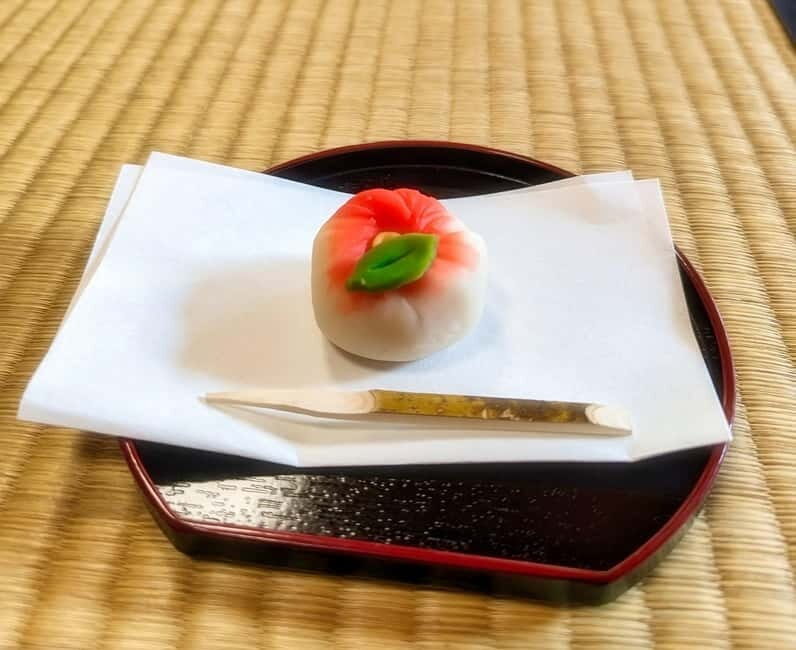
At the end, you get a traditional Japanese sweet alongside your matcha. It’s not just an afterthought. That combo helps balance the overall taste experience—especially if your matcha is strong and grassy.
Then you get your group photo with the garden behind you. This is one of those small inclusions that turns into a big memory later. Kyoto has plenty of beautiful backdrops, but this specific one is built into the ceremony setting.
And yes, the photo moment can feel a bit like a checkpoint, but if you lean into it, it’s a chance to reset before you head back out into Sannenzaka’s busy streets.
Price and value: what $49 buys in Kyoto
At $49 per person for 45 minutes, the price can sound steep if you’re thinking of it as a quick snack and a show. But if you look at what’s actually included, the value makes more sense:
- A guided session in English
- Tea ceremony instruction plus the tea master demonstration
- Two cups of matcha
- Traditional Japanese sweets
- A photo you don’t have to organize yourself
- Use of a traditional tea house setting, set inside a known garden
What’s not included is kimono rental. If you show up expecting a full costume experience, budget extra or accept that you’ll be in normal clothes (which is fine; the ceremony is about the craft, not the outfit).
So who is this price good for? People who want a structured cultural activity without the stress of DIY research. You’re paying for guidance, timing, and a setting that’s hard to replicate on your own.
Who should book this tea ceremony (and who might skip)
This fits best if you want:
- A calm pause during a busy Kyoto day
- A short class where you actually make and drink matcha
- English explanations of the ritual and meaning
It’s not suitable for children under 7, and that’s worth respecting. The ceremony is a precise, quiet activity with rules about behavior. If you’re traveling with older kids, the experience can work well because they can follow the steps and enjoy the process (some families have mentioned kids around 9 and 13 doing great).
If you have luggage or large bags, plan ahead too. Luggage or large bags aren’t allowed, so travel light or handle bags before you arrive.
Getting there fast: the Sanneizaka meeting point
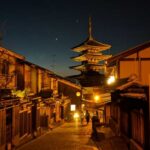
You’ll find the tea house by walking down Sanneizaka near Kiyomizu-Dera Temple.
Here’s the route that keeps you from wandering in circles:
- Walk about 50 meters down Sanneizaka.
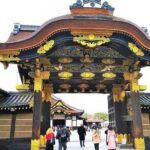
- Enter a large gate on the right.
- From that gate, you can see the Japanese garden.
- Pass through the gate, then go straight for about 10 meters.
- Look for a white gate on your left and enter to find Sakaguchian.
If you’re using a cab, tell the driver to go toward Kodaiji Temple. Get off at the intersection of Sanneizaka and Ishin-no-michi. From there, you can walk to the meeting point.
Should you book this Kyoto tea ceremony?
If you want an activity that feels genuinely Japanese without turning into a long tour, I’d book it. The garden setting, the tea master performance, and the fact that you brew your own matcha make this more than a quick demo.
Skip it only if you’re expecting a kimono experience included in the price, or if you travel with big bags and don’t want to manage luggage constraints. Otherwise, this is a solid way to slow down in Kyoto, learn a skill you’ll actually remember, and leave with matcha in your memory.
FAQ
How long is the Kyoto tea ceremony?
The experience runs for 45 minutes.
Is the ceremony offered in English?
Yes. The instructor provides instruction in English.
What’s included in the price?
You get the tea ceremony, 2 cups of matcha, traditional Japanese sweets, and a photo.
Do I get a kimono?
No. Kimono rental is not included.
Can I bring luggage or large bags?
No. Luggage or large bags are not allowed.
What’s the meeting point near Kiyomizu-Dera?
Go down Sanneizaka near Kiyomizu-Dera Temple, walk about 50 meters, enter a large gate on the right, then after passing through it go straight for about 10 meters and enter through the white gate on your left to find Sakaguchian.
What if I’m arriving by cab?
Tell the driver to go toward Kodaiji Temple. Get off at the intersection of Sanneizaka and Ishin-no-michi.
Is it rain or shine?
Yes. The ceremony takes place rain or shine.
Is it suitable for young children?
No. It’s not suitable for children under 7.