REVIEW · KYOTO
Best of Kyoto: Gion, Geisha, Pagodas & Cobblestones
Book on GetYourGuide →Operated by Kyoto Fun · Bookable on GetYourGuide
Kyoto’s night streets have a different rhythm. This 2-hour walk focuses on Gion and Higashiyama after dark, with lantern-lit lanes, shrine and temple stops, and a guide who explains the world of geisha and maiko in a respectful, practical way. I really like the timing here because the area feels quieter later at night, and I also like the built-in context so you’re not just snapping photos—you understand what you’re looking at. The only real caution: you’re walking at night, and some sections can be darker, so wear shoes you trust and dress for cold weather.
This is a smart first-day choice because it gives you a snapshot of the old Kyoto “why,” not just the “what.” Plus, you may catch a glimpse of women in full costume near the end, which is one of the reasons people book. Just don’t expect food or drink to be included—you’ll want to plan a bite afterward using your guide’s recommendations.
In This Review
- Key Things I’d Book This Tour For
- Why Gion After Dark Feels Like Kyoto’s Secret Side Streets
- Starting Points and How to Meet Your Guide Without Stress
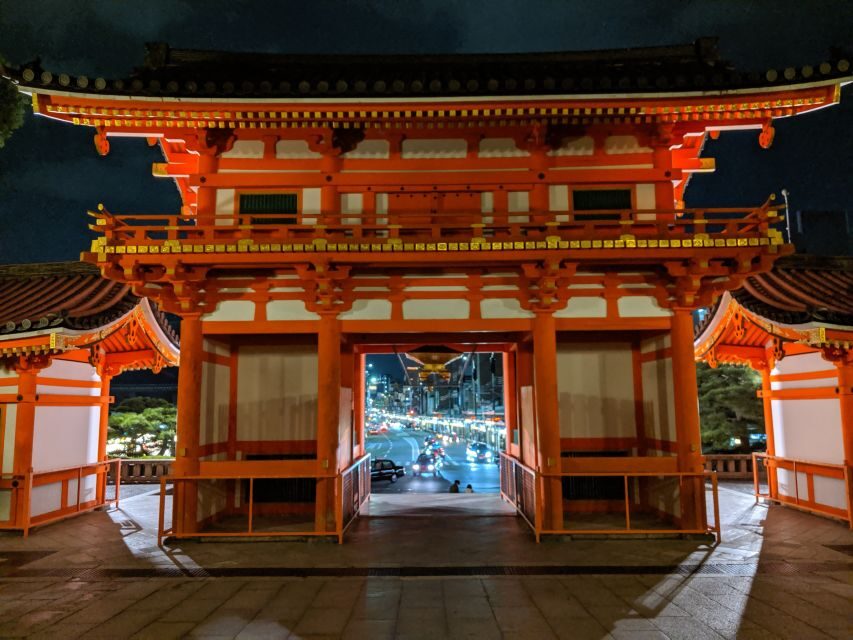
- Yasaka Shrine at Night: Where the Tour Sets the Cultural Tone
- Ninenzaka Cobblestones and the Lantern-Lit Walk to Hōkan-ji
- Yasui Kompira-Gu Shrine: A Short Visit That Adds Texture
- The Gion Guided Walk: Geisha, Maiko, and How to Watch Respectfully
- What a 2-Hour Small-Group Guide Actually Changes
- Price and Value: Is $24 for 2 Hours a Fair Deal?
- Where to Eat and Drink After: Ask the Guide and Go Nearby
- Who This Gion Night Walk Is Best For
- Should You Book This Kyoto Fun Night Walk?
- FAQ
- How long is the tour?
- What is included in the price?
- What languages are offered?
- Where do I meet the guide?
- What if I’m late or can’t find the meeting point?
- Can I cancel for a full refund?
Key Things I’d Book This Tour For
- Quiet-after-dark Gion: better atmosphere and fewer day-tour crowds once evening settles in
- Shrine and temple stops: Yasaka Shrine plus a night look at a beautifully lit pagoda at Hōkan-ji
- Geisha culture with boundaries: you learn the customs of geiko and maiko apprentices, with tips on respectful behavior
- Photo-friendly pacing: short timed stops plus a longer guided stretch through Gion
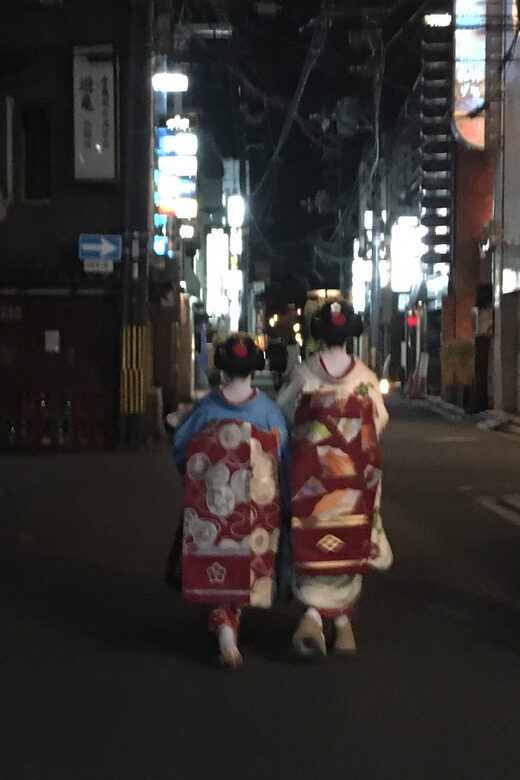
- Guide-led spotting chances: you might see geiko/geisha or maiko in costume toward the end
Why Gion After Dark Feels Like Kyoto’s Secret Side Streets
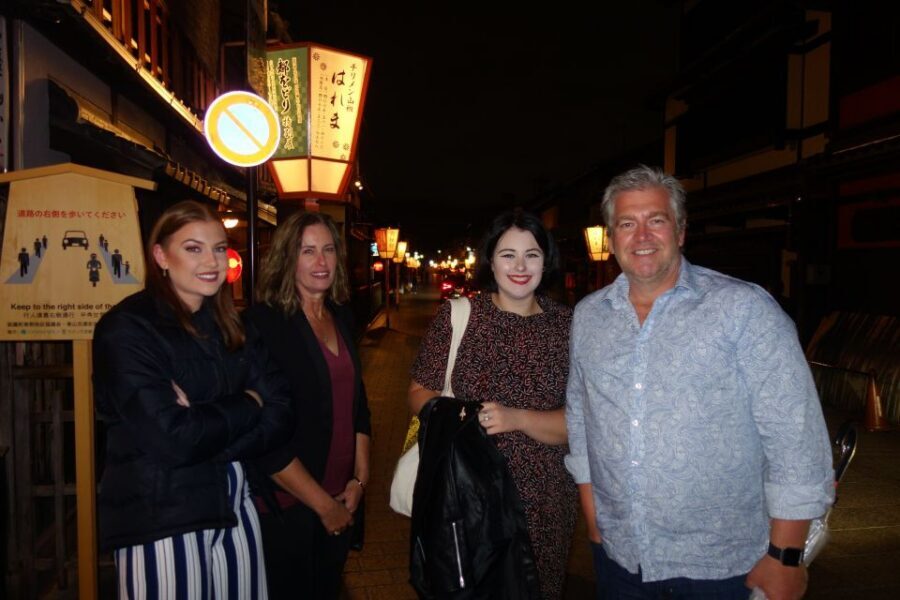
Gion is famous in daylight, but night changes the whole experience. The lanterns reflect off wooden façades, the streets narrow and slow down, and the sidewalks feel less like a queue and more like you’re wandering through a film set. You’re not rushing between big-ticket sights. You’re moving through neighborhoods where Kyoto’s traditional look still matters.
What makes this tour work is that it’s built around how the streets behave after sunset—when sound carries differently, when shopfronts dim, and when people stop packing into the same photo angles. That matters because Kyoto can feel crowded fast, especially around classic lanes.
And then there’s the geisha angle. This isn’t the usual theme-park “look at the costumes” approach. You get culture and context first, then the possibility of seeing women in full costume later as part of the stroll.
You can also read our reviews of more tours and experiences in Kyoto.



Starting Points and How to Meet Your Guide Without Stress
The meeting point can vary depending on the option you book. One option is near Tsuruha Drug (Yasaka Shrine Store) / FamilyMart; another option is simply listed as Kyoto Gion.
Two practical tips from the tour info help a lot:
- Your guide’s phone number will be shared, and you should call (WhatsApp is recommended) if you’re having trouble finding the group.
- If you arrive late or can’t find your guide, you won’t be refunded. So if you’re cutting it close, leave extra buffer time.
Also, this is a 2-hour walk, so arriving a few minutes late can actually shrink your time on the most interesting lanes.
Yasaka Shrine at Night: Where the Tour Sets the Cultural Tone

The tour starts with a visit to Yasaka Shrine (about 20 minutes). This is a good opener because it puts you into a Shinto mindset right away, before you move into the entertainment-district streets.
You’re not just walking past another landmark. You’re there with a guide who explains what shrine life looks like and what visitors are expected to do. That kind of guidance matters in Kyoto because the polite details are part of the culture, not decoration.
If you like architecture and atmosphere, night at Yasaka is also a nice visual shift from day. It’s not only about the lights. It’s about how the space feels when the day crowds thin out.
Ninenzaka Cobblestones and the Lantern-Lit Walk to Hōkan-ji
From Yasaka, the route moves to Ninenzaka (about 20 minutes). Ninenzaka is one of those streets where the classic Kyoto look feels almost guaranteed: sloped lanes, old-style storefront energy, and photo spots that come naturally as you walk.
This is a smaller segment, but it’s important. It gets you moving through the “everyday traditional Kyoto” feel before the tour reaches the temple highlight.
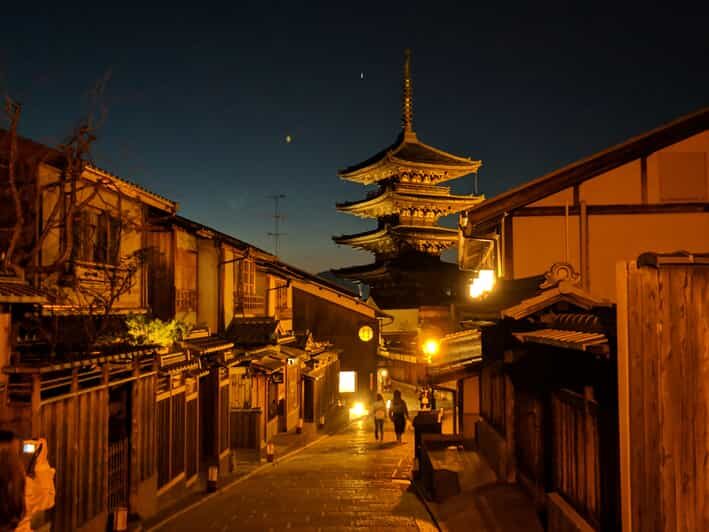
Next is Hōkan-ji for a photo stop (about 20 minutes). The experience description calls out a beautifully lit pagoda, and the tour also mentions a Zen temple calm in the nighttime atmosphere. So think of this stop as your visual anchor: a moment where the architecture and lighting do most of the work for you.
For photographers, this is where you’ll be tempted to slow down even more. Just keep in mind this is still a timed stop, so follow your guide’s pace so you don’t lose the best viewpoints.
Yasui Kompira-Gu Shrine: A Short Visit That Adds Texture
After the temple photo moment, there’s a visit to Yasui Kompira-Gu Shrine (about 15 minutes). It’s shorter than the other stops, but it adds variety without turning the walk into a marathon of entrances and exits.
This is also where your guide’s explanations help. When you hear the basics behind the shrine’s place in local religious life, you stop treating these stops like photo backdrops and start noticing the details—how people behave, how the space is respected, and why it matters to the neighborhood.
It’s the kind of stop that works well if you want culture, but you don’t want to spend your whole evening indoors.




The Gion Guided Walk: Geisha, Maiko, and How to Watch Respectfully
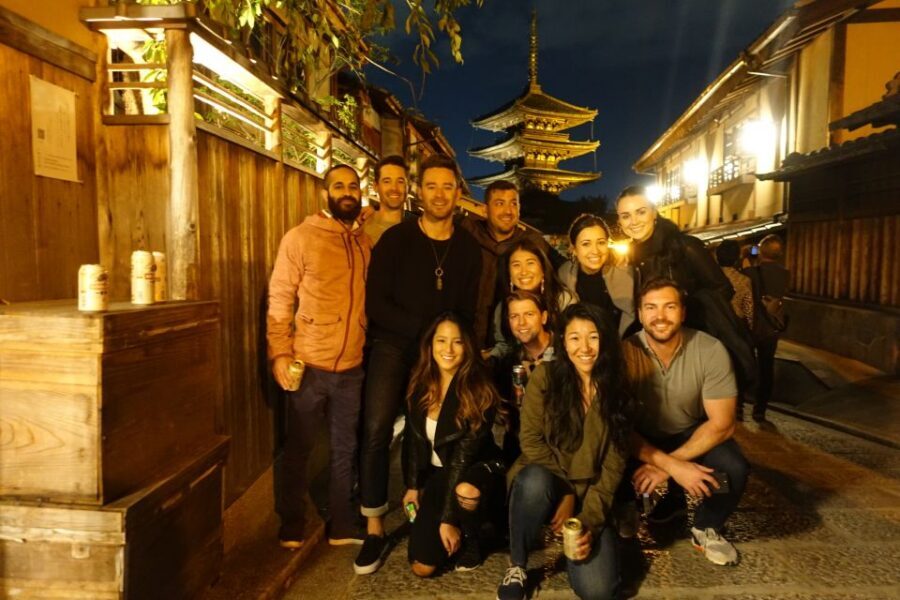
Then you get the main segment: a guided walk through Gion (about 45 minutes). This is the heart of the tour, and it’s where the theme goes from “Kyoto sights” to “Kyoto stories.”
With your guide, you learn about the customs of geisha culture and the apprentice world of maiko-san—with special attention to how training and roles work. Several guides in past groups—like Karim, Kevin, Diana, Janelle/Janiel, and Amir—were praised for keeping the tone respectful and clear. In other words, you’re not getting gossip; you’re getting the framework.
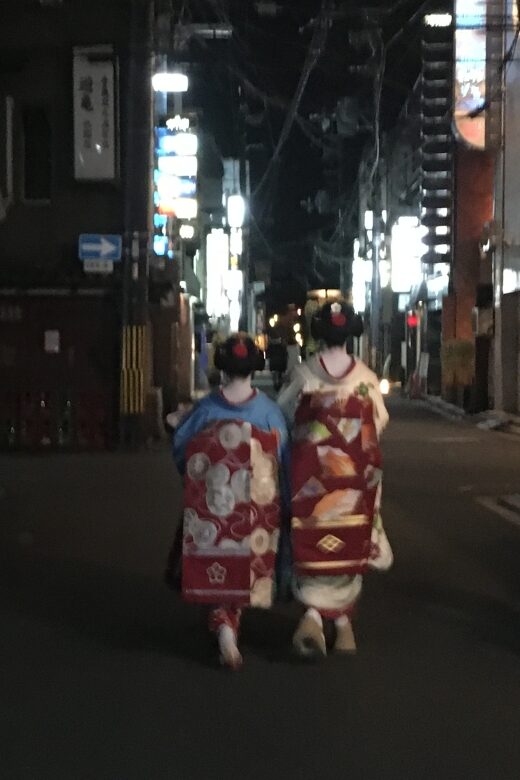
One of the most exciting moments is the possibility of catching a glimpse of women in full costume toward the end. The tour description is careful here: it says you may see them, not that you will. That’s the honest way to look at it. Nighttime sightings depend on timing and circumstances, and the tour is built to keep expectations realistic while still giving you chances.
Practical etiquette matters too. Your guide is there to point out how to behave around people in the district so you don’t accidentally cause disruption. If you’re hoping to see geiko/geisha or maiko, this part isn’t just polite—it helps you have a better experience because you’re not rushing or crowding.
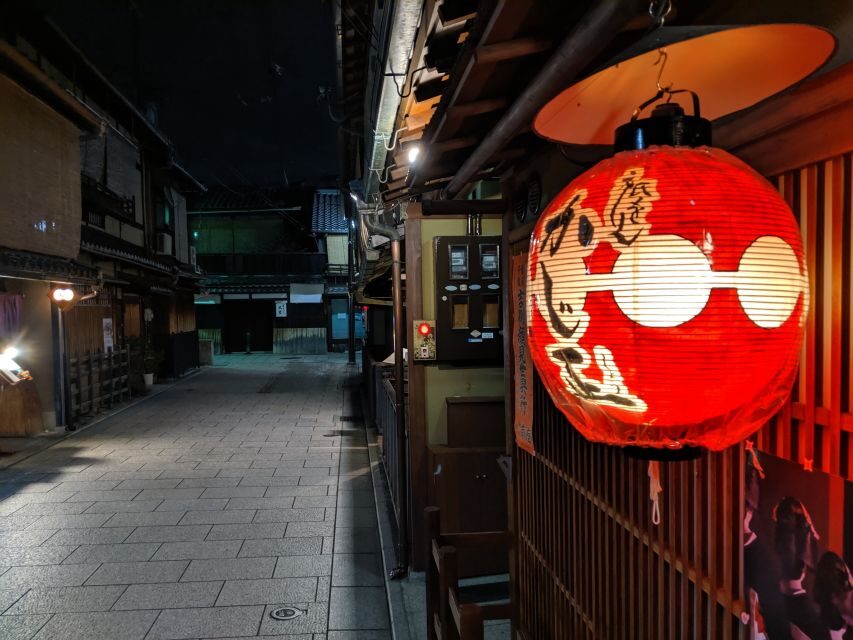
And yes, the “cobblestones and wooden lanes” idea comes alive here. The streets feel textured underfoot, and the lantern-lit atmosphere makes the whole district feel designed for evening wandering.
What a 2-Hour Small-Group Guide Actually Changes
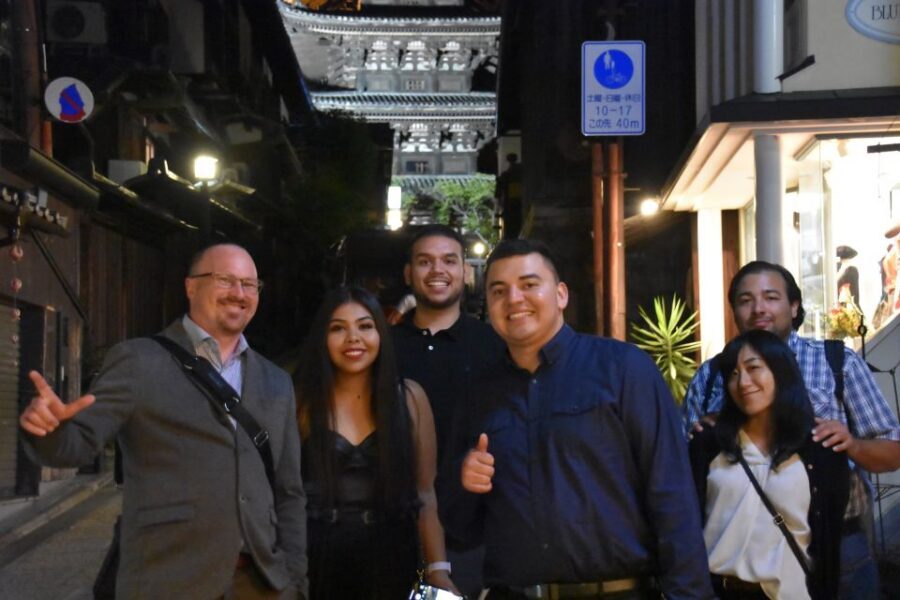
You might think a walking tour is just logistics plus storytelling. Here, the guide is the product.
This tour includes a live guide and is offered in English and French, with private or small groups available. That small-group size matters because it keeps the pace human. You spend less time herding and more time looking. It also makes it easier to ask questions—about religion, history, and the geisha world—without feeling like you’re interrupting a big group schedule.
You’ll notice from the guide praise that the best guides in this experience do two things:
- They explain what you’re seeing in plain terms.
- They pace the walk so you can absorb the atmosphere, even in cold weather.
If you’re the kind of traveler who enjoys asking why something exists (instead of only what it is), this format is a strong fit.
Price and Value: Is $24 for 2 Hours a Fair Deal?
At $24 per person for about 2 hours, this is priced like a compact, high-focus evening activity. It isn’t a ticketed attraction with museums and entry fees. You’re paying for guided sequencing: shrine to neighborhood lanes to temple lighting, then into Gion with geisha/mayko context.
That matters for value. If you tried to piece this together yourself at night, you’d still walk the distances, but you’d probably miss the meaning: what people do at shrines, how geiko/geisha training fits together, and where to look while staying respectful. Your guide also helps you navigate the area when it’s dimmer and quieter.
Also, food and drinks are not included. I actually think that’s part of the value equation: you’re not boxed into a fixed meal. Instead, you can choose what you want afterward—guided by the tour’s recommendations.
So is it worth it? If you want a structured first pass through Kyoto’s classic lanes with culture and etiquette built in, yes. If you only want photos and don’t care about context, you could do it cheaper on your own. But you’d be giving up the reason this tour gets such strong satisfaction scores.
Where to Eat and Drink After: Ask the Guide and Go Nearby
One of the tour’s perks is that you get tips and recommendations for a place to grab a drink or bite to eat after. Since food and drinks aren’t included, this is your built-in solution.
My practical advice: ask your guide for something within easy walking distance from where you finish, then choose based on what you feel like—warm noodles for cold evenings, a casual izakaya-style stop, or something lighter if you’re tired. The best choice is the one you can reach without turning the night into a second scavenger hunt.
Who This Gion Night Walk Is Best For
This tour is especially good if:
- It’s your first day in Kyoto and you want quick orientation to the Gion and Higashiyama areas.
- You want geisha culture explained respectfully, including the role of maiko-san.
- You like night photography, but you also want to understand what you’re photographing.
- You prefer smaller-group pacing rather than a big, fast-moving crowd.
It may be less ideal if:
- You want a long stop at a single major site instead of multiple shorter ones.
- You strongly dislike walking at night (there can be darker sections on the route, so plan your clothing and lighting expectations).
- You want food included, because you’ll be handling meals on your own after the tour.
Should You Book This Kyoto Fun Night Walk?
If you’re planning Kyoto and you want one practical evening that gives you both atmosphere and context, I’d book it. The timing is the star: Gion and Higashiyama feel calmer later, and the tour uses that quiet window to let you appreciate lantern-lit streets, shrine space, and a glowing pagoda moment.
I’d skip it only if you’re strictly photo-only and don’t care about learning the customs behind what you’re seeing. In that case, you could recreate the route on your own.
But if you’re curious about what makes Kyoto’s traditional districts work—especially the geisha and maiko world—this 2-hour guided walk is a good use of your first Kyoto evening.
FAQ
How long is the tour?
The tour lasts about 2 hours.
What is included in the price?
You get a guided walk of the Gion and Higashiyama districts, with a live tour guide. Food and drinks are not included.
What languages are offered?
The tour guide is available in English and French.
Where do I meet the guide?
The meeting point may vary depending on the option booked. Options listed include near Tsuruha Drug (Yasaka Shrine Store) / FamilyMart and a start location labeled Kyoto Gion.
What if I’m late or can’t find the meeting point?
Customers who arrive late or are unable to find their guide will not be refunded. If you have trouble locating the guide, call them (WhatsApp is recommended) at least ten minutes before the tour begins.
Can I cancel for a full refund?
Yes. You can cancel up to 24 hours in advance for a full refund.