REVIEW · KYOTO
Kyoto: Beyond the Insider Sake Tasting Experience
Book on GetYourGuide →Operated by Add Stories Co., Ltd · Bookable on GetYourGuide
If you like surprises, start here. This Kyoto sake tasting pushes past the usual explanations and focuses on how radically different brewing choices can taste. I especially liked the private tasting room setup and the way the guide connects each pour to real ingredients and methods, not just flavor descriptions.
The best part is that you get 10 unique sake types that are rarely found overseas, including styles made with ancient techniques, microorganism-focused approaches, and sake brewed with local wood. One possible drawback: there is no food pairing included, so if you want a full meal experience, you’ll need to eat before or after on your own.
In This Review
- Key things to know before you go
- Why this Kyoto sake tasting goes past the basic “starter course”
- What makes the 10 pours different: ancient methods, microorganism styles, and local wood
- How the tasting session works in a private room with a certified sommelier
- Ingredients and categories: what you learn even if you start from zero
- Value check: is $66 per person worth it in Kyoto?
- Timing, language, and the small rules that affect your experience
- Who should book this Kyoto sake tasting, and who should skip it
- The guide impact: why certified sommeliers change the tasting
- Should you book Beyond the Insider Sake Tasting Experience?
- FAQ
- What is included in the tasting?
- How many sake varieties will I taste?
- Is food pairing included?
- Does the tour include transportation from your hotel?
- Is the experience in English?
- Can under-20 guests participate?
- What happens if I arrive late?
- Are non-alcoholic drinks available?
Key things to know before you go
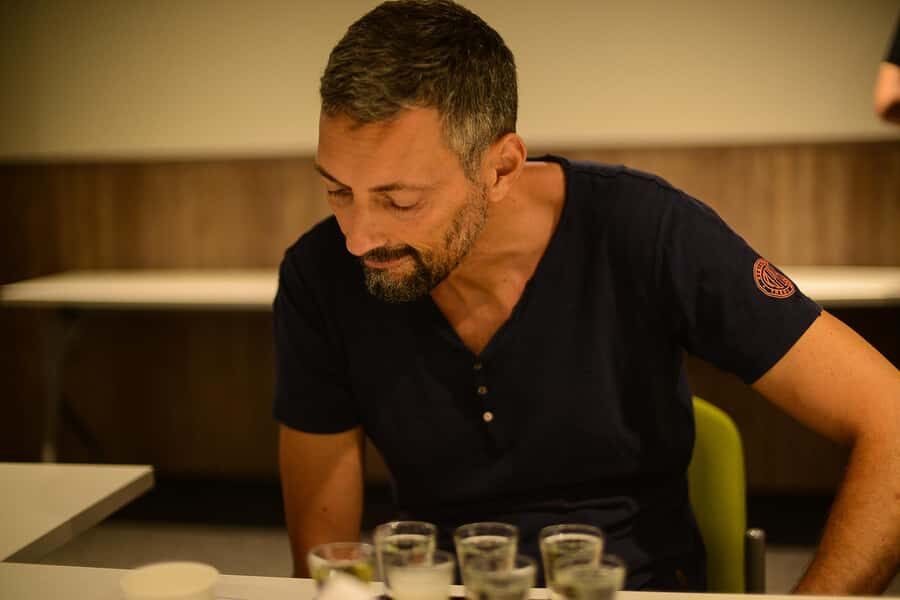
- 10 rare sake tastings chosen by a sake sommelier, not random pours
- Certified sake sommelier guides lead the explanations in English
- A dedicated private sake tasting room keeps it focused and comfortable
- You’ll learn basics plus categories, even if you are starting from scratch
- No food pairing is included, so plan your timing around meals
- Alcohol rules are strict for legal/safety reasons, based on age and arrival method
Why this Kyoto sake tasting goes past the basic “starter course”
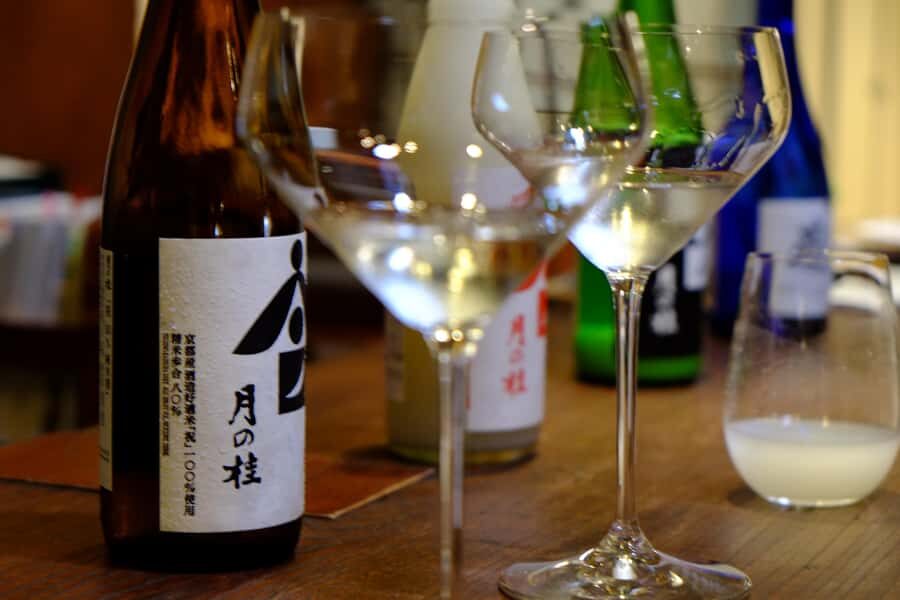
Kyoto has no shortage of sake tours. What makes this one feel different is the mission: you’re not just tasting to be polite. You’re tasting to understand how sake can be built in very different ways. Even if you know little or nothing, the experience still covers the basics of sake production and sake categories, so the learning doesn’t rely on prior knowledge.
I also like that it is positioned as an advanced-feeling experience without gatekeeping beginners. In practice, that means you get context for what you’re tasting, plus enough category explanation to make your comparisons make sense. Think of it as a guided tasting where you can ask why something tastes like itself.
There’s also a clear theme: the selection isn’t just “good sake.” It’s sake made with techniques that are noticeably different from modern mainstream methods. That alone changes how you approach the tasting. You stop hunting for sweetness or dryness and start noticing structure.
You can also read our reviews of more food & drink experiences in Kyoto
What makes the 10 pours different: ancient methods, microorganism styles, and local wood
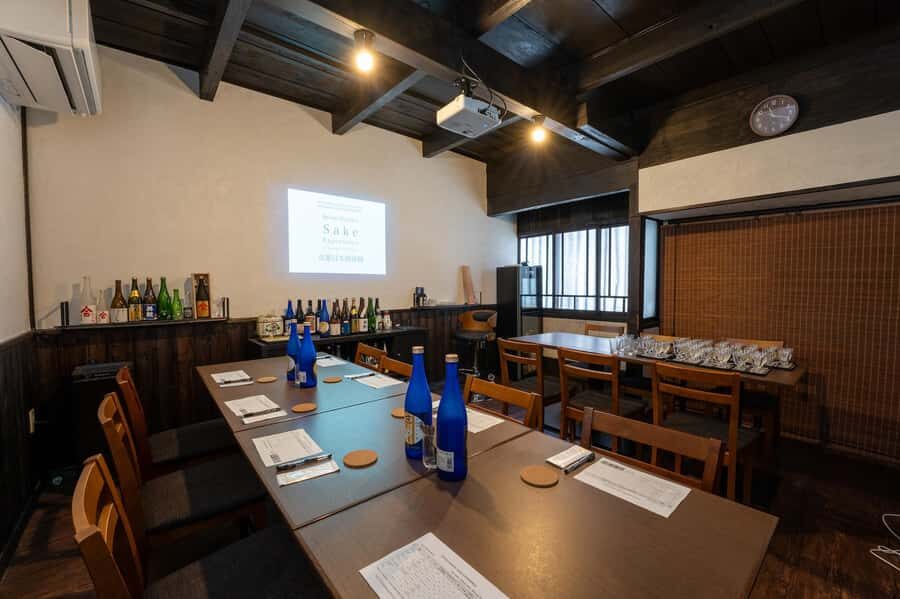
The tasting is centered on sake that follows “very different concepts” from what you may see in standard overseas introductions. The key is that each set of examples ties back to a brewing choice. Here are the three big ideas you’ll be working through.
1) Ancient methods, not just old branding
Some of the sake is brewed using ancient methods that differ from modern production. That matters because traditional processes often change fermentation behavior, flavor development, and how aromas come across in the glass. You’ll taste those differences directly, then connect them back to what the method is doing.
2) A newer type that uses microorganism characteristics
You also get a style that uses the characteristics of microorganisms in its approach. This isn’t just academic. Microorganisms can influence fermentation pathways and the final expression of aroma and texture. The effect is that your tasting notes end up being about more than sweetness, more than acidity. They become about how the sake is arriving on your palate.
3) Local wood and a region-linked taste
One of the most interesting concepts here is sake brewed using local wood. Wood can affect handling and interactions during production, and the tour frames this as a way to create taste that’s tied to place. In other words, you’re tasting terroir-like influence, but through brewing material rather than vineyard soil.
Across all ten varieties, the point is the same: you’ll start to see sake as a set of possibilities. It’s not one flavor. It’s a process with many routes.
How the tasting session works in a private room with a certified sommelier

The experience happens in a dedicated private sake tasting room. That sounds like a luxury detail, but it also changes the whole pacing. In a quiet, controlled room, you can focus on aromas, texture, and aftertaste instead of competing with street noise or a crowded group flow.
You also get a certified sake sommelier guide. That is a big deal for value, because this tour isn’t only about giving you a few tasting tips. It’s about building your vocabulary and your mental map of what you taste. The included tasting notes help you track impressions and comparisons, which makes the learning stick.
Here’s what you should expect in terms of rhythm:
- You’ll start with context on sake production and categories (so your tasting has a framework).
- Then you’ll move through the 10 sake tastings, each selected by the sommelier to explore those deeper themes.
- You’ll use what you learned to interpret differences you feel in each pour, not just what you smell.
I found it helpful that the experience is explicitly designed for all levels. If you’re new, you’re given enough structure to follow. If you’re experienced, you’re likely to enjoy the specific method-based angles, especially the less common styles.
Ingredients and categories: what you learn even if you start from zero
This tour covers sake production basics and sake categories alongside the tasting. That means you can treat it like a foundation-building class with samples, not like a pure “try and guess” game.
Why this matters: sake gets described overseas in a limited way. People often focus on broad labels like dry or sweet, or they compare only two or three common styles. Here, you’re pushed to connect taste to production choices. That helps you read what future bottles are telling you, even if the brand names are unfamiliar.
During the session, the guide’s job is essentially to translate the technical into the practical. When you hear about brewing choices such as ancient methods, microorganism-focused approaches, or local wood, you’re not just taking in facts. You’re tasting the result right away, which is how the information becomes useful.
If you do have experience, you’ll still likely appreciate the tour’s structure. Instead of repeating the same standard story, it uses these less commonly discussed styles to show that the category chart you thought you knew can widen.
Value check: is $66 per person worth it in Kyoto?
Let’s talk money honestly. At $66 per person, you’re paying for three things that add real value:
1) 10 sake varieties selected for depth
This isn’t a “two or three types” sampler. Ten pours gives you enough range to actually notice patterns. Patterns are where learning happens.
2) A private tasting room and a certified sommelier guide
A private room is not just comfort. It supports better attention and a calmer pacing. And because the guide is certified, you’re more likely to get accurate, specific explanations linked to what you’re tasting.
3) Rarer styles that are rarely found overseas
This is the biggest value driver for many people. If you can only find standard labels abroad, a tasting like this becomes your best shortcut to understanding what sake can do when it is made differently.
What might make it feel less “value-dense” for some? Food pairing is not included. If you’re the type who likes a full tasting menu with bites, you’ll need to handle meals separately. But if your goal is learning through sake, not through food, the focus is strong.
You can also read our reviews of more drinking tours in Kyoto




Timing, language, and the small rules that affect your experience
This is an English-language experience in Kyoto. The activity starts at the meeting point and ends back at the meeting point, so you’re not juggling multiple drop-offs across town.
A few rules are worth putting on your planning checklist:
- Alcohol is not served to guests who arrive by car or bicycle. Non-alcoholic drinks are available.
- Japan’s legal drinking age is 20. Guests under 20 years old will only be served non-alcoholic drinks.
- If you arrive more than 10 minutes late, your booking is canceled.
- Reservations matter: guests without a reservation (including children and non-drinkers) will not be allowed to join.
Also, this experience is not suitable for children under 3 years, pregnant women, and people under 19 years.
Who should book this Kyoto sake tasting, and who should skip it
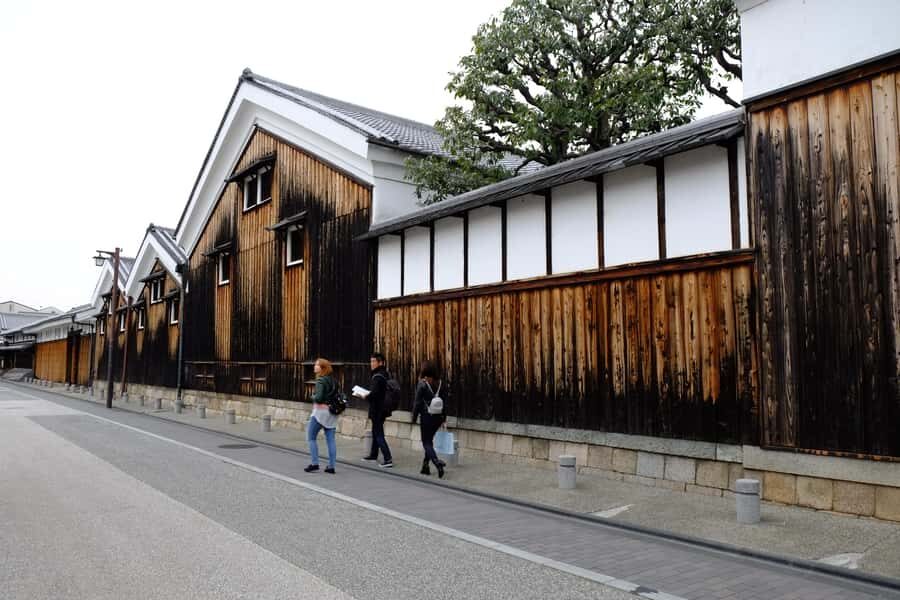
This tour is a strong fit if you want deeper sake understanding, not just a souvenir-style tasting. I especially think it works well for:
- Beginners who want the basics of production and categories explained clearly while still tasting interesting samples
- Intermediate and advanced tasters who are bored with the same few styles and want examples built from ancient methods, microorganism characteristics, and local wood
- People who appreciate a structured tasting with notes, guided by a certified sommelier
It may not be the best choice if:
- You need food pairing included. The tour lists food pairing as not included.
- You’re not able to meet the alcohol/age rules. Non-alcoholic options exist in some cases, but the tour still has specific eligibility conditions.
The guide impact: why certified sommeliers change the tasting
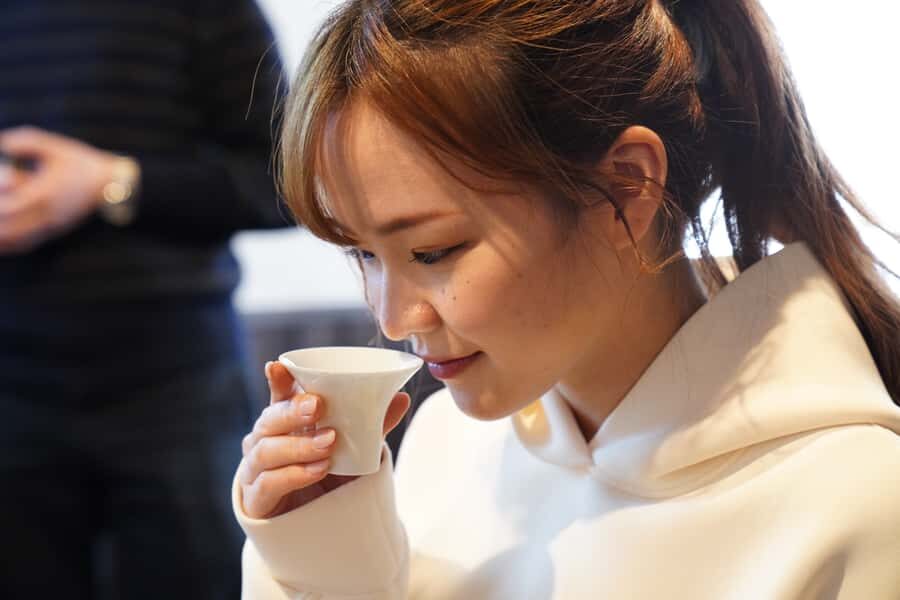
One reason people rate this tour highly is the quality of the guidance. The experience is led by certified sake sommelier guides, and you can feel the difference when explanations are tied directly to the tasting. The overall vibe from the feedback is consistent: the presentation and range of sake helped people learn a lot.
In particular, I like the fact that the tour doesn’t treat sake like a mystery. It explains types and production processes, then lets you taste the results. That combination turns your memory from “I liked that one” into “I understand why it tasted that way.”
Should you book Beyond the Insider Sake Tasting Experience?

Book it if your goal is to learn sake in Kyoto through rare styles and method-based explanations in a calm private tasting room. The mix of ancient methods, microorganism-focused brewing, and local-wood production makes it more than a typical introductory stop, and the 10 tastings create enough range for real comparisons.
Skip it if you want an all-in-one meal experience with food pairings, or if you can’t meet the age and arrival rules that affect alcohol service. In that case, you might prefer a tour that better matches your constraints.
If you’re on the fence between a beginner tour and this one, my advice is simple: if you like understanding how flavors get made, go for this. The tasting themes here are designed to change how you’ll read sake bottles afterward.
FAQ
What is included in the tasting?
You get sake tasting of 10 kinds, tasting notes, a certified sake sommelier guide, and use of a dedicated private sake tasting room.
How many sake varieties will I taste?
You’ll taste 10 different sake varieties.
Is food pairing included?
No, food pairing is not included.
Does the tour include transportation from your hotel?
No. Transportation to or from attractions, and hotel pickup and drop-off, are not included.
Is the experience in English?
Yes, the tour language is English.
Can under-20 guests participate?
People under 19 are not suitable for this experience. Also, Japan’s legal drinking age is 20, and guests under 20 will only be served non-alcoholic drinks.
What happens if I arrive late?
If you are more than 10 minutes late, your booking will be canceled.
Are non-alcoholic drinks available?
Yes. For safety and legal reasons, alcohol will not be served to guests who arrive by car or bicycle, but non-alcoholic drinks are available.