REVIEW · KYOTO
Kyoto Nishiki Market Food and Culture Walking Tour
Book on Viator →Operated by Japan Wonder Travel · Bookable on Viator
Nishiki Market is Kyoto’s snack runway. This 3-hour food-and-culture walk starts at the 400-year-old Nishiki Market and mixes guided tastings with stops you’d normally skip, like Nishiki Tenmangu shrine and nearby temple-and-arcade streets. I like two big things here: the small-group pace (max 6) and the way the included tastings are meant to fill you up like a real meal. One drawback: the tour can’t handle most dietary restrictions, so plan carefully.
You’ll get confident, local navigation through some tight, crowded streets, plus cultural context while you eat. It runs rain or shine, and most attractions have admission listed as free, so you’re paying for guide time and food samples more than ticket costs. If you’re hoping for a huge buffet of dozens of bites, this may feel more balanced than all-food.
In This Review
- Key points before you go
- Why Nishiki Market beats eating randomly on your own
- Nishiki Market: the 400-year-old “Kitchen” where you start eating smart
- Nishiki Tenmangu shrine: a quick lesson in how people pray in Japan
- Shinkyogoku arcade and Teramachi-dori street: where modern shopping meets old rhythm
- A temple corner at Takoyakushido Eifukuji: small stop, real Kyoto texture
- Price and value: what you’re really paying for at $80.92
- Guides make or break it: what to look for in a tour like this
- Practical tips for a smooth walk through Nishiki and nearby streets
- Who should book this Kyoto Nishiki Market Food and Culture walk
- Should you book? My decision guide
- FAQ
- How long is the Kyoto Nishiki Market Food and Culture walking tour?
- What group size should I expect?
- Are there admission tickets for the sights included?
- Can the tour accommodate dietary restrictions like vegetarian, halal, gluten-free, or allergies?
- Does the tour run in rain?
- Is there an alcohol restriction I should know about?
- Is hotel pickup or transportation included?
- Is this tour stroller-friendly?
- Can I cancel and get a full refund?
Key points before you go
- Max 6 people means you’re not shouting over each other, and your guide can slow down when you’re deciding what to try
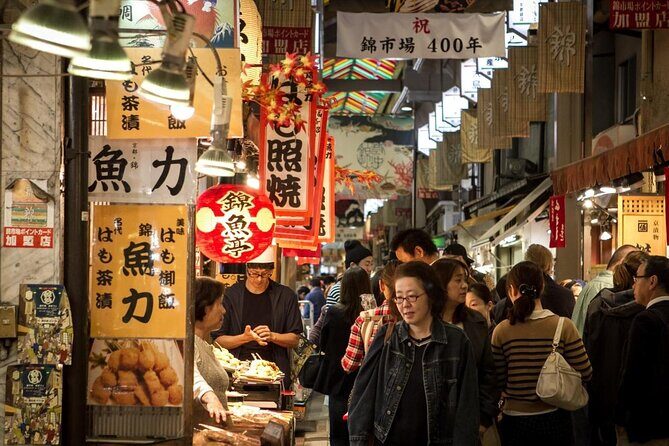
- Nishiki Market first: a 400-year-old, 130-shop corridor where Kyoto’s food culture is built into daily life
- Culture stops included at Nishiki Tenmangu shrine, plus a temple corner and traditional shopping streets nearby
- Food enough to replace a meal, so you can eat like a local instead of collecting tiny tastes all day
- No dietary accommodations for vegetarian, halal, kosher, gluten-free, or allergies
- Rain or shine, but Nishiki can still be crowded, so wear shoes that handle crowds and standing
Why Nishiki Market beats eating randomly on your own
If you’ve ever wandered Nishiki Market solo, you already know the problem: it’s hard to know what’s worth your money when every stall is tempting you. This tour solves that with a simple idea. You follow a guide through the market first, then keep walking through nearby streets where locals actually shop and pause.
I also like the balance of food and context. The route doesn’t treat tastings like a checklist. You learn what you’re seeing in real places, like a Shinto shrine and a small temple tucked near a shopping arcade, so the eating feels connected to Kyoto rather than just portable snacks.
One more practical point: the time is short enough to work on a packed itinerary. With a 3-hour duration and a small group, you get motion without feeling like you’re trapped in a long guided bus tour. The trade-off is that the tour is designed around a set number of stops and included samples, not a free-for-all tasting marathon.
You can also read our reviews of more walking tours in Kyoto

Nishiki Market: the 400-year-old “Kitchen” where you start eating smart
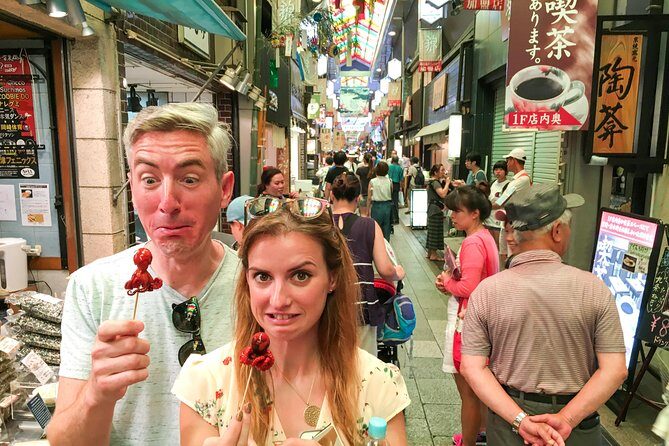
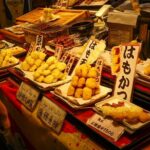
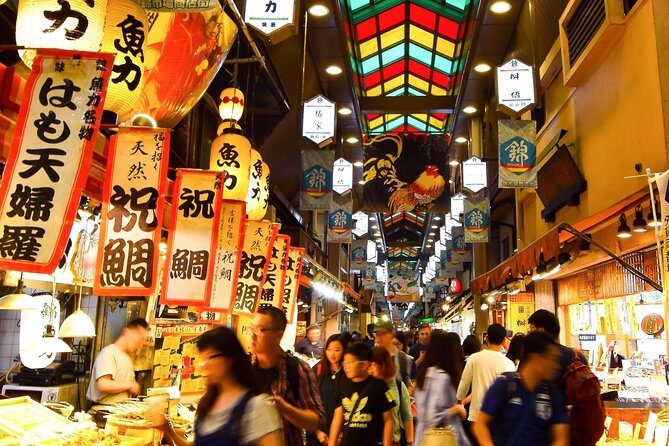
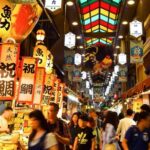
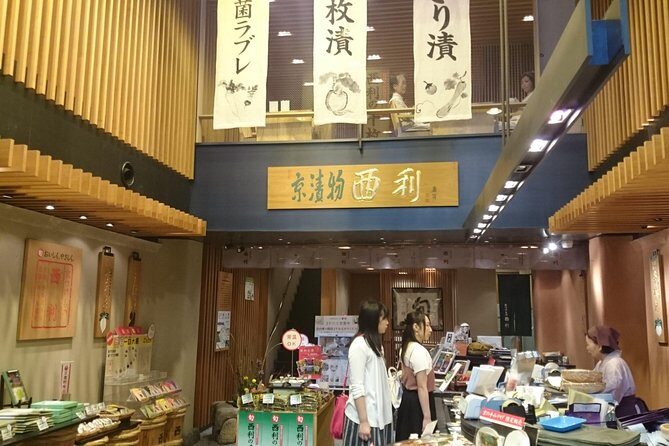
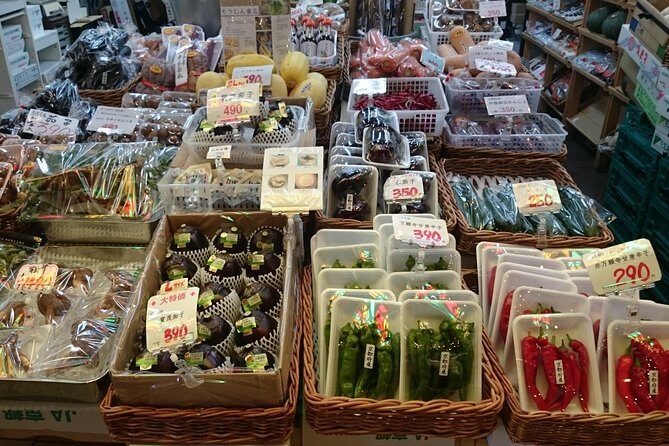
Nishiki Market is often called Kyoto’s Kitchen, and the nickname fits. You’re walking a narrow, roughly five-block stretch lined with about 130 shops, still operating in the dense, stall-by-stall style that made it famous centuries ago.
Here’s what I think makes the first stretch of the walk work: your guide helps you look past the most obvious visual cues. Instead of guessing, you learn what to look for and what to ask for so you can taste Kyoto specialties you might not pick up on your own—especially if you’re new to Japanese market food culture.
Also, it’s not just standing around. The tour is built so the market tastings are substantial enough that you’re not stuck hunting for lunch right after. You’re basically getting the structure of a meal, but in multiple small stops, which is the best way to handle markets when the choices are overwhelming.
Tip for the day: Nishiki can be crowded, sometimes crowded enough that your best move is comfortable shoes and a patient mindset. If you’re coming with a stroller, the market’s density matters, so give the operator a heads-up in advance.
Nishiki Tenmangu shrine: a quick lesson in how people pray in Japan
After you’ve eaten your way into the market, you get a breather at Nishiki Tenmangu, a local Shinto shrine stop. This is a small detour in time—about 15 minutes—but it adds something important: it reminds you that food culture in Japan isn’t only about eating. It’s also about how people show respect, follow tradition, and move through daily rituals.
You’ll learn shrine basics that help you interpret what you’re seeing. Think of it as learning the meaning of the space before you wander it. It’s also a useful reminder when you travel in Japan: many streets, markets, and neighborhoods are shaped by nearby shrines and temples. Food lives in those same neighborhoods.
If you’re the type who likes atmosphere and context, this shrine stop is a nice way to break the walking rhythm without making the tour feel slow. If you don’t care much about religious sites, just know this is short and straightforward.
Shinkyogoku arcade and Teramachi-dori street: where modern shopping meets old rhythm
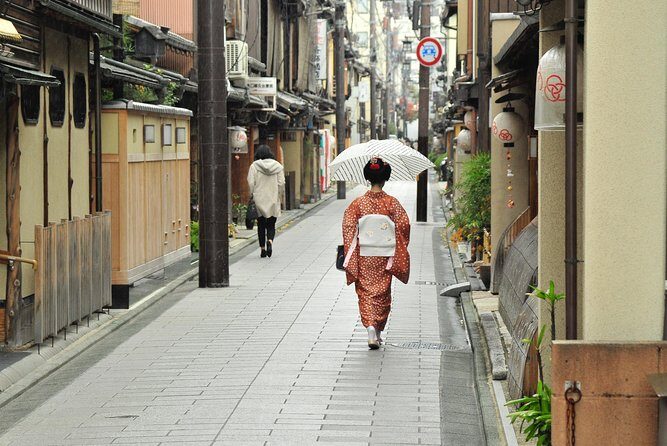
From the shrine area you move into Shinkyogoku, a pedestrian-only shopping arcade. Expect about 20 minutes here, with that familiar arcade feel: shops packed along a walkway meant for strolling, not cars. This is where you start to notice the mix of traditional Kyoto identity and everyday commercial life.
Then the walk continues to Teramachi-dori Street, about 15 minutes. Teramachi is a long shopping street lined with everything from long-established shops to newer stores. It’s a good reminder that Kyoto isn’t stuck in a museum mood. People shop here all the time, and the energy you feel on the street is part of why markets like Nishiki exist in the first place.
These shopping-street segments are also what make the tour feel like more than a one-stop food hit. You’re not just tasting; you’re learning how locals move, browse, and decide. That makes your later independent wandering easier. When you understand the flow, you waste less time walking in circles.
One note: these areas can still feel busy, especially around market hours, so your guide’s pacing matters. With a group capped at 6, you’re more likely to keep moving at a comfortable speed.
A temple corner at Takoyakushido Eifukuji: small stop, real Kyoto texture
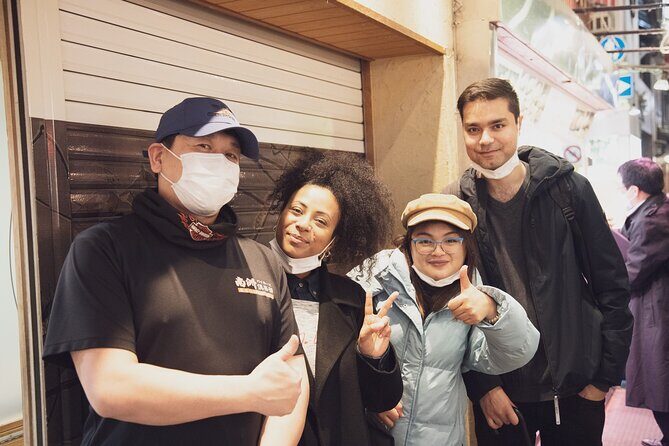
Right in the mix of the shopping streets, you’ll also pass Takoyakushido Eifukuji Temple for about 10 minutes. Kyoto has temples everywhere, but the useful part of this stop is how close it feels to everyday commerce. You’re not touring a faraway temple complex. You’re seeing a religious space tucked into the same street world as snacks and shopping.
This stop gives you texture. You notice details you might otherwise miss—simple, practical, and close to the sidewalk life around it. It also breaks up the tour so the rest of your walking doesn’t feel like nonstop market intensity.
If you’re pressed for time, this is the kind of stop that still delivers value without eating your whole afternoon.
You can also read our reviews of more food & drink experiences in Kyoto

Price and value: what you’re really paying for at $80.92
The price—$80.92 per person—can look steep if you compare it to walking into the market and buying items yourself. So ask the real question: what does the tour add that you can’t easily recreate?
For me, the value case is this:
- you get a small group and an experienced guide shaping your choices
- you get included food samples designed to be enough for a meal
- you get cultural context at multiple places (market, shrine, temple, shopping streets), not just shopping-floor wandering
Where it may feel less satisfying is if you expect an extreme number of tastings or feel like the tour should function as a maximum-food buffet. Some people want dozens of bites across a long list of stalls. This tour is more structured than that, with set stops and included samples, plus time for browsing and shopping along the way.
My practical advice: if you’re new to Kyoto markets, this is usually a good buy because it reduces decision fatigue. If you already know the kinds of things you want and you’re comfortable choosing without guidance, the experience may feel more like a guided sampler than a full tasting feast.
Guides make or break it: what to look for in a tour like this
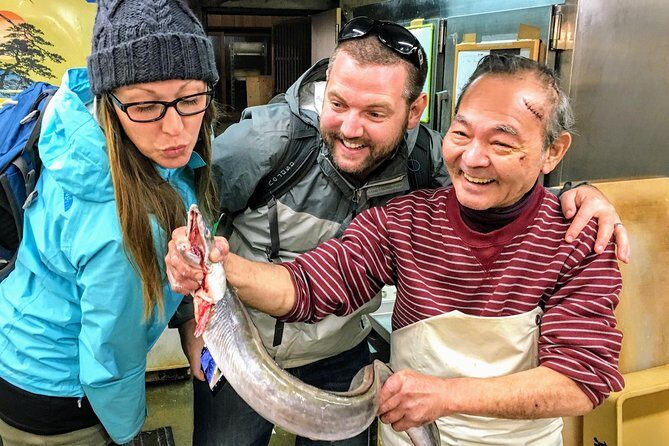
This tour is only as good as the guide leading it. The good news is that you’ll often find guides who combine market know-how with cultural storytelling. Names that come up with this type of Nishiki walk include Keiko, Takuma, Miku, Toshi, Naoko, Yasuko, Chizuko, Annie, Atsu, Eric, Saeko, Nagi, Taisei, and Yoko.
You might not get the exact same person, of course, but here’s what you should look for in a strong guide for a market tour:
- clear explanations of what you’re tasting
- a calm pace when the crowd thickens
- smart help deciding what to buy as souvenirs (like seasoning, drink concentrates, and other market take-home items)
- flexibility if your group is curious or wants a bit more time at certain shops
From the variety of guide styles that show up on this kind of tour, the best fit is someone who wants more than pictures. You want the why behind what you’re eating.
Practical tips for a smooth walk through Nishiki and nearby streets
A few things can make or break your day here, even when the tour itself runs smoothly.
1) Shoes matter. You’re on streets and in market crowds. Plan for standing and short bursts of walking.
2) Come hungry but not frantic. The tastings are designed to fill you up like a meal, so you won’t want to start with a huge breakfast.
3) Mind dietary limits early. The tour states it can’t accommodate dietary restrictions, including vegetarian, halal, kosher, gluten-free, or allergy-related requests. If you have allergies or strict diets, this isn’t a good match.
4) Weather is handled, crowds aren’t. It runs rain or shine, but Nishiki can get crowded. If rain starts, you’ll still want a light layer and a plan for wet sidewalks.
5) Expect some shopping time. The route includes shopping streets beyond the stalls, so build in the fact that you might buy something you suddenly decide you need.
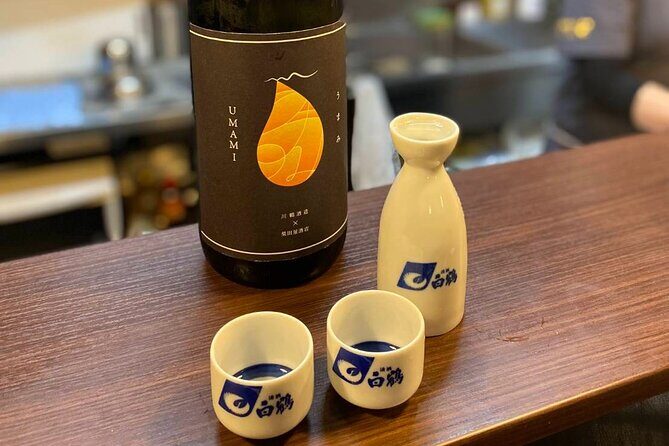
Also: Japan’s legal drinking age is 20, just in case the tour day overlaps with any alcohol shopping or tastings.
Who should book this Kyoto Nishiki Market Food and Culture walk
This tour is a great match if you:
- want to eat well without hunting for reservations
- feel overwhelmed by the sheer number of choices at Nishiki
- like culture stops that are short, practical, and easy to absorb
- prefer a max-6 pace where the guide can answer questions
It may not be the best match if you:
- have dietary restrictions that require adjustments
- only want a pure food marathon with lots of stops and lots of bites
- dislike walking in crowded market areas, even at a controlled pace
- are the type who hates structured schedules and prefers a fully solo exploration
For most first-timers to Kyoto markets, though, this is one of the simplest ways to get your bearings and leave with a more accurate idea of what to eat next.
Should you book? My decision guide
Book it if you want a guided way to experience Nishiki Market with cultural context, and you like the idea that the tastings are planned to be enough for a meal. The small-group size is a real quality-of-life upgrade in a crowded place.
Skip it if dietary limits are in play, or if your top priority is maximizing the number of different food stalls you hit. Since the tour follows a set set of stops, it’s not designed to compete with a fully independent market sprint.
If you’re deciding, here’s the easiest checklist:
- Are you okay with a structured walk and a planned set of samples?
- Are you coming with no dietary needs beyond what the tour can handle?
- Do you want culture stops that keep the day from feeling like pure shopping?
If yes, this is a strong pick for a Kyoto afternoon.
FAQ
How long is the Kyoto Nishiki Market Food and Culture walking tour?
It lasts about 3 hours.
What group size should I expect?
The tour has a maximum of 6 travelers.
Are there admission tickets for the sights included?
The tour lists admission tickets as free for the listed stops.
Can the tour accommodate dietary restrictions like vegetarian, halal, gluten-free, or allergies?
No. The tour states it is unable to accommodate dietary restrictions, including vegetarian, halal, kosher, gluten-free, or allergy-related requests. If you have severe dietary restrictions, it may not be possible to arrange food.
Does the tour run in rain?
Yes, the tour will take place rain or shine.
Is there an alcohol restriction I should know about?
The legal drinking age in Japan is 20 years.
Is hotel pickup or transportation included?
No. Hotel pickup and drop-off and transportation to/from attractions are not included.
Is this tour stroller-friendly?
If you come with a stroller, you need to let the operator know in advance, since Nishiki Market can be very crowded sometimes.
Can I cancel and get a full refund?
Yes. You can cancel for a full refund up to 24 hours in advance of the experience start time. Free cancellation is offered within that window.