REVIEW · KYOTO
Kyoto Gion Geisha District Walking Tour – The Stories of Geisha
Book on Viator →Operated by Localized Walking & Food Tours · Bookable on Viator
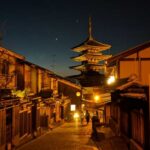
Gion feels different after dark. This 2-hour Kyoto walking tour focuses on geisha and maiko stories, guiding you through the Gion streets when the daytime crowd thins out and the neighborhood’s character shows up. You’ll also pause at well-chosen landmarks that connect performance culture (like kabuki) to the world of geiko and maiko.
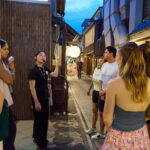
I really like the small group size (15 max). It keeps the walk from turning into a cattle-car shuffle, so you can ask questions and actually hear what your guide is saying about the “flower town” world. I also like that the timing is deliberate: after the biggest tourist crowds leave, Gion feels more like a working neighborhood than a postcard.
The main drawback is simple: it’s an evening walk, so you’ll want warm layers. Reviews mention chilly weather more than once, and even with great storytelling, cold legs can make the experience less fun if you show up unprepared.
In This Review
- Key Highlights You’ll Notice Right Away
- Entering Gion When the Crowds Are Gone
- The Two-Hour Plan, From Ben’s Cookies to Yasaka Shrine
- Value Check: Is $25 Worth a Night Walk in Kyoto?
- Stop 1: Izumo-no-Okuni Statue and the Performance Connections
- Stop: Minamiza Theatre for Kabuki’s Historic Stage
- Stop 2: Tatsumi Bridge and the Gion Shinbashi Street Mood
- Stop 3: Hanamikoji Street Under Lantern Light
- Stop: Gion Corner for a Condensed Taste of Traditional Arts
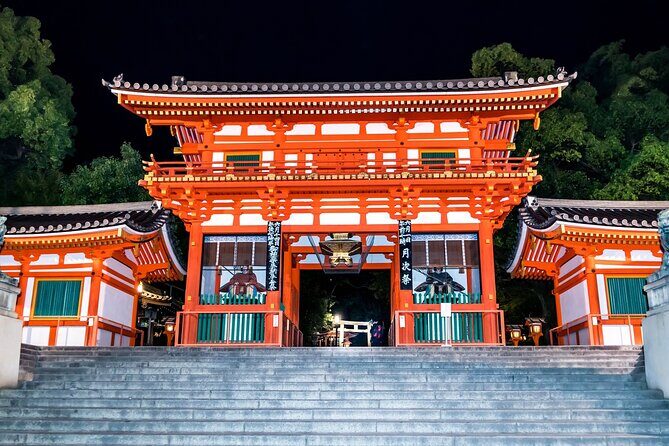
- Stop 4: Yasaka Shrine as a Scenic Finish
- What the Best Guides Do With This Tour
- Who Should Book This Gion Geisha District Tour
- How to Prepare for a Chilly After-Dark Walk
- Should You Book This Tour? My Take
- FAQ
- How long is the Kyoto Gion Geisha District Walking Tour?
- What is the group size limit?
- How much does the tour cost?
- Where do I meet the tour, and where does it end?
- Are admission fees included for the stops?
- Is bottled water included?
- FAQ
- What happens if the weather is poor?
- What is the cancellation policy?
Key Highlights You’ll Notice Right Away
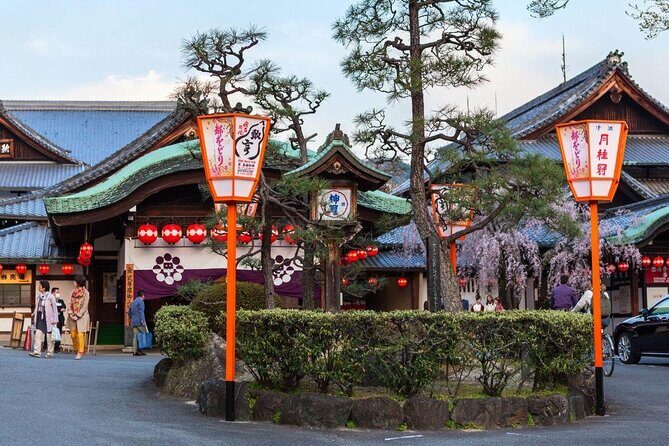
- After-dark Gion rhythm: The tour is designed for when the streets feel quieter and more lived-in.
- Max 15 people: Easier to hear your guide and spot details you’d miss on your own.
- Story-driven stops: You’re not just ticking off sights; you’re learning how arts and entertainment shaped the area.
- Kabuki-to-geisha context: Stops like the Izumo-no-Okuni statue and Minamiza tie performance history to what you’re seeing in Gion.
- Photo-friendly lanes and bridges: You get time for the classic street views and the quieter corners of the district.
- End at Yasaka Shrine: A scenic finish point that sets you up for what comes next in eastern Kyoto.
Entering Gion When the Crowds Are Gone
Gion is one of those Kyoto areas that looks gorgeous in daylight, but can feel crowded if you go too early. This tour solves that problem by heading out after the busiest hours, when the streets begin to slow down and the atmosphere changes.
You’ll follow the kind of route that makes sense for people who live and work there. The tour is timed for the neighborhood’s routines, including the idea that geisha and maiko are heading to appointments. Even if you never see a geisha up close, the point is that you’ll understand the district as a place with timing, rules, and meaning—not just scenery.
You can also read our reviews of more walking tours in Kyoto

The Two-Hour Plan, From Ben’s Cookies to Yasaka Shrine
This is a straightforward, low-stress format: about 2 hours of walking, starting in Shimogyo Ward and finishing at Yasaka Shrine in Gion. You also get a mobile ticket, which helps on evenings when you want to stay moving and not deal with paper.
Meeting point (start): Ben’s Cookies Kyoto Shijo (89 Shinchō, Shimogyo Ward, Kyoto)
End point: Yasaka Shrine (625 Gionmachi Kitagawa, Higashiyama Ward, Kyoto)
One practical tip: start your evening with enough time to get to the meeting spot before departure, because the whole experience depends on getting into Gion at the right moment. If you’re pairing this with dinner, consider eating after the tour so you’re not rushing between stops.
Value Check: Is $25 Worth a Night Walk in Kyoto?
At $25 per person, this feels like good value for what you get: a guided route through one of Kyoto’s most recognizable districts, capped at 15 people, lasting about two hours, and including all fees and taxes. It’s also structured around multiple major waypoints—bridges, iconic streets, and culturally significant venues—so your time doesn’t disappear into aimless wandering.
What you should plan for: bottled water is not included. In winter, bring a thermos or at least plan to buy water nearby, since your focus will be on staying warm and keeping your pace.
Stop 1: Izumo-no-Okuni Statue and the Performance Connections
Your first stop is the Izumo-no-Okuni statue in Gion. This statue honors Okuni, described as a legendary figure considered the founder of kabuki theater. It’s a smart opener because it frames the night ahead with the bigger picture of Japanese performance culture.
Why it’s worth starting here: it helps you see entertainment as something with roots. Kabuki isn’t the same thing as geisha culture, but both sit inside Kyoto’s long-running tradition of public art, storytelling, and status. This stop gives context before you move deeper into the streets people associate with geiko and maiko.
Time at stop: about 10 minutes
Admission: listed as free
Stop: Minamiza Theatre for Kabuki’s Historic Stage
Right after the statue, the walk includes a look at Minamiza, a historic theater in Kyoto known for kabuki performances. Kabuki is described as having elaborate costumes and dramatic storytelling, which matters because it’s the kind of theatrical world that shares DNA with the performance arts you’ll hear about during the rest of the walk.
A small caution: this is still a short walking tour, not a theater night. You’re there for the cultural and historical context, not for a full performance. If you want a full kabuki experience, you’d pair this tour with a separate ticket later.
Stop 2: Tatsumi Bridge and the Gion Shinbashi Street Mood
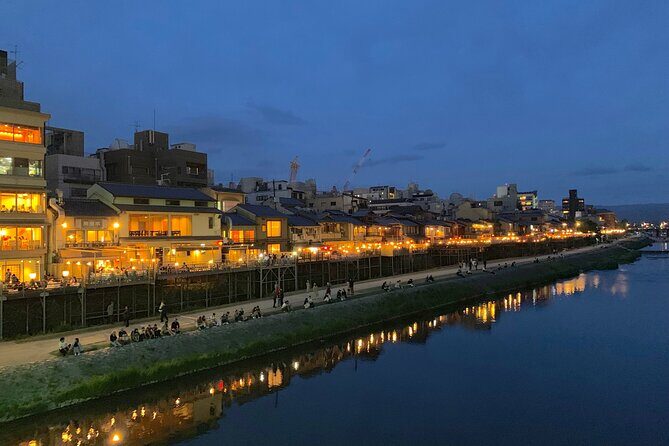
Next up is Tatsumi Bridge, tied to the broader Shinbashi area in Gion. The tour pauses here because it’s both picturesque and historically relevant, and it’s also the kind of spot where the district’s layout becomes easier to understand.
You’ll get that “Kyoto at night” feeling—quiet corners, older street lines, and a calmer pace than the daytime rush. This is also a good moment to slow down and look at what’s around you, since the guide’s stories will make more sense once you can visualize where things connect.
Time at stop: about 10 minutes
Admission: free
Stop 3: Hanamikoji Street Under Lantern Light
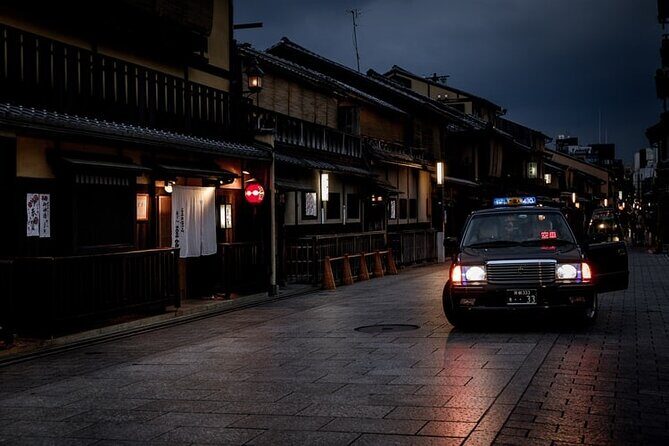
If there’s one Kyoto street that people expect to see in Gion, it’s Hanamikoji Street. This thoroughfare is known for traditional machiya houses, plus upscale restaurants and teahouses. Seeing it after dark changes the experience. Daytime can feel like a shopping parade; nighttime feels more like a walking corridor for locals and visitors who know where to look.
A big part of the value here is the way your guide uses the street to explain cultural details. Some guides on this tour are especially good at talking about the “flower town” codes—how presentation and etiquette shape the world you’re seeing. If you’re the type who likes asking follow-up questions, this is where you can get the best answers.
Time at stop: about 10 minutes
Admission: free
Practical tip: if you want photos, this is the stop where timing matters. Darker streets can mean dimmer lighting, so plan to steady your phone or camera.
Stop: Gion Corner for a Condensed Taste of Traditional Arts
The tour also includes Gion Corner, a cultural center and performance venue in the Gion district. What makes it a useful stop on a walking tour is that it offers a condensed experience of traditional Japanese arts and culture, which helps you connect the stories you hear on the street with actual performance tradition.
Even if you don’t watch a long program, the location itself anchors the evening. You’re not only learning about geisha culture; you’re learning how Kyoto packages its arts so visitors can understand them without needing to master a lot of context first.
Time at stop: about 10 minutes
Admission: free
Stop 4: Yasaka Shrine as a Scenic Finish
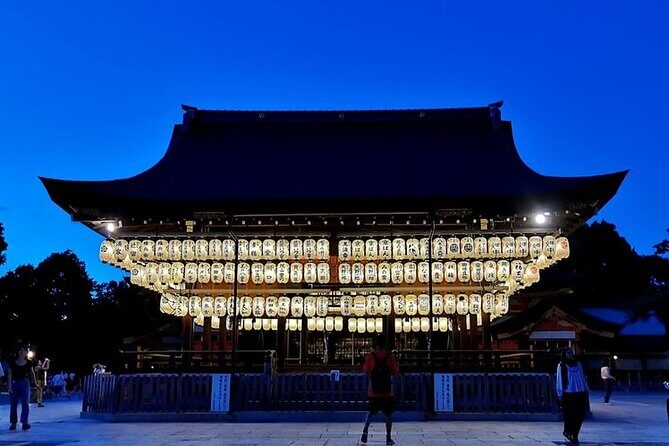
The walk ends at Yasaka Shrine, one of the prominent Shinto shrines in the Gion area. It’s known for vibrant festivals, and even without a festival atmosphere, it’s a strong visual finish: a calm, historic counterpart to the lively streets you walked through.
This ending matters because it gives you a clean transition. Instead of ending somewhere confusing or far from transit, you finish in an area where it’s easy to keep exploring—dinner, a nighttime stroll, or linking to other sights around eastern Kyoto.
Time at stop: about 10 minutes
Admission: free
What the Best Guides Do With This Tour
The heart of this experience is storytelling. The strongest tours I’ve heard about here share a consistent style: a friendly guide who connects the landmarks to how geisha culture works in real life, from historical roots to present-day practices.
In past departures, guides such as Shin, Deborah, Melanie, Joy, Manuel, Ben, and Kenji are repeatedly highlighted for turning a simple walk into an education. You’re likely to hear explanations about the evolution of geiko and maiko, plus details about the neighborhood’s everyday codes. Some guides also add personal-style commentary that makes the facts feel less like lecture and more like a conversation with someone who truly cares.
Tip for getting more out of it: don’t be shy about asking a direct question, like how a particular building or street relates to geiko or maiko routines. If the guide is doing their job right, you’ll walk away with context, not just snapshots.
Who Should Book This Gion Geisha District Tour
This is a great fit if:
- You’re in Kyoto for the first time and want a focused introduction to Gion after dark.
- You like cultural walks that explain meaning behind the scenery.
- You prefer a smaller group format (max 15) for better conversation.
- You’re traveling with teens or a multigenerational group and want something informative that still feels lively.
It may be less ideal if:
- You hate walking at night or you’re sensitive to cold weather.
- You’re looking for a long, ticketed performance event rather than a walking tour with short stops.
How to Prepare for a Chilly After-Dark Walk
Because this tour is scheduled after the crowds thin out, evenings can get cold fast in Kyoto, especially in winter. Bring warm layers, and wear shoes you can walk in comfortably for about two hours. One small thing can make a big difference: even a thick coat helps you stay focused on what the guide is saying instead of thinking about your fingers.
Also remember: bottled water isn’t included. If you know you get thirsty while walking, plan to buy water near your start point or carry some from nearby.
Should You Book This Tour? My Take
I’d book it if you want a compact, high-impact way to understand Gion at night. For $25, you get a small-group walk through key spots—Izumo-no-Okuni, Minamiza, Tatsumi Bridge, Hanamikoji Street, Gion Corner, and Yasaka Shrine—plus guidance that turns these stops into a coherent picture of geisha culture in Kyoto.
Skip it only if you’d rather spend your evening in a long indoor show, or if you know you won’t tolerate an after-dark walk when temperatures drop. Otherwise, this is the kind of tour that helps you get your bearings fast—and see Gion as a living district, not just a tourist zone.
FAQ
How long is the Kyoto Gion Geisha District Walking Tour?
The tour lasts about 2 hours.
What is the group size limit?
The tour has a maximum of 15 travelers.
How much does the tour cost?
It costs $25.00 per person.
Where do I meet the tour, and where does it end?
You start at Ben’s Cookies Kyoto Shijo (89 Shinchō, Shimogyo Ward) and finish at Yasaka Shrine (625 Gionmachi Kitagawa).
Are admission fees included for the stops?
All fees and taxes are included, and the listed stops are free.
Is bottled water included?
No, bottled water is not included.
FAQ
What happens if the weather is poor?
This experience requires good weather. If it’s canceled due to poor weather, you’ll be offered a different date or a full refund.
What is the cancellation policy?
You can cancel for a full refund up to 24 hours in advance. If you cancel less than 24 hours before the start time, the amount paid won’t be refunded.