REVIEW · KYOTO
Night Walk in Gion: Kyoto’s Geisha District
Book on GetYourGuide →Operated by WaRaiDo Guide Networks · Bookable on GetYourGuide
Geisha at street level feels unreal. This night walk in Gion turns Kyoto’s most famous district into a living lesson, led by a licensed English-speaking guide who explains what you’re seeing and how to act around it. I especially like the way the tour is practical, not just theatrical, and how guides such as Mia or Haruto bring real clarity to the Geiko and Maiko world.
The second thing I like: you’re not just watching streets—you’re learning the rules of respectful etiquette before you encounter anyone in costume. The tour also gives you a fair shot at spotting geiko and maiko as you move through the district, though it’s not guaranteed. One drawback to consider is that the guide may keep you at a respectful distance at times, which some people interpret as being too protective.
In This Review
- Key things you’ll notice on this Gion night walk
- Gion at Night: why 100 minutes feels like the right slice
- Meeting at Gion Omoide Museum and Izutsu Yatsuhashi: the walk starts with context
- Memoirs of a Geisha streets and that stream moment
- Geiko vs Maiko: kimono, hairstyle, and the meaning behind the look
- Spotting geiko and maiko: how your guide manages distance and privacy
- Etiquette in practice: what to do when you’re close
- Tea-house culture and Kyoto details you miss on your own
- Value check: $21 for a guided evening with real cultural context
- What can make or break your experience
- Who should book this Gion night walk
- Should you book this tour in Gion?
- FAQ
- Where is the meeting point?
- How long is the night walk in Gion?
- How much does it cost?
- Will I definitely see geiko or maiko?
- Is video recording allowed?
- Is the tour suitable for people with mobility impairments?
Key things you’ll notice on this Gion night walk
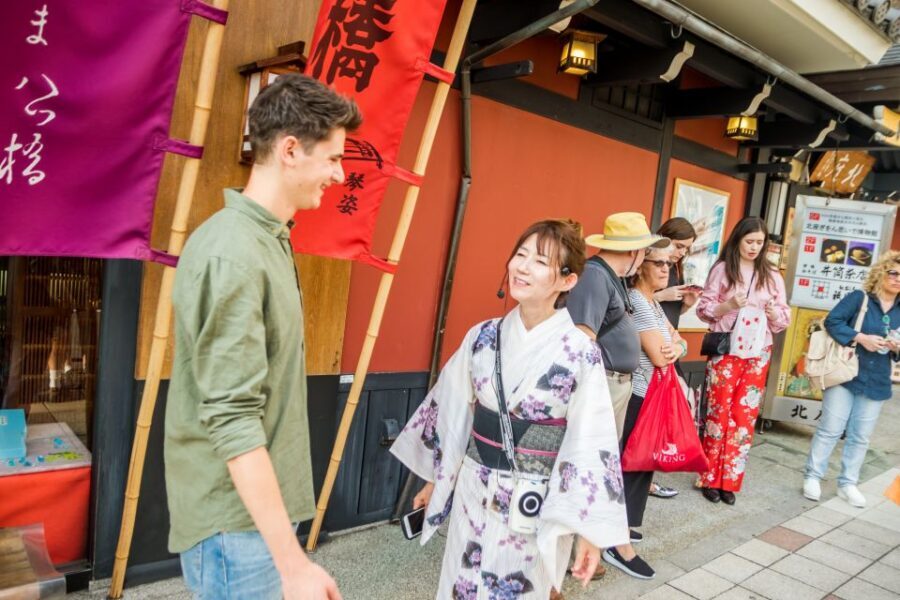
- A start point right in the thick of it at Gion Omoide Museum (connected to Izutsu Yatsuhashi), so you begin focused, not wandering
- Memoirs of a Geisha street scenes show up in what you see and where you’re standing
- Clear, human lessons on kimono, hairstyle, and daily life—explained in plain language by the guide
- Spotting opportunities: many experiences include geiko or maiko walking on the street, not just posed photos
- Respect-by-design behavior: you learn how to look without intruding, and what to do when you get close
- Tea-house talk that actually makes sense once you’ve heard the guide’s explanation of culture and custom
Gion at Night: why 100 minutes feels like the right slice
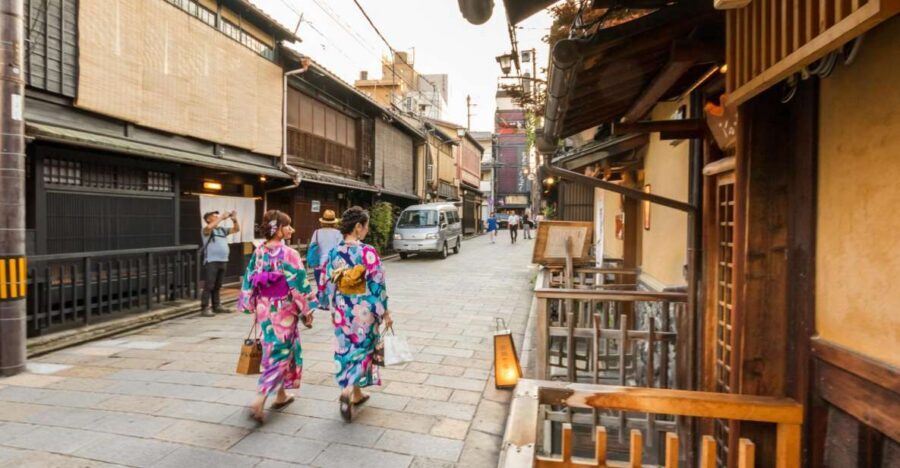
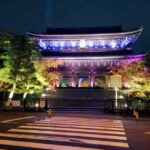
Kyoto night air makes Gion feel different fast. Daytime crowds flatten the district into “a place to see,” but at night the streets look more like the Kyoto you came for.
This tour lasts about 100 minutes, which is long enough to get context and still short enough to stay comfortable. It’s a walking format, so you’ll want decent shoes—think “steady stroll,” not marathon miles.
You can also read our reviews of more walking tours in Kyoto

Meeting at Gion Omoide Museum and Izutsu Yatsuhashi: the walk starts with context
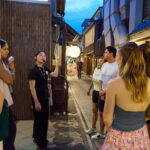
You meet in front of Gion Omoide Museum, which connects to the Izutsu Yatsuhashi pastry shop. That matters because you’re anchored to a real local spot, not a generic landmark.
The timing also helps your brain. Starting near Gion Shijo Station area puts you close to classic streets right away, so the guide can set expectations early—how to observe respectfully and what details you should look for as you walk.
Memoirs of a Geisha streets and that stream moment
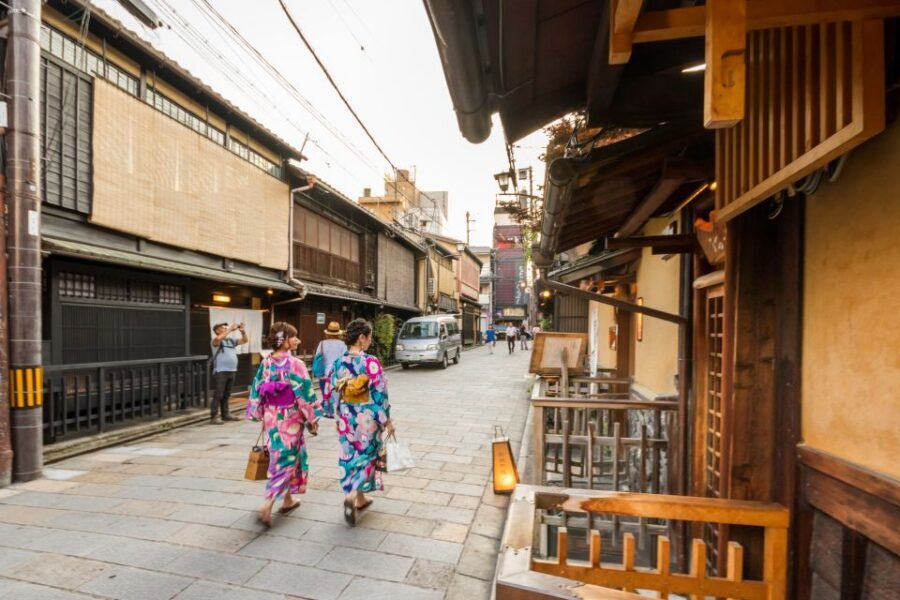
A big part of the appeal is how the guide steers you through the kind of lanes that show up in Memoirs of a Geisha. You’ll be walking the “classic Gion” streetscape people associate with Kyoto, including the quieter, picture-friendly corners that tend to feel more cinematic after dark.
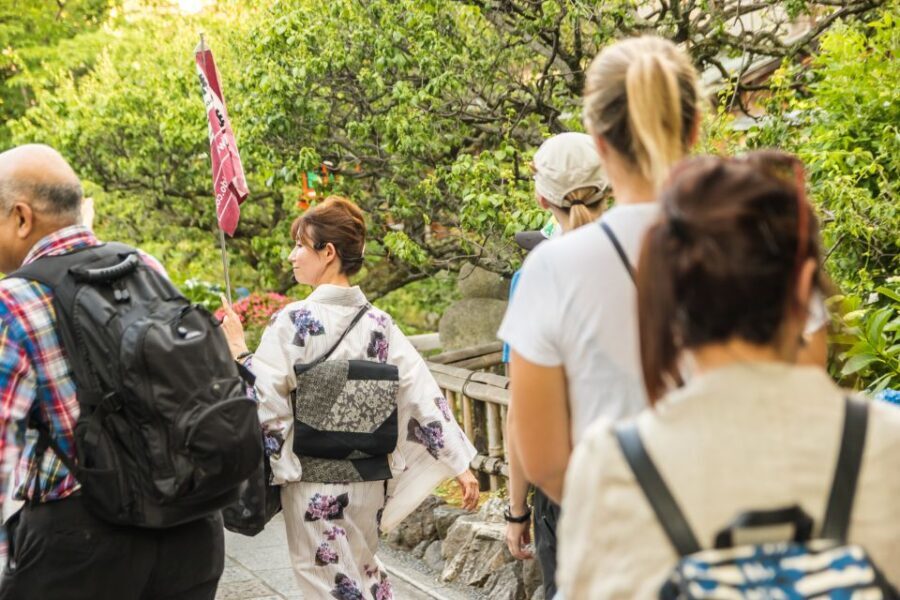
One moment people remember is the walk beside the stream, where the guide points out what’s going on around you and why certain streets became iconic. Even if you already know Gion from photos, the guide’s explanations help you see how the district’s layout supports the lifestyle tied to geiko and maiko.
Geiko vs Maiko: kimono, hairstyle, and the meaning behind the look
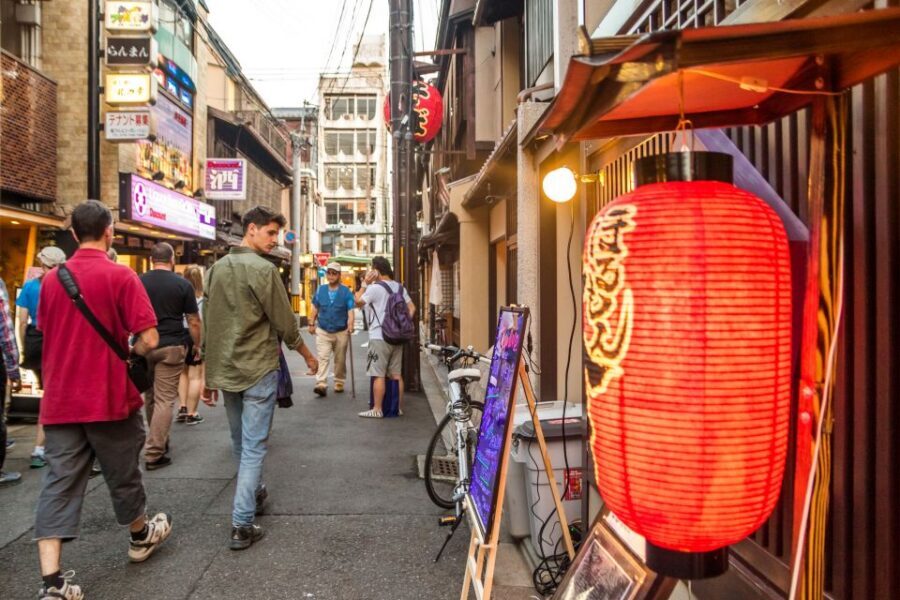
The tour’s core is educational, but it’s not museum-style. You get a guided explanation of what you’re seeing as costume and culture—not just “pretty outfits.”
Here’s what the guide focuses on during the walk:
- how kimono connects to training, identity, and occasion
- how hairstyles communicate status and formality
- the traditional rules around conduct, especially when you’re a visitor
- what daily life looks like from the outside and where common misconceptions come from
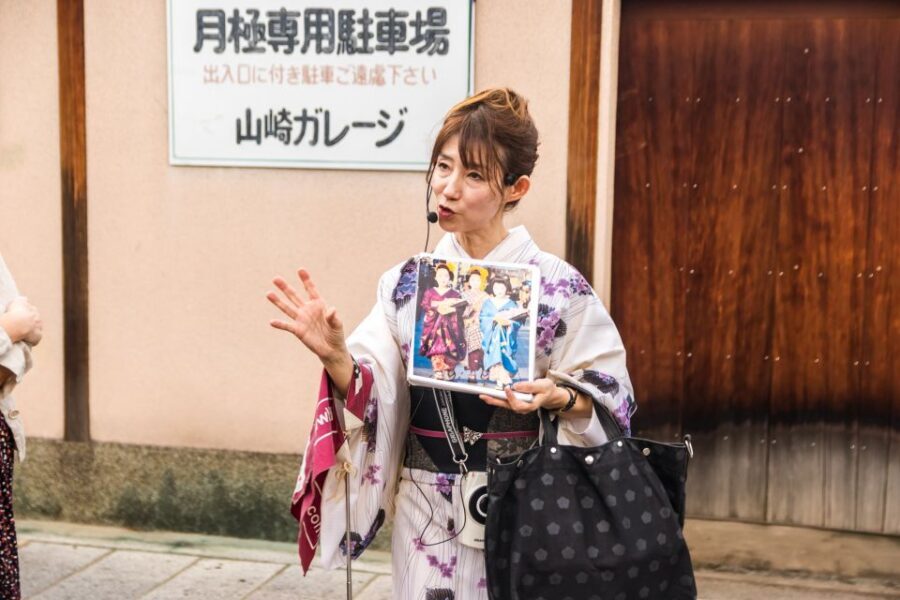
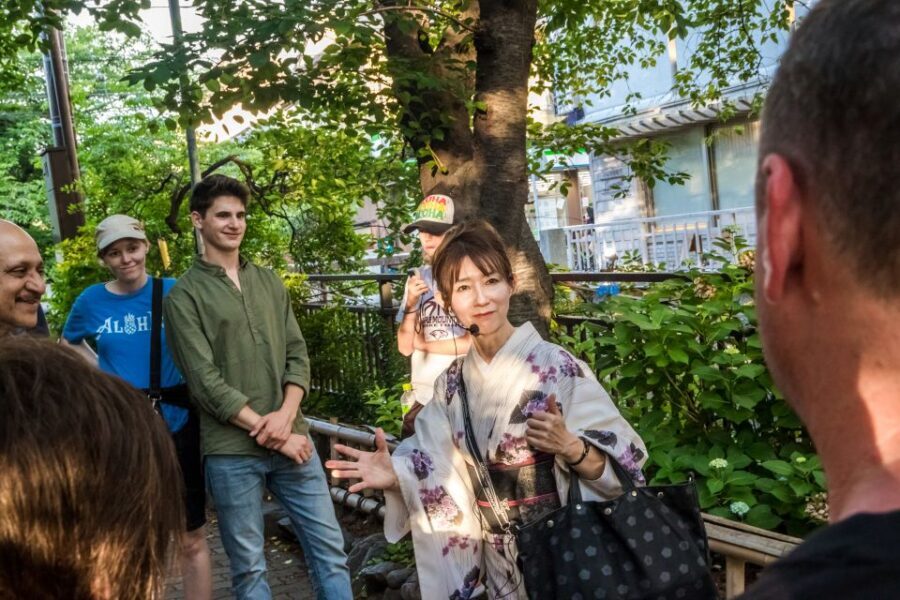
Guides like Mia have been noted for using charts and photos to make the contrasts easier to understand. That’s not trivia for trivia’s sake. It helps you decode the details you’ll actually spot on the street.
Spotting geiko and maiko: how your guide manages distance and privacy
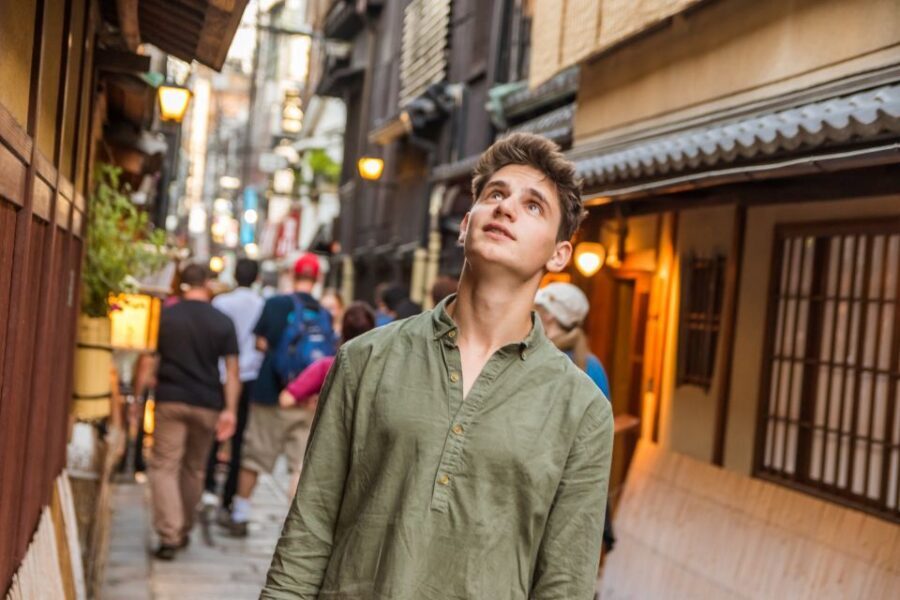
Seeing geiko and maiko in person is the headline for a reason. But the more important story is how the tour handles the encounter.
First, it’s stated clearly: encounters aren’t guaranteed. Still, many groups report spotting multiple geiko and maiko walking along their route to appointments or tea-house related gatherings. Sometimes you might also notice them passing by in a taxi rather than on foot.
Second, your guide will manage the group so you can see without crowding. A few experiences note that the guide stayed protective and kept people back, which can feel stricter than you expect. I’d frame it as part of the tour’s value: you get to practice respectful behavior in a real-world setting instead of turning Gion into a free-for-all.
You can also read our reviews of more evening experiences in Kyoto





Etiquette in practice: what to do when you’re close

This is one of the tour’s biggest selling points, and it shows up again and again in feedback. The guide teaches you how to behave so you don’t accidentally make things harder for someone in costume.
Practical cues you’ll be given include:
- how to keep your voice down and move quietly
- how to observe without intruding, even when the urge to stare is real
- what to do if you get near enough that your actions could disrupt the person’s privacy
- guidance on photography behavior, with many experiences emphasizing that you should avoid taking photos when asked
One review even highlighted that guides will show you how to distinguish a tea house from a tea house after you’ve heard the cultural context. That kind of lesson matters because it trains your eye to read the signs of the district instead of just chasing faces.
Tea-house culture and Kyoto details you miss on your own
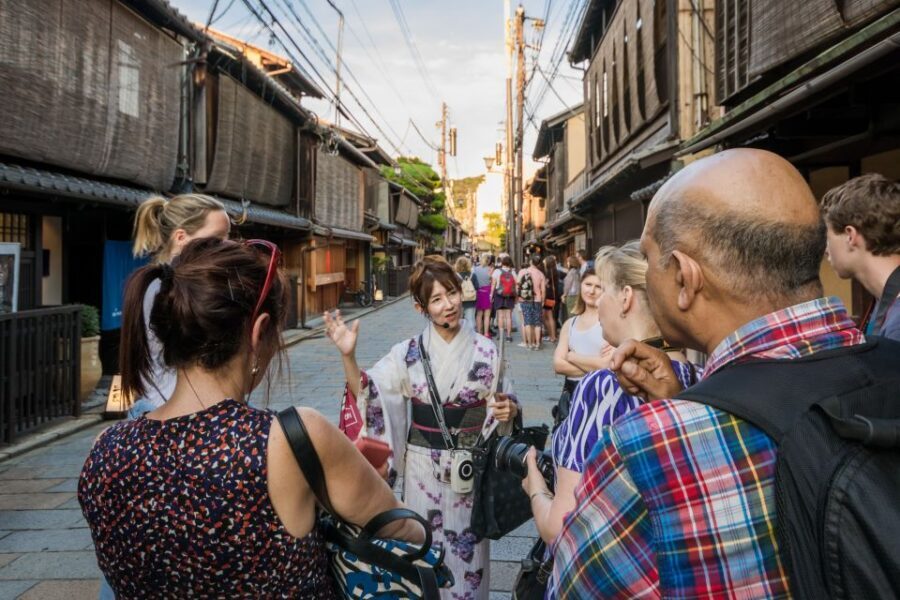
By the time you reach the tea-house conversation, it doesn’t feel random. The guide ties it back to what you saw earlier: the streets, the routines, and the structure behind the scenes.
You’ll hear about:
- tea house culture and how it connects to appointments and gatherings
- why certain areas feel important at night
- the etiquette around being a respectful observer in Gion
A few experiences also mention ending up with extra context around nearby nightlife areas such as Pontocho, which can make the whole evening feel like one connected “Kyoto mood,” not isolated sightseeing.
Value check: $21 for a guided evening with real cultural context
At $21 per person for about 100 minutes, this tour hits a sweet spot in cost versus payoff.
You’re paying for three things:
1) a licensed English-speaking guide who knows what to point out
2) time in the district with fewer guesswork moments
3) the social skill of etiquette—how to look respectfully when it counts
If you’ve spent money in Kyoto on experiences that are basically “walk and hope,” this one tends to feel more grounded. The education isn’t abstract; it’s aimed at helping you interpret what you’re seeing in real time.
What can make or break your experience
Most people come for one reason: they want to see geiko and maiko. That said, two factors can swing your enjoyment.
1) Spotting varies
You might see several geiko and maiko. Or you might see fewer. Either way, the guide’s explanations are the baseline value, not the optional bonus.
2) Privacy-first behavior may feel strict
Some groups wanted to get closer when they spotted geiko/maiko. The guide’s job is to prevent crowding. If you’re the type who wants to move in for the best shot, you’ll need to adjust expectations.
Also note the tour includes a clear restriction: video recording isn’t allowed. If your plan was to film heavily, you’ll want a camera plan that follows the rules and stays focused on respectful observation.
Who should book this Gion night walk
Book this if you:
- want an English-guided explanation of geiko and maiko culture
- like nighttime Kyoto and can handle a steady walking tour
- care about doing things the respectful way, not just collecting Instagram moments
- want a guide’s help to understand costume details and daily-life context
Skip it (or choose another option) if you have mobility limitations. The tour is not suitable for people with mobility impairments, which matters because it’s a walking-based experience.
Should you book this tour in Gion?
If your goal is to learn how to see Gion—kimono details, etiquette, and what the district means at night—then yes, I think it’s a strong pick. The $21 price for a guided, licensed English experience is especially attractive if you’re short on time and want the evening to feel purposeful.
If, however, you’re mainly chasing one specific outcome (like guaranteed sightings or close-up photo ops), you may feel disappointed. The tour is built around respectful viewing and education, not control over what walks into your path.
FAQ
Where is the meeting point?
Meet in front of Gion Omoide Museum, connected to the Izutsu Yatsuhashi pastry shop. The coordinates are 35.0044519, 135.7723814.
How long is the night walk in Gion?
The tour lasts 100 minutes.
How much does it cost?
It costs $21 per person.
Will I definitely see geiko or maiko?
No. Seeing geiko or maiko during the walk is often possible, but it is not guaranteed.
Is video recording allowed?
No. Video recording is not allowed.
Is the tour suitable for people with mobility impairments?
No. The tour is not suitable for people with mobility impairments.