REVIEW · KYOTO
Kyoto: Gion Magical Night Walking Tour with Geisha Trivia
Book on GetYourGuide →Operated by TravelinGood · Bookable on GetYourGuide
Gion at night feels like a different Kyoto. This 100-minute walk focuses on the geisha district atmosphere you miss in daylight, plus real explanations of the rules, roles, and etiquette behind what you see on Hanamikoji. I like that it stays respectful and grounded, not a hunt for performers.
Two things I really enjoy: the small group size (up to 10) and the practical geisha trivia that makes lanterns, streets, and signs feel meaningful. One thing to consider first: the route includes stairs, so it isn’t suitable for wheelchair users or anyone with limited mobility.
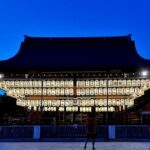
The pace is steady and easy to follow, and it’s timed for when Gion calms down. You start at Minamiza Theater, head into Hanamikoji, and then move toward quiet shrines and illuminated religious spots that pop after dark. Guides are also a big part of the value here, with names like Pam, Hina, Shino, Wasabi, Masami, Yuri, Kevin, and Sho showing up in recent trips and consistently turning the walk into a story you can remember.
If you go expecting a guaranteed geisha sighting, adjust your mindset. The tour is not intended for meeting geisha, and while you may spot one if you’re lucky, the real payoff is understanding what you’re seeing, and why it’s there.
In This Review
- Key things that make this night walk worth it
- Starting at Minamiza Theatre, then turning Hanamikoji into a lesson
- Geisha rules and trivia: why the explanations change everything
- Hanamikoji first, then the illuminated shrine and matchmaking stop
- Hidden pathways and a 1000-year-old shrine ending
- Small group pace, English guide, and the included photo service
- Price and value: $24 for 100 minutes in Gion at night
- Timing choices: night focus, plus the February 3pm option
- Who should book (and who should skip)
- Should you book this Kyoto Gion magical night walk?
- FAQ
- Where do I meet for the Kyoto Gion night walking tour?
- Is the listed start time when I should arrive?
- How long is the tour?
- How big is the group?
- Is this tour wheelchair accessible?
- Will I meet a geisha during the tour?
Key things that make this night walk worth it
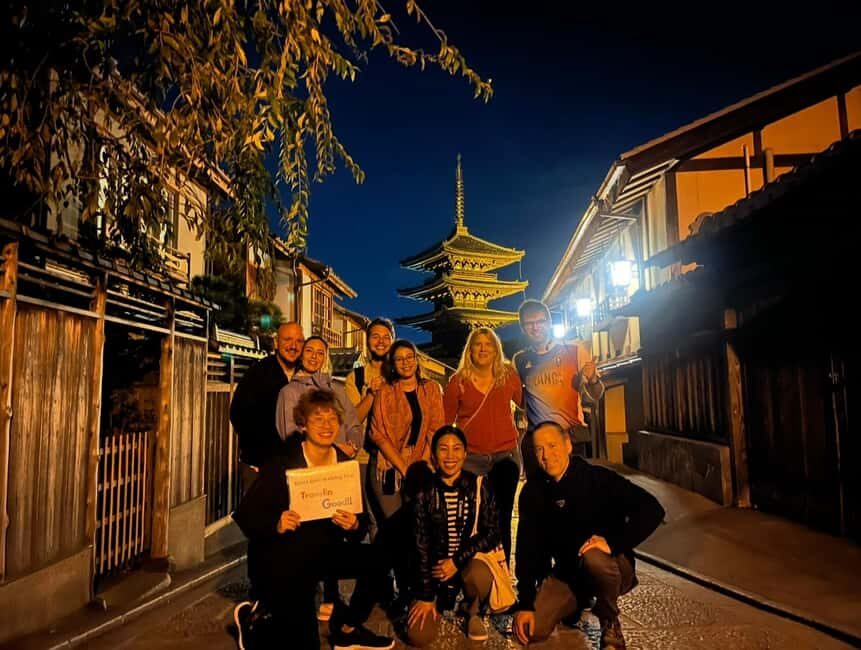
- Up to 10 people means real questions: the guide can actually respond, not just run ahead with the group.
- Geisha district trivia with context: rules, roles, and etiquette help you read the streets instead of just taking photos.
- Not a geisha meet-and-greet: you’re out for the night atmosphere and cultural meaning, not a performance request.
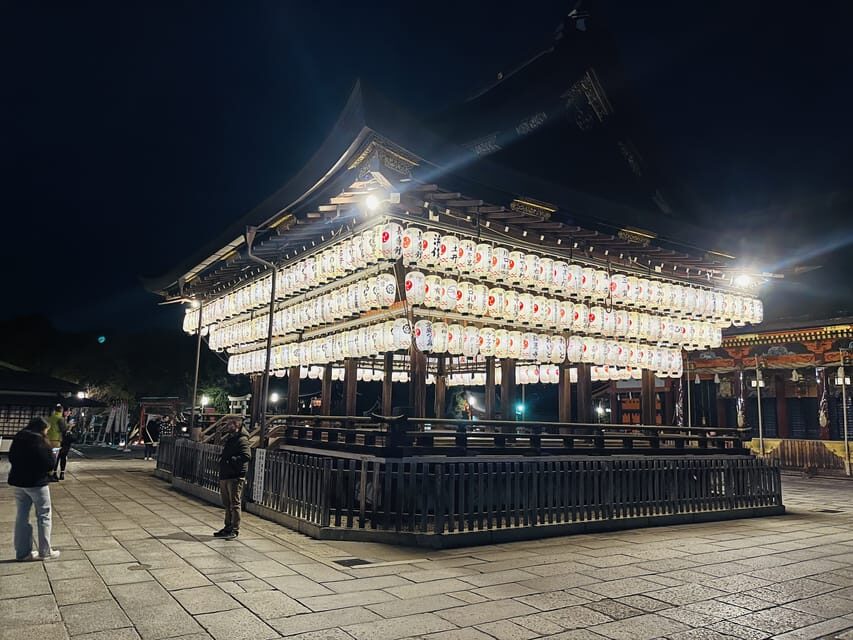
- Shrines and an illuminated pagoda: the tour adds spiritual stops, including a pagoda outside the Geisha district.
- Photo service included: you’ll get help capturing your walk without always handing your phone to strangers.
Starting at Minamiza Theatre, then turning Hanamikoji into a lesson
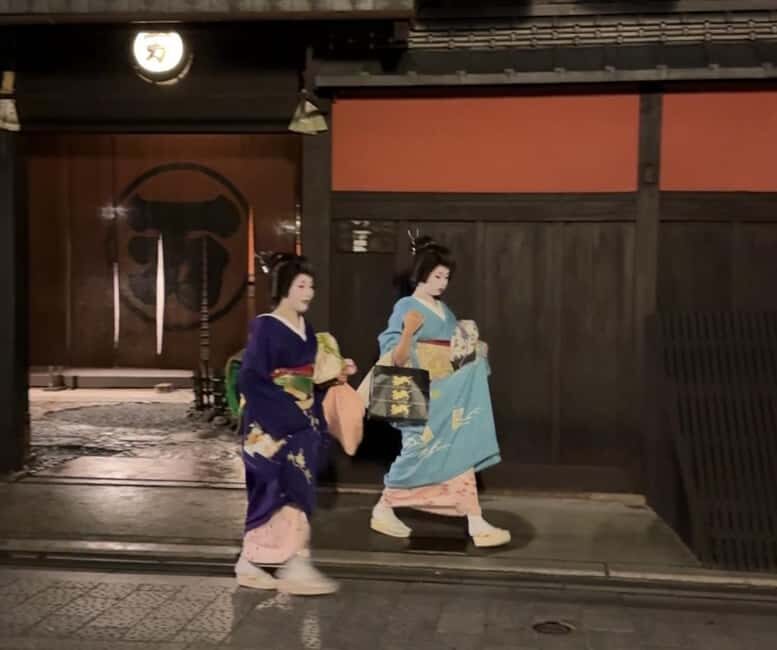
Most people arrive in Gion and get pulled along by the crowd. This tour flips the script by starting at Minamiza Theatre and leaving at the tour start time (not just “when everyone meets”). That detail matters. If you show up a few minutes early, you’re not stressed, and you’re ready when the group departs.
From the theatre, you’ll head toward Hanamikoji, the classic geisha district street where the atmosphere is the main character. In daylight, it can look like a postcard street. At night, the same street tells a different story: quieter rhythms, softer light, and more obvious lantern cues. The guide points out what you’re looking at and why it exists there, then adds geisha trivia that turns background scenery into something you can explain to friends later.
Two small tips that make your night easier:
- Wear shoes you’re comfortable walking in on small streets. Even when the route isn’t described as a long hike, you will be moving steadily for about 100 minutes.
- Keep your phone ready, but don’t let it run your attention. The lighting is pretty, yet the best moments come when you’re listening to the stories behind the places.
You can also read our reviews of more walking tours in Kyoto


Geisha rules and trivia: why the explanations change everything

This is where the tour earns its “magical night” name. The guide doesn’t just label famous locations. They share the mysterious rules and trivia of geisha culture so your eyes know what to look for.
You’ll learn differences and traditions connected to geiko and maiko culture. Some guides have used visuals on past tours, including pointers about differences between maiko and geisha. Other guides have emphasized the spiritual and social layers that sit alongside the famous entertainment world. Either way, the goal stays consistent: you walk away able to connect what you saw (streets, buildings, lanterns, rituals) to what those things mean.
Also, guides keep things respectful. You may spot a real geisha or maiko if luck is on your side, but the tour is not built around meeting performers. That’s a good thing. It protects the experience from becoming awkward or intrusive, and it keeps the focus on the neighborhood itself.
One reason this works so well is the small group setup. People can ask questions in the moment. Guides like Pam and Hina have been praised for friendliness and energy, and others like Shino have been praised for guiding group understanding clearly. That matters because geisha culture can feel confusing from the outside. Here, you can ask, clarify, and move on with confidence.
Hanamikoji first, then the illuminated shrine and matchmaking stop
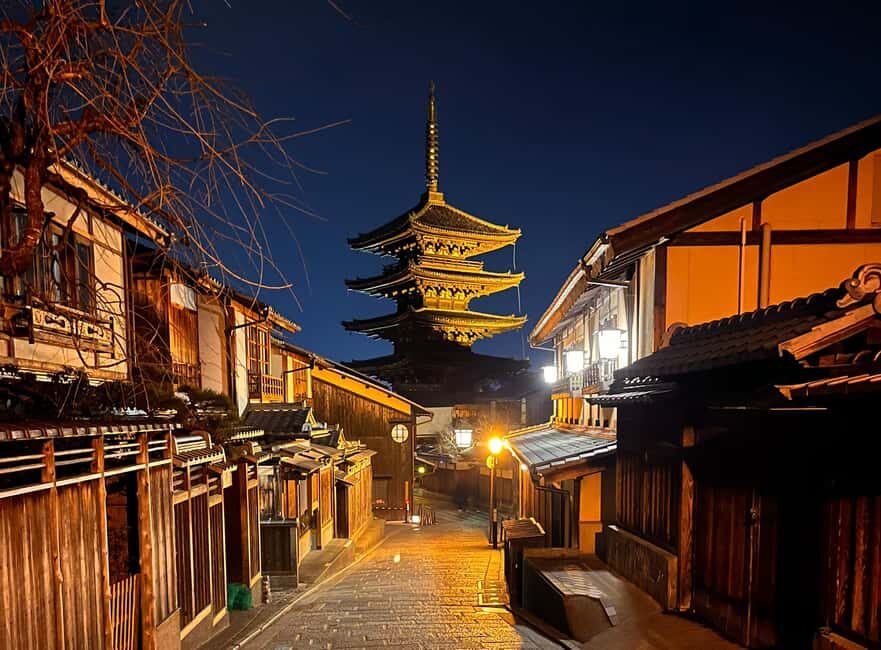
After Hanamikoji, the route adds variety so you don’t just repeat the same street view. You’ll visit a shrine connected to matchmaking, and you’ll get a chance to slow down and look at details you’d normally miss while rushing through Kyoto.
Then the tour moves toward a beautiful Buddhist pagoda outside the Geisha district, and this is one of those “night Kyoto” moments where the lighting does half the work. In the dark, architectural shapes and warm illumination are easier to appreciate. It also gives you a break from walking while still staying part of the story the guide is telling.
What I’d watch for here: timing of your photos. Night shots can take practice, even if your camera is good. If you’re trying to capture lantern light and the pagoda at the same time, give yourself a couple of minutes to adjust your settings or simply let the guide’s explanation finish before you lock into photos.
Hidden pathways and a 1000-year-old shrine ending
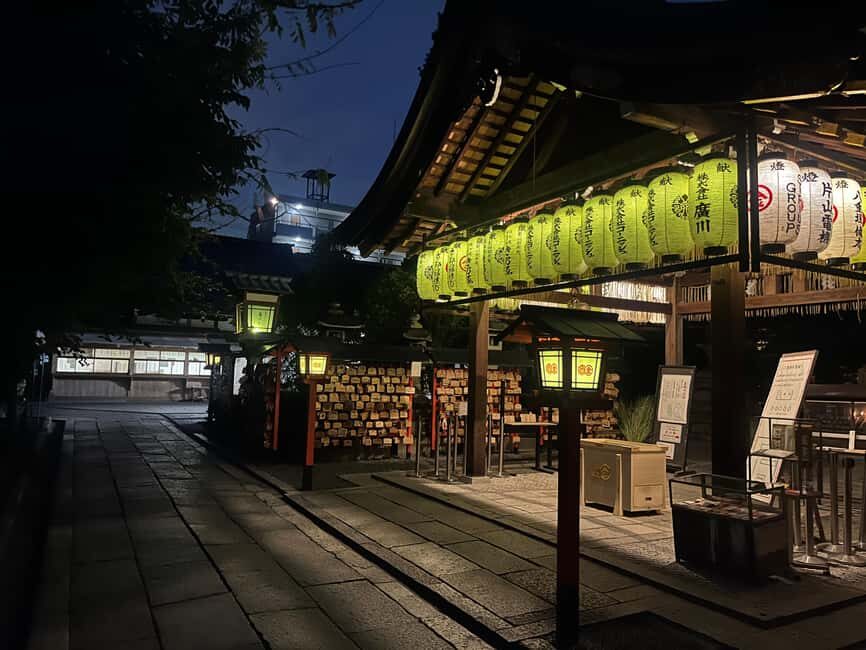
One of the most satisfying parts of this tour is that it doesn’t only hit the obvious streets. You’ll explore hidden spots and pathways, which is traveler-speak for: narrow lanes, quiet corners, and “how is this here” streets that feel more local than tourist. Multiple people in recent experiences have called out that the area stays calmer at night, with fewer crowds than you’d face during daytime sightseeing.
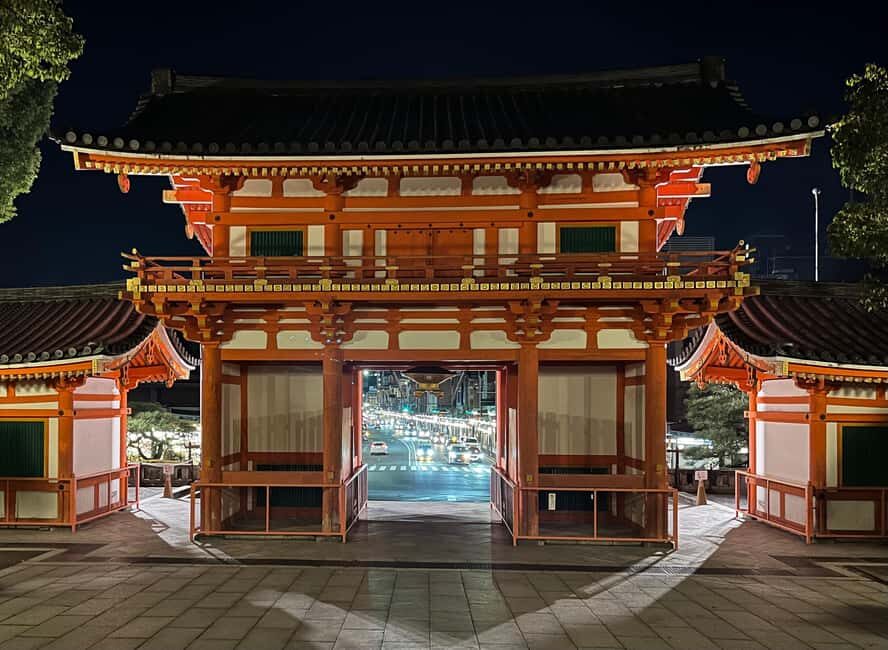
The ending is a shrine over 1000 years old, which gives the walk a strong sense of continuity. Kyoto isn’t just pretty buildings; it’s layered time. Ending at something that old helps you feel how long these spiritual routines and neighborhood stories have been part of the city.
Also, there’s often a practical, hands-on element around shrines. Guides have encouraged participation in shrine practices at Shinto temples, including explaining how to pray to the gods. That’s a meaningful way to experience something rather than just look at it. If you’re comfortable following along, take the lead from your guide, and you’ll understand the ritual instead of guessing.
Small group pace, English guide, and the included photo service
The tour is in English with a live guide, and it’s limited to up to 10 participants. For $24, that’s not just a budget number. It’s also an attention number. Small groups tend to produce better conversations, and in this case, that affects your understanding of the cultural details.
You’ll also get a photography service included. That’s a big deal in Japan, where you can end up spending time asking strangers to take photos. Here, you can focus on the moment and still come home with images that look like you were actually part of the walk.
A recurring theme across guides: they check in. Some guides have been praised for ensuring everyone feels welcome and comfortable asking questions. Others have added small extras like festival happenings or restaurant suggestions at the end, which can help you turn the tour into a better whole-night plan rather than a standalone activity.
You can also read our reviews of more evening experiences in Kyoto



Price and value: $24 for 100 minutes in Gion at night
Let’s talk money plainly. At $24 per person for about 100 minutes, this tour is priced like an efficient “experience buy,” not a high-end cultural immersion product. The value comes from three places:
- Time well used: You’re not just walking; you’re learning what you’re seeing, and you’re seeing multiple kinds of sights (geisha district street, matchmaking shrine, illuminated Buddhist pagoda, older shrine finish).
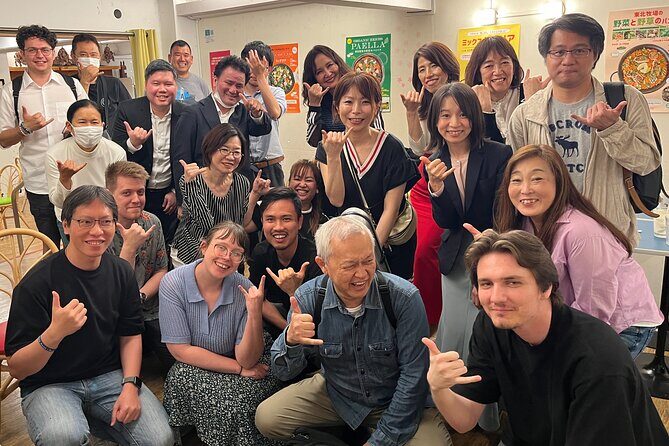
- Small group: Up to 10 people means you get more direct attention per minute than you would on larger group tours.
- Photo help: The included photography service helps you avoid the hassle of finding someone to take pictures.
If you’re trying to decide between doing this tour or doing Gion on your own, here’s the honest tradeoff: self-guided is cheaper, but you’re more likely to miss the “why.” This tour pays for interpretation. In a place like Gion, interpretation is half the trip.
Timing choices: night focus, plus the February 3pm option
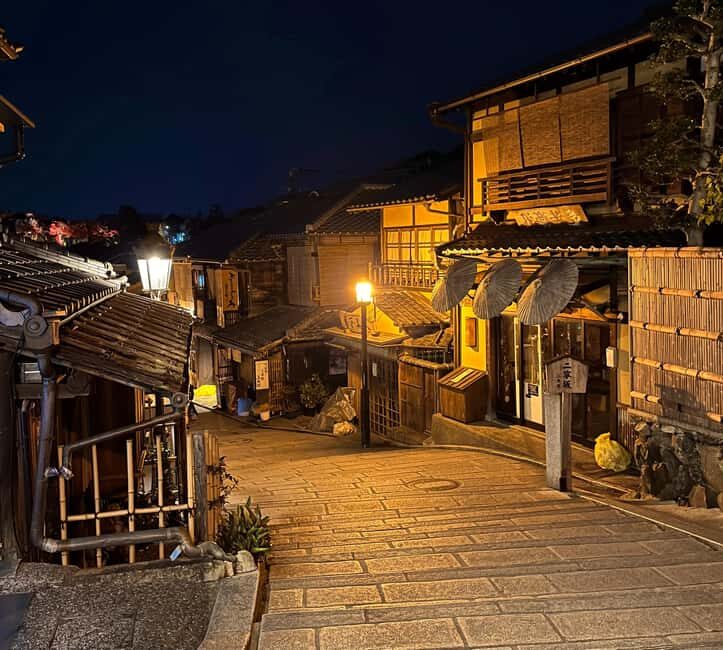
This tour is designed around evening calm. A key detail: the “start time” is when the group leaves from the meeting point. So you want to arrive at least 5 minutes early, especially if traffic or crowds affect your route to Minamiza Theatre.
There’s also a winter-specific option. In February, the tour sometimes runs starting at 3pm. That’s useful if you have evening plans, or if you want daylight-to-night vibes without committing to a later start.
If you’re choosing between an earlier start and a later start, pick based on your style:
- Prefer calmer streets and stronger night lighting: choose the later departure you can manage.
- Want a mix of still-bright Kyoto plus night atmosphere: the February 3pm start can be a good fit.
Who should book (and who should skip)
This tour is a great match if you want:
- A night walk in Gion without feeling boxed in by a big crowd.
- A cultural explanation that makes the district easier to understand.
- A mix of street sights and spiritual stops, including shrine rituals.
It’s also been enjoyed by families. Some guides have worked with kids around 9–11 and kept the explanations engaging enough for them to follow along.
That said, skip it if:
- You’re using a wheelchair or you have mobility limitations. The route includes stairs.
- You’re dealing with a cold. The tour is listed as not suitable for people with a cold.
- You’re traveling with a baby under 1 year old.
And for kids: children under 6 are not required to buy tickets, which can make the overall trip more affordable for families.
Should you book this Kyoto Gion magical night walk?
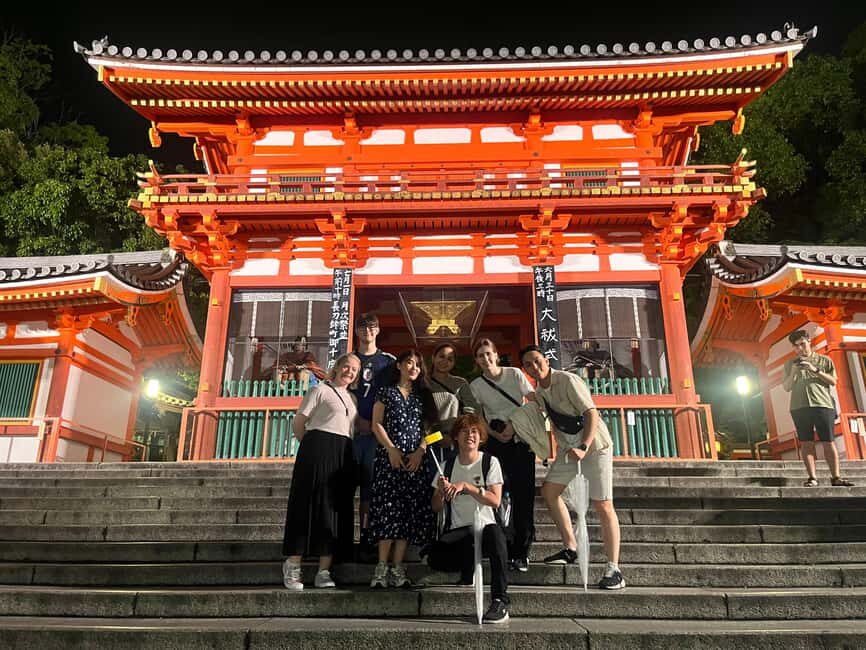
I’d book it if you want your first (or most memorable) Gion night to come with context. The combination of small group size, geisha trivia with respect, and multiple night-lit stops makes it more than a casual stroll. If you care about understanding Kyoto instead of just checking off landmarks, this tour delivers.
I’d pass or consider something else if your main goal is a guaranteed encounter with geisha. This walk doesn’t promise meetings, and it keeps the focus on the neighborhood and cultural meaning. Also, if stairs are a problem for you, don’t force it.
If you can handle uneven streets and stairs, and you like learning while you walk, this is one of those “worth it even after the photos are done” Kyoto experiences.
FAQ
Where do I meet for the Kyoto Gion night walking tour?
Meet in front of Minamiza Theatre, at the front side of the theatre. Your guide holds a sign that says TravelinGood.
Is the listed start time when I should arrive?
No. The listed time is the tour start time, meaning the group leaves then. Arrive at least 5 minutes early so you’re not late.
How long is the tour?
The tour lasts about 100 minutes.
How big is the group?
It’s a small group, limited to up to 10 participants.
Is this tour wheelchair accessible?
No. The route includes stairs, so it is not accessible for wheelchairs, baby carriages, or people with limited mobility.
Will I meet a geisha during the tour?
A geisha sighting is possible if you’re lucky, but it’s not intended to be a meeting. The tour is designed for cultural learning and nighttime exploration of Gion.