REVIEW · KYOTO
Kyoto: Arashiyama Bamboo, Togetsukyo bridge, Sanso, and more
Book on GetYourGuide →Operated by TripGuru Japan · Bookable on GetYourGuide
Arashiyama changes your pace in three hours. I like how the tour strings together the most famous sights—Sagano Bamboo Forest and Togetsukyo Bridge—without wasting time, so the area feels magical instead of overwhelming. What makes it work is a small-group guide; in groups I’ve read about, guides like Alex are especially good at routing people around the tricky bits of Arashiyama.
I also love the shift from crowd energy to calm. You get real garden time at Tenryuji and Okochi Sanso, and that quieter mood is a big part of why this stop is worth your money. The main catch is physical: you’ll be walking on mixed paths with some uphill and downhill, and temple grounds mean you should plan for modest clothing like no tank tops or overly short shorts.
In This Review
- Key highlights that make this tour worth it
- Arashiyama in 3 hours: how the short walk actually feels
- Meeting at Tully’s: start easy, get oriented fast
- Sagano Bamboo Forest: the icon, the flow, and the photo moments
- Togetsukyo Bridge: mountain-framed views you can actually enjoy
- Tenryuji Temple: UNESCO grounds and a Zen garden you can slow down in
- Okochi Sanso Villa: gardens at a slower tempo, plus a tea option
- Kimono Forest lights: modern art lighting up Arashiyama’s scenery
- Price and value: what your $26 really buys
- Tips to make the walk comfortable (and respectful)
- Who should book, and who should reconsider
- Should you book this Arashiyama walking tour?
- FAQ
- How long is the tour?
- Where does the tour start and end?
- What is included in the price?
- Which entrance fees are not included?
- What should I bring and wear?
- Is the tour good for everyone physically?
Key highlights that make this tour worth it
- Sagano Bamboo Forest with guidance: you’ll know where to walk for the best viewpoints, not just where other people shove cameras.
- Togetsukyo Bridge panoramas: your guide helps you frame the bridge with the surrounding mountains.
- Tenryuji Temple’s Zen garden: UNESCO-listed sights with a calm, structured visit rather than a rushed look.
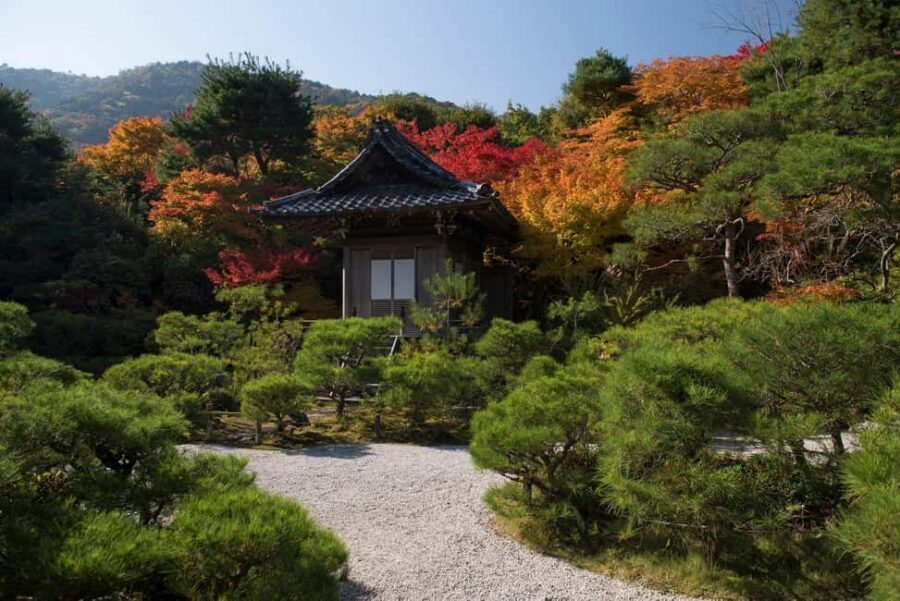
- Okochi Sanso Villa gardens: a soothing contrast to the bamboo crowds, plus an optional matcha sweet at the tea house.
- Kimono Forest modern art lights: a colorful evening-style installation that plays off Arashiyama’s classic scenery.
- Small group size (up to 9): easier pacing and more chances to ask questions, with English-speaking guides.
Arashiyama in 3 hours: how the short walk actually feels
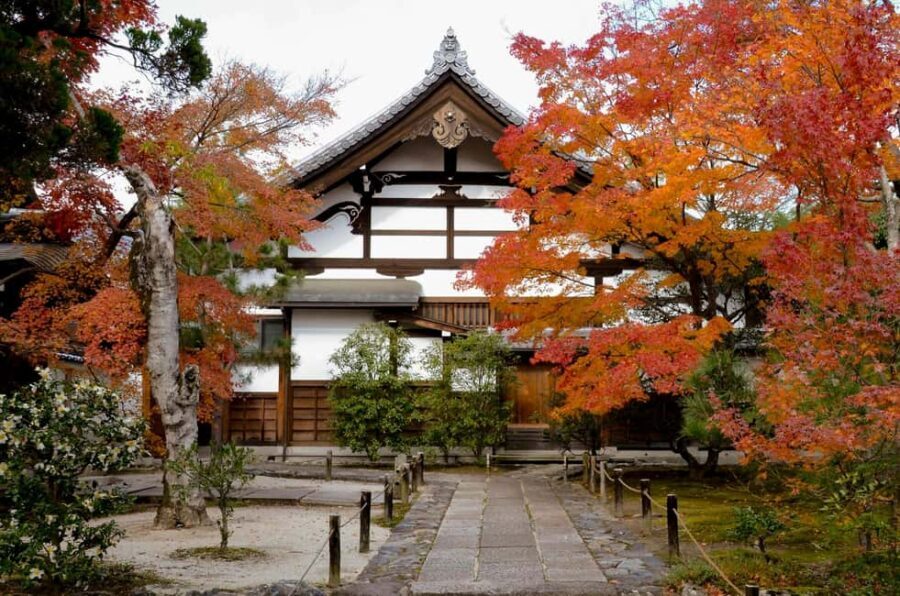
This is a tight, well-paced route through Arashiyama that’s built for people with limited time. You start at Tully’s Coffee at Randen Arashiyama Station, then move through the bamboo area, bridge views, a major temple, a villa garden, and ends with the Kimono Forest installation. Even though it sounds like a lot, the tour is designed for walking in a smooth sequence rather than hopping around blindly.
The price is $26 per person for a 3-hour guided walk, which is pretty fair if you value time and local navigation. Entrance fees for Tenryuji and Okochi Sanso are not included, so you’ll want to budget a little extra on top if you plan to go inside. For most people, paying for a guide here saves the hassle of sorting out paths, ticket timing, and where to stand for photos.
Group size matters, and this one caps at 9 participants. Smaller groups also mean your guide can slow down for questions, and you’re less likely to feel swallowed by the mass of people drifting through Arashiyama.
You can also read our reviews of more tours and experiences in Kyoto.



Meeting at Tully’s: start easy, get oriented fast
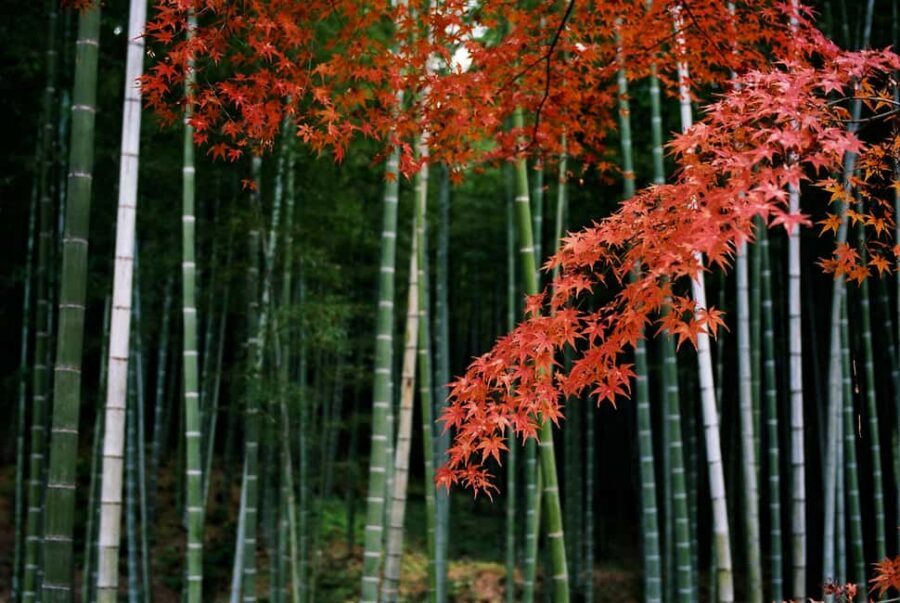
Your meeting point is Tully’s Coffee at Randen Arashiyama Station. Your guide waits there wearing a shirt with the name of the local partner, so you should be able to spot them quickly.
Plan to arrive at least 10 minutes early. The tour guides will only wait up to 10 minutes, so if you’re hopping off a train and walking briskly, give yourself padding.
This starting setup is practical for independent travelers: you don’t need hotel pickup, and you can arrive on your own schedule. If you’re the type who likes to explore before or after, this meeting point is also convenient because it’s right where you’ll naturally be once you get into Arashiyama.
Sagano Bamboo Forest: the icon, the flow, and the photo moments
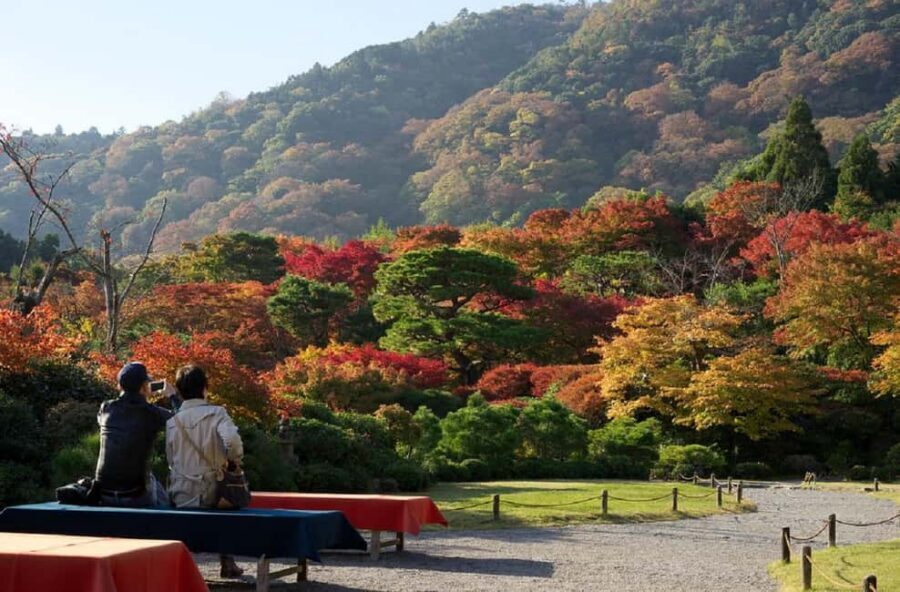
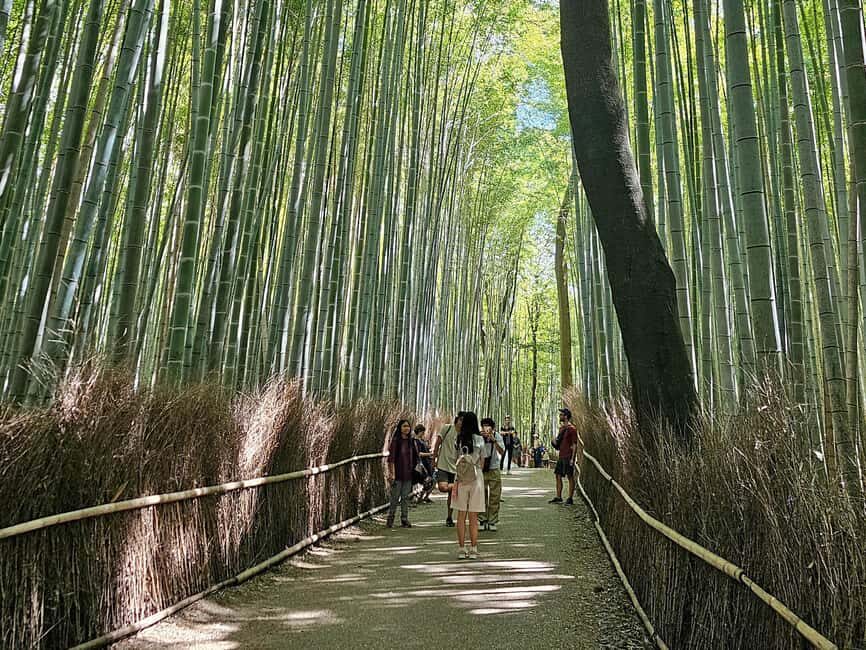
The tour’s anchor stop is the Sagano Bamboo Forest, sometimes called the heart of Arashiyama. Even if you’ve seen bamboo photos online a thousand times, the real effect is the walking rhythm: tall stalks, shifting light, and that slightly dreamlike feeling as you move under the canopy.
A guided walk helps because bamboo areas attract heavy foot traffic. A guide’s job here is not just trivia. It’s helping you find a route that keeps you moving without zigzagging, and showing where the views open up so you can actually enjoy the forest instead of only standing in a bottleneck.
If you’re serious about photos, bring your camera and use breaks for steady shots. Bamboo is one of those places where the best pictures come from simple angles rather than frantic repositioning. Comfortable shoes matter too, because your feet will do more work here than you expect from a “short” tour.
Togetsukyo Bridge: mountain-framed views you can actually enjoy
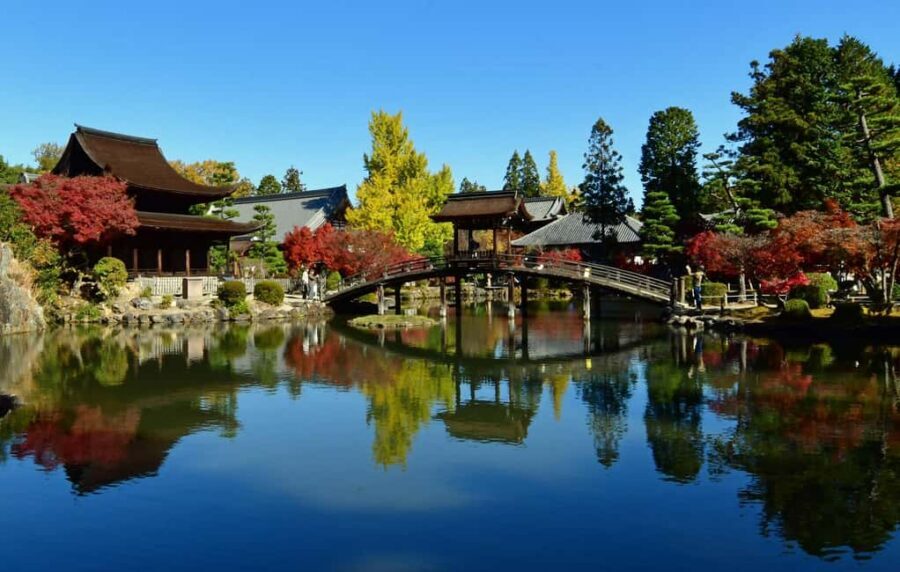
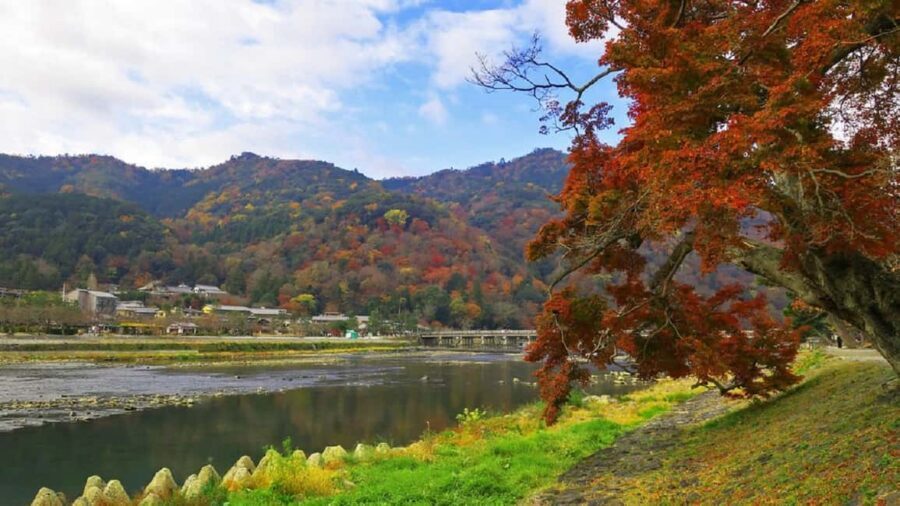
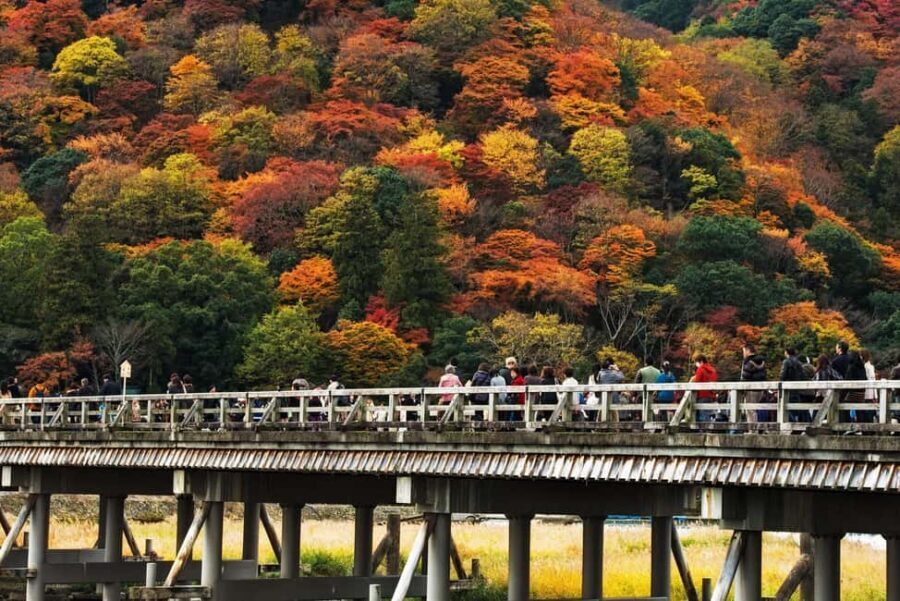
Next comes Togetsukyo Bridge, famous for its long views and the way the bridge sits against mountainous surroundings. From the bridge area, you get that classic Kyoto feeling: structure in the foreground, nature stretching behind it.
The guide’s value is helping you decide where to pause. You’ll likely get a few “good spots” rather than one forced photo stop. Take a moment to look beyond the bridge itself—what matters here is the framing: the water, the bridge lines, and the mountain backdrop working together.
This is also a good place to reset your energy. You go from bamboo walking to a broader view where it’s easier to breathe and take in the area’s scale.
Tenryuji Temple: UNESCO grounds and a Zen garden you can slow down in
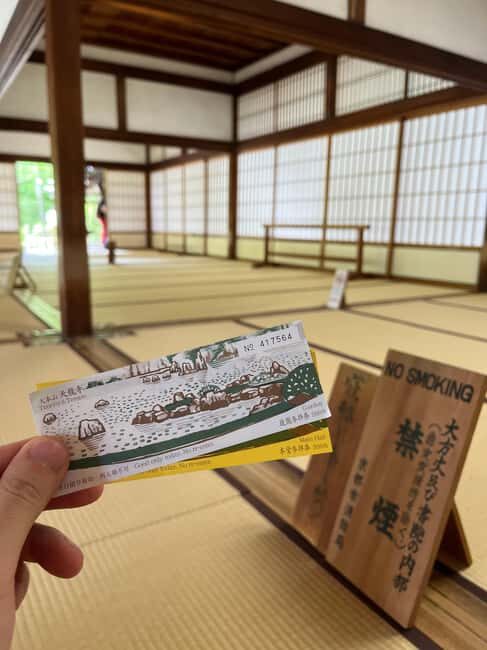
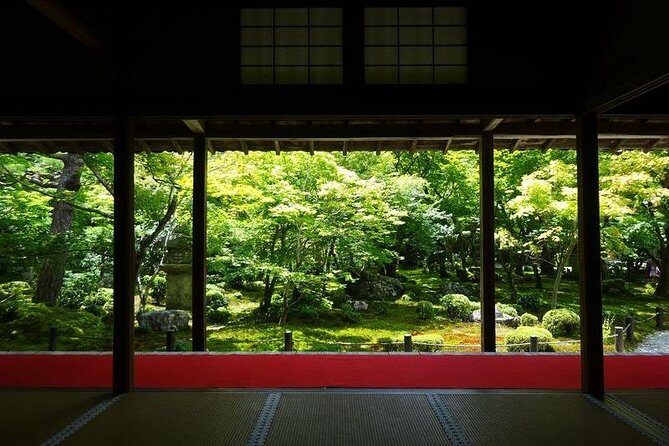
Then you’ll visit Tenryuji Temple, a UNESCO-listed stop. Tenryuji is known for its Zen garden setting, and that’s what you’ll feel first: fewer distractions than the bamboo corridor, and more space for quiet observation.
With a guided visit, you’re not just reading plaques. You get context that makes the garden feel less like “just rocks and plants” and more like a designed scene meant to be viewed with intention. Your guide also helps you understand the layout so you know where to stand and what the garden is aiming for.
One practical note: temple grounds are often cooler or more exposed. If you’re going in colder months, bring something light you can layer. If you’re going in warm months, consider a hat or sunscreen, but keep clothing modest.



Okochi Sanso Villa: gardens at a slower tempo, plus a tea option
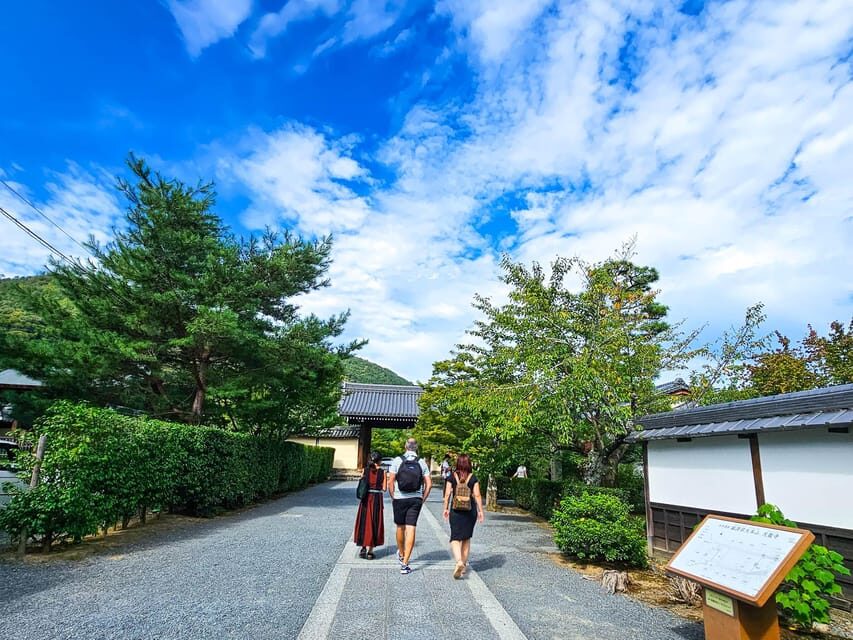
After Tenryuji, the tour heads to Okochi Sanso Villa. This stop is all about garden atmosphere. You’ll walk through serene grounds where the pace feels calmer and the scenery turns more personal: smaller views, gentle paths, and a feeling of stepping into a different world from the street-level flow.
There’s also an optional treat. You’ll have the option to purchase a traditional matcha tea and sweet at the villa’s tea house (at your own expense). If you want one “Kyoto moment” you can taste, this is the easiest place to do it on this short itinerary.
Entrance fees for Okochi Sanso are not included, so decide ahead of time whether you want to allocate budget for the villa. Based on the way guides talk about the garden routes and photo angles, it’s one of the stops that benefits most from being guided rather than just walking in on your own.
Kimono Forest lights: modern art lighting up Arashiyama’s scenery
To finish, the tour includes Kimono Forest, a modern art installation with illuminated, colorful displays. It’s a fun contrast to the traditional stops earlier in the route. Think of it as a visual palate cleanser: you’re still in Arashiyama, but the mood becomes playful and bright.
Even if you’re not the biggest fan of art installations, the practical value is that it gives you a different kind of photo opportunity and a more relaxed ending after temple and garden walking. You also get an “after-dark” style vibe when the lights are on, which is a big reason this stop makes sense on a packaged walk.
Price and value: what your $26 really buys
At $26 for a 3-hour walking tour, you’re paying mainly for a local guide and a tight route through multiple famous sites. That’s what you want here: Arashiyama can be confusing at street level, especially if you’re juggling crowds, uneven paths, and several destinations that aren’t always as close as they look on a map.
Entrances to Tenryuji and Okochi Sanso are extra. So the true cost depends on whether you plan to go inside both. If you do, the overall spend still tends to feel reasonable because you get guided context, not just admission into buildings and gardens.
Where this tour feels like good value is the “time compression.” You don’t have to plan the route sequence, hunt for the right lanes, or figure out which stops are worth your energy first. That’s a real benefit when you only have half a day.
Tips to make the walk comfortable (and respectful)
Wear comfortable shoes. This is not a flat stroll, and the paths around Arashiyama can include uneven ground and uphill/downhill stretches. In the feedback I saw from past participants, guides like Alex and Micah were praised for helping people keep moving even when the terrain got rocky and steep, so don’t underestimate your feet.
Bring a camera if you enjoy photos. This route has multiple built-in “stop and frame” moments: bamboo, bridge views, temple-garden scenery, and Kimono Forest lights.
Bring cash. The tour does not include meals and other drinks, and entrance fees are not included either. If you plan to buy the optional matcha and sweet, having some cash ready makes it simpler.
Finally, dress modestly for temple grounds. Avoid clothing that’s too revealing or casual like shorts or tank tops. This isn’t just about being polite. It also makes the temple portion easier because you’ll spend time on grounds where you may not want to fuss with clothing changes.
Who should book, and who should reconsider
This tour is best for people who can handle normal walking. It’s also a good fit if you like a guided route that hits top sights without the stress of planning every turn.
It is not suitable for people with mobility impairments, or for those with heart problems or respiratory issues. That’s because the route includes walking and uneven terrain. If you’re on the fence, think honestly about how your body handles stairs and slopes on a normal day.
If you’re traveling with a camera and a curious mindset, you’ll get the most out of it. The guides in past groups—people like Yuko, Vincent, and Boris—are praised for being friendly and for helping visitors understand what they’re seeing, not just where to stand.
Should you book this Arashiyama walking tour?
Book it if you want a high-impact Arashiyama experience in just three hours—bamboo, a major UNESCO temple, a garden villa, and Kimono Forest lights—without figuring out logistics on your own. The small group size and English guide make it feel manageable, and the route is built for first-timers who want the iconic highlights plus context.
Skip or choose another option if you know you struggle with walking on uneven ground, steep bits, or longer periods of standing. Also skip the “maybe” mindset with the temple dress code. If you’re wearing questionable clothing for temple grounds, you’ll spend mental energy on it instead of enjoying the gardens.
If you’re trying to use Arashiyama as a one-shot visit, this tour is a smart way to turn limited time into a coherent story: nature, then views, then Zen calm, then gardens, then modern lights.
FAQ
How long is the tour?
The tour lasts 3 hours.
Where does the tour start and end?
It starts and ends at Tully’s Coffee – Randen Arashiyama Station.
What is included in the price?
You get an English-speaking tour guide and the 3-hour walking tour. Entrance fees are not included.
Which entrance fees are not included?
Entrance fees for Okochi Sanso and Tenryuji are not included.
What should I bring and wear?
Bring comfortable shoes, a camera, and cash. Dress modestly for temple grounds, avoiding clothing that is too revealing such as shorts or tank tops.
Is the tour good for everyone physically?
It is not suitable for people with mobility impairments, heart problems, or respiratory issues. The route involves walking on uneven ground and some uphill/downhill.