REVIEW · KYOTO
Kyoto: Tea Ceremony Ju-An at Jotokuji Temple
Book on GetYourGuide →Operated by Tea Ceremony Juan · Bookable on GetYourGuide
Kyoto slows down when you sip matcha here. At Jotokuji Temple, the Tea Ceremony Juan experience mixes temple architecture, a proper purification ritual, and a calm matcha lesson that feels worlds away from street crowds. The whole thing is guided step-by-step, so you know what you’re doing instead of just playing tourist.
Two things I really like: the setting is serious (you’re inside a temple, not a storefront), and you’ll get instruction that makes the ritual make sense. The main consideration is physical setup: the tearoom has three steps and it isn’t wheelchair-friendly, though stools may be available if floor sitting is tough.
In This Review
- Key points before you go
- Arriving at Jotokuji: where the tea starts, not where it begins
- The 70-minute flow: purification, tearoom rules, and your matcha turn
- Inside the Grand Tearoom: etiquette that feels doable
- Matcha at its best: what you learn (and why it matters)
- The hosts and tea master experience: patient, organized, and interactive
- Bonus touch: tea, sweetness, and the calm Kyoto “reset”
- Who should book this (and who should consider alternatives)
- Price and value: is $29 worth it?
- Practical tips for a smooth morning (or afternoon)
- Should you book Tea Ceremony Ju-An at Jotokuji Temple?
Key points before you go
- Jotokuji Temple setting: you start at the main gates and spend time admiring the temple grounds before the tea part.
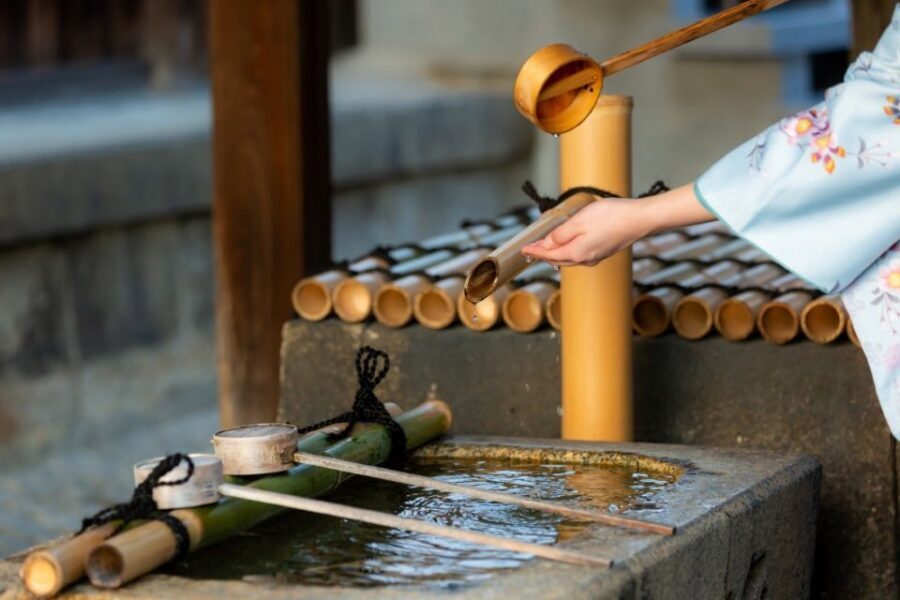
- Purification ritual: you do a traditional cleansing step first, which frames the whole experience.
- Small group, up to 10: more breathing room, more chances to ask questions.
- You make matcha: the tea master demonstrates, then you follow the steps yourself.
- Rain plan built in: you’re guided to wait under cover or inside if weather turns.
Arriving at Jotokuji: where the tea starts, not where it begins
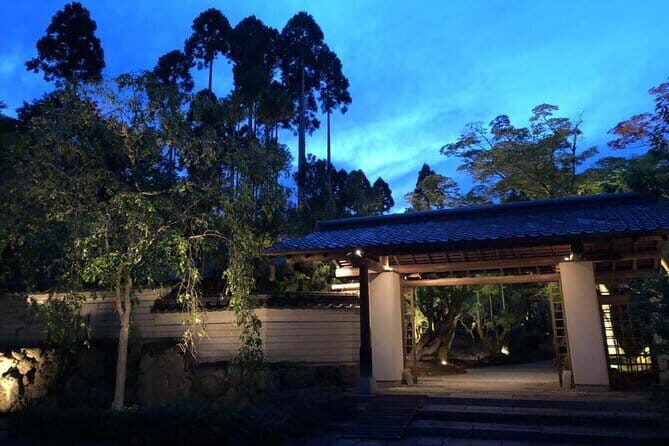
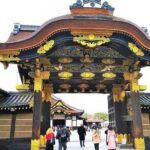
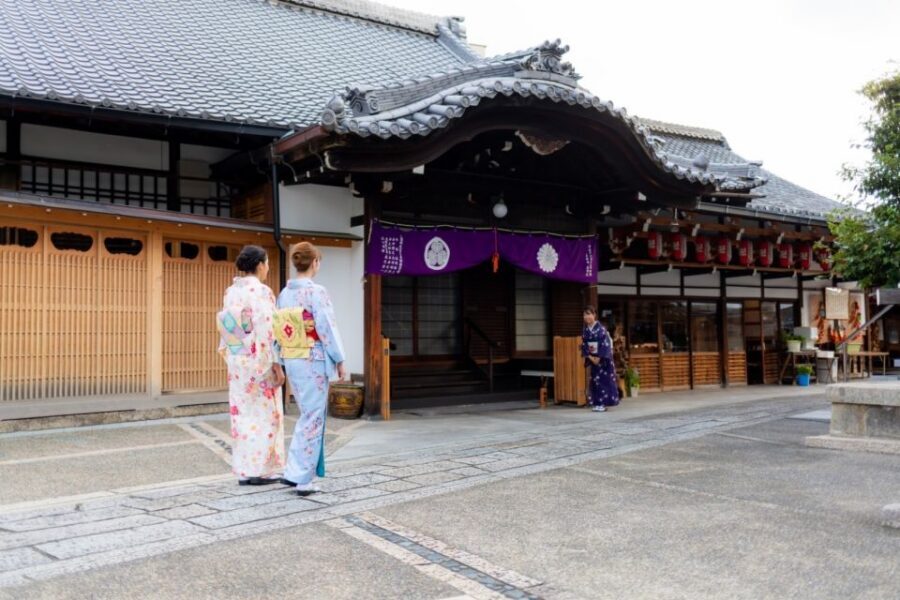
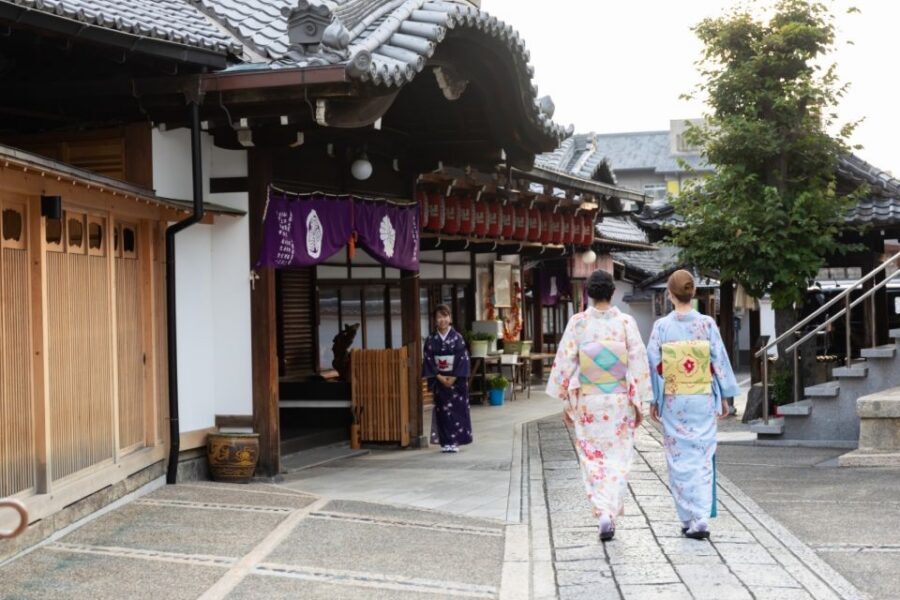
Your experience starts outside, at the main gates of Jotoku-ji. You’ll walk in past the entrance to the Grand Tearoom on your left, plus a parish shop nearby. Then you meet at the red benches where the guide is waiting.
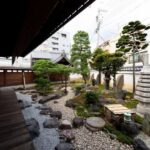
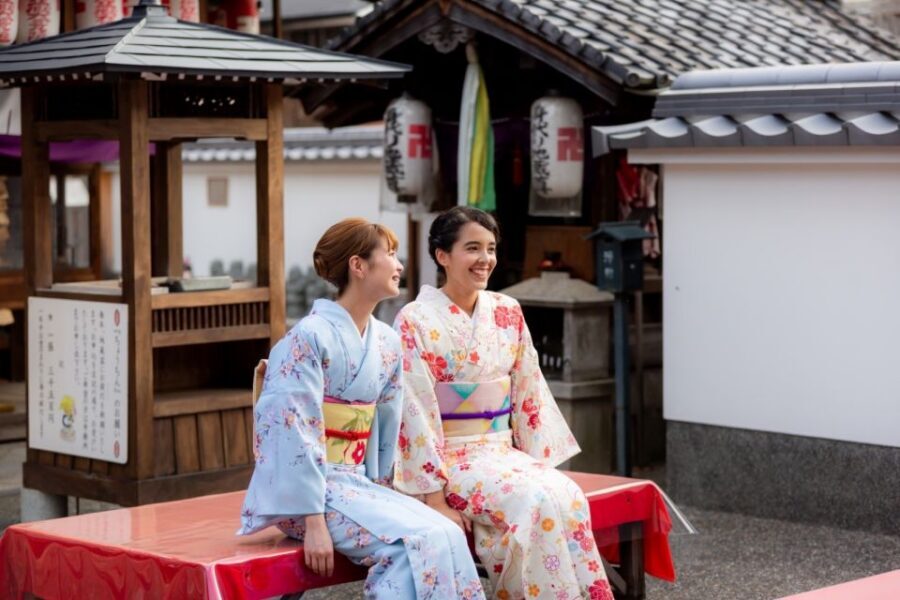
That temple walk matters more than you might think. Before you even touch a whisk, you’re given time to notice details: the way people move through space, the courtyard mood, and the quiet rhythm around the purification fountain. In good weather, you may also sit on the red benches for a breather and to take in the atmosphere before you head to the tearoom.
If rain shows up, the plan is practical. You can stand outside under the gable of the shop or wait inside the Grand Tearoom area, so you’re not stuck in cold weather with no idea what’s happening next.
You can also read our reviews of more tours and experiences in Kyoto.


The 70-minute flow: purification, tearoom rules, and your matcha turn
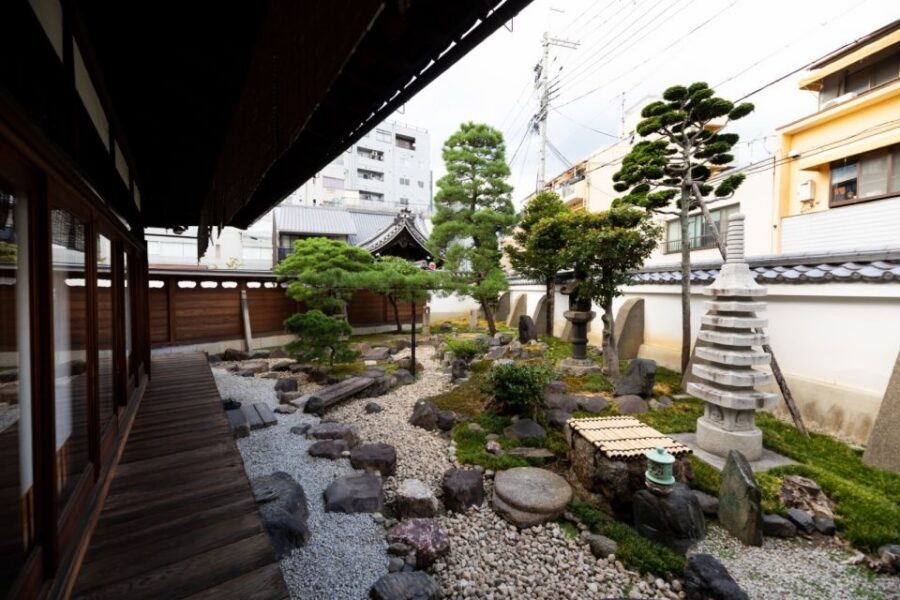
This is a 70-minute workshop, so it’s not a full-day tea tradition. But it’s long enough to learn the basics properly and still feel like you did something real, not a rushed demo. You’ll get a clear sequence from start to finish.
Here’s how the timing typically feels:
First comes the purification ritual. You’re shown a traditional cleansing step that helps you shift mental gears. For Western visitors, it often lands as the most memorable part because it explains the ceremony isn’t only about taste. It’s about respect, focus, and correct behavior.
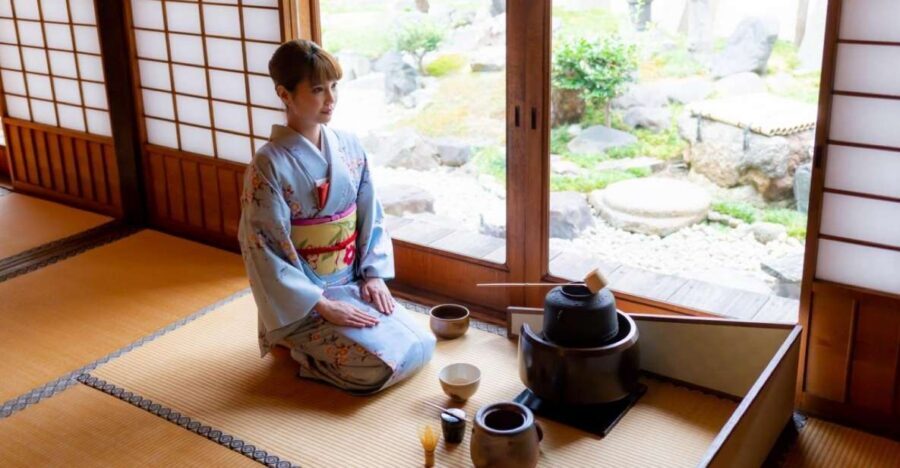
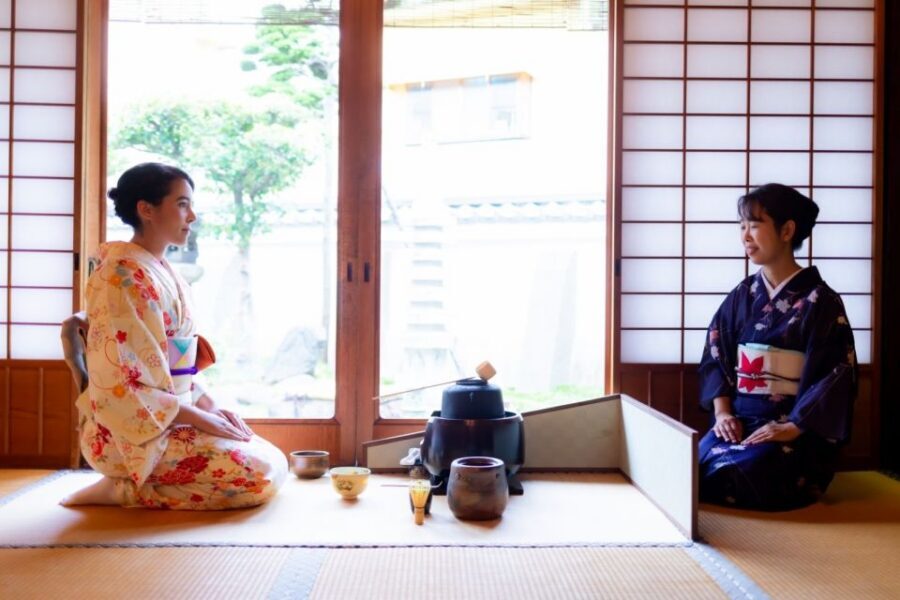
After that, you enter the Grand Tearoom. You’ll remove your shoes at the entrance and follow the group’s seating setup. If you’re nervous about floor seating, there’s a fallback: seats and stools can be provided for those not comfortable in the traditional position. Just know the tearoom itself isn’t wheelchair accessible due to three steps.
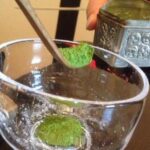
Then the tea master handles the real heart of the lesson. They demonstrate matcha preparation and guide you through what each movement means—how the whisking, bowl handling, and attention work together. After the demonstration, you’ll get a chance to make your own matcha.
Inside the Grand Tearoom: etiquette that feels doable
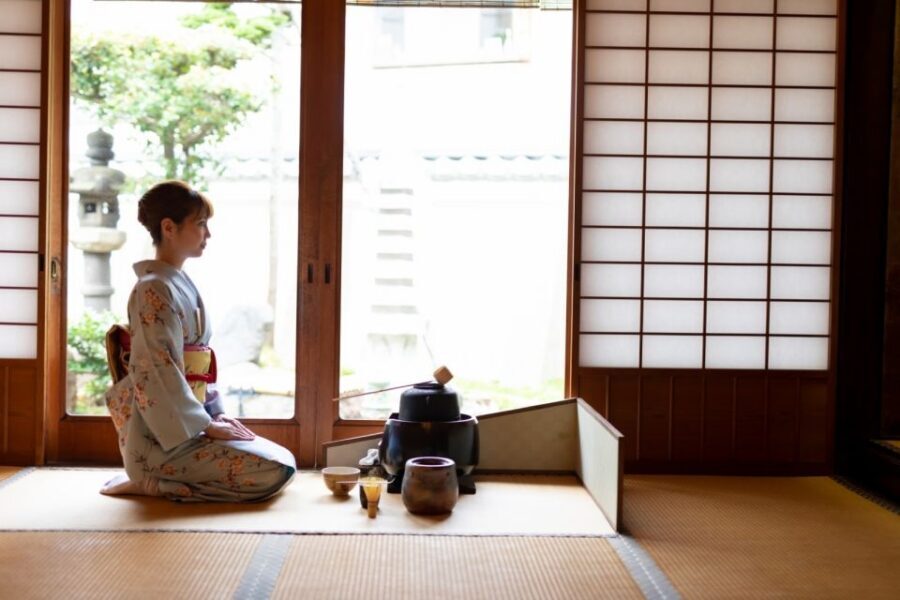
The biggest surprise for many people is how quickly etiquette becomes normal once someone shows you what to do. Removing shoes, sitting properly, and holding the bowl with care doesn’t feel awkward when the tea master is guiding each step.
A few practical points you’ll be glad to know:
- The environment is quiet and formal, so keep your phone away until you’re told it’s okay.
- You’ll be expected to follow the pace of the group, especially during the purification step and when entering the tearoom.
- If sitting on the floor is uncomfortable, ask early if stools are available.
Also, don’t ignore the physical reality. The temple grounds are wheelchair accessible, but the tearoom isn’t because of those three steps. If accessibility is a priority, this is the one part where you’ll want to reconsider.
Matcha at its best: what you learn (and why it matters)
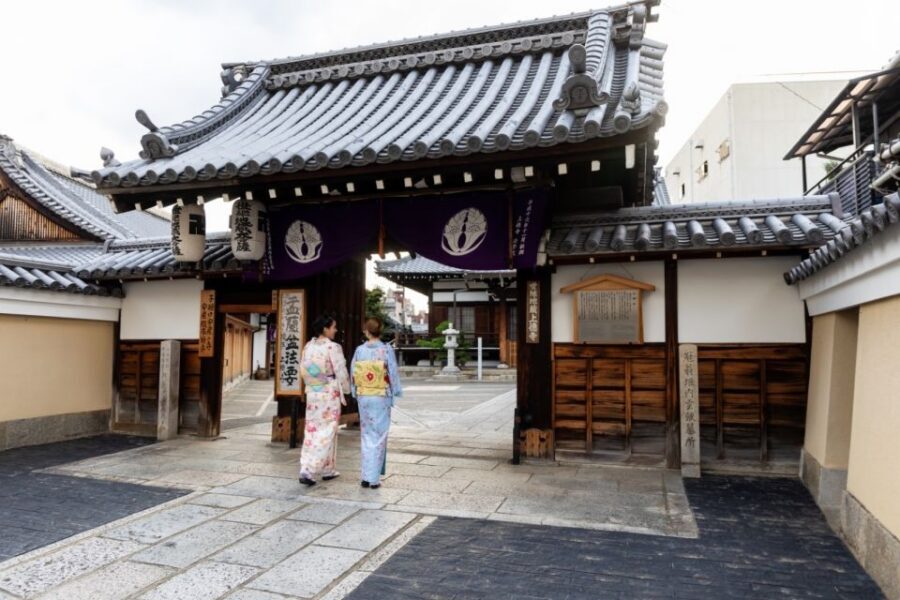
This workshop isn’t just instructions for making a drink. It’s instruction for understanding why the ritual exists.
You’ll learn the fine art of drinking matcha, not just how to whisk it. That includes how the tea should be presented, how you move through the moment, and what to pay attention to when you taste. And yes, matcha really is the star here. You get to sample it in the context it was made for: ceremony, not caffeine.
You’ll also hear about the importance of chanoyu—the broader tea tradition behind this style of practice. The guides focus on the philosophy and the “why” behind each action, so the ritual doesn’t feel like random choreography.
Many people love that this tour gives you both the practical steps and the cultural meaning in plain language. The English instruction is designed to make the ceremony understandable, not intimidating.
The hosts and tea master experience: patient, organized, and interactive
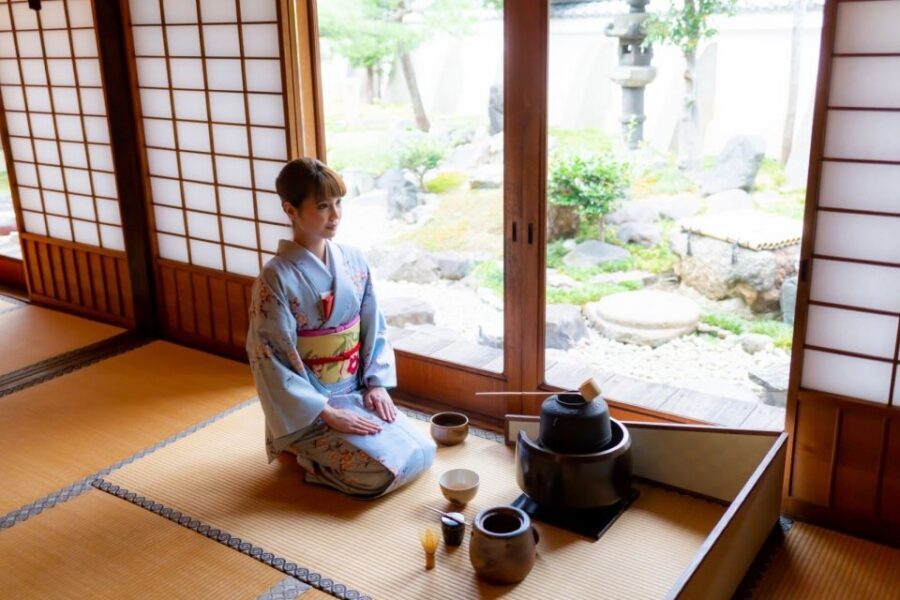
One of the strongest themes in the experience is how smoothly it’s run. The group stays small, and the tea master and guide explain things clearly while still keeping the mood calm.
I like that it’s interactive. You’re not sitting back with a cup and watching someone else do everything. You get coached while making your own matcha, so you leave with something you actually tried—not just something you witnessed.
If you’re lucky, you may meet familiar names mentioned in past groups. People have noted hosts like Kate and the tea master Yaki, and also Taka in some sessions. Exact pairing can vary by day, but the consistent point is the same: the team takes time with each step and answers questions without rushing you.
And the tone tends to be warm. The ceremony feels respectful and structured, not stiff. It’s the kind of guided moment that makes you slow down on purpose.



Bonus touch: tea, sweetness, and the calm Kyoto “reset”
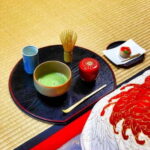
This isn’t a meal, but it’s not just a drink either. The ceremony includes matcha tasting, and many groups also report sweets served alongside the tea.
That combo matters. Sweets soften the palate, and it makes the matcha taste feel more balanced. More importantly, it reinforces the idea that this is a full sensory ritual, not a single sip.
A lot of people book this as a break from Kyoto’s busier sights. The setting helps. You’re in a temple atmosphere with time to pause, and the ceremony structure pulls your attention away from logistics and crowds.
Who should book this (and who should consider alternatives)
This experience is best for you if you want something calm, structured, and genuinely cultural without needing prior knowledge. You don’t have to be a tea expert. In fact, it often works best if you’re curious but not sure what matters.
It’s also great for couples and small groups because the pacing feels personal. With small group size (limited to 10), you’re more likely to get your questions answered and your own matcha prep handled comfortably.
You may want to look for a different option if:
- You use a wheelchair and need the tearoom itself (the tearoom isn’t wheelchair accessible due to the steps).
- You’re strongly uncomfortable sitting in a traditional floor posture, though stools and seats can be provided for those who need them.
If you’re visiting in cooler months, this can still be a nice reset. Just dress in layers so you’re comfortable during temple waiting and entry.
Price and value: is $29 worth it?
At about $29 per person for a 70-minute English-led workshop, this is one of the easier “yes” decisions for Kyoto. Why? Because your ticket covers more than watch-and-learn.
What you’re paying for:
- A guide and the structured chanoyu workshop ceremony
- Instruction through purification, tearoom etiquette, matcha preparation, and your own practice
- A small group setup that keeps the experience from turning into a speed-run
Kimono is not included (it can be rented separately), and meals aren’t part of the package. But you do get the cultural centerpiece: you learn the ritual steps and you taste matcha in context.
One helpful way to think about it: this is a condensed ceremony, not the hours-long version you might hear about in tea tradition. That’s a benefit for travelers with limited time. You still leave with a grounded understanding, not just a souvenir.
Practical tips for a smooth morning (or afternoon)
A few things will make your visit feel easier.
Wear slip-on shoes if you can. You’ll remove them during the tearoom transition, and you don’t want shoe wrestling when the group is moving.
Arrive a bit early so you can meet your guide calmly. The meeting point is Tea Ceremony Juan, 556 Gojo-sagaru, Tominokoji Dori, Shimogyo-Ku, Kyoto. Once you’re inside the temple, you’ll face the Main Hall, then look left for the steps that access the tea room.
If weather is iffy, don’t assume you’ll be outside the whole time. There’s a rain plan: you can wait under cover near the shop or inside the Grand Tearoom area.
Finally, bring the right mindset: this isn’t about speed or photos. It’s about following the flow, tasting carefully, and letting the quiet do its job.
Should you book Tea Ceremony Ju-An at Jotokuji Temple?
I’d book this if you want a Kyoto experience that’s calming, well-paced, and hands-on. The value is strong for the time you get, and the small group format makes the instruction feel personal. The purification ritual plus the chance to whisk your own matcha is the combo that usually wins people over.
Skip it—or plan carefully—if tearoom access is an issue for you. The temple grounds may work, but the tearoom itself isn’t wheelchair accessible because of three steps.
If you’re on the fence, this is a safe bet for first-time tea learners and a satisfying reset for anyone tired of rushing from landmark to landmark.