Quiet moments start fast. This Kyoto experience is a calm, hands-on way to learn zazen with Chief Priest Eitetsu Nishida, then slow down again with matcha and sweets. You’re not just watching Zen from the outside—you’re learning how to sit, how to breathe, and how that carries into tea.
I especially liked the way the tea part was taught, not just served: you learn the story and method of matcha, then enjoy it with traditional seasonal sweets in a 400-year garden. One thing to consider is that English clarity can vary when the chief priest speaks, so the translator and guide matter for catching every detail.
In This Review
- Key highlights worth booking for
- Why this Kyoto Zen session feels like a reset
- The walk into Jusho-in inside the Myoshin-ji complex
- Zazen with Eitetsu Nishida: what you’re actually learning
- The chief priest’s sermon: why the teaching part matters
- Matcha lesson: learning the story before the sip
- The 400-year garden tea break (and why the setting changes everything)
- The photo keepsake: calm moments captured without stealing them
- Price and value: what $109 buys in real terms
- Who should book this zazen and matcha experience
- Practical tips: how to show up ready to practice
- Should you book this Kyoto Zen experience?
- FAQ
- How long is the experience?
- Where do I meet?
- Is the tour in English?
- Will I be seated comfortably during zazen?
- What happens after the meditation?
- Do you get a photo?
- Should I wear a rented kimono?
Key highlights worth booking for
- Chief-priest zazen practice: two rounds of seated meditation, guided at the temple.
- Eitetsu Nishida’s background and teaching style: the 16th generation abbot, trained as a monk after 10 years in public service.
- Matcha lesson before you drink: you learn how matcha connects to Zen before the first sip.
- Tea plus seasonal wagashi in a garden: the scenery is tied to Eitoku Kano, and the view shifts with the seasons.
- A small, orderly format: seating is assigned in reservation order, so the session stays quiet and focused.
- A keepsake photo: a photographer captures your moments, with photo data sent after the tour.
Why this Kyoto Zen session feels like a reset
Kyoto can be loud in a hurry. Even when you’re surrounded by temples, your mind still scrolls like a phone screen—pictures, crowds, routes. This is different because it starts with stillness and keeps you there.
Zazen is simple in concept and hard in practice. You sit. You try to focus on the body and breath. And you notice how fast your mind wants to negotiate, run, and narrate everything. That tension is exactly why this works so well as a travel day break.
Then the tea closes the loop. Matcha is not just a drink; it’s a rhythm—attention, preparation, and tasting without rushing ahead. When you learn the tea right after sitting, the connection between practice and daily life feels practical, not mystical.
You can also read our reviews of more tours and experiences in Kyoto.


The walk into Jusho-in inside the Myoshin-ji complex
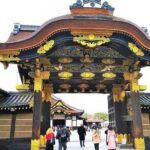
You meet at the north gate of Myoshin-ji Temple, then you walk with a guide to Jusho-in. That short shift—from public temple traffic to your specific sub-temple—sets the tone. It’s also a smart way to get oriented without spending your energy figuring out where to go.
Jusho-in was founded in 1599 and sits as one of the sub-temples under Myoshin-ji, which is Japan’s largest Zen temple complex. Jusho-in’s long timeline matters because you’re not just visiting a pretty garden and leaving. You’re entering a living religious space with its own routines and etiquette.
If you want a quieter Kyoto morning, this location choice is a big part of the value. You’re near a major temple complex, but your experience stays focused on one specific place and one guided format.
Zazen with Eitetsu Nishida: what you’re actually learning
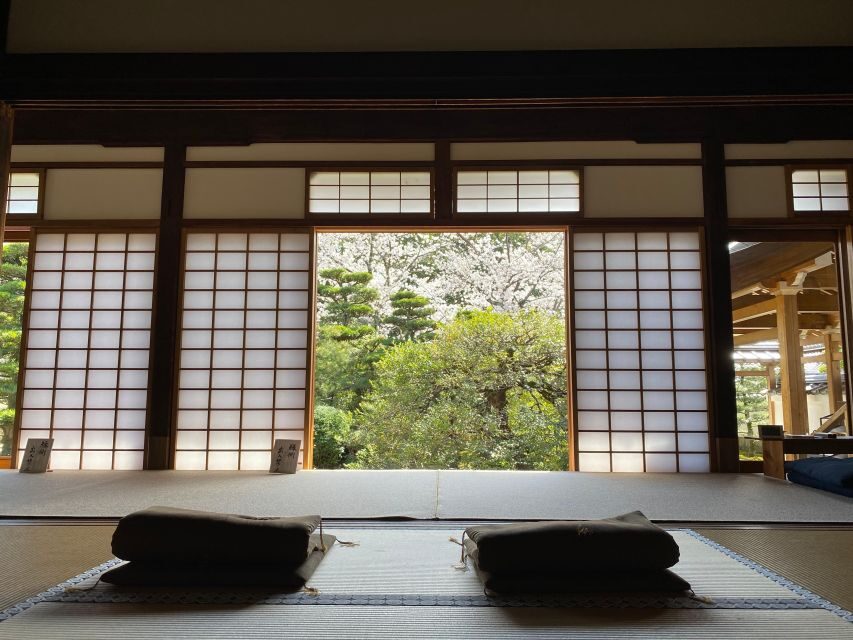
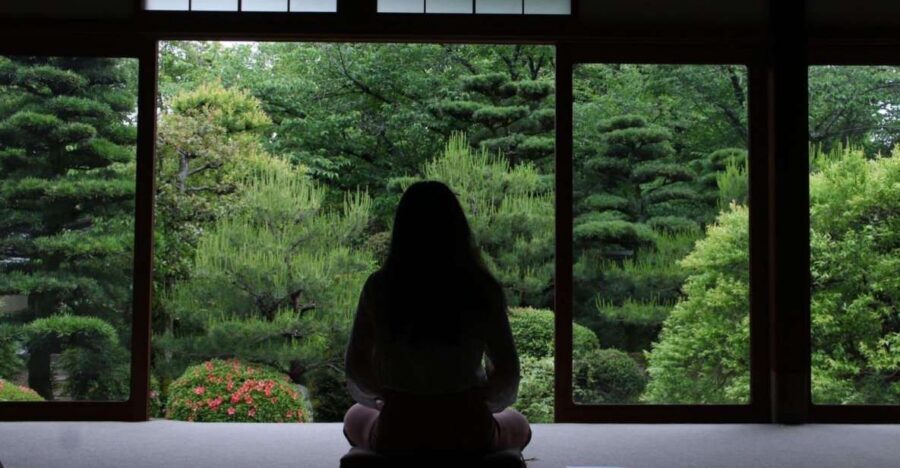
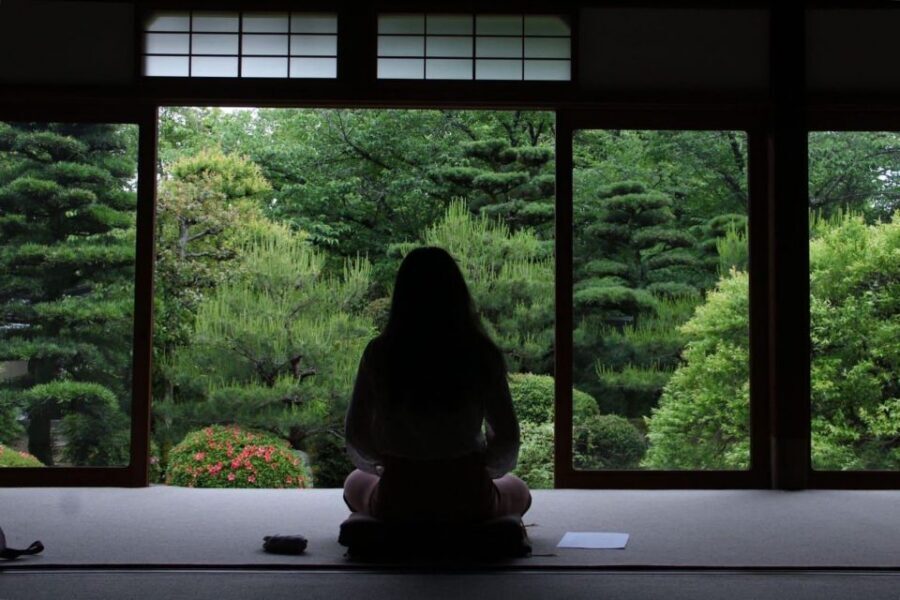
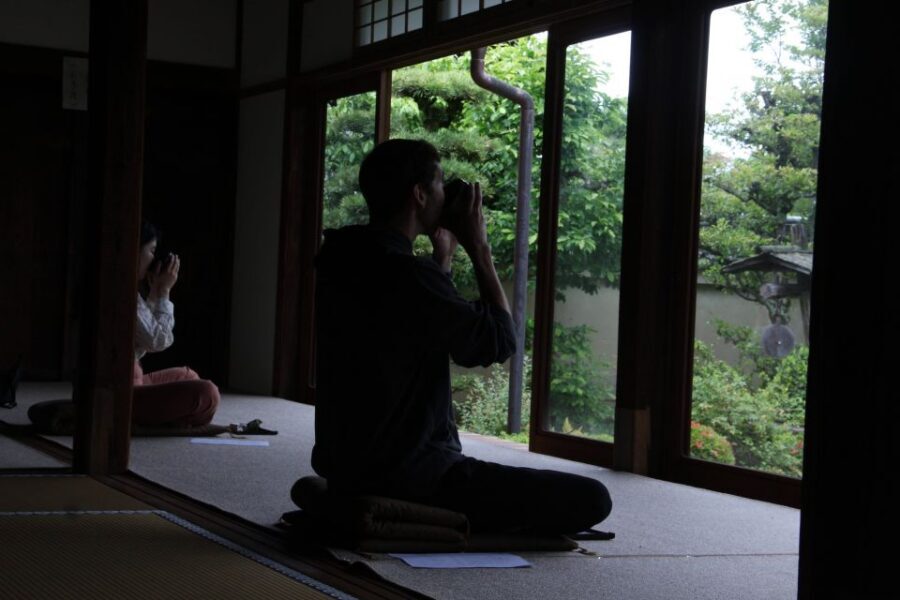
The main event is zazen meditation with Eitetsu Nishida, the 16th generation abbot of Jusho-in. You’ll do two sets of zazen, each about 20 minutes, with guidance and explanations.
Here’s what makes this worth your time: the teaching isn’t theoretical. The chief priest and supporting staff guide you into posture and mindset, so you can spend your effort on practicing instead of guessing. Most people can follow the basics quickly, but the real challenge is staying with the experience when your brain wants to multitask.
A couple of practical notes help you prepare. Seating for the meditation is assigned based on reservation order. If you know you’ll need a better setup, book earlier. Also, chairs are available if you need assistance during zazen, so you’re not forced to choose between discomfort and quitting.
From what the experience emphasizes, you’ll get a clear sense of Zen’s emphasis on direct experience—especially in Rinzai Buddhism, which is known for intense practice. That means you’re not being handed a stack of texts. You’re being asked to show up on the spot and practice.
One more detail that can affect your comfort: the experience takes place rain or shine. Cold weather can be a factor, and you may be offered help to stay warm so you can focus on sitting rather than shivering through it.
The chief priest’s sermon: why the teaching part matters
After the temple portion begins, you also receive a chief priest’s sermon and guided context around Zen and zazen. This is where the session becomes more than a mindfulness “class.”
Eitetsu Nishida is described as cheerful, and he has a real-world backstory: before becoming a monk, he worked as a national public servant for 10 years. That combination often comes through as a practical teaching style—less performance, more clarity.
In Zen, the point isn’t to impress you with big concepts. It’s to help you experience the practice correctly. That’s why you’ll hear explanations on how to enjoy matcha later too—the same attention that steadies you in zazen is what makes tea meaningful.
Matcha lesson: learning the story before the sip
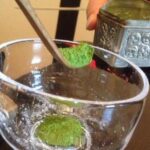
After zazen, you shift from sitting to tasting. You’ll learn about matcha and its history from Eitetsu Nishida, then you’ll be guided into the right way to enjoy it.
This sequencing is smart. If you drink matcha first, it can turn into just another Kyoto snack. When you learn first, matcha becomes a small practice in attention—how you receive it, how you pause, and how you notice flavor and texture.
Matcha also ties into Zen because tea culture historically rewards calm observation. It’s a controlled pace. Nothing is rushed. Even if you’ve had green tea before, matcha tends to feel more concentrated and more deliberate.
And if you’re the type who likes cultural context, this is one of the more satisfying parts of the tour format: you aren’t only told what matcha is—you’re taught how to approach it.


The 400-year garden tea break (and why the setting changes everything)
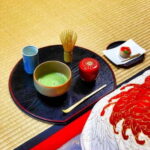
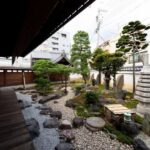
Next comes Japanese tea and sweets while you appreciate the garden. Jusho-in’s garden is attributed to Eitoku Kano, a renowned 16th-century painter, and it’s said to remain unchanged since it was created.
The season-based beauty is part of the attraction. You can see different moods depending on the time of year—cherry blossoms in spring, fresh greenery in summer, autumn leaves, and snow in winter. That matters because your tea experience isn’t in front of a screen. It’s in front of a living scene that changes without your effort.
You’ll drink matcha with traditional seasonal sweets. This matters for more than taste. The tour links sweet and tea as a designed pairing, which keeps the focus on savoring rather than grabbing and moving on. It’s one of the reasons so many people rate this so highly: the whole experience stays slow.
The photo keepsake: calm moments captured without stealing them
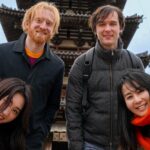
A photographer takes pictures during your session, and you receive the photo data a few days after the tour ends. In other words, you can focus on the practice instead of trying to perform for your camera.
This is a quiet win. Temple experiences often make you choose between being present and documenting. Here, the photo work is handled, so you don’t have to keep turning your head during meditation.
If you’re sensitive about distractions, this format is usually the easiest compromise: you get a keepsake, but you’re not spending the entire time in selfie mode.
Price and value: what $109 buys in real terms
At around $109 per person for about 2 hours, you’re paying for more than a ticket to a temple. You’re paying for a structured, guided practice with the chief priest plus tea instruction and a photo keepsake.
Here’s the breakdown of what you actually get:
- Access to the temple experience with an entry ticket
- The chief priest’s sermon and guided zazen
- Matcha and Japanese tea with sweets
- Photos taken during the experience, delivered later
That’s a lot of included value in a short time. Also, the group style matters. The experience is offered with private or small groups, which is one of the reasons people describe the atmosphere as peaceful rather than crowded chaos.
So is it worth it? If you want a simple, guided path to learn zazen properly and you care about tea as a cultural practice, yes. If you’re only looking for photos and wandering, you could spend less time elsewhere.
Who should book this zazen and matcha experience
This tour fits best if you want:
- A serene morning away from the toughest parts of Kyoto tourism
- A real introduction to zazen with hands-on guidance
- A matcha experience that includes instruction, not just tasting
It also suits a wide range of ages. The experience is open to all ages, and chairs are available for those needing assistance during zazen. You’re not required to do a complicated yoga routine. The work is mostly mental attention plus sitting posture.
The main mismatch is if you know you strongly dislike sitting still for long periods. Even though each zazen segment is about 20 minutes, you will still feel the challenge. And while chairs exist, the overall setting and etiquette still require patience.
Also, skip the rented kimono if you can. The experience notes that kimono can make sitting comfortably difficult for meditation.
Practical tips: how to show up ready to practice
You don’t need special gear, but you do need the right mindset and a few small preparations.
Wear something comfortable for sitting. Plan for rain or shine, since the experience happens in all weather. If you tend to get cold easily, expect that comfort may become part of your focus—help like blankets may be available.
Don’t bring alcohol or drugs. Avoid weapons or sharp objects. These are rules for keeping the space safe and respectful.
If you’re thinking about footwear and temple etiquette, this is a seated practice inside a temple environment, so you’ll do better with simple, easy-on/off shoes. Beyond that, keep it practical.
Finally, arrive with the goal of practicing rather than collecting facts. You’ll get plenty of explanations, but the experience lands best when you let the sitting guide your attention.
Should you book this Kyoto Zen experience?
Book it if you want a calmer Kyoto day with real practice, not just sightseeing. Zazen with Eitetsu Nishida plus a guided matcha and sweets session is a strong pairing because it connects two parts of Japanese culture through attention and routine.
I’d skip it if you’re looking for maximum time exploring multiple sites. This is a focused two-hour experience. You’ll walk in, sit, learn, drink tea, and leave with a clear memory of how Zen feels in real time.
If you can handle sitting still and you want quiet in a city that rarely offers it, this is the kind of Kyoto activity that’s easy to recommend—and hard to forget.
FAQ
How long is the experience?
It lasts about 2 hours, including explanations for zazen and the tea/matcha portion.
Where do I meet?
You meet at the north gate of Myoshin-ji Temple, with 2 starting location options depending on what you book. Meeting point may vary by option.
Is the tour in English?
Yes. The experience is offered with an English live tour guide.
Will I be seated comfortably during zazen?
Seating is assigned in reservation order. Chairs are available for those who need assistance during zazen.
What happens after the meditation?
After zazen, Eitetsu Nishida guides you on enjoying matcha, and you’ll have Japanese tea and traditional seasonal sweets while appreciating the garden.
Do you get a photo?
Yes. A photographer takes photos during the experience, and you receive the photo data as a keepsake a few days after the tour.
Should I wear a rented kimono?
The experience notes that kimono rental can make it difficult to sit and meditate comfortably, so it is not recommended.