REVIEW · KYOTO
Kyoto Early Riser Golden One-Day Walking Tour
Book on Viator →Operated by KAMNAVI Tours · Bookable on Viator
Kyoto wakes up early, and this tour fits that perfectly. You get a private day designed around Kyoto’s biggest landmarks: Fushimi Inari-taisha’s torii tunnel, Arashiyama’s bamboo hush, Ryoanji’s Rock Garden, and Kinkakuji’s Golden Pavilion—then you finish with a stroll through Nishiki Market. My favorite parts are the licensed guide commentary (with real context at each stop) and the relaxed feel of a private walk instead of a cattle-herd schedule. One thing to consider: it’s a long day with a fair amount of walking, so comfy shoes matter.
You start at Kyoto Station Building 901, and you’ll rely on a mix of trains/buses/taxis as needed, with a mobile ticket provided. The guide keeps things efficient, but they also handle pacing—something you’ll feel most during the temple crowds and transitions between neighborhoods.
In This Review
- Quick hits from the Kyoto Early Riser Golden One-Day Walking Tour
- Why an early start makes Fushimi Inari and Arashiyama feel different
- Price and logistics: what the $119.30 really means on the ground
- Meeting at Kyoto Station: how the private format changes your whole day
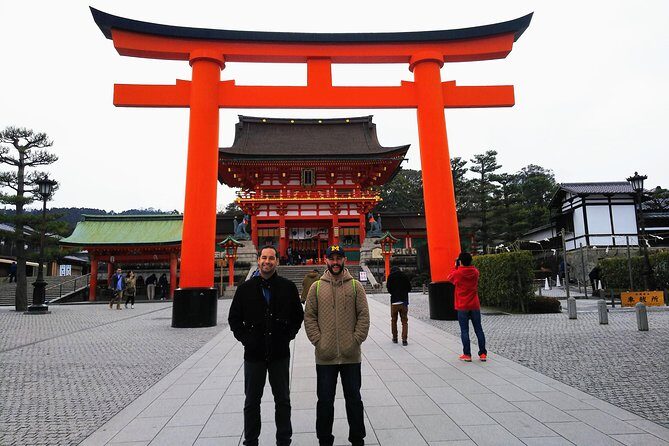
- Stop 1: Fushimi Inari-taisha’s torii tunnel at walking pace
- Stop 2: Arashiyama Bamboo Forest—where quiet matters
- Stop 3: Ryoanji Temple and the Rock Garden’s small-but-hard-to-interpret magic
- Stop 4: Kinkakuji Golden Pavilion—photos are great, but the timing is the real win
- Stop 5: Nishiki Market stroll—taste-first, don’t wander forever
- Walking and timing: how to make the 8-hour loop actually work
- Guide quality is the product here (and names you might request)
- Who this Kyoto walking tour is best for
- Should you book this tour?
- FAQ
- How long is the Kyoto Early Riser Golden One-Day Walking Tour?
- What places do you visit on this one-day tour?
- Is the Ryoanji Temple entrance fee included?
- Are meal costs included in the price?
- Where is the meeting point, and how does ticketing work?
- Is this a private tour?
- What if weather is bad?
Quick hits from the Kyoto Early Riser Golden One-Day Walking Tour
- Private, your pace: it’s just your group, so questions, photo stops, and rest breaks don’t get treated like a problem.
- Licensed guide power: names that show up in past experiences include Sumiko Yoshikawa, Tomoko, Satomi, and Kazuo—each praised for turning the sites into stories.
- Early start rhythm: you tackle the most famous spots before the day fully heats up and the lines thicken.
- Temple timing with realistic tickets: Fushimi Inari and Arashiyama are free, while Ryoanji costs extra (and Kinkakuji is also listed as not included).
- Nishiki Market snack strategy: a short, useful window to taste without getting stuck wandering for hours.
- Walking + public transport included in the plan: the day is built for movement, not sitting.
Why an early start makes Fushimi Inari and Arashiyama feel different
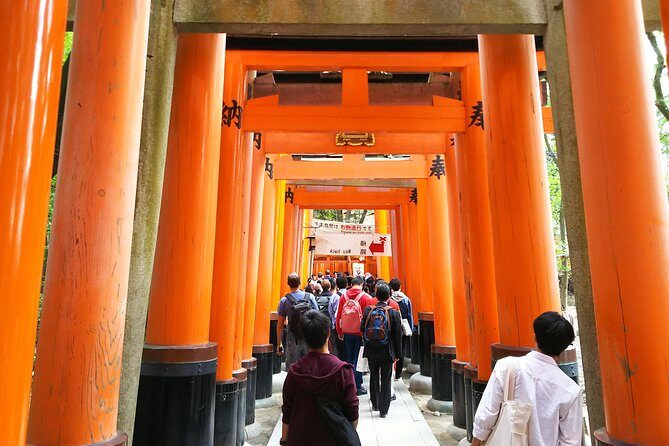
This tour is called an early riser for a reason. Kyoto’s top sights draw lines fast, and Fushimi Inari-taisha is the kind of place where your experience changes when you arrive. Going first means you can actually look up at the torii gates and feel the scale, instead of constantly pausing to let the crowd flow swallow your camera angles.
Arashiyama has a similar “timing magic.” When light hits the bamboo and the air feels cooler, you notice the details more—the look of the stalks, the way the breeze moves through the grove, and how the area calms down compared with later hours. The tour’s structure gives you time to walk it properly, not just stamp through it.
The practical takeaway: if you hate spending your day in queues, the early rhythm is the point. It’s also why this works especially well for first-timers. You get the icons without feeling like your whole vacation turned into logistics.
You can also read our reviews of more walking tours in Kyoto


Price and logistics: what the $119.30 really means on the ground
The tour price is $119.30 per person, and it includes the professional guide. That’s the core value: you’re paying for someone to translate the meaning of what you’re seeing, help you move between neighborhoods, and keep the day organized.
What’s not included is where you should plan your budget:
- Public transportation fare: ¥1,670 per person
- Ryoanji Temple admission: ¥1,100 per person
- Kinkakuji Temple admission is listed as not included (amount not specified in the data you shared)
- Meals are not included
My advice: treat this as a “temples + movement” day. If you go in assuming you’ll pay some entrance fees and commute costs, you won’t feel surprised mid-day. If you’re the type who likes to grab a snack and keep moving (instead of settling into a long lunch), you can keep meals simple and still have a memorable day.
Meeting at Kyoto Station: how the private format changes your whole day
Your tour starts at Kyoto Station Building 901 (901 Higashishiokōjichō, Shimogyo Ward). That’s a smart meeting point: it’s easy to reach, and it keeps you from losing time hunting for a pickup location in a maze of streets.
Because it’s private, your day isn’t “one-size-fits-all.” That matters in Kyoto. Temple etiquette, photo timing, and even the order you walk within a complex can affect how the experience feels. In past experiences, guides have been praised for:
- giving clear explanations in the moment (so you know what you’re looking at)
- adjusting pacing for comfort (including rest stops)
- helping with practical things like translation when shopping
If you want a day that feels like Kyoto is for you—not like you’re being processed—this format is the reason.
Stop 1: Fushimi Inari-taisha’s torii tunnel at walking pace
You’ll spend about 1 hour at Fushimi Inari-taisha, and admission is free. The headliner here is the tunnel of thousands of vermilion torii gates. Even if you’ve seen photos, standing in it changes how it hits. It’s the repetition—gate after gate—that makes the place feel almost architectural rather than decorative.
What I’d focus on:
- slow down for your first 10 minutes so your eyes adjust
- look for viewpoints where the gates stack in depth
- treat it like a walk with purpose, not a sprint to the top
A small consideration: crowds can still build, even early. If your goal is photos, go for fewer, better frames from angles where you’re not constantly battling heads in your foreground.
Stop 2: Arashiyama Bamboo Forest—where quiet matters
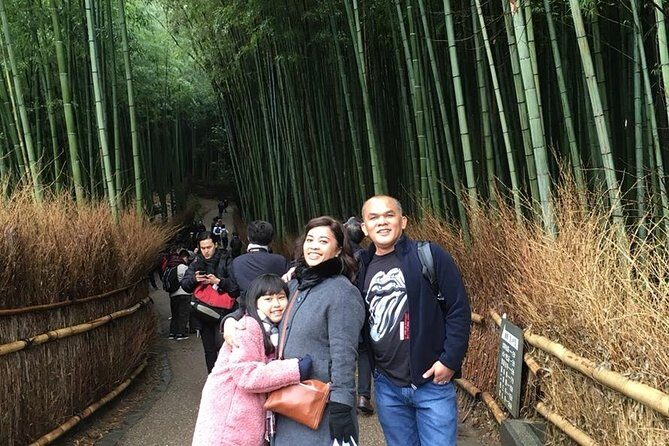
Next you move to Arashiyama for about 1 hour 10 minutes. Admission is free. The bamboo forest is famous for a reason, but the real experience is less about the visuals and more about the atmosphere. With light filtering through and leaves moving overhead, it’s one of those places where the soundscape becomes part of the memory.
This stop works well on a private itinerary because you can:
- pause whenever you want a slower look
- step aside without worrying you’ll lose the group
- keep your pace steady rather than rushing from one viewpoint to the next
If you’re traveling in hot months, consider asking your guide for a water-and-shade moment when you feel it. In past experiences, guides have been mindful about breaks even during tough weather, which helps keep the day enjoyable instead of miserable.

Stop 3: Ryoanji Temple and the Rock Garden’s small-but-hard-to-interpret magic
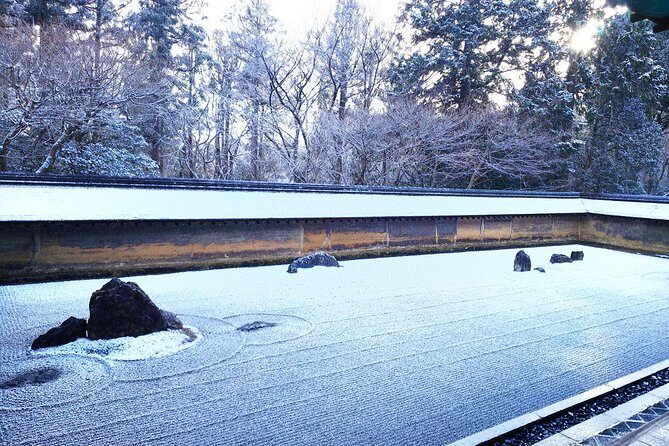
You’ll spend about 50 minutes at Ryoanji Temple. The Rock Garden itself is the big draw, and it’s a UNESCO World Heritage Site. Admission is not included, and the data lists ¥1,100 per person for Ryoanji.
The interesting thing about the Rock Garden is that it’s simple on the surface—rocks and white sand—yet it doesn’t feel simple when you’re there. You start noticing how perspective plays tricks on you, and why the design has been discussed for centuries.
A realistic drawback: 50 minutes can feel short here if you’re the type who loves to sit and think. The good news is that a guide can help you focus your attention quickly—so you get the meaning without needing hours of self-guided guesswork.
Stop 4: Kinkakuji Golden Pavilion—photos are great, but the timing is the real win
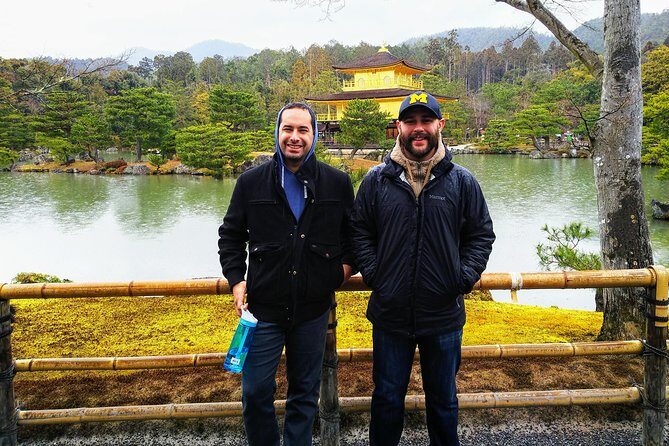
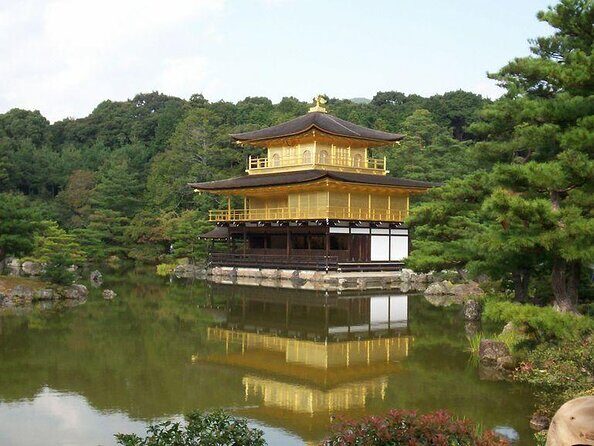
Your Kinkakuji Temple stop runs about 50 minutes. Admission is also listed as not included. Even when it’s crowded, it’s still worth it. The Golden Pavilion is iconic, yes—but the grounds and the reflections around it make it more than just a single photo target.
Here’s how to make the most of your time:
- spend a few minutes just looking before you start snapping
- try to catch how the setting frames the pavilion, not only the pavilion itself
- use your guide’s timing advice so you’re in the right spots when the flow of people shifts
Past experiences highlight guides who are skilled at keeping the day smooth across multiple sites. That matters here. Kinkakuji can swallow time if you’re lost in the crowd. A private, organized approach keeps you from wasting your energy.
Stop 5: Nishiki Market stroll—taste-first, don’t wander forever
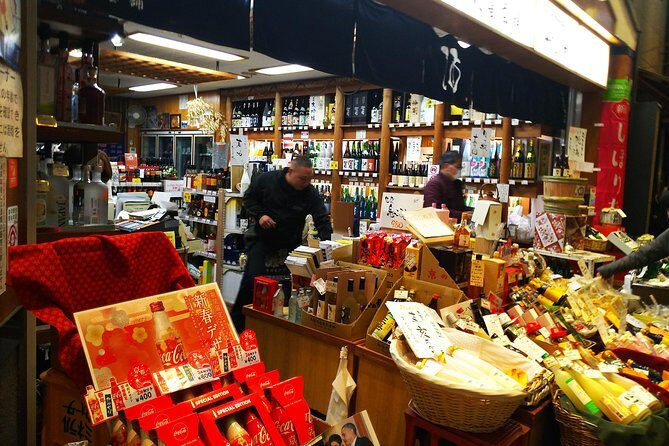
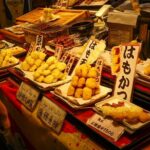
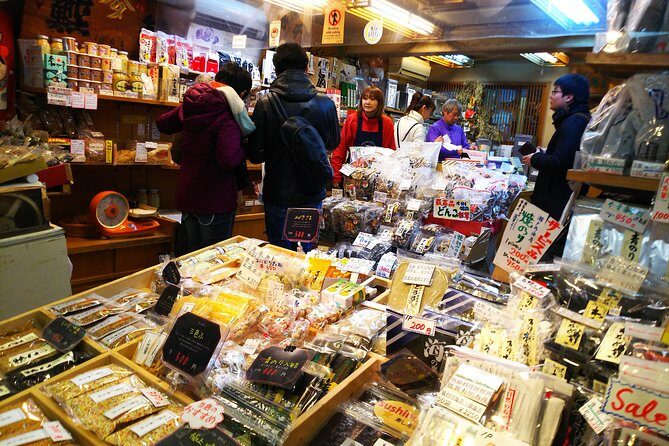
You’ll finish with about 40 minutes at the Nishiki Market Shopping District. Admission is free. This area is famous for a street packed with shops—about 126 shops lined up along a roughly 390-meter stretch—and the idea is simple: snack while you walk.
Because the time window is limited, treat it like a tasting mission:
- pick a couple of things you genuinely want, not just whatever looks good
- ask your guide what to try first (they can help you avoid duplicates)
- if you see something regional that you can’t easily replicate at home, that’s usually a good bet
In past experiences, guides have also helped with lunch and food recommendations, including sushi spots. That food support is part of the value here. You don’t just see markets—you learn how to use them.
Walking and timing: how to make the 8-hour loop actually work
The tour is about 8 hours and includes quite a bit of walking, plus public transportation between neighborhoods. You’ll want to come ready for movement and keep your day simple.
A few practical tips:
- Wear shoes you can walk in for hours. Kyoto’s ground can be tricky underfoot.
- Carry water and a small towel if you tend to run hot.
- Plan for the fact that temple grounds have their own walking rhythm—stairs, small paths, and waiting lines in pockets.
Also, this is rated for moderate physical fitness. That doesn’t mean it’s extreme—it means you should be comfortable walking most of the day. In earlier experiences, guides have even stepped in with extra care for people who needed help navigating, so your guide can help you manage real-life needs if you communicate them.
Guide quality is the product here (and names you might request)
The tour lists a professional guide as included, and the reviews you shared make it clear that guides are the difference-maker. Many experiences praised guides for being organized, friendly, and ready with context at each stop.
Some guide names that came up in highly positive feedback include:
- Sumiko Yoshikawa: praised for professional organization and tailoring to interests
- Tomoko: repeatedly highlighted for energy, humor, and making the day feel fun
- Satomi: known for being mindful of rest breaks, even in harsh heat
- Kazuo: praised for practical cultural explanations and helpful translation during shopping
- Keiko: noted for photo help and extra recommendations for food during the day
- Masa, Chie, Toshi, Hiro, Hironori, Meg, Michiko, Naoko, Nozomi, Fujihara: all show up in strong feedback for different reasons—history stories, pacing, efficiency, and comfort
If you can choose a guide or request preferences when booking, these names are worth considering. Even without that option, the consistent theme is clear: the guide’s role isn’t just “lead the way.” It’s making Kyoto make sense.
Who this Kyoto walking tour is best for
This tour fits best if you:
- want Kyoto highlights in one day without planning the route yourself
- like learning why places matter, not only snapping photos
- prefer a private pace over waiting for a group
- appreciate food stops and want a guided way to snack at Nishiki Market
It may not be the best fit if you:
- want a mostly seated day with long café breaks
- hate walking and don’t want to manage transit between areas
- prefer deeper time in one temple instead of sampling several iconic sites in a loop
Should you book this tour?
Yes, I’d seriously consider booking if your schedule is tight and you want a structured, early-start day with a guide handling the hard parts. You’re paying for organization, context, and pacing—especially valuable for first-timers hitting Fushimi Inari, Arashiyama, Ryoanji, and Kinkakuji in one go.
If you hate crowds, the early timing is a real advantage. If you hate surprises, budget for the listed extra costs (transport plus Ryoanji and likely Kinkakuji admissions). And if you want an easy day that still feels personal, the private format is where this experience wins.
FAQ
How long is the Kyoto Early Riser Golden One-Day Walking Tour?
It’s listed as about 8 hours.
What places do you visit on this one-day tour?
The tour includes Fushimi Inari-taisha, Arashiyama, Ryoanji Temple, Kinkakuji Temple, and a walk through Nishiki Market Shopping District.
Is the Ryoanji Temple entrance fee included?
No. Ryoanji admission is not included and is listed as ¥1,100 per person.
Are meal costs included in the price?
No. Meals are not included.
Where is the meeting point, and how does ticketing work?
You meet at Kyoto Station Building 901. The experience uses a mobile ticket, and confirmation is received at booking.
Is this a private tour?
Yes. It’s private, meaning only your group participates.
What if weather is bad?
The experience requires good weather. If it’s canceled due to poor weather, you’ll be offered a different date or a full refund.