Kyoto clicks into place when you’re on two wheels. This Hidden Kyoto e-biking tour pairs Kinkakuji and other top temples with the calmer side streets most visitors never get to see. I like that it’s built for real movement—about 8 kilometers total—so the trip feels like Kyoto, not a long bus stop shuffle.
My favorite part is the small-group pacing. With a max of 8 people and an English-speaking route coordinator, you get time to roll in, look up close, ask questions, and still keep the day from turning into a lecture marathon. The other big win: the e-bike setup and training means you can handle steeper bits without arriving wiped out.
One possible drawback: you’ll need to show up on time and ride the whole loop. If you’re late and miss departure, you won’t get refunded, and if you choose not to ride the bicycle, there’s no refund either.
In This Review
- Key highlights worth knowing
- Kyoto by E-Bike: Why This Route Feels Less Like a Tour
- NORU Kyoto Bike Tours: The Start That Sets the Tone
- The Ride Itself: 8 Kilometers, Real Roads, No Drama
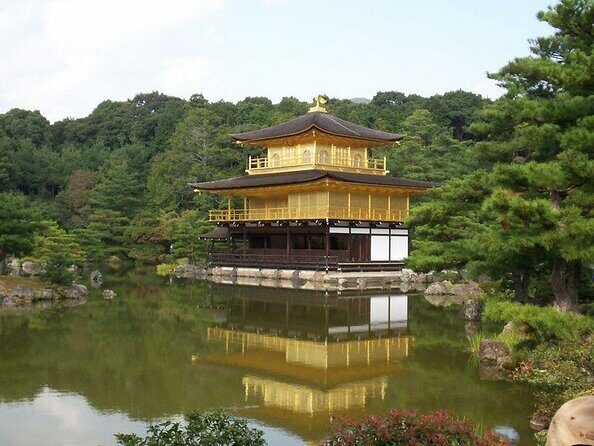
- Stop 1: Kinkakuji Temple Without Feeling Trapped
- Stop 2: Daitoku-ji Temple Complex and the Zen-Garden Perspective
- Stop 3: Kitano Tenmangu Shrine and the Soul of a Neighborhood
- Stop 4: Koto-in and the Art of Not Rushing
- Stop 5: Zuihoin and the Calm Ending Moment
- The Tea Stop: When Kyoto’s Stories Come With a Cup
- The Guides: Storytelling That Actually Helps You See
- Electric Bikes and Confidence: What You Need to Know Before You Go
- Price and Value: Is $116 Worth It
- Who This Tour Fits Best (and Who Might Prefer Another Style)
- Should You Book the Hidden Kyoto E-Biking Tour?
- FAQ
- What is the duration of the Hidden Kyoto e-biking tour?
- How far do you ride?
- Where do you meet for the tour?
- What time does the tour depart?
- What’s included with the ticket?
- Is food included?
- How old do you have to be to join?
- How many people are on the tour?
- Do I need good weather?
- What’s the cancellation window?
Key highlights worth knowing
- E-bikes that handle Kyoto’s hills without killing your legs
- Top sights plus side-street quiet instead of only the main crowds
- English-speaking guide with temple etiquette tips (how to behave, not just what to see)
- Daitoku-ji and Kitano Tenmangu on a route that keeps you moving
- A tea-and-sweets pause with a long-running backstory on some days
- Easy logistics for a half-day that starts and ends at NORU Kyoto Bike Tours
Kyoto by E-Bike: Why This Route Feels Less Like a Tour
Kyoto has a way of exhausting you. Even when you love temples, the classic pattern—walk, queue, shuffle, repeat—can wear out your legs and your patience fast. This tour solves that problem by using e-bikes to connect major sites with quieter neighborhoods.
What makes it “Hidden Kyoto” in a useful way is the mix: you do see big-name stops, but you also get the in-between parts. That means little streets, smaller temple lanes, and calmer temple corners where you can actually slow down and notice details like garden shapes, stone paths, and the rhythm of shrine life.
The pace helps too. It’s a half-day ride (about 3 hours 45 minutes) built around an easy-going route where most people over 13 can participate with minimal effort. Even better: the e-bike motor support keeps the trip fun rather than grindy.
You can also read our reviews of more cycling tours in Kyoto


NORU Kyoto Bike Tours: The Start That Sets the Tone
Your morning starts at NORU Kyoto Bike Tours at 429-22 Takigahanachō, Kamigyo Ward. The tour is scheduled to depart at 8:30, 9:00, 12:30, or 1:00, and you should arrive about 15 minutes early so you can get ready on time.
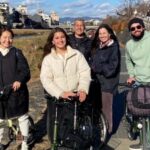
This matters because the first minutes decide how smoothly your ride goes. The bike pickup includes:
- a rental foldable bike
- a rental helmet
- an English-speaking route coordinator
- water
In practice, you should expect a quick orientation and training. Several guides have been praised for making new riders feel comfortable, including helping people who hadn’t biked in years. If you’re nervous, don’t pretend you’re not. Tell the staff at check-in. You’ll get the kind of help that prevents you from white-knuckling through the first stretch.
The Ride Itself: 8 Kilometers, Real Roads, No Drama
The route is short enough to feel like a bike outing, not a training session. You’re looking at around 8 kilometers (about 4.9 miles) total, with about 7 kilometers described as the main ride segment after you’re outfitted.
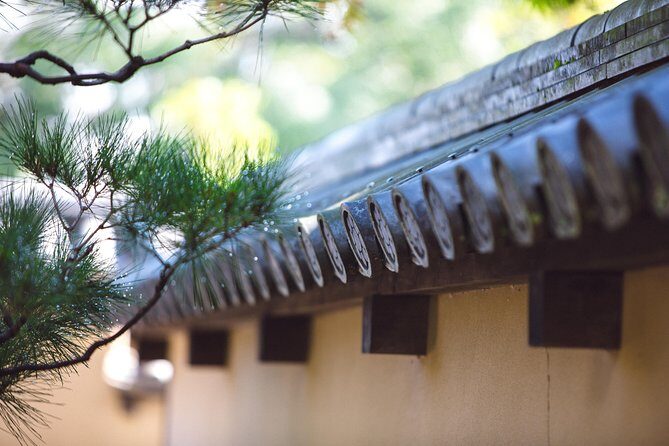
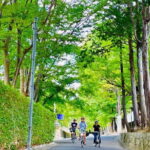
Kyoto roads can be confusing on foot, but from a bike seat you get something special: movement plus viewpoint. You glide past shop fronts, neighborhood walls, and temple approach roads without the stop-and-start energy of walking.
And the e-bike changes the whole math of the day. One recurring theme in the experiences shared is that the motor support makes Kyoto’s hills feel manageable—so you get to enjoy the ride instead of saving all your energy for later.
Stop 1: Kinkakuji Temple Without Feeling Trapped
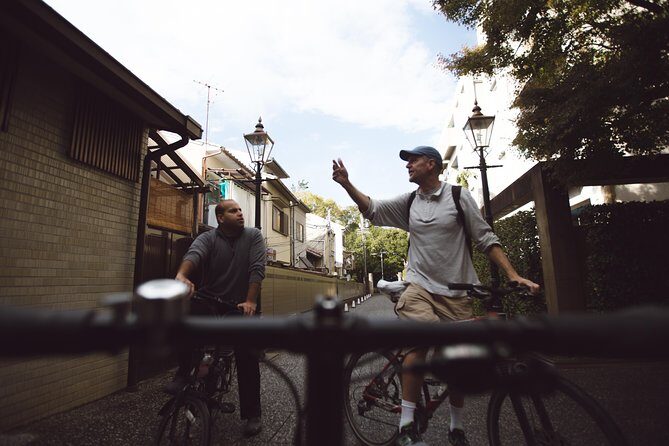
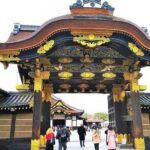
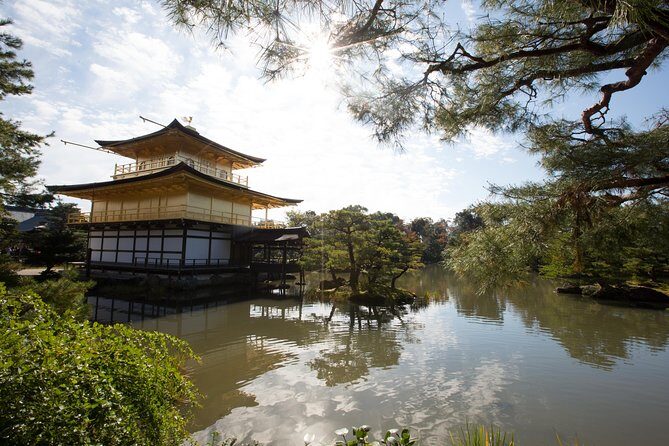
You kick things off at Kinkakuji Temple. This is one of Kyoto’s star attractions, and yes, it can draw crowds. The smart part here is how the tour uses timing and direction: you’re not just arriving on your own and getting stuck in a swirl. Instead, you’re cycling in as part of a planned route, then taking time to look carefully once you’re there.
Why Kinkakuji works on an e-bike tour: it gives you an iconic starting point, and then you can transition quickly into quieter areas. You don’t spend the whole day only seeing what everyone else sees. You use the fame as a launchpad.
When you’re there, watch for how the guide frames the temple’s setting—how it sits in relation to the garden and the surrounding approach paths. Those little context cues help you experience the place as more than a photo spot.
Stop 2: Daitoku-ji Temple Complex and the Zen-Garden Perspective
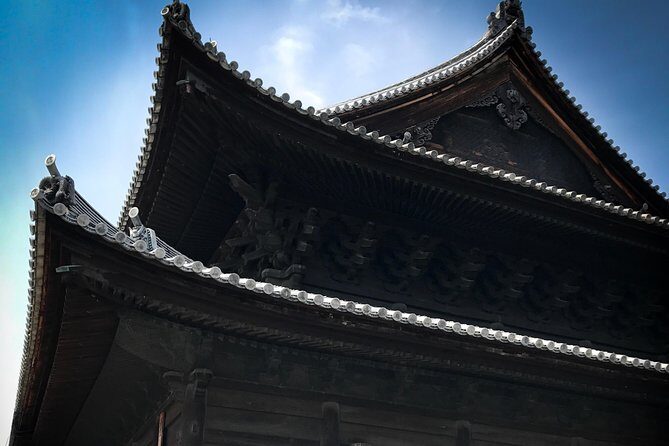
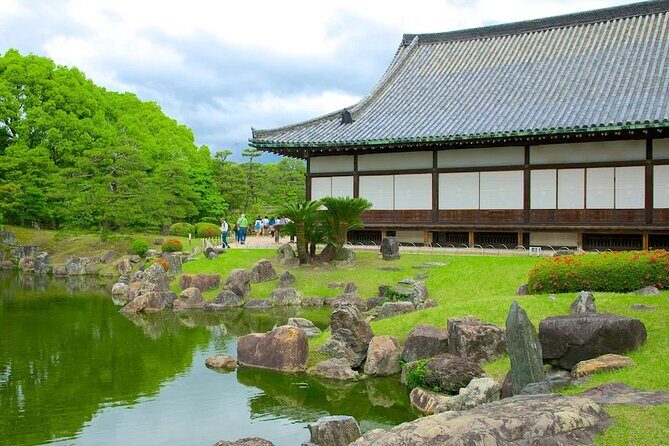
Next is Daitoku-ji Temple Complex. If Kyoto has a “quiet mind” side, it shows up here. This is where the tour becomes more than sightseeing and starts teaching you how to look.
In the way the guides have explained these stops, you’ll often get temple visit etiquette and the meaning behind what you’re seeing—things like how Zen spaces are meant to be calm, and why gardens and architecture are arranged the way they are.
One of the best practical perks: you can linger without feeling guilty about falling behind. On a walking tour, you might rush because you’re afraid to hold the group up. Here, you can spend a little longer at Daitoku-ji and still keep the overall timing relaxed.
A few more Kyoto tours and experiences worth a look

Stop 3: Kitano Tenmangu Shrine and the Soul of a Neighborhood
You’ll then head to Kitano Tenmangu Shrine. This is a place locals know and care about, not just a distant landmark on a map.
From the bike seat, you get a more grounded view of how the shrine sits inside daily life. You ride through approaches that feel more like a neighborhood flow than a tourist corridor, and that makes the shrine feel part of Kyoto’s living rhythm.
What I’d pay attention to here is the way guides connect Shinto and everyday shrine culture to what you see on the ground. When guides explain the customs behind visiting shrines and how people behave there, the visit turns from passive to thoughtful.
Stop 4: Koto-in and the Art of Not Rushing
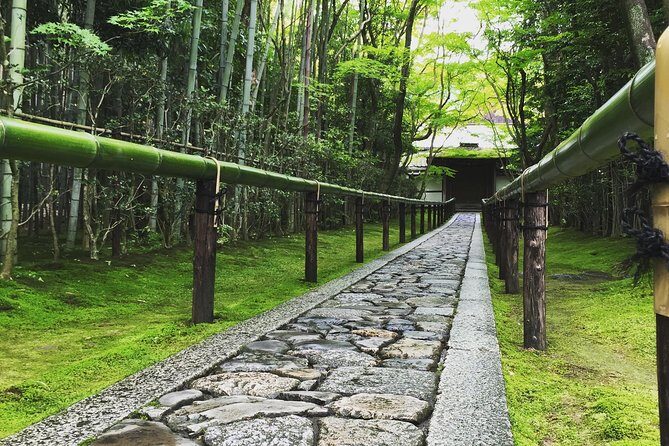
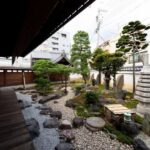
Your next stop is Koto-in. The “hidden” feel in Kyoto often comes from places like this—temples where you don’t just get one big view. You get small scenes, garden edges, and quiet spaces that reward slowing down.
A common theme in the guide praise is storytelling that comes with permission to look. People have specifically mentioned that the tours are not rushed and that there’s time for questions and personal interests. That matters because Koto-in is the kind of place where details are easy to miss if you’re hurried.
Stop 5: Zuihoin and the Calm Ending Moment
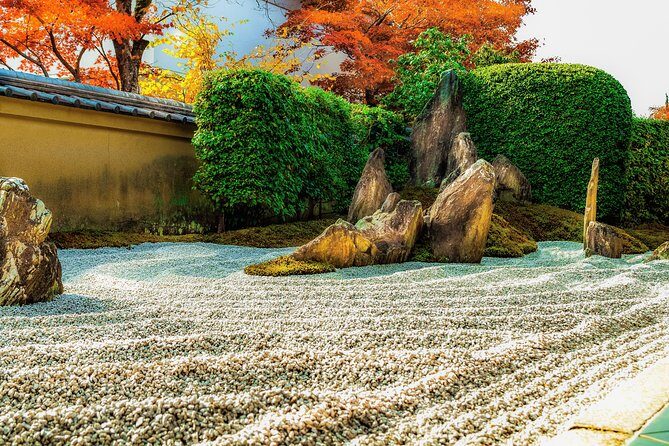
The last listed stop is Zuihoin. This is where the tour often feels like it finishes on a lighter emotional note. Zen gardens and quieter temple corners tend to leave you in a different mood than the morning rush.
Some experiences also mention a calmer Zen-style ending element. Even if you’re not a big temple person, this is often the part that makes the morning stick in your memory—because it’s the quietest stretch.
Also, don’t be shocked if you end with that slow “wait, I’m still here” feeling. Kyoto has a way of making you notice your breathing when you stop rushing.
The Tea Stop: When Kyoto’s Stories Come With a Cup
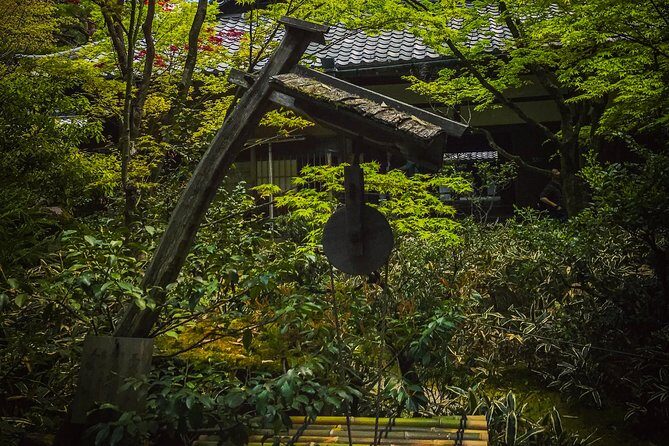
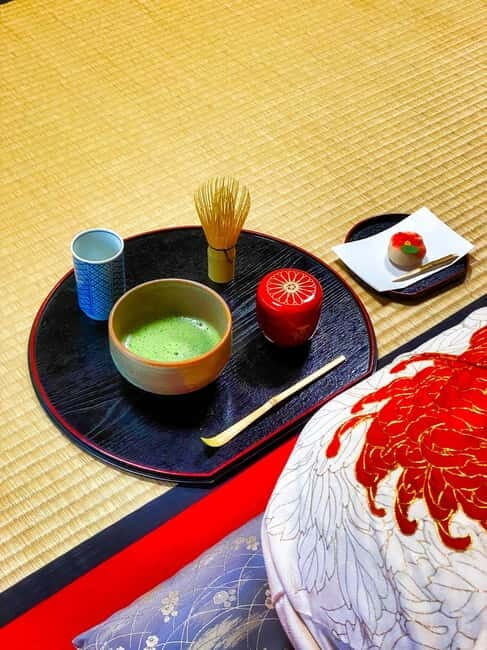
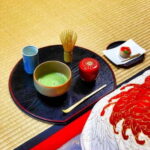
Food and drinks aren’t automatically included on the standard list, but a tea pause shows up in the experience details people share. One especially specific mention: a tea-and-sweets break at a place described as 1025 years old across 28 generations, with the guide sharing the background while you sit.
So here’s the practical takeaway: plan to have a small budget for a drink or snack. It’s not about fueling up—it’s about slowing down at the exact moment the route gives you that chance.
If you’re the type who likes to know what you’re eating and why it’s part of the local ritual, this tea stop can be more memorable than a meal.
The Guides: Storytelling That Actually Helps You See
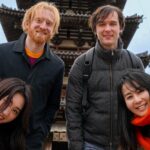
The English-speaking route coordinator is a major part of the value. Several guides have been highlighted by name, including Yuta, Michael, Henry, Sean, and Shizuka. What gets praised most is not just fact-tossing, but storytelling that ties back to how to understand Shinto vs. Buddhist traditions, samurai-era context, and etiquette at temples.
One practical note: storytelling quality varies by person, and one set of feedback mentioned that one guide’s pacing leaned heavy on history talk for a short duration. That doesn’t mean the tour is bad—just be aware that the tour uses narration as part of the experience.
If you want less talking and more quiet looking, you can still manage it by asking focused questions at stops. Guides often handle questions well, especially when you ask what to notice next.
Electric Bikes and Confidence: What You Need to Know Before You Go
You don’t need to be an expert cyclist. The tour is designed for people 13 and up, and it’s described as easy, safe, and fun with minimal effort.
But you should bring a little honesty to the saddle:
- If you’re new to biking, tell the guide at the start. Training helps.
- If you’re worried about hills, the e-bike support is the whole point.
- If it’s rainy, you’ll benefit from being ready with a rain layer.
Rain comes up in the shared experiences. Guides have been praised for handling wet conditions calmly and being prepared with rain support. Still, I’d pack your own raincoat or poncho and weatherproof gloves if the forecast looks questionable.
Price and Value: Is $116 Worth It
At $116 per person for about 3 hours 45 minutes, this isn’t a budget bargain, but it also isn’t pricing that feels out of line for a small-group guided tour with equipment.
Here’s what you’re paying for in real terms:
- e-bike rental + helmet (you’re not hunting for gear)
- English-speaking coordinator (the stops make more sense with context)
- water included
- a route that hits multiple major temples plus quieter areas in one morning/afternoon
If you tried to do this on your own, you’d still need transport between sites, map work, and enough flexibility to avoid spending hours stuck in traffic or crowd choke points. This tour buys you time and smoother flow, especially with a maximum of 8 travelers.
If you’re a first-time Kyoto visitor, it’s often a great value day because it gives you a mental map. If you’ve been to Kyoto before, it can still feel worth it because it aims for less-touristy streets and temple corners.
Who This Tour Fits Best (and Who Might Prefer Another Style)
This is a strong fit if:
- you want to see Kinkakuji and more without turning it into a grind
- you like temples but also want city streets, not just temple gates
- you want a calm pace with guidance and etiquette tips
- you’re willing to ride a bike for a few hours, even if you’re not a cyclist
It might not be ideal if:
- you’re hoping for a purely self-guided experience with zero narration
- you dislike hills and want a truly low-effort walk-only day (even with e-bike help, you’ll still pedal)
- you get stressed by schedules and late arrivals
Should You Book the Hidden Kyoto E-Biking Tour?
I’d book it if you want Kyoto with less friction. This tour is built for motion plus meaning: big names up front, quieter temple energy in the middle, and a calmer ending that makes you feel like you saw the city, not just monuments.
If you’re celebrating Kyoto by eating, shopping, or wandering with no plan, you might choose a different day. But if you want an efficient, enjoyable way to cover major sites and slip into the quieter parts of Kyoto, this is one of the smartest choices at its price point.
If you can, pick an early departure. Starting in the morning usually helps you feel less crowded at the famous stops, and it gives you the rest of the day to keep exploring on your own.
FAQ
What is the duration of the Hidden Kyoto e-biking tour?
It runs about 3 hours 45 minutes.
How far do you ride?
The ride is about 4.9 miles (8 kilometers) total.
Where do you meet for the tour?
You meet at NORU Kyoto Bike Tours, 429-22 Takigahanachō, Kamigyo Ward, Kyoto 602-8336.
What time does the tour depart?
Departures are listed at 8:30, 9:00, 12:30, and 1:00.
What’s included with the ticket?
Included items are an English-speaking route coordinator, a rental bike, a rental helmet, and water.
Is food included?
Food and drinks are not included unless specified.
How old do you have to be to join?
The minimum age is 13.
How many people are on the tour?
The tour has a maximum of 8 travelers.
Do I need good weather?
Yes. The experience requires good weather, and if it’s canceled due to poor weather you’ll be offered a different date or a full refund.
What’s the cancellation window?
You can cancel up to 24 hours in advance for a full refund.