REVIEW · KYOTO
Historical Kyoto E-Bike Tour
Book on Viator →Operated by Memory Kyoto Bike Tour · Bookable on Viator
Kyoto by bike turns the city into a moving museum. You’ll get an e-bike for less effort, hit big hitters like Kinkaku-ji and Arashiyama, and still have time to ask questions as you ride. My favorite parts are the small-group size (max 8) and how efficiently the route connects major sights without feeling like a marathon. One thing to keep in mind: the meeting spot can be a little tricky to find, and Kyoto traffic/pedestrians mean you’ll need to stay alert even on an assisted bike.
This tour is built for people who want a lot of Kyoto in a half day. You’ll pedal less, get a bottle of water, and cover more ground than a walking route while leaving the worst crowd pockets sooner. Also, expect some walking at each stop, and lunch can be purchase-your-own (so bring yen just in case).
If you’re happy riding in a real city—cars, buses, mopeds, and crosswalk choreography included—this is a fun way to see Kyoto’s spiritual side and its everyday neighborhoods in one go.
In This Review
- Key things to know before you ride
- Kyoto on an e-bike: the fast path between crowds
- Meeting at Memory Kyoto Bike Tour: find the start, then enjoy the ride
- Kitano Tenmangu Shrine: plums, learning, and a slower start
- Kinkaku-ji (Golden Pavilion): the classic Kyoto moment, timed well
- Arashiyama Bamboo Forest Trail: iconic, but don’t treat it like a sprint
- Tenryu-ji: UNESCO garden time without the whole-day trap
- The ride itself: how the e-bike experience really feels
- Lunch by the river: quick, local, and sometimes cash-only
- Price and value: what $99.49 really covers
- Who should book this Kyoto e-bike tour
- Should you book Memory Kyoto Bike Tour?
- FAQ
- How long is the Kyoto e-bike tour?
- What’s included with the tour price?
- How many people are in each group?
- Is the tour physically demanding?
- Where does the tour start and end?
- Do I need cash for lunch?
Key things to know before you ride
- E-bike comfort with real city riding: Assisted pedaling helps, but you still share roads and paths with pedestrians and traffic.
- Max 8 riders: Smaller groups tend to move smoothly and make it easier to get help and safety guidance.
- Short, meaningful stops: Each main site is timed so you get context without losing the whole day.
- Two morning options: Morning flexibility helps you match your Kyoto schedule.
- Tickets + water are included: You get admission tickets for listed sites and a bottle of water during the tour.
- Arashiyama plus temple gardens: The route pairs the famous bamboo area with Tenryu-ji’s garden experience.
Kyoto on an e-bike: the fast path between crowds
The big idea here is simple: Kyoto is spread out, and walking alone can leave you tired and late. An e-bike helps you cover distance between temples while keeping the experience active, not exhausting.
You’ll start and end back at the same meeting point, and most of your 5 to 6 hours goes to riding between stops plus lunch time. The tour also runs in a small group—up to 8—so you’re not swallowed by a huge pack.
The practical win is that you can see headline sights and still spend time learning what you’re looking at. Guides like George, Diego, Pohan, Benjamin, Jody, and Jorge have been praised for explaining crossings, riding rules, and what to notice at each stop, so you’re not just taking photos from a moving seat.
One caution I’d keep close: even with assistance, Kyoto is a pedestrian-heavy city. Expect moments where you slow down, navigate around people, and stay extra smooth at intersections.
You can also read our reviews of more cycling tours in Kyoto


Meeting at Memory Kyoto Bike Tour: find the start, then enjoy the ride
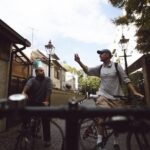
The tour meets at Memory Kyoto Bike Tour, 8-6 Umaryo-cho, Nishinokyo, Nakagyo-ku, Kyoto (Kyoto 604-8492). It’s near public transportation, which helps if you’re coming from another part of town, but one downside that shows up in real life is that the spot can feel a bit hidden if you arrive without checking the exact location.
This matters because your day starts fast. If you’re even a little unsure, plan to arrive early and confirm you’re at the correct entrance for the bike tour.
You’ll also use a mobile ticket. That’s handy because you’re not juggling paper and you can focus on getting your helmet, bike fit, and the safety briefing down before the first ride.
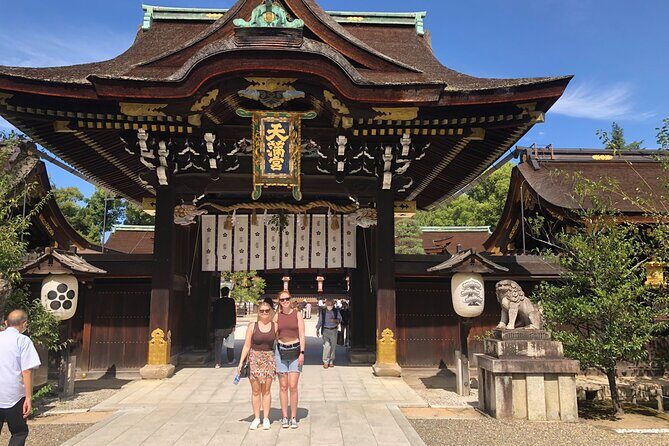
Kitano Tenmangu Shrine: plums, learning, and a slower start
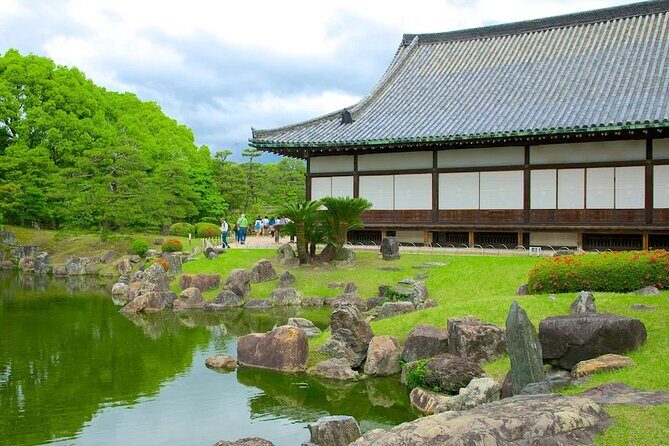
Stop 1 is Kitano Tenmangu Shrine, with about 30 minutes on site and admission ticket included. This shrine has a famous connection to Sugawara no Michizane, associated with learning, which gives the visit a clear cultural thread right away.
In early spring, the shrine’s 1000 plum trees are a highlight. Even if you’re not there during peak blossom, the shrine layout and the seasonal feel can still make this an excellent kickoff, because it shifts you from Kyoto streets into shrine time without whiplash.
What I like about this first stop in the itinerary is that it sets context. You’re not dropped straight into the most visually famous temple. Instead, you begin with a place where symbolism and tradition are the point, then build from there.
At this stage, your guide can also do the hands-on riding teaching—how to handle turns, when to slow, and how to keep group spacing. That makes the rest of the day feel smoother.
Kinkaku-ji (Golden Pavilion): the classic Kyoto moment, timed well
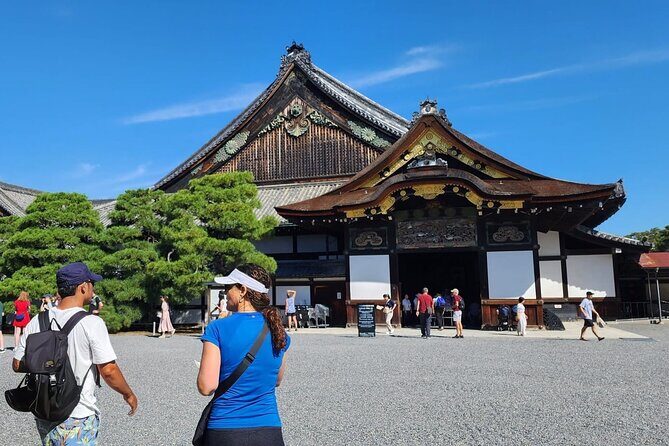
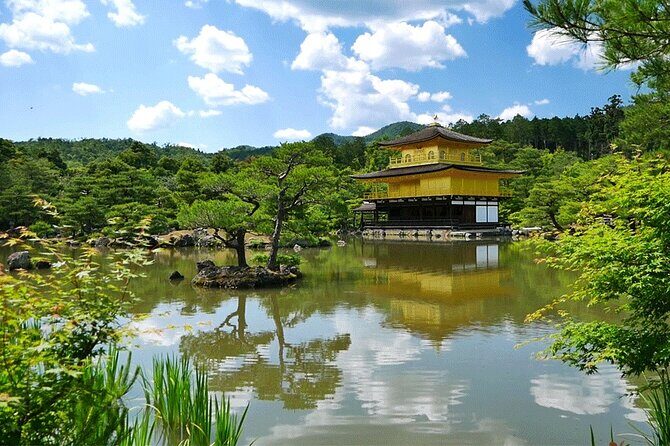
Next you head to Kinkaku-ji (Kinkaku-Ji Temple), with about 45 minutes and admission included. This is the famous gold-leaf temple, and the surrounding pond makes the scene feel even more like a painting.
The reason this stop works on a bike tour is timing. You’re not stuck on a long walk from one far-away landmark to the next. You arrive with your legs ready, your eyes fresh, and you get a focused window to see the pavilion’s signature look in different angles as you move around.
A tip I’d follow: give yourself a little extra patience for viewpoints near the pond and along the temple edges. With only 45 minutes, you’ll want to avoid spending all your time in one tight corner.
If you’re the type who likes learning as much as photographing, this is also a strong place to slow down. Guides often explain the origin story and the temple’s role in Kyoto’s cultural life, which changes how the gold leaf feels—it’s not just shiny, it’s meaningful.
Arashiyama Bamboo Forest Trail: iconic, but don’t treat it like a sprint
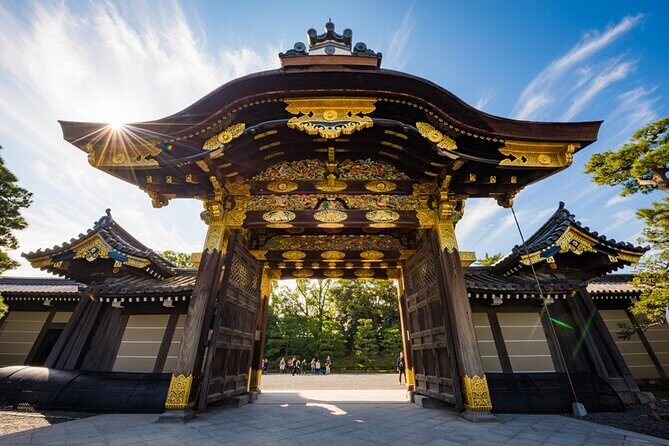
Stop 3 is the bamboo forest trail at Arashiyama, again around 45 minutes with admission included. This is one of Kyoto’s most recognizable scenes, and stepping inside the grove does feel like a break from the city’s usual noise.
Here’s the practical part: bamboo areas are famous for crowds, and even with a timed visit, you should expect people. The advantage of this tour format is that you reach the area as part of a planned route rather than wandering in at the peak moment.
When you’re there, slow your pace. Don’t rush for the perfect shot. The best results come from walking deeper into the grove and then stopping when the light and the perspective shift.
Some tours give you a single forced walking line. This one tends to keep your group moving while still allowing enough flexibility to enjoy the atmosphere. That balance is what makes the bamboo forest feel less like check-off tourism and more like an actual Kyoto moment.
You can also read our reviews of more historical tours in Kyoto
Tenryu-ji: UNESCO garden time without the whole-day trap
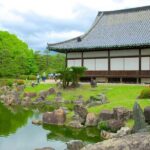
Stop 4 is Tenryu-ji Temple, also about 45 minutes, with admission included. Tenryu-ji is a UNESCO World Heritage Site (since 1994), and the focus here is the garden—this is a temple where the grounds matter as much as any building.
The experience at Tenryu-ji tends to be more about slow observation than dramatic single-point sights. You’ll walk through a garden space designed for viewpoint changes, so moving a little at a time pays off.
This stop also makes the day feel complete. You get bamboo (vertical drama) and then you get garden composition (controlled calm). If you only saw bamboo and left, you’d miss how Kyoto’s temple culture can be just as strong in quiet landscaping.
If you’re traveling with someone who thinks they’re “not a temple person,” this is the one I’d still try to win them over on. Gardens are easier to like, and the UNESCO context gives you a good reason to care.
The ride itself: how the e-bike experience really feels
The e-bike component is the core value, especially if you’re doing Kyoto in a short window. The whole point is less physical exertion while still letting you experience streets up close.
Guides typically cover riding laws and street-crossing strategy before you roll out. In multiple accounts, the biggest difference isn’t power—it’s clarity. When someone explains what to watch for (stop signs, intersections, bike/pedestrian flow), the ride stops feeling like a risk and starts feeling like a skill.
Routes like this also tend to include both smooth stretches and slower, traffic-adjacent parts. Some riders found segments “a little perilous,” mainly because there are few dedicated bike paths and you share space with pedestrians, cars, buses, mopeds, and other cyclists.
My advice: if you’re comfortable on a bike already, you’ll likely enjoy this a lot. If you’re rusty, ask your guide for help with your speed and spacing early. The smaller group size helps here, since it’s easier to manage.
Also, expect a mix of riding and walking. One review-style detail that matters: the tour includes some walking at temple stops, so don’t book it if you want zero foot time.
Lunch by the river: quick, local, and sometimes cash-only
Your remaining time includes lunch. Lunch isn’t just filler; it’s part of the cultural stop, and many people seemed to enjoy the vibe when the meal worked for them.
In practice, lunch options can vary by what’s available, and a heads-up that comes up: some lunch spots can be cash-only. Bring yen if you can. It saves you from the awkward moment of trying to find an ATM mid-day.
One highlight in accounts is that some lunches were ramen-focused, and in at least one case it was described as a fun break by the river. Another note: there can be a set time to eat, so if you’re hoping for a long sit-down experience, you may want to treat lunch as a break, not an all-day café plan.
Dietary needs have been accommodated in some situations, including being attentive to requests. Still, if you have strong dietary restrictions, I’d keep them ready to communicate at the start.
Price and value: what $99.49 really covers
At $99.49 per person for about 5 to 6 hours, the value is strongest if you want four things at once: transport, timing, cultural context, and tickets.
Here’s what you’re effectively paying for:
- An e-bike + helmet so you’re not renting and figuring out bike logistics on your own.
- Admission tickets included for the listed sites.
- A guided route that strings together distant stops without wasting your day in transfers.
- A small group so you don’t get shoved along like a moving conveyor belt.
If you tried to do this independently, you’d likely pay for bike rental, deal with routing between neighborhoods, and still face admission lines at major sites. This tour bundles those pieces into one price.
The only times it might feel less like a bargain are when you’re already a confident cyclist who wants total freedom to stop and linger wherever you like. But if you value a structured half-day with help and context, it’s a pretty solid deal.
Who should book this Kyoto e-bike tour
This tour makes the most sense for:
- First-timers who want a concentrated Kyoto hits circuit
- Travelers who want to see Arashiyama and major temples without doing a full-day walking trek
- Anyone who would like a guide to explain how to ride safely in a city setting
- Families who want an easier pace, especially with teens who can handle city streets more confidently
It’s also a good pick if you’re short on time. With a half-day format, you can still fit in dinner plans, another neighborhood, or an evening stroll.
If you don’t like sharing space with people and vehicles, or if you hate any form of riding on public streets, you might prefer a walking-focused tour instead.
Should you book Memory Kyoto Bike Tour?
Yes, if you want a smart, efficient way to see Kyoto’s most famous spiritual spots plus the Arashiyama bamboo experience, without exhausting your legs. The small group size, included admission tickets, water, and e-bike setup make it feel like a complete package rather than a half-helpful idea.
Book it especially if you’re the type who enjoys learning while moving—because the ride comes with explanations about what you’re seeing and how to handle crossings and street rules. Just do yourself a favor and plan for the real-world parts: find the meeting point carefully, bring yen for lunch just in case, and ride with extra attention around pedestrians and traffic.
If that sounds like your kind of Kyoto day, this one is worth your time.
FAQ
How long is the Kyoto e-bike tour?
It runs about 5 to 6 hours.
What’s included with the tour price?
You get the e-bike and helmet, a bottle of water, and admission tickets for the listed stops.
How many people are in each group?
The tour has a maximum group size of 8 travelers.
Is the tour physically demanding?
It’s designed so most riders can use an e-bike for less physical exertion, though there is some walking at temple and shrine stops.
Where does the tour start and end?
It starts at Memory Kyoto bike tour at 8-6 Umaryo-cho, Nishinokyo, Nakagyo Ward, Kyoto (604-8492) and ends back at the same meeting point.
Do I need cash for lunch?
Lunch options can involve cash-only places, so it’s smart to bring yen just in case.