REVIEW · KYOTO
Kyoto: Private Rickshaw Tour of Gion and Higashiyama Area
Book on GetYourGuide →Operated by Ebisuya Rickshaw · Bookable on GetYourGuide
Kyoto rolls past your eyes at walking speed. I love the private rickshaw glide through Higashiyama’s wooden lanes—past preserved townhouses and small shops—without the usual fatigue of hills and crowd-hunting. I also love the photo stops, because guides time the pauses for the best angles while giving you the story behind what you’re seeing.
One consideration: this is a short, focused ride. It’s not the way to cover every temple in Kyoto, and it’s not recommended for back problems or pregnancy in the first 16 weeks.
In This Review
- Quick hits before you ride
- Entering Kyoto’s old neighborhoods from the rider’s seat
- Meeting by Kodaiji Temple: your start point and your first photo moment
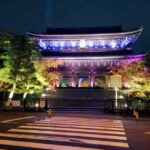
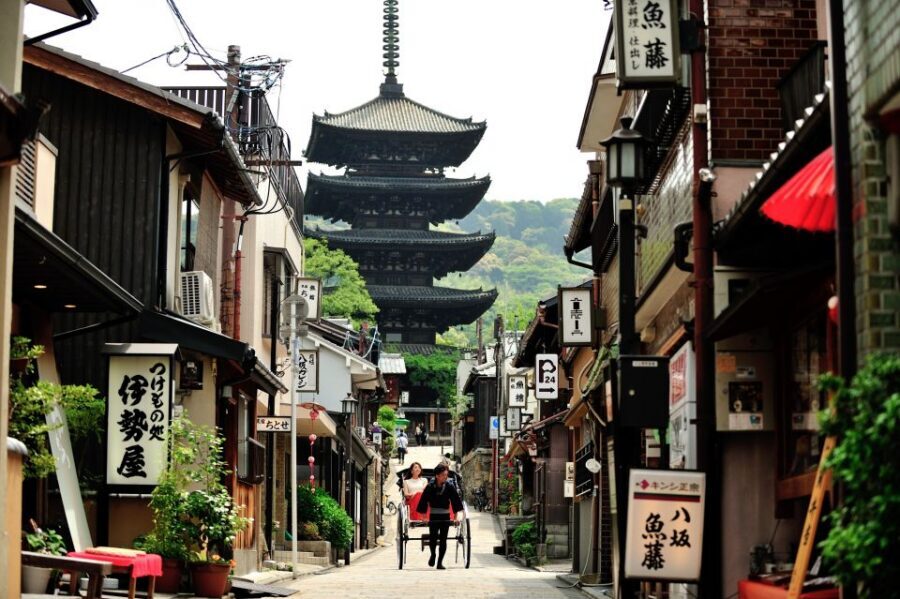
- Higashiyama wooden lanes and temple-side streets
- Gion geisha-district atmosphere (and how you actually spot it)
- Weeping willows, northern Gion, and what the longer tours add
- Choosing the right duration: 45 minutes vs 3 hours 10 minutes
- Price and value: what $51 per person buys you
- Your guide matters: English explanations, humor, and strong photo help
- Comfort, safety, and rules you should actually plan around
- After the ride: how to keep the momentum in Kyoto
- Should you book this Kyoto rickshaw tour?
- FAQ
- How long is the Kyoto private rickshaw tour?
- Where do I meet my guide?
- Is this a private tour?
- What’s included, and what should you budget for separately?
- What languages do the guides speak?
- Are selfie sticks allowed?
- How do child seating rules work?
- Is the tour wheelchair and stroller friendly?
- Who should avoid this tour?
Quick hits before you ride
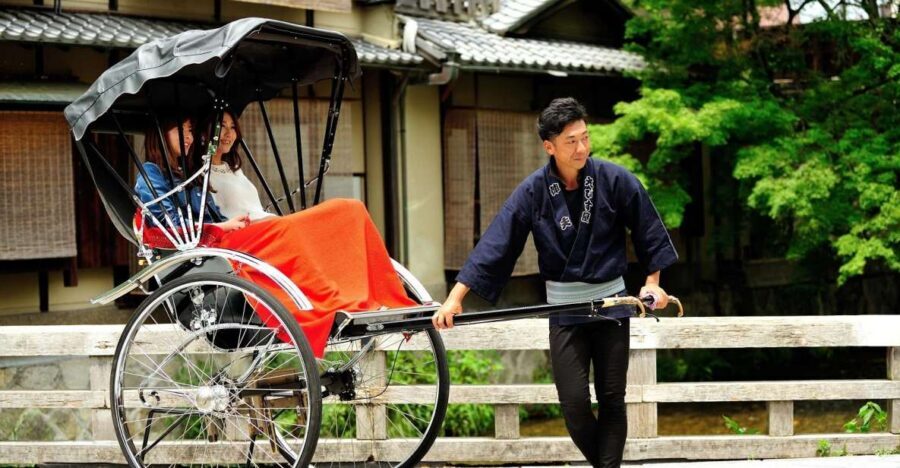
- Meet by Kodaiji Temple at the corner of Nene Street and Ichinenzaka Street to start your route right in historic Higashiyama
- Private rickshaw comfort means you can move at your pace, plus a guide can tailor the route to your interests
- Photo stops are part of the point, not an afterthought, with help getting the right framing
- Gion and geisha-district streets are included, so you’ll pass the lanes where Maiko and Geisha are often seen
- Choose a length that fits your day, from a quick 45-minute taste to about 3 hours and 10 minutes
- Not everything is included: no food/drinks, no hotel pickup, and entry fees aren’t covered
Entering Kyoto’s old neighborhoods from the rider’s seat
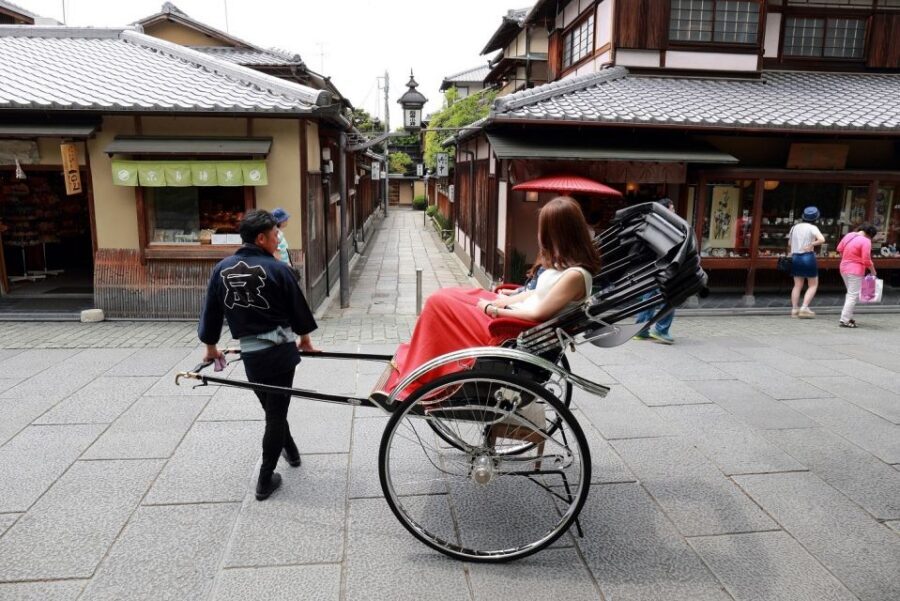
A rickshaw tour in Kyoto has a simple magic: it slows your brain down. Instead of rushing between sights, you slip through neighborhoods the way locals imagine them—narrow lanes, wooden facades, small storefronts, and temple streets that feel frozen in time. The best part of this particular route is the pairing of Higashiyama (historic lanes and temples) with Gion (Kyoto’s best-known geisha district atmosphere).
This isn’t just transportation. You’re getting a guide who talks, points, and stops. In practice, that turns into an experience that feels like two things at once: sightseeing, and guided storytelling. Many guides also act like your personal photographer—one person in our sample even had a guide use their phone to create a short video of the ride, which is the kind of souvenir that actually feels meaningful.
The tour is private, so you’re not stuck behind a big group line. And because the route can be customized, you can nudge it toward what you care about most—temple focus, traditional streets, or more time in the Gion area.
You can also read our reviews of more private tours in Kyoto

Meeting by Kodaiji Temple: your start point and your first photo moment
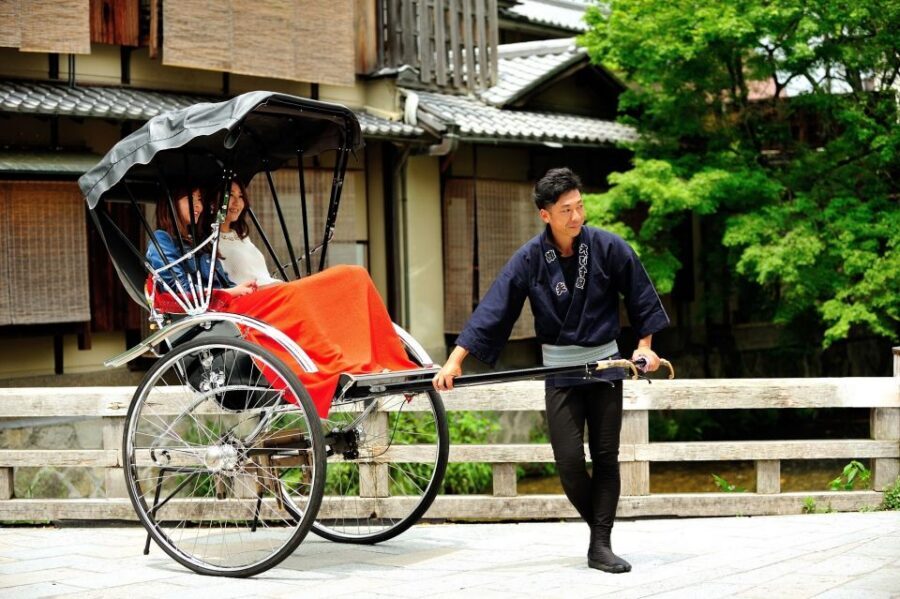
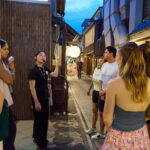
You meet on the corner of Nene Street and Ichinenzaka Street, by Kodaiji Temple. If you’ve spent any time in Kyoto before, you already know the streets can be a little confusing—so I’d treat arrival as part of the experience. Aim to show up a few minutes early, and make sure you’re at the exact corner listed. There’s no hotel pickup, so you’ll need to get yourself there on foot or via whatever transport you use to reach Higashiyama.
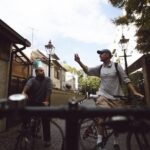
Once you’re seated, the first minutes matter. The ride starts in an area that’s already visually “on.” You’ll be on cobbled and historic-street routes right away, with lots of opportunities for quick photos before you settle into the flow. Many guides are friendly about helping you get the shot from inside the rickshaw—especially when the lane narrows and you’re standing in exactly the right place for a clean background.
Also note: selfie sticks aren’t allowed. So plan for normal phone photos, and trust the guide to tell you when to lift your camera.
Higashiyama wooden lanes and temple-side streets
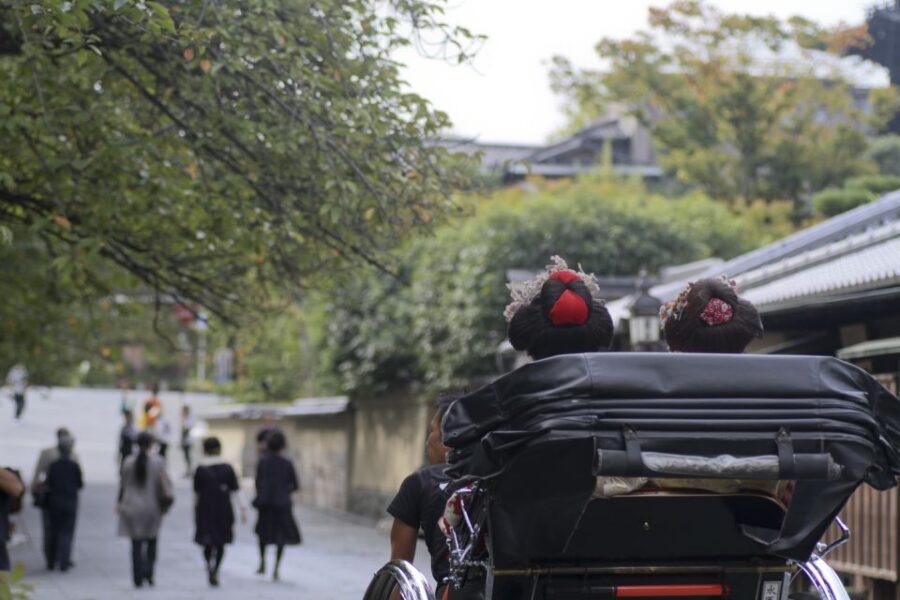
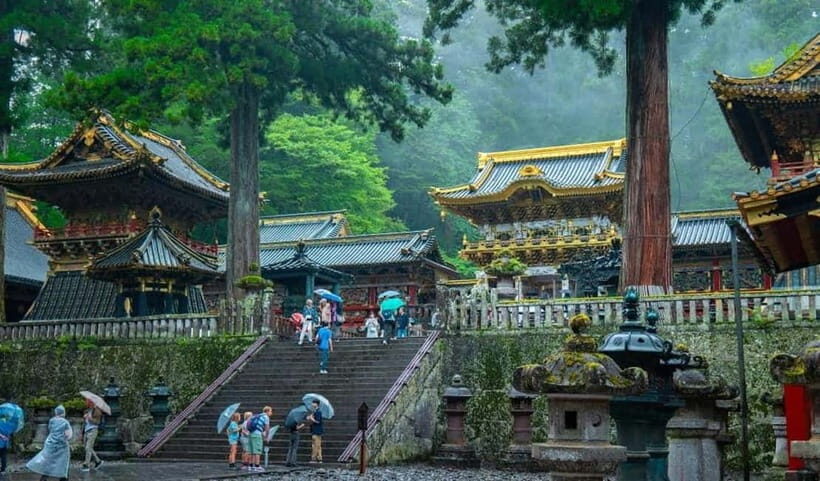
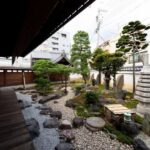
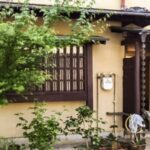
Higashiyama is the part of Kyoto that makes people start talking softly. It’s all preserved streetscapes and traditional building shapes—wooden townhouses, small shops, and temple-adjacent lanes. From the rickshaw, you get a “close enough” view that feels different from looking at signage from across a street.
During the tour, you’ll move through the historic neighborhood and see some of Kyoto’s famous temples. Even when specific temple names aren’t the focus of the ride, the atmosphere is clear: you’re passing through areas designed for quiet walking, with stone, wood, and carefully preserved street geometry. That’s why the rickshaw works well here. If you’re on foot, you’ll often do the stops in bursts, then shuffle. In a rickshaw, your eyes can stay on the buildings while your body stays relaxed.
The guides also help you notice the details that make the neighborhood feel old without being dusty or staged. In the feedback I saw, guides like Shintaro Hutakeyna and Shiro were praised for clear English and for pointing out the key areas of interest. Suzuki-san was specifically singled out for strong explanations, and Takumi for friendly energy plus good context while cruising the streets.
You’ll also get photo stops. The guide doesn’t just say, “Okay, take your picture.” They pause at scenic spots in each location, so your photos end up looking like you planned the framing.
Gion geisha-district atmosphere (and how you actually spot it)
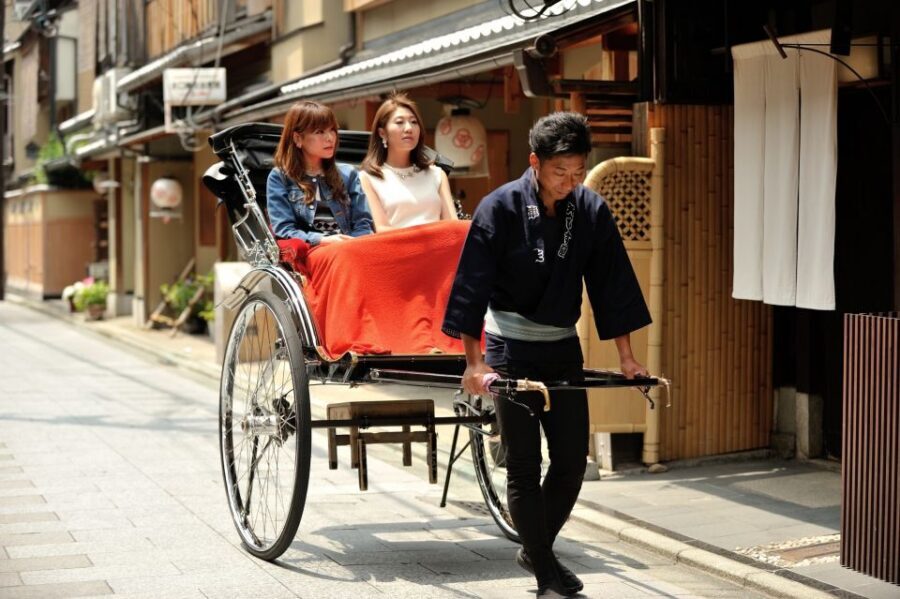
After Higashiyama, the route turns toward Gion—the geisha district area where Kyoto’s traditional performing-culture imagery lives. This is the part many people come for, because you’re not only passing pretty streets; you’re moving through the real working geography of the district.
You’ll pass through the geisha district and can see Maiko and Geishas, along with plenty of people dressed in kimono-style outfits. One example from the guides listed in the feedback: Gordon noted the tour included seeing Maiko and Geishas in the Gion area, and the ride gave that “cultural immersion” feeling because you’re moving at a slow enough speed to actually look.
There’s also a visual highlight built into longer versions of the ride: weeping willows lining a river. If you choose a longer duration, this is the kind of scenery that becomes a true “Kyoto postcard moment,” with the added bonus that you’re not fighting for a position among lots of walkers.
Photo-wise, Gion is perfect for rickshaw viewing. You’re higher than someone standing by the curb, but you’re not far away like a bus window photo. The guides—whether it was Daichi, Fumi, Moto, or Kai—were repeatedly praised for picking photo spots and helping people get angles that look intentional.
Weeping willows, northern Gion, and what the longer tours add
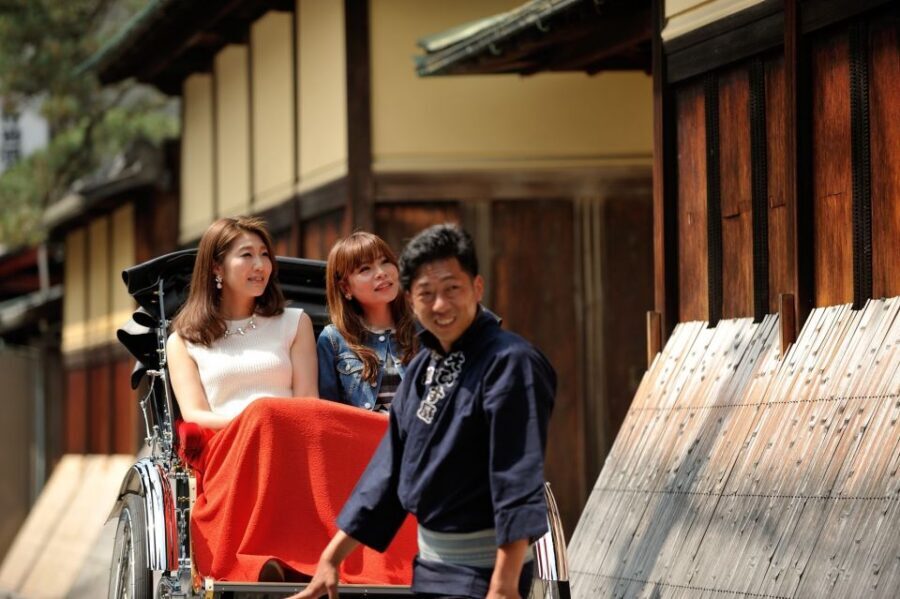
This tour has multiple lengths, and the longer ones matter because they give you time for the “connective tissue” of the area: the extra lanes, additional temple-side streets, and more of the northern part of Gion.
Here’s the practical way to think about it:
- A shorter tour is a fast, good introduction—ideal if you have temple tickets later or you just want the highlights.
- A longer tour is where you start getting the full neighborhood rhythm: more Higashiyama streets, more Gion lanes, more chances for photos, and that river-and-willow scenery.
In one of the feedback examples, Shuhei handled a rainy day well and still made the time feel good—so even if weather messes with plans, you usually won’t lose the whole experience. You’ll still be moving through the historic lanes, and the guide can adjust pacing and photo timing.
If you’re the type who likes to browse small shops and linger at corners, go longer. If you want a clean hit of the best-known streets and then you’re done, shorter is fine.

Choosing the right duration: 45 minutes vs 3 hours 10 minutes
You can pick a duration from 45 minutes up to 3 hours and 10 minutes. The trick is choosing what you want to walk away with.
45 minutes is the “taste test” option. You’ll get the rickshaw experience plus a focused slice of Higashiyama and Gion highlights. It’s especially good if you’re building a day packed with temple visits or you’re traveling with kids who might not want a long sitting ride.
If you want the route to feel less like a sprint, choose a middle length (the tour offers four duration choices overall). You’ll have more time for photo stops and for the guide’s explanations to land.
The longest option (3 hours 10 minutes) is the one that turns into a true neighborhood immersion. This is where you’ll keep going through more Higashiyama sights and into the northern part of Gion, with time for the river with weeping willows and more temple moments.
If you’re deciding between two lengths and you’re unsure: pick the longer one. Kyoto looks great in photos, but it also rewards attention to details—and time helps.
Price and value: what $51 per person buys you
At $51 per person, this tour can feel like a splurge—but the value is real if you’re using it the right way. Here’s what’s included:
- Private rickshaw ride
- Guide
- Photo stops
- Souvenir postcard and sticker
What’s not included:
- Food and drinks
- Hotel pickup and drop-off
- Entry fees
So you’re paying for time, privacy, and guided access to the best photo spots within a tight area. If you’d otherwise spend hours coordinating buses, lines, and directions in the historic lanes, you’re buying a lot of stress reduction. And if you have limited mobility, the rickshaw can be a practical way to see more of the neighborhood than you could comfortably walk.
At the same time, don’t expect the price to cover “everything Kyoto.” This is a targeted route through two areas. If you want multiple temple tickets, meals, or extra sightseeing beyond Higashiyama and Gion, you’ll plan those separately.
Your guide matters: English explanations, humor, and strong photo help
In a private tour, your guide can make or break the experience. The feedback you shared is heavy on the “guide factor,” and it shows up in a few consistent strengths.
First: clear English and enthusiastic explanations. Names that came up often include Shiro, Daichi, and Shintaro Hutakeyna, all praised for strong English and for pointing out what’s worth noticing. Moto and Suzuki-san were also repeatedly mentioned for being friendly and for making the ride feel like a story rather than a checklist.
Second: customization and hidden-interest stops. Several guides were credited with tailoring the journey so the route fits what people wanted to see. Daichi and Fumi were specifically praised for customization and for bringing “hidden gems” that you might miss if you’re wandering on your own.
Third: photography help. Guides like Fumi were praised for creative picture-taking. Others were praised for choosing the exact photo angles at the right moment. One guide even made a short keepsake video using a guest’s phone—small detail, big emotional payoff later.
Finally: safety and handling narrow streets. Rickshaw routes in Kyoto can mean steep, tight lanes where getting turned around is a workout. Kai was credited with patience and an ability to tow people around narrow streets. Msei was praised as a safe driver, and Mitsu was singled out for making sure an elderly father was warm and safe.
That last point is worth your attention. If you’re worried about comfort or stability, this is where choosing a reputable provider matters.
Comfort, safety, and rules you should actually plan around
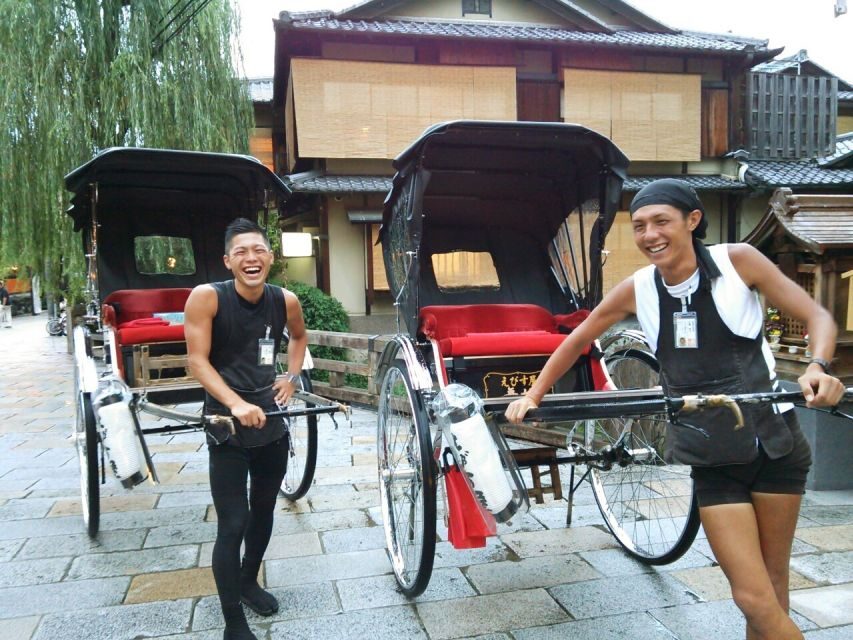
Rickshaws are classic, but they’re still vehicles with real limits.
Not recommended:
- Expecting mothers in the first 16 weeks of pregnancy
- People with back problems
On the comfort side:
- The tour is wheelchair and stroller-friendly, which is helpful if you’re using those.
- Each rickshaw is 21.1 inches (74 cm) wide, which can make space tight. If you’re traveling with someone who needs more personal space, it can be more comfortable to book individual rickshaws per passenger.
Family rules are very specific:
- Adult pricing applies to children aged 6 and over
- Up to two children aged 5 and under can ride with two adults, and they must sit on an adult’s lap (one child per adult)
- If a child aged 0–5 will use one of the rickshaw seats, that child must be booked as an adult (full-fare guest)
One more simple rule: no selfie sticks.
What I’d do in your shoes: if you’re dealing with pain or limited sitting comfort, plan to talk with the operator before you book. The tour can be a great way to reduce walking, but you still need to be okay with sitting for the duration you choose.
After the ride: how to keep the momentum in Kyoto
When the tour ends, you’ll be in the same historic zone that makes Kyoto special. That means you can use the experience as a map for your next moves. If you loved Higashiyama’s temple-side atmosphere, you’ll know which direction to keep exploring on foot for a bit more browsing. If Gion was the highlight, you can linger in that area longer, aiming for a calmer, less structured wander.
Also, you’ll likely have plenty of photos. Use them immediately to remember what you saw. That sounds obvious, but it’s the best way to turn “pretty pictures” into “I understand what this place is.”
If you’re planning other temple stops, schedule them after you’ve done the rickshaw. Your guide will give you context during the ride, so the signage and gates you see next start making sense faster.
Should you book this Kyoto rickshaw tour?
Book it if you want a private, photo-friendly way to see Higashiyama and Gion without turning your day into a long walking test. It’s also a strong pick if your group values good English explanations and wants a guide who can tailor the route and pacing. Based on the guide names and repeated praise you provided—Shiro, Daichi, Moto, Fumi, Kai, Shintaro Hutakeyna, and others—this kind of tour tends to shine when the guide’s personality clicks with you.
Skip it (or at least think twice) if early pregnancy or back problems apply, since the ride isn’t recommended for that. And if you’re trying to cram in “all of Kyoto” in one go, manage expectations: this is a focused neighborhood experience, not an all-day temple marathon.
If you’re choosing between shorter and longer durations, and you can spare the time, I’d lean longer. Kyoto rewards attention, and the extra minutes give you more streets, more temples, and more chances for that perfect willows-and-river kind of moment.
FAQ
How long is the Kyoto private rickshaw tour?
The tour runs for 45 to 130 minutes, with four duration options to choose from depending on your schedule.
Where do I meet my guide?
Meet your guide at the corner of Nene Street and Ichinenzaka Street, by Kodaiji Temple.
Is this a private tour?
Yes. It’s a private group rickshaw tour.
What’s included, and what should you budget for separately?
Included: the private rickshaw, a knowledgeable guide, photo stops, and a souvenir postcard and sticker. Not included are food and drinks, hotel pickup and drop-off, and entry fees.
What languages do the guides speak?
The live tour guide speaks English and Japanese.
Are selfie sticks allowed?
No. Selfie sticks are not allowed.
How do child seating rules work?
Adult pricing applies to children aged 6 and over. Up to two children aged 5 and under can ride with two adults, and they must sit on an adult’s lap (one child per adult). If a child aged 0–5 will use a rickshaw seat, they must be booked as an adult.
Is the tour wheelchair and stroller friendly?
Yes. It’s listed as wheelchair and stroller-friendly.
Who should avoid this tour?
It’s not recommended for expecting mothers in the first 16 weeks of pregnancy and it’s not suitable for people with back problems.