REVIEW · KYOTO
Kyoto 6hr Private Tour with Government-Licensed Guide
Book on Viator →Operated by Japan Guide Agency · Bookable on Viator
Six hours, and Kyoto clicks faster. This private walking tour pairs a licensed guide with public-transport directions, so you lose less time figuring out what’s where and more time actually seeing Kyoto. I especially love the way guides turn huge icons like Fushimi Inari and Kiyomizu-dera into something you understand, and the fact you can shape the day with a custom 3–4 site plan.
You’ll be traveling like a local, using trains/subways when it makes sense, then walking once you’re in the neighborhood. Meet on foot within a designated area, and you’ll have time to ask questions instead of being rushed through photo stops.
One thing to consider: this is a walking-heavy experience, and lunch isn’t included. Also, not every site is fee-free, so it helps to know entry costs apply depending on which places you choose.
In This Review
- Key highlights to expect from this Kyoto private tour
- How a licensed Kyoto guide saves you from transit and timing stress
- Price and value: what $155.86 per person really covers
- Walking reality check: comfy shoes matter
- Fushimi Inari, Kiyomizu-dera, and Higashiyama: the Kyoto that feels like a postcard
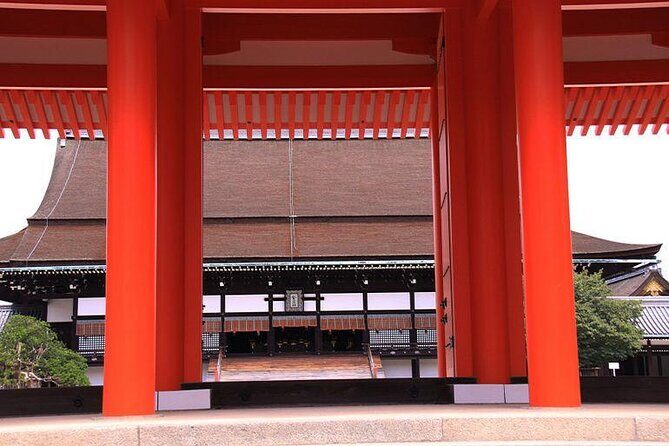
- Nijo Castle and Kyoto Imperial Palace: power, ceremony, and symbolism
- Temple circuit in one day: Ginkakuji, Nanzenji, Tofuku-ji, Toji, Kinkakuji
- Quieter Zen and subtemple worlds: Ninna-ji, Daitoku-ji, Myoshinji, and more
- Arashiyama and Saga: bamboo paths, the Moon-Crossing bridge, and garden moments
- Mountain options: Kibune River and Kurama-dera for a cooler-feeling detour
- Uji add-on: Byodoin Temple and the Phoenix Hall
- How to choose your 3–4 sites for the best 6-hour fit
- Should you book this Kyoto 6-hour private tour?
- FAQ
- How long is the Kyoto private tour?
- Is this a private tour or will I be mixed with others?
- What sites can I choose during the tour?
- Are admission tickets included for temple and shrine entries?
- Is lunch included?
- How do pickup and meeting work?
- Can I bring a service animal?
Key highlights to expect from this Kyoto private tour
- Government-licensed English-speaking guide who can adjust the day as you go
- Custom 3–4 sites pulled from a big menu of Kyoto highlights
- Public transportation included so you’re not stuck waiting for a private vehicle
- Walking-first neighborhoods like Gion, Pontocho, and Higashiyama
- Mix of temples, palaces, and markets (not just one type of sightseeing)
- Mobile ticket and practical routing to reduce time lost on logistics
How a licensed Kyoto guide saves you from transit and timing stress
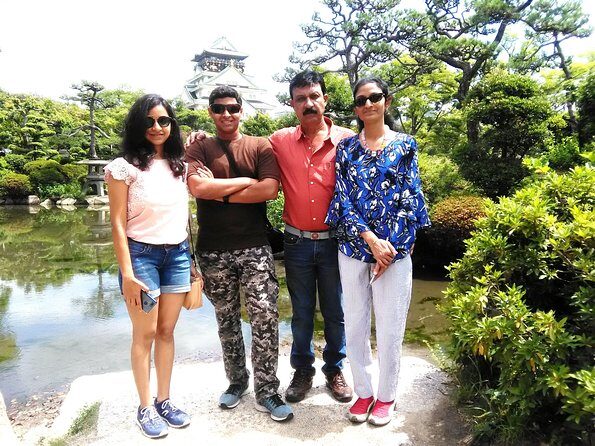
Kyoto can feel like a bunch of separate worlds. This tour is built to stitch them together. You start by meeting your guide within a designated area, then move through the city using public transportation where it’s efficient, and walking where it’s the best way to actually feel a neighborhood.
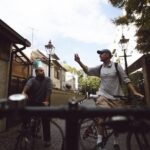
The best part is that it’s a real private format. It’s not a big group shuffle, and it’s not a one-size-fits-all route. Your guide can slow down for questions, explain what you’re looking at (especially at shrines, castles, and Zen gardens), and keep the pace matched to your group. In past tours shared for this experience, guides like Yuji and Noriko stand out for friendly guidance and helping people feel comfortable with trains and transfers, which matters more than you’d think on day one.
This also tends to work well because your day is customizable: you pick 3–4 sites from the tour’s list. That means you’re not forced to spend all 6 hours at places you don’t care about most.
You can also read our reviews of more guided tours in Kyoto
Price and value: what $155.86 per person really covers
At $155.86 per person for about 6 hours, you’re paying mainly for three things:
First, you’re paying for a licensed guide’s time. That time includes not only explanations at each stop, but also the “how do we get there” planning that’s hard to do if you’re self-guiding and want to avoid backtracking.
Second, you’re getting public transportation routing instead of paying for a private car. The tour specifies private vehicle is not included, but it’s still designed for efficient movement across Kyoto.
Third, you’re paying for privacy. You only share the experience with your group, and you can’t combine multiple tour groups, which keeps the flow smooth and predictable.
What you should expect not to be included: lunch and personal expenses. Some sites also have entry fees, depending on which ones you select. So the value is highest if you choose the sites you’d actually go out of your way to see.
Walking reality check: comfy shoes matter
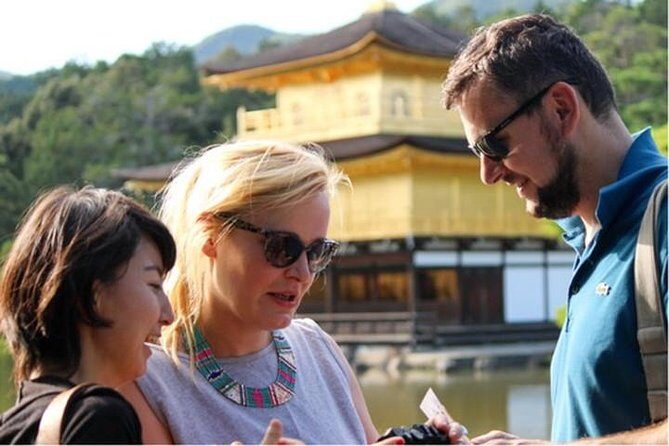
This is labeled as a walking tour, and pickup/drop-off is on foot. That usually means you’re doing a fair amount of step-based sightseeing, even though you’ll also use public transit between areas.
Plan around that. Bring comfortable shoes you can stand and walk in for hours. If you’re visiting in hot weather or in cooler seasons with damp sidewalks, you’ll be glad you prepared. And since lunch isn’t included, decide in advance how you want to handle food breaks—especially if your route includes long temple circuits or market time.
Fushimi Inari, Kiyomizu-dera, and Higashiyama: the Kyoto that feels like a postcard
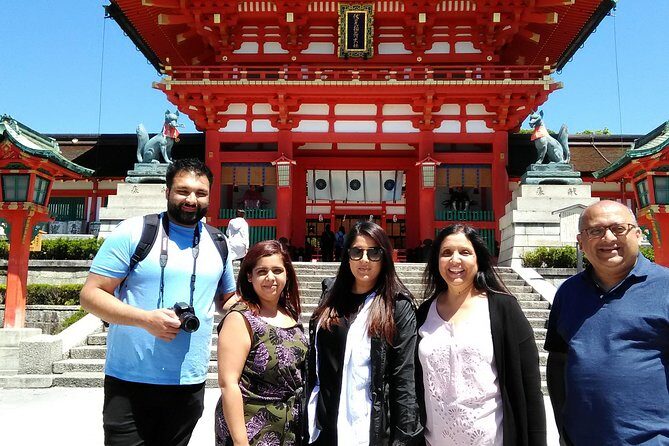
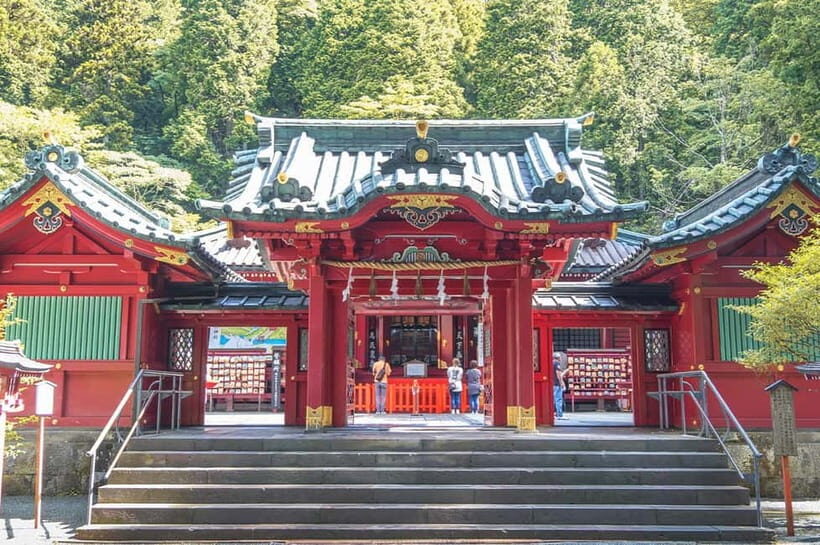
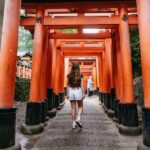
Fushimi Inari-taisha Shrine (free)
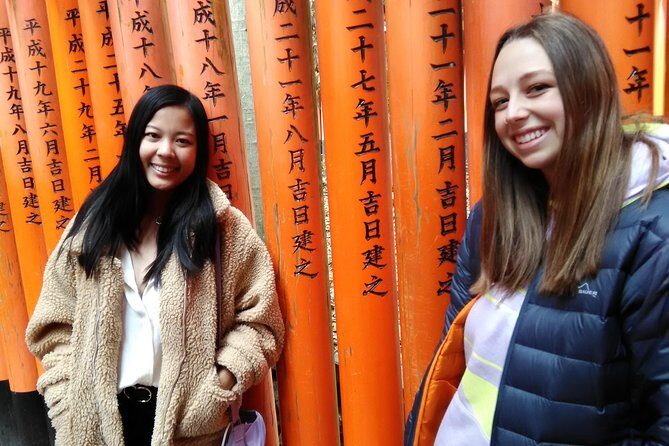
This is the iconic start: tunnels of vermillion-red torii gates. The guide’s job here is to connect what you see (those repeating gates and pathways) to the shrine’s deeper role in Japanese culture, not just point out where the famous photos happen.
Kiyomizu-dera Temple (entry not included)
Kiyomizu-dera is one of Kyoto’s most popular temples, and this stop includes a guided visit of about 1 hour. It’s often linked with the nickname connected to pure water, and if your timing works out, you may catch stunning evening atmosphere. One person’s account from a winter-style route praised how the experience can feel dramatic near nightfall, including views from Kiyomizu.
Higashiyama Ward (free)
This is a preserved historic district along the lower slopes of Kyoto’s eastern mountains. Your guide can help you read the area: why it’s preserved, how it differs from other parts of the city, and where to slow down so you’re not just walking through it quickly.
Gion (free)
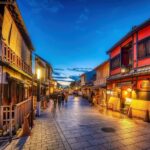
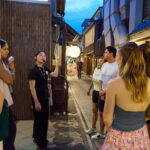
Gion can be daunting for first-time visitors because the streets feel maze-like. With a guide, you won’t waste energy getting lost in narrow lanes. This is the geisha district atmosphere Kyoto is famous for.
Nishiki Market Shopping District (free)
Called Kyoto’s Kitchen, Nishiki is a narrow shopping street lined with shops and restaurants. It’s not just shopping. It’s a sensory stop for local snacks and quick bites, and your guide can steer you toward what makes sense to try without turning it into a marathon.
Pontocho (free)
Pontocho is a narrow dining alley running between Shijo-dori and Sanjo-dori, one block west of the Kamogawa River. It’s one of those places where your guide’s timing and walking pace matter, because it’s easy to miss what makes it special if you rush.
Sanjusangendo Temple (entry not included)
This is the temple known for 1001 statues of Kannon. It’s a “how is this even possible” type of sight, and a guide helps you look more intelligently—so it doesn’t feel like you’re just staring at a wall of figures.
Kennin-ji Temple (entry not included)
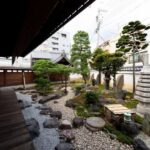
Kennin-ji sits close to the streets that are lively around Hanamikoji and Shijo, but the grounds are pleasant to walk. This stop includes dry landscape gardens, which are easier to enjoy when someone explains what you’re supposed to notice.
Nijo Castle and Kyoto Imperial Palace: power, ceremony, and symbolism
Nijo Castle (entry not included)
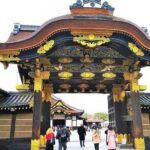
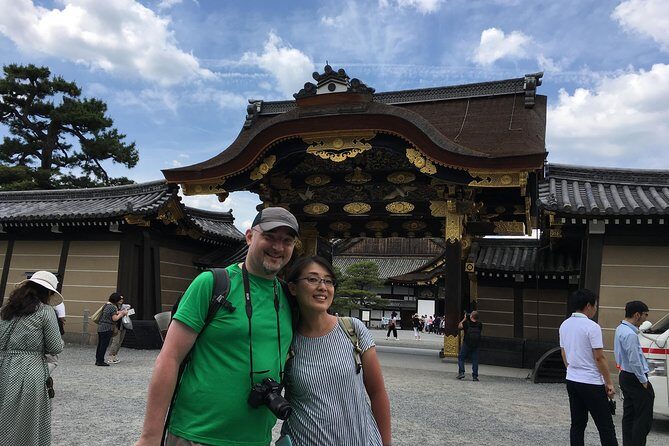
Nijo-jo Castle is tied to Shogun Tokugawa Ieyasu and what his authority represented. Your guide can help you look past the big shape of the castle and understand why the style and design mattered.
Kyoto Imperial Palace (entry not included)
Until 1868, Kyoto was home to the Imperial Family’s residence. This is a chance to see the city through the lens of court life rather than temple life. The palace grounds are described as spacious, and a guide can point out what changed when the capital moved to Tokyo.
Shugakuin Imperial Villa (entry not included)
Built in the 17th century by Emperor Gomizuno and managed by the Imperial Household Agency, Shugakuin is a different kind of “Kyoto highlight” than shrines and markets. It’s about villa and garden design, and it’s the sort of stop that rewards guided context.
You can also read our reviews of more private tours in Kyoto
Temple circuit in one day: Ginkakuji, Nanzenji, Tofuku-ji, Toji, Kinkakuji
Kyoto has an intense number of temples. This tour’s structure helps you pick the right ones for the time you have.
Ginkakuji Temple, the Silver Pavilion (entry not included)
Ginkakuji is a Zen temple along the eastern mountains. It’s tied to shogun Ashikaga Yoshimasa, who modeled it after a retirement villa idea connected to other places in the region. If you like gardens and atmosphere, your guide can help you slow down and appreciate the design logic.
Nanzenji Suirokaku (entry not included)
Nanzenji is described as a very important Zen temple with spacious grounds at the base of Higashiyama’s mountains. Suirokaku is part of why this site is so memorable, and a guide can point out where to stand to take in the scale.
Tofuku-ji Temple (entry not included)
Tofuku-ji is famous for autumn colors. Even if you’re visiting outside peak season, having a guide explains why this temple’s reputation is tied to the changing seasons, rather than just the building itself.
Toji Temple (free)
Toji (“East Temple”) was founded soon after the capital moved to Kyoto in the late 700s. Toji is often a great “big-picture” temple stop because it connects Kyoto to the Heian Period move and the early history of the city’s prominence.
Kinkakuji Temple, the Golden Pavilion (entry not included)
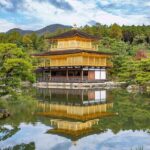
Kinkakuji is the Zen temple with top floors covered in gold leaf. It’s dramatic in a way that needs less description, but a guide helps you place it in context so it feels more than just a shiny object.
Ryoan-ji Temple (entry not included)
Famous for Japan’s most well-known rock garden. If you’re visiting to see the “rules” behind the garden composition, a guide helps you look in the right direction instead of wandering aimlessly and hoping for meaning.
Eikando Zenrinji Temple (entry not included)
Eikando is known for autumn colors and evening illumination. If your schedule lines up, this can be a great choice for people who love lighting effects and wanting the temple to feel different from daytime.
Quieter Zen and subtemple worlds: Ninna-ji, Daitoku-ji, Myoshinji, and more
These are the stops that can feel peaceful even when Kyoto is crowded.
Ninna-ji Temple (entry not included)
Ninna-ji is a World Heritage Site and is the head temple of the Omuro School of the Shingon sect of Buddhism. Your guide can help you understand what you’re seeing and why it matters in the larger Buddhist landscape.
Daitoku-ji Temple (entry not included)
Daitoku-ji is a large walled temple complex and the head temple of a Rinzai Zen school. It includes nearly two dozen subtemples, so a guided choice of where to focus can make a difference. Without that, it’s easy to feel overwhelmed.
Myoshinji Temple (entry not included)
Myoshinji is another large complex with about 50 subtemples. The amount of space and choice here is exactly why guided navigation is valuable for a day with limited hours.
Ninnaji, plus the hillside trio if you choose west Kyoto
If you prefer temples with less “icon pressure,” these hillside temple stops (like the ones in Arashiyama/Saga) tend to feel calmer. The key is choosing the right cluster of sites so you don’t burn your time traveling back and forth.
Arashiyama and Saga: bamboo paths, the Moon-Crossing bridge, and garden moments
This is the part of Kyoto that’s easy to love even if it’s crowded. Your guide’s value is in timing, moving you efficiently, and helping you appreciate what you’re actually seeing.
Arashiyama (entry not included)
Arashiyama is a western district that’s been a destination since the Heian Period. You’ll get that “old Kyoto outside the center” feeling, especially when paired with the garden and temple stops below.
Togetsukyo Bridge (entry not specified here)
The iconic Moon Crossing Bridge is reconstructed most recently in the 1930s. It’s a simple landmark that gives you a strong sense of place, especially when you’re coming into Arashiyama from other areas.
Walking paths through the bamboo groves (entry not specified)
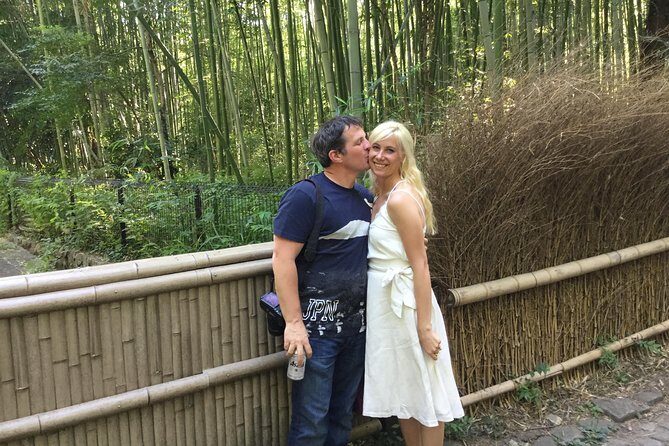
The bamboo groves have walking paths where tall stalks sway gently with wind. This is where the city feels almost separate from the rest of Kyoto.
Tenryu-ji Temple (entry not included)
Tenryu-ji is the key temple in Arashiyama and is registered as a World Heritage Site. Having context helps you see it as more than a “stop for pictures.”
Daikaku-ji Temple (entry not included)
Originally built as the detached palace of Emperor Saga, Daikaku-ji connects the landscape to imperial leisure. It’s a good choice if you like stories that explain why places exist, not just what they look like now.
Okochi Sanso Garden (entry not included)
Okochi Sanso is a former villa garden tied to actor Okochi Denjiro. It sits in the back of the bamboo groves, and it’s the type of stop that can add variety if you’ve been mostly outdoors.
Jojakkoji Temple (entry not included), Nisonin (entry not included), Gio-ji Temple (entry not included)
These hillside temples have smaller atmospheres and features like moss gardens and maple trees. If you’re choosing Arashiyama, these can provide a calmer, more reflective contrast to the busier bamboo areas.
Yoshimine-dera (entry not included)
A Tendai-sect temple in the western mountains. This is the kind of stop you pick when you want your day to include less-famous religious sites rather than only the best-known hits.
Adashino Nenbutsu-ji (entry not included) and Otagi Nenbutsu-ji (entry not included)
Adashino Nenbutsu-ji is known for stone statues placed for the souls of the departed. Otagi Nenbutsu-ji is famous for its 1200 stone statues of rakan, each with a different facial character. If your group likes unusual religious art, this can be a highlight. Go with good walking shoes, because these hillside areas reward a steady pace.
Katsura Imperial Villa (entry not included)
Katsura Rikyū is one of the finest examples of Japanese architecture and garden design, completed in 1645 as a residence. It’s a strong choice if you want Kyoto to feel designed, not just ancient.
Mountain options: Kibune River and Kurama-dera for a cooler-feeling detour
If you want Kyoto to feel more like a valley than a city, consider these.
Kibune River (free)
Kibune is a small town in a forested valley. It developed around Kifune Shrine, which gives the area a strong spiritual identity.
Kurama-dera (entry not included)
Kurama is in the northern mountains and is less than an hour from the city center. Kurama-dera is the key temple stop, and the area is also noted for hot springs, so it’s a good fit if your group likes a reset from city walking.
Uji add-on: Byodoin Temple and the Phoenix Hall
Byodoin Temple in Uji (entry not included)
Byodoin is known for the Phoenix Hall, a National Treasure and a UNESCO World Heritage Site. The catch is time: the tour notes extra travel time because it’s located in Uji city in Kyoto prefecture. This can be a great choice if you care about one major World Heritage sight enough to trade some time elsewhere.
How to choose your 3–4 sites for the best 6-hour fit
This is where the tour’s design really shines. Your guide can help you make a coherent plan instead of collecting random stops.
If you’re in Kyoto for the first time and want classic Kyoto:
- Fushimi Inari + Kiyomizu-dera + Gion + Nishiki Market
If you want temple-focused Zen and garden contrast:
- Ginkakuji + Nanzenji Suirokaku + Ryoan-ji + Kinkakuji
If you want the Arashiyama experience without losing the plot:
- Arashiyama + Togetsukyo Bridge + Tenryu-ji + a garden or hillside temple (like Okochi Sanso or Otagi Nenbutsu-ji)
If your group likes unusual religious art and quiet corners:
- Sanjusangendo (the 1001 Kannon statues) + Kennin-ji (dry landscape gardens) + Daitoku-ji or Myoshinji (subtemple complexes)
And if you want one bigger “day trip style” landmark:
- Include Byodoin (knowing you’ll trade time from other neighborhoods)
Should you book this Kyoto 6-hour private tour?
I’d book it if you want a fast, focused introduction to Kyoto without stress. The best reasons are simple: a licensed English guide, public-transport routing, and a 3–4 site choice that keeps your day from turning into a forced checklist.
Avoid it if your group hates walking, skips meals, or wants a super relaxed pace with lots of free time. Also consider admission planning, because several major stops are marked as entry-not-included.
My practical advice: when you book, decide what kind of Kyoto you want most—shrines and old streets, Zen gardens, Arashiyama bamboo and temples, or an imperial/court lens. Then tell your guide your priorities so your 6 hours feel designed around you, not around a rigid schedule.
FAQ
How long is the Kyoto private tour?
It’s about 6 hours.
Is this a private tour or will I be mixed with others?
It’s a private tour. Only your group participates, and you cannot combine multiple tour groups.
What sites can I choose during the tour?
You choose 3–4 sites from the tour’s listed options (examples include Fushimi Inari, Kiyomizu-dera, Gion, Nijo Castle, Arashiyama, and others).
Are admission tickets included for temple and shrine entries?
Admission isn’t included for some stops, while other stops are listed as free. It depends on which sites you select.
Is lunch included?
No. Lunch is not included.
How do pickup and meeting work?
Pickup is offered, but pickup/drop-off is on foot. You’ll meet your guide on foot within a designated area.
Can I bring a service animal?
Yes. Service animals are allowed.