REVIEW · KYOTO
Kyoto Early Morning Tour with English-Speaking Guide
Book on Viator →Operated by GuideMe Japan · Bookable on Viator
Beat Kyoto crowds before breakfast. This early start helps you see three headline sights with fewer people on the walkways, better photo angles, and calmer timing through the morning. I especially like having an English-speaking guide who explains what you’re looking at and helps you use public transit without stress.
My second favorite part is the small-group cap of 8, so the pace feels controlled and questions are actually possible. One thing to plan for: you’ll still pay extra for public transit (about 1240 yen) and Kinkaku-ji admission (¥500), plus there’s walking involved.
In This Review
- Key highlights from this early-morning Kyoto plan
- Why Kyoto Feels Different at Dawn
- Small Group, English Guide, and Photo-Friendly Timing
- Fushimi Inari-taisha: Gates Without the Wall of People
- Arashiyama Bamboo Grove: Morning Light and Real Breathing Space
- Kinkaku-ji Golden Pavilion: What You Pay For and Why It’s Worth It
- How Public Transit Help Actually Pays Off in Kyoto
- Pace, Walking, and What to Bring
- Guides Make the Difference: English, Stories, and Photo Advice
- Price and Value: Is $68.98 a Smart Buy?
- Who This Tour Fits Best
- FAQ
- How long is the Kyoto Early Morning Tour?
- What are the main stops on this tour?
- Is the tour in English?
- How big is the group?
- What entrance fees and transit costs should I budget for?
- Is the tour physically demanding?
- What happens if the weather is bad?
- Can I cancel for a refund?
- Should You Book This Kyoto Early Morning Tour?
Key highlights from this early-morning Kyoto plan
- Fushimi Inari-taisha early so the red gates feel almost peaceful instead of packed
- Arashiyama Bamboo Grove at a calmer hour for better photos and less shoulder-to-shoulder movement
- Kinkaku-ji Golden Pavilion during the quietest light of the morning
- Max 8 people per group, which keeps the tour flexible and less chaotic
- English-speaking guide + local transit help, so you learn the city layout fast
- Multiple early AM start options, including departures like 7:15 in some schedules
Why Kyoto Feels Different at Dawn
Kyoto crowds are real. By mid-morning, the streets around the biggest sights get thick fast, and your photos start looking like a wall of heads. This tour is built to reverse that problem by putting you at the major spots early, when the atmosphere is softer and the lines feel more manageable.
I like that the schedule is also practical for your whole day. You finish with plenty of afternoon left to wander on your own, chase side streets, or add one more temple you didn’t plan for.
The other quiet win is mental. When you’re not constantly thinking about timing and directions, you actually notice details like the way shrine paths curve, how bamboo bends in the wind, or how gold looks when the sky is still clean.
You can also read our reviews of more guided tours in Kyoto
Small Group, English Guide, and Photo-Friendly Timing
This is a group tour with a limit of 8 travelers, which is a big deal in Kyoto. You’re not herded in a way that makes you feel like you’re racing a clock. Instead, you get enough space to slow down for photos and ask questions without feeling like you’re holding everyone up.
You also get an English-speaking guide, and the feedback here consistently points to guides who explain the “why” behind each place, not just the “what.” In particular, guide names like Haruki, Akira, Aya, Arisa, Genki, Karin, Ramu, Soichiro, and Hina show up in feedback for being clear in English and helpful with pacing and photography.
One more practical perk: early timing often means you can stand where you want. You spend less time waiting for a gap between people and more time getting the shot (or just enjoying the view without negotiating elbow space).
Fushimi Inari-taisha: Gates Without the Wall of People
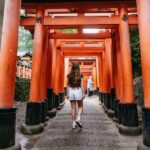
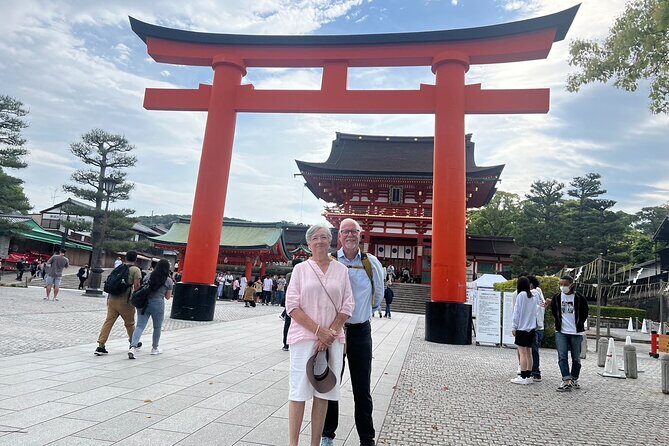
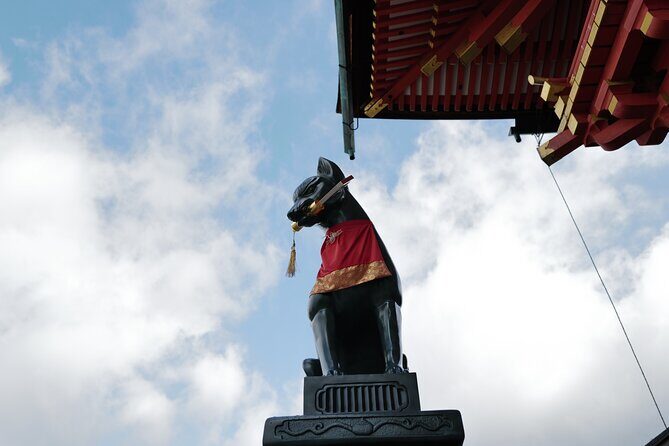
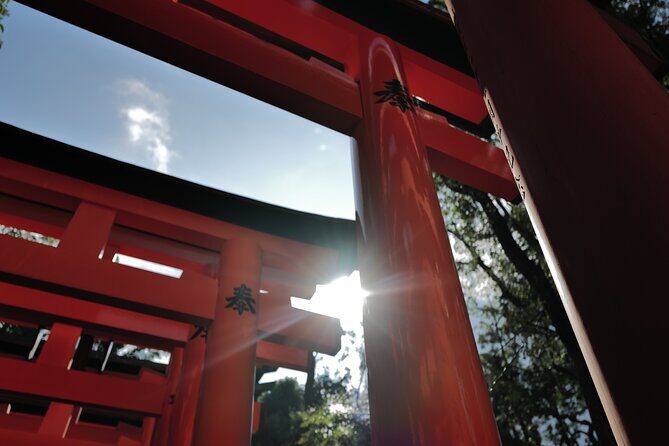
Your morning starts at Fushimi Inari-taisha, one of Japan’s most famous shrines. The headline feature is the long tunnel of red torii gates, and going early changes everything. At quieter hours, you can walk deeper into the gate paths and still hear yourself think.
This stop runs about 1 hour and the admission is free. A full hour is enough to do the essentials and still linger at a few points where the path opens up.
What to watch for:
- Shoes matter. The shrine routes include stairs and uneven ground in places.
- Go at a steady pace. If you rush, you miss the rhythm of the gates and the shrine details.
- Bring a camera mindset. The torii line is made for photos, and early crowd control helps you frame shots without random heads blocking the view.
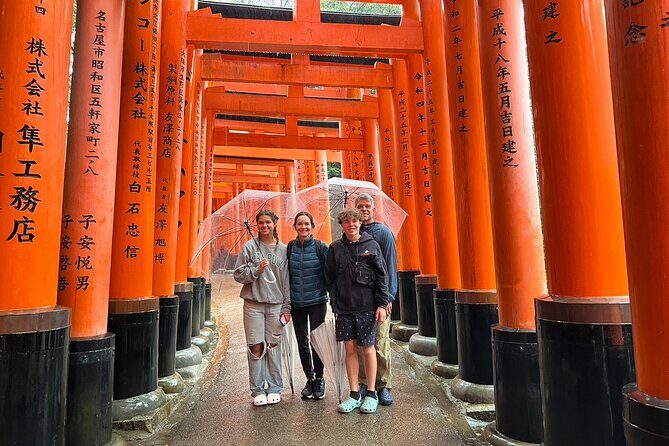
If the weather is rainy, don’t panic. The tour is designed to still feel smooth, and guides tend to keep you moving so you don’t lose the morning.
Arashiyama Bamboo Grove: Morning Light and Real Breathing Space
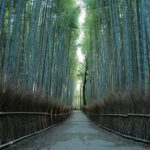
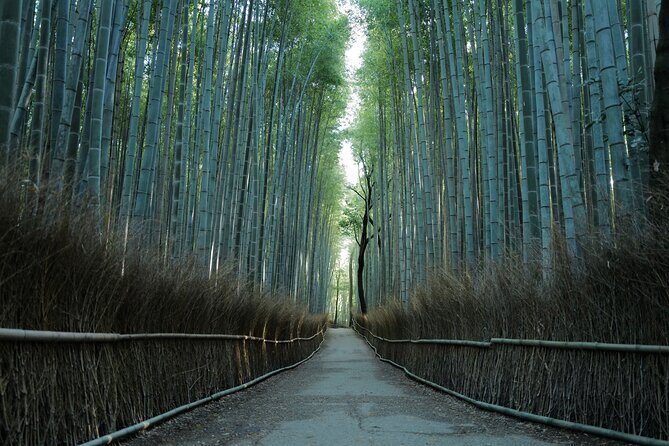
Next up is Arashiyama, with about 1 hour at the famous bamboo grove. The bamboo here is tall and close enough that you feel like you’re inside a living corridor. In the morning, the grove tends to feel calmer, and the sound of leaves and wind carries better when the crowd level is lower.
This stop also has free admission. So you’re not paying for the privilege of being there, and that’s a nice value move.
Practical tips for this part:
- Plan to take photos, then take your time. The shots look best when you’re not sprinting between positions.
- Expect some walking between spots and viewpoints. Even when the grove itself is one main area, you’ll move around.
- If you’re with kids or anyone who hates rushing, this is usually manageable with a good guide. Feedback includes mentions of guides being patient and keeping the pace comfortable.
Arashiyama is also one of those places where people expect a simple photo stop. But in the early morning quiet, it becomes more like a short nature break between Kyoto’s bigger landmarks.
Kinkaku-ji Golden Pavilion: What You Pay For and Why It’s Worth It
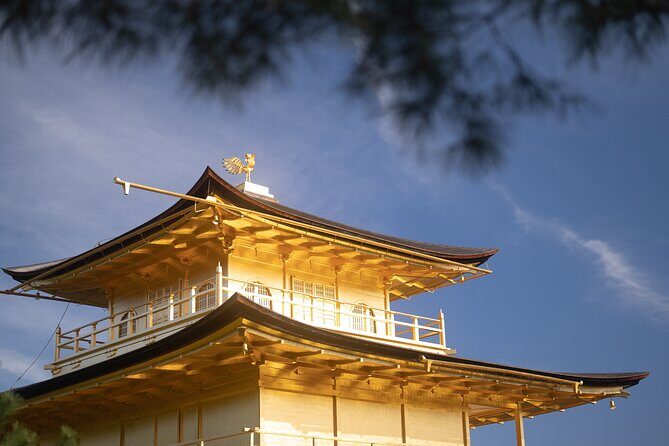
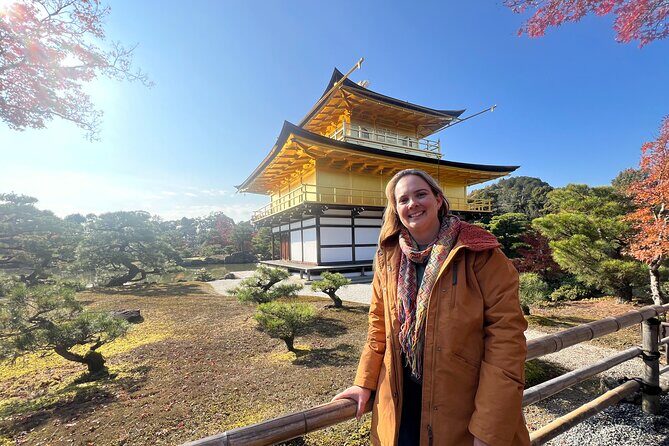
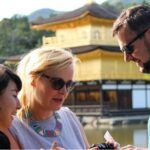
The final major temple stop is Kinkaku-ji, also called the Golden Pavilion. This is the “wow” finish. The gold look is striking any time, but morning lighting can feel gentler and less harsh than midday glare.
This stop is about 1 hour, and here’s the cost detail: Kinkaku-ji admission is not included. Budget ¥500 per person for the entrance fee.
Why this timing matters:
- You’re more likely to enjoy the pavilion without fighting for a view angle.
- You get time to look and read the surroundings without the scramble that happens later.
- The morning flow helps you take in the place instead of just checking it off.
Even if you’ve seen photos before, the real value is in how the pavilion sits in its environment. The quiet of the morning gives you a chance to notice it as a composed scene, not just a shiny object.
A few more Kyoto tours and experiences worth a look

How Public Transit Help Actually Pays Off in Kyoto
One of the most useful parts of this tour is that your guide helps you use Kyoto’s public transit. The tour notes that the public transportation fare is about 1240 yen (not included), and time spent traveling is built into the tour length.
Why I think this is good value: Kyoto is a maze if you only rely on instinct. When you learn the basics of train and bus movement with a guide, you get a mental map you can reuse later. You don’t just “get from A to B.” You learn how the city thinks.
Feedback also mentions things like riding commuter train segments as part of the experience. That matters because it makes the tour feel more like you’re moving through real daily Kyoto, not just hopping between monuments.
Just be aware of the tradeoff: public transit plus temple timing means walking is part of the package. This isn’t a sit-and-glide tour.
Pace, Walking, and What to Bring
The tour is listed for people with a moderate physical fitness level. In real terms, that usually means you’ll be on your feet for several hours with walking between stops and time in temple grounds.
Pack like you’re doing an early city hike:
- Comfortable shoes with grip
- A layer for morning chill (Kyoto can feel cool before the sun fully warms things up)
- An umbrella or rain gear if weather looks questionable
- Your camera, since the tour is specifically timed for calmer photo opportunities
Also: plan your expectations. Five to six hours is not “lazy sightseeing,” but it’s not exhausting either if you go with the flow. The best outcome is that you’re tired in a good way by mid-day, not worn out before you even start your afternoon.
Guides Make the Difference: English, Stories, and Photo Advice
A big reason this tour scores so well is the guide quality. Many of the names showing up in feedback are repeatedly praised for explanation style, friendliness, and practical help.
For example:
- Haruki gets called out for strong navigation and patience, including with a 10-year-old.
- Akira and Aya are praised for historical context and making the sites feel alive.
- Genki and Arisa come up for clear English and smart photo spots.
- Karin is highlighted for helping people feel comfortable traveling by train and bus.
- Ramu is praised for adding context so the culture and history land better.
Even without a specific guide name you’ll be assigned, the point for you is this: the guide role is not an extra. It’s the core product. The tour is built around understanding and timing, and the guide is what turns walking into real meaning.
Price and Value: Is $68.98 a Smart Buy?
The tour price is $68.98 per person, with group discounts and a mobile ticket. For a 5 to 6 hour early start that includes an English-speaking guide and organized transit movement, it’s not a throwaway add-on price.
But let’s do the honest math mindset.
What’s included:
- English-speaking guide
- Tour duration with time spent traveling
- Fushimi Inari-taisha admission (free)
- Arashiyama bamboo grove time (no admission listed)
What costs extra:
- Public transportation fare: about 1240 yen
- Kinkaku-ji admission: ¥500 per person
So you should plan on extra spending tied mostly to getting around and entering the Golden Pavilion. When you compare this to buying a bundle of tickets and trying to coordinate timing on your own, the value comes from three things:
- You start early, which is the biggest “crowd cost” saver in Kyoto.
- You travel with local know-how, so you spend less time guessing.
- Small-group pacing gives you time to actually see the places.
If you love planning but don’t want the headache of figuring out the morning logistics, this is the sweet spot.
Who This Tour Fits Best
This is a strong choice if you:
- Want a focused early start that hits big highlights in one morning
- Prefer less crowd pressure for photos
- Want help using public transit instead of relying on taxis
- Are traveling with family members who need a steady, explained pace
It’s also a good fit for first-timers. You’ll leave with a clearer sense of how Kyoto is laid out and what feels important to revisit later.
If you’re the type who likes to wander completely unstructured, you might still enjoy this, but treat it as a headliner starter course. You’ll likely want the afternoon free after you finish, since that’s where Kyoto’s side streets really reward curiosity.
FAQ
How long is the Kyoto Early Morning Tour?
The tour duration is about 5 to 6 hours, including travel time.
What are the main stops on this tour?
You’ll visit Fushimi Inari-taisha, Arashiyama, and Kinkaku-ji.
Is the tour in English?
Yes. It includes an English-speaking guide.
How big is the group?
The group size is capped at a maximum of 8 travelers.
What entrance fees and transit costs should I budget for?
Public transportation fare is about 1240 yen (not included). Kinkaku-ji admission is ¥500 per person (not included). Admission for Fushimi Inari-taisha is listed as free.
Is the tour physically demanding?
It’s recommended for people with a moderate physical fitness level, since there’s walking during the sightseeing and between stops.
What happens if the weather is bad?
The experience requires good weather. If it’s canceled due to poor weather, you’ll be offered a different date or a full refund.
Can I cancel for a refund?
Yes. You can cancel for a full refund up to 24 hours in advance of the experience start time.
Should You Book This Kyoto Early Morning Tour?
Yes, if your top goal is to see Kyoto’s biggest sights with fewer crowds and less morning stress. The early timing plus the small-group cap of 8 is the real advantage here, and the guide help with English explanations and public transit can save you a lot of guesswork.
Book it especially if you’re trying to make the most of a limited Kyoto stay or you want an organized start that doesn’t steal your whole day. Just budget for the extra transit fare and Kinkaku-ji admission, wear good shoes, and treat the early wake-up as part of the payoff.