REVIEW · KYOTO
Kyoto: Early Morning Tour with English-Speaking Guide
Book on GetYourGuide →Operated by GuideMe Japan · Bookable on GetYourGuide
Beat Kyoto crowds before breakfast. This small-group morning tour hits Kyoto’s most famous sights—Fushimi Inari first, then Arashiyama and Kinkaku-ji—so you see them at a calmer hour with real guidance, not just a map. I like that it’s built around “get there early” timing and guided stops that give you context as you walk. One thing to keep in mind: it’s a walking-and-transit tour, not a sit-on-a-bus sightseeing day, so comfortable shoes and a steady pace matter.
You start from Kyoto Station and use public transportation throughout. If you want confidence to navigate trains and buses on your own later, this tour is a helpful practice run, and many guides also explain how to move between areas without guesswork. Your guide contacts you on WhatsApp before you go, and you meet at Kyoto Station’s Central Ticket Gate (near Kyoto Tower and 7-Eleven) while holding a board that says GuideMe Japan.
The guides are a big part of the value. I see repeated praise for guides like Hinano Yoshida, Ramu, Genki, Koi, and Haruki—especially for clear English, good pacing, and photo help. If you’re the type who likes a route that feels organized but still flexible for questions, this one fits.
In This Review
- Key Things That Make This Early Kyoto Tour Worth It
- Why This Kyoto Morning Works: Fewer Crowds, Better Viewing Time
- Meeting at Kyoto Station and Moving Around on Public Transit
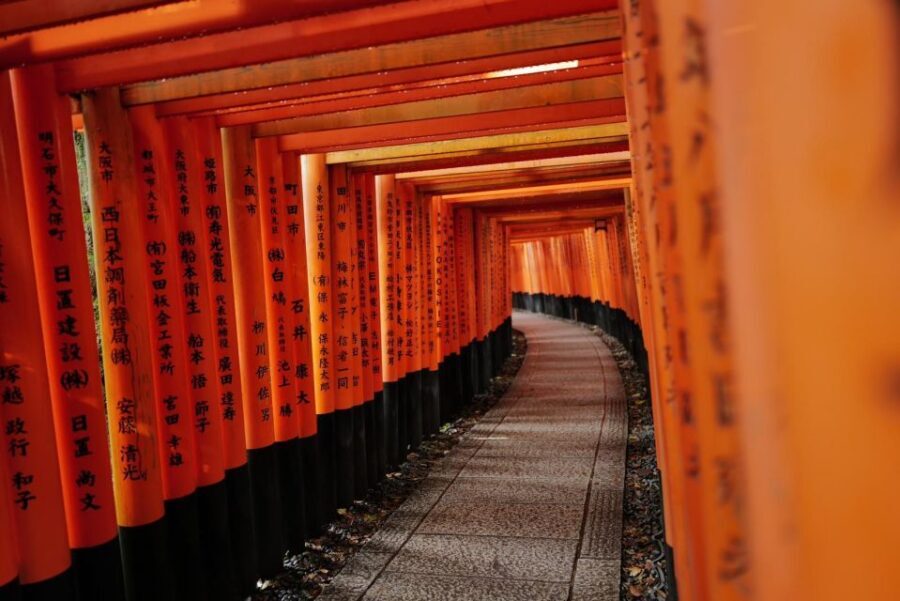
- Fushimi Inari Taisha at First Light: Torii Gates and Quiet Time
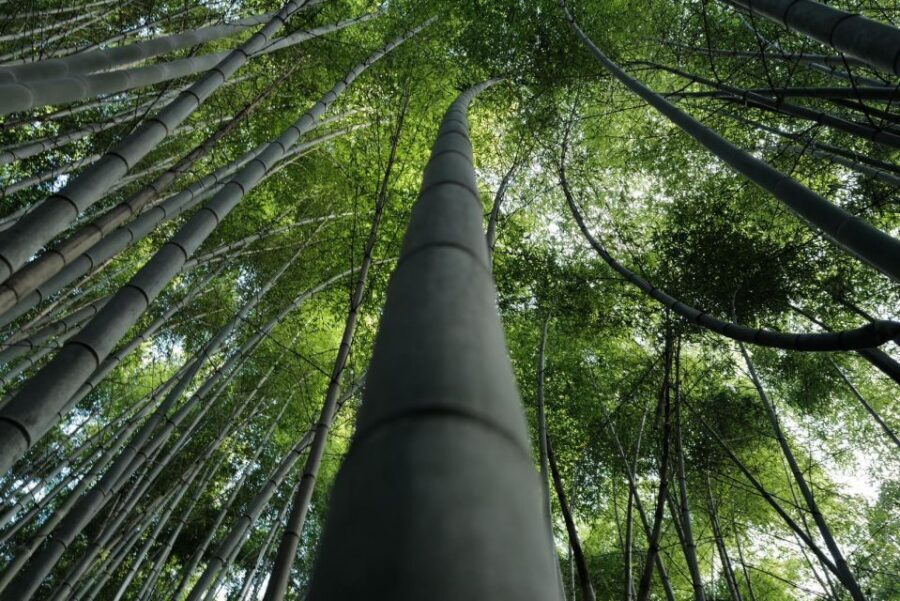
- Arashiyama in the Morning: Bamboo-Area Mood Plus Scenic Breathing Room
- Kinkaku-ji (Golden Pavilion) With Real-Life Timing and an Entry Fee
- Pace, Guide Style, and Why the Group Size Helps
- Cost and Value: What $101 Actually Buys You
- Who This Tour Fits Best (And Who Might Prefer Another Option)
- Should You Book This Early Morning Kyoto Tour?
- FAQ
- Where is the meeting point?
- How long is the tour?
- Is lunch included?
- Is this a private tour?
- What extra fees should I expect?
- Do I need WhatsApp before the tour?
Key Things That Make This Early Kyoto Tour Worth It
- Fushimi Inari before the crowd wave: you get a long, guided 70-minute visit when torii gates feel more peaceful
- Small groups up to 8 people: easier Q&A and better attention than big bus groups
- Public transport skills, not just transport: you ride trains and use a coach/bus segment, so you learn how Kyoto actually moves
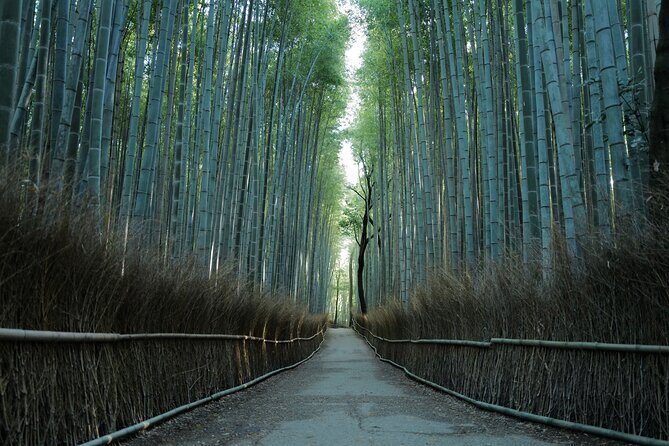
- Arashiyama in the morning: you reach the bamboo-area vibe while the day is still young and the air is cooler
- Kinkaku-ji with an organized approach: you’re not trying to piece together timing with everyone else
- Guides who help with photos and choices: multiple guides are noted for camera skills and practical restaurant ideas afterward
Why This Kyoto Morning Works: Fewer Crowds, Better Viewing Time
Kyoto is famous for a reason, but that also means the city can feel like a line outside every landmark. This tour is designed to solve that. You start early enough to experience places like Fushimi Inari and the bamboo-area streets before tour buses fully unload and school groups arrive in numbers.
The “early” part isn’t just about emptier photos. It changes how the sites feel. At Fushimi Inari, walking the torii gates is more than sightseeing—it’s a slow, layered experience. When you’re there before the crush, you can actually pause, look up, and take in what the shrine means in daily life. You also get time to reflect rather than sprint between viewpoints.
Then there’s the payoff: you’re generally finished by lunchtime. That matters in Kyoto because afternoons tend to get harder. With this tour, you don’t have to guess what to do next while you’re tired and stuck in peak crowd flow.
You can also read our reviews of more guided tours in Kyoto

Meeting at Kyoto Station and Moving Around on Public Transit
This is not a private van tour. It’s a walking tour that uses public transportation, and that’s a key piece of why it’s good value.
You meet at Kyoto Station Central Ticket Gate, the big gate where Kyoto Tower is visible outside. There’s a 7-Eleven nearby, and your guide holds a board that says GuideMe Japan. Plan to arrive 5 minutes early (the guidance is 5–10 minutes early), because the tour can’t wait for late arrivals. If you’re late, you may not be able to join, so treat the meeting point like a train departure.
You’ll use trains for most legs and then a bus/coach segment before Kinkaku-ji. Practically, this means you should come with an IC card (SUICA/ICOCA/PASMO) or a JR pass if you have one, and you should expect extra costs for transit and the temple entrance (more on that soon). Also, bring cash; you’ll need it for the Kinkaku-ji entry fee and likely for other small expenses.
The “real world” advantage: you’ll come away knowing you can handle Kyoto transit again later, instead of feeling stuck the rest of the trip.
Fushimi Inari Taisha at First Light: Torii Gates and Quiet Time
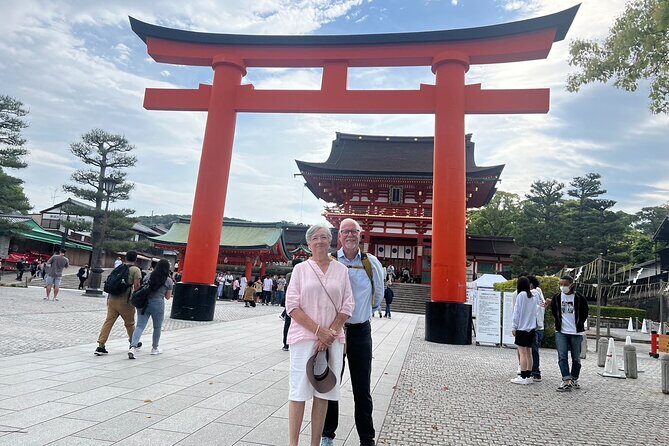
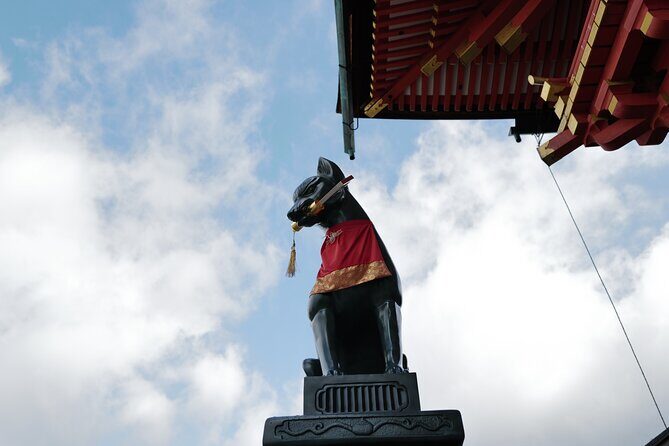
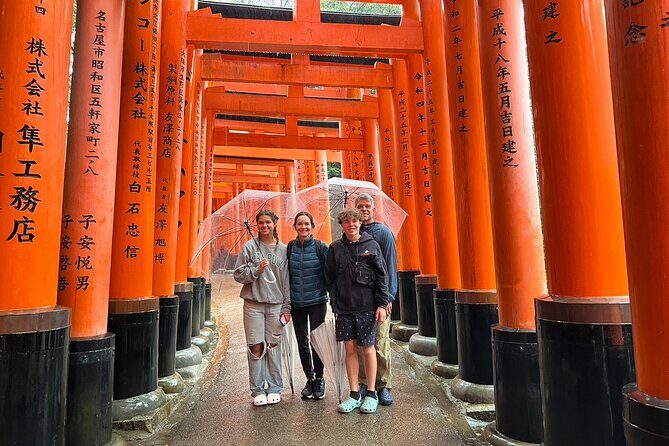
Your first guided stop is Fushimi Inari Taisha. You’ll spend about 70 minutes there, which is a meaningful chunk of time for this site. The tour also explicitly builds in the moment of contemplation and reflection—because this shrine isn’t best treated like a 10-minute checkbox.
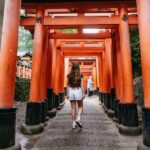
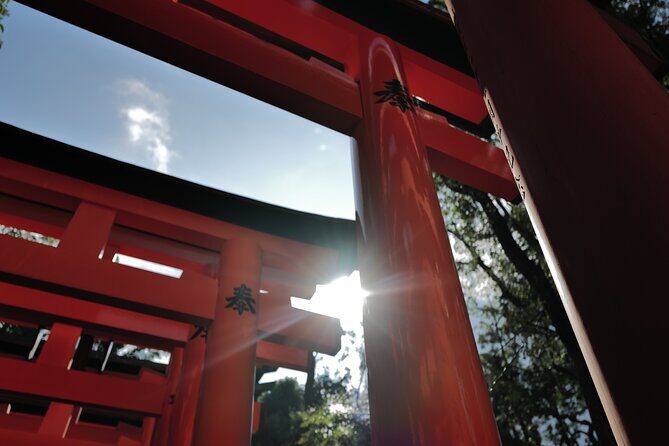
What I love about doing Fushimi Inari early is the way the torii paths read differently in the morning. Without constant foot traffic, it’s easier to notice the rhythm of the gates and the atmosphere shifts as you move deeper into the area. Even the first approach feels calmer, and you can actually enjoy the walk rather than weaving around people.
The guided element helps too. A good guide doesn’t just point out landmarks—they explain why the place works the way it does and how it fits into Shinto practice. In past tours, guides such as Genki, Aya, and Rin have been praised for turning the shrine into a story you can follow while you walk.
One practical consideration: you’ll be walking in a shrine area, so you’ll want comfortable shoes and a plan for cool morning weather. If conditions are wet or icy, go slow.
Arashiyama in the Morning: Bamboo-Area Mood Plus Scenic Breathing Room
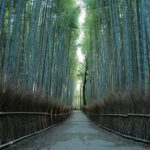
After Fushimi Inari, you move on toward Arashiyama for about 1 hour of guided time. This is where Kyoto shifts from shrine lanes to riverside-and-garden energy, plus that famous bamboo atmosphere.
Arashiyama is one of those places where crowd timing can make or break the experience. Early in the day, you get more “wandering” and less “surviving.” Guides frequently help by setting expectations, suggesting photo angles, and keeping the group moving at a comfortable pace. In one example, a guide named Chihiro was specifically praised for making the transitions easier and helping the group feel comfortable with timing.
Also, this stop is short enough that you’re unlikely to feel trapped in a long tour bubble. You can enjoy the key sights without losing the rest of your day. Many people book this tour because they want to see the highlights but still have energy to explore Kyoto on their own later.
The main drawback here is simple: it’s still a guided walk. If you’re expecting a slow, sit-down experience the entire time, this part may feel too active. Keep your expectations aligned, wear shoes you can walk in for hours, and you’ll be fine.
Kinkaku-ji (Golden Pavilion) With Real-Life Timing and an Entry Fee
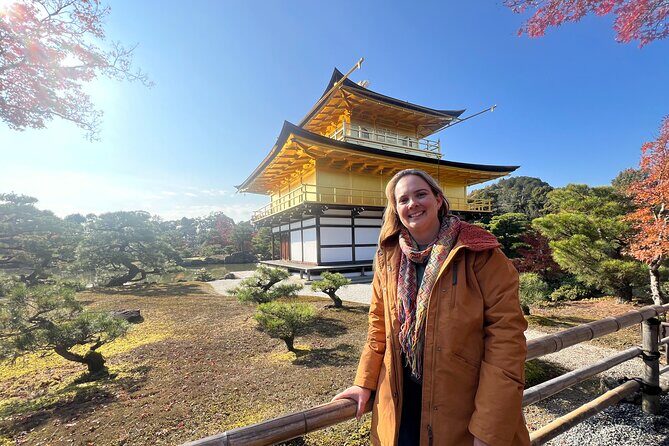
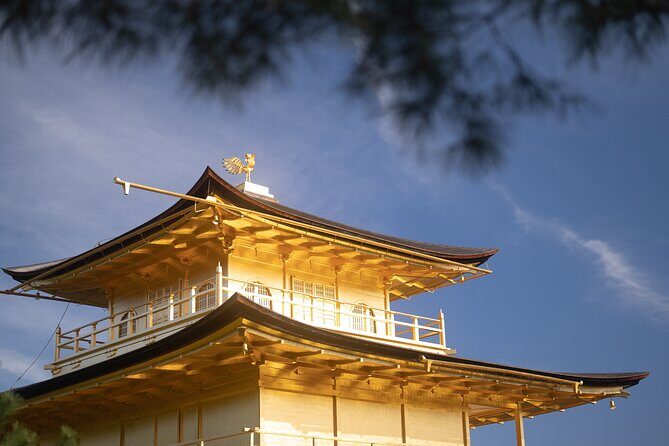
Your last major stop is Kinkaku-ji, the Golden Pavilion. You’ll have about 1 hour here with a guided visit. This is where you really feel the “Kyoto highlight” effect—because even with an early start, Kinkaku-ji is popular.
The tour includes the guided time, but it does not include the 500 yen entrance fee for Kinkaku-ji. You’ll want cash ready. There’s also a chance of weather changes and crowd flow. In one past experience, the group ran into a bus issue and the guide handled it by getting a taxi instead—basically, you don’t just stand around waiting if something goes sideways.
So how should you approach Kinkaku-ji? Go in with a “walk and look” mindset, not a “stand and stare for 5 minutes” plan. One hour sounds long until you’re actually there. You’ll likely spend time viewing the pavilion from different angles, then take a slower walk to absorb the garden surroundings.
If you’re someone who likes great photos, this stop can be very rewarding early. Several guides are praised for helping people take good pictures, including knowing where the best photo spots are.
A few more Kyoto tours and experiences worth a look


Pace, Guide Style, and Why the Group Size Helps
This tour is built for a “see a lot without feeling rushed” pace. The duration is about 330 minutes (roughly 5 hours, give or take around 30 minutes). That time structure matters because Kyoto’s logistics are real. Between trains and the walking sections, you’ll move, but the schedule gives you breathing room at each main sight.
The group size is capped at 8 people, which is a big difference from giant bus tours. In a small group, you can ask questions without feeling like you’re interrupting. Past groups specifically praised guides for being friendly and fun to talk to, and for explaining history and cultural meaning in a way that clicked while you walked.
You’ll also notice a pattern in the praise: guides who help with more than facts. People mention guides giving lunch or food recommendations afterward, like Ramu and others did. Another repeated theme is guides acting as helpers for navigating Kyoto transit, which makes your next day easier.
A practical note: this tour is not wheelchair or stroller accessible, and it’s not recommended for guests who use a cane. It is also not ideal for people with heart problems, and age limits are noted (not suitable for babies under 1 year and people over 95). If mobility is a concern, pick a different style of tour that matches your needs.
Cost and Value: What $101 Actually Buys You
The price is $101 per person, and you’re paying for two core things: an English-speaking guide and a structured morning route that saves you from researching transport and pacing across multiple areas.
But you should plan for extra costs that aren’t included:
- Transportation fee: about 1,240 yen
- Kinkaku-ji entrance fee: 500 yen
- Lunch: not included
Think of it like this: the tour price covers the human piece and the organization. You cover transit fares and the temple ticket because those vary by day and ticketing method.
Is it good value? For many people, yes—especially if it’s your first time in Kyoto and you want an “early hits” plan across Fushimi Inari, Arashiyama, and Kinkaku-ji without spending the whole morning figuring things out. If you already know Kyoto transit and you’re happy building your own route, the cost might feel less necessary. But if you want confidence plus interpretation plus easy timing, this structure earns its keep.
Who This Tour Fits Best (And Who Might Prefer Another Option)
This tour is a strong match if you:
- Want to see Kyoto’s top sights in one morning
- Prefer small-group attention over big-group wandering
- Like learning the meaning behind places while you walk
- Want an itinerary that ends by lunch so you can explore more later
It may not be the best choice if you:
- Need lots of seating breaks and have limited walking tolerance
- Are using mobility aids and want a fully accessible route
- Expect a bus-only sightseeing format (this is public transit plus walking)
Also, consider weather. Kyoto mornings can be cold or wet, especially in winter, and one reason the early timing is valued is also the reason you’ll feel it. Bring the right layers and keep your shoes grip-friendly.
If you’re traveling with kids, you may find the route doable, but only if your child can handle the walking portions comfortably. In past experiences, a guide named Haruki was specifically noted for engaging well with an 11-year-old, which is a good sign.
Should You Book This Early Morning Kyoto Tour?
Book it if you want your Kyoto highlights with less stress and more explanation. The biggest reason to choose this one is the rhythm: early starts at Fushimi Inari and Arashiyama, then a guided approach to Kinkaku-ji, all while keeping you on a tight schedule that ends by lunch. If it’s your first Kyoto trip, you’ll likely appreciate how it sets your bearings for the rest of your days.
Skip it (or consider a different format) if you dislike walking or if mobility needs mean you can’t comfortably handle a walking-and-transit route. And budget for the add-ons: transit fares and the Kinkaku-ji ticket.
If you align your expectations—small group, lots of walking, early timing—this tour delivers a morning that feels organized, worth the money, and genuinely helpful.
FAQ
Where is the meeting point?
You meet at Kyoto Station Central Ticket Gate, the big gate near Kyoto Tower and close to a 7-Eleven. Your guide will be holding a board that says GuideMe Japan.
How long is the tour?
The tour is approximately 330 minutes, or about 5 hours, with possible variation of around 30 minutes.
Is lunch included?
No. Lunch is not included.
Is this a private tour?
No. It’s a group tour with a small group size of up to 8 people.
What extra fees should I expect?
You’ll pay for transportation (about 1,240 yen) and the Kinkaku-ji entrance fee (500 yen). The tour price also doesn’t include lunch.
Do I need WhatsApp before the tour?
Yes. Your guide contacts you through WhatsApp prior to the tour, so you should download the app ahead of time.