REVIEW · KYOTO
Kyoto: Nijo Castle, Kiyomizu & Fushimi Inari Guided Tour
Book on GetYourGuide →Operated by AMIGO TOURS JAPAN GK · Bookable on GetYourGuide
Kyoto can feel like a blur if you wing it. This all-day guided bus tour strings together the big icons with tight timing, plus early access that helps you beat the worst of the crowds. You also get a guide working in English and Spanish, so you’re not just looking at temples—you’re understanding what you’re seeing.
What I like most: the stop order makes sense for a one-day hit, and the tour gives you structured time at each place (not just a quick drop-and-run). I also love the way the itinerary balances major wow-sites with calmer moments, especially the early Arashiyama bamboo time.
One consideration: it is a long day and you will walk. This tour isn’t built for slow pace or low stamina, and crowds can still show up at the most famous spots.
In This Review
- Key highlights worth planning for
- First stop: Arashiyama Bamboo Grove before the crowds
- Kinkaku-ji (Golden Pavilion): breathtaking, but ticket dependent
- Nijo Castle and the nightingale floors
- Kiyomizu-dera: the wooden stage and the valley views
- Fushimi Inari Taisha: red torii gates and pick-your-own climb
- The bus ride factor: long day, but well-paced
- Price and what your $54 covers in real terms
- Who this Kyoto tour fits (and who should skip it)
- Should you book this Kyoto: Nijo Castle, Kiyomizu & Fushimi Inari guided tour?
- FAQ
- How long is the Kyoto Nijo Castle, Kiyomizu & Fushimi Inari guided tour?
- Where do I meet the guide, and how early should I arrive?
- Is admission to Golden Pavilion, Nijo Castle, and Kiyomizu-dera included?
- What happens if Nijo Castle can’t be accessed on the day?
- Is lunch included during the tour?
- What languages will the guide speak?
- Where will the tour drop me off at the end?
- Is there free cancellation?
Key highlights worth planning for
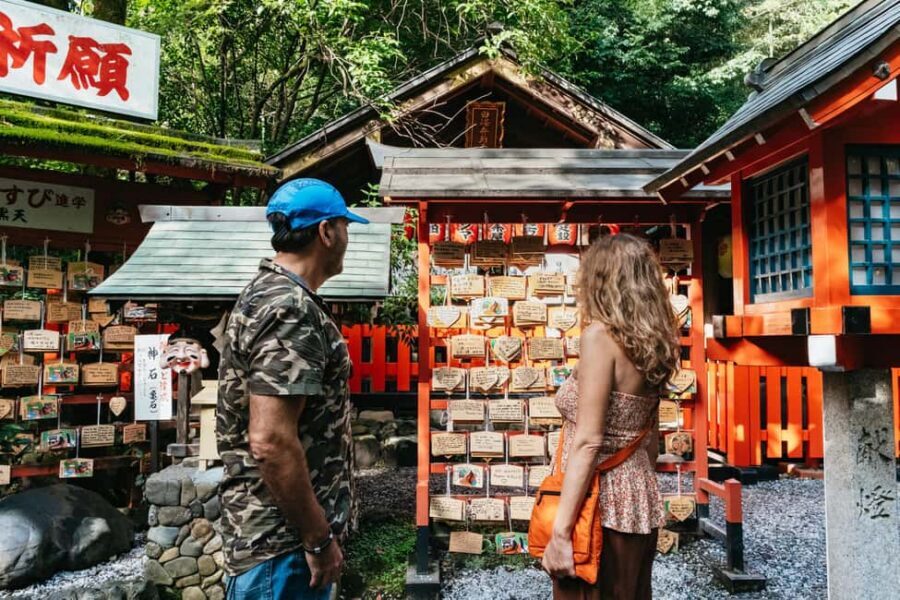
- Early access at Arashiyama Bamboo Grove to reduce time in peak crush
- Ticket-choice control for Kinkaku-ji and Nijo Castle (plan in advance)
- Nijo Castle’s nightingale floors and shogun-era atmosphere
- Kiyomizu-dera’s wooden stage views plus time to snack and browse nearby
- Fushimi Inari free time to choose your own torii climb pace
- A bilingual guide plus careful driving that keeps transfers stress-free
First stop: Arashiyama Bamboo Grove before the crowds
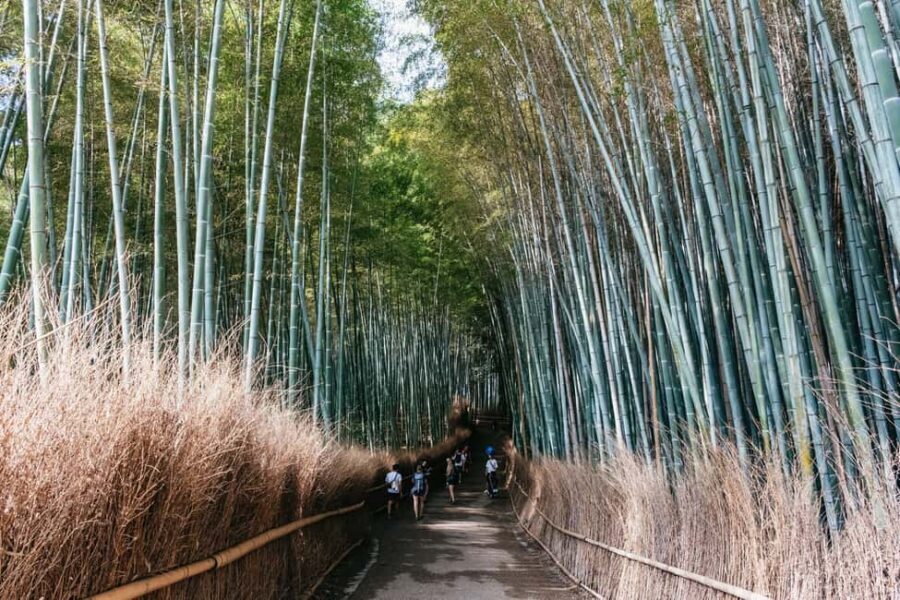
Most Kyoto day plans start with good intentions and end with standing in lines. Here, the day begins in Arashiyama, and the tour builds in early access so you get a calmer look at the Bamboo Grove.
You’re given about 70 minutes for free time. That matters, because the best bamboo photos aren’t always the first shot you take. You’ll have a chance to wander the paths at a walking pace, step aside to catch softer light, and actually notice the soundscape—the leaves rustle, and it feels less like a theme park and more like a real forest corridor.
Practical tip: wear shoes you can move in fast. Even when it’s free time, Kyoto timing is real, and bamboo paths still involve uneven ground and lots of foot traffic.
You can also read our reviews of more guided tours in Kyoto

Kinkaku-ji (Golden Pavilion): breathtaking, but ticket dependent
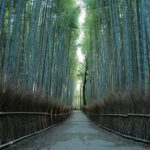
After Arashiyama comes Kinkaku-ji, the Golden Pavilion, and this is where you’ll see why Kyoto is famous for visual perfection. The temple is covered in gold leaf, and it sits with a pond-and-garden setting that gives you multiple angles without feeling like you’re stuck in one view lane.
Here’s the catch: admission is included only if you bought the with-ticket option in advance. So before you go, double-check your booking details. It’s the kind of small administrative step that saves you from losing one of the big hits of the day.
If you do have the ticket, plan your 45 minutes well. Early on, you can catch the front scenes and the reflections. Later, you’ll often have better luck finding less jammed viewpoints around the edges. If you don’t have admission, you can still enjoy the area, but you’ll have less freedom in what you can access.
Nijo Castle and the nightingale floors

Next is Nijo Castle, former residence of the shogun—part palace, part political statement, part architectural flex. You get around 1.5 hours, which is a decent amount of time for moving through gardens and interiors without feeling rushed.
The standout feature is the nightingale floors. These are designed to make noise when walked on, historically intended as a security measure. It’s one of those details that turns a building from pretty into meaningful.
This stop also has a ticket dependency: access is only available if you booked the option that includes it. And there’s another useful contingency. If Nijo Castle is not accessible, the tour swaps in a visit to Sanjūsāngendō Temple instead. That flexibility is helpful because it protects your day from ending with a boring substitution.
Comfort note: Nijo and similar sites can include stairs and sections where you’ll naturally slow down because of crowds and narrow routes. If you’re sensitive to walking, build your pace around that reality.
Kiyomizu-dera: the wooden stage and the valley views

Now you hit Kiyomizu-dera, one of Kyoto’s most dramatic temple silhouettes. You’ll spend about 2.5 hours total here, and the day includes time for lunch plus free time afterward.
The main draw is the wooden stage that looks out over the valley. Even if you’ve seen photos before, the scale works differently in person. You get a feel for why this place is tied to sweeping views and why it becomes a natural meeting point for people exploring the area.
As with other major stops, the visit is granted only if you selected the advance ticket option for this temple. Also, the surrounding streets are part of the experience. You’ll have time to wander through the nearby area known for traditional sweets and craft shops. This is a good moment to slow down and buy something small, like a snack you’ll actually eat on the spot (not just a souvenir to carry all day).
My advice for lunch: treat it as a schedule tool. Use your Kiyomizu-dera time to eat before you’re too tired. Food and drinks aren’t included, so you’ll want cash or a card ready and the willingness to wait a bit if you pick something popular.
Fushimi Inari Taisha: red torii gates and pick-your-own climb
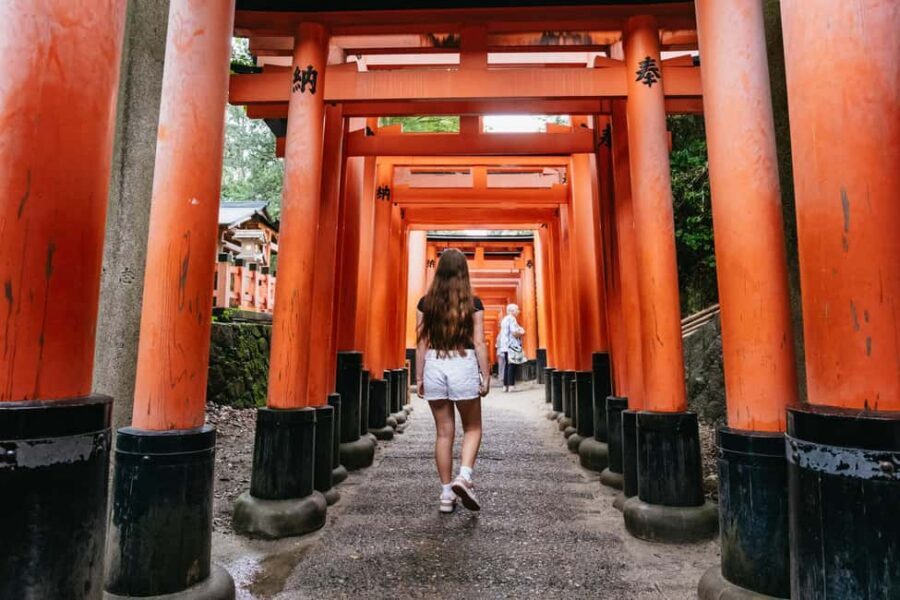
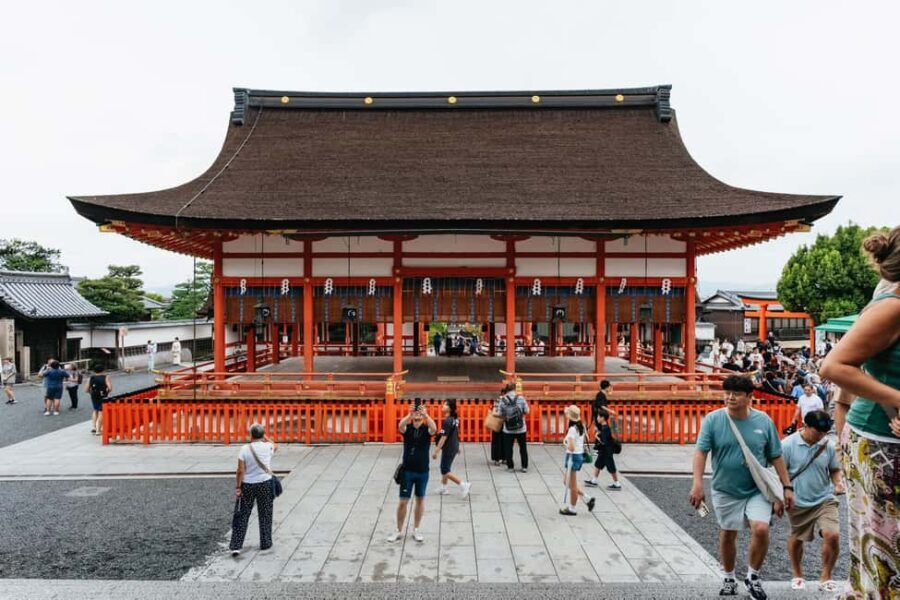
The grand finale is Fushimi Inari Taisha, famous for its thousands of bright red torii gates winding up the hillside. This is one of those sights where the “tourist route” and the “choose your path” route are both satisfying. You’ll have about 1.5 hours of free time to decide how far you want to go.
What makes this stop work on a day tour is the balance: you can soak it in without needing a full hike commitment. Some people want to walk higher for more gate density and quieter trails; others stay lower for the most iconic corridors near the entrances. Either way, the gates create a repeating rhythm that makes photos feel less posed and more like a visual stroll.
Bring patience for crowds, especially during peak times. Even if the lines aren’t huge, you’ll be moving through a popular sacred space where people pause often. If you want calmer moments, step aside near turns, wait for a gap in foot traffic, and let the noise settle.
End-of-day note: the tour finishes with drop-offs at Fushimi Inari Taisha and Kyoto Station (two options), which is convenient if you’re continuing elsewhere that night.




The bus ride factor: long day, but well-paced
This tour runs 11 hours, and the real question is how it feels while you’re doing it. The itinerary includes multiple short coach transfers (typically 30 minutes or so between major stops), plus built-in walking time where needed.
From the reviews and overall structure, what stands out is that the bus aspect isn’t just transportation—it’s also your buffer between crowded sites. The day avoids long, punishing drives where you’d feel trapped. And drivers described as careful and experienced help reduce stress when Kyoto traffic gets tricky.
You’ll also want to plan for weather. The tour notes that the itinerary can change due to weather, traffic, or road closures. That doesn’t mean the day will collapse—it means your schedule might swap minor timing or routes to keep things workable.
What to bring (this genuinely matters):
- Comfortable shoes
- Water
- Sunscreen and a hat
- Camera (and extra battery if you’re using it heavily)
Price and what your $54 covers in real terms
At $54 per person for an 11-hour day, the value is mostly about bundling. You’re paying for:
- Transportation from the meeting point
- A bilingual (English/Spanish) guide
- Admission to Golden Pavilion, Nijo Castle, and Kiyomizu-dera when you select the matching with-ticket options
Food and drinks are not included. That’s typical, but it’s worth budgeting so you don’t end up choosing whatever is nearest just because you’re hungry.
Where the price can feel like a bargain: if it’s your first time in Kyoto and you want the headline sites without juggling tickets, route planning, and timing across the city. Where it can feel less ideal: if you already know you’ll only care deeply about one or two locations and would rather explore at your own speed.
Also, this tour is designed for efficient sequencing. You’re not trying to “do Kyoto.” You’re getting a focused circuit that covers the most recognizable stops with enough time to actually experience each one.
Who this Kyoto tour fits (and who should skip it)
I’d recommend this tour if:
- You have one day in Kyoto and want the big hits in a logical order
- You like learning context while you walk (not just photos)
- You’re comfortable with steady walking and crowded areas
I’d think twice if:
- You have limited mobility or need wheelchair-friendly routing. The tour states it is not suitable for mobility impairments or wheelchair users.
- You hate long days. The schedule is full, and while stops include free time, it still feels like an all-day itinerary.
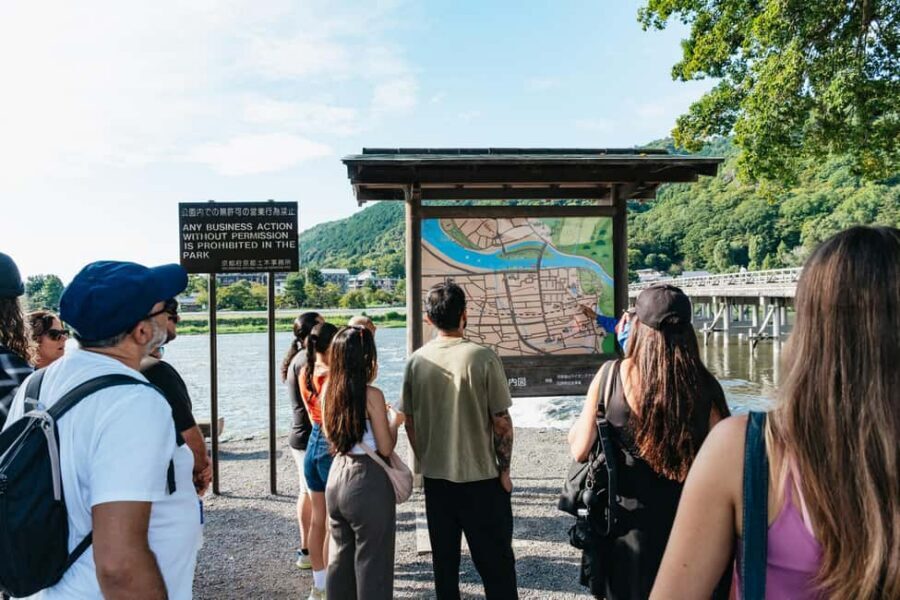
Good news: the guide approach tends to keep the group moving without making you feel like luggage. Many comments highlight the bilingual switching during explanations, and guides like Cesar and Angeles (plus drivers such as Ken, Hamada, and others) are repeatedly credited with keeping timing tight.
Should you book this Kyoto: Nijo Castle, Kiyomizu & Fushimi Inari guided tour?
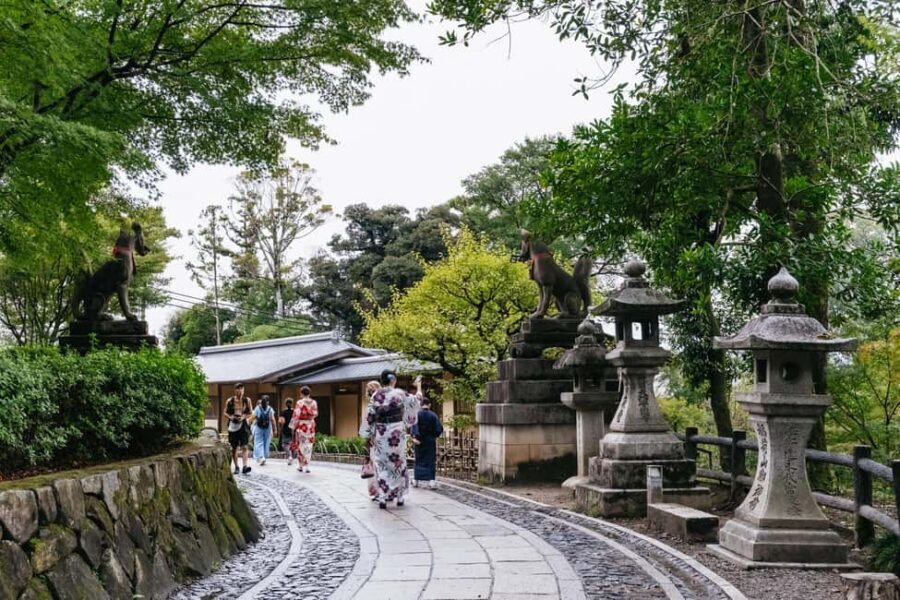
If your plan is one Kyoto day and you want structure, admissions, and a bilingual guide, this tour is a strong choice. You’ll see the iconic trio—Kinkaku-ji, Nijo Castle, Kiyomizu-dera—plus Arashiyama early enough to feel like a forest instead of a crowd magnet, and you’ll finish with Fushimi Inari at a pace you control.
Book it if you:
- Want a fast way to get your bearings
- Are okay paying extra for a tour that bundles tickets and logistics
- Will bring the basics (water, hat, shoes) so fatigue doesn’t ruin the day
Skip it if you’re looking for a slow, neighborhoody day with no crowds. In that case, Kyoto needs a different rhythm.
FAQ
How long is the Kyoto Nijo Castle, Kiyomizu & Fushimi Inari guided tour?
The tour duration is 11 hours.
Where do I meet the guide, and how early should I arrive?
Meet the guide outside Hotel Keihan Kyoto Grande, where the guide waits with a sign of Amigo Tours. Arrive at least 10 minutes before departure for check-in.
Is admission to Golden Pavilion, Nijo Castle, and Kiyomizu-dera included?
Admission is included only if you purchased the with-ticket option in advance for those specific sites. Otherwise, the tour may not grant the visit.
What happens if Nijo Castle can’t be accessed on the day?
If Nijo Castle is not accessible, the tour will instead include a visit to Sanjūsāngendō Temple.
Is lunch included during the tour?
No. Food and drinks are not included, though lunch time is built into the schedule at Kiyomizu-dera.
What languages will the guide speak?
The live guide speaks English and Spanish.
Where will the tour drop me off at the end?
You’ll have two drop-off locations: Fushimi Inari Taisha and Kyoto Station.
Is there free cancellation?
Yes, you can cancel up to 24 hours in advance for a full refund.