REVIEW · TOKYO
Tokyo: Grand Sumo May Tournament
Book on Viator →Operated by Arumachi · Bookable on Viator
Sumo is louder once you get it. This Tokyo Grand Sumo May Tournament experience is built for people who want more than just watching throws in silence: you get an English sumo expert guide with live bout commentary delivered right to your ears during the matches. I especially like the way the tour ties what you see inside the arena to what you learned walking Ryogoku first, with stops like the museum and huge arena displays. One thing to consider: if you prefer constant chatting, you’ll want to actively ask questions, since guide styles can vary.
The optional chanko-nabe dinner is a satisfying way to end the day, and the way seating works lets you pick between balcony chair comfort and a first-floor option. Because the day runs about 6 hours and the group can be up to 35, you’ll get guidance without feeling like you’re stuck in a long, slow line.
In This Review
- Key highlights at a glance
- Why a Ryogoku Sumo Tournament Tour Beats Going Alone
- Price, Ticket Value, and What You Really Pay For
- How the 6-Hour Day Flows in Ryogoku
- Stop 1 (Optional): Walking the Sumo Landmarks of Ryogoku
- Stop 2: Kokugikan Viewing With Real-Time Commentary and Arena Walkthrough
- Seats and the Chair Option: Comfort vs. Proximity
- Chanko-nabe Dinner After the Bouts: What to Expect and What to Watch
- Practical Tips to Get the Most Out of Your Sumo Day
- Should You Book This Tokyo Sumo Experience?
- FAQ
- Is admission to the arena included?
- Is the tour private?
- Do I get help hearing the guide during the bouts?
- Are earphones included during the tournament commentary?
- How long is the experience?
- What about the chanko-nabe dinner?
- Can I choose my seat style?
- Where do we meet the guide?
- What if I need to cancel?
- How do I get my ticket?
Key highlights at a glance
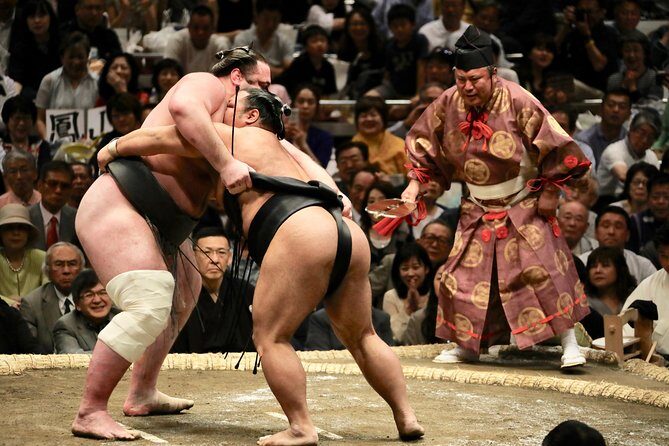
- Live bout commentary through personal earphones so the rules and rituals make sense in real time
- Ryogoku pre-tournament walk that sets up the sport’s background before you enter Kokugikan
- Kokugikan arena walkthrough, including murals, championship prizes, and a sumo museum stop
- An info package with tournament context, rankings, and wrestler profiles
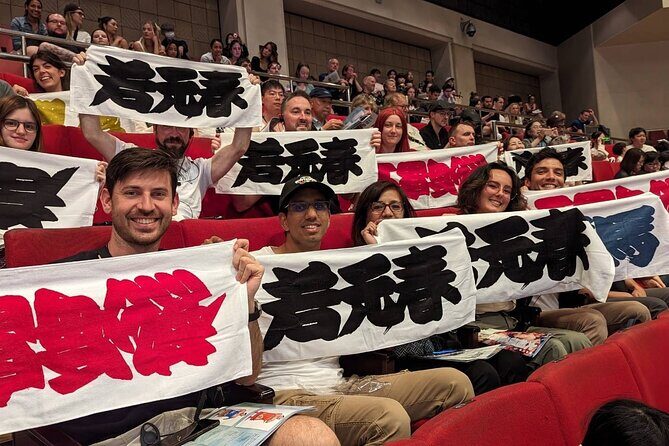
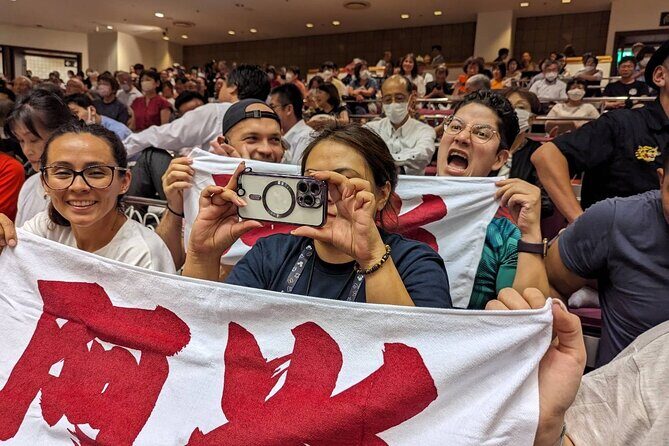
- Cheer-up goods to back a specific wrestler during the tournament
- Optional chair seating option (balcony) designed for easier comfort and sightlines
Why a Ryogoku Sumo Tournament Tour Beats Going Alone
If you’ve never watched sumo closely, it can feel like chaos at first: big bodies collide, referees sprint, and everyone seems to know a script you missed. The main value here is that you get context that makes the day click—what matters, what’s ritual, and what to watch for when the action pauses.
I like that the tour doesn’t treat the tournament as a one-time event. You start with a focused neighborhood and history component in Ryogoku, then you move into the Kokugikan for a guided look at what you’re about to see. When the bouts begin, your guide explains the flow and the meaning of ceremonies while you’re still in the moment.
The result is that you don’t just leave with photos. You leave with a mental map of the sport.
You can also read our reviews of more tours and experiences in Tokyo.



Price, Ticket Value, and What You Really Pay For
At $198.20 per person, this isn’t a cheap add-on. The value comes from a bundle: the English expert guidance, the arena admission included for the Kokugikan segment, and the extra layers that make the tournament easier to follow.
Here’s what you’re paying for, in practical terms:
- A guided tour that converts confusion into understanding (the biggest “value per minute” piece)
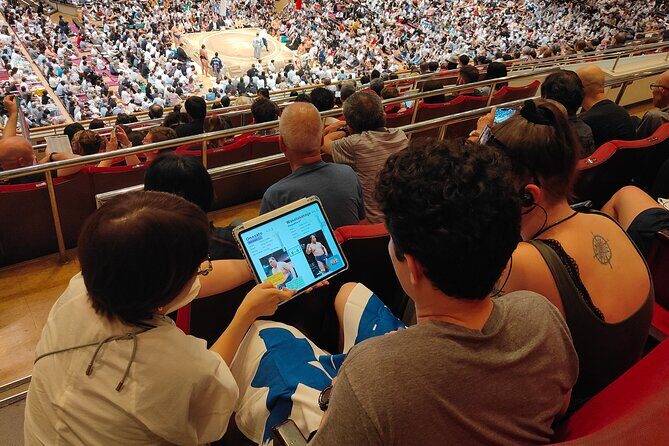
- Live earphone commentary during the bouts, not after the fact
- An info package with tournament and wrestler context
- Support inside the arena, plus a chance to tour key displays before sitting down
If you’re the type who can study sumo rules on your own and you don’t care about ceremonies, you might see this as pricey compared to buying a ticket alone. But if you want a translator for the sport itself—rules, routines, ranking context—this price starts to make sense.
Also, booking early matters. The Grand Sumo schedule is popular, and the tour is designed to secure seats when tickets are hard to get.
How the 6-Hour Day Flows in Ryogoku
The day is structured so you’re not just arriving, sitting, and hoping you catch the gist. Your total time is about 6 hours, with optional add-ons depending on the version you choose.
You’ll typically get:
- A walking segment in Ryogoku (around 2 hours) focused on sumo history and landmarks
- An arena segment in Ryogoku Kokugikan (around 3 hours) that combines inside-the-building viewing with the tournament itself
- An optional chanko-nabe dinner after the bouts, near the arena
One underrated benefit of this format is pacing. You’re taken through the important parts in the right order, so by the time the match chaos begins, you already recognize what you’re looking at—murals, museum items, and the visuals tied to yokozuna tradition.
Stop 1 (Optional): Walking the Sumo Landmarks of Ryogoku
Starting in Ryogoku is a smart move because this area is basically sumo’s home base in Tokyo. The walking portion is meant to deepen your enjoyment before you enter the Kokugikan.
You’ll visit sumo-related landmarks and historical spots around Ryogoku, with guidance focused on how the sport developed and why certain rituals exist. In past experiences tied to this tour, guides have also directed groups near places like a yokozuna shrine and shown the idea of sumo practice spaces from the outside.
This part is optional, but I’d treat it like the warm-up that makes the main event better. Even if you think you already “get it,” a guided explanation of the sport’s background helps you notice details you’d normally miss—especially when ceremonies happen quickly and everyone stands up for reasons that look mysterious if you don’t know the script.
A possible drawback is simple: it’s a walk. If you have mobility limits or you dislike strolling around before you get to the big show, you might prefer skipping straight to the arena segment.
Stop 2: Kokugikan Viewing With Real-Time Commentary and Arena Walkthrough
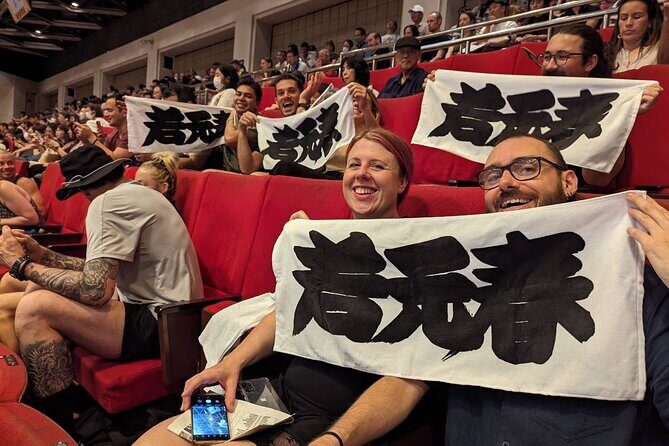
This is the heart of the experience. After you meet your guide, you’ll go inside Ryogoku Kokugikan and get a guided run-through before the bouts fully start.
The tour includes specific inside viewing stops, such as:
- Murals on a large scale
- Championship prizes displayed as part of the tournament world
- A sumo museum stop (short, but focused)
- Paintings and photos featuring successive yokozuna
Then comes the part that most people remember: you watch the bouts while your guide provides live commentary through personal earphones. The point is not to explain everything like a textbook. It’s to give you the key moments—what’s happening, what the gestures mean, and why certain actions matter—so you can follow the match without constantly guessing.
If you want practical advice, do this: listen for the ritual explanations. You’ll get more value out of those moments than out of trying to “decode” everything visually on your own.






Seats and the Chair Option: Comfort vs. Proximity
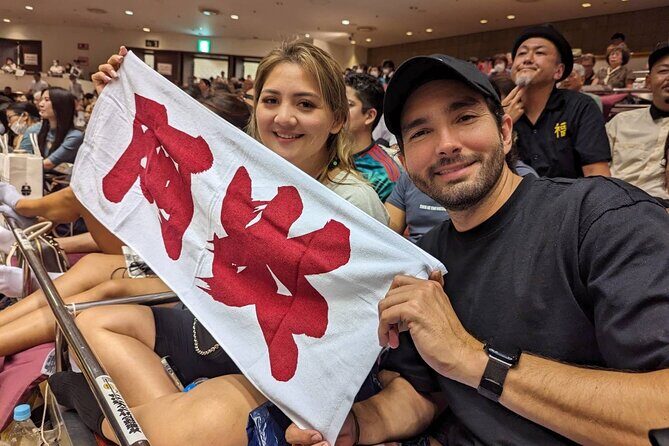
Seat comfort changes the experience more than people think. This tour offers a chair approach in the arena, including seating on the balcony, plus options for where you sit on the first floor.
If you choose the chair option, you’re typically placed on the balcony. You should be comfortable for longer periods without needing to stay on a flat floor. You’re seated either in seat area B or C, depending on the exact arrangement.
If you stay on the first floor instead, you may need to sit on a flat floor, which can be harder for long viewing stretches. The tour notes that first-floor box-seat layouts can involve very compact space for four spectators, while the chair option is designed for easier comfort.
My suggestion: pick the seat style that matches your body’s patience. Sumo bouts can be fast bursts separated by short pauses, and if you’re constantly adjusting because your seat is uncomfortable, you’ll miss details your guide is explaining.
Chanko-nabe Dinner After the Bouts: What to Expect and What to Watch
The optional ending is chanko-nabe, a hot-pot dish associated with sumo wrestlers’ diet and training life. It’s served at a restaurant near the arena, and the way the dinner is planned aims to reduce waiting right after the matches.
This meal is filling by design. The practical thing to know is that chanko-nabe often includes fish elements, so if you don’t eat fish, you’ll want to factor that in. If you do eat fish, it’s a fun match between sports culture and food culture.
Drinks aren’t included, so budget separately if you want something with your meal. The good news is that you’re not expected to wander far after the arena.
If you’re the kind of person who likes to keep the day’s theme going—sports, then food—you’ll probably love this add-on.
Practical Tips to Get the Most Out of Your Sumo Day
This tour is built around hearing and understanding, so a few habits pay off.
- Bring your best question energy. If your guide’s speaking style is more on the calm side, asking follow-ups helps you translate what you’re seeing into real understanding.
- Wear comfortable shoes. Ryogoku walking time plus arena walking time means your feet do real work.
- Plan for standing up during ceremonies. Even with commentary, your body will need to respond when the crowd does.
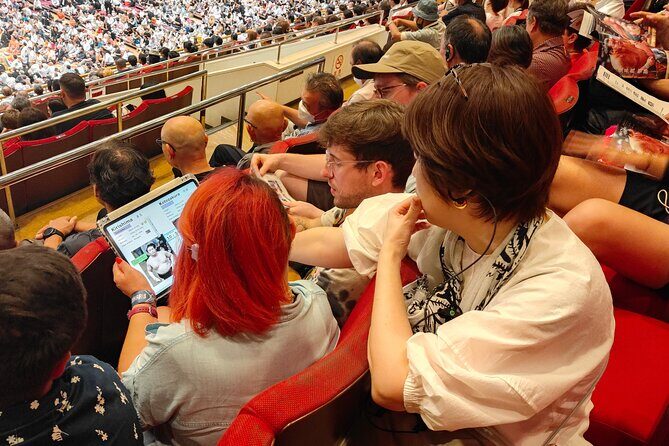
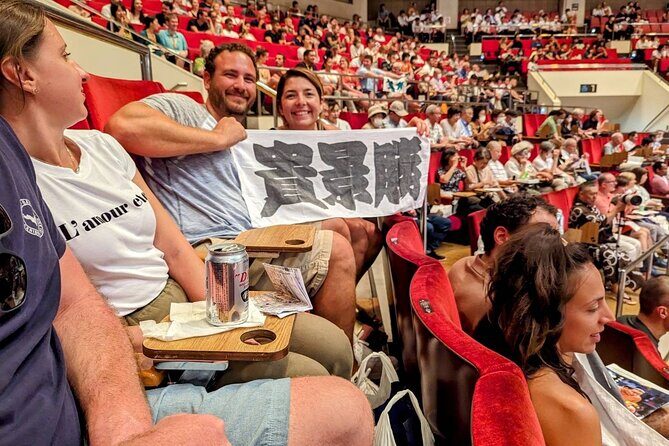
- Use the provided material. You get an info package with tournament context, rankings, and wrestler profiles, plus cheer-up goods so you can root for a specific wrestler instead of just watching randomly.
One more small tip: because group size can be up to 35, the earphones and headsets (for groups of 3 or more) are key for clarity. If you’re the person who tends to misplace items, check you have what you need before the bouts start.
Should You Book This Tokyo Sumo Experience?
Book it if you want your first sumo tournament to feel like a guided story, not a confusing spectacle. The combination of a Ryogoku history walk, an inside Kokugikan tour, and live earphone commentary is the difference between watching and understanding.
Skip it if you’re comfortable going solo with minimal guidance and you’re mainly after the cheapest ticket path. If you’re also very sensitive to quiet presentation, keep in mind that guide communication styles may vary, so you’ll get more out of it if you actively ask questions.
If your priority is to leave with real understanding of ceremonies, rules, and what the wrestlers represent, this is one of the better ways to experience the Grand Sumo May Tournament in Tokyo.
FAQ
Is admission to the arena included?
Yes. Admission for the Kokugikan viewing portion is included, while the Ryogoku landmark/history walking part is listed as free.
Is the tour private?
It’s described as a private tour with personalized attention, though it operates with a maximum group size of up to 35 travelers.
Do I get help hearing the guide during the bouts?
Yes. The tour includes headsets for each person for groups of 3 or more, so you can clearly hear the guide even from a distance.
Are earphones included during the tournament commentary?
Yes. The tour is set up so you benefit from live commentary from your guide via personal earphones during the bouts.
How long is the experience?
It runs about 6 hours in total (approx.).
What about the chanko-nabe dinner?
Chanko-nabe dinner is an optional add-on after the bouts. Drinks are not included and are ordered separately.
Can I choose my seat style?
Yes. There is a chair option with balcony seating. If you don’t choose it, you may sit on the first floor on a flat floor instead.
Where do we meet the guide?
You’ll meet your guide in a convenient place in Ryogoku, near public transportation. The exact meet location is provided at booking.
What if I need to cancel?
You can cancel for a full refund if you cancel at least 24 hours before the experience’s start time. If you cancel less than 24 hours before, the amount paid is not refunded.
How do I get my ticket?
You receive a mobile ticket.