REVIEW · TOKYO
Mt. Fuji Highlight Photo Spots One Day Tour from Tokyo
Book on Viator →Operated by TOURSTORY · Bookable on Viator
Mt. Fuji looks different from every turn. This one-day highlight route is built around getting you those repeatable, postcard-style angles without the train headache. You’ll swap Tokyo’s lights for classic Fuji viewpoints, with a guide who helps you keep the day moving and your camera ready.
I especially like the mix of photo stops: you get pagoda views, lake reflections, flower backdrops, and even Fuji above tea rows. I also like that you’re not doing this alone in a language fog, since the tour includes English plus Chinese and Korean speaking staff.
One consideration: your day depends on weather and timing. Clear views are not guaranteed, and the guide may adjust the route for traffic and conditions (and there’s a legal limit on how long the vehicle can run in a day).
In This Review
- Key things that make this tour worth considering
- How This One-Day Mt. Fuji Tour Saves You From Tokyo Logistics
- Arakurayama Sengen Park and Chureito Pagoda: Where the Fuji Photos Start
- Fuji Through the Streets: Honcho Street and a Lawson Photo Break
- Lake Kawaguchiko: The Reflection Stop That Can Make or Break the Day
- Oishi Park and Seasonal Flowers: Fuji With a Color Backdrop
- Shiraito Waterfall: Cool Down and Reset Your Senses
- Obuchi Sasaba Tea Fields: Fuji Above Emerald Rows
- The Guide Experience: Timing, Coordinates, and Quick Help When You Need It
- Price and Value: What About $78.82 Actually Buys You
- What You’ll Want to Pack for a Photo-Focused Day Trip
- Weather Reality: Clear Fuji vs Cloudy Fuji
- Who This Tour Is Best For
- Should You Book This Mt. Fuji Highlight Photo Spots Tour?
- FAQ
- How long is the Mt. Fuji Highlight Photo Spots One Day Tour from Tokyo?
- How much does the tour cost?
- What is included in the tour price?
- Are meals included?
- Do you need to pay admission fees at the stops?
- What should I do if the weather is poor?
- Will the itinerary definitely run exactly as planned?
- What kind of fitness level is needed?
- Is this tour group size limited?
Key things that make this tour worth considering
- Multiple Fuji angles in one day, so you’re not stuck hoping for the perfect view at just one stop
- Transportation included, which saves you from planning trains, transfers, and schedules
- Photo-focused pacing, with short windows at several spots for quick framing and video
- A guide who helps with real-world timing, including tips that show up in guest feedback like exact starting coordinates
- Seasonal variety, from Chureito Pagoda season to lakeside flowers and tea-field scenery
How This One-Day Mt. Fuji Tour Saves You From Tokyo Logistics
This is a long day, but it’s a smart one if you want Fuji highlights without turning it into a full-time planning project. You leave Tokyo and come back in a window of about 10 to 11 hours. A big part of the value is the round-trip transportation, so you can focus on the views instead of figuring out which line to take.
The group size caps at 60, which is large enough to be efficient but small enough that you should still be able to hear the guide’s directions when you’re gathering again. You’ll also get a mobile ticket, which is convenient when you’re juggling photos, snacks, and your jacket because the temperature around Fuji can shift.
Important reality check: the itinerary can flex. Expect changes based on traffic, weather, and on-the-ground conditions. There’s also a rule that vehicles can’t operate for more than 10 hours, so the guide may tweak the route to keep everyone safe and on schedule.
A few more Tokyo tours and experiences worth a look



Arakurayama Sengen Park and Chureito Pagoda: Where the Fuji Photos Start
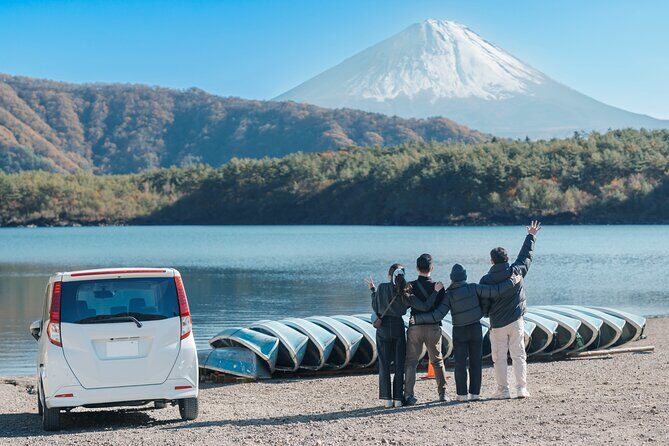
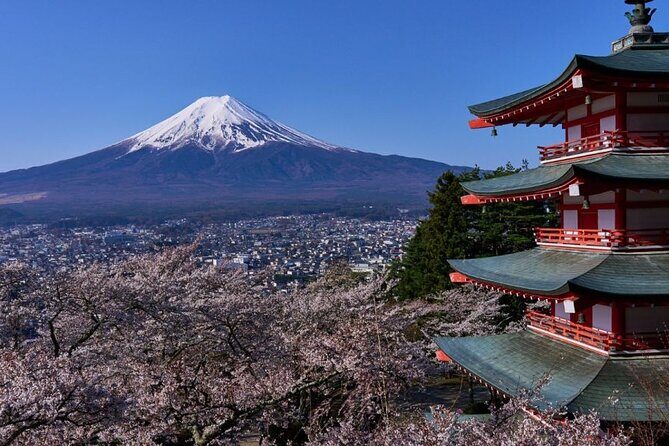
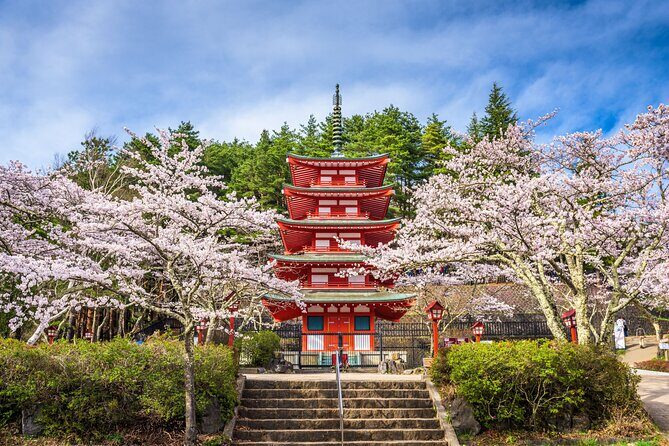
Arakurayama Sengen Park is the classic opening move for a reason. You’re aiming for the iconic view of Mount Fuji with the Chureito Pagoda. In cherry blossom season, it’s especially eye-catching, because you get Fuji, stairs, and spring color in the same frame.
This stop is free, with about 40 minutes on-site. That sounds short, but it’s usually enough to walk to the viewpoints, take a few angles, and catch that moment when clouds either hide Fuji or let it show clearly. If you’re there when the air is crisp, Fuji can look sharp and high-contrast. If it’s hazy, your photos may turn more moody than postcard-perfect—but you’ll still get a sense of the location’s drama.
One practical tip: wear shoes you’re comfortable with on uneven paths and stairs. Even if you don’t go far, the park layout means you’ll be walking more than you expect.
Fuji Through the Streets: Honcho Street and a Lawson Photo Break
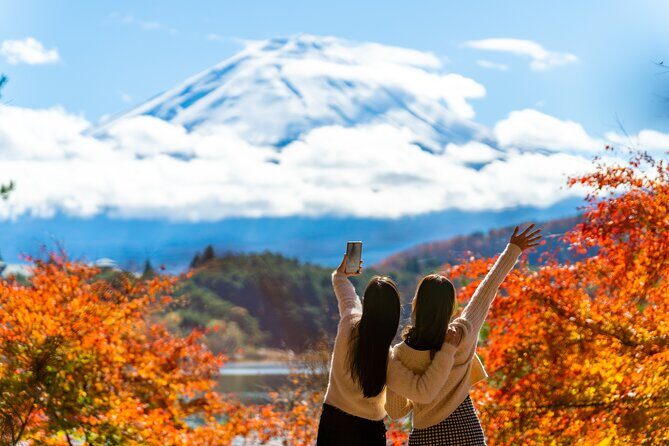
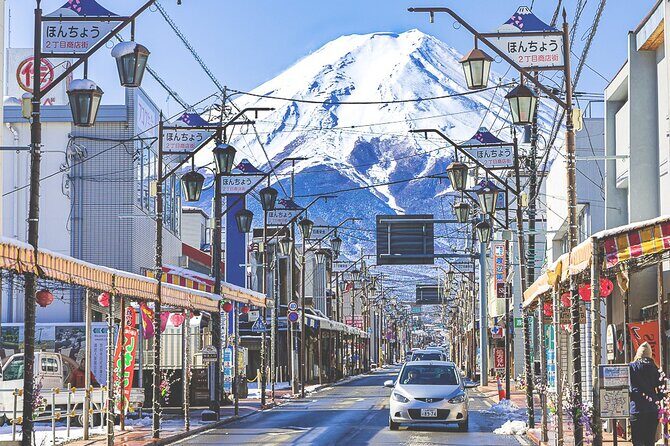
After the main viewpoint, the tour switches from “big scenic payoff” to “Japan-in-miniature framing.” You’ll head to a parking lot near the Fujiyoshida area, then walk around Shimoyoshida Honcho Street. This is a nostalgic lane with signs, lantern-style lighting, and lots of wires overhead. The fun part is that Fuji can show up in the background between the street lines, so your photos feel more lived-in than pure sightseeing.
Next comes a quick stop at the Lawson Fujikawaguchiko Town Hall area. Yes, it’s a convenience-store moment, and that’s exactly why it works. You get one of those funny, instantly recognizable scenes where a Fuji view appears behind a storefront. It’s also a decent chance to reset: grab water, check your camera settings, and make sure you’re still charging on time.
These stops are mostly quick (around 40 minutes and 15 minutes). Think of them as your warm-up and your mid-day energy reset, not as long scenic hikes.
Lake Kawaguchiko: The Reflection Stop That Can Make or Break the Day
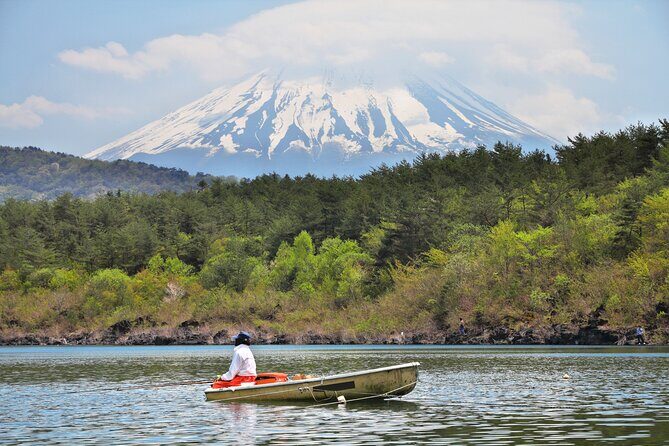
Lake Kawaguchiko is one of the Fuji Five Lakes, and it’s the kind of place where the weather matters a lot. The big draw is the potential for clear views and reflective water. When Fuji lines up well with the shoreline, your photos can look almost too neat. When clouds roll in, you might get less reflection but still plenty of atmosphere.
You’ll get about 20 minutes here, and the lake admission is included. This isn’t a long waterfront stroll tour. Instead, it’s timed for photo windows. So come ready to move fast: get your spot, compose, shoot a few short sequences, then be ready to regroup when it’s time to go.
If you’re the type who likes video, this is a good place to use bursts and short clips rather than only long continuous recording. The view can change quickly with wind and cloud movement.
Oishi Park and Seasonal Flowers: Fuji With a Color Backdrop
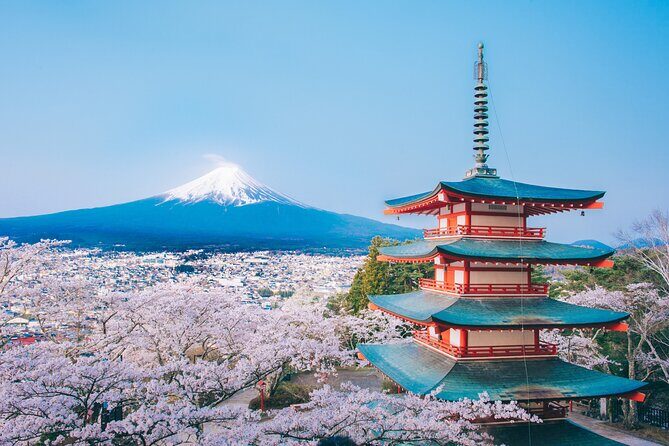
Oishi Park is another key photography stop, and it plays a different role than the lake itself. You’re still aiming at Fuji, but this time you also get seasonal floral displays. The standout example from the tour info is lavender in summer, which can turn your photos into a “vacation postcard” without having to travel far from the main Fuji viewpoints.
You’ll have about 20 minutes. That’s enough time to walk a bit, find a clear angle, and grab photos from more than one spot. If the light is right, the flowers add foreground color and help frame Fuji higher in the image.
The catch is the same as every Fuji day: if the mountain is hidden, you still get a pleasant park view, but your photos won’t have that unmistakable peak silhouette. This is why the whole tour matters—because you’ll see Fuji again later from different locations.






Shiraito Waterfall: Cool Down and Reset Your Senses
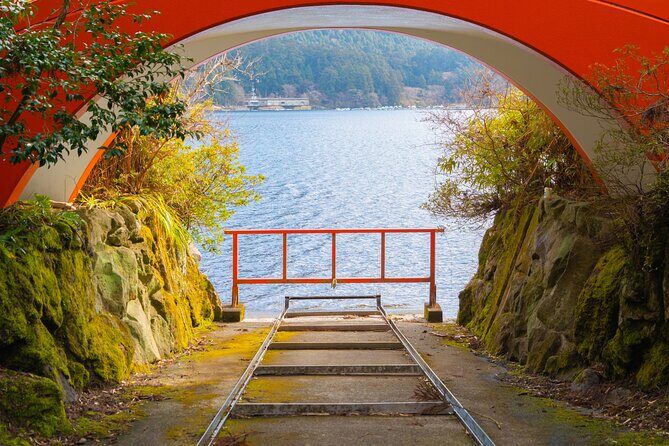
Then you switch from “Fuji perfection” to something Fuji-adjacent and genuinely beautiful: Shiraito Waterfall. It’s known for thread-like streams that spill in delicate lines from a curved basalt cliff. This stop is free and lasts about 50 minutes, which gives you enough time to walk around and take in the sound and movement, not just snap one photo and rush away.
In practical terms, this is a great pause. The day has lots of short windows, and waterfalls are one of the few spots where slowing down actually helps. If Fuji is cloudy, this is where the day can still feel complete because you’re getting a different kind of scenery—motion and texture instead of a single distant peak.
Obuchi Sasaba Tea Fields: Fuji Above Emerald Rows
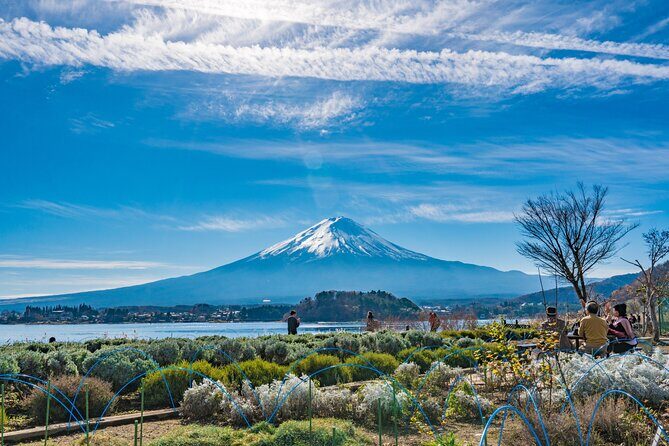
Obuchi Sasaba adds a calmer, more unique feel to the route. You’re looking at tea plantation scenery with Mount Fuji rising above rows of green. The effect is postcard-worthy because the tea lines lead your eye toward the peak. This stop is free, about 40 minutes, and it’s ideal if you want photos that look distinctly “Fuji area” rather than only “Fuji mountain.”
This is also one of the better spots for slower framing. Because the plantation rows create natural guide lines, you can shoot from a few angles without needing complex settings. If clouds are present, you may still get a strong graphic look—either as a misty silhouette or a partially visible peak.
The vibe here is quiet compared with the more famous pagoda area. It’s a nice contrast on a busy day.
The Guide Experience: Timing, Coordinates, and Quick Help When You Need It
The tour includes English, plus Chinese and Korean speaking staff. That matters on a day where you’re meeting at the right place at the right moment. In guest feedback, guides were praised for being organized and helpful, with specific mentions like one guide sending exact starting coordinates and another being both informative and funny.
You might also hear about last-minute communication like WhatsApp messages sent the night before. That can be helpful if you’re arriving early or need to confirm the exact meetup spot. If you rely on your phone and internet, make sure you have enough connectivity or a plan to contact your guide.
Also keep in mind: your time at each stop can shift with season and on-site situation. The guide is balancing photo timing with regrouping, traffic, and weather. When you hear a clear call to meet back, don’t stretch for one more photo unless you’re sure you can make it back quickly.
Price and Value: What About $78.82 Actually Buys You
At about $78.82 per person, you’re paying for a full day that bundles four big expenses: transportation, guided coordination, planned photo stops, and entry costs where applicable. Most stops are free, and Lake Kawaguchiko admission is included. That mix helps keep the total predictable.
What you’re not paying for is the biggest daily variable: meals. You’re also not paying for insurance. The tour recommends bringing snacks or a light lunch, because there’s no included meal time.
So the value question becomes simple: if you tried to do this on your own, you’d likely spend time and money on transport and figuring out how to hit multiple areas efficiently. This tour turns that into a single organized day with a route built for views.
What You’ll Want to Pack for a Photo-Focused Day Trip
This tour is basically “camera day,” but you still need practical gear. Bring a light lunch or snacks, since meals aren’t included. Bring water too. The stops are short enough that hunger can ruin your photos by making you rush.
Wear comfortable shoes. Even “viewpoint” stops have walking paths, stairs, and uneven ground. If it’s chilly, layers help because temperatures around lakes and waterfalls can feel different from Tokyo.
And if you care about photos: charge your phone, bring an extra battery if you can, and consider a small lens cloth. Fuji days can be bright, windy, and a bit dusty near viewpoints.
Weather Reality: Clear Fuji vs Cloudy Fuji
This is a weather-dependent experience. If the skies don’t cooperate, the tour provider may offer a different date or a full refund. That’s fair, because Fuji visibility isn’t something you can force with good intentions.
On a clear day, you’ll get what you came for: Fuji framed by pagoda stairs, captured above tea fields, and reflected near the lake. On a cloudy day, you can still get good photos, especially from locations designed to work at multiple distances and angles. The waterfall stop helps too, because it doesn’t rely on the peak being visible.
Bottom line: treat this as a high-probability Fuji day, not a guaranteed peak-sighting. Your odds improve when you book with flexible weather expectations.
Who This Tour Is Best For
This one-day route is a strong fit if you want:
- A photo-heavy plan with multiple Fuji perspectives in one outing
- Low-stress navigation thanks to included transportation
- A day with an English-and-multilingual guide who keeps things moving
It’s also a good choice if you don’t want to spend your limited Japan time building a multi-stop itinerary and solving train schedules.
It may not be ideal if you hate long days or if you need lots of free roaming. With short windows at several stops, you’ll want to follow the guide’s pace and keep an eye on regroup times.
Should You Book This Mt. Fuji Highlight Photo Spots Tour?
If your main goal is Mt. Fuji photos and you’re staying in Tokyo, I’d book it. The route hits classic viewpoints plus a few cleverly framed local scenes, and the included transport saves you from turning the trip into logistics homework. At roughly $78.82 with admission mostly free and Lake Kawaguchiko included, it’s priced like a practical day solution, not a luxury indulgence.
Book it confidently if you’re okay with weather uncertainty and a schedule built around quick photo windows. Skip it only if you want a slow, wandering trip with lots of free time at one location. This tour is about seeing Fuji from multiple angles, then moving on while the light is still workable.
FAQ
How long is the Mt. Fuji Highlight Photo Spots One Day Tour from Tokyo?
The tour runs about 10 to 11 hours.
How much does the tour cost?
The price is $78.82 per person.
What is included in the tour price?
It includes round-trip transportation and English, plus Chinese and Korean speaking staff. Lake Kawaguchiko admission is included.
Are meals included?
No. Meals are not included, and it’s recommended to bring snacks or a light lunch.
Do you need to pay admission fees at the stops?
Most stops list admission as free, and Lake Kawaguchiko admission is included. Other stops are marked as free.
What should I do if the weather is poor?
This experience requires good weather. If it’s canceled due to poor weather, you’ll be offered a different date or a full refund.
Will the itinerary definitely run exactly as planned?
The itinerary can be adjusted due to traffic and weather conditions, and vehicle operation is limited by Japanese law.
What kind of fitness level is needed?
The tour states a moderate physical fitness level is recommended.
Is this tour group size limited?
Yes. The maximum group size is 60 travelers.