REVIEW · TOKYO
Tokyo: Tea Ceremony Experience in Asakusa
Book on GetYourGuide →Operated by Localized Walking & Food Tours · Bookable on GetYourGuide
Matcha tastes better when someone teaches you. This Asakusa tea ceremony is a friendly, beginner-ready way to learn what all those careful steps mean, without the stiff formality. You’ll sit comfortably while your English-speaking host explains everything from water to presentation, then you’ll whisk and enjoy your own cup of matcha at a pace that feels human.
Two things I really like: first, the ceremony focuses on the meaning behind the actions, not just copying hand motions. Second, you get hands-on time—whisking matcha yourself and savoring it after you’ve made it. It’s also small-group (up to 8), so questions don’t feel like an interruption.
One drawback to consider: it’s just 1 hour, so if you’re the type who wants a long, slow, back-and-forth conversation, you may wish there was more time to linger.
In This Review
- Key Things You’ll Actually Notice
- Asakusa Meeting Point: Tokyo Tourist Lounge on the 5th Floor
- What a 1-Hour Matcha Ceremony Really Feels Like for First-Timers
- Whisking Matcha: How Each Step Gets Explained (Water, Whisking, Serving)
- Traditional Sweets + Tea-Time Philosophy: Why It’s Not Just a Beverage
- Getting the Meaning Right: The Guide Impact (Midori and Kaz)
- Photography, Questions, and a Friendly Pace
- Price and Value: What $25 Covers (and What It Doesn’t)
- Who This Asakusa Matcha Experience Is Best For
- Should You Book This Tea Ceremony in Asakusa?
- FAQ
- Where is the meeting point for the Tokyo tea ceremony in Asakusa?
- How long is the tea ceremony experience?
- How much does it cost?
- What language is the instructor?
- What is included in the price?
- Is kimono rental included?
- Is the group size small?
- Can I take photos and ask questions during the session?
- Is it wheelchair accessible?
- What is the cancellation policy?
Key Things You’ll Actually Notice
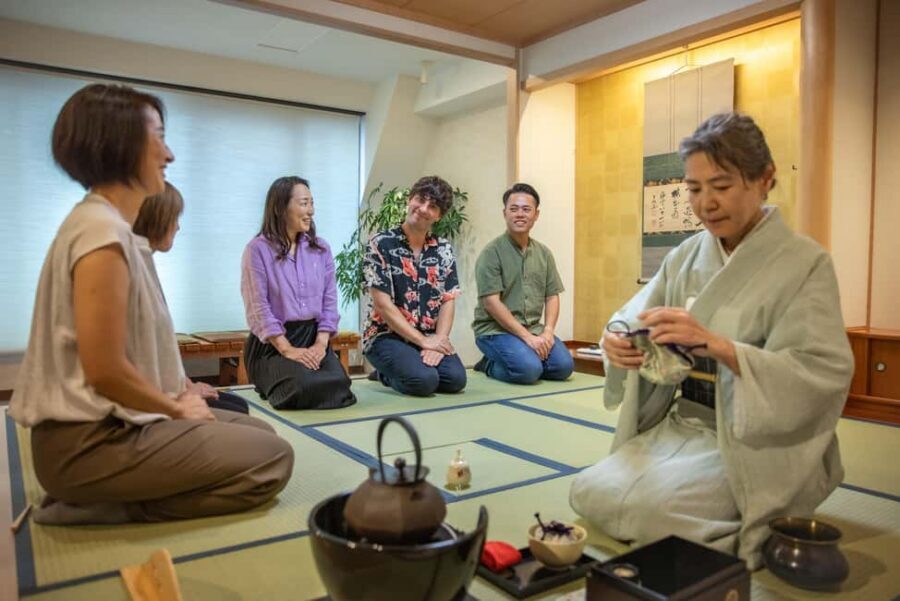
- Beginner-friendly setup that stays relaxed, even if you’ve never tried matcha before
- Hands-on matcha whisking, including making your own bowl
- Step-by-step meaning, explained in plain English by your host
- Traditional sweets included, served alongside the tea experience
- Small group size (up to 8), which makes it easier to ask questions and take photos
Asakusa Meeting Point: Tokyo Tourist Lounge on the 5th Floor
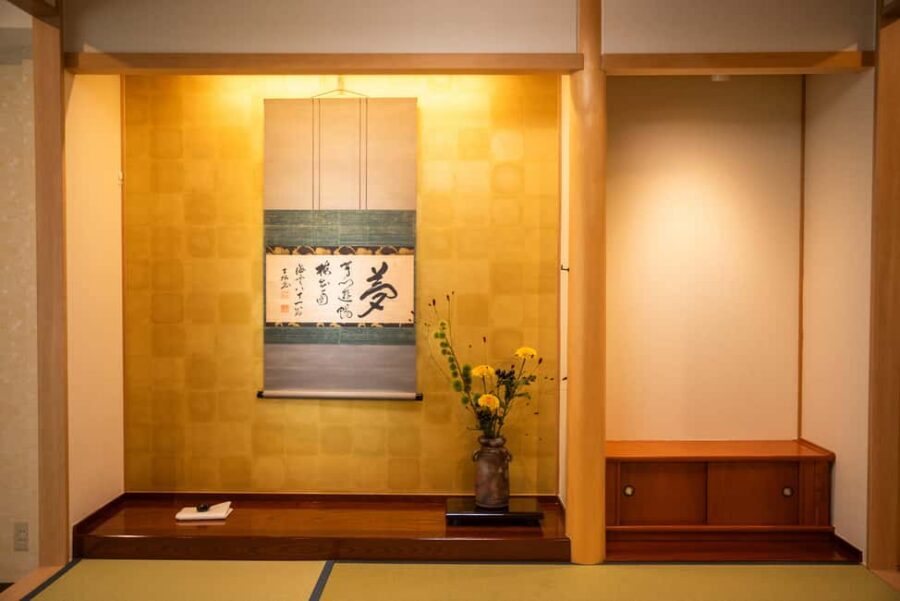
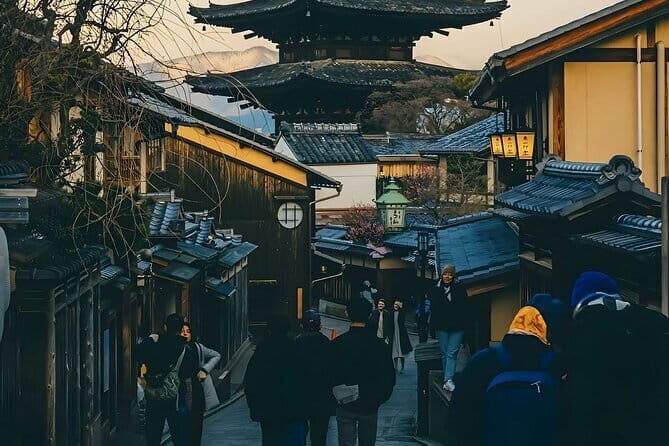
The experience meets at Tokyo Tourist Lounge Asakusa. Use Google Maps and type Tokyo Tourist Lounge Asakusa, then go to the 5th floor of the building. The coordinates are 35.7103757, 139.796744, which makes it easy to plug into maps if you’re walking around Asakusa’s streets first.
Because it’s a small group, showing up a few minutes early helps. You’ll get settled, and you’ll be ready when your host starts with the short orientation that makes the whole ceremony feel approachable.
If you’re traveling with a wheelchair, this matters: the activity is wheelchair accessible, so plan for a straightforward arrival and seating. (You don’t want to waste energy negotiating stairs or narrow entryways right before the tea part.)
You can also read our reviews of more tours and experiences in Tokyo.



What a 1-Hour Matcha Ceremony Really Feels Like for First-Timers
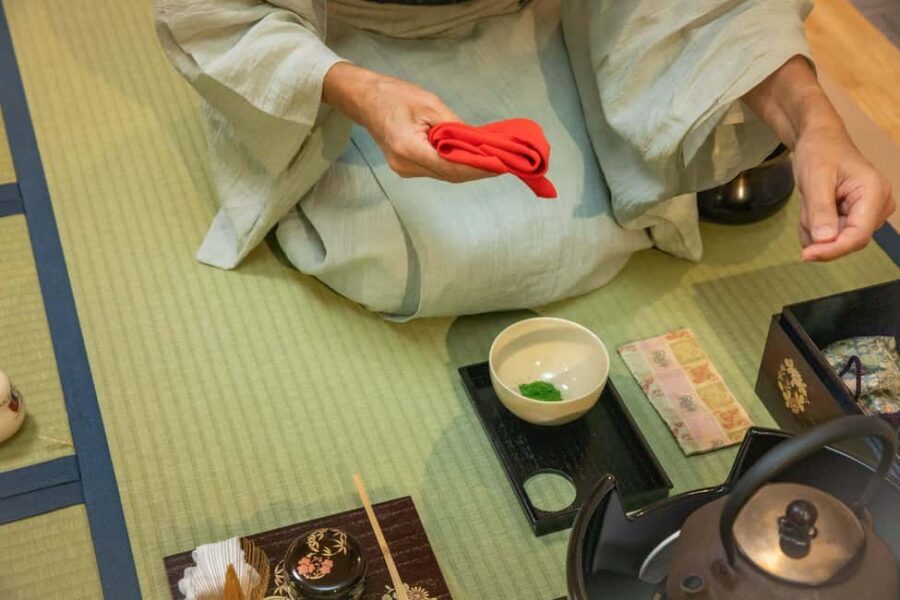
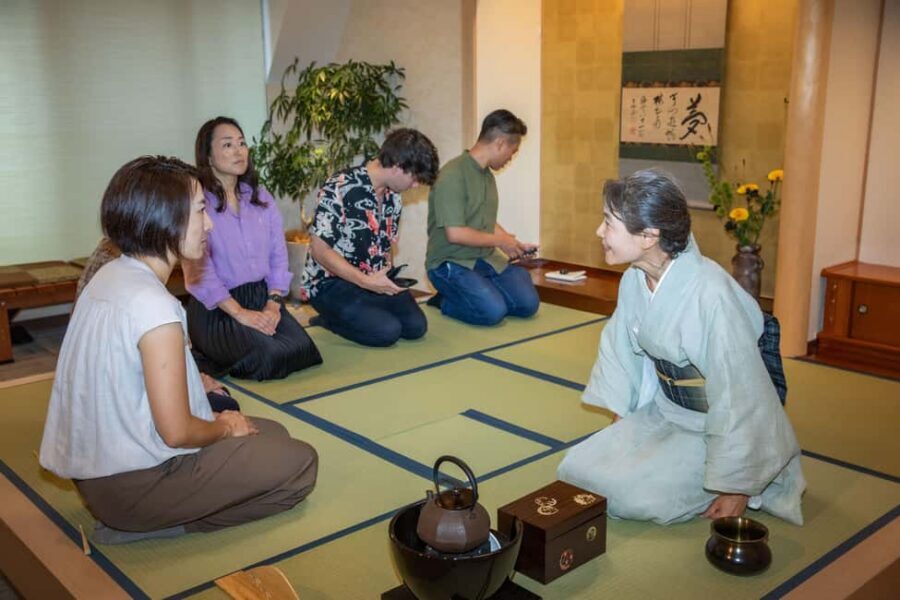
This is a “relaxed version designed for beginners and curious travelers,” and you can feel that in the tone. You’re not expected to be quiet, perfect, or overly ceremonial. Instead, you’re encouraged to ask questions, and you’re allowed to take photos in the session.
The structure is simple and time-efficient: you’ll learn, taste, and then make your own bowl. With duration of 1 hour, the host keeps the flow moving—enough time to learn the basics and still enjoy the tea instead of feeling rushed through it like a demo.
English instruction is also a big deal. If your goal is cultural context plus a hands-on activity, you’ll appreciate that the host explains the meaning behind the steps in English, not just Japanese gestures and nods.
Whisking Matcha: How Each Step Gets Explained (Water, Whisking, Serving)
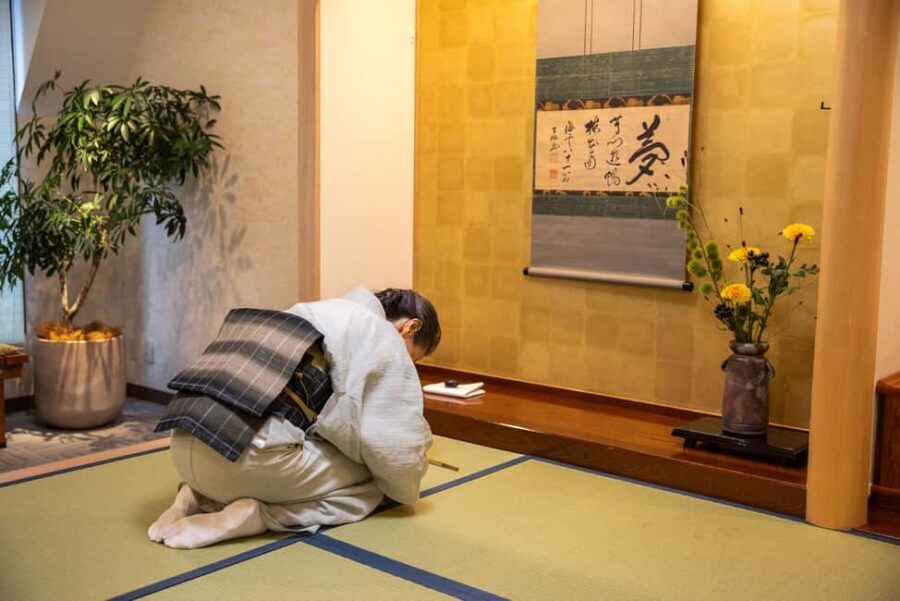
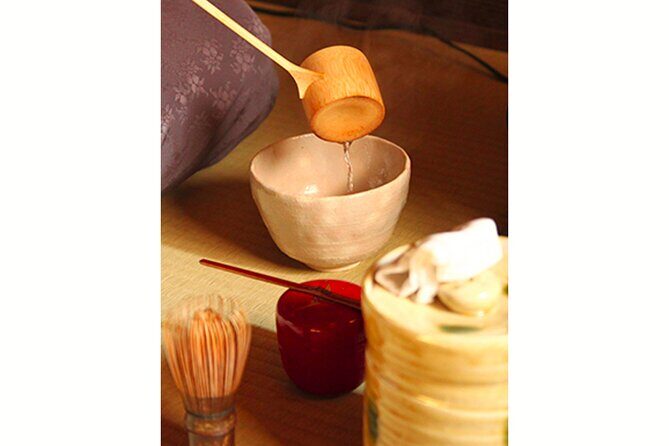
Here’s what you can expect during the ceremony itself. Your host starts by walking you through the main actions and what they represent. The experience includes a guided explanation of the steps—like pouring water and presenting the tea—so you’re not just learning procedures. You’re learning why the procedures exist.
Then comes the part most people actually remember: matcha. You’ll learn how to whisk powdered green tea properly. The goal is a smooth, well-mixed bowl that tastes good and feels satisfying to make. Your host demonstrates first, then you get your turn.
After that, you get to taste freshly prepared matcha. This is useful even if you already know what matcha is. You’ll notice how the taste shifts based on how it’s prepared and served, and tasting before you make your own bowl helps you understand what you’re aiming for.
Finally, you make your own bowl and savor it at your own pace. That last step is where the ceremony becomes more than a class. It turns into a small ritual you can actually slow down inside—one cup, one bowl, and time enough to drink it thoughtfully.
Traditional Sweets + Tea-Time Philosophy: Why It’s Not Just a Beverage
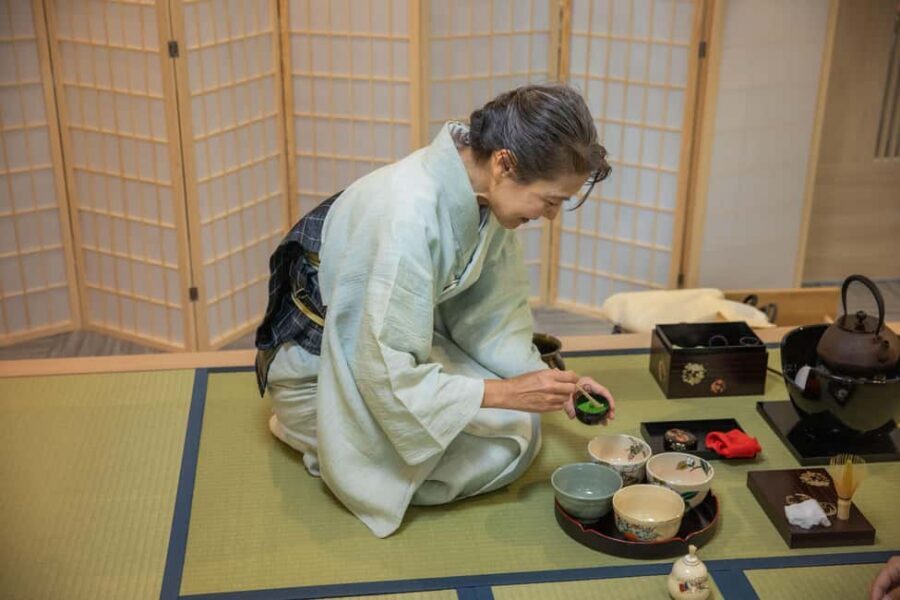
Traditional Japanese sweets are included, so you’ll have something to enjoy alongside the matcha. Even if you don’t know much about wagashi-style sweets in advance, the idea is pretty clear: it gives you a break between sips and helps you treat the tasting like a full moment, not a quick shot.
The ceremony is also about hospitality and harmony—the host explains the philosophy behind the process. The practical version of that philosophy is simple: the steps aren’t random. They’re ways of showing care through attention. When you understand that, the ceremony stops feeling like a performance and starts feeling like a conversation in actions.
One of the best parts is how friendly the tone stays. The experience is built so you’re comfortable asking questions and learning at a normal human pace. That matters in Japan, where cultural customs are real—but you don’t have to pretend you were born knowing them.
Getting the Meaning Right: The Guide Impact (Midori and Kaz)
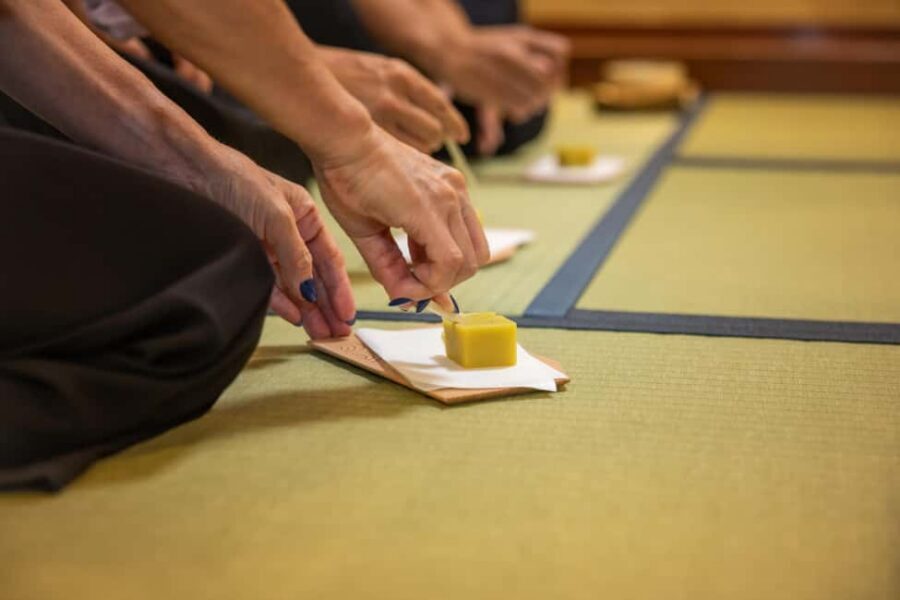
The ceremony’s quality often comes down to the host, and the guidance here has gotten strong praise for being both clear and caring. In past sessions, guides such as Midori have been highlighted as incredibly kind and informative—calm, with explanations that connect tea steps to Japanese culture in a way that actually clicks.
Another name you may hear in feedback is Kaz, noted for explaining the ceremony and helping participants make their own matcha. A recurring theme is that the explanation includes the bigger picture too: where matcha comes from, its importance, and its relevance to Japanese society and culture.
What that means for you, practically: you’re not just learning how to whisk. You’re learning how to interpret the ceremony as a cultural practice. That’s the difference between taking photos of a thing and leaving with understanding you can carry into future experiences in Japan.






Photography, Questions, and a Friendly Pace
One reason this tour works so well for casual visitors is the setting. You can ask questions, take photos, and generally act like a curious person, not a nervous one.
The key is to use that freedom wisely. I’d suggest you take a minute at the start to ask any big-picture question—like what the steps are meant to represent—so the rest of the session feels connected. During whisking and tasting, ask smaller, immediate questions too, like how to adjust technique or what to pay attention to in the taste.
Photo time is built in, which helps because the ceremony is visual: bowls, tools, careful motions, and the whole calm, seated atmosphere. If you want pictures, you’ll get them without needing to sneak around or disrupt the flow.
Price and Value: What $25 Covers (and What It Doesn’t)
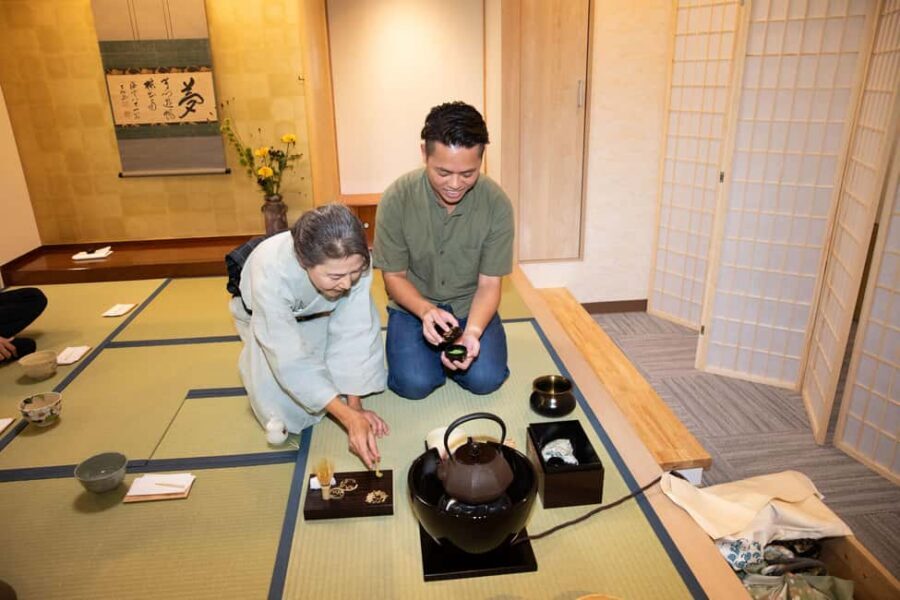
At $25 per person for about 1 hour, you’re paying for more than a tasting. You’re paying for a guided lesson that includes:
- the Japanese tea ceremony itself
- a matcha preparation lesson
- traditional Japanese sweets
- guided instruction in English
That’s the real value: someone teaches you what to do and what to look for, then you get to do it yourself. If you’ve ever watched a tea ceremony online and thought, I get the visuals, but I don’t get the meaning—that’s exactly what this format fixes.
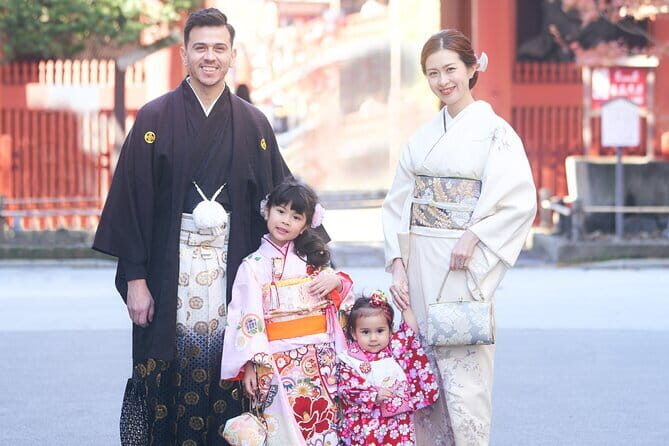
The one thing not included is kimono rental. If you were hoping to walk out in a full outfit, plan on bringing your own style, or consider another activity that includes clothing. For many people, that’s actually fine: the point here is the tea and the learning, not the costume.
Who This Asakusa Matcha Experience Is Best For
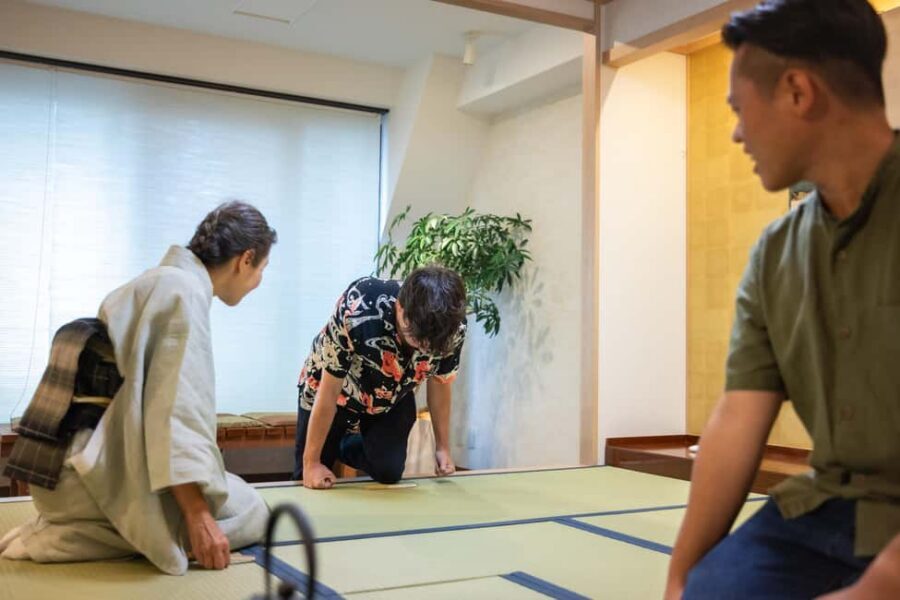
This fits best if you want Japanese culture in a smaller, calmer package. It’s great for:
- first-time visitors to Japan who want something meaningful but not intimidating
- repeat visitors who want a quieter cultural activity without long travel time
- anyone who likes hands-on learning more than museum-style listening
- people who prefer small groups (it’s limited to 8 participants)
- visitors who want English guidance and a beginner-friendly pace
It’s also a good choice if you’re in Asakusa and want an experience that doesn’t require you to rearrange your whole day. The 1-hour duration makes it easy to pair with sightseeing nearby—without eating your entire afternoon.
And because it’s wheelchair accessible, it’s a solid option for mobility needs, as long as you’re comfortable with a seated activity format.
Should You Book This Tea Ceremony in Asakusa?
I’d book it if you want a relaxed tea lesson with real participation. The mix of step-by-step meaning, hands-on whisking, and a calm, friendly host approach is exactly what makes this worth your time. At $25 for a guided, small-group ceremony that includes sweets and instruction in English, it’s strong value—especially if you’re learning matcha for the first time.
Skip it (or at least adjust expectations) if you need a longer format. One hour is enough to learn the basics, make your own bowl, and enjoy it—but it won’t turn into a multi-hour deep dive.
If you’re looking for a practical way to slow down in Tokyo and understand the culture behind the cup, this is a smart choice.
FAQ
Where is the meeting point for the Tokyo tea ceremony in Asakusa?
The meeting point is Tokyo Tourist Lounge Asakusa, located on the 5th floor. You can find it in Google Maps by searching Tokyo Tourist Lounge Asakusa. Coordinates: 35.7103757, 139.796744.
How long is the tea ceremony experience?
The experience lasts 1 hour.
How much does it cost?
The price is $25 per person.
What language is the instructor?
The instructor provides the experience in English.
What is included in the price?
The experience includes the Japanese tea ceremony, a matcha preparation lesson, traditional Japanese sweets, and a guided experience.
Is kimono rental included?
No, kimono rental is not included.
Is the group size small?
Yes. The group is limited to 8 participants.
Can I take photos and ask questions during the session?
Yes. The experience is designed for a relaxed setting where you can take photos and ask questions.
Is it wheelchair accessible?
Yes, the activity is wheelchair accessible.
What is the cancellation policy?
You can cancel up to 24 hours in advance for a full refund.